“For social distancing to have reversed the epidemic in China, the effective reproduction number must have declined by at least 50-60%, assuming a baseline R0 [taxa de transmissibilidade do vírus – per capita] between 2 and 2.5. Through intensive control measures, Shenzhen was able to reduce the effective reproduction number by an estimated 85%. However, it is unclear how well these declines in R0 might generalize to other settings: recent data from Seattle suggests that the basic reproduction number has only declined to about 1.4, or by about 30-45% assuming a baseline R0 between 2 and 2.5. Furthermore, social distancing measures may need to last for months to effectively control transmission and mitigate the possibility of resurgence.”
“We used data from the United States to model betacoronavirus transmission in temperate regions and to project the possible dynamics of SARS-CoV-2 infection through the year 2025.”
“According to the best-fit model parameters, the R0 for HCoV-OC43 and HCoV-HKU1 varies between 1.7 in the summer and 2.2 in the winter and peaks in the 2nd week of January, consistent with the seasonal spline estimated from the data. Also in agreement with the findings of the regression model, the duration of immunity for both strains in the best-fit SEIRS model is about 45 weeks, and each strain induces cross-immunity against the other, though the cross-immunity that HCoV-OC43 infection induces against HCoV-HKU1 is stronger than the reverse.”
“Next, we incorporated a third betacoronavirus into the dynamic transmission model to represent SARS-CoV-2. We assumed a latent period of 4.6 days, and an infectious period of 5 days, informed by the best-fit values for the other betacoronaviruses. We allowed the cross immunities, duration of immunity, maximum R0, and degree of seasonal variation in R0 to vary. We assumed an establishment time of sustained transmission on 11 March 2020, when the World Health Organization declared the SARS-CoV-2 outbreak a pandemic and we varied the establishment time in a sensitivity analysis. For a representative set of parameter values, we measured annual SARS-CoV-2 infections and the peak annual SARS-CoV-2 prevalence through 2025. We summarized the post-pandemic SARS-CoV-2 dynamics into the categories of annual outbreaks, biennial outbreaks, sporadic outbreaks, or virtual elimination. Overall, shorter durations of immunity and smaller degrees of cross-immunity from the other betacoronaviruses were associated with greater total incidence of infection due to SARS-CoV-2, and autumn establishments and smaller seasonal fluctuations in transmissibility were associated with larger pandemic peak sizes.”
“SARS-CoV-2 can proliferate at any time of year”
“If immunity to SARS-CoV-2 is not permanent, it will likely enter into regular circulation
Much like pandemic influenza, many scenarios lead to SARS-CoV-2 entering into long-term circulation alongside the other human betacoronaviruses, possibly in annual, biennial, or sporadic patterns over the next five years.”
“High seasonal variation in transmission leads to smaller peak incidence during the initial pandemic wave but larger recurrent wintertime outbreaks”
“The R0 for influenza in New York declines in the summer by about 40%, while in Florida the decline is closer to 20%, which aligns with the estimated decline in R0 for HCoV-OC43 and HCoV-HKU1. A 40% summertime decline in R0 would reduce the unmitigated peak incidence of the initial SARS-CoV-2 pandemic wave. However, stronger seasonal forcing leads to a greater accumulation of susceptible individuals during periods of low transmission in the summer, leading to recurrent outbreaks with higher peaks in the post-pandemic period.”
“If immunity to SARS-CoV-2 is permanent, the virus could disappear for five or more years after causing a major outbreak”
“Low levels of cross immunity from the other betacoronaviruses against SARS-CoV-2 could make SARS-CoV-2 appear to die out, only to resurge after a few years”
“Pharmaceutical treatments and vaccines may require months to years to develop and test, leaving non-pharmaceutical interventions (NPIs) as the only immediate means of curbing SARS-CoV-2 transmission. Social distancing measures have been adopted in many countries with widespread SARS-CoV-2 transmission. The necessary duration and intensity of these measures has yet to be characterized. To address this, we adapted the SEIRS transmission model to capture moderate/mild/asymptomatic infections (95.6% of infections), infections that lead to hospitalization but not critical care (3.08% of infections), and infections that require critical care (1.32% of infections). We assumed the worst-case scenario of no cross-immunity from HCoV-OC43 and HCoV-HKU1 against SARS-CoV-2, which makes the SARS-CoV-2 model unaffected by the transmission dynamics of those viruses. Informed by the transmission model fits, we assumed a latent period of 4.6 days and an infectious period of 5 days, in agreement with estimates from other studies. The mean duration of non-critical hospital stay was 8 days for those not requiring critical care and 6 days for those requiring critical care, and the mean duration of critical care was 10 days. We varied the peak (wintertime) R0 between 2.2 and 2.6 and allowed the summertime R0 to vary between 60% (i.e. relatively strong seasonality) and 100% (i.e. no seasonality) of the wintertime R0, guided by the inferred seasonal forcing for HCoV-OC43 and HCoV-HKU1.”
“In the case of a 20-week period of social distancing with 60% reduction in R0, for example, the resurgence peak size was nearly the same as the peak size of the uncontrolled epidemic: the social distancing was so effective that virtually no population immunity was built.”
“Strong social distancing maintained a high proportion of susceptible individuals in the population, leading to an intense epidemic when R0 rises in the late autumn and winter. None of the one-time interventions was effective in maintaining the prevalence of critical cases below the critical care capacity.
Intermittent social distancing could prevent critical care capacity from being exceeded). Due to the natural history of infection, there is an approximately 3-week lag between the start of social distancing and the peak critical care demand. When transmission is seasonally forced, summertime social distancing can be less frequent than when R0 remains constant at its maximal wintertime value throughout the year. The length of time between distancing measures increases as the epidemic continues, as the accumulation of immunity in the population slows the resurgence of infection. Under current critical care capacities, however, the overall duration of the SARS-CoV-2 epidemic could last into 2022, requiring social distancing measures to be in place between 25% (for wintertime R0 = 2 and seasonality) and 75% (for wintertime R0= 2.6 and no seasonality) of that time. When the latent, infectious, and hospitalization periods are gamma-distributed [segundo uma constante, e não exponencialmente], incidence rises more quickly, requiring a lower threshold for implementing distancing measures (25 cases per 10,000 individuals for R0 = 2.2 in our model) and more frequent interventions.”
SERIAM NECESSÁRIOS MUITO MAIS DO QUE APENAS HOSPITAIS E LEITOS DE CAMPANHA: “Increasing critical care capacity allowed population immunity to be accumulated more rapidly, reducing the overall duration of the epidemic and the total length of social distancing measures.”
“The observation that strong, temporary social distancing can lead to especially large resurgences agrees with data from the 1918 influenza pandemic in the United States, in which the size of the autumn 1918 peak of infection was inversely associated with that of a subsequent winter peak after interventions were no longer in place.”
“Although disease dynamics may differ by age, we did not have sufficient data to parameterize an age-structured model. We also did not directly model any effect from the opening of schools, which could lead to an additional boost in transmission strength in the early autumn. The transmission model is deterministic, so it cannot capture the possibility of SARS-CoV-2 extinction. It also does not incorporate geographic structure, so the possibility of spatially heterogeneous transmission cannot be assessed. The construction of spatially explicit models will become more feasible as more data on SARS-CoV-2 incidence becomes available; these will help determine whether there are differences in seasonal forcing between geographic locations, as for influenza, and will also help to assess the possibility of epidemic extinction while accounting for re-introductions.”
“In a recent study, an estimated 4% of individuals with coronavirus sought medical care, and only a fraction of these were tested.”
“Our findings generalize only to temperate regions, comprising 60% of the world’s population, and the size and intensity of outbreaks could be further modulated by differences in average interpersonal contact rates by location and the timing and effectiveness of non-pharmaceutical and pharmaceutical interventions. The transmission dynamics of respiratory illnesses in tropical regions can be much more complex. However, we expect that if post-pandemic transmission of SARS-CoV-2 does take hold in temperate regions, there will also be continued transmission in tropical regions seeded by the seasonal outbreaks to the north and south. With such reseeding, long-term disappearance of any strain becomes less likely, but according to our model the effective reproductive number of SARS-CoV-2 remains below 1 during most of each period when that strain disappears, meaning that reseeding would shorten these disappearances only modestly.”
“While long-lasting immunity would lead to lower overall incidence of infection, it would also complicate vaccine efficacy trials by contributing to low case numbers when those trials are conducted, as occurred with Zika virus. In our assessment of control measures in the initial pandemic period, we assumed that SARS-CoV-2 infection induces immunity that lasts for at least 2 years, but social distancing measures may need to be extended if SARS-CoV-2 immunity wanes more rapidly. In addition, if serological data reveals the existence of many undocumented asymptomatic infections that lead to immunity, less social distancing may be required. Serology could also indicate whether cross-immunity exists between SARS-CoV-2, HCoV-OC43, and HCoV-HKU1, which could affect the post-pandemic transmission of SARS-CoV-2. We anticipate that such cross-immunity would lessen the intensity of SARS-CoV-2 outbreaks, though some speculate that antibody-dependent enhancement (ADE) induced by prior coronavirus infection may increase susceptibility to SARS-CoV-2 and exacerbate the severity of infection.”
“A vaccine would accelerate the accumulation of immunity in the population, reducing the overall length of the epidemic and averting infections that might have resulted in a need for critical care. Furthermore, if there have been many undocumented immunizing infections, the herd immunity threshold may be reached sooner than our models suggest. Still, SARS-CoV-2 has demonstrated an ability to challenge robust healthcare systems, and the development and widespread adoption of pharmaceutical interventions will take months at best, so a period of sustained or intermittent social distancing will almost certainly be necessary.”
“Less effective one-time distancing efforts may result in a prolonged single-peak epidemic, with the extent of strain on the healthcare system and the required duration of distancing depending on the effectiveness. Intermittent distancing may be required into 2022 unless critical care capacity is increased substantially or a treatment or vaccine becomes available.”
“El problema de la preferencia (o de la proairesis para los griegos) es un problema candente, por el cual se suele mostrar demasiado poco interés.” Em síntese, o problema monumental para o qual as massas não estão maduras (talvez jamais estejam): a relatividade e o absoluto envolvidos no <gosto>.
A supostamente utópica ou impossível DISCUSSÃO DO GOSTO após a Metafísica.
“Até que ponto e mediante que meios é possível determinar as razões primordiais que me permitem considerar algo como preferível e atribuir um significado a tal preferência?”
Superioridade intrínseca e escala de valores.
Outridade
“mosaico de opções”
“Que peso tem a preferência do indivíduo contra a das massas?”
Se não se pode discutir a arte, não se pode discutir mais nada.
Hume (Of the standard of taste), ensaísta e crítico do lado de lá (metafísico): a moral bíblico-alcorânica e o drama sanguinolento são inaceitáveis.
Zeitgeist da aletheia e do Belo.
SEMÂNTICA AUTOGENÉTICA: Fragmentação pós-moderna. Morte da Zeitgeist. Coabitação virtual de todas as Zeitgeister no mesmo indivíduo. Fim de um ciclo milenar e início do IMPÉRIO DA ESQUIZOFRENIA, que não sabemos quanto tempo durará.
“a necessidade de restabelecer, com critérios diferentes, um critério valorativo [valor dos valores] para aplicação aos fenômenos da vida, da arte e da sociedade.”
“as enquetes de Kinsey, método contestável”
“Vejamos alguns exemplos de vanguardas artísticas consideradas escandalosas quando apareceram: 1) numa galeria romana, o pintor Kounellis apresentou o quadro de uma mulher grávida, nua, por cujo ventre passeavam algumas baratas; 2) o artista americano Acconci, em NY, apresentava-se confinado em uma cabine estreita de madeira dentro da qual se entregava à masturbação; 3) na exposição Documenta de Kassel (1972), o romano Vettor Pisani expôs uma mulher nua (que vinha a ser sua irmã), cujo pescoço tinha uma argola metálica, e Pisani lhe aplicava uma <tortura simulada>, cutucando uma ferida falsa pintada na perna da modelo; 4) a escultora polaca Alina Szapocznikow expunha em Paris (1970) alguns <tumores>, modelados em plástico, hiperrealistas; 5) o artista austríaco Herman Nitsch alugou um castelo nos arredores de Viena (1968-72) para representar seu <teatro das orgias e dos mistérios> (Orgien und Mysterien Theater): tratavam-se de matanças <rituais> de cordeiros e bezerros, com cujo sangue e tripas os expectadores eram banhados; para isso, Nitsch usava condutos especialmente concebidos, que derramavam o sangue e pedaços dos intestinos sobre o público; o roteiro incluía a participação dos expectadores, que deviam, além de receber os restos mortais dos animais, besuntar-se a si mesmos e aos seus vizinhos com seus próprios excrementos; havia uma série de outros <jogos> sado-masoquistas na exposição, como a celebração de missas hereges e a crucificação simbólica de algumas das ovelhas. Aos interessados, uma descrição detalhada e explicação crítica deste evento figuram em PETER GORSEN, Das Prinzip Obszön, Rowohlt Verlag, Hamburgo, 1969,(*) pp. 114-5, que transcreve também um comunicado da polícia austríaca proibindo esse gênero de <espetáculo aberrante>. Segundo Nitsch, em carta ao próprio Gorsen, o cordeiro crucificado representa simultaneamente o Pai, o Rei, a autoridade política, o ídolo estatal, a divindade. Em suma, tratava-se de uma revivificação dos cultos dionisíacos (<A revolução é um fenômeno dionisíaco>, diz Nitsch), conducentes à liberação do homem de seus tabus religiosos e políticos. (…) É típico de nossa época pretender ressuscitar cultos e práticas iniciáticos ou pseudo-mágicos pertencentes a culturas antigas, em que ditas práticas possuíam ou podiam possuir um valor autêntico; hoje sua <imitação> – seja mediante a astrologia, alucinógenos, ritos budistas, mistérios dionisíaco-órficos como neste caso, ginástica iogue, etc. – tende a ser daninha e contraproducente a despeito da intenção autoral.
(*) Até o momento, o volume-resenha mais completo sobre as relações entre arte, pornografia e sociedade.”
“Exemplos como os acima multiplicam-se em outros segmentos: já pude discorrer em outra obra sobre o caso do musicólogo que gravou em fita magnética os últimos gemidos de um homem agonizante após um acidente de trânsito; bastante conhecido é ainda o caso do cineasta japonês que filmou o transcurso dos últimos instantes da vida de seu pai moribundo de câncer.”
“um deslizamento (contínuo) do significado por debaixo do significante” Lacan
Conceito de ASSIMETRIA ESTÉTICA por VON WRIGHT (ou mais bem uma primeira lei da assimetria): “Assimetria significa que se um estado é preferido em relação a outro, necessariamente o segundo estado não é preferido em detrimento do primeiro; i.e., pelo mesmo sujeito na mesma ocasião” Relação subsumida na fórmula-função (pPq) ~(qPp), p≠q.
“O assimétrico é a premissa de qualquer proairesis.” “O simétrico se identifica com a geometrização mórbida da esquizofrenia.” Paradoxo: a ERA DA ASSIMETRIA é a ERA DA ESQUIZOFRENIA. Que seja apenas um estágio transitório entre duas eras mais autênticas, não destrói-se a contradição inerente. Resta saber se ficaremos indefinidamente presos a uma simulação indefinida desta mesma condição, como diz Baudrillard, ou se essa dialética deixa de ser estéril e se torna propulsora da superação em algum momento. Em suma, se o “novo elemento” vitorioso será ou seguirá sendo a esquizofrenia, em seu sentido pejorativo, ou a assimetria. Em busca de uma nova simetria, de um novo pathos normal.
moral corrente: contradição em termos! moral petrificada
PRIMERA PARTE – UN ANÁLISIS PROAIRÉTICO
CAPÍTULO 1. PREFERENCIA, PREVISIÓN Y CAUSALIDAD
“belief is nothing but a strong and lively idea derived from a present impression (perception) related to it” HUME, A Treatise of Human Nature, 1739
“A maioria das vezes, os lingüistas realizam o estudo dessas modificações [de significante-significado] exclusivamente por zelo científico e erudito, sem ter em conta adequadamente as premissas socioantropológicas que as originam (ou, se se quer, invertendo ostermos da proposição no sentido de Whorf, até que se vejam as próprias premissas socioantropológicas determinadas por tais modificações!).”
“Quando, p.ex., um termo como o italiano testa (para nos atermos a um dos exemplos oferecidos por Guiraud, La sémantique), originariamente uma metáfora estilística nascida da associação da cabeça (caput) com o vaso de terracota (latim testa), passou a significar cabeça, com o que se semantizou de outro modo, enquanto que – acrescentaria eu – em outras línguas românicas adquiriu um significado mais parcial e setorial: testa em português = <frente> ou, inclusive, permaneceu unido ao lexema antigo (cabeza em espanhol = caput), etc., encontramo-nos perante um exemplo fácil do difícil que resulta <prognosticar> a evolução semântica de um termo – do difícil que resulta a previsão de um significado –, mas ao mesmo tempo da importância que pode ter para os efeitos denotativos e conotativos de uma língua o fato de que se produzam semelhantes transformações.
Outro exemplo: a palavra italiana finestra – em espanhol ventana, em português janela – apresenta, ainda considerando só estes 3 idiomas, conotações completamente diferentes, relacionadas com as condições de <abertura ao exterior> (finestra e também no caso do alemão fenster), de <proteção contra o vento> (ventana e também no caso do inglês window) ou de <porta pequena> (janela, de janua).”
“Our ideia of necessity and causation arises entirely from the uniformity observable in the operations of Nature.” Hume
“Max Müller, para quem a própria interpretação falsa ou aberrante de algumas normas é a que abre caminho para muitas interpretações míticas destinadas a se consolidar depois com o hábito e a adquirir valor de norma. Müller explica as razões do mito de Deucalião e Pirra, que fazem nascer os homens das pedras, pela analogia entre as expressões laoi e laas; e o mito de Dafne, transformada em planta de laurel, pelo fato de que a palavra dafne tem a mesma raiz sânscrita ahana, que significa aurora, etc.” “Pouco tempo depois Cassirer viria a refutar tal teoria, detalhadamente.”
“Segundo Julius Schwabe (em seu riquíssimo volume sobre os signos do zodíaco, Archetyp und Tierkreis. Grundlinien einer kosmischen Symbolik und Mythologie, 1951), a constelação de Gêmeos conotava no passado um elemento masculino em Pólux e outro feminino (ou fracamente masculino) em Cástor. Prova-o o fato de que entre os romanos os homens <juravam a Pólux> e as mulheres a Cástor. Outra prova desta masculinidade duvidosa de um dos gêmeos da constelação seria seu próprio nome, que apresenta um evidente significado castratório, como, além do mais, a própria lenda sobre o animal castor. De acordo com a lenda, esse animal, quando caçado, preferia autocastrar-se antes que ver-se privado de seus testículos pelo caçador: segundo os antigos, nestes órgãos encontrava-se uma substância utilíssima para o preparo de medicamentos contra a histeria, o tifo e outras doenças.”
“Segundo a concepção da alternância de grandes ciclos temporais (que alguns chamam de <grande ano platônico>), à medida que avançam as diferentes constelações no céu, entra-se ou sai-se de uma era determinada. Cada grande era <cósmica> pertenceria a uma constelação zodiacal determinada e se veria influenciada por ela. Pois bem: podemos comprovar então que o nascimento de Cristo se produziu ou coincidiu com a passagem do sol da constelação de Áries para a de Peixes (e temos de sobra exemplos e conotações, não só astrológicos, como geofísicos, geográficos e lingüísticos para a sucessão dos <anos platônicos>), o que nos levaria a reconhecer uma razão muito mais profunda e <oculta> para o uso do nome e da imagem do peixe como símbolo de Cristo, além da aparição do nome peixe em grego para se referir algumas vezes a Jesus Cristo no Novo Testamento. A passagem da Era de Áries à Era de Touro, e desta à de Peixes (que coincide precisamente com o cristianismo e, portanto, com nossa era), à qual sucederá a de Aquário, aparece agora ilustrada com muitos dados inéditos a respeito dos já conhecidos à época de Schwabe. A propósito da denominação das <eras cósmicas> a partir dos signos do zodíaco, consultar o referido autor.”
“Ist es nötig noch darauf hinzuweisen, dass die Urchristen, als sie das uralte Fischsymbol aufgriffen, sich damit eben als eine Gemeinschaft kennzeichnen wollten, die an Wiedergeburt im Geiste, Auferstehung, und Unsterblichkeit glaubte? Sie knüpften damit an die orphischpythagoreische Vorstellung der delphinischen Menschenseele an.” Schwabe “Is it necessary to point out that when the original Christians picked up the ancient fish symbol, they were trying to identify themselves as a community that believed in rebirth in the spirit, resurrection, and immortality? In doing so, they followed up on the Orphic-Pythagorean concept of the Dolphinic human soul.”
“Quanto à relação entre peixe e golfinho, considerado como animal fundamental, veja-se KARL KERÉNYI, Einführung in das Wesen der Mythologie.”
“as discussões sobre a importância que esses deslocamentos das constelações no firmamento poderiam ter para a confecção do horóscopo, segundo se tenha ou não em conta a posição astronômica e real do sol com respeito ao zodíaco, foram e seguem sendo numerosíssimas e encarniçadas: alguns astrólogos sustentam que o horóscopo não deveria considerar deslocamentos puramente físicos; outros afirmam que tais modificações contam também para fins astrológicos. Vemos que até o possível aspecto premonitório, presente nas práticas astrológicas, se encontra subordinado a um aspecto puramente semiótico, ou pelo menos se discute a partir dele – algo no mínimo curioso para uma crença esotérica!”
“Só a arte está em condições de propor os invólucros vazios de um significado ainda não exposto à luz do dia.”
“Por lo demás, estudios recientes sobre el factor tiempo, sobre su base fisiológica, biológica, patológica, han demostrado de sobra la posibilidad de una dilatación o de una restricción de lo <vivido> temporal y la posibilidad de obtener (mediante drogas, medicamentos y ejercicios especiales del tipo del Yoga, como el <training autógeno> de J.H. Schultz) las modificaciones más variadas de la temporalidad.”
CAPÍTULO 2. EL SIMBOLISMO DEL TIEMPO EN EL ARTE DE HOY
“Mucho más evidente es el aspecto simbolizador del tiempo en la categoría limítrofe del arte óptico-cinético (op art) en la que nos encontramos con obras inmóviles en realidad, pero que <sugieren> el movimiento (Bridget Riley, Alviani, Soto, Cruz Díez, etc.). En dichas obras – que hace unos 10 años [1962] aproximadamente estuvieron muy en boga – el tiempo existe <potencialmente>”
“Por que o ritmo é tão importante para nossa existência e por que uma alteração daquele se reflete num mal-estar profundo?”
“No me parece que haya otra forma de explicar la razón por la que muchas creaciones de nuestros días – basadas en tiempos alterados (en sentido psicodélico, en sentido musical-aleatorio, en sentido poético, etc.) – conducen a otras tantas situaciones de malestar físico y psíquico.”
“Así, pues, esa sensación de ligereza y de <ausencia de tiempo> que se puede experimentar en un rápido vuelo transoceánico (en el que la única sensación experimentada es, no la de la velocidad, sino la de la lentitud, dado que así se nos aparece el movimiento del avión frente a la vastedad y a la inmovilidad del paisaje de nubes y del océano situado debajo) corresponde a la ausencia de tiempo de muchos ejemplos de música moderna y de algunas situaciones de las artes visuales que hoy utilizan la dimensión temporal para expresarse.”
“la obsolescencia de la obra (de arte o producida por la industria) – hoy tan aguda, tan paradigmática – demuestra tangiblemente la invasión y la acción de la <consunción> [destruição lenta mas progressiva], del factor temporal, sobre las obras del hombre y la necesidad de su simbolización por parte de las diferentes artes”
“la marcada separación entre mentalidad y comportamiento juvenil y senil encuentra una contrapartida en una diversificación igualmente marcada en la mentalidad y en las actitudes de quienes tienen 16, 25, 30 años. Así, pues, existe una diferenciación destacada entre grados que todavía pueden referirse a una edad juvenil, cosa que no me parece sucediera con igual relieve hace 20 o 40 años.” [!]
“En mi opinión, ese hecho significa que se está produciendo una aceleración del tiempo <existencial> con respecto al fisio-patológico. El tiempo – como símbolo de un devenir que no se detiene – ha invadido estructuras todavía ayer sólidas y consistentes.”
“la sensación de una <amenaza temporal>, propensa a resquebrajar la seguridad de la existencia, está presente por todas partes y la simbolizan los aspectos artísticos y pseudoartísticos a los que he aludido”
O conceito de tempo “SAE (Standard Average European” de Whorf.
“No hay duda de que el fenómeno de la progresiva desaparición o atrofiamiento del pretérito indefinido en lenguas como el italiano (a excepción del toscano) y el francés (y NO en el español), o como la eficacia cada vez menor del futuro (en lenguas que lo presentan, p.ej., en forma compuesta exclusivamente: alemán, griego moderno, croata, esloveno) o <asimilado> al presente (como el ruso y otras lenguas eslavas, cuando utilizan el presente del aspecto perfectivo para indicar el futuro) o recurren a construcciones complejas en lugar de utilizar la forma originaria del futuro (como el francés: je vais faire, el español: voy a hacer, y el propio italiano: conto di fare, sto per fare, mi accingo a fare, por no hablar del futuro japonés, que muchas veces se puede identificar con el presente), demuestra que la actitud del hablante tiende la mayoría de las veces a eludir las situaciones temporales <definitivas> o bien definidas y a adoptar otras más desdibujadas y ambiguas.”
CAPÍTULO 3. ARTE CONCEPTUAL: PREFERENCIA Y TESAURIZACIÓN [“MAL DO ACUMULADOR”]
“El abismo que separa a 2 Weltanschauungen – o, mejor, a dos Kunstanschauungen – a sólo pocos años de distancia parece insalvable.”
“¿Por qué kitsch? Porque el cielo es demasiado azul, la vegetación demasiado verde, la superficie de la figura demasiado translúcida; y, en consecuencia, el conjunto aparece ya manipulado en gran medida y preparado para que se lo comercialice y se lo ofrezca a los turistas, para uso del <delfín burgués>, que pasará en este lugar vacaciones suficientemente prestigiosas como para que sirvan de status symbol de cara a los amigos y a los conocidos.”
“la presentación más o menos exacta, más o menos magnificada, de la realidad, ya sea la fotográfica, ya sea – con mayor razón aún – la impresionista o la enteramente abstracta, resulta estar superada.”
“Aquí quisiera limitarme a precisar el porqué de la aparición de una clase de preferencia por el aspecto conceptual en el arte visual, tal como se ha ido revelando en el último decenio, porque me parece uno de los temas en que la separación entre la época actual y la que acaba de transcurrir resulta más marcada, en que resulta más sintomática la afirmación de un tipo de preferencia hasta hace poco inimaginable.”
“dadá, el surrealismo, fueron las consecuencias extremas de un persiflage de la presentación naturalista del mundo exterior. El informalismo señaló un regreso inútil a una especie de impresionismo pictórico, sin <contenidos>, pero no sine materia; e incluso la pintura-objeto, que desembocó, por un lado, en el pop-art y, por otro, en el arte programado y cinético (me excuso por la rapidez telegráfica y por la aproximación de estas definiciones), seguía recurriendo, a pesar de todo, a la tangibilidad densa y manipulable de la obra.”
“Por lo demás, no es casualidad que un movimiento tan vasto y, en definitiva, tan <incómodo> como el del conceptualismo se haya revelado precisamente en estos últimos años (de 1965 en adelante): años que han visto el surgimiento de las sublevaciones estudiantiles de 66-8 y su decadencia, la extensión y continuación de la guerra en Vietnam y de las guerrillas en tantas partes del mundo, la difusión de la droga, la decadencia de los movimientos de vanguardia en el cine y en el teatro underground, la crisis de la novela y de la música dodecafónica y, después, de la aleatoria”
“un nihilismo diferente del dadaísta, porque carece de fermentos irónicos y humorísticos, un nihilismo ya no propio de Duchamp, con frecuencia macabro, a veces irritante, otras masoquista o sádico.”
“hace 20 años [1952], la única o más importante tarea del crítico comprometido, del estetólogo, era la de defender la vanguardia, de intentar hacer de mediador entre el universo circunscrito, circunspecto, del artista y el obtuso, cargado de anteojos culturales y morales, del público.”
“la temporada de los happenings fue de corta duración, y en muchos casos se vio <comercializada> mediante la reproducción cinematográfica.”
“nuestra época ha llegado a un punto en que la escisión entre arte <puro> y arte utilitario es cada vez más clara y cruel. El primer sector se va alejando cada día más de la comprensión y del interés del gran público (incluso de un público relativamente culto), más aún de lo que ocurría con el arte abstracto de los años 30, con el op y el pop de los años 60; el segundo sector se acerca cada vez más al producto del diseño industrial y se une a la gran familia del kitsch.”
“El público se alimenta constantemente, de um modo que ya otras veces he definido como absurdo, de <sonidos musicales>, casi siempre carentes de interés artístico alguno, sin propósito renovador alguno, con una función de <relleno sonoro> exclusivamente, ni más ni menos que la del ruido que sube de la calle o del <gorjeo de los pájaros> de los tiempos remotos.” Aqui, muita coisa mudou!
“el llamado público de conciertos, los viejos ambientes de los aficionados a la <música clásica>, incluso gran parte de los profesionales (directores de orquestra, profesores de conservatorio, etc.) desarrollan sólo programas a base de música del pasado, sin interés ni comprensión algunos por la música de nuestros días (me refiero a la de Stockhausen, Schnebel, Berio, Cage, Donatoni, etc.). Las obras de los músicos contemporáneos están destinadas a pocos centenares de personas dispersas por el mundo, todavía menos que las que se interesan por el arte conceptual, por el land art, por el arte pobre.”
“Algunos de esos conceptos (como los de tesaurización y analidad aplicados al coleccionismo) surgieron en una discusión con el neurofisiólogo y psicoanalista Mauro Mancia.”
CONCEITO DE ANALIDADE POBREMENTE APLICADO AO COLECIONADOR: “Para muitos colecionadores, o fato de entrar em posse do quadro, da estátua, é por si mesmo fonte de gozo, de igual modo que o é o entesouramento [retenção] de suas próprias fezes pela criança.”
“Muchas veces, las casas de los coleccionistas tienen pocos muebles y objetos, están mal conservadas, con mobiliario anticuado y desmesuradamente moderno, incluso de gusto dudoso. Las obras están amontonadas en las paredes, una junto a otra, sin ningún respeto por su naturaleza particular, sin ninguna preocupación por ese <espacio vital> que cada una necesitaría ni por su convivencia recíproca.”
“En realidad, poetas concretos tradicionales como Ferdinand Kriwet, Rot, De Campos, etc., siguen ateniéndose, como por lo demás, Gominger (quizás el más riguroso y más imaginativo de los concretistas), al aspecto semántico del lenguaje verbal”
“En definitiva: muchos artistas conceptuales han tenido que someterse al deseo de los aficionados. Han tenido que encontrar el modo de saciar el apetito voraz de los <objetos>, siempre renovado, de aquéllos; han tenido que renunciar a sus sueños de pureza, de transitoriedade, de pobreza.”
CAPÍTULO 4. LA MODA COMO EXALTACIÓN PROAIRÉTICA
“Nenhum outro setor da atividade e da criatividade humana é mais representativo que a moda para uma investigação de caráter proairético [que versa sobre as preferências estéticas do público].” “a moda encarna, quase em estado puro, a preferencialidade, que, ressaltamos, não é a <superioridade> de determinada situação.” Sendo assim, a moda não é uma arte. Ou quem sabe seja o que vem depois do fim da arte.
“Quando dizemos hoje: <a lingüística, o estruturalismo, a psicanálise, o marxismo, a fenomenologia, etc., estão na moda>, no fundo reconhecemos que essas doutrinas poderosas, que essas solenes correntes do pensamentos, podem-se reduzir, no final, a simples momentos efêmeros de preferência, e que, portanto, depois de saboreadas o suficiente, destrinchadas e ostentadas, acabarão rápida e afortunadamente sendo substituídas por outras.”
“A palavra alemã Genuss, que os dicionários costumam traduzir por: gozo, posse, desfrute, uso, etc., significa na realidade: saboreio unido a gozo de uma substância ou situação determinada, e não me parece que exista uma palavra em nossa língua com a qual se a possa substituir. Fala-se de um Genuss pelo café, pelo álcool, pela droga, etc.”
Estilo X Styling (kitsch)
(passado – séc. XIX X séc. XX)
ex: Estilo Império, estilo Luís XVI, rococó, estilo Rainha Ana…
Havia um sincronismo e validades universais (ditados pela aristocracia).
“Bastaria recordar os numerosos trabalhos de Wölfflin, Dvorak, Panofsky, para se dar conta de que muitas de suas análises já não se podem aplicar às formas artísticas de nossos dias. Mas hoje – dado que nossa análise é predominantemente sincrônica – já nem podemos falar de estilo a propósito de certos móveis dinamarqueses, ou eletrodomésticos italianos, senão, sobretudo, de moda e de styling. É um fato – e muitos o afirmaram com razão – que o Art Nouveau, o Jugendstil, constituiu-se como o último estilo autêntico de nossa época.”
A moda do kitsch e o kitsch da moda.
“El propio hecho de haber considerado que se pudieran aplicar esquemas estructuralistas a la moda (como ha hecho Barthes en su Système de la mode), pero limitando en realidad su análisis al aspecto <verbal>, de nomenclatura, relacionado con ella, ha hecho que muchos prediquen la necesidad, o la oportunidad, de incluir la moda dentro de un aspecto lingüístico-estructuralista, como tantos otros sectores de la sociedad y de las ciencias humanas en general. Y la cosa no presentaría dificultad, si no se diera en este caso una eventualidad que no me parece se haya considerado: la de una institucionalización a priori, y no a posteriori, de los elementos lingüísticos relativos a dicho supuesto código.”
“Con frecuencia se afirma que la moda es un fenómeno vinculado a la sociedad capitalista y desconocido, o poco conocido, en los países socialistas y revolucionarios; no resulta muy difícil demostrar la falsedad de esa hipótesis.”
“A redundância: tudo é um invólucro teatral e barroco da propriedade doméstica: a mesa é coberta por uma toalha de mesa, ela mesma protegida por uma outra toalha de plástico. Cortinas e cortinas duplas às janelas. Tapetes, capas, revestimentos, abajures…” Baudrillard
“se o fato de trajar mangas de jaqueta excessivamente largas ou calças excessivamente apertadas (nos períodos em que <é moda>) deve ser considerado de mau gosto – kitsch –, podíamos também ampliar este juízo a outros setores para além da moda. Sempre voltará a época da lâmpada com luz oblíqua, talheres escandinavos, louça de aço inox, etc.”
“Mesmo no cinema, apenas em casos excepcionais – Potemkin, Greta Garbo, Buster Keaton, O vampiro de Düsseldorf (para citar 4 exemplos bem distintos entre si) – as imensas qualidades artísticas conseguem <vencer> o desgaste estilístico devido a uma questão de moda, que predomina nos longas bons mas não <ótimos>. O modo de se mover dos personagens, as frases pronunciadas, a entonação das vozes, certas atitudes românticas ou passionais hoje completamente defasadas e consideradas ingenuamente românticas, ou ridiculamente licenciosas, acabam contaminando mesmo as cenas que eram (e seriam ainda) de qualidade estética e técnica.”
“observar os rostos carrancudos e truculentos ou então inexpressivos, severos e carnavalescos dos diferentes hierarcas nazifascistas é – para todos, hoje – um espetáculo grotesco, ainda mais cômico que propriamente penoso e entristecedor. Como justificar o fato, senão pensando que um grande componente de moda interveio para dar àquela época o trato que ela merece?”
“De praxe, consideramos a toilette (a higiene, os hábitos e estilo) de nossos pais mais ridícula e démodé que a de nossos avós ou bisavós.”
“Na música, teatro, poesia não se adverte esse envelhecimento estético tão veloz decorrente da passagem da moda, uma vez que conseguimos substituir instintivamente com nosso modo de ser e de nos comportarmos aquilo que está descrito na novela ou indicado na peça. No cinema e na fotografia (meios <realistas>) isso é impossível. (…) Uma possível fonte de retroalimentação, que pode ser causa, ainda que também efeito de um espírito de época, desse estado de coisas efêmero é o fato de que no passado não era possível apresentar aos próprios descendentes, documentalmente, e com absoluta fidelidade, uma dada moda, sendo assim imperceptível, senão menos evidente e estridente, o contraste entre o ontem e o hoje.”
“Está ligeiramente out (fora de moda) quem ostenta nas paredes de seu chalé ou casa de verão uma pintura informal (em 1972), como também o está quem usa como música de fundo para receber seus amigos um Respighi¹ ou Pfitzner², embora o mesmo não se possa dizer de quem opta pelo jazz de vanguarda mais recente ou uma marcha de Bach.”
¹ Compositor italiano do XIX-XX, já ele mesmo um nostálgico de períodos ainda mais remotos (sécs. XVI ao XVIII).
² Praticamente o mesmo se pode dizer deste segundo compositor alemão, incluindo o período em que viveu e exerceu sua influência e seu gosto nostálgico, particularmente entusiasta de Palestrina.
“…e as coisas estão mudando enquanto escrevo”
“na Itália, basta seguir um automóvel para observar um exemplo perfeito dessa veemência gesticulatória do povo (não só abundante como até excessiva), com freqüência a causa de acidentes de trânsito, graves até: a maioria das vezes ambas as mãos do motorista abandonam o volante para que ele possa comunicar a seu companheiro a profundidade de seu pensamento de maneira apropriada (que o <co-piloto> decerto não vê, ocupado em vigiar o tráfego!).” “um baixo contínuo que acompanha a palavra”
“o V de vitória com a mão era quase desconhecido, antes de Churchill popularizar o gesto”
“A saudação de punho cerrado de tipo comunista está, talvez, em fase de decadência, como muitos gestos indicativos de <ter fome>, <enganar>, <vou dormir>. A saudação fascista, que esteve em voga, desgraçadamente, por muitos anos, seguiu, depois, existindo com um valor de saudação <normal>, desde que fosse executada com menor elevação do braço e com menos vigor (perdendo assim seu ar <romano>).”
O ciao ou adeus italiano na estação de trem, p.ex., antes de uma larga viagem, era vertical ou frontal (oscilações do braço entre a pessoa que saúda e a direção do viajante); com o tempo, passaram a usar o tchau que hoje conhecemos: oscilações laterais, à moda anglo-saxã ou germânica. Mais curioso ainda: em poucos anos, usos gestuais passaram por transformações importantes: antes mexiam-se os dedos das mãos no adeus, e a palma ficava imóvel; depois, os dedos ficavam juntos e sem se mexerem, e a mão adquiriu dinamismo.
“a passagem do tabaco da aspiração ao fumo se deveu a um aperfeiçoamento do gosto, ou <mudança de moda>. Não se pode dizer que amanhã não se voltará à moda de aspirar o tabaco ou de fumar o café ou mascar o chá.” Congelamento!
“é provável que num futuro próximo (quando, como é verossímil, se tenha liberado a maconha e substâncias semelhantes) o período atual pareça fortemente condicionado: primeiro, pelo proibicionismo; depois, pela liberação; e, finalmente, pela provável decadência do uso de tais substâncias.”
“Isso é o que não me parece admissível: buscar refúgio numa abolição ou atenuação da própria atividade consciente mediante fármacos que a embotam (ou a exaltam, mas desfigurando-a, desegotizando-a) é contrário a todos os princípios a que se dirigiu a civilização ocidental; é ainda adverso buscar refúgio ou auxílio em tentativas mecânicas de vidência ou de visões supressensíveis (práticas iogues, p.ex.).”
“conhecida é a relação entre sexualidade e iniciação no budismo clássico, como na prática do despertar do Chakra” “métodos ocultos que não são apropriados para nossa época”
Um tal Timothy Leary, psicólogo doidão, prescrevia o cogumelo Teonanacatl, tradicional entre aborígenes mexicanos, a seus pacientes nos anos 70. O Dalai-Lama rebateu este “profissional” em 1971: “O que mais falta aos próprios usuários desses narcóticos é o que poderia ser benéfico em seu uso – a Claridade, a Pureza e a Liberdade.”
CAPÍTULO 5. IDEOLOGÍA COMO PROAIRÉTICA PATOLÓGICA
“Joseph Gabel, em seu La conciencia falsa, que segue sendo indubitavelmente o melhor estudo dum aspecto patológico-político ou, se se quer, psicanalítico-marxista da ideologia, analizou bastante bem este <ponto fraco> do fanatismo ideológico.”
“Segundo Dévreux, se podemos considerar o período nazi como o estabelecimento de uma forma esquizofrênica, poderíamos, igualmente, considerar a sociedade européia de finais do séc. XIX como tendencialmente <histérica>.”
“Talvez não se possa dizer o mesmo da Itália em sua relação com o fascismo o mesmo da Alemanha em sua relação com o nazismo; a <cura> italiana não se produziu com o mesmo vigor.”
“Um caso de paranóia política poderia ser o de Israel: o enlace com pontos de partida ético-religiosos, que remontam a milhares de anos; a incrível firmeza na perseguição de um ideal construído sobre um conceito de <nação>, totalmente teórico; o fato de ter ressuscitado uma língua morta há vários séculos…”
“É sabido que a ignorância das funções mais elementares relacionados com o sexo era (até há pouco, se bem que segue sendo em parte) enorme, como também é conhecida a razão para isso: religião ou confissão (catolicismo), falso moralismo (vitoriano) ou alegações puritanas de virtude hipócritas (quakers, calvinistas e protestantes no geral).”
O VOCÁBULO “TEMPO” NOS IDIOMAS ESLAVOS (TEMPO METEOROLÓGICO, TEMPO CRONOLÓGICO):
Croata – vrijeme (clima); goda, rok (devir)
Eslovaco – cas (devir)
Esloveno – vreme (clima); ura (devir)
Polaco – cas (devir)
Russo – vremja (raiz ambivalente); pogoda(clima); cas (devir)
Tcheco – cas (devir)
SEGUNDA PARTE – LAS OPCIONES ECOLÓGICO-URBANÍSTICAS
INTRODUCCIÓN
“A arte (pintura e escultura, mas inclusive a poesia) deixou-se implicar nessa <glorificação do objeto> (a partir do surrealismo, percorrendo a pop art e a op art) de tal modo que não consegue mais livrar-se dessa objetualização dominante.”
“O sutil mal-estar, o sentimento de frustração que experimenta hoje um homem que tenha vivido sua infância no tempo pré-guerras, especialmente nas zonas densamente industrializadas, talvez passem batidos ao jovem nascido no pós-guerras, quando o estrondo das motos, a concentração de fumaça, o estrépito do tráfego, a poluição dos mares eram já uma realidade. E é igualmente possível imaginar que o homem de um futuro próximo esteja já imunizado, ainda mais que o jovem contemporâneo [1972!], contra o barulho e o ar poluído e cinzento onipresentes.”
“Numa praia contaminada nos arredores de Roma tive a ocasião de presenciar um filho perguntar ao pai se podia encher seu baldinho de água do mar: estava o menino tão impregnado da noção de contaminação que não podia deixar de considerar a água do mar como uma espécie de veneno, que se deveria evitar ao máximo.”
Expressões como “o céu azul” e “os eternos cumes nevados da montanha” já se tornaram tão kitsch quanto “amor à pátria” ou “lar doce lar” ou “a moral cristã”, “o seio materno”, “o espírito do corpo” e por aí vai…
“Seria hoje absurdo seguir falando de construção e urbanismo nos termos caros a um Le Corbusier ou um Lúcio Costa há não mais de 20 anos, ou a um Gropius, por exemplo.”
1. DESFASE [DEFASAGEM] ECOLÓGICO Y RESEMANTIZACIÓN URBANÍSTICA
“a indiferença quase total quanto à contribuição e à missão das <artes visuais> em integração com o meio ambiente tem feito com que o que se chama de arquitetura perca quase toda conexão com sua matriz expressiva primária.”
RECADO A LÚCIO COSTA: “A utopia do Bauhaus, que creu poder predicar e pôr em prática a identificação absoluta entre <utilidade> e <beleza> chegou ao fim.”
“Em lugar de almejar colonizar montes de pedra sem atmosfera como os da Lua (meta de aventuras recentes, já nada empolgantes, uma vez que nem as crianças assistem mais os programas dedicados aos vôos lunares na TV [1972!]), seria melhor que o homem tentasse não arruinar em definitivo o belíssimo planeta no qual teve a ventura de nascer.”
“Em primeiro lugar, é necessário livrar-se de formulações estéticas antiquadas que se obstinam em considerar a arquitetura como uma arte plástica, irmã da pintura e da escultura, como se fôra uma espécie de superdecoração em escala de cidade.”
“Se bem que em algumas artes (música e poesia) se possa apontar os equivalentes das partículas elementares da fala (morfemas, lexemas, sintagmas), no caso da arquitetura e urbanismo isso é muito mais problemático.”
“De um ponto de vista semiótico-territorial serão mais aceitáveis as tristíssimas favelas brasileiras, ou tugúrios colombianos, que as villas miseria argentinas. Talvez esta afirmação necessite um esclarecimento: significará, então, o que eu disse que não se pode identificar o aspecto semiológico com o sociológico? Se nos dispusermos a aceitar as abomináveis favelas, por se integrarem de modo mais <orgânico> à cidade do Rio, somos por isso insensíveis às conotações sociais que esta preferência supõe? Aí está o núcleo do problema: também na antiguidade romana, babilônica, grega, pré-colombiana, existiram as injustiças sociais mais inacreditáveis, mas não monstruosidades urbanístico-arquitetônicas como nas atuais Milan, Roma e Buenos Aires.”
“Os centros das cidades-satélites suecas não são nada senão shopping centers de tipo americano, enquanto que, na contra-mão, o <não-centro> das grandes cidades ianques (Cleveland, Atlanta, Houston) – excluindo-se talvez Manhattan, Boston e São Francisco da conta – já deixaram de existir, degradaram-se até se converter em setor de negócios ou mera sede administrativo-bancário-política, onde ninguém vive, onde a vida cessa quando cessa o expediente. E esse fenômeno começa a prevalecer em algumas cidades alemãs de design <americanizado>.”
2. LOS FACTORES PROAIRÉTICOS EN EL DESIGN AMBIENTAL
“Alvin Toffler contaba cómo en 70 de las mayores ciudades americanas el tiempo de residencia media en el mismo lugar era menos de 4 años. El desarraigo con respecto al hábitat propio no sería grave por sí mismo, si condujese a la reconstrucción en otro lugar de otro Heimat; pero eso es precisamente lo que ya no sucede a causa del carácter provisional del empleo, de la familia, que provocan el desinterés afectivo por el suelo urbano o por el natural.”
3. PREFERENCIAS Y PREVENCIONES EN LA ARQUITECTURA INDUSTRIALIZADA Y EN EL DESIGN
“a arquitetura industralizada (ou pré-fabricada, como com freqüência se diz, erroneamente) constitui um dos pontos delicados da exposição, que reaparece sempre que se fala de originalidade dos edifícios, de fantasia construtiva, da tão necessária luta contra o descenso do nível inventivo, contra a uniformização e a homogeneização das construções arquitetônicas de nossos dias.”
4. LOS PRECEDENTES DE UNA SEMIÓTICA ARQUITECTÓNICA
“Por mi parte, estoy convencido de que antes que nada hay que considerar la lingüística como una de las ramas de la semiótica, y no al revés (…) (como sostienen con frecuencia algunos autores franceses).” “En el caso de la arquitectura es evidente que no se puede hablar de una división en fonemas, sino, si acaso, sólo en <morfemas> (o sea, en partículas morfológicamente significativas, ¡ya que el elemento fonético está ausente!)” Um capítulo que não faz o menor sentido (como quase toda a segunda parte do livro)!
“Desgraçado do edifício que se disfarça sob o aspecto de outro, como – desgraçadamente – ocorre com freqüência: igreja com aparência de night club; estádio com a de templo; escola com a de açougue [!!!] (a menos que não seja incomum alguns prédios constituírem uma espécie de curiosidade <agradável>, conquanto isso parece ter sido moda passageira dos 1800)!”
“si una partitura de Bussotti puede considerarse con el mismo criterio que una pintura o un diseño moderno, también algunas notaciones arquitectónicas (croquis, proyectos, etc.), modernas y antiguas, tienen ya de por sí un gran valor artístico: basta con pensar en los célebres esbozos de Mendelssohn, en los de Haering o, sobre todo, en los de Scharoun, y, en el pasado, en algunos proyectos, realizados o no, de Ammannati, de Leonardo, de Miguel Angel, de Leon Battista Alberti. El valor artístico de dichos proyectos – prescindiendo de su <colocación semiótica> – es notable, y sería muy difícil decidir hasta qué punto se trata de obras de diseño, de maqueta, o equiparables a las realizaciones arquitectónicas auténticas. Como es sabido, según algunos, el croquis y el proyecto, si se desarrollaran y profundizaran lo suficiente, equivaldrían perfectamente a la obra ya realizada. (Y en cierto sentido lo vimos, cuando, durante la última guerra, se pudieron reconstruir algunas arquitecturas de la antigüedad sobre la base y con la ayuda de diseños de la época conservados y, por tanto, realizables.)”
“La lectura de la partitura, aunque informa, incluso de forma muy precisa, sobre determinado fragmento musical, no por ello deja de ser una lectura-no-musical (o, por lo menos, no sonora); según la opinión de algunos músicos (Stockhausen, Castaldi) no es otra cosa que el registro mediante un código muy perfeccionado de un objeto sonoro cuyo auténtico disfrute sólo puede producirse a través del órgano del oído. Stockhausen, p.ej., afirma que el tipo de <goce> que le produce el recorrer rápidamente una partitura (incluso saltando de un ponto a otro de la composición) es totalmente diferente al de la audición del mismo fragmento.” Cf. STOCKHAUSEN, Texte zur elektronischen und instrumentale Musik, 1963.
5. LA OPCIÓN POR LO ASIMÉTRICO Y LA ASIMETRÍA DE LAS OPCIONES
“en la Weltanschauung zen y taoísta predomina la tendencia a lo asimétrico, y algunos conceptos como los de wabí y de sabi podrían aproximarse al de asimetría.”
“Parece impossível, mas minha criada de quarto não admite que eu coloque minhas coisas na cômoda de forma assimétrica; quando limpa minha casa se apressa em <colocar simetricamente>, de acordo com um esquema fixo seu, todos os objetos que eu havia colocado de propósito fora do lugar.” Léger
“Podemos antecipar o começo do fenômeno, se pensamos na marcada tendência nessa direção que se pode advertir a partir dos últimos anos do séc. XIX com o florescimento do simbolismo na França e ainda antes, com o do pré-rafaelismo na Inglaterra: pintores e decoradores como Gustave Moreau, D.G. Rossetti, Burnes Jones, Odilon Redon, Khnopff, Puvis de Chavanne e, à geração seguinte, os austríacos da Secessão: Klimt, Schiele, etc., são todos tendencialmente assimétricos, pois começam a olhar com simpatia para o Extremo Oriente” “a adoração pelo número áureo, derivada dos círculos renascentistas, teria de ceder e ver-se invertida por novos módulos estéticos.”
“por que o coração está à esquerda e o fígado à direita? por que é mais comum ser destro? por que a mãe costuma segurar o recém-nascido pelo lado esquerdo?”
“O rosto esquerdo revela o lado oculto ou noturno (sinistro) da vida.”Werner Wolff
“…ao passo que a metade direita – precisamente por <depender> do hemisfério cerebral esquerdo, sede dos processos de criação de idéias mais racionalizados – parece ser o <espelho> da personalidade humana mais socializada e consciente.”
“normalmente o homem entrelaça as mãos de com o polegar direito superposto ao esquerdo, e a mulher ao contrário”
“e como pode ser que o laevus latino não se conservou no italiano (enquanto que se conservou no left inglês, no link alemão, no lijevo esloveno e croata e no lievyi russo?)”
derecho droit destro direito
izquierdo gauche sinistro esquerdo
“Se consideramos alguns esquemas urbanísticos clássicos – dos hipodâmicos aos estelares (tipo Palmanova), aos de L’Enfant (tipo Washington) ou Haussmann (tipo Paris) ou inclusive à aparente heterodoxia de Lúcio Costa no caso de Brasília –, vemos facilmente que em quase todos predomina um princípio de euritmia e equilíbrio, i.e., de obtenção do máximo de equilíbrio baseando-se numa simetria <dinâmica>, numa pseudo-assimetria, à la Hambidge. Hoje (1972!), até esse tipo de equilíbrio me parece pouco aceitável rumo a uma evolução da ordenação territorial e do <caráter distributivo> de nossos edifícios.”
“Na linguagem e no pensamento a assimetria está em todo lugar ou, para ser assimétrico, em quase todo lugar: podemos considerar simétricas as manobras analogizantes ensaiadas – de forma muitas vezes ingênua, mecânica – por um Lévi-Strauss? Sim, sem dúvida; mas isso seria pertencente à exceção: uma tentativa ou mania de assimilar códigos diferentes (sociológicos, alimentares, musicais, etnológicos!) sobretudo dum ponto de vista meramente sintático e sem levar em conta, salvo superficialmente, os autênticos aspectos semânticos e axiológicos que se interrelacionam. Mas, continuando, o fato de considerar como analógicas as metáforas propriamente ditas conduzirá à descoberta dum aspecto assimétrico também nelas, i.e., porque unem dois signifiés diferentes por meio dum signifiant único.”
#SugestõesdeTítulosdeLivros
OXÍMORO OU CARÍBDIS
LEITURAS PROSPECTIVAS
YASUICHI ARAKAWA, Die malerei des Zen-Buddhismus. Pinselstriche des Unendlichen, 1970
JEAN BAUDRILLARD, Le système des objets, 1968
MARIO BUNGE, The Place of the Causal Principle in Modern Science, 1963
GERMANO CELANT, Arte povera
Revista “Noigandres” (São Paulo), sobre a vertente mais séria da dita poesia concreta de origem germano-suíço-brasileira
GILLO DORFLES, Il Kitsch, antologia del cattuvi gusto, 1969 (1972) / El kitsch, antología del mal gusto, 1973
LUDWIG GIESZ, Phänomenologie des Kitsches, 1960 / Fenomenología del kitsh, 1973
HECAEN, La Symétrie en Neuropsychologie, 1970
EUGÈNE MINKOWSKI, Les conséquences psychopatologiques de la guerre et du nazisme, 1948
ALEXANDER MITSCHERLICH, La inhospitalidad de nuestras ciudades, 1969
EDWIN SCHUR, The Family and the Sexual Revolution, 1964
DAISETZ SUZUKI, Zen and Japanese Culture, 1959
VÁRIOS AUTORES, Psicología del vestir, 1975
HERMANN WEYL, Symmetry, 1952
IVOR DE WOLFE, Civilia, Architectural Press, Londres, 1972
“Nous choisissons cette place pour remarquer que, s’il y a toute chance pour que cette édition, qui s’annonce elle-même comme « définitive », soit menée à bonne fin, il n’y a pas encore en français d’édition des oeuvres complètes de Kant, non plus que de Freud. Il est vrai qu’il eût fallu que fût poursuivie une traduction systématique de ces oeuvres. Une telle entreprise eût semblé s’imposer pour Kant dans un pays où tant de jeunes forces se qualifient par l’enseignement de la philosophie. Sa carence à beaucoup près laisse à réfléchir sur la direction assurée aux travaux par les cadres responsables.”
“Ici SADE est le pas inaugural d’une subversion, dont, si piquant que cela semble au regard de la froideur de l’homme, KANT est le point tournant, et jamais repéré [diagnosticado, reconhecido] – que nous sachions – comme tel.
La Philosophie dans le boudoirvient 8 ans après la Critique de la raison pratique.”
Todo diabo é fundado por um beato.
“La recherche du bien serait donc une impasse, s’il ne renaissait, das Gute, le bien qui est l’objet de la loi morale. Il nous est indiqué par l’expérience que nous faisons d’entendre au-dedans de nous des commandements, dont l’impératif se présente comme catégorique, autrement dit inconditionnel.”
padecer o pai descer
pas d’être
“Retenons le paradoxe que ce soit au moment où ce sujet n’a plus en face de lui aucun objet, qu’il rencontre une loi, laquelle n’a d’autre phénomène que quelque chose de signifiant déjà, qu’on obtient d’une voix dans la conscience, et qui, à s’y articuler en maxime, y propose l’ordre d’une raison purement pratique ou volonté.”
« J’ai le droit de jouir de ton corps, peut me dire quiconque, et ce droit je l’exercerai sans qu’aucune limite m’arrête dans le caprice des exactions que j’aie le goût d’y assouvir »
“entre deux l’impudeur de l’un à elle seule faisant le viol de la pudeur de l’autre.”
“Tels phénomènes de la voix, nommément ceux de la psychose, ont bien cet aspect de l’objet. Et la psychanalyse n’était pas loin en son aurore d’y référer la voix de la conscience.”
“Assurément le christianisme a éduqué les hommes à être peu regardants du côté de la jouissance de Dieu, et c’est en quoi KANT fait passer son volontarisme de la Loi pour la Loi, lequel en remet, peut-on dire, sur l’ataraxie de l’expérience stoïcienne.”
“Quand la jouissance s’y pétrifie, il devient le fétiche noir, où se reconnaît la forme bel et bien offerte en tel temps et lieu, et de nos jours encore, pour qu’on y adore la Présence de Dieu.”
“Le désir, qui est le suppôt de cette refente du sujet, s’accommoderait sans doute de se dire volonté de jouissance. Mais cette appellation ne le rendrait pas plus digne de la volonté qu’il invoque chez l’Autre en la tentant jusqu’à l’extrême de sa division d’avec son pathos, car pour ce faire, il part battu, promis à l’impuissance. Puisqu’il part soumis au plaisir, dont c’est la loi de le faire tourner en sa visée toujours trop court. Homéostase toujours trop vite retrouvée du vivant au seuil le plus bas de la tension dont il vivote.”
“L’expérience physiologique démontre que la douleur est d’un cycle plus long à tous égards que le plaisir, puisqu’une stimulation la provoque au point où le plaisir finit. Si prolongée qu’on la suppose, elle a pourtant comme le plaisir son terme: dans l’évanouissement du sujet.”
“Une structure quadripartite est depuis l’inconscient toujours exigible dans la construction d’une ordonnance subjective. Ce à quoi satisfont nos schémas didactiques.”
“la peu croyable survie dont SADE dote les victimes des sévices et tribulations qu’il leur inflige en sa fable.”
“Unique (Justine) ou multiple, la victime a la monotonie de la relation du sujet au signifiant”
“L’exigence dans la figure des victimes d’une beauté toujours classée incomparable (et d’ailleurs inaltérable, cf. plus haut) est une autre affaire, dont on ne saurait s’acquitter avec quelques postulats banaux, bientôt controuvés, sur l’attrait sexuel. On y verra plutôt la grimace de ce que nous avons démontré dans la tragédie, de la fonction de la beauté: barrière extrême à interdire l’accès à une horreur fondamentale.”
“On le voit bien au paradoxe que constitue dans SADE sa position à l’endroit de l’enfer. “L’idée de l’enfer, cent fois réfutée par lui et maudite comme moyen de sujétion de la tyrannie religieuse, revient curieusement motiver les gestes d’un de ses héros, pourtant des plus férus de la subversion libertine dans sa forme raisonnante, nommément le hideux SAINT-FOND. Les pratiques, dont il impose à ses victimes le supplice dernier, se fondent sur la croyance qu’il peut en rendre pour elles dans l’au-delà le tourment éternel.
Cette incohérence dans SADE, négligée par les sadistes, un peu hagiographes eux aussi, s’éclairerait à relever sous sa plume le terme formellement exprimé de la seconde mort. Dont l’assurance qu’il en attend contre l’affreuse routine de la nature (celle qu’à l’entendre ailleurs, le crime a la fonction de rompre) exigerait qu’elle allât à une extrémité où se redouble l’évanouissement du sujet: avec lequel il symbolise dans le voeu que les éléments décomposés de notre corps, pour ne pas s’assembler à nouveau, soient eux-mêmes anéantis.”
pulsão de quase nada
“Ni recueilli un de ces rêves dont le rêveur reste bouleversé, d’avoir dans la condition ressentie d’une renaissance intarissable, été au fond de la douleur d’exister?”
“…la relation de réversion qui unirait le sadisme à un masochisme dont on imagine mal au dehors le pêle-mêle qu’elle supporte. Mieux vaut d’y trouver le prix d’une historiette, fameuse, sur l’exploitation de l’homme par l’homme: définition du capitalisme on le sait.
Et le socialisme alors? C’est le contraire…”
Ótima piada!
“L’objet, nous l’avons montré dans l’expérience freudienne, l’objet du désir là où il se propose nu, n’est que la scorie d’un fantasme où le sujet ne revient pas de sa syncope. C’est un cas de nécrophilie.”
“le moraliste nous paraît toujours plus impudent encore qu’imprudent.”
“Il n’y a de fourgon que de la police, laquelle peut bien être l’État comme on le dit du côté de HEGEL, mais la loi est autre chose comme on le sait depuis ANTIGONE.”
“Treize ans de Charenton pour SADE en sont en effet de ce pas – mais ce n’était pas sa place – tout est là. C’est cela même qui l’y mène. Car pour sa place, tout ce qui pense est d’accord là-dessus, elle [sa <folie>] était ailleurs. Mais voilà: ceux qui pensent bien, pensent qu’elle était dehors, et les bien-pensants, depuis ROYER-COLLARD qui le réclama à l’époque, le voudraient au bagne, voire sur l’échafaud.”
“Si le bonheur est agrément sans rupture du sujet à sa vie, comme le définit très classiquement la Critique, il est clair qu’il se refuse à qui ne renonce pas à la voie du désir. Ce renoncement peut être voulu, mais au prix de la vérité de l’homme, ce qui est assez clair par la réprobation qu’ont encourue devant l’idéal commun les épicuriens, voire les stoïciens. Leur ataraxie destitue leur sagesse.”
“Que le bonheur soit devenu un facteur de la politique est une proposition impropre. Il l’a toujours été et ramènera le sceptre et l’encensoir qui s’en accommodent fort bien.”
“La tête de SAINT-JUST, fût-elle restée habitée des fantasmes d’Organt, il eût peut-être fait de Thermidor son triomphe.”
“Nous voilà enfin en demeure d’interroger le « Sade, mon prochain », dont nous devons l’invocation à l’extrême perspicacité de Pierre KLOSSOWSKI. Disons que c’est la seule contribution de notre temps à la question sadienne qui ne nous paraisse pas entachée des tics du « bel esprit ».”
“Nous croyons que SADE n’est pas assez voisin de sa propre méchanceté, pour y rencontrer son prochain. Trait qu’il partage avec beaucoup et avec FREUD notamment.” Homo tempranus
“Chez SADE, nous en voyons le test, à nos yeux crucial, dans son refus de la peine de mort, dont l’histoire suffirait à prouver – sinon la logique – qu’elle est un des corrélats de la Charité.”
“This is not the first time my writing has been informed by my dreaming self. By now I am wise enough to trust such experiences even before I can make sense of them.”
“Acceptance and praise foster a feeling of well-being in the child. They encourage confidence, spontaneity, hope, and a sense of being worthwhile. Punishment and threat induce guilt feelings, moralistic self-restriction, and pressure to atone. Guilt is the anxiety that accompanies transgressions, carrying with it the feeling of having done bad things and the fear of the parents’ angry retaliation. In the interests of self-protection, the child learns to deal with this anticipated punishment preemptively by turning it into an internalized threat against himself. § Disapproval and contempt make a child feel ashamed of not being a worthwhile person. The implied danger of abandonment may make him shy, avoidant, and ever anxious about making mistakes, appearing foolish, and being open to further ridicule.”“Aceitação e elogios alimentam na criança uma sensação de bem-estar e conforto. Encorajam a confiança, espontaneidade, esperança, um senso de capacidade e de cumprir o seu papel. Punição e ameaças induzem sentimentos de culpa, auto-restrições morais, pressão corretiva. A culpa é a ansiedade que acompanha transgressões, carregando consigo o sentimento de ter feito coisas ruins e o medo da retaliação furiosa dos pais.Com a auto-preservação em vista, a criança aprende a lidar com esse castigo iminente de modo preventivo, internalizando a ameaça contra si mesma.§ Desaprovação e desdém fazem a criança se sentir envergonhada por não ser uma pessoa valorosa. O perigo implicado no sentir-se abandonado é o desenvolvimento de uma personalidade tímida, esquiva, evitativa, constantemente ansiosa ou apreensiva quanto ao cometimento de erros, com medo de acabar parecendo um tolo ou de estar vulnerável ao ridículo dos outros.”
A ANTIGA SÍNDROME DE RENAN: Medo de ser expulso de casa. Medo de dar muitas despesas. Medo de ser um mero mortal.
“<Look how foolish you are, how clumsy, how stupid! What will other people think of you when they see that you can’t seem to do anything right? You should be ashamed of yourself acting like that. If only you really cared, if only you wanted to act right, if only you would try harder, then you could be the kind of child we want you to be.> Repeated exposure to such abuse calls forth an inner echo of self-contempt. § Eventually the child learns to say of himself, <What an idiot I am, what a fool, what an awful person! I never do anything right. I have no self-control. I just don’t try hard enough. If I did, surely they would be satisfied.>” “<Olha quão tolo você é, desajeitado, estúpido! O que vão pensar de você, se você não consegue fazer nada direito? Você devia sentir vergonha de si mesmo agindo desse jeito. Se apenas você se importasse, se você só quisesse agir adequadamente, se você apenas tentasse mais, aí então você seria o tipo de criança que queríamos que você fosse.> A exposição repetida a tal tipo de discurso leva a uma internalização dum eco de auto-desprezo; uma voz interna passa a repetir as mesmas coisas antes faladas pelos seus superiores. § Eventualmente, chega-se ao ponto em que a própria criança dirá, diante de cada nova decepção: <Que idiota que eu sou, que imbecil, que péssima pessoa! Nunca faço nada certo. Não tenho sequer auto-controle. E eu nunca tento o bastante. Se eu tentasse, com certeza satisfaria a vontade dos outros.>”
“My own mother often told me: <I love you, but I don’t like you.> It was clear that this meant that she loved me because she was a good mother, but that she did not like me because I was an unsatisfactory child.”
“The experience of being seen as momentarily not yet able to cope is a natural part of growth. It is also natural to experience the embarrassment that accompanies making mistakes, stumbling, blundering, or fucking-up.”
“Some parents are too hard on their children because of their own personal problems, others because of harsh cultural standards. Some cultures make excessive demands for precocious maturing of the child. In such settings, shaming inculcates the feeling that other people will not like the child unless he lives up to their expectations. § When shaming arises out of the pathology of neurotic parents, the child may be expected to take care of the parents. Such a child may never learn that the natural order of things is quite the reverse. He is discouraged from ever realizing that it is the parents who are supposed to take care of the child. § Even more insidious is the impact of the parent who unconsciously needs to have an unsatisfactory child. Such a parent will never be satisfied, no matter how hard the child tries, no matter how much he accomplishes. Anything less than perfection is unacceptable. If the child gets a grade of 95 on an examination, he will be asked why he didn’t get 100. If he gets 100, he will be asked what took him so long to get a satisfactory grade. Told that he should have been getting 100 all along, he may become afraid to do well lest perfect grades be demanded of him all the time from then on. If he happens to be a chronic straight-A student, then he may be asked, <If you’re so damn smart, how come you can’t keep your room clean?>” “This can lead to his spending a lifetime vainly seeking the approval of others in the hope that he may someday be validated at last. § My own parents shamed me needlessly and often. They made it clear that it was my clumsiness, my inadequacies, and my failures that made them unhappy. Even my successes and accomplishments were made to reveal how inferior and insufficient I was.”
“<Enough,> she stilled me. <A boy doesn’t interrupt when a father is talking, a father who sweats in the city all week long for him.>”
“Those who have been shamed can some day learn to overcome feeling unworthy. Embarrassment, in contrast, is a natural reaction that is inevitable in certain social situations.”
“quavering speech [fala tremida] or breaking of the voice, sweating, blanching [empalidecimento], blinking, tremor of the hand, hesitating or vacillating movement, absent-mindedness” Goffman, Interaction Ritual: Essays on Face-to-Face Behavior, 1967
“The medical term for less-than-normal breathing capacity, for instance, is respiratory embarrassment.”
“Some unexpected physical clumsiness, breach of etiquette, or interpersonal insensitivity may leave a person open to criticism for being more crude or coarse than he claims to be. But this is an issue of manners, not of morals. It may make for a temporary change of social status, but never carries with it the self-threatening sanctions of shame, with its implications of abandonment, loss of love, and ultimate emotional starvation.”
“For a moment all bets are off. Trust of myself and others is in jeopardy. All values are once again in question. First there is the question of trust in myself. Am I an adequate human being or a fool? What can I expect of myself? Do I really know what I am doing?”“It is a time for the exotic flowering of my paranoia. At such times I may mistakenly expect contempt and ridicule from loving friends and neutral strangers. It is just as though they would turn from me in disgust as my parents did when I did not meet their impossible standards.”
Where is my floor?
Please open that door
Shut those windows
Cracked room and mind
of a sweet-salty boy
Sing along and refrain
from hiding.
“There seems to be no way for any of us to get through the day without making a careless error, doing something foolish, committing a gaffe or faux pas.” Gof., op. cit.
“After hitting the lamppost I sat on the curb and cried as little as possible. I was really worried. Now it was time to go home and face my mother. Instead of seeing this mishap as an unfortunate accident around which I could feel sorry for myself and expect some sympathy, I knew that I had let my parents down again. I headed home and climbed the stairs to our apartment, skates over my shoulder.”
“Still, echoes of this grotesque situation can be heard at times from out of my unsettled and unworthy depths. I remember just a couple of years ago when I learned that I had to undergo a second bout of neurosurgery.”
“At such times my mother’s explicit instructions were: <Don’t fight, but never, never deny that you are a Jew.> She seemed to want me to be well-behaved, but did little to help me to avoid occasions of sin.”
“One afternoon after school Charlie started beating on me in front of a girl I had a crush on. For the first time in my unhappy marriage to Charlie Hooko, my own fear of being seen as a shamefully brutal, lower-class street fighter was overcome. The fear of being humiliated in the eyes of this girl was even more shameful. And so in the midst of the fight I punched Charlie right in the mouth. He couldn’t believe it. I could hardly believe it myself. § Charlie stopped the play at once. He took me down to the park and we both washed our faces at the fountain. Charlie announced to everyone around that I was a tough guy, that he admired me, and that we would be friends from then on. That ended months of regularly scheduled defeat.”
Punch like a girlish girl
Yea, just feel the flow
“As an early teenager I did eventually graduate to becoming a marginal member of a fighting street gang. I pretended that I was a better and more enthusiastic fighter than I ever really was.”
“As my children grew, being creatures of their age they moved toward the freak culture. Part of this involved their being the first kids in our neighborhood to let their hair grow long. So it was that another macho incident came about. One of our neighbors, strong both of will and of muscle, flew the Confederate flag.”
“What proof did he have, I demanded? His only answer was that my kids had long hair. He believed vandalism occurred only in the ghetto. Ghetto kids had long hair and they broke windows, he insisted. My kids had long hair. And so he concluded that it must have been one of them who had broken his window.”
“Ironically, the blunderer often unwittingly reveals the discomfort of his predicament by the very means by which he tries to hide it: <the fixed smile, the nervous hollow laugh, the busy hands, the downward glance that conceals the expression of the eyes.>” “Ironicamente, o atabalhoado freqüente e inadvertidamente expõe seu desconforto situacional pela própria tática utilizada para disfarçá-lo: <o sorriso fixo, a risada nervosa despropositada, as mãos hiper-ativas, a vista caída que esconde a expressão dos olhos.>”
“Essa necessidade social salutar de ocultar-se o embaraço é enfatizada nas pessoas que foram excessivamente submetidas a vexames na infância. Potencialmente, o indivíduo virá a desenvolver um estilo de conduta de tipo neurótico, agindo timidamente a maior parte do tempo e preferindo evitar que outros venham a percebê-lo ou a conhecê-lo.”
“Tendo tantas dificuldades de interação, não é raro que a pessoa acredite que sua abertura para o constrangimento e a vivência de situações ridículas [pois socialmente é impossível fugir de tais ocasiões] é realmente singular. Ela pode desenvolver a crença que outras pessoas não têm a mesma tendência de <se passarem por tolas> de tempos em tempos, como ela tem.”
“Sua própria conscienciosidade de seu problema age como um efeito bola de neve: a apreensão pela sua hiper-sensibilidade eleva seu senso de isolamento, peculiaridade, solidão, enfim. Que trágico que a pessoa deva sempre sentir-se como um desajustado! Basicamente, não diferimos uns dos outros. Ninguém é capaz de lidar o tempo todo com as demandas sociais, sempre excessivas. Mas é que o comportamento tímido-neurótico é sempre desproporcional, alimentando a convicção íntima de que <há algo muito errado consigo>.”
“As maneiras reservadas do introvertido <clássico> (não-mórbido) são parte, provavelmente, de sua orientação psicológica inata; e ele estará sempre mais inclinado ao mundo interior das experiências privadas, que lhe é bem mais confortável. Certo nível de acanhamento da personalidade é mesmo, senão natural, incentivado socialmente. Algumas pessoas (como o próprio que escreve) escondem sua timidez crônica debaixo de um véu de arrogância simulada.”
“When he does try to express himself, he is likely to be hesitant, needlessly soft-spoken, ingratiating, and apologetic. Whenever possible, he simply will try to avoid contact with other people.”
“A person who is not neurotically shy understands that it is the external situation that contributes to embarrassment, rather than some defect in his own character. Unlike the shy neurotic, he has come to learn that these anxieties are triggered by his reaction to particular people and situations.”“Uma pessoa que não é neuroticamente tímida compreende que é o contexto exterior que contribui para seu embaraço, em vez de qualquer defeito de seu próprio caráter. Ao contrário do tímido neurótico, aquela pessoa aprendeu a ver que essas angústias são acionadas pela sua reação a pessoas e eventos particulares.”
AUTONOOBSAIBOTADOR
“The shy neurotic cannot get anywhere in overcoming his excessive shyness without first revealing to himself that what he truly fears most is not rejection but acceptance, not failure but success. He begins to go after what he wants out of life.”“O tímido neurótico não chegará a lugar algum, enquanto tenta superar ou minorar sua timidez, caso não admita para si mesmo que o que ele realmente mais teme NÃO é a rejeição mas a aceitação, NÃO é o fracasso, e sim o próprio sucesso! É aí que ele começa a alcançar seus verdadeiros objetivos de vida.”
we’re all looped, leaked, sinking, seeking and not finding, just overwhelmed by our own hopes’ weights… what if…
a head dive in a pool of danger
“Feeling undeserving of such unfamiliar achievement and acceptance, he has unwittingly learned to discredit these pleasureable experiences. A poignant early expression of this self-defeating attitude occurs during the first phase of psychotherapy.”
“Anything that makes him feel worthwhile calls forth the echo of his mother’s voice, demanding that he question his presumption. It is as though he can almost hear her demanding, <Just who do you think you are?> Believing even for a moment that he is satisfactory as a human being evokes the underlying shameful feeling that he has presumed too much.”“Qualquer coisa que o faça sentir-se valorizado evoca o eco da voz de sua mãe, mandando que baixe a bola. É como se realmente pudesse ouvir, <Vem cá, quem você pensa que é?>. Acreditar por um só momento que ele é um ser humano completamente satisfatório é o suficiente para ter sua paz de espírito quebrada por pensamentos de culpa de que ele agiu presunçosamente.”
O supremo oposto do vaidoso dos vaidosos – e o que isso trouxe? Mais ódio dos ‘cristãos’ sobre sua cabecinha…
“So it is that each moment of decision is followed by a moment of revision. A minute later, he has reversed his thrust forward, retiring once more into his customary shyness.”
“His life is not what he meant it to be at all. It’s just not it at all.”
Evitar a confrontação é como comprar à prestação!
“Guy de Maupassant’s short story, The Diamond Necklace, is a classic example of the high price of false pride. It is the story of Matilda, a woman tortured and angered by having to live a shamefully ordinary life because she does not possess the luxuries and delicacies which she insists befit her station.”
“It was my parents who started me off down my own painful path of shame and false pride. My parents are no longer responsible for this trip that I sometimes continue to make. Now the enemy is within. It is only my own overblown ego that shames me. It is only I, still sometimes arrogantly insisting on having higher standards for myself than I would impose on others. How much easier to accept the flaws in others than in myself. To the extent that I cling to being special in this way, I remain stuck with the tediously painful life of the perfectionistic striver. I must get everything right, all the time, or suffer shame. It is far too heavy a price to pay for maintaining the illusion that I might be able to rise above human frailty.”
“I give up being satisfied with myself as a pretty decent, usually competent sort of guy who, like everyone else, sometimes makes mistakes, fucks up, and plays the fool. Instead I insist that if only I tried harder, really cared, truly wanted to, I could become that wonderful person who could make my long-dead parents happy. Then they would approve of me. I would be the best. Everyone would love me.”
“Guilt and shame originate from different kinds of faulty parenting. Guilt arises out of a certain kind of bad fathering, shame out of bad mothering.¹ Either parent may elicit one or the other depending on the particular parent’s role and attitude rather than on his or her gender alone.
Excessive authoritarian fathering creates guilty anticipation of punishment for transgression against the lawful order of things.Overly demanding mothering breeds shame.”
¹ Kleiniano demais…
“Paradoxically, too much shaming often produces defiance rather than propriety. No longer able to bear the overwhelming burden of shame, a child may develop a secret determination to misbehave. He comes to wear a mask of spite and shamelessness.”
“We were studying Shakespeare’s Julius Caesar. At the beginning of one week, the English teacher announced that we were to memorize Marc Antony’s eulogy. I protested loudly. Memorizing materials that needlessly cluttered up my head was both a waste of my time and an intrusive violation of my mind. No arbitrary school system had any right to do that to me.”
“<Ma, how come you always talk funny when you come to see a teacher?> This was one of my rare opportunities to shame her”
“Straight people were simply not prepared for coping with those of us who shamelessly stepped outside of the system, acted with contempt for the rules, and covertly shamed them for the arbitrariness of their principles.”
“At times my shameless behavior has gotten me into trouble. But so long as it sometimes gets results like that, who am I not to be tempted to continue to be outrageous?”
“More privately, I had developed the false pride of perfectionism to hide my shame and worthlessness from my own eyes. I had to avoid risking further failures and more mistakes. I had to be able to change my image so that I might escape without looking like I was running away or hiding out.”
NOSSAS TORRES DE MARFIM
“No longer would I be the fumbling incompetent who was too timid to go to parties because he never knew how to go about making friends. Instead I became a <heavy> intellectual. With such profoundly developed sensitivity, I could no longer be expected to be bothered devoting my precious energies to the pursuit of the mundane social goals that somehow seemed to excite almost everyone else I knew.
Even armoring as exquisite as this was not enough.Somewhere inside I knew I was just too damn lonely. I still needed to be needed. Acting obsequious, or even <being nice>, was an unthinkable solution. Instead I began to advertise myself as ever ready to rush into the gap whenever a task presented itself that ordinary folk found too unrewarding to mess with.”
“For the first few years of my career as a therapist I worked in impossibly archaic monolithic custodial institutions such as state mental hospitals and prisons. Though allegedly established and maintained as society’s attempt to care for and rehabilitate its social deviates, these institutions turned out to be punitive warehouses for those undesirables about whom the rest of us wished to forget. I cast myself as the champion of the oppressed.¹ Doggedly and unsuccessfully I fought the administrative powers, hoping to attain decent care, effective treatment, and eventual release for the inmates.”
¹ Incrivelmente similar a minha loucura de querer me tornar professor!
“Now I had a new problem. There were no bad parents to fight. How was I to define my role in this more benevolent situation?”
“I do not usually shake hands with a new patient unless the patient gives some indication that this is part of where he starts out in social relationships, in which case I respond.”
“His opening lines were: How long have you been a therapist? Don’t you know that phobic patients can’t stand to be touched? You insist on shaking hands with me knowing that I am too compliant to refuse. It could only make me anxious. The demands you make on me!”
“Should he awaken during the night and need to go to the bathroom to urinate, he must simply suffer through the hours until dawn. He was not able to risk disturbing his dog by getting out of bed. His feeling of friendship with the dog was substantiated by his bringing him along to the treatment sessions.”
“There he asked to be deported to Russia for asylum. Surely he would get better treatment under Communism than he had from the barbaric democratic psychiatric services in America’s capital.” “I described my own experience, and I pointed out that the patient was crazy. He had made me crazy. I warned this man that he would make him crazy, too, unless we all understood that just because the patient claimed that something difficult needed to be done did not mean that we had to do it. The patient was all heat and no light. We were vulnerable to his unrealistic outcries because of our own needs to meet every challenge heroically, no matter how nutty it might be. If we thought it over for a minute, we would realize that there wasn’t much in the way of disastrous consequence in this for anyone but the patient himself. That was unfortunate for him, but that was the way it had to be. Happily, the perspective I offered was sufficient to relieve the Congressional Counsel of his own anxiety.”
“The patient was an attractive woman in her early twenties whose birth defects included having no feet and only rudimentary hands. She managed to get about with a combination of prosthetic devices and monumental denial.” “Focusing on her frustrated wishes to become a star in the public eye allowed her to avoid her anxiety and despair about the oppressive difficulties that she encountered in everyday living. My own parallel defensiveness led me to join her, supporting her crazy longings with my own denial of shame-filled helplessness. She made her own contribution by avoiding my tentative therapeutic interventions. There was just no way she could hear my timid suggestions that this whole show business preoccupation was an avoidance of dealing with the day-to-day quality of her life.”
“Unattended snot ran out of her nostrils and down her face (her measure of how much messiness I could tolerate?). I listened and sympathized as if my mere presence would heal her.” “For some reason, which I still do not understand, after about a year of this circus she let me in on her <secret>. All during this time she had been seeing me on Thursday afternoons, and now she confessed that she had also been in therapy on Monday mornings at another clinic with another crazy therapist.”
“This new challenge’s chart described her as a borderline psychotic, a part-time alcoholic, an unhappy, aggressive woman with preoccupying sexual hangups and several previous unsatisfying bouts of psychotherapy. When I went out to the waiting room to invite her in for our first therapy session she struck me as a slight, timid waif of a woman. She looked more like an emaciated 12-year-old than a life-hardened 32-year-old.”
“Oh, now I get it, the old color symbolism test. A male therapist with a red shirt, and now I’m supposed to tell you that I’m sometimes gay, and you probably are, too!” “You’re the therapist I’ve been looking for all of my life. I’m never, never going to leave you. I know that you’ll be able to accept whatever I do without ever making me feel bad or throwing me out.” “My relief and sense of well-being was immediately transformed. I got the sinking feeling that I had just made a lifetime contract with an albatross.”
“By then I was off balance, but I knew the direction in which I must go. I told her that alcoholic beverages were not permitted in the clinic. If she opened the beer here in my office that would be the end of treatment. As in the first session, she seemed relieved rather than upset by my setting some limits on her acting out.”
“She had gone to visit her dentist to have a tooth extracted. He knew that she had bad reactions to the usual anesthetics that he used. Therefore he had brought a bottle of whiskey and insisted that she have a couple of straight shots to prepare her for the extraction. She described herself as having been rather uncertain. Still she yielded to his encouragement to have one, two, and then another couple of shots. She claimed that soon she was so high that she could not resist his insistence that she perform fellatio.”
* * *
Albert Ellis
“While I have the floor, let me also disagree with Shelly’s [Sheldon’s] (and almost all other therapists’) allegation or implication that shame largely stems from early childhood experiences. Shit, no! If anything, early childhood experiences largely arise out of our innate predispositions toward inventing <shameful> conditions and actions and consequently idiotically making ourselves—and I mean making ourselves—unduly embarrassed about our inventions.” “Because Shelly’s feelings of shame in regard to the incident with his parents have a high degree of correlation with his feelings of shame today, he mistakenly assumes that the former caused the latter.” “Shelly’s parents indubitably taught him various standards of ‘right’ and ‘wrong’—including the standard, ‘You act rightly when you stubbornly refuse to imagine yourself letting either of your parents drown and wrongly when you even consider saving only one of them from drowning.’ Given such standards, and having the human tendency to adopt them, Shelly will assuredly believe that he acts ‘rightly’ when he tells his parents that under no conditions would he let either of them drown and ‘wrongly’ when he tells them that he would choose one over the other. Granted.”
“A person’s history therefore has relatively little to do with present feelings of shame or self-downing. Shelly may have learned his standards of good and bad behavior from his parents (and others), but he decided to take them seriously and he still decides to do so if he feels ashamed of anything he does today.”
“I had a female client who had serious feelings of inadequacy about herself, especially in her relations with men, and whom I helped considerably to overcome some of these feelings. She had an attractive female friend to whom she talked about me and the way I had helped her, and who got somewhat turned on to me. This friend, in her own manipulative way, managed to meet me at a series of lectures I gave and suggested that we date.
Now I knew that I’d better not do this. Not only have I refused from my first days as a therapist to have social relations with my clients—for although this may have some advantages, I recognize that it tends to lead to more harm than good—but I also have refused to maintain close relations with any of their intimates. (…) A good idea, and I invariably—or almost invariably—stick with it. But not this time! The friend of my client seemed so charming and attractive that I decided to break my self-imposed rule and to date her. I saw her a few times, got intimate with her socially and sexually, and then decided to stop seeing her because I found her much less charming and interesting than I previously had thought. In the course of my fairly brief relations with her, I deliberately mentioned nothing about my client, since I knew that they had a somewhat close relationship, and I didn’t want to give away any confidences.
Nothing happened for several weeks; and then, after I and my client’s female friend no longer saw each other, all hell suddenly broke loose. My client, Josephine, came in one day terribly upset and said that she had discovered that I had seen her friend socially. She found this most distressing for several reasons. She thought that I might have revealed some things about her to her friend. She felt constrained, now, in telling me certain feelings that she had about this woman. She confessed a sexual interest in me and said that she felt jealous that I had shown no inclination to have sex with her while I had obviously had it with Sarah. She hated Sarah for having seduced me and then having boasted about it. Most of all, curiously enough, she felt upset because I had stupidly allowed myself to get taken in by Sarah, who, according to Josephine, had no interest in me other than as a conquest, who had fooled me into thinking she had more intelligence than she actually had, and whose inherent nastiness I had presumably entirely failed to perceive.” “I, like Josephine, at first upset myself more about my mistaken diagnosis of Sarah than about anything else.” “Her interest in me stemmed mainly from her belief that I might help her with her own personal problems and from the ego boost she experienced from telling others that she had a well-known psychotherapist interested in her. Although I had told her very specifically not to mention our association to Josephine, whom I guessed would upset herself about it, she had not only told all to her friend but had also lyingly stated that she had given me up and that I still had a great interest in resuming relations with her.” “I took a chance that my relationship with Sarah would never get back to her. I really had preferred Sarah over her, and perhaps some of this preference had come through in my relationship to Josephine. I had given her an opportunity to see some of my diagnostic weaknesses—and thereby helped remove some of her confidence in me as therapist. When she had shown an overt sexual interest in me, I had quite ethically but perhaps too brusquely repulsed her, partly because at the time I already had established a sexual relationship with Sarah, and Josephine did not seem half so attractive to me. If I had never gone with Sarah, I might well have handled rebuffing Josephine in a more tactful and more therapeutic way.” “She seemed to accept the fact that I had not deliberately done anything to hurt her and had only made some understandable errors.” “Fortuitously, she got involved with a well-known psychiatrist who treated her with a dishonesty similar to Sarah’s treatment of me, and I helped her considerably in accepting herself with her gullibility [naiveness] and in breaking away from him without feeling terribly hurt.”
“I set a few more rigorous rules for myself about socializing with the friends and relatives of my clients, and eventually I mainly forgot about the entire incident.”
“If I down ‘me’, ‘myself’, or my totality for my errors, I essentially take myself out of the human condition and view myself as a subhuman. Falsely! For, as a human, I cannot very well attain superhumanness or subhumanness except by a miracle!”
“As far as I can see, you do not really admit the true wrongness of your acts if you don’t make yourself feel very guilty about them. And, even if you do acknowledge their badness, you do not motivate yourself strongly enough to change them and keep yourself from recommitting them in the future. Poppycock [Baboseira]!” “As a person who admits his own irresponsibility but who doesn’t down himself totally for having it, I save myself immense amounts of time and energy that I otherwise would spend dwelling on my poor actions, obsessively showing myself how wrongly I did them, and savagely berating myself for having such fallibility.”
“I try not to make myself guilty about making myself guilty, nor to make myself feel ashamed of making myself ashamed. I don’t find it easy! I keep slipping. My goddamned fallibility clearly remains.”
Gerald Bauman
“I felt the role of therapist to be an artificial one requiring that I adopt a facade that made me feel like the newly clothed emperor. I think I persisted in this unpleasant exercise partly because doing therapy was then the wave of the future for young clinicians, partly because I was assured by colleagues and supervisors that I was reasonably competent and talented, and partly because I tend to become stubborn under duress.”
“The most difficult <incident> of all lasted about two years. In the course of some very significant changes in my life, I was subject to severe anxiety attacks while working with clients (and at other times as well). The awful feeling would gradually well up in a great surge that might last for several minutes and then gradually subside. The experience was particularly frightening because I never felt certain how <high> the surge would go. While working, for example, I felt as though if it went much further, I might fall out of my chair or flee the room (these never happened). Though appearing to occur at random, these <attacks> themselves seemed to become more intense over about two years; then I gradually became able to overcome them and resolve the underlying issues.”
CONTRA-MEDIDAS PARA MOMENTOS DE “NUDEZ TERAPÊUTICA”:
“Minimize (or eliminate) pretense in self-presentation. This is especially relevant to, and difficult for, beginning therapists.”;
Buscar uma espécie de “acordo tácito” com o paciente sobre o nível de nudez ideal que o terapeuta e o “tratando” desejam para a terapia;
Sempre ter em mente flexibilidade nas regras de resolução de problemas meta-terapêuticos – incluindo seguir ou não, conforme o caso, até mesmo ESTA regra!
Howard Fink
O INSEGURO ESTEIO MORAL DA NAÇÃO: “He began to wonder if his suspicious attitude toward his wife was some sort of an illusion he had to maintain to give him the upper hand in the relationship, to be the constant moral superior.”
“The subject of his wife and I forming some sort of a conspiratorial love pairagainst him was never again mentioned without a lot of genuine humor associated with it. In fact, as if to further discount the possibility, he once said that he never thought I could lose enough weight anyway to be called slim or skinny by anybody.”
Arthur Colman
“While I have known her, she has worked as a topless and bottomless dancer, a masseuse in a parlor catering to conventioneers, and now nude encounter. She has been only partially successful at these jobs. She turns off as she undresses.”
“When she worked as a masseuse, she did not like to touch men’s genitals and do <a local>. It was formally against the policy of the club, although she admitted that to <jerk a customer off> got you a larger tip.”
“Here she was, earning twenty dollars a half hour (exactly my fee, dollar for minute) by sitting nude talking to men who chose their state of dress. No touching, no closeness, no real intimacy. She didn’t admit to seeing the analogies in our situations, probably because she was frightened of exploring their meaning. Her fear protected me from the full impact of the miming that she portrayed as the naked therapist.”
“Being embarrassed about experiencing a particular feeling is just the beginning of the cycle. Confronting the need to keep the feelings hidden increases its potency. Deciding to risk the uncovering process by telling the patient what has been happening inside of me can momentarily increase the embarrassment until it is released in a rush as the communication is finally made.”
O velho dilema de se apaixonar durante as sessões.
“My wife and I have written a book, Love and Ecstasy, about merger experiences in the solitary, dyadic, and group orientations.”
“I remember one patient that I worked with in the Kopp/Colman office. Yvonne was an exquisite, delicate 18-year-old rebel. Her father was a wealthy member of the State Department, her mother the dependent matron of a colonial mansion. Yvonne worked at shattering all family hypocrisy. She attacked with reckless competence, trying everything, flagrantly, desperately, and always self-destructively. She came to Shelly through some of her friends. He represented a bearded refuge for her, an adult who might understand. He sent her to me.
Her name should have been Jezebel. At that point in my life she represented impulse, license, sensuality, limitless possibilities. (…) Falling in love with her would be a lot simpler solution to my malaise than reclaiming the lost parts of my own spirit.”
“I knew I was clever enough to translate what was happening inside of me into words and actions that would facilitate her therapeutic work with me, but I wasn’t sure that I had the courage to risk such an intimate and painful personal statement, with its unknown repercussions for both of us.”
“It is not unusual now for me to feel love in a variety of forms for men and women with whom I work.” “Fantasies from therapy (in the case of Yvonne) invaded my sexual relationship with my wife and my paternal relationship with my daughter, just as those relationships entered my therapy relationship with her.” “She described her evaluation session with me and noted that she was sure I had had an erection during some of the hour. Triumphantly she proclaimed that she was positive of that fact as I got up to escort her out of the room at the end of the hour. She wondered about my ability to work in such a state and about my designs on her. She also wondered about the quality of my marriage and my sex life.” “I remembered being sexually aroused by Susan. My response had been prompted largely by the provocative role she had assumed during the hour rather than from a personal attraction. She could be very sexy, but most often used it as a weapon and a defense. I knew that precisely because of my reaction to her—arousal without great interest.” “I said I got sexually excited by many of my patients, female and male. I tried to use all my responses to an individual in my work, those of my body (including my penis) in all its states, and of my mind, with all its fantasies. I certainly did not plan to cut off parts of myself in the therapy encounter. Integrating that openness in the special setting of therapy with my family and other personal life was difficult and a challenge.”
QUANDO DOIS JUNGUIANOS SÃO CASADOS: “Libby knows me and herself well enough to assume that we could experience other people sexually and still focus our most intimate sexual expressions in each other, that she as Every-woman could become a repository for all my sexual fantasies just as I could for hers.”
Arthur Reisel
Verdade e vitória são contraditórias.
Meu analista tem uma voz paciente, e eu ouvidos doutorais!
“Arthur, it takes ten years before a therapist begins to know what he’s doing.”
“Thinking that a straightforward discussion of the pot experience might ease some of this mother’s extreme fears, I asked the girls what it was like for them to smoke pot. Their replies were cautious and evasive. As I should have anticipated, they hit the ball smartly back into my court, asking me if I had smoked pot and if so, why didn’t I describe how it felt? Being a more skilled player than the girls, I could have used a therapeutic trick shot to put the ball back in their court. Yet something told me that the truth was called for here even if the shocked mother were to decide that a therapist who smoked pot was not for her family. Fortunately, it turned out well. Despite her innocence the mother is an open-minded woman who accepts differences in others.”
“Used with Karen’s permission, excerpts from her letters to me will amplify and enrich my presentation.”
“I think you protest too strongly and judge too harshly of a previous generation; but the protesting quite vehemently part interests me the most because I have seen it come out before with Carolyn; it wasn’t what you said as much as the intensity with which it was said. You see, on occasion I am also interested in getting into other people’s lives even though I do not get paid for it. I am interested in what makes them tick, and I try to remain as receptive as I can to subtle, non-verbal clues.”
“you are very, very far from being an open book. In other words, there is much about you that I do not know. I don’t really know how it makes you feel. I know at one point in the therapy I felt like I was naked, and you were a rapist, and you called me a beggar, and it hurt, and I thought: I’d rather be a beggar than a rapist. It just seemed that you kept taking and taking”
“you can’t beat them; you never beat them; all it accomplishes in the long run is letting them beat you. I don’t think either one of us would think that was a life well spent.”deixar-se levar é como ir para o inferno, pois não existe paraíso sem esforço. se isso significa que você “tem de dar valor”? Hoho, chega, descanse os nervos, o inferno não deve ser tão ruim… Me chama que eu vou!
“I did not tell you my complete reaction to your giving away one of your pictures. My initial feeling was a tinge of jealousy that you thought enough of one of your other female patients to give her a picture you liked very much. What felt like a little child in me yelled out: What are you doing? Don’t you know? I’m supposed to be the most important one! You’re not supposed to give your favorite picture to someone else! On that same level, I’m still not exactly bouncing off the walls about it; a little of the same feeling came back when you brought it up today. However, I feel it is so ridiculous, and childish, and unrealistic that I don’t even know if I completely allow myself to feel it, much less express it.”
uimpulsaindimpulsa
“She wasn’t going to think you had designs on her, was she? You didn’t, did you? Then, what’s to feel uneasy about? It was a very nice thing. People should do it more often. I’m glad you did, a little jealous, but pleased.”
“I get the very strong impression from you that you like doing things according to schedule, and that you really do not take deviations too gracefully. It is too bad that people’s needs do not run according to schedule also, or maybe most of your patients can program them for their hour or whatever.”
“Fuck your schedule; it might have fucked our lives. We should have gone elsewhere, but you didn’t have to worry about that because I was already too attached to you for that, and I’m sure you didn’t lose any sleep over it. I have resented it; I didn’t realize I resented it so much.”
“She then sent a brief note to apologize for blaming me for fucking up her and her husband’s lives. Karen knew they were responsible for their own lives, and she felt badly about hitting below the belt over the issue of my schedule.” Below the belt, but not too much…
Quantos anos de serviço contribuídos como “terapendo”?
Jacqulyn S. Clements
“Alan, in his 5th year of hospitalization, had been recalling the days when he was an airplane mechanic. He concluded with the comment, <That’s why I can’t ever get married; I’m a mechanic.>
You may be noting the symbolism. What I said was, <Well, I don’t know about that. I’ve known a number of mechanics and most of them were married.>
Alan pondered this thoughtfully. Then with a twinkle in his eyes, he leaned close to me and said, <But were they schizophrenic?>”
“Telling these stories is vaguely embarrassing, but, as lived, they were really good experiences for me and for the clients. My response in each case was a silent but clear <Touché!>. I don’t recommend dumb comments; but if you’ve got a Bobby or an Alan, you can learn a lot and enjoy each other.
An incident from my practice that illustrates a negative feeling of goofing and embarrassment occurred on the day I handed Mrs. B the A-child’s appointment card. My comments made it obvious that I thought she was married to Mr. A, who was also seated in the waiting room. These weren’t new people; I’d interviewed each with their real spouses. When Mrs. B pointed out my error, I wished I could disappear into a hole in the floor, and my right arm flew up in the air. I used it to touch my hair and said, <Oh, my, where is my head today?> Then, taking the A-child back to the therapy room, I quipped, <I almost got you a new mother today—ha ha.> As far as I know this had no big effect on therapeutic progress, although I certainly wouldn’t call it a confidence builder.”
“Sophisticated clients know what Gestalters and such are like; they probably saw their 6th Fritz Perls film just last week.” Um dos fundadores de um dos ramos da Gestalt (que não é monolítica): Perls, F., Hefferline, R., & Goodman, P., Gestalt Therapy: Excitement and Growth in the Human Personality (1951).
“I went to all those miscellaneous workshops and training institutes like everybody else, but I never did manage to come home a recognizable anything. I tell them I’m a Jackie-therapist, and this means, of course, my confidence rests almost solely on results. Yes, this has bothered me some. I’ve never felt ashamed not to be a walking encyclopedia on psychoanalytic theory, but often when another therapist is visiting the premises, I feel tempted to ask my client to please get down on the floor and scream like he’s having an avant-garde breakthrough.”
“I’ve had a few clients with outstanding embarrassment records. Cindy, age 14, recalled her 1st date: She spilled Coke in the boy’s lap, bowled [derrubou] a 16, and then left his car door open, resulting in $70 worth of damage. In such award-winning-goofers I also plant seeds to the effect that they’ve hit bottom, so what’s left to fear?”
“It’s amazing how many children I’ve seen who won’t run on a dropped ball. Little princesses just pose and posture the whole game—any game. The strikeout freezers can usually stay on the team if their batting average is high enough. But princesses are eventually ridiculed and chosen last.”
NÓ CEGO: “My other chronic childhood embarrassment worry had to do with body functions. In grade school about the worst thing I could imagine was wetting my pants in class. However, I was also too embarrassed to ask to be excused to go to the restroom. Would this qualify as a double bind? I am probably one of the few people in existence who neither asked to go nor went anyway.”
“It wasn’t until this very year that I got blood on my skirt in public. I was seeing a teenage boy for therapy when it happened. I laughed.” Quando crescemos e aprendemos que dar aquela freada ou mijada na rua não é nada de mais. “Now I’ll ruin the story a little bit: The teenage boy had gone before I realized it had happened, and then I laughed.”
“Life’s traumas, goofs, negative embarrassments and such should be stored lightly. If they’re off in the warehouse, they’re hard to get at when you need them and could do something constructive with them. But even sending the empty storage cabinet to the warehouse is ill advised. Then you wouldn’t have anything to put these memories in. They’d be laying around in sight too much. There are times for getting them out, but really nobody wants to see or hear that stuff all the time, even your best friends. And how about your own probable concentration on them? That’s called negative feedback overload. To avoid repression or indiscriminate hang-out, better get those storage cabinets out of storage!” O que está sempre exposto passa a ser ignorado (como certos livros na prateleira, que estão na sua frente mas você não os vê mais).
“The hypothesis was born: Be they orthodox or atheists, Jews have one foot stuck on the wailing wall. This was a hunch, not a put-down.” “A hipótese havia nascido: Fossem ortodoxos ou ateus, os judeus têm um pé fincado no Muro das Lamentações. Isso era um palpite, não uma afirmação ou acusação.”
IDENTIFICAÇÃO ESPIRITUAL, NO NEED FOR SHOWING (wallpaper de estrela de Davi e correlatos): “My fantasies went even further. I pondered the possible effects of Jewish Depression on the theory and practice of psychotherapy. Since nearly all the geniuses and heroes in this field really are you-know-whats, there might be an accidental bias that could be labeled the J.D. factor. Non-Jewish therapists would pick it up by identification and introjection. By now, almost everybody probably has J.D. This means things may not be as bad as they look.” Ser antissemita é ser antiocidental como um todo, mas não significa ser pró-oriental. Na verdade o Oriente desconhece o pânico anti-judaico; isso é uma doença exclusiva do homem moderno autocastrador. Ser antissemita seria negar nossas mais vincadas raízes pagãs. Ser antissemita é ser um destruidor dos próprios antepassados, nobres e elevados (recado a Varg & simplórios desta era).
“Wailing Wall. To wail is to cry. A wall is a block. A crying block? Crying because of a block?” Trocadilho impossível em Português.
“Note that Adam and Eve had no neurotic human parents and did not live in an uptight culture. They didn’t even have any childhood memories. Archetypal shame may be rather far removed from psychological theories regarding its derivatives. Note also that Adam and Eve were not Jewish; they were everybody. There was a wailing wall long before the one in Jerusalem. The latter is likely a modern intensification, or reenactment.”
“For many years, as an adult, I had frequent repeats of two rather common dream themes. In one I was to be in some play. It was opening night, and the curtain was soon to rise. I couldn’t remember any of my lines. I couldn’t recall ever having been to rehearsals. I couldn’t even find a script to refresh my memory or to take, hidden, on stage with me. In the other dream it was time to go take some school exam. I hadn’t been going to class. I’d forgotten I’d even enrolled in the course. If I’d ever had the textbook, I didn’t know where it was.
Despite years of individual therapy, group encounters, and hundreds of psychological theory and how-to books, these dreams continued unchanged. Then last year I had breakthrough dreams for both of them and have not had either one since.
In the breakthrough play dream, the curtain actually goes up and I step on stage. I not only have to improvise my lines, but I’m not dressed like the others. Six women glide by in beautiful satin gowns, and I’m standing there in a terrycloth robe with a Kotex [absorvente] sticking out of one pocket. Everybody laughs. In the school dream, I go to the room, take the exam, and presumably flunk.”
“All our righteousnesses are as filthy rags (Isaiah 64:6) is a commentary on general goodness, not just what we call self-righteousness. As such, it always sounded like a real bummer to me. Maybe the frequency of righteousness wasn’t high, but what a slam on quality. I once thought: Now there’s a good recipe for neurosis.”
“Of course, the righteousness insight didn’t really pop out of nowhere. I’ve been on a gradually emerging spiritual journey for 3 or 4 years now. Sometime during this period the following dialogue probably took place, although I’m surely still working on the last line of it.”
Donald D. Lathrop
“<I have never had a failure in psychotherapy!> My out-bragging the braggart was so incredible that it shut him up. What a blessing for me! The rationalizations that would have poured out of my mouth in justification for my clearly unreal claim humiliate me even now as I think of them. Evidently he recognized at that point that I was crazy. He never attended another supervisory session.”
“The type of therapy—the goals, the expectations, the method—defines failure. In psychoanalysis, the best studied of the therapies, failure has two important faces. One is the therapy that never ends, the <interminable analysis>. The other is the therapy that ends without a full completion of one of the technical dimensions of (psychoanalytic) treatment, namely the resolution of the transference neurosis.” “In most psychotherapies, the transference neurosis is left almost totally untouched. Good results are achieved by minimizing its development.”
“We talked about Arlene Mildred and her father. There were parallels. Arlene had been suicidal for months and was perpetually rejected by her parents. Yet if she killed herself, there is no question that her father would be on the phone screaming threats at me.”
“I feel better (as always) when I work, when I do the work that is my calling. It’s hard to concentrate, but there is relief for me in involving myself with the immediate problems of the living. Now there is something new. I am now haunted by the reality that no one in my care, not my patients, not my family, not myself, is safe from death through my unawareness. The only relief for me is talking into my machine, blindly recording for what purpose I do not know.”
“I recalled today that Mildred had had an illegitimate child and that her parents had condemned her for it; they had disinherited her, had left her with the feeling that in no way could she redeem herself. Now that she is gone, they are going to punish me.”
“But maybe not! Sometime in the late afternoon, sometime after the first woman had comforted me, I began to permit myself to think that maybe they would not sue me. Even now this goes back and forth, now one way, now the other. I know that I will just be waiting, waiting for however long it will be before the letter comes, before the papers are served, waiting and scared and at the same time a little defiant. They are not going to destroy me. I am not going to destroy myself.”
“That’s another strange quirk in this. I can no longer take comfort, as I have for so many years, in fantasies of committing suicide myself. Some recent realizations have convinced me that not only is suicide no longer a possibility for me, but comforting myself with fantasies of suicide is no longer acceptable. How strange, how ironic, that at the same time this door is closed to me, I have experienced the first suicide in my professional career.”
“These are all games. Nothing changes the reality. Mildred is dead. The games I now play to keep other men from judging me, from punishing me for my unconsciousness, for my carelessness, for whatever part is my fault, these games do not seem to me to have much to do with Mildred and me.”
“Tonight Mildred’s parents are busy making the plans and carrying out the procedure of burying their daughter. When they are through, they will come to bury me.”
“She told me that she was responsible for all of the evil in the world. I told her she did not frighten me; I told her, as I have told lots of crazy people, that I would expose myself to her and then we would see whether she was indeed the overseer of all evil. Now she is laughing. I just wish she wasn’t angry. Of all the helpers, all the professionals who have been involved with this young woman over 6 years of suicidal behavior, she saved her act of murder for me. I can stand the laughter, but the contempt, the anger, the hurt to my therapist’s arrogance, that really digs in hard.
Strange that this poor woman and I came together. We were brought together by the impersonal forces of the State. She was covered for her psychiatric care by welfare. I was and am obliged to make much of my living by treating these people. Like many such patients, she did not even pick me. I was picked for her by the good-hearted woman who runs the boarding house where Mildred was sent after her release from the state hospital. This totally untrained person gets the horribly sick, broken souls after they are hastily patched up and discharged from the state hospital. She is understandably anxious to find some professional to take care of her boarders. Many of them are as severely disturbed as any patient I have ever seen in the backward of a state hospital.
From the first time she came to my office, Mildred did not want to see me. In fact, for her first appointment, she refused to come in. I was glad. I didn’t need any more patients. I didn’t need to convince this unattractive young woman that I could help her. So I let her go. But the lady with the burden of taking care of her day in and day out was insistent, and a reappointment was made. Second try: I got her into the office. It was at this time she told me that she was the carrier of all evil. I found something to like in her. Her arrogance regarding evil stimulated my own in a competitive sort of way. I’ve known since I was a kid that no one is <badder> than I am. After that beginning, it was a succession of broken appointments, my happily giving up on her because she was stuck in a hospital in another part of the state, getting her back, working within totally unrealistic limitations of time and money imposed by welfare regulations, step by step to the final miserable result.”
“I was aware, as dawn broke this morning during my run on the beach, of Mildred’s blind eyes that do not see this sunrise. My dream last night was that I was working with some other people, trying to finish a job. Although I was working hard and felt the importance of finishing the job, I was not frantic. Then I was relaxing with some people, perhaps having cocktails, and a young woman asked me whether I would be giving a language course. I replied, Who, me? Parlez-vous ze Deutsch? Everyone laughed, for I had demonstrated that language was my very weakest subject.
I did not understand this seemingly light-hearted and trivial dream in response to Mildred’s death. Then I went to consult my friend, my guide, Max Zeller (our relationship was called Jungian analysis, or psychotherapy, and I was the patient). Max suggested that we consult the I Ching. This was a beautiful idea. It was the very sort of objective statement that I would be willing to accept. I certainly did not want any more comforting.
I asked the I Ching about the nature of my involvement with Mildred, the meaning of this experience. The answer was hexagram 28, <The Preponderance of the Great>. In this ancient Chinese symbolism was revealed a union of solidness, steadfastness, and joy. My light-hearted dream of last night now makes sense to me. As a student, much less a teacher of the language of the unconscious, I am a rank beginner. My life is the task that must be completed. As the dream says, I no longer work frantically at the task, imagining that I will thus impress the gods or get the job done, i.e., reach perfection. The hexagram also comforts me in my experience of inner peace, my lack of grief. I had feared that this was merely denial on my part, the refusal to feel the expected emotions. But the ancient book of Chinese wisdom suggests that grief and breast-beating are simply not part of this experience.”
“Now it is years later. I never heard another word from Mildred’s parents. The boyfriend who had encouraged her to sign herself out of the hospital against my advice called a couple of times. He mainly wanted to share his feeling that all of us had been bound together by a cosmic experience. I could agree—since he made no further demand on me. I was satisfied that he had forgiven himself as I had myself.
My failure, as I now see it, was in not being aware of the purpose of my treatment of Mildred. This young woman had been in agony for years, convinced that she was personally responsible for all of the evil in the world. She had tried repeatedly to solve both her own excruciating pain and the world’s unnecessary suffering by killing herself. However, she had always been too disorganized, too fragmented to succeed. I had treated her with medication and with psychotherapy so that she finally had the necessary ego resources to carry through a definite act of self-annihilation. My job was to cure her so she could kill herself! My failure was in remaining unconscious, in not being willing to be fully responsible for my part of the therapeutic contract.
I had known for years before this incident that the danger of suicide is greatest during the recovery phase. I knew that I could have legally detained her for a while longer. It would have been a lot of trouble, but it could have been done. The fact is, I just didn’t care enough about Mildred. That’s what was lethal.
I don’t want to slip into moralizing. That has no place in a world that is moving slowly but surely away from judgment, away from manipulation through guilt. I am convinced that my own refusal of guilt in Mildred’s death was the key to my not being punished by society. If we permit guilt to take over, we communicate to others their right to take vengeance on us.”Meu satânico erro em quase todos os períodos turbulentos da minha vida: ser cristão demais! Jussara, Maria das Graças, veteranos bobiólogos, até mesmo indivíduos estranhos, conhecidos na véspera… sempre se aproveitaram dessa faceta, tantos rostos descarnados disponíveis para umas pancadinhas, impunemente… Felizmente minha língua e meus dedos, embora em efeito retardado, isso lá é verdade, não seguem ordens ou ditames do “corpo típico” (o que me lembra TÍSICO), se é que se me entende. Aloprados e mais sinceros do que idiotas e bons, eles procedem à vendeta; “fora de contexto” não existe na perspectiva dessas duas instâncias, verdadeiras guias desta carne que transpira. Uma vez, em que não importa quanto veneno a serpente inoculasse eu jamais reconheceria qualquer porcentagem de culpa: Isabel the Unimportant Nóia, leprosa que se filia com os tipos mais tortos e mendicantes, desajustados, dessa Brasília imunda (e por isso me conhece!), não tinha nenhuma razão, mas, ainda pior, nenhuma chance de, com razão ou não, me convencer de minha responsabilidade no incidente que precipitou meu divórcio. Isto não é dizer que esse tipo de pessoa sem conhecimento causal algum tem qualquer ciência socrática de que nada sabe: pelo contrário, uma Unimportant Bell é sempre e perigosamente a “personalidade forte” que carrega uma fé cega, uma autoconfiança ilimitada nos próprios métodos, a pura contingência e falta de método, a vida informe e tosca, não-lixada, torpe como madeira matéria-prima. Estas pessoas são tão fanáticas em seu niilismo inócuo quanto qualquer dogmático tentando reinjetar, atavicamente, tabus e ritos milenares já superados na nossa sociedade protestantemente laica (faz parte do jogo de cena a impressão de que os evangélicos nunca foram tão poderosos, mas é uma força de castelo de açúcar, com dilúvios à vista…). Não temos rigidez e teimosia para levar adiante nenhum propósito que não tenha nascido ontem mesmo, enquanto civilização brasileira pós-moderna. Os mais doidos e inconseqüentes que já conheço há anos, mesmo que sem qualquer padrão real, são os únicos que posso descrever com precisão em seu martelar psicológico entediante.
ATENÇÃO, FIÉIS! NOSSOS PLANOS FORAM ANTECIPADOS PARA ONTEM: “All of my life I have failed. All of my life, I have suffered depression as a consequence. But I would far rather take my punishment as depression than project the responsibility for punishing me out onto the world. Others are not likely to be as merciful to me as my own educated inner Judge. I had a revelation once: There is no judgment on Judgment Day.”
Vin Rosenthal
“Unlike Joseph K. in Kafka’s The Trial, I know what I am guilty of”
“I am so nervous! I take some Thorazine. (Why Thorazine! Especially when I’ve never taken any psychotropic drug—not even marijuana.)”
“(And now I know what my patients are talking about when they tell of their anxiety.)” Weird. Sempre achei que a descoberta antecedia a profissão!
“Were you aware that a contract with a ‘schizophrenic’ often has little binding power?”
“The Tribunal gets really hot when it suspects sexual misconduct on my part. The judges are terribly suspicious of anything that looks the slightest bit sexual. (This sometimes is a hard one because they don’t always agree among themselves about what is sexual and about the rules of common practice and the behavior of the hypothetical <reasonable therapist.>) The Tribunal casts its confronting eyes over my writings and challenges me about such statements as follows:
She says: If it hadn’t been for your response to me, your holding me, I don’t think I would ever have come to believe anyone could find me sexually desirable; no matter how long we had just talked about it.
I’m amazed and overjoyed. I had picked up her message that she genuinely desired to have me-as-a-person act warmly, lovingly, intimately, with her-as-a-person, but I was uncertain whether I should risk it. Now I can see that by limiting my risk I would have seriously limited her possibilities.
My judges are especially wary whenever I Hold a patient.” “they often are skeptical and insist on reading between the lines and beyond what I have written.”
“If I sense the person is feeling sexual as a child, I let him know he is safe. If I sense the person is sexualizing to avoid, I try to encourage his getting to his child; if he does not, we sit up and work on it. This is also true if I sense that I am sexualizing the situation. I do not continue TO HOLD a patient if I stay with my sexual feelings”
“The Age of Aquarius enables me to avoid detection; no one looks that closely, and whoever does is ridiculed for being <uptight>.”
“What would you have me do? What kind of job would you permit me to hold that would enable me to retain my humanity, use my skills and talents and develop my potential? Remember, my peers are no better than me. The few unflawed noble souls are, wisely, going about their business in an unpublic way; they couldn’t care less. I have to live somewhere, someone has to share my company—otherwise that would be too inhuman a punishment to fit my misdemeanors. Reforming seems like such a difficult, even impossible task. Disappearing feels easier, yet, I’d have to take myself along. I suppose I’ll just go along as I have and hope that nothing happens.”
Lora Price
why not just a few?
“In the social work profession, close, intensive working together with clients toward personality shifts and problem-solving is called <counseling>. This is a term that suggests <telling> someone what to do as a way to be helpful.” “It is the social worker—the woman—whom the public mind most often identifies as the offerer of the <concrete> service. The intangibles, the profundities, are within the male preserve.” “Sigmund Freud and Otto Rank supplied the educational approaches that dominate the field. When I was in graduate school the faculty was overwhelmingly female. The course in psychological theory was the only one not taught by a social worker. Instead, the instructor was a male psychiatrist with a faculty appointment as <consultant>.”
“Even those social work agencies most heavily invested in offering counseling rather than concrete services rely upon regularly scheduled psychiatric consultations to determine and consolidate diagnosis and the direction of treatment. When I was a caseworker in a family service agency, it was a male psychiatrist who was hired to offer his expert opinion on a weekly, one-hour consultant schedule. There were only one or two caseworkers who could <present> within this frame.”
“Mistakes or therapeutic errors (although they were not so designated) were to be kept <in house>. This was a familiar and oft-taught lesson.” “The case supervisor, my supervisor, and I would all sit there chatting amiably, awaiting the arrival of the psychiatrist. He always came late because his schedule was so busy. All four of us would then engage in seeming accord as if there was only one way to work with my clients, one direction for me to follow. Because my submitted materials reflected only that I knew exactly what to do, we could then all bask in the aura of certain knowledge and perfection.”
“Making one’s way is equated with manipulation and control. Although the kernel of this truth first became evident in my work in a social work unit (a family service agency), it was even more glaringly so when I began working in mental health facilities. Ironically, these are considered the apex of clinical social work placements because of the opportunity they offer to do counseling—or therapy—without the impediment of the concrete service traditionally found in social work agencies. I had decided to go this route because of my wish to work with clients more intensively and knowledgeably.”
“When I applied for the job I wanted, I was turned down by the woman who was the Chief Social Worker. She said I was too inexperienced and would make too many mistakes. Besides that, I had been trained as a Rankian and obviously would not fit in with the Freudian approach of that particular clinic. She knew that my being there would <embarrass> the social workers who needed to keep up with (if not be better than) the medical staff. The chief of the service was a male psychiatrist. I saw him next. He was pleased to maintain his position in the ongoing struggle by overruling her and hiring me. In any case, he could not conceive that anything I would do could be that important. He knew that it was the doctors who ran that clinic.”
“the <family> was considered to be my area of expertise. The people I saw were labeled <clients> in deference to their secondary standing in the treatment matrix.”
“In my mind, women were less likely to be accepted into medical school than men, and girls were not as skilled as boys in dealing with prerequisite subjects such as science and mathematics. Also, becoming a social worker consumes less time and less money. Clearly, expending less energy befits a profession which is only of secondary importance.”
“Away from my clients I wept copiously. With them, I insisted on appearing intact and untroubled. I feel embarrassed now by my complicity in perpetuating their assurances that I could be perfect”
Arthur L. Kovacs
“Presented at the symposium Critical Failure Experiences in Psychotherapy, Division 29 Midwinter Meeting, 1972.”
“I now know that this formulation is nonsense. What we do with our patients— whether we do so deviously and cunningly or overtly and brashly—is to affirm our own identities in the struggle with their struggles. We use them, for better or worse, to secure precious nourishments, to preserve our sanity, to make our lives possible, and to reassure ourselves in the face of that ineffable dread that lurks always beyond the margins of our awareness and can be heard as a very quiet electric hum emanating from the depths of our souls when everything is silent.”
“In this way, we can use our training to utter comfortable lies to ourselves and to avoid looking at the processes by which the persons we are either catalyze or defeat those who move in communion with us.”
“…what? Disaster? Chaos? Stalemate? I do not even know the right word to describe the outcome.”
“Part of me needed a persecutor, and Gwen supplied the potential to play the part.” “When I no longer needed to be persecuted, we somehow parted.”
“subjective time is always more important than objective time”
“Gwen came to see me because she had begun to experience severe anxiety attacks in school. Most of these were evoked by encounters with her psychology instructor, a married, middle-aged man. She was convinced, in her own paranoid fashion (to which I was unutterably blind in the beginning), that he was making seductive, obscene, and shaming gestures toward her continually. When he discussed masturbation in his lectures, she believed he was shaming her before the whole class, accusing her and revealing that she was a masturbator. She would blush, feel terrified, and have to leave class.Gwen was frequently aware of his genitals bulging in his trousers. She often believed he dressed in a fashion to accentuate them and positioned himself in such a way as to exhibit his endowments to her. When he talked about sexual matters, she <knew> he was lusting after her. I need to make it clear that, as I do so often, I partly trusted Gwen’s craziness and indeed believed there was something in the instructor that longed for her. She was, I must repeat, deadly cute.”
“When she returned to her next appointment, she was furious with me. She screamed at me that I was a rotten fucker, that I had sent her to her humiliation, that I took sadistic pleasure in teasing her. The force of her violence was incredible; her features contorted into a malevolent hatred that I have seldom seen. For the first time, I sensed the presence of some awesome murderousness in her, and I felt frightened. The pitch of her screaming was louder than I had ever heard. I believe, and still do, that the instructor had manipulated her and given her a dose of clever poison to choke on as he protected himself from her paranoid wisdom. I tried to get her to hear that. Her ears were closed by the noise of her own anguished, vicious screaming. She broke out of my office, fleeing from me and from her rage, almost wrenching the door off its hinges—although she probably does not weigh more than 95 pounds [43kg].”
“My beliefs, inflicted on Gwen and most others who opened themselves to me, were my armor, my sword, and my shield at that time of my life.”
“The next many months Gwen found exquisite ways to torment me, even though I could not get her to come to my office. She began, for example, to call me, usually around 3A.M.. I would stagger out of bed to answer the phone. There would be an ominous silence, then a loud screaming, You goddam piece of shit! I want you to die! or something equally vicious and abusive. Suddenly the phone would be hung up and it would be over until the next time. I believed then that my life was in the grip of some malevolent, overwhelmingly crushing principle, for Gwen’s timing was exquisite. Most of her calls occurred at times when I felt too weary, too battered to stand one more moment of anguish in my life. My struggle to build a new existence was beginning to consume me. Most of those nights I had fallen into fitful sleep after lengthy episodes of bitter acrimony with my former wife or of crying desperate tears at having to cross such a limitless desert alone. Gwen’s calls would cause me to start up from steamy, sweat-rumpled sheets in terror; I did not feel the strength to deal with her.”
“At last, after an absence of 4 months, I finally received a daytime call from Gwen. She asked to make an appointment! When she came in, she told me that she had been thinking about her therapy a lot and that she felt she wanted to enter group therapy. Having others around would, she believed, keep the 2 of us from getting into terrible trouble together. (I often notice patients possess incredible wisdom, if we would only listen!) I also, as did she, wanted and needed to dilute the horrible intensity of what had been transpiring between us. I readily assented, and Gwen started group.”
“In her middle adolescence, Gwen’s stepfather had a psychotic episode, preceded by a period of great violence during which he brandished a pistol repeatedly, screamed at his family members often in desperate viciousness, and engaged in great, raging, hallucinatory battles with his wife—during which he sometimes bloodied her or broke her bones—before he himself finally went to a psychiatric hospital. Gwen trembled violently as she remembered and related these things. During this period of treatment, also, Gwen got herself a job as a secretary, decided to attend college at night, and moved into her own apartment, separating from her family for the first time in her life. And I felt smug, pompous, and marvelously effective as her therapist. What an ass I was!”
“Once I was working with another patient. The other patient was pouting, sullen, withholding. She had come up to the edge of something and now sat stolidly, defiantly, unyieldingly. I became exasperated and started shaking her. The next thing I knew, Gwen threw herself on me, fists flailing, screaming You fucker, you fucker! It took 10 people to pry her off of me. I was very shaken.
Another marathon. Days, months, years—I do not know how much later. I had taken 20 patients into the Sierra Nevada. We were camped out in a snow-surrounded, glacial-scoured, lake-filled paradise. I had asked a woman along to share my sleeping bag at night. As I look back, I now feel ashamed of my choice. My companion was young and very pretty but had nothing more for me than sexual compliance. For this she wished to present me with a large number of emotional demands. At that period of my life I was desperate for any crumb of nourishment, did not appreciate my worth, and would hunger after anyone I believed would have me. We fought a great deal that weekend. Gwen kept watching the two of us balefully. During the 2nd day, she asked the largest man in the group to restrain her physically while she talked to me. He did so, and once again she shifted gears into her screaming viciousness, calling me a piece of shit, a motherfucker—any obscenity she could muster. He held her so she wouldn’t hit me. She struggled hard to get free while she vilified me. The gist of her tirade was, of course, that I was a moral leper, a vile sensualist, and a user of people.
As my first marriage continued to die and as I searched for the goodness I so longed for, Gwen became somehow in my mind the world’s representation of the established moral order. She had been selected to make me suffer for my sinful attempts to make a new life. The night calls and screaming at me over the telephone continued, usually when I could least bear them. Incredible vituperation also spilled out of her in group each week.”
“Weekends are always terrible when marriages are dying.”
“I want her dead! I suddenly knew it and began to fantasize the myriad ways I could kill her. I danced exultantly over her broken corpse. Her life must end so that mine could go on! (…) That shitty, stinking little cunt-bitch! I arrived at work trembling in fearful awe over the intensity of my own murderousness. That night in group my patience was exhausted. The 2 of us got into a screaming battle with each other. I told her how I longed for her to die. We traded insults and murderous fantasies. I felt momentarily better.
Another night—weeks later. I am talking to someone else about masturbation. Gwen’s paranoia flares up again. She accuses me of sitting with my legs apart to compel her to stare at my crotch. She insists that I am talking about masturbation to shame her. She yells that I should get it straight once and for all that she does not masturbate. I get furious. I tell her that she is a stupid little bitch. I tell her she is 20 years old and that it is time she started masturbating. I describe to her how to do it and order her to go home and carry out my instructions after group. I add that I never want to hear anything about masturbation from her again. She becomes silent. Finally, I start searching my heart about her accusations. I tell her that they are partly justified, that when I first met her I had indeed tried her on in fantasy as a possible lover. I assented that I had probably teased her provocatively and flirted with her in subtle ways. I admitted to her the crazy desperation that seized most of my life then, the hunger to be at rest in a good woman’s arms. I added that my fantasies about her had died, though, soon after my getting to know her—that she was not my other half, nor what I needed for me. I said that I regretted that fact. I believed that my inability even to imagine her any longer as a partner to me was a sad tragedy. I felt forlorn as I talked to her. I closed the group by expressing my wish that a day might come before either of us were dead when once again she could stir me in such a way as to invoke in me imagery of her being my woman. I knew that that would be a sign that something profound had happened to each of us.
Early the next morning, Gwen called. She asked if she could have an individual appointment with me. I had a cancellation that afternoon and readily assented. At the appointed hour, I opened the waiting room door. Her face was contracted with rage. As she walked by me, she slapped my face. When we entered my office, I asked her what the hell that had been for. She screamed that I had exposed, shamed, and humiliated her in front of her friends in group. Then she went berserk and threw herself on me, trying to claw my face and spitting at me as we tussled. We crashed to the floor, spilling furniture and books everywhere. I finally subdued her, and as she began to feel the assertion of my strength and control she murmured between clenched teeth: Go ahead, you bastard. Fuck me. I told her I wasn’t interested. She began to sob convulsively. I had never seen her like that. She was suddenly very little and helpless, a 3-year-old who had been running around in murderous fury, trying to pretend that she had adult competencies lest the world penetrate her disguise and annihilate her. An image is indelibly burned into my awareness: the two of us sitting there on the floor in the midst of the rubble of my office, Gwen sobbing helplessly in my arms, my rocking her and feeling rubber-kneed and weak from the awe and fearfulness of what we had just experienced.”
“She began describing her stepfather coming into her room one night. Gwen stopped, flushed, went incredibly tense, and would not go on.” “My instructions to her to enter into a dialogue with the half-fantasied, half-remembered shade of that man on that nameless occasion precipitated a kind of trance-like state. Gwen became 14 again. She relived and reproduced what I knew was in store for all of us—her stepfather’s feared, longed-for, luscious, tormenting, lacerating, hungering attempted rape of her that awful night of her memory. Who knows whether the events were real or not? I still do not. But their reality was powerful that evening she described them to us.”
“Her tear-drowned eyes remained closed. I picked her up and rocked her as I would my own daughter. At first she drank me in. Then I felt her stiffen. I knew intuitively what was happening, and I said to Gwen, No, I don’t have an erection. She realized it too, at the same time, and turned to rubber once again in my lap. Yet, at that moment, I sensed our relationship was doomed and hopeless. If I held her at some emotional distance to placate her longing, terrified struggle over being penetrated, she would rail at me for being no help, disinterested or worthless to her. If she captured my attention, and I started to move closer to her, I would become the bearded satyr—too exciting, too forbidden, and too dangerous to deal with. Either way the end result was an outburst of fearful hatred. I talked to her often about this frustrated, impotent dilemma into which she thrust me. It never did any good.
Instead, Gwen began to separate from me. She started to come to group less and less. At first I felt comfortable with this, for the events of her life demonstrated a thrust toward increasing competency and mastery. She received a significant promotion at work.She separated from her boyhood lover and began to explore the possibilities of loving a much more capable man a few years older than she was. (…) One day she called me to ask me for a referral. A friend who did not have much money wanted to enter therapy and asked her, so she said, for the name of a good clinic. I provided this to her, and I added that the friend should ask for Dr. X, if possible, at that agency for I knew he had a good reputation. Three months later I found out, when Gwen began to talk matter-of-factly about it in group, that it was Gwen herself who had gone to see Dr. X and that Dr. X had begun seeing her, not at the clinic, but in his private practice!”
“She finally mustered the courage to tell her new lover that she was falling in love with him and to ask him for more of himself than he had been willing to give her thus far. He smiled, told her that she was a sweet thing, but that all he wanted her for was an occasional night in the sack. He laughed delightedly at her precious gift of her avowing that she wanted him, and he went to the refrigerator to break out a bottle of champagne. Gwen went berserk, tore up the man’s apartment, and forced him to throw her out bodily. She then came to group the next week, started up her screaming machine again, complained that I was an evil monster who ruined people’s lives, and stormed out of the office. I did not see Gwen again for three months. I was relieved. I thought she was gone forever, and I was happy. I had at last left my previous life, was living alone, and felt joyously in love with the woman who is now my wife. Gwen’s seeming departure was a mystical sign to me that my perilous journey was at last over and that I would be able to rest in my wife’s arms, exhausted, ecstatic, and optimistic about what we were beginning to build.
Much to my surprise, Gwen signed up for a weekend marathon [!] I held the next January. My soon-to-be wife accompanied me on that occasion. As I relive those moments, I remember how Gwen stared at the two of us in hateful envy. She detested my happiness. She tried to interfere, with sarcasm and cruel mockery, in any work I attempted to do. I finally stopped everything to contend with her. I was quaking with tension. After Gwen played many screaming broken records over and over again, I asked her what the hell she wanted from me. To my astonishment, she softened and asked to be held. Haltingly, I agreed. She came and sat next to me. I put my arm around her and she leaned against me, but I felt some kind of stiffness and unyieldingness in her manner and bearing. I told her I missed the vulnerable child she had—on a precious very few occasions—allowed herself to be with me. My wife, in her usual marvelously intuitive fashion, saw the look in Gwen’s eyes and began to speak to her of her own struggles with pride and envy. They swapped tales of being children, of longing for good fathers, and of all the turmoil and fear such longings create. My wife urged that Gwen be resolute in searching for what she wanted and that she not allow her fears of other women’s retribution to turn her aside from her quest. Gwen softened and allowed herself at last to surrender to being held. Later in the night one of the women in the group asked Gwen for permission to, and indeed did, feed her from a baby’s bottle. [Ah, kleinianos!]
Gwen then disappeared from my life. Once in a while I would get a phone call from her complaining bitterly about the cold, cruel, and vicious treatment she was receiving at the hands of Dr. X. I urged her each time to discuss her grievances, real or imagined, with him and told her she was always welcome, if she wished, to return to group—that many people missed her and asked about her. Last June, I got a call from her again. She and Dr. X had gotten into a fight, and he had thrown her out of therapy, saying that he was sick of her vicious bitchiness, would not put up with it anymore, and was not going to see her again. Gwen sounded crazy and frightened on the phone. I began to get anxious.
Two weeks later I came into my office and found it at shambles. All my books had been thrown on the floor. The furniture was overturned. Papers had been ripped up. A cover from Time magazine, the one with Jesus Christ Superstar on it, had been ripped off. A knife, thrust through the face of Jesus, impaled it to my couch. I knew immediately who had done it, and I began to fear for my life. Then Gwen called and asked for an individual appointment. I refused, telling her that I was afraid of the violence in her. I urged her to come to group so that we could talk where we would both be safe. She screamed at me and hung up.”
“Three weeks later, a fireman came into my office. Gwen had been gathered in off the roof of my building after having threatened noisily for an hour to jump.” “The physician in charge called me. He said Gwen had confessed to him it was the 3rd attempt she had made on her life in 48 hours.”
“The mother reported that Gwen had assaulted her parents and her father’s psychiatrist during the past week. I begged the mother to have Gwen hospitalized. Instead the mother screamed at me for being <one of the fucking Jew-doctors> that had ruined her daughter’s life. Screaming in fury, she told me she was going to take Gwen home. For the next 3 weeks I walked in dread, not knowing whether Gwen was alive or dead, not knowing if she would come at me out of some other dark night, this time with a weapon.
Late in July, Gwen called again. She asked for an appointment. For some reason known only to my sense of the uncanny¹, I granted her request. I was terrified, but I needed to confront some primitive dread in me. I was sick to death of being a person who always ducked bullies and fled from the possibility of violence. She would be the occasion for me to confront me.”
¹ Referência freudiana
“She related to me that she had made appointments with 8 different therapists in the past 4 weeks and had physically assaulted all 8 of them and fled.”
“I guess I’ll live. But I don’t think I’m going to go on with therapy.”
“As she disappeared down the hall she smiled bravely and called out over her shoulder, You’re the only one who always lets me come back. I have not seen or heard from her this past 3 years.”
“Gwen served me well as my vicious companion at a time I needed one. The impress of her being will always be with me.”
Hobart F. Thomas
“On several occasions I have experienced deep feelings of love and/or sexual attraction for clients. At other times I have felt and expressed feelings of irritation and anger. None of these emotionally charged situations, however, seems to provide the devastating frustration of those in which no truly personal contact occurred. I am recalling the long and seemingly fruitless hours spent with depressed patients in mental institutions, which seem to put one’s faith in a therapeutic process to the ultimate test.”
“Perhaps the toughest experiences of my career were the days of attempting to practice before I myself had undergone personal therapy. I had mastered the knowledge, techniques, and procedures well enough to obtain a clinical Ph.D., but the heart and guts of the process were missing. Bizarre as it may sound, I even recall on more than one occasion actually envying the experiences of some of my clients in therapy.”
“Approximately 4 years after completing a doctorate, I entered personal therapy. Reasons for the long delay are not easy to determine. In spite of episodes such as the above, I seemed to be endowed with sufficient ego strength to keep the show going. Besides, I was not convinced that the Freudian model and many of its practitioners, who represented the bulk of my exposure to clinical practice at the time, were the answer either to my own or to the world’s problems. It was then, and is now, my conviction that one best chooses a therapist out of some deep intuitive place, and one can do no better than to follow one’s feelings when making such a choice.”
“Bouts with the perfection monster”
“Being <analyzed>, at least in the circles in which I traveled at the time, also qualified one for membership in a rather exclusive club. A part of me wanted to belong, to be accepted, to be part of the action. Another part, for whatever reasons, refused to join up and pay the membership dues.”
“Ironically, my impression is that, currently, the Jungian school is considered more <in> [fashion] than the Freudian. At the time, such was definitely not the case.”
“What if all of a sudden I can’t function?”
“The outer drama in which therapist and client each play their respective roles continues, apparently without interruption, until the end of the hour.”
“The experience of panic occasionally recurs, sometimes in the consulting room, sometimes while teaching a class, or sometimes during seemingly ordinary conversation—usually, in each case, when I feel pretty much in charge and everything appears to be running smoothly. (Another clue here, perhaps?)”
“really plays well for his age”
“We need not always stand alone.”
“Look, Mom, I finally made it!”
“My hunch is that the state of panic is a corrective, devised by my wiser Self to help put things back in the proper perspective—a real therapeutic kick in the ass to remind me that I’m not God.” My hunch is that my panic is for me to saying Farewell, father!
“it is essential to know how to let be.”
“that’s all: [be] midwife. You can relax.”
“My perfection bogey-man stays with me a good deal of the time, however. Having experienced that paradisaical state of Being, I do keep searching for ways to get there and stay there. Even when I appear to be laying back, I’m trying—trying to do, trying not to do. And, too often, in rushing to reach home I forget to smell the flowers along the way.”
NO, NOT FREUD: “When my own therapists revealed themselves to me as persons, not gods, I soon realized that human imperfection has about it its own particular beauty.”
Joen Fagan (mulher – informação relevante para um dos casos que ela irá contar!)
“One of my oracles is the dictionary. Built into the derivation of words and the range of their meanings is a cohesion of human experience. So I asked Webster the meaning of naked, and found my eye pausing over and returning to <defenseless, unarmed, lacking confirmation or support.> As I sat, feeling my way into these meanings, I remembered William.”
“He sat in the front row, nodding at the right times and laughing at my jokes, behaviors much appreciated by a teacher.” “You know so much about this; don’t you think…?” or “Why wouldn’t it be true that…?”
“I was lonely, but people had to press against me to become friends; even though I needed and wanted them, my reserve and hesitancy took some broaching. It was the same with students who had asked me to counsel with them. They had to persist past my uncertainty and self-doubts. So I accepted some intrusiveness and tolerated my discomfort with him without firm limits or comments.”
“Did I think he needed to go back into therapy? Did I think he was crazy? His father had said that to him this week. His wife had told him that too. But he thought he was doing well. Would I see him for therapy?
No, William.
Why not?
You’re not finished with Carl. Besides, I won’t see students who are taking courses from me for therapy. (Avoiding saying, of course, that I doubted my ability to handle him or that he was too manipulative.)
Well, will you have lunch with me? Why not?
He was becoming a nuisance. Once, as he got up to go, he suddenly leaned over and tried to kiss me. I was angry then and told him so.”
“Did I think he was crazy? He had been hospitalized before. What did I think? <I think you’re bothered about a number of things and should go back and see Carl.>”
“Anyway, in another week summer vacation would start, and 3 months away from the college would solve the whole thing.”
“The next morning an envelope was in the mailbox at my house; it was a somewhat confused but humorous letter from William saying he had decided to spend the summer in a nearby public park and inviting me to join him.”
“The next day there was another letter, more angry and threatening, with some sexual allusions that were immediately denied. You know, of course, that I’m just kidding. I love you and wouldn’t hurt you or do you harm. I began feeling frightened and did not sleep well. The letter the next day was even more threatening. If you won’t see me, you won’t see anybody. I want you and I’ll get you.”
“The father called me later that afternoon to say that he had found William and had had him admitted to a psychiatric ward. My relief, though, was short-lived. Letters now started coming through the mail, openly delusional, abusive, threatening, and sexually blatant. Again I waited and did nothing, not knowing anything to do. Should I contact his unit? Or him? Or his father? To do what? Say I was scared? Then his father called again. He thought I might want to know that William had escaped from the ward.
There was a paranoid somewhere in the city and I was the center of his delusions. Several days of extreme anxiety. I put chain locks on my doors and jumped at noises. I remembered a patient at the hospital where I had interned, who, ten years after his last contact with a former female therapist, still maintained a similar life-focusing preoccupation with her. The hospital viewed him as sufficiently dangerous to call and warn her when he escaped”
“I remembered other threats to therapists and attacks by patients, and I frantically found work to do and friends to be with.”
“Shortly after that an FBI agent called to say they had investigated the forgery at the request of the bank but did not recommend pressing charges since William was now in the psychiatric ward at Bellevue. Again, relief.
Once every few months a postcard came, and one time, a box of candy on Valentine’s Day. He might no longer have been paranoid, but I was; thinking there was a chance it was poisoned, I threw it away. The sight of the neat, familiar writing could still evoke anxiety, but the cards came less and less frequently until finally a year or more had passed with nothing to remind me of him.”
“Do you know that you saved my life?
No, William, I didn’t know that.
He stood up, went to the door, paused, said goodbye, and left. I realized that I had no idea what he had meant.”
“Do you know, William, how much you taught me about the impossibility of running?”
Barbara Jo Brothers (e sim, é só uma pessoa)
“I am caught. There is no way my vanity will let me avoid rising to the challenge, no way I would decline contributing to this book…but knowing this as my personal dilemma: the risk of exposure of a place inside myself—a place I have found virtually unbearable… a place I have virtually given my life to protect.”
“When I met Jerry, I was in the first month of my first clinical job, armed with my degree and with all of the accompanying mixtures of zeal and anxiety. There was Jerry. Transferred to the local state hospital’s adolescent unit because his family’s funds had run out (after 9 months of psychoanalysis and private hospitalization), Jerry was as crazy at that point as he had been 9 months before. I had known his analyst, so I knew a bit of his history.”
“In my youthful mind, if one of the best analysts in town was giving up, I was already expiated from whatever penalties of failure might ensue and from the awesome demands of Knowing-What-I-Am-Doing.
Jerry and I did well. Then one day the hospital decided to discharge him, prematurely in my judgment. I sent him to what I considered to be the best mental health center in town and tried to tell myself something to make the uneasiness a little easier in my hither-to-relied-on gut.”
“My own therapist comes in, tries to look like a doctor, takes my pulse. <Are you depressed?> he says. I reply, <I’m too sick to be depressed. Come back in a few days and I might have a depression for you.>”
“We had lost our connection after my discharge. I had referred him to the best therapist I knew in community out patient mental health clinics. He was re-hospitalized. I vehemently protested when hospital policy dictated that he not be admitted to my unit simply because of having had one more birthday since his discharge [ultrapassou o limite de idade de sua clínica]. I might have conquered death, but I was not going to have an effect on the monolithic mental ill-health system. He went to the adult unit and killed himself while out on pass.”
“Exposure, expression, mistake, all are cyclical. My exposure is beginning to sound like my salvation. That which I fear most seems to serve my best interests most powerfully.”
“I dodge and twist and evade.”
Carl Whitaker
“Before antibiotics, treatment of gonorrhea in the female usually consisted of months of hospital bed-rest. The Green Girls were locked in a big ward on top of the hospital in the middle of the East River. It was my job to try to keep them from becoming overly excited in order to prevent flaring up of the infection that had gotten them arrested and imprisoned.
It was a strange flip for a religious country boy to end up dealing with Broadway chorus girls. They wanted to have their operation by our own gyn department because we used a special incision below the hairline. That way they could go back on the stage and not be laughed at for exposing their surgical scar.”
“I saw this big white polar bear sitting on the bed, and I knew he wasn’t real, but I had to call the nurse because he looked so real.”
“As I learned more about the vivid experiences of psychosis, I rapidly lost my interest in the mechanical carpentry work we call surgery.”
“A patient who was mumbling to himself explained that voices were calling him horrible things and saying that he had intercourse with his mother. I said, ‘That must be very upsetting,’ and he waved me off with, ‘Oh, no, they’ve been doing that for years, and I don’t pay attention anymore’.”
“Later I talked with an 85 year-old man who came in for molesting an 8 year-old girl. When I met the girl, who looked like a professional actress fresh out of Hollywood, it made huge gashes in my fantasy of what life and people were all about.”
“This call of the wild, the agony and ecstasy of schizophrenia, of the whole psychotic world, ballooned inside of me.” “The magic of schizophrenia, that Alice-in-Wonderland quality of spending hour after hour, sometimes all night long, with a patient whose preoccupation with delusions and hallucinations made him as fascinating as yourself, was matched by the mystery world of play therapy.”
“My discovery of Melanie Klein and her beliefs about infant sexuality was like a repetition in depth of my earlier discovery of the psychotic world.” Oh no, not this bitch again, defenestrate her, from the fifth flour, please!
“my first introduction to psychotherapy was by way of the Philadelphia social work school’s form of Rank’s process thinking. I became more and more intrigued by what brings about change. There was an 8 year-old boy who hadn’t said anything since he had whooping cough [coqueluche] at age 2. I spent 6 months seeing that boy once a week while the social worker talked to his mother upstairs. He never said anything to me either, but we threw the football out in the yard. He did listen to me talk about him. I finally gave up and admitted I couldn’t help. He and his mother went away disappointed. I thought I’d had it with psychotherapy until we got a call back 3 weeks later saying he’d started talking.”
“It became more and more clear that medical students were divided into those who didn’t know how to be tender and those who didn’t know how to be tough. How difficult it was to teach either one to have access to the other. I didn’t really know I was merely talking about myself for some years, but I did discover the joys of working with delinquents. That power! I always thought of them as Cadillacs with steering gear problems, whereas the neurotics we saw in the medical school clinic were like old Fords that were only hitting on two cylinders. Looking back, I often wonder how many of the delinquents stole cars just so they could come back and tell me about it.”
“As a matter of fact, for the next 3 or 4 years I bottle fed almost every patient I saw—man, woman, or child; neurotic, psychotic, psychopathic, or alcoholic—and with a high degree of usefulness, if not success. It was only some time later that it dawned on me that it wasn’t the patient who required the technique, but the therapist. I was learning to mother, and once that was developed I couldn’t use the technique anymore.”
“I didn’t even know then that co-therapy was a secret system for learning how to talk about emotional experiences. It allowed you to be able to objectify a subjective experience shared with someone else.”
I eventually left to work in Atlanta, where we discovered in those early days that the baby bottle was a valuable way to induce regression in the service of growth but that fighting was equally valuable. Just as the baby bottles spread from one to another in our staff group of 7, so the fighting moved until we were apt to be involved physically with almost every patient in one way or another. The intimacy of physical contact—of slapping games, of wrestling, and of arm-wrestling—became a part of our discovery of our own toughness.”
“By 1946 we had 3 daughters and 1 son. The problem of trying to be an administrator and a clinician had exteriorized a lot of my immaturity. When the stress in the hospital and medical school got high, I began to precipitate myself into psychosomatic attacks with cold sweats, chills, vomiting, diarrhea, and a half day in bed. Cuddling with my wife resolved this, but I went back into psychotherapy to help develop confidence in preventing it. Living with our own children also convinced Muriel and me that the only <unconditional positive regard> in this world comes from little children.”
“It was clear to us that the reason people work with schizophrenics is that they want to find their own psychotic inner-person, which is known more and more as the right brain—that nonanalytic total-gestalt-organized part of our cortex. We struggled over the schizophrenogenic mother and over whether the father himself can create schizophrenia. All this anteceded systems theory, which made it clear that it takes a family system (and more) to originate such a holocaust.” Quanta inocência, diria Deleuze…
“The craziness that had overlain her arteriosclerosis of the brain had long since faded into the background. She just ate and slept and smiled and went to the bathroom. But the family still loved her and still enjoyed being with her. They had not turned away from her because of her failing health.”
“It seems that the initial therapist is contaminated with all of the usual problems of being a mother: He’s all-forgiving, all-accepting, and minimally demanding. In contrast, when the consultant comes in for the second interview, he turns out to be very much like the father: He is reality-oriented, demanding, intellectual, much less tempted to accept the original complaints or the original presentation, and very much freer to think about what’s being presented in a conceptual, total gestalt manner.”
“The Atlanta clinic was our private world, and the sophisticated world of a psychoanalytic organized group left me with uncertainties, awkwardness, and the temptation to be isolated.”
“The initial phase of working with the family demands a coup d’état, in which the therapist proves his power and his control of the therapeutic process, thus enabling the family to have the courage to change their living pattern. Other concepts, such as the importance of the detumescence of the scapegoat [resolução, desinchação – conotação cancerígena] or surfacing other scapegoats in the family, spreading the anxiety around the family, and the necessity of using paradoxical intention to reverse the axis of responsibility so the family would carry the initiative for their own change, all were picked up from the residents when they were working with families as co-therapists.”
“One of the covert changes that I experienced was my increasing conviction that everybody is schizophrenic. Most of us don’t have the courage to be crazy except in the middle of the night when we’re sound asleep, and we try to forget it before we wake up. I became more and more courageous in my advancing years and tenured role, and I began to use the word with greater nonchalance. During the first 6 months to 1 year, it was quite a shock, but after that it became gradually more and more accepted, at least in my own head.”
“There is being driven crazy, which means that one’s malignant isolationism¹ is brought about by being forced out of one’s family. There is going crazy, which, in the case of falling in love, is a delightful experience, although very frightening. Going crazyalso takes place in the therapeutic setting, where it’s sometimes called transference psychosis, much in the same way we talk of transference neurosis [still two words that can’t make sense]. And then there is acting crazy—the crazy responsiveness of the individual who has once been insane and who, when under stress, returns to that state of being even though he’s not out of control in the same way. He’s like the child who has just learned to walk. If he gets in a hurry, he’ll get down and crawl on his hands and knees, even though it’s slower.”
¹ O que será que quer dizer? Meu caso? Vivendo com 3 idiotas cada vez mais incapazes de me entender e na verdade cada vez mais decorativos (1988-2017), de repente meu corpo se rebela e diz: CHEGA, VOCÊ JÁ SUPORTOU DEMAIS! ACABOU SUA AUTOIMPOSTA EXPIAÇÃO! Mas quer dizer que quem fritava a batata, no fim, eram eles… Consolador!
“the quasicraziness that happens in social groups”
Alex Redmountain (“Despite his name, he is not an American Indian, but, rather improbably, a Jewish-Slavic refugee of World War II.” – Kopp)
“The affliction is self-love, narcissism, a narrowness of vision that places everything outside oneself at the periphery. Though it appears open and seeking, it makes learning very difficult.Stop reinventing the wheel, I was told; I finally did, but since no one told me to stop reinventing the compass, and sextant, and steam engine, I kept on doing that for quite a while.”
“Out on the street, the therapist is like a hooker who’s been thrown out by her pimp. There’s no security, no status. You’re surrounded by a dozen other hustlers, each selling some exotic solution to life’s problems: astrology, card reading, Scientology, revolution, a quickie in the back of the Dodge van parked across the street. Psychotherapy looks like just another fast fix, a way to set the pain aside momentarily or to pretend to an inflated self-importance. And often it is.”
“I am a clinical psychologist, traditionally trained, and I was still doing the usual clinical psychologist things: testing, individual and group therapy, supervision, formal consultation. But I was getting restless, found it hard to stay within the confines of the clinic where I saw my patients. Little by little, mostly by self-invitation, I cultivated a street beat through familiar geography: free schools and open universities, gay people and street people, adolescents of infinite variety and the many species of chicken-hawk who prey on them, alternate enterprises of every ideology imaginable, and a total spectrum of lifestyles. It seemed like a great opportunity for checking out the barriers. It was also a great opportunity for, as we used to say in The Bronx, getting my ass handed to me—as in the sentence, When I hand you your ass, boy, your head is gonna fall so low you’ll be looking up at roach shit [cocô de barata].”
“Basically, I’m a middle-class grown-up with slightly rebellious inclinations; the one time I was impulsive enough to drop out of school, I joined the U.S. Army and was promptly dispatched to die of boredom in Korea. The setting for my street-shrink activities was a deteriorating, exciting, but not especially dangerous or sinful neighborhood in a large Eastern city. It was exciting because of its variety: its residents encompassed all ages and classes, at least 3 races, and 12 ethnic groups; Maoist food <collectives> operated on the same block with 30 year-old Mom and Pop groceries; soul music blared from one record shop speaker while salsa and bomba rhythms leaped out from another around the corner; store-front churches rose from the ashes of revolutionary Trotskyite print shops—and vice versa.”
“Another source was the illusion of being a savior, a reconciliator loved by all. When I walked around the neighborhood, greeting militants and leftover flower children, precinct captains and self-actualization addicts, I imagined myself a combination of country doctor and masterful statesman, healing rifts both psychic and physical as I passed on through. And in the best Lone Ranger silver bullet tradition, I dreamed of encountering evil, overcoming it, and riding off toward the foothills and the setting sun—all within the 30 minutes normally reserved for the radio serials of my youth.
This kind of delusion wreaks havoc with the long-distance running qualities usually required of the psychotherapist. It also helped me suppress some doubts about my own endurance. With every new patient I took on in my public practice, I wondered: Can I really last the journey? As the complexity of every individual unfolded, I worried: It may be just too hard, too long, too draining. What if I want to run off and fast alongside Cesar Chavez [uma espécie de João Pedro Stédile] in the lettuce fields? What if I decide to go to Harvard Business School so I can destroy capitalism from within?”
“I’m there in 20 minutes. Who said that house calls were a thing of the past? Upstairs I can hear crunching and smashing noises. Down in the <parlor> 8 resident runaways and 2 counselors mill about, looking worried, indifferent, scared, sullen—depending on whom you are looking at.” “a monstrous teenage version of an NFL defensive end, 6 foot 6, at least 240 pounds. He is methodically ripping apart the wooden bunks—the bunks that my friend Joe put together over a couple of weeks of unpaid labor, after his unemployment ran out! I am outraged.”
“Sally greets me with a strange, playful look in her sensual eyes. (Whoops, it’s hard to keep lust and hubris clearly separate.) For many reasons, Sally is one of my favorite counselors.”
Shrink é uma gíria suburbana para psicólogo ou psiquiatra.
“God works in mysterious ways, said Sally, having been raised a brimstone Baptist and never quite given it up. I had to agree. I often had the feeling, when I was doing therapy, that anything I said would work: insight, catharsis, epiphanies would follow some inaudible inanity from my mouth. At other times, when I thought I was being wondrous wise, my words fell as flat as a swatted bug. It all has to do with chemistry, or radiation, or smell. Or something. Before I knew that, I sometimes took the calling of therapy very seriously indeed.”
“Because I think it’s just an ego trip. I don’t even call myself a therapist, you
know.”
“What do you mean, even you! Who are you, Sigmund Freud?”
“No, but at least I’m not trying to be something I’m not!”
“Aw, fuck you!” she shouts.
“Fuck you!” I yell back.
“All that doctor done was yell at me, tell me I was a whore and would end up a junkie or dead or in prison, and I’d never have kids, or a man, or anything decent at all.”
“As far as I am concerned, the making of a therapist and the making of a centered person are parallel, though not congruent, journeys.”
“First Tale of Lust. I had agreed to see Janet for short-term therapy at her home; she had a 1 year-old daughter, a night job as a waitress, and no one to babysit. I knew there were many caveats against this kind of thing, but I was sure I could handle it.”
“I kept trying to remember why therapists shouldn’t become sexually involved with patients. I found myself perusing, at length, articles that argued an opposing view. Even the reputable Association of Humanistic Psychology, I noted, was sponsoring a panel at its annual meeting: Sexual Relations Between Therapists and Clients.”
“She observed that the tension between us was palpable. I agreed. In fact, it was becoming intolerable. Yes, I said. Well, she wanted to know, what were we going to do about it?”
“I read Albert Ellis [logo acima!] and Martin Shepard, wrote an essay entitled Challenging Some Traditional Preconceptions in Psychotherapy—in which I never mentioned sex.”
“On the 13th day, I received a short note from Janet on the back of an old Valentine card: I’ve discovered that there are more fine lovers around than psychotherapists. Will you be my (one and only) therapist?
Human, all-too-human: After I daydreamed about choking her with a spiked bulldog collar, boiling her in oil, and throwing her out of a dirigible over the most polluted part of the Hudson River, I met with her—in my office. We dealt with it, as the New Yorker cartoon says, by talking about it. We actually went on to do some excellent work together, 50 minutes at a time, 2 days a week, face to face, and no hugging.”
“Second Tale of Lust. Tamara was 16, dark as an Arab princess, radiating ripeness. She was a resident at one of the group foster homes at which I dispensed weekly advice. Whenever she greeted me, she would wrap herself around me like the original seductive serpent, and I would try desperately to keep my cool—without success.
I am seldom drawn to adolescents sexually, or so I like to believe. I like the way they look, I enjoy their narcissism from afar, but I’m not crazy enough to trade a tumble for a prison sentence, not even in fantasy.”
“Tamara, whose house parents I met regularly for case consultation and whose Oedipal problems I knew almost as well as my own”
“I couldn’t take my eyes off her, and I didn’t want to take the rest of me off, either.
Although I danced with many people that night, I found myself dancing with Tamara more than with anyone else: more sensually, more energetically, more proximately. After a few beers, I forgot the age gap between us. After a few more, stalwart drinker [robusto bebedor] that I am, I was carried upstairs by some friends and carefully placed upon an unoccupied mattress [colchonete]. I woke a couple of hours later to find Tamara bending over me, swaying, her hair against my face. I wasn’t very alert, but she seemed completely out of it—drunk and stoned and incoherent.
Without thinking, I pulled her down beside me, touched her, kissed her, felt her responding to me. As I caressed her, she spoke softly at first, and then more insistently. Her mumbling only gradually became comprehensible: Daddy, Daddy, Daddy…
Laying her head against the pillow, I drew away gently. The one short pang inside me yielded to tenderness. I massaged her eyes and brow until she fell asleep.”
“Third Tale of Lust. It was spring, and 5 of my street clients, including one gay male, declared their love-lust for me. I knew all about transference, of course, but I was also feeling very sexual in my new, slimmed-down version.
At my therapy seminar that week, another fledgling therapist like myself spoke of how he enjoyed his patients’ sexual fantasies about him. Our teacher-supervisor looked at him wryly. <Just remember,> he said, <that there are a dozen paunchy, balding, 70 year-old therapists in this town whose patients are madly in love with them. Don’t take too much credit.>
I decided not to, either.”
“Therapist hubris is based on the mutual illusion of patient and therapist that theirs is not a relationship among equals. Thus, it fires the therapist’s infantile yearnings for magical solutions, omnipotence, oceanic love.”
* * *
DE VOLTA AO KOPP (CONCLUSÃO)
“Everything is folly in this world, except to play the fool.”
“The response of embarrassment is not a personal flaw. On the contrary, it is a socially oriented readjustment pattern that acts to reestablish more orderly, adequate behavior. In showing embarrassment, the flustered person (sometimes unwittingly) reveals his responsiveness to the discrepancy between expected and actual performance. This offers the blunderer a chance to get himself together while remaining in consensual accord with the rest of the group. At the same time, perceiving his reaction, his audience is in a position to help him to reestablish his earlier state of unselfconscious ease.”
“I feel less pained and alone in my embarrassment, standing among these other naked therapists.”
“But for those of us who have not been subjected to excessive shaming, failing at something may be experienced as no more than not yet attaining what we might. For others who have too often been made to feel worthless, each failed attempt may create the feeling of being a total failure.”
“It was Erasmus who gave the West the paradox of the Wise Fool. In the literature of the Middle Ages, the Fool had played a minor role. But beginning with Erasmus’ book, In Praise of Folly, the Renaissance Fool stepped forward as a major figure in the humanist vision of man. Desiderius Erasmus of Rotterdam, the bastard son of an obscure father, emerged as a great humanist who would be courted by princes, popes, and scholars of his age, a man whose Wise Fool would foster men’s self-acceptance for centuries to come.”
“Like Socrates, her only claim to wisdom is that she knows that she knows not.”
“Like all those later Fools, Don Quixote, Huck Finn, Chaplin’s little tramp, and the Marx Brothers, she does not comprehend what is expected of her by society. Like all clowns she is free to walk irreverently through the walls of convention, simply because she does not see that they exist. Often enough, these hollow boundaries collapse before the force of her ignorance.”
“The good judgment of the Wise is sometimes no more than the closed mindedness of those who know better.” I’d say Final Judgement.
“By accepting the Fool in myself, I open my imagination to all the possibilities that I was once too wise to consider.”
“So it is that when I was a young man I hoped to make fewer and fewer mistakes, while in my later life my ambition is to make more. I would sin boldly. Not that I have come to like feeling embarrassed. Not at all! Rather most of the time now it all just seems worth it to me to experience feeling foolish if that is the price of trying new ways of being.”
O palhaço que habita em mim saúda o palhaço que um dia habitará em você.
O homem ocidental se tornou zen para não apertar o botão da bomba; isso pausará sua existência cadavérica nesse mundo além de qualquer previsão legal… Eis o problema. O Último Homem aprendeu com seus erros logo após o penúltimo erro – que infortúnio e que pepino para nós! Se apenas houvesse uma máquina de auto-sepultamento, um suicídio assistido por si mesmo, uma auto-eutanásia no mais redundantemente literal dos zentidos… Ainda estamos impessoais demais diante do nosso instinto vital, não operamos a nossa própria máquina para comandar ações grandiloqüentes deste nível e desse porte! Asia Rise!
“A single individual’s solitary failing is painful, but the shared frailties of all men are ultimately comic. So it is that one stutterer is tragic, but like it or not, three stutterers having an argument is a funny scene.”
“Seriousness is an accident of time. It consists in putting too high a value on time. In eternity there is no time. Eternity is a mere moment, just long enough for a joke”Herman Hesse, Steppenwolf
“Out of the Middle East comes the tradition of the Sufi, that mystical/intuitive aspect of Islam that ranges from the whirling trance states of the Dervishes to the teaching stories of that Wise Fool, Nasrudin. The Sufi tales offer the sort of folk wisdom that discloses that out of each situation comes its own remedy. Each mishap is an opportunity to learn if only our imagination is open to reappraising the source of our discomfort.”
“Enjoy yourself, or try to learn—you will annoy someone. If you do not—you will annoy someone.”
“Who is it who’s rejecting whom?… if somebody rejects me…who they think they’re rejecting isn’t me anyway.… By them pushing me away I see them caught in their own paranoia…”Baba Ram
Ser um incompreendido do meu tempo implica que eu mesmo não posso me compreender!
“You don’t decide to give something up. They fall away, that’s the secret of it.”
It’s ok to fail on an impossible mission, right, Tom Cruise?
“Even when I am doing well, or being special, being judged is oppressive, carrying with it as it does the impossible ideal of perfection. How much easier is the freedom to be what I am, ordinary and imperfect as that may be, no more than a natural Fool.”
“To witness my Self without blaming myself is like being a child again, only this time in a safe, warm place under the watchful eyes of loving parents. It is during such moments that I can accept whatever I do as no more than what I must do at that time. It is then that I would no more question the adequacy of what I am doing than I would wonder whether or not my cat knows just how to go about being a cat.”
Guru, If You Meet the Buddha on the Road, Kill Him!, by the same author.
“a terminologia analítica dá uma impressão insólita que a língua de Freud não dá, se os recursos da língua do tradutor não (sic) forem sempre explorados; em outros casos é a simplicidade da expressão freudiana que torna imperceptível o seu tecnicismo.” “O método conveniente é antes de mais nada histórico-crítico, como o do Vocabulaire technique et critique de la philosophie, de André Lalande. Eram estas as intenções iniciais quando, por volta de 1937-39, se começou a executar o projeto de um vocabulário da psicanálise. Os dados recolhidos perderam-se”
“a oposição entre <pulsão> e <instinto>, necessária para a compreensão da teoria psicanalítica, em nenhum lugar é formulada por Freud: a oposição entre <escolha por apoio> de objeto (ou anaclítica) e <escolha narcísica de objeto>, embora retomada pela maior parte dos autores, nem sempre é relacionada com aquilo que em Freud a esclarece: o <apoio> ou <anáclise> das <pulsões sexuais> sobre as funções de <auto-conservação>; a articulação entre <narcisismo> e <auto-erotismo>, sem a qual não se pode situar estas duas noções, perdeu rapidamente a sua primitiva nitidez, e isto até no próprio Freud.”
Psicanalistas não batem cabeça.
“O primeiro dicionário de psicanálise, intitulado Handwörterbuch der Psychoanalyse, foi elaborado por Richard Sterba, entre 1931 e 1938. Foram publicados cinco fascículos, até o momento em que a ocupação da Áustria pelos nazistas pôs fim ao empreendimento. A intenção era compor um léxico geral dos termos freudianos, um vocabulário mais do que um recenseamento dos conceitos: <Não desconheço, escreveu Freud em uma carta a seu discípulo, que o caminho que parte da letra A e passa por todo o alfabeto é muito longo, e que percorrê-lo significaria para você uma enorme carga de trabalho. Assim, não o faça, a menos que se sinta internamente levado a isso. Apenas sob o efeito desse impulso, mas certamente não a partir de uma incitação externa!>” “Em sua famosa análise do caso Dora (Ida Bauer), ele frisava que um dicionário é sempre objeto de um prazer solitário e proibido, no qual a criança descobre, à revelia dos adultos, a verdade das palavras, a história do mundo ou a geografia do sexo.” “Sterba interrompeu a redação do seu Handwörterbuch na letra L, e a impressão do último volume na palavra Grössenwahn: <Não sei, declarou vinte anos depois em uma carta a Daniel Lagache, se esse termo se refere à minha megalomania ou à de Hitler.> De qualquer forma, o Handwörterbuch inacabado serviu de modelo para as obras do gênero, todas publicadas na mesma data (1967-1968), em uma época em que o movimento psicanalítico internacional, envolvido em rupturas e dúvidas, experimentava a necessidade de fazer um balanço e recompor, através de um saber comum, a sua unidade perdida. Diversas denominações foram utilizadas: GLOSSÁRIO, dicionário, enciclopédia, vocabulário.” “o Critical Dictionary of Psychoanalysis (600 verbetes) do psicanalista inglês Charles Rycroft, claro, conciso e racional, tinha a vantagem de não ser uma obra coletiva. (…) Rycroft foi também o primeiro a pensar o freudismo sem com isso deixar de considerar a terminologia pós-freudiana (especialmente a de Melanie Klein e de Donald Woods Winnicott).”
“Quanto ao célebre Vocabulário da psicanálise(417 verbetes) de Jean Laplanche e Jean-Bertrand Pontalis, foi o primeiro e único a estabelecer os conceitos da psicanálise encontrando as <palavras> para traduzi-los, segundo uma perspectiva estrutural aplicada à obra de Freud. Composto de verdadeiros artigos (de 20 linhas a 15 páginas), e não de curtas notas técnicas, como os precedentes, inaugurou um novo estilo, optando por analisar <o aparelho nocional da psicanálise>, isto é, os conceitos elaborados por esta para <explicar suas descobertas específicas>. Marcados pelo ensino de Lacan e pela tradição francesa da história das ciências, os autores conseguiram a proeza de realizar uma escrita a duas vozes, impulsionada por um vigor teórico ausente nas outras obras. É a essas qualidades que ela deve seu sucesso.
Os insucessos terapêuticos, a invasão dos jargões e das lendas hagiográficas levaram a uma fragmentação generalizada do movimento freudiano, deixando livre curso à ofensiva fin-de-siècle das técnicas corporais. Relegada entre a magia e o cientificismo, entre o irracionalismo e a farmacologia, a psicanálise logo tomou o aspecto de uma respeitável velha senhora perdida em seus devaneios acadêmicos. O universalismo freudiano teve então o seu crepúsculo, mergulhando seus adeptos na nostalgia das origens heróicas.” Ó! “apareceram monstros polimorfos [Cilas], com entradas anárquicas e profusas, nas quais a lista dos verbetes, artigos e autores estendia-se infinitamente, pretendendo esgotar o saber do mundo, sob o risco de mergulhar as boas contribuições em um terrível caos.” Ver Bouvard e Pécuchet, de Flaubert!
“Foram incluídos, enfim, os membros da família de Sigmund Freud, seus mestres diretos, os escritores e artistas com os quais ele manteve correspondência importante ou contato pessoal determinante, [PARTE DA FOFOCA E BASTIDORES] e os 23 livros por ele publicados entre 1891 e 1938, inclusive o segundo, escrito com Josef Breuer (Estudos sobre a histeria), e o último, inacabado e publicado a título póstumo (Esboço de psicanálise). Foi acrescentada uma outra obra póstuma, O presidente Thomas Woodrow Wilson, da qual Freud redigiu apenas o prefácio, mas à qual deu contribuição essencial como co-autor ao lado de William Bullitt.”
ABREVIATURAS BIBLIOGRÁFICAS
ESB Sigmund Freud, Edição Standard Brasileira das obras psicológicas completas de Sigmund Freud, 24 vols., Rio de Janeiro, Imago, 1977
IZPInternationale ärztlische Zeitschrift für Psychoanalyse
IJP International Journal of Psycho-Analysis
OC Sigmund Freud, Oeuvres complètes, 21 vols., Paris, PUF, em preparação desde 1989
SE The Standard Edition of the Complete Psychological Works of Sigmund Freud, org. James Strachey, 24 vols., Londres, Hogarth Press, 1953-1974
INÍCIO DO GLOSSÁRIO PROPRIAMENTE DITO, EM ORDEM ALFABÉTICA (ver BIBLIOGRAFIA-BASE e RECOMENDAÇÕES DE LEITURA ao final)
a posteriori ou ação diferida ou só-depois
“O termo nachträglich é de uso repetido e constante em F., que muitas vezes o emprega sublinhado. Encontramos também a forma substantivada Nachträglichkeit”
“Segundo Jung, o adulto reinterpreta o seu passado nas suas fantasias, que constituem outras tantas expressões simbólicas dos seus problemas atuais. (…) meio de fugir das <exigências da realidade> presente” Vinculação com os estratos de Reich.
“F. pergunta: por que o recalque incide preferencialmente sobre a sexualidade? (…) O primeiro acontecimento no tempo é constituído por uma cena sexual (sedução por um adulto), mas que não tem então para a criança significação sexual. O segundo apresenta certas analogias, que podem ser superficiais; mas, pelo fato de que nesse meio tempo surgiu a puberdade, a emoção sexual é possível, emoção que o sujeito ligará conscientemente a este segundo acontecimento, quando na realidade é provocada pela recordação do primeiro. (…) O ego utiliza então o recalque, modo de <defesa patológica>”
A tradução como “ação diferida”, em português e inglês, é hoje considerada anacrônica e indutora de confusão. Hoje: complemento ao verbete ab-reação.
ab-reação
#Autorreferente #facebookCasosdeFamília
Tudo menos os anos de zumbi (2009-2011)! Tudo menos o passado e o futuro remotos (o Ceará e a Soneca dos mortos)! Tudo menos o gelo do zero absoluto a que cheguei nestas incríveis zonas temporais que hoje me são estranhas, como se pertencessem a séculos enterrados pela humanidade, cujas vicissitudes ficaram sem registros. Postura que eu classificaria hoje como Anti-Ed***d****. A cura do Vanigracismo. Son of Netherrealm, aiming the Ascension. Thorns and Aborted Trees. You shouldn’t needa drink to kill or exorcize some painful devils… Foda-se a SOMAtória de suas vãs probabilidades…
“A persistência do afeto que se liga a uma recordação depende de diversos fatores, e o mais importante deles está ligado ao modo como o sujeito reagiu a um determinado acontecimento. Esta reação pode ser constituída por reflexos voluntários e involuntários, pode ir das lágrimas à vingança. Se tal reação for suficientemente importante, grande parte do afeto ligado ao acontecimento desaparecerá. Se essa reação for reprimida(unterdrückt), o afeto se conservará ligado à recordação.”
“A ab-reação é o caminho normal” “a ab-reação pode ser secundária, provocada pela psicoterapia catártica, que permite ao doente rememorar e objetivar pela palavra o acontecimento traumático, e libertar-se assim do quantum de afeto que o tornava patogênico.” TABU É O TEU CU: Verbalizar a morte do próximo. A maior burrice é ser inteligente o tempo todo. Em briga de condomínio de homens das cavernas não se usa terno e gravata nem se apara barba. Às vezes cagar nas calças é, sim, o melhor remédio. Uma ventilada brutal ou cem azias, tu escolhes – que fria! Vaso entupido, contanto que não seja o meu, é merda na cu da pimenta, ehr, quer dizer… Eu não levo desaforo pra casa: deixo debaixo da ponte mesmo…
AB-NEGADO AB-O-TO-‘ADO OR ÍGIDO FREE-GIDON (MICE MARINEER-BIKERS)
CRACK CRACK CRACK! SHRECK!
ranço
abraço
dinasTIA
Jardimdim fancyn’
Socorro!
Carolíngia
do Papado
ad-block
ab-rock
ad odd world Helenistic Hell flows like an
Hell-aclitean pseudorriver
on that party that’s over
DAD
DED
HA-DAD-É O NOVO PRES-
O? PREÇO DO SENTIMENTO SUFO
CADO
PRESIDENTE DO BRASIL
S’Il y a fascists…
we’re gonna smash them
with all your heavy solos
and boots
but
le but qui est
faire le but
ter in the br…
lay down and d,…
abread
abreact
acts
ontology
AUTOANALstesia
on the
me,ta
metatable
constance
exis’
nstância-do-querer
rot
rough
road
frog
bog
jog
mob
throat
float
at
the
flow
frown
but not
nut bot
drown’d.
into the dust
in to d dãs
in 2 they do
us
estou tenso, logo fezes muito tudo ISSO
to be or not to be oh honey
sterile
barking at the moon
As 3 histerias antigas (retenções de reação):
a) limitação psicofisiológica (pavor, estado hipnótico) HISTERIA HIPNÓIDE
b) limitação social atual HISTERIA DE RETENÇÃO (sovina de MERDA)
c) repressão consciente voluntária (conscientemente esquecer!) HISTERIA DE DEFESA (é o pior ataque?! – eu diria, antes, MÁ-FÉ)
OBS: “a” e “b” foram “extintas”.
Abraham, Karl
“nome indissociável da história da grande saga freudiana. (…) pioneiro no desenvolvimento da psicanálise em Berlim. (…) Elaborou uma teoria dos estágios inspirado em Klein, que foi sua aluna. Formou muitos analistas, entre os quais Helene Deutsch, Edward Glover, Karen Horney, Sandor Rado, Ernst Simmel.”
“Em 1906, casou-se com Hedwig Bürgner. Tiveram dois filhos. Abraham analisou sua filha Hilda (1906-1971), descrevendo o caso em um artigo de 1913, intitulado A pequena Hilda, devaneios e sintomas em uma menina de 7 anos.”
“Mais clínico do que teórico, Abraham escreveu artigos claros e breves, nos quais domina a observação concreta. Devem-se distinguir três épocas. Entre 1907 e 1910, dedicou-se a uma comparação entre a histeria e a demência precoce (que ainda não era chamada esquizofrenia) e à significação do trauma sexual na infância. Durante os dez anos seguintes, estudou a psicose maníaco-depressiva, o complexo de castração na mulher e as relações do sonho com os mitos. Em 1911, publicou um importante estudo sobre o pintor Giovanni Segantini (1859-1899), atingido por distúrbios melancólicos. Em 1912, redigiu um artigo sobre o culto monoteísta de Aton, do qual Freud se serviria em Moisés e o monoteísmo, esquecendo de citá-lo. Enfim, durante o terceiro período, descreveu os três estágios da libido: anal, oral, genital.”
BIBLIOGRAFIA SUGERIDA:
Karl Abraham, Oeuvres complètes, 2 vols. (1965), Paris, Payot, 1989;
Hilda Abraham, Karl Abraham, biographie inachevée, Paris, PUF, 1976.
Adler, Alfred (1870-1937)
“Adler, primeiro grande dissidente da história do movimento psicanalítico,¹ nasceu em Rudolfsheim, subúrbio de Viena, em 7 de fevereiro de 1870. Na verdade, nunca aderiu às teses de Sigmund Freud, de quem se afastou em 1911, sem ter sido, como Carl Gustav Jung, seu discípulo privilegiado. (…) Ambos eram judeus e vienenses, ambos provinham de famílias de comerciantes que nunca conheceram realmente o sucesso social. Adler freqüentou o mesmo Gymnasium que Freud e fez estudos de medicina mais ou menos idênticos aos seus. Entretanto, originário de uma comunidade de Burgenland, era húngaro, o que fazia dele cidadão de um país cuja língua não falava. Tornou-se austríaco em 1911 e nunca teve a impressão de pertencer a uma minoria ou de ser vítima do anti-semitismo.
Segundo de 6 filhos, tinha saúde frágil, era raquítico e sujeito a crises de falta de ar. Além disso, tinha ciúme do irmão mais velho, que se chamava Sigmund, e com quem teve uma relação de rivalidade permanente, como a que teria mais tarde com Freud.” Vira-se para o Marxismo.
¹ Uma estátua para o rapaz já!
“Em 1897, casou-se com Raissa Epstein, filha de um comerciante judeu originário da Rússia. A jovem pertencia aos círculos da intelligentsia e propalava opiniões de esquerda que a afastavam do modo de vida da burguesia vienense, em que a mulher devia ser antes de tudo mãe e esposa. Através dela, Adler freqüentou Léon Trotski (1879-1940) e depois, em 1908, foi terapeuta de Adolf Abramovitch Ioffe (1883-1927), futuro colaborador deste no jornal Pravda.
Em 1898, publicou sua primeira obra, Manual de higiene para a corporação dos alfaiates. Nela, traçava um quadro sombrio da situação social e econômica desse ofício no fim do século: condições de vida deploráveis, causando escolioses e doenças diversas ligadas ao uso de tinturas, salários miseráveis, etc.”
“Em 1902, depois de ficar conhecendo Freud, começou a freqüentar as reuniões da Sociedade Psicológica das Quarta-Feiras, fazendo amizade com Wilhelm Stekel.” “Foi nessa data (1909) que começaram a se manifestar divergências fundamentais entre suas posições e as de Freud e seus partidários. Elas constam das Minutas da Sociedade, transcritas por Otto Rank e editadas por Hermann Nunberg.” “Freud começou então a criticar o conjunto das posições de Adler, acusando-o de se apegar a um ponto de vista biológico, de utilizar a diferença dos sexos em um sentido estritamente social e, enfim, de valorizar excessivamente a noção de inferioridade. Hoje, encontra-se a concepção adleriana da diferença dos sexos entre os teóricos do gênero (gender).” “Adler estava edificando uma psicologia do eu, da relação social, da adaptação, sem inconsciente nem determinação pela sexualidade.” “A noção de órgão inferior já existia na história da medicina, em que muitos clínicos observaram que um órgão de menor resistência sempre podia ser o centro de uma infecção. Adler transpunha essa concepção para a psicologia, fazendo da inferioridade deste ou daquele órgão em um indivíduo a causa de uma neurose transmissível por predisposição hereditária. Segundo ele, era assim que apareciam doenças do ouvido em famílias de músicos ou doenças dos olhos em famílias de pintores, etc.” Doenças do estômago em famílias retirantes?
“A ruptura entre Freud e Adler foi de uma violência extrema, como mostram as críticas recíprocas que trocaram 35 anos depois. A um interlocutor americano que o questionava sobre Freud, Adler afirmou, em 1937, que <aquele de quem nunca fôra discípulo era um escroque astuto e intrigante>. Por sua vez, informado da morte de seu compatriota, Freud escreveu estas palavras terríveis em uma célebre carta a Arnold Zweig: <Para um rapaz judeu de um subúrbio vienense, uma morte em Aberdeen é por si só uma carreira pouco comum e uma prova de seu progresso. Realmente, o mundo o recompensou com generosidade pelo serviço que ele lhe prestou ao opor-se à psicanálise.>” “Foi preciso esperar pelos trabalhos da historiografia erudita, principalmente os de Henri F. Ellenberger e os de Paul E. Stepansky, para se formar uma idéia mais exata da realidade dessa dissidência.”
“Em 1912, publicou O temperamento nervoso, em que expôs o essencial da sua doutrina, e um ano depois fundou a Associação para uma Psicologia Individual, com ex-membros do círculo freudiano, entre os quais Carl Furtmuller (1880-1951) e David Ernst Oppenheim (1881-1943).”
“Em 1930, recebeu o título de cidadão de Viena, mas 4 anos depois, pressentindo que o nazismo dominaria a Europa inteira, pensou em emigrar para os Estados Unidos.”
BIBLIOGRAFIA SUGERIDA:
Alfred Adler, La Compensation psychique de l’état d’infériorité des organes (1898), Paris, Payot, 1956;
Manès Sperber, Alfred Adler et la psychologie individuelle (1970), Paris, Gallimard, 1972.
abstinência
“É em 1915, ao se interrogar sobre qual deve ser a atitude do psicanalista confrontado com as manifestações da transferência amorosa, que Sigmund Freud fala pela primeira vez da regra de abstinência. Esclarece que não pretende evocar apenas a abstinência física do analista em relação à demanda amorosa da paciente, mas o que deve ser a atitude do analista para que subsistam no analisando as necessidades e desejos insatisfeitos que constituem o motor da análise.
Para ilustrar o caráter de tapeação de que se revestiria uma análise em que o analista atendesse às demandas de seus pacientes, Freud evoca a anedota do padre que vai dar os últimos sacramentos a um corretor de seguros descrente: ao final da conversa no quarto do moribundo, o ateu não parece haver se convertido, mas o padre contratou um seguro.”
“o tratamento psicanalítico deve, <tanto quanto possível, efetuar-se num estado de frustração e abstinência>. Mas F. deixa claro que não se trata de proibir tudo ao paciente e que a abstinência deve ser articulada com a dinâmica específica de cada análise. Este último esclarecimento foi progressivamente perdido de vista, assim como se esqueceu a ênfase depositada por Freud no caráter incerto da satisfação a longo prazo. O surgimento de uma concepção pedagógica e ortopédica do tratamento psicanalítico contribuiu para a transformação da regra de abstinência em um conjunto de medidas ativas e repressivas, que visam fornecer uma imagem da posição do analista em termos de autoridade e poder.”
BIBLIOGRAFIA SUGERIDA:
Sigmund Freud, “Observações sobre o amor transferencial”, (1915), ESB, XII, pp. 208-21. (artigo)
afaniseou afânise
“Termo introduzido por Ernest Jones (Early Development of Female Sexuality, 1927); desaparecimento do desejo sexual. Segundo este autor, a afanise seria, nos 2 sexos, objeto de um temor mais fundamental que o temor da castração.”
afeto
“O afeto é a expressão qualitativa da quantidade de energia pulsional e das suas variações.” Mais tarde, ainda em Freud (muito confuso): “O afeto é aí definido como a tradução subjetiva da quantidade de energia pulsional. Freud distingue aqui nitidamente o aspecto subjetivo do afeto e os processos energéticos que o condicionam.”
LINK COM #Ab-reação: “Somente quando a evocação da recordação provoca a revivescência do afeto que estava ligado a ela na origem é que a rememoração encontra a sua eficácia terapêutica.”
O mundo como afeto & representação (não existe afeto inconsciente)
Sub-espécies de estados do afeto dinâmico:
a) transformação (ansiedade, depressão)
b) deslocamento (obsessão, paranóia)
c) conversão (histeria)
(Classificação tripartite provavelmente tão obsoleta quanto aquela da histeria enumerada no verbete ab-reação.)
afonia
“Perda mais ou menos considerável da força e da clareza da voz.”
“a hipótese de uma <pulsão de agressão> autônoma, emitida por Adler logo em 1908, foi durante muito tempo recusada por Freud” Normal.
“…o doente no decorrer de outros tratamentos só evoca transferências ternas e amigáveis em favor da sua cura […]. Na psicaná., em contrapartida, todas as moções, incluindo as hostis, devem ser despertadas, utilizadas pela análise ao se tornarem conscientes.” F.
Um-dois abismo(s) entre o dever e o poder e o ser, hehe!
Os 3 tipos de chistes (e lá vamos nós de novo com esse de TRÊS TIPOS DE…):
a) o ingênuo (o chiste pelo chiste)
b) o hostil (agressivo, negro, defensivo)
c) o obsceno (???)
Alemanha
“Sem o advento do nazismo, que a esvaziou da quase totalidade de seus intelectuais e eruditos, a Alemanha teria sido o mais poderoso país de implantação da psicanálise. Se fosse necessário comprovar essa afirmação, bastariam os nomes de seus prestigiosos fundadores, que se naturalizaram americanos, quando não morreram antes de poder emigrar: Karl Abraham, Max Eitingon, Otto Fenichel, Ernst Simmel, Otto Gross, Georg Groddeck, Wilhelm Reich, Erich Fromm, Karen Horney.”
“Tratada de <psiquiatria de dona de casa> pelos meios da medicina acadêmica, a psicanálise foi mal-aceita pelos grandes nomes do saber psiquiátrico, e principalmente por Emil Kraepelin. Reprovavam o seu estilo literário e a sua metapsicologia, embora Freud tivesse assimilado em seus trabalhos uma parte importante da nosologia kraepeliniana. Entretanto, foi mesmo no campo do saber psiquiátrico que ela acabou por ser reconhecida, graças à ação de alguns pioneiros.”
“No nível universitário, a resistência se manifestou de modo mais determinado. Como sublinha Jacques Le Rider, <a psicologia alemã construíra a sua reputação sobre a pesquisa em laboratório, sobre um método científico do qual a física e a química eram o modelo ideal, e cujo espírito positivo pretendia banir qualquer especulação, reconhecendo apenas um saber sintético: a biologia>. A escola alemã de psicologia reagiu contra a Naturphilosophie do século XIX, essa ciência da alma que florescera na esteira do romantismo e de que se nutriam os trabalhos freudianos.Thomas Mann seria um dos poucos a reconhecer o valor científico desse freudismo julgado excessivamente literário pelos psicólogos universitários.
No campo da filosofia, a psicanálise passava por ser aquele <psicologismo> denunciado por Edmund Husserl desde seus primeiros trabalhos. Assim, ela foi criticada em 1913 por Karl Jaspers (1883-1969) em uma obra monumental, Psicopatologia geral, que teve um grande papel na gênese de uma psiquiatria fenomenológica, principalmente na França, em torno de Eugène Minkowski, de Daniel Lagache e do jovem Jacques Lacan. Em 1937, Alexander Mitscherlisch tentou convencer Jaspers a modificar a sua opinião, mas chocou-se com a hostilidade do filósofo, que manteve-se surdo aos seus argumentos.”
“Três congressos se realizaram em cidades alemãs: Nuremberg em 1910, onde foi criada a International Psychoanalytical Association (IPA), Weimar em 1911, do qual participaram 116 congressistas, Munique em 1913, quando se consumou a partida de Jung e seus partidários. Um ano depois, Freud pediu a Abraham que sucedesse a Jung na direção da IPA.”
“Centro da divulgação clínica, Berlim continuava sendo pioneira de um certo conservadorismo político e doutrinário. E foi Frankfurt que se tornou o lugar da reflexão intelectual, dando origem à corrente da <esquerda freudiana>, sob a influência de Otto Fenichel, e à instituição do Frankfurter Psychoanalytisches Institut.” “Institut für Sozialforschung (…) Núcleo fundador da futura Escola de Frankfurt, esse instituto de pesquisas sociais fundado em 1923 originou a elaboração da teoria crítica, doutrina sociológica e filosófica que se apoiava simultaneamente na psicanálise, na fenomenologia e no marxismo, para refletir sobre as condições de produção da cultura no seio de uma sociedade dominada pela racionalidade tecnológica.”
“Muito se disse, como sabemos, que o seu método original correspondia essencialmente à natureza da burguesia muito refinada de Viena, na época em que ele foi concebido. Claro que isso é totalmente falso em geral, mas mesmo que houvesse um grão de verdade isso em nada invalidaria a obra de Freud. Quanto maior for uma obra, mais estará enraizada em uma situação histórica concreta.”Horkheimer
“Em 1930, graças à intervenção do escritor Alfons Paquet (1881-1944), a cidade concedeu a Freud o prêmio Goethe. Em seu discurso, lido por sua filha Anna, Freud prestou homenagem à Naturphilosophie, símbolo do laço espiritual que unia a Alemanha à Áustria, e à beleza da obra de Goethe, segundo ele próxima do eros platônico encerrado no âmago da psicanálise.
Depois da ascensão de Hitler ao poder, Matthias Göring, primo do marechal, decidido a depurar a doutrina freudiana de seu <espírito judaico>, pôs em prática o programa de <arianização da psicanálise>, que previa a exclusão dos judeus e a transformação do vocabulário. Rapidamente, conquistou as boas graças de alguns freudianos, dispostos a se lançarem nessa aventura, como Felix Boehm e Carl Müller-Braunschweig, aos quais se reuniram depois Harald Schultz-Hencke e Werner Kemper. Nenhum deles estava engajado na causa do nazismo. Membros da DPG e do BPI, um freudiano ortodoxo, o segundo adleriano e o terceiro neutro, simplesmente tinham ciúme de seus colegas judeus. Assim, o advento do nacional-socialismo foi para eles uma boa oportunidade de fazer carreira.”
ambivalência
Ver também OBJETO (“BOM” E “MAU”).
#OFFTOPICFILOSOFAL É Além do Bem e do Mal a superação do princípio da não-contradição ou apenas uma solução guiada por este princípio? Pegadinha do Mallandgenstein.
anáclise ou apoio
“[Devido a divergências de traduções ou simplesmente à incompetência da teoria,] o conceito de Anlehnungnão foi nitidamente apreendido pelos leitores de Freud.” “em francês o substantivo anaclise (anáclise), que traduziria Anlehnung, não é admitido. (…) os autores deste Vocabulário propuseram como equivalente étayage (apoio)”
Trata-se do momento de escolha do primeiro objeto de amor (paixão). A famosa necessidade do supérfluo(encobridor).
“Parece que, até hoje, a noção de apoio não foi plenamente apreendida na obra de Freud; quando vemos intervir esta noção, é quase sempre na concepção de escolha de objeto, que longe de defini-la por inteiro, supõe que ela esteja no centro de uma teoria das pulsões.
O seu sentido principal é estabelecer uma [diferença entre as pulsões de autoconservação e o nascimento das pulsões sexuais e auxiliar na compreensão entre a separação entre desenvolvimento da heteronomia e autoerotismo ou narcisimo].” Apoio Exterior
anaclítica, depressão (Klein)
É um tipo de depressão passível de desenvolvimento já em bebês. Poder-se-ia chamar de “desmame traumático” que não foi satisfatoriamente reposto. É estruturalmente oposta à depressão adulta. = HOSPITALIZAÇÃO de ROUDINESCO. O verbete vem de René Spitz (The Psycho-Analytic Study of the Child; La première année de la vie de l’enfant).
análise didática
O ensino formal da psicanálise para a formação do profissional clínico, que inclui a análise propriamente dita do inconsciente do paciente-aprendiz.
Sobre o mito da autoanálise (a 1ª análise didática feita dentro da psicanálise, necessariamente, pelo Pai da disciplina): só Freud? Ou o mesmo afirmara, num congresso, que seria pré-requisito para o exercício da profissão? Respostas mais adiante, nos IMPERDÍVEIS CAPÍTULOS VERBORRÁGICOS DESTA SAGA, amigos!
“F. presta homenagem à escola de Zurique por ter <…apresentado a exigência segundo a qual quem quiser praticar análises sobre outros deve 1º submeter-se a uma análise realizada por alguém com experiência>.” Experiência é relativa, diria seu mentor na Filosofia…
“Foi em 1922, no Congresso da Associação Psicanalítica Internacional, 2 anos após a fundação do Instituto de Psicanálise de Berlim, que se apresentou a exigência da análise didática para todo e qualquer candidato a analista.”
“Para resistir firmemente a essa investida geral do paciente, é preciso que o analista também tenha sido plena e completamente analisado. (…) muitas vezes se julga suficiente que um candidato passe um ano familiarizando-se com os principais mecanismos naquilo a que se chama a sua análise didática. Quanto ao seu progresso ulterior, confia-se no que virá a aprender no decorrer da própria experiência. (…) enquanto nem todos os empreendimentos com fins terapêuticos precisam ser levados até a profundidade quando falamos de uma terminação consumada da análise, o próprio analista deve conhecer e controlar mesmo as fraquezas mais secretas do seu caráter, e isto é impossível sem uma análise plenamente acabada.” Ferenczi
Hmmm… Que torre de Babel não temos aqui!
BIBLIOGRAFIA SUGERIDA:
Balint, Sobre o sistema de formação psicanalítica
análise direta
Espécie de “análise intensiva” para casos de psicose. Inimiga, portanto, do princípio freudiano de abstinência.
“o paciente sente-se compreendido por um terapeuta ao qual atribui a compreensão todo-poderosa de uma mãe ideal; tranqüiliza-se com palavras que visam o conteúdo infantil das suas angústias mostrando a inanidade delas.” Tem-se por base que na terapia para o neurótico a postura do psicanalista tem de ser muito mais neutra. A teoria de base que sustenta essa metodologia é a de que o psicótico é necessariamente aquela criança que sofreu a influências de uma mãe perversa.
BIBLIOGRAFIA SUGERIDA:
Rosen, Direct Analysis
análise existencial (Daseinanalyse)
“Entre os adeptos franceses da análise existencial encontramos Eugène Minkowski, o Jean-Paul Sartre de O ser e o nada [Hm… muito mais na persona literária…] e o jovem Michel Foucault (até 1954). (…) Na Grã-Bretanha, é essencialmente em Ronald Laing que encontramos a temática existencial.” how LAING will this treatment take?
BIBLIOGRAFIA SUGERIDA:
Viktor Frankl, La Psychothérapie et son image de l’homme, Paris, Resma, 1970.
Andersson, Ola
“Pioneiro da historiografia erudita, Ola Andersson teve um destino curioso no movimento freudiano. O único livro que escreveu, publicado em 1962 com o título anglófono de Studies in the Pre-history of Psychoanalysis. The Etiology of Psychoneuroses (1886-1896) [ver versão francesa nas indicações de leitura], foi completamente ignorado na Suécia nos meios psicanalíticos, embora seu autor ocupasse funções acadêmicas importantes e fosse responsável pela tradução sueca das obras de Sigmund Freud. [!]”
“No seu próprio trabalho, Andersson empreendeu então a primeira grande revisão de um caso princeps dos Estudos sobre a histeria: o caso Emmy von N.. Descobriu seu nome verdadeiro, Fanny Moser, expôs a sua história no congresso da IPA de Amsterdam em 1965, e esperou 14 anos para publicar um artigo sobre esse tema na The Scandinavian Psychoanalytic Review.” “Entretanto, ao contrário de Ellenberger, continuou apegado, como membro da IPA, à ortodoxia oriunda de Ernest Jones, cujo trabalho biográfico admirava, o que o impediu de empenhar-se mais na história erudita. Sofreu muito com seu isolamento no seio da Sociedade Psicanalítica Sueca, a ponto de pedir a Ellenberger, em 1976, que o ajudasse a emigrar para os Estados Unidos.”
“Seu sobrenome Andersson, psicanalista ao mesmo tempo integrado e marginal, foi realmente apagado da história intelectual de seu país, a ponto de não figurar na Enciclopédia nacional sueca, ele que havia escrito tantos artigos em diversas enciclopédias suecas.”
Andreas-Salomé, Lou, née Lelia (Louise) von Salomé (1861-1937)
“Mais por sua vida do que por suas obras, Lou Andreas-Salomé teve um destino excepcional na história do século XX. Figura emblemática da feminilidade narcísica,¹ concebia o amor sexual como uma paixão física que se esgotava logo que o desejo fosse saciado. Só o amor intelectual, fundado na mais absoluta fidelidade, era capaz, dizia ela, de resistir ao tempo.”
¹ O que seria isso?
“Ironizava as invectivas, os boatos e os escândalos, decidida a não se dobrar às imposições sociais. Depois de Nietzsche (1844-1900) e de Rilke (1875-1926), Freud ficou deslumbrado por essa mulher, a quem amou ternamente e que revolucionou a sua existência.”
“Nascida em São Petersburgo, em uma família da aristocracia alemã, Lou Salomé era filha de um general do exército dos Romanov. Com a idade de 17 anos, recusando-se a ser confirmada pelo pastor da Igreja evangélica reformada, à qual pertencia sua família, colocou-se sob a direção de outro pastor, Hendrik Gillot, dândi brilhante e culto, que se apaixonou por ela logo que a iniciou na leitura dos grandes filósofos.”
“Graças a Malwida von Meysenburg (1816-1903), grande dama do feminismo alemão, ficou conhecendo o escritor Paul Rée (1849-1901), que lhe apresentou Nietzsche. Persuadido de que encontrara a única mulher capaz de compreendê-lo, este lhe fez um pedido solene de casamento. Lou recusou-se. A esses dois homens, profundamente apaixonados por ela, propôs então constituírem uma espécie de trindade intelectual, e em maio de 1882 [38 x 33 x 21 anos], para selar o pacto, fizeram-se fotografar juntos, diante de um cenário de papelão: Nietzsche e Rée atrelados a uma charrete, Lou segurando as rédeas.” “Foi a adesão ao narcisismo nietzschiano, e de modo mais geral o culto do ego, característico da Lebensphilosophie (filosofia da vida)¹ fin de siècle, que preparou o encontro de Lou com a psicanálise.” Blá, blá, blá…
¹ Por que afinal via de regra é a filosofia-da-morte, certo?
PICÂNCIA EDÍPICA CHULA
“Em junho de 1887, Lou casou-se com o orientalista alemão Friedrich-Carl Andreas, que ensinava na Universidade de Göttingen. O casamento não foi consumado, e Georg Ledebourg, fundador do Partido Social-Democrata alemão tornou-se seu primeiro amante, algum tempo antes de Friedrich Pineles, médico vienense. Essa segunda ligação terminou com um aborto e uma trágica renúncia à maternidade. Lou instalou-se então em Munique, onde ficou conhecendo o jovem poeta Rainer Maria Rilke: <Fui tua mulher durante anos, escreveria ela em Minha vida, porque foste a primeira realidade, em que o homem e o corpo são indiscerníveis um do outro, fato incontestável da própria vida […]. Éramos irmão e irmã, mas como naquele passado longínquo, antes que o casamento entre irmão e irmã se tornasse um sacrilégio.>” “como diria Freud em 1937, <ela foi ao mesmo tempo a musa e a mãe zelosa do grande poeta […] que era tão infeliz diante da vida.>” Mal consigo contar os clichês deste verbete…
“Em seu artigo de 1914 sobre o narcisismo, era nela que pensava quando descreveu os traços tão particulares dessas mulheres, que se assemelham a grandes animais solitários mergulhados na contemplação de si mesmos.”“Logo ela abraçou exclusivamente a causa do freudismo. Foi então que se apaixonou porViktor Tausk, o homem mais belo e mais melancólico do círculo freudiano.”“Introduzida no círculo da Berggasse, tornou-se familiar da casa e apegou-se particularmente a Anna Freud. Depois das reuniões das quartas-feiras, Freud a conduzia a seu hotel; depois de cada jantar, a cumulava de flores.”
“Fiquei sabendo com temor — e pela melhor fonte — que todos os dias você dedica até dez horas à psicanálise. Naturalmente, considero isso uma tentativa de suicídio mal-dissimulada, o que muito me surpreende, pois, que eu saiba, você tem muito poucos sentimentos de culpa neurótica. Portanto, insisto que pare e de preferência aumente o preço de suas consultas em um quarto ou na metade, segundo as flutuações da queda do marco. Parece que a arte de contar foi esquecida pela multidão de fadas que se reuniram em torno do seu berço quando você nasceu. Por favor, não jogue pela janela este meu aviso.”
“Empobrecida pela inflação que assolava a Alemanha e obrigada a manter os membros de sua família arruinados pela Revolução de Outubro, Lou não conseguia suprir suas necessidades. Embora nunca pedisse nada, Freud lhe enviava somas generosas e dividia com ela, como dizia, a sua <fortuna recentemente adquirida>.”
OEDIPUS GONNA ANTIOEDIPALIZE YOU: “Lou tornou-se confidente da filha de Freud e até sua segunda analista, quando isso se tornou necessário.”
“Para comemorar o seu 75º aniversário, Lou decidiu dedicar a Freud um livro, para expressar sua gratidão e alguns desacordos. Criticava principalmente os erros cometidos pela psicanálise a respeito da criação estética, reduzida abusivamente, dizia ela, a um caso de recalque. Freud aceitou sem reservas a argumentação, mas tentou conseguir que ela mudasse o título da obra (Minha gratidão a Freud).”
“A partir de 1933, Lou assistiu com horror à instauração do regime nazista. Conhecia o ódio que lhe consagrava Elisabeth Forster (1846-1935), irmã de Nietzsche, que se tornara adepta fervorosa do hitlerismo. Conhecia os desvios que esta impusera à filosofia do homem de quem fôra tão próxima e que tanto admirava. Não ignorava que os burgueses de Göttingen a chamavam A Feiticeira. Mas decidiu não fugir da Alemanha. Alguns dias depois de sua morte, um funcionário da Gestapo foi à sua casa para confiscar a biblioteca, que seria jogada nos porões da prefeitura:Apresentou-se como razão para esse confisco, escreveu Peters, que Lou fôra psicanalista e praticara aquilo que os nazistas chamavam de ciência judaica, que ela fôra colaboradora e amiga íntima de Sigmund Freud e que a sua biblioteca estava apinhada de autores judeus.”
BIBLIOGRAFIA SUGERIDA:
Lou Andreas-Salomé, Fenitschka (Stuttgart, 1898), Paris, Des Femmes, 1985;
H.F. Peters, My sister, my spouse (N. York, 1962), Rio de Janeiro, Jorge Zahar, 1986;
Rudolph Binion, Frau Lou, Nietzsche’s Wayward Disciple, Princeton, Princeton University Press, 1968;
Angela Livingstone, Lou Andreas-Salomé: Her Life and Work (Londres, 1984), Paris, PUF, 1990.
antipsiquiatria
“Sob certos aspectos, a antipsiquiatria foi a seqüência lógica e o desfecho da psicoterapia institucional. Se esta havia tentado reformar os manicômios e transformar as relações entre os que prestavam e os que recebiam cuidados, no sentido de uma ampla abertura para o mundo da loucura, a antipsiquiatria visou a extinguir os manicômios e eliminar a própria idéia de doença mental.” “foi justamente por ter sido uma revolta que a antipsiquiatria teve, ao mesmo tempo, uma duração efêmera e um impacto considerável no mundo inteiro. Ela foi uma espécie de utopia: a da possível transformação da loucura num estilo de vida, numa viagem, num modo de ser diferente e de estar do outro lado da razão, como a haviam definido Arthur Rimbaud (1854-1891) e, depois dele, o movimento surrealista.”
“Assim como o movimento psicanalítico havia fabricado sua lenda das origens através da história de Anna O. (Bertha Pappenheim), a antipsiquiatria também reivindicou a aventura de uma mulher: Mary Barnes. Essa ex-enfermeira, reconhecida como esquizofrênica e incurável, tinha cerca de 40 anos ao ingressar no Hospital de Kingsley Hall, onde Joseph Berke a deixou regredir durante 5 anos. Através dessa descida aos infernos e de uma espécie de morte simbólica, ela pôde renascer para a vida, tornar-se pintora e, mais tarde, redigir sua <viagem>.”
GUERRA FRIA LACAN X SEU MESTRE: “Na França, não houve nenhuma verdadeira corrente antipsiquiátrica, de um lado porque a esquerda lacaniana ocupou parcialmente o terreno da revolta contra a ordem psiquiátrica, através da corrente da psicoterapia institucional, e de outro, em função de Foucault e Gilles Deleuze (1925-1995) [Batman & Robin], cujos trabalhos cristalizaram a contestação <antipsiquiátrica> a uma dupla ortodoxia, freudiana e lacaniana.”
BIBLIOGRAFIA SUGERIDA:
David Cooper, Psiquiatria e antipsiquiatria (Londres, 1967);
Mary Barnes & Joseph Berke. Un voyage à travers la folie (Londres, 1971), Paris, Seuil, 1973;
Thomas Szasz, Le Mythe de la maladie mentale (N. York, 1974), Paris, Payot, 1975.
antropologia
“O debate entre os antropólogos e os psicanalistas começou após a publicação, em 1912-1913, do livro Totem e tabu e deu origem a uma nova disciplina, a etnopsicanálise, cujos dois grandes representantes foram Geza Roheim e Georges Devereux. Seu principal contexto geográfico inicial foi a Melanésia, isto é, a Austrália, onde ainda viviam aborígines que, no final do século, eram considerados o povo mais <primitivo> do planeta, e as ilhas situadas a sudoeste do oceano Pacífico (Trobriand e Normanby), habitadas pelos melanésios propriamente ditos e pelos polinésios. Posteriormente, o campo de eleição foi o dos índios da América do Norte.”
“Derivada do grego (ethnos: povo, e logos: pensamento), a palavra etnologia só veio a surgir no século XIX. Todavia, o estudo comparativo dos povos remonta a Heródoto. Se, de acordo com os antigos, o mundo estava estaticamente dividido entre a civilização e a barbárie (externa à cidade), a questão colocou-se de outra maneira na era cristã. Os missionários e conquistadores se indagaram, com efeito, se os indígenas tinham alma ou não.”
“Daí nasceu a tese de que o primitivo se assemelha à criança, que se assemelha ao neurótico. Foi nesse darwinismo que Freud se inspirou, através dos trabalhos de James George Frazer (1854-1941) sobre o totemismo e de William Robertson Smith (1846-1894) sobre o tabu.”
“Na França, a palavra ethnologie, etnologia, surgiu em 1838, para designar o estudo comparativo dos chamados costumes e instituições <primitivos>. Dezessete anos depois, foi suplantada pelo termo antropologia, ao qual o médico Paul Broca (1824-1881) associou seu nome, ao fazer dela uma disciplina física e anatômica que logo desembocou, no contexto da teoria da hereditariedade-degenerescência, no estudo das <raças> e das <etnias>, concebidas como espécies zoológicas.
No mundo anglófono, ao contrário (na Grã-Bretanha e, depois, nos Estados Unidos), a palavra ethnology cobriu o campo da antropologia física (no sentido francês), enquanto se cunhou, em 1908, o termo social anthropology, para designar a cátedra de antropologia de Frazer na Universidade de Liverpool.”
“Observe-se que Charles Seligman (1873-1940) e William Rivers (1864-1922), dois antropólogos de formação médica, foram os primeiros a tornar conhecidos no meio acadêmico da antropologia inglesa os trabalhos freudianos sobre o sonho, a hipnose e a histeria. Mais tarde, esse trabalho teve seguimento através da escola culturalista norte-americana, desde Margaret Mead até Ruth Benedict (1887-1948), passando por Abram Kardiner e pelo neofreudismo.”
“Quanto à antiga escola de antropologia, ela evoluiria para o racismo, o anti-semitismo e o colaboracionismo, em especial sob a influência de Georges Montandon, ex-médico e adepto das teses do padre Wilhelm Schmidt (1868-1954). Fundador da Escola Etnológica de Viena e diretor, em 1927, do museu etnográfico pontifical de Roma, Schmidt acusaria Freud de querer destruir a família ocidental. Quanto a Montandon, ele participaria do extermínio dos judeus durante o regime de Vichy e seria amigo do psicanalista e demógrafo Georges Mauco.
Foi preciso esperar pela segunda metade do século XX para que fosse introduzida na França, através de Claude Lévi-Strauss, a terminologia anglófona. Em 1954, ele livrou o termo <antropologia> de todas as antigas imagens da hereditariedade-degenerescência, a fim de definir uma nova disciplina que abarcasse, ao mesmo tempo, a etnografia, como primeira etapa de um trabalho de campo, e a etnologia, designada como segunda etapa e primeira reflexão sintética.”
“Se Marcel Mauss, sobrinho de Émile Durkheim, havia desvinculado a etnologia da sociologia durkheimiana, embora se inspirasse em seus modelos, Claude Lévi-Strauss passou da etnologia para a antropologia, unificando os dois campos (anglófono e francófono) em torno de três grandes eixos: o parentesco (em vez da família e do patriarcado), o universalismo relativista (em vez do culturalismo) e o incesto. Situou-se prontamente como contemporâneo da obra freudiana, à qual se referiu, como ao Curso de lingüística geral de Ferdinand de Saussure (1857-1913), sublinhando, em Tristes trópicos, o que ela lhe havia trazido: <…(essa obra) me revelou que […] são as condutas aparentemente mais afetivas, as operações menos racionais e as manifestações declaradas pré-lógicas que são, ao mesmo tempo, as mais significativas.>” “Lévi-Strauss foi, sem sombra de dúvida, o primeiro etnólogo a teorizar a viagem etnológica segundo o modelo de uma estrutura melancólica: todo etnólogo redige uma autobiografia ou escreve confissões, diria ele, em essência, porque tem que passar pelo eu para se desligar do eu.”
PREFIGURAÇÃO DE BAUDRILLARD: “Foi dentro dessa orientação que ele estabeleceu uma analogia entre a técnica de cura xamanista e o tratamento psicanalítico. Na primeira, dizia, o feiticeiro fala e provoca a ab-reação, isto é, a liberação dos afetos do enfermo, ao passo que, na segunda, esse papel cabe ao médico que escuta, no bojo de uma relação na qual é o doente quem fala. Além dessa comparação, Lévi-Strauss mostrou que, nas sociedades ocidentais, tendia a constituir-se uma <mitologia psicanalítica> que fizesse as vezes de sistema de interpretação coletivo: <Assim, vemos despontar um perigo considerável: o de que o tratamento, longe de levar à resolução de um distúrbio preciso, sempre respeitando o contexto, reduza-se à reorganização do universo do paciente em função das interpretações psicanalíticas.> Se a cura, portanto, sobrevém através da adesão a um mito, agindo este como uma organização estrutural, isso significa que esse sistema é dominado por uma eficácia simbólica. Daí a idéia, proposta já em 1947 na Introdução à obra de Marcel Mauss, de que o chamado inconsciente não seria outra coisa senão um lugar vazio onde se consumaria uma autonomia da função simbólica.”
BIBLIOGRAFIA SUGERIDA:
(a eterna busca pelo ramo de ouro) Pierre Bonte & Michel Izard, Dictionnaire de l’ethnologie et de l’anthropologie, Paris, PUF, 1992;
R. Lowie, Histoire de l’ethnologie classique (N. York, 1937), Paris, Payot, 1971.
anulação
“o isolamento, uma forma de defesa característica da neurose obsessiva, processo mágico em Freud (1926)”
Anzieu, Marguerite (Aimée), paciente de Lacan
“Foi Élisabeth Roudinesco quem revelou pela primeira vez, em 1986, a verdadeira identidade dessa mulher, e depois reconstruiu, em 1993, a quase totalidade de sua biografia, a partir do testemunho de Didier Anzieu e dos membros de sua família.”
“Marguerite Pantaine provinha de uma família católica e interiorana do centro da França. Criada por uma mãe que sofria de sintomas persecutórios, sonhou desde muito cedo, à maneira de Emma Bovary, sair de sua situação e se tornar uma intelectual. Em 1910, ingressou na administração dos correios e, sete anos depois, casou-se com René Anzieu, também funcionário público. Em 1921, quando grávida de seu filho Didier, começou a ter um comportamento estranho: mania de perseguição, estados depressivos. Após o nascimento do filho, instalou-se numa vida dupla: de um lado, o universo cotidiano das atividades de funcionária dos correios, de outro, uma vida imaginária, feita de delírios. Em 1930, redigiu de enfiada dois romances que quis mandar publicar, e logo se convenceu de estar sendo vítima de uma tentativa de perseguição por parte de Hughette Duflos, uma célebre atriz do teatro parisiense dos anos 30. Em abril de 1931, tentou matá-la com uma facada, mas a atriz se esquivou do golpe e Marguerite foi internada no Hospital Sainte-Anne, onde foi confiada a Jacques Lacan, que fez dela um caso de erotomania e de paranóia de autopunição.
A continuação da história de Marguerite Anzieu é um verdadeiro romance. Em 1949, seu filho Didier, havendo concluído seus estudos de filosofia, resolveu tornar-se analista. Fez sua formação didática no divã de Lacan, enquanto preparava uma tese sobre a auto-análise de Freud sob a orientação de Daniel Lagache, sem saber que sua mãe tinha sido o famoso caso Aimée. Lacan não reconheceu nesse homem o filho de sua ex-paciente, e Anzieu soube da verdade pela boca da mãe, quando esta, por um acaso extraordinário, empregou-se como governanta na casa de Alfred Lacan (1873-1960), pai de Jacques” [!!]
Argentina
“Independente desde 1816, depois de ter-se submetido à colonização espanhola, a Argentina viveu sob o reino dos caudilhos durante todo o século XIX. A partir de 1860, a cidade de Buenos Aires, sob a influência da sua classe dominante, os portenhos, esteve na liderança da revolução industrial e da construção de um Estado moderno. Em 1880, realizou-se a unidade entre as diferentes províncias e a cidade portuária se tornou a capital federal do país. Em 50 anos (1880-1930), a Argentina acolheu 6 milhões de imigrantes, italianos ou espanhóis na maioria; três vezes o volume de sua população inicial. Fugindo dos pogroms, os judeus da Europa central e oriental se misturaram a esse movimento migratório e se instalaram em Buenos Aires, fazendo da capital o centro de um cosmopolitismo aberto a todas as idéias novas.” “Fundador do asilo argentino, Lucio Melendez repetiu no seu país o gesto de Philippe Pinel, criando uma organização de saúde mental dotada de uma rede de hospitais psiquiátricos e edificando uma nosografia inspirada em Esquirol. Domingo Cabred, seu sucessor, prosseguiu a obra, adaptando a clínica da loucura aos princípios da hereditariedade-degenerescência. Na mesma época, começaram a afirmar-se as pesquisas em criminologia e em sexologia, enquanto o ensino da psicologia, em todas as suas tendências, tomava uma extensão considerável, com a criação, em 1896, de uma primeira cátedra universitária em Buenos Aires.”
“Em 1904, José Ingenieros, psiquiatra e criminologista, publicou o primeiro artigo que mencionava o nome de Freud. Depois, durante os anos 1920, vários autores apresentaram a psicanálise ora como uma moda ou uma epidemia (Anibal Ponce), ora como uma etapa da história da psicologia (Enrique Mouchet). Em 1930, Jorge Thénon afirmou que ela era excessivamente metapsicológica, sem com isso negar o seu interesse. Curiosamente, enquanto uma notável tradução espanhola das obras de Freud estava em preparação em Madri, sob a direção de José Ortega y Gasset, os autores argentinos se referiam a versões francesas. Do mesmo modo, importavam as polêmicas parisienses, às quais acrescentavam — imposição da latinidade — as críticas italianas. Assim, os argumentos de Enrico Morselli (1852-1929) tiveram uma repercussão favorável, enquanto o temível Charles Blondel tinha um franco sucesso ao declarar, por ocasião da sua viagem de conferências em 1927, que Henri Bergson (1859-1941) era o verdadeiro descobridor do inconsciente
e Freud uma espécie de Balzac fracassado [haha!].”
“A escola argentina nunca se limitaria a uma única doutrina. Acolheria todas com um espírito de ecletismo, inscrevendo-as quase sempre em um quadro social e político: marxista, socialista ou reformista. Ao longo dos anos e através de suas diversas filiações, ela conservaria o aspecto de uma grande família e saberia organizar suas rupturas sem criar clivagens irreversíveis entre os membros de suas múltiplas instituições.” “Tendo adquirido uma tradição clínica e uma verdadeira identidade freudiana, os argentinos formaram então, pela análise didática, seja em Buenos Aires, seja em seus próprios países, a maioria dos terapeutas dos países de língua espanhola que, por sua vez, se integrariam à IPA, constituindo grupos ou sociedades: Uruguai, Colômbia, Venezuela.” “Em 1977, a América Latina estava a ponto de tornar-se o continente freudiano mais poderoso do mundo, sob a égide da COPAL (futura FEPAL) e em ligação com os grupos brasileiros, capaz de rivalizar com a American Psychoanalytic Association (APsaA) e a Federação Européia de Psicanálise (FEP).” “As duas cisões se produziram no momento em que a Argentina saía de um regime militar clássico, fundado no populismo e herdado do velho caudilhismo, para um sistema de terror estatal. Ora, se o primeiro feria as liberdades políticas, não limitava a liberdade profissional e associativa, da qual dependia o funcionamento das instituições psicanalíticas. O segundo, ao contrário, visava erradicar todas as formas de liberdade individual e coletiva. Por conseguinte, poderia destruir a psicanálise, como fizera outrora o nazismo. § Em 1973, quando Perón voltou ao poder, nomeou Isabelita, sua nova esposa, para o posto de vice-presidente e fez de seu secretário José Lopez Rega o ministro dos assuntos sociais do país. Este apressou-se a criar a Tríplice A (Aliança Argentina Anticomunista), conhecida por seus esquadrões da morte, que serviram de força suplementar para o exército, em suas operações de controle da sociedade civil.Um ano depois, Perón morreu e Isabelita assumiu a sua sucessão, sendo substituída em março de 1976 pelo general Jorge Videla, que instaurou durante 9 anos um dos regimes mais sangrentos do continente latino-americano, com o do general Pinochet no Chile: 30 mil pessoas foram assassinadas e torturadas, sob o rótulo de desaparecidos.” “E foi em nome da defesa de um <ocidente cristão> e da segurança nacional que as forças armadas decidiram erradicar o freudismo e o marxismo, julgados responsáveis pela <degeneração> da humanidade. Ao contrário dos nazistas, não erigiram um instituto como o de Matthias Heinrich Göring e não aboliram a liberdade de associação. A perseguição foi silenciosa, anônima, penetrando no coração da subjetividade.” “Marxista e veterana das Brigadas Internacionais, Marie Langer encontrou-se, desde o seu exílio no México, na vanguarda dos combates, arrastando consigo todos os psicanalistas politizados do país. Foi nessa época que os argentinos, como outrora os judeus europeus, emigraram em grande número para os quatro cantos do mundo, a fim de formar novos grupos freudianos ou integrar-se aos que já existiam na Suécia, na Austrália, na Espanha, nos Estados Unidos, na França.” “Durante todo o período de terror estatal (1976-1985), o interesse pelo pensamento de Lacan progrediu na Argentina de maneira curiosa. Recebido como uma contracultura subversiva e de aspecto esotérico, a doutrina do mestre permitia aos que a faziam frutificar mergulhar em debates sofisticados sobre o passe, o matema e a lógica, e esquecer, ou mesmo ignorar, a sangrenta ditadura instaurada pelo regime. Como seus colegas politizados da IPA, os lacanianos marxistas e militantes se exilaram ou resistiram ao terror.” “Em 1991, Horacio Etchegoyen foi eleito presidente. Técnico do tratamento de tendência kleiniana, analisado por Heinrich Racker e membro da ABdeBA, foi o primeiro presidente de língua espanhola do movimento freudiano.”
BIBLIOGRAFIA SUGERIDA:
Jacques Derrida, Geopsychanalyse and the rest of the world, 1981.
associação verbal, teste de
“Técnica experimental usada por Carl Gustav Jung, a partir de 1906, para detectar os complexos e isolar as síndromes específicas de cada doença mental. Consiste em pronunciar diante do sujeito uma série de palavras, cuidadosamente escolhidas, pedindo-lhe que responda com a primeira palavra que lhe vier à cabeça e medindo seu tempo de reação.”
“Historicamente, essa técnica está ligada à noção de associação de idéias, já utilizada por Aristóteles, que definira seus 3 grandes princípios: a contigüidade, a semelhança e o contraste. No século XIX, a psicologia introspectiva e a filosofia empirista conferiram-lhe tamanha importância que o associacionismo transformou-se numa verdadeira doutrina, na qual se inspirariam todas as correntes da psicologia e, em especial, Freud”
É o “espelho” da associação livre: faz parte do método de conduta do analista frente ao paciente (busca de neutralidade).
“Tal como o paciente deve contar tudo o que lhe passa pelo espírito, eliminando todas as objeções lógicas e afetivas que pudessem levá-lo a fazer uma escolha, assim o médico deve estar apto a interpretar tudo o que ouve a fim de que possa descobrir aí tudo o que o insconsciente dissimula”F., 1912
“Graças a ela, o analista pode conservar na memória uma multidão de elementos aparentemente insignificantes cujas correlações só aparecerão posteriormente.”
“ouvir com o terceiro ouvido”Reik
“empatia infraverbal”
Se o isso são imagens, como escutá-las? Porque mesmo que emitissem sons, o isso também não tem ouvidos, ainda que tivesse bocas…
ato falho
“Os editores da Standard Edition observam que para designá-lo foi preciso criar em inglês um termo, parapraxis. Em francês, o tradutor de Psicopatologia da vida cotidiana utilizou a expressão acte manqué, que adquiriu fôro de cidadania, mas parece que na prática psicanalítica corrente na França ela designa principalmente uma parte do campo coberto pelo termo Fehlleistung, quer dizer, as falhas da ação stricto sensu [enquanto que, para Freud, o ato falho pode ser compreendido como um ato bem-sucedido do inconsciente, vd. verbete do livro citado].”
auto-análise
Doctor Dream
“mantenho a opinião de que esta espécie de análise [dos sonhos] pode ser suficiente para quem é um bom sonhador e não muito anormal.”O inconveniente é que esse tipo de pessoa teria de ser avisado disso (2ª característica)!
Num instante 2, em carta: “Uma verdadeira auto-análise é impossível; se não fosse isso não haveria doença.”
LOOK WHO SAYS… “Considera-se geralmente a auto-análise uma forma particular de resistência à psicanálise que embala o narcisismo e elimina a mola mestra do tratamento, que é a transferência.”
BIBLIOGRAFIA SUGERIDA:
Anzieu, Freud’s Self-Analysis (1986) (filho da paciente Marguerite Anzieu de Lacan!)
deb(u)t of the doubt
Nada mais risível e não-enriquecedor do que testemunhar os mútuos ataques dos psicanalistas entre si.
autismo
A PSICANÁLISE CLÁSSICA PRECISA SER SUPEREGOTIZADA APÓS SEU PAPAI: “Termo criado em 1907 por Eugen Bleuler e derivado do grego autos (o si mesmo), para designar o ensimesmamento psicótico do sujeito em seu mundo interno e a ausência de qualquer contato com o exterior, que pode chegar inclusive ao mutismo.” “É numa carta de Carl Gustav Jung a Sigmund Freud, datada de 13 de maio de 1907, que descobrimos como Bleuler cunhou o termo autismo. Ele se recusava a empregar a palavra auto-erotismo, introduzida por Havelock Ellis e retomada por Freud, por considerar seu conteúdo por demais sexual. Por isso, fazendo uma contração de auto com erotismo, adotou a palavra autismo, depois de ter pensado em ipsismo, derivada do latim. Posteriormente, Freud conservou o termo auto-erotismo para designar esse mesmo fenômeno, enquanto Jung adotou o termo introversão.” “Em 1911, em seu principal livro, Dementia praecox ou grupo das esquizofrenias, Bleuler designou por esse termo um distúrbio típico da esquizofrenia e característico dos adultos.”
“Cinco grandes sinais clínicos permitiriam, segundo Kanner, reconhecer a psicose autística: o surgimento precoce dos distúrbios (logo nos dois primeiros anos de vida), o extremo isolamento, a necessidade de imobilidade, as estereotipias gestuais e, por fim, os distúrbios da linguagem (ou a criança não fala nunca, ou emite um jargão desprovido de significação, incapaz de distinguir qualquer alteridade).”
“Além de Bettelheim, foram a corrente annafreudiana, por um lado, com os trabalhos de Margaret Mahler sobre a psicose simbiótica, e a corrente kleiniana, por outro, que melhor estudaram e trataram o autismo, amiúde com sucesso, com a ajuda dos instrumentos fornecidos pela psicanálise. Nesse contexto, Frances Tustin trouxe uma nova visão sobre essa questão na década de 1970, ao propor uma classificação do autismo em três grupos: o autismo primário anormal, resultante de uma carência afetiva primordial e caracterizado por uma indiferenciação entre o corpo da criança e o da mãe; o autismo secundário, de carapaça, que corresponde em linhas gerais à definição de Kanner; e o autismo secundário regressivo, que seria uma forma de esquizofrenia sustentada por uma identificação projetiva.”
“apesar da evolução da psiquiatria genética, nenhum trabalho de pesquisa conseguiu comprovar (como de resto não o fez em relação à esquizofrenia e à psicose maníaco-depressiva) que o autismo verdadeiro (quando não existe nenhuma lesão neurológica anterior) seja de origem puramente orgânica.”
Balint, Michael
“Como muitos judeus húngaros cujos antepassados adotaram nomes alemães, decidiu, no fim da guerra, <magiarizar-se> para afirmar assim que pertencia à nação húngara. Tomou então o sobrenome de Balint. Na universidade, ficou conhecendo Alice Szekely-Kovacs, estudante de etnologia, que despertou seu interesse pela psicanálise.”
“Foi obrigado, como todos os imigrantes, a refazer os estudos de medicina e teve que enfrentar, além do exílio, a dor de perder de uma só vez quase todos os membros da família. Alice Balint (1898-1939) (a Kovacs acima), sua mulher, e Wilma Kovacs [psicanalista e outrora paciente tratada por Groddeck!], sua sogra, a quem era muito apegado, morreram com um ano de intervalo. Depois da guerra, ficou sabendo que seus pais tinham se suicidado para escapar à deportação.”
A LINHA TÊNUE ENTRE SER WORKHALOIC E “PSICAEROTÔMANO”: “Foi lá também que ficou conhecendo Enid Albu-Eichholtz, sua terceira mulher. Analisada por Donald Woods Winnicott, Enid Balint (1904-1994) iniciou Michael em uma nova técnica, o case work. Tratava-se de comentar e trocar relatos de casos no interior de grupos compostos de médicos e de psicanalistas. Essa experiência deu origem ao que se chama de grupos Balint. Apesar de sua separação em 1953, Michael e Enid continuaram a trabalhar juntos.”
A sobrinha da falecida primeira mulher de Balint se tornou sua tradutora ao Francês!
“Grande técnico do tratamento, Balint soube aliar o espírito inovador de seu mestre Ferenczi à tradição clínica da escola inglesa. Nesse aspecto, foi realmente o <húngaro selvagem> da British Psychoanalytical Society (BPS), cujos rituais e cuja esclerose ele criticou com muito humor, prestando homenagem, na primeira ocasião, aos costumes mais liberais da antiga sociedade de Budapeste”
BIBLIOGRAFIA SUGERIDA:
Balint, A falha básica (Londres, 1968), P. Alegre, Artes Médicas, 1993.
Bateson, Gregory (1904-1980)
Marido de Margaret Mead.
BIBLIOGRAFIA SUGERIDA:
B. (ed.), Perceval le fou. Autobiographie d’un schizophrène (Londres, 1962), Paris, Payot, 1975.
Bauer, Ida, sobrenome de casada Adler (1882-1945), caso Dora
“Primeiro grande tratamento psicanalítico realizado por Freud, anterior aos do Homem dos Ratos (Ernst Lanzer)e do Homem dos Lobos (Serguei Constantinovitch Pankejeff), a história de Dora, redigida em dezembro de 1900 e janeiro de 1901 e publicada quatro anos depois, desenrolou-se entre a redação de A interpretação dos sonhos e a dos Três ensaios sobre a teoria da sexualidade.”
GUINESS: “trata-se do documento clínico que mais se comentou, desde sua publicação. (…) o caso dessa jovem tornou-se o objeto privilegiado dos estudos feministas.”
“Para a publicação desse 1o tratamento exclusivamente psicanalítico, conduzido com uma mocinha virgem de 18 anos de idade, Freud tomou precauções inauditas. Na época, de fato, a cruzada que se travava contra o freudismo consistia em fazer com que a psicanálise passasse por uma doutrina pansexualista, que tinha por objetivo fazer os pacientes (sobretudo as mulheres) confessarem, por meio da sugestão, <sujeiras> sexuais inventadas pelos próprios psicanalistas. Na Grã-Bretanha e no Canadá, por exemplo, Ernest Jones suportaria o peso de acusações dessa ordem. [Veja em ESCANDINÁVIA que E.J. não era nenhum ‘santinho’.]”
“A melhor maneira de falar dessas coisas é sendo seco e direto; e ela é, ao mesmo tempo, a que mais se afasta da lascívia com que esses assuntos são tratados na ‘sociedade’, lascívia esta com que as moças e mulheres estão plenamente habituadas.”
“um marido fraco e hipócrita engana sua mulher, uma dona de casa ignorante, com a esposa de um de seus amigos, conhecida numa temporada de férias em Merano. A princípio enciumado, depois indiferente, o marido enganado tenta, de início, seduzir a governanta de seus filhos. Depois, apaixona-se pela filha de seu rival e a corteja durante uma temporada em sua casa de campo, situada às margens do lago de Garda. Horrorizada, esta o rejeita, pespega-lhe uma bofetada e conta a cena a sua mãe, para que ela fale do assunto com seu pai. Este interroga o marido da amante, que nega categoricamente os fatos pelos quais é recriminado. Preocupado em proteger seu romance extraconjugal, o pai culpado faz com que a filha passe por mentirosa e a encaminha para tratamento com um médico que, alguns anos antes, prescrevera-lhe um excelente tratamento contra a sífilis.
A entrada de Freud em cena transforma essa história de família numa verdadeira tragédia do sexo, do amor e da doença. Sob esse aspecto, sua narrativa do caso Dora assemelha-se a um romance moderno: hesitamos entre Arthur Schnitzler, Marcel Proust (1871-1922) e Henrik Ibsen (1828-1906).” “Grande industrial, ele desfrutava de uma bela situação financeira e era admirado pela filha [Dora]. Em 1888, contraiu tuberculose, o que o obrigou a se instalar com toda a família longe da cidade. Assim, optou por residir em Merano, no Tirol, onde travou conhecimento com Hans Zellenka (Sr. K.), um negociante menos abastado que ele, casado com uma bela italiana, Giuseppina ou Peppina (Sra. K.), que sofria de distúrbios histéricos e era uma assídua freqüentadora de sanatórios. Peppina tornou-se amante de Phillip [Bauer] e cuidou dele em 1892, quando ele sofreu um descolamento da retina.”
“Katharina, a mãe de Ida, provinha, como o marido, de uma família judia originária da Boêmia. Pouco instruída e bastante simplória, sofria de dores abdominais permanentes, que seriam herdadas pela filha. Nunca se interessara pelos filhos e, desde a doença do marido e da desunião que se seguira a ela, exibia todos os sinais de uma <psicose doméstica>: <Sem mostrar nenhuma compreensão pelas aspirações dos filhos, ela se ocupava o dia inteiro, escreveu F., em limpar e arrumar a casa, os móveis e os utensílios domésticos, a tal ponto que usá-los e usufruir deles tinha-se tornado quase impossível […]. Fazia anos que as relações entre mãe e filha eram pouco afetuosas. A filha não dava a menor atenção à mãe, fazia-lhe duras críticas e escapara por completo de sua influência.> E era uma governanta quem cuidava de Ida. Mulher moderna e <liberada>, esta lia livros sobre a vida sexual e dava informações sobre eles à sua aluna, em segredo. Abriu-lhe os olhos para o romance do pai com Peppina. Entretanto, depois de tê-la amado e de lhe ter dado ouvidos, Dora se desentendera com ela.”
“Aos 9 anos de idade [o irmão mais velho de Dora, Otto] se tornara um menino prodígio, a ponto de escrever um drama em cinco atos sobre o fim de Napoleão. Depois, rebelara-se contra as opiniões políticas do pai, cujo adultério aprovava, por outro lado. (…) Secretário do Partido Social-Democrata de 1907 a 1914 e, depois, assessor de Viktor Adler no ministério de Assuntos Exteriores em 1918, viria a ser uma das grandes figuras da intelectualidade austríaca no entre-guerras. No entanto, apesar de seu talento excepcional, nunca se refez do desmoronamento do Império Austro-Húngaro e despendeu mais energia atacando Lenin do que combatendo Hitler (…) Bauer insistiu, até 1934, em fazer cruzadas típicas do pré-guerra contra a Igreja e a aristocracia, num momento em que, justamente, deveria ter-se associado a seus inimigos de outrora para repelir o fascismo. Poucas cegueiras tiveram conseqüências tão pesadas.”
“foi em outubro de 1901 que Ida Bauer visitou Freud para dar início a esse tratamento, que duraria exatamente 11 semanas.”
Minha Ida já está garantida.
“Dora fôra acusada por Hans[o amigo tarado do pai, quem curiosamente lhe havia metido chifres, i.e., furado seu olho; aqui cabe a citação da coincidência: o pai de Dora era cego de um olho] e por seu pai de ter inventado a cena de sedução. Pior ainda, fôra reprovada por Peppina Zellenka (Sra. K. [a chifradora – e quase chifruda]), que suspeitava que ela lesse livros pornográficos, em particular A fisiologia do amor, de Paolo Mantegazza (1831-1901), publicado em 1872 e traduzido para o alemão 5 anos depois. O autor era um sexólogo darwinista [?], profusamente citado por Richard von Krafft-Ebing e especializado na descrição <etnológica> das grandes práticas sexuais humanas: lesbianismo, onanismo, masturbação, inversão, felação, etc. Ao encaminhar sua filha a Freud, Philipp Bauer esperava que este lhe desse razão e que tratasse de pôr fim às fantasias sexuais da filha.” “O primeiro sonho revelou que Dora era dada à masturbação e que, na realidade, estava enamorada de Hans Zellenka.” “Dora não encontrara em Freud a sedução que esperava dele: ele não fôra compassivo e não soubera empregar com ela uma relação transferencial positiva. Nessa época, com efeito, ele ainda não sabia manejar a transferência na análise.”
“fôra a própria Sra. K. que fizera a moça ler o livro proibido, para depois acusá-la. E fôra também ela quem lhe havia falado de coisas sexuais.” Que beleza…
“Esse tema da homossexualidade inerente à histeria feminina seria longamente comentado por Jacques Lacan em 1951, enquanto outros autores fariam questão de demonstrar ora que Freud nada entendia de sexualidade feminina,¹ ora que Dora era inanalisável.”
¹ A única coisa certa nesse imbróglio todo!
“Ida Bauer nunca se curou de seu horror aos homens.Mas seus sintomas se aplacaram. Após sua curta análise, ela pôde vingar-se da humilhação sofrida, fazendo a Sra. K. confessar o romance com seu pai e levando o Sr. K. a confessar a cena do lago.” “Em 1903, casou-se com Ernst Adler [Adler é o quê afinal, uma espécie de ‘Silva’?], um compositor que trabalhava na fábrica de seu pai.” “Em 1923, sujeita a novos distúrbios — vertigens, zumbidos no ouvido, insônia, enxaquecas —, por acaso chamou à sua cabeceira Felix Deutsch. Contou-lhe toda a sua história, falou do egoísmo dos homens, de suas frustrações e de sua frigidez. Ouvindo suas queixas, Deutsch reconheceu o famoso caso Dora: <Desse momento em diante, ela esqueceu a doença e manifestou um imenso orgulho por ter sido objeto de um texto tão célebre na literatura psiquiátrica.> Então, discutiu as interpretações de seus dois sonhos feitas por Freud. Quando Deutsch tornou a vê-la, os ataques tinham passado.”
“Dora tinha voltado contra o próprio corpo a obsessão de sua mãe: <Sua constipação, vivida como uma impossibilidade de ‘limpar os intestinos’, causou-lhe problemas até o fim da vida.>”
BIBLIOGRAFIA SUGERIDA:
Freud, Fragmento da análise de um caso de histeria (1905);
Felix Deutsch, Apostille au “Fragment d’une analyse d’hystérie (Dora)” (1957), Revue Française de Psychanalyse, n. 37, janeiro-abril de 1973, 407-14;
Lacan. O Seminário, livro 17, O avesso da psicanálise (1969-1970) (Paris, 1991), Rio de Janeiro, Jorge Zahar, 1992.
benefício primário e secundário da doença
“Defesa secundária e benefício secundário surgem como duas modalidades de resposta do ego a esse <corpo estranho> que o sintoma antes de mais nada é”
O que R***** e Maria D’Stress nunca entenderão: os benefícios de ser sedentário são muito maiores que os de ser um “saudável”!
Bernays, Anna, née Freud (1859-1955), irmã de Sigmund Freud
“Em suas lembranças, manifestou o mesmo ciúme que seu irmão sentira em relação a ela, quando era criança. Contou até que pontoAmalia Freudprivilegiava o filho mais velho: ele tinha direito a um quarto só para ele, enquanto as irmãs se apertavam no resto do apartamento. Quando Amalia quis dar aulas de piano a Anna Freud (futura Bernays), Sigmund se opôs e ameaçou deixar a casa. Quando ela tinha 16 anos, ele a impediu de ler as obras de Honoré de Balzac e deAlexandre Dumas (1802-1870). Essa atitude tirânica estava ligada ao fato de que Freud fora muito ciumento de seu irmão Julius Freud, nascido depois dele, e posteriormente se sentira culpado de sua morte.” E o kiko?
“Em outubro de 1883, Anna Freud casou-se comEli Bernays, irmão deMartha Bernays, futura mulher de Freud, com o qual este não tardou a se indispor por causa de uma banal história de dinheiro.Novamente manifestou seu ciúme querendo que Martha, sua noiva, tomasse partido por ele, o que ela não fez. Por isso, não assistiu ao casamento da irmã. Tempos depois, deu fim à briga e ajudou os Bernays a emigrar para os Estados Unidos, onde Eli se tornou um homem de negócios muito rico.”
Bettelheim, Bruno (1903-1990)
“Não se pode evocar a vida e a obra de Bruno Bettelheim sem levar em conta o escândalo que estourou nos Estados Unidos algumas semanas depois de sua morte. Em conseqüência da publicação, em alguns grandes jornais, de cartas de ex-alunos da Escola Ortogênica de Chicago, que ele dirigira durante cerca de 30 anos e que acolhia crianças classificadas como autistas, a imagem do bom <Dr. B.>, como era chamado, se apagava por trás da figura de um tirano brutal, que fazia reinar o terror em sua escola.”
“Os termos de impostor, de falsificador e de plagiário se somaram ao de charlatão. Esse tumulto teve pouca repercussão na França, onde ele gozara, em razão do sucesso de seu livro A fortaleza vaziae do programa dedicado à Escola Ortogênica, realizado por Daniel Karline Tony Lainépara a televisão francesa e difundido em outubro de 1974, de um imenso prestígio que só foi prejudicado pelo declínio geral das idéias filosóficas e psicanalíticas dos anos 1970.”
“Nascido em Viena a 28 de agosto de 1903, em uma família da pequena burguesia judaica assimilada, de uma feiúra constatada sem delicadeza pela mãe, que nunca lhe dedicou grande afeição, Bruno Bettelheim manifestou cedo suas tendências à depressão.”
“Preso pela Gestapo, chegou a Dachau a 3 de junho de 1938, depois de ter sido violentamente espancado. Transferido depois para o campo de concentração de Buchenwald a 23 de setembro de 1938, encontrou ali Ernst Federn, filho de Paul Federn, companheiro de Freud. Naquele universo de medo, angústia e humilhação permanentes, começou a fazer um trabalho consigo mesmo, para resistir à ação mortífera dos SS. Foi a experiência desses campos a origem do conceito de <situação extrema>, pelo qual ele designava as condições de vida diante das quais o homem pode seja abdicar, identificando-se com a força destruidora, constituída tanto pelo carrasco ou pelo ambiente quanto pela conjuntura, seja resistir, praticando a estratégia da sobrevivência — Sobreviver seria o título de um de seus livros — que consiste em construir para si, a exemplo do que Bettelheim supunha ser a origem do autismo, um mundo interior cujas fortificações o protegeriam das agressões externas. Libertado a 14 de abril de 1939, graças a intervenções que seriam para ele uma nova ocasião de fabular, emigrou para os Estados Unidos, despojado de todos os seus bens.”
“Assim, Bruno Bettelheim tornou-se especialista em campos de concentração, qualidade que se revelaria sobrecarregada de muitos mal-entendidos, desta vez com o conjunto da comunidade judaica. Com efeito, os testemunhos dos raros sobreviventes dos campos de morte fariam aparecer a insondável distância que separava o universo concentracionário da empreitada de extermínio sistemático, cujo símbolo será, para sempre, Auschwitz. Bruno Bettelheim levaria anos para admitir essa diferença, recusando-se a ver nela o limite trágico de sua virulenta crítica daquilo que ele apresentava como a passividade dos judeus diante de seus torturadores.”
BIBLIOGRAFIA SUGERIDA:
B., Psychanalyse des contes de fées;
Nina Sutton, Bruno Bettelheim, une vie, Paris, Stock, 1995.
Biblioteca do Congresso (Washington), a tragédia “alexandrina” (para não dizer que tudo se resume a Édipo) da família Freud!
“Foi ali, no departamento de manuscritos, que foram depositados os arquivos de Freud (cartas, manuscritos, etc.) e os de inúmeros outros psicanalistas de diferentes países. Essa iniciativa foi tomada por Siegfried Bernfeld. Depois dele, Kurt Eissler, psicanalista também de origem vienense e autor de vários livros sobre Freud, foi, depois da II Guerra Mundial, o principal responsável por esse grande depósito de saber e memória, que assumiu o nome de Sigmund Freud Archives (SFA) ou Arquivos Freud. Ele colecionou documentos apaixonantes, tanto interrogando todos os sobreviventes da saga freudiana quanto preservando a gravação de suas entrevistas em fitas magnéticas. De comum acordo com Anna Freud, Eissler editou normas de conservação draconianas, as quais, respeitando a vontade dos doadores, proibiram à maioria dos pesquisadores externos à IPA o acesso a esse reservatório. Foi sob a direção dele, sumamente ortodoxa, que, a partir de 1979, numa reação ao espírito de censura, produziu-se uma virada revisionista na historiografia freudiana, em especial a propósito da edição das cartas de Freud a Wilhelm Fliess, confiada pelo próprio Eissler a um pesquisador pouco escrupuloso: Jeffrey Moussaieff Masson. A censura e a desconfiança, assim, levaram ao favorecimento de uma iniciativa historiográfica violentamente antifreudiana.” O que eu chamo de ENANTIODROMIA.
“A coleção Sigmund Freud, dividida em séries (A, B, E, F e Z), e cujos direitos de publicação dependem da Sigmund Freud Copyrights (que representa os interesses financeiros das pessoas legalmente habilitadas), está agora acessível a todos os pesquisadores. Seu regulamento prevê algumas restrições, ora justificadas e conformes às leis em vigor, ora contestáveis. Quanto à série Z, sujeita a uma suspensão progressiva da imposição de sigilo que se estende até 2100, ela encerra, supostamente, documentos concernentes à vida privada de pessoas (pacientes, psicanalistas, etc.), as quais é preciso proteger.
Na realidade, essa série Z contém alguns textos que nada têm de confidencial, outros que não comportam nenhuma revelação bombástica, ainda que digam respeito a segredos de família ou do divã, e outros, por fim, cuja presença nessa classe nada tem de evidente: p.ex., contratos de Freud com seus editores, cartas trocadas com uma organização esportiva judaica, ou documentos sobre Josef Freud que já são conhecidos dos historiadores. Patrick Mahony e o historiador Yosef Hayim Yerushalmi denunciaram o regulamento que rege a organização dessa série numa conferência notável, realizada em 1994. Este último sublinhou que esconder segredos de polichinelo conduz, antes, a alimentar boatos inúteis, e que a única maneira de evitá-los seria abrir os chamados arquivos secretos.”
BIBLIOGRAFIA SUGERIDA:
Yosef Hayim Yerushalmi, “Série Z” (1994), “Une fantaisie archiviste”, Le Débat, 92, novembro-dezembro de 1996, 141-52(artigo);
Jacques Derrida, Mal d’archive, Paris, Galilée, 1995.
Binswanger, Ludwig (1881-1966)
“O tio de Ludwig Binswanger, Otto Binswanger (1852-1929), que tratou de Friedrich Nietzsche (1844-1900) e conheceu Freud em 1894, por ocasião de um congresso em Viena, publicou trabalhos sobre a histeria e a paralisia geral. Nomeado professor em Iena, acolheu o sobrinho entre 1907 e 1908 no seu serviço da clínica psiquiátrica desta cidade, onde o jovem Ludwig ficaria conhecendo sua futura mulher, Hertha Buchenberger.”
“Sua atração crescente pela filosofia, sua curiosidade e o contato assíduo com intelectuais e artistas de seu tempo, entre os quais Martin Buber (1878-1965), Ernst Cassirer (1874-1945), Martin Heidegger (1889-1976), Edmund Husserl (1859-1938), Karl Jaspers (1883-1969), Edwin Fischer, Wilhelm Furtwängler, Kurt Goldstein (1878-1965), Eugène Minkowski, o levaram a desenvolver uma concepção diferente da via freudiana. Mas esse afastamento não o faria renunciar à teoria. Seu respeito, sua admiração e amizade por Freud ficariam intactos ao longo dos anos, como mostram a sua intervenção do dia 7 de maio de 1936, por ocasião do octogésimo aniversário de Freud, e também o seu texto de 1956, destinado à comemoração do centenário de nascimento do inventor da psicanálise, intitulado Meu caminho para Freud.”
“publicou em 1930 Sonho e existência, em que misturava a concepção freudiana da existência humana com as de Husserl e de Heidegger. Foucault redigiria para essa obra, que ele traduziria com Jacqueline Verdeaux, um longo prefácio. Em 1983, na versão inglesa (inédita em francês) da apresentação do seu livro O uso dos prazeres, Foucault evocaria a sua dívida em relação a Binswanger e as razões pelas quais se afastou dele.”
BIBLIOGRAFIA SUGERIDA:
Joseph Roth, La Marche de Radetzky (1932), Paris, Seuil, 1982.
Bion, Wilfred Ruprecht
“Bion foi o aluno mais turbulento de Melanie Klein, cujo dogmatismo rejeitou para construir uma teoria sofisticada do self e da personalidade, fundada em um modelo matemático e repleta de noções originais — pequenos grupos, função alfa, continente/conteúdo, objetos bizarros, pressupostos de base, grade, etc. — que, em certos aspectos, se assemelhavam às de Jacques Lacan, seu contemporâneo. Como este, tentou dar um conteúdo formal à transmissão do saber psicanalítico, apoiando-se em fórmulas e na álgebra, e, também como ele, apaixonou-se pela linguagem, pela filosofia e pela lógica, mas com uma perspectiva nitidamente cognitivista.”
“Nascido em Muttra, no Pendjab, de mãe indiana e pai inglês, engenheiro especialista em irrigação, foi educado por uma ama-de-leite e passou a infância na Índia, no fim da era vitoriana e no apogeu do período colonial. Não sem humor, diria que todos os membros de sua família eram <completamente malucos>. Em sua autobiografia, apresentou sua mãe como uma mulher fria e aterrorizante, que lhe lembrava as correntes de ar geladas das capelas inglesas.”
“Só gostava das atividades esportivas e permaneceu virgem até seu casamento, aos 40 anos. Em janeiro de 1916, foi incorporado a um batalhão de blindados e logo estava no campo de batalha de Cambrai, no meio dos obuses e do fogo da guerra. Saiu em 1918 com a patente de capitão, uma sólida experiência da fraternidade humana e dos artifícios da hierarquia militar, de que se serviria anos depois.”
“Em 1932, contratado como médico assistente na Tavistock Clinic de Londres, dirigiu tratamentos de adolescentes delinqüentes ou atingidos por distúrbios da personalidade, e ocupou-se durante cerca de dois anos do tratamento de Samuel Beckett.”
“Amigo e admirador de James Joyce (1882-1941) desde 1928, Beckett se indispusera com ele dois anos depois, após ter repelido as pretensões amorosas de sua filha, Lucia Joyce, doente de esquizofrenia e tratada por Jung. Atormentado por uma mãe conformista e abusiva, que desconhecia seu talento e desaprovava sua conduta, sofria em 1932 de graves distúrbios respiratórios, de dores de cabeça e de diversos problemas crônicos ligados ao alcoolismo e a uma tendência para a vadiagem. Assim, decidira fazer uma psicoterapia, a conselho de seu amigo, o doutor Geoffrey Thomson. O tratamento com Bion foi conflituoso e difícil. A cada vez que Beckett voltava para a casa de sua mãe em Dublin, sofria de terrors noturnos, torpor e furúnculos no pescoço e no ânus. Por isso, Bion acabou recomendando-lhe que se afastasse dela. Beckett não conseguiu e interrompeu a análise, depois de ter assistido, a conselho de Bion, a uma conferência de Jung na Tavistock Clinic, na qual este afirmava que os personagens de uma ficção são sempre a imagem mental do escritor que os criou.”
BIBLIOGRAFIA SUGERIDA:
Didier Anzieu, “Beckett et Bion”, Revue Française de Psychanalyse, Paris, Mentha, 1992. (artigo)
bissexualidade
“Assim como todos os trabalhos modernos sobre o transexualismo tomaram por mitos fundadores a lenda de Hermafroditos e os amores da deusa Cibele, as reflexões sobre a bissexualidade sempre tiveram por origem o célebre relato dos infortúnios de Andrógino, feito por Aristófanes no Banquete de Platão”
“Foi com a publicação, em 1871, de A descendência do homem, de Charles Darwin (1809-1882), que começou a se efetuar a passagem do mito platônico da androginia para a nova definição da bissexualidade, segundo as perspectivas da ciência biológica. Tratava-se, na época, de dotar o estudo da sexualidade humana de uma terminologia adequada em matéria de <raça>, constituição, espécie, organicidade, etc. A contribuição da embriologia foi decisiva, na medida em que ela pôde mostrar, graças à utilização do microscópio, que o embrião humano era dotado de duas potencialidades, uma masculina e outra feminina. Daí a idéia de que a bissexualidade já não era apenas um mito, porém uma realidade da natureza. Através dos ensinamentos de Carl Claus e, mais tarde, em contato com seu amigo Wilhelm Fliess, Freud adotou, por volta de 1890, a tese da bissexualidade.”
“Em seu livro de 1896 sobre as relações entre o nariz e os órgãos genitais, Fliess expôs sua concepção dupla da bissexualidade e da periodicidade, estabelecendo um vínculo entre as dores da menstruação e as do parto, todas remetidas a <localizações genitais> situadas no nariz. Daí decorria a tese da periodicidade, segundo a qual as neuroses nasais, os acessos de enxaqueca e outros sintomas do ciclo feminino obedeciam a um ritmo de 28 dias, como a menstruação.”
“Em seguida, após seu rompimento com Fliess, Freud apagaria os vestígios desse empréstimo [teoria da bissexualidade psíquica], sobretudo por causa da delirante história de plágio em que seria implicado por intermédio de Hermann Swoboda.”Pense 2x: com Freud nada é delirante!
“Weininger assimilava o judeu à mulher, sublinhando, além disso, que esta era pior do que aquele, uma vez que o judeu, como encarnação de uma dialética negativa, podia ter acesso à emancipação. Assim, a noção de bissexualidade serviu para reinstaurar sob nova forma os velhos preconceitos da época clássica.”
“Depois de fazer da bissexualidade o núcleo central de sua doutrina da homossexualidade e da sexualidade feminina, Freud considerou que essa noção era de completa obscuridade, na medida em que não podia articular-se com a de pulsão. Em 1937, porém, deu meia-volta e, em Análise terminável e interminável, mencionou o nome de Fliess e voltou à idéia de 1919 de que ambos os sexos recalcavam o que dizia respeito ao sexo oposto: a inveja do pênis, na mulher, e, no homem, a revolta contra sua própria feminilidade e sua homossexualidade latente: Já mencionei em outros textos que, na época, esse ponto de vista foi-me exposto por Wilhelm Fliess, que se inclinava a ver na oposição entre os sexos a verdadeira causa e o motivo originário do recalque. Só faço reiterar minha discordância de outrora ao me recusar a sexualizar o recalque dessa maneira, e portanto, a lhe dar um fundamento biológico, e não apenas psicológico.”
BIBLIOGRAFIA SUGERIDA:
Freud, Bate-se numa criança (1919);
Wilhelm Fliess, Les Relations entre le nez et les organes génitaux féminins présentés selon leurs significations biologiques (Viena, 1897), Paris, Seuil, 1977;
Otto Weininger, Sexe et caractère (Viena, 1903), Lausanne, L’Âge d’Homme, 1975;
Jacques Le Rider, Le Cas Otto Weininger. Racines de l’antiféminisme et de l’antisémitisme, Paris, PUF, 1982.
Bleuler, Eugen (1857-1939)
“Inventor dos termos esquizofrenia e autismo, diretor, depois de August Forel, da prestigiosa clínica do Hospital do Burghölzli, por onde passaram todos os pioneiros do freudismo, Eugen Bleuler foi o grande pioneiro da nova psiquiatria do século XX e um reformador do tratamento da loucura comparável ao que tinha sido, um século antes, Philippe Pinel (1745-1825).”“fundou uma verdadeira escola de pensamento, o bleulerismo, que marcou o conjunto do saber psiquiátrico até aproximadamente 1970, data a partir da qual generalizou-se em todos os países do mundo um novo organicismo, nascido da farmacologia.”
“Descendentes diretos de uma certa tradição francesa, de Charcot, por um lado, e por outro de Hippolyte Bernheim, os principais especialistas em doenças mentais e nervosas procuravam elaborar uma nova clínica da loucura, fundada não na abstração classificadora, mas na escuta do paciente: queriam ouvir o sofrimento dos doentes, decifrar sua linguagem, compreender a significação de seu delírio e instaurar com eles uma relação dinâmica e transferencial.” “do mesmo modo que Freud transformara a histeria em um paradigma moderno da doença nervosa, Bleuler inventava a esquizofrenia para fazer dela o modelo estrutural da loucura no
século XX.” “Através desse deslocamento, Bleuler renovava o gesto do alienismo do Século das Luzes, segundo o qual a loucura era curável, pois todo indivíduo insano conservava em si umresto de razão, acessível por um tratamento apropriado: o tratamento moral. Ora, no fim do século XIX, as diversas teorias da hereditariedade-degenerescência tinham abolido essa idéia de curabilidade, em proveito de um constitucionalismo da doença mental, tendo como corolário o confinamento perpétuo.”
“Se Bleuler queria adaptar a psicanálise ao asilo, Freud sonhava conquistar, desde Viena, via Zurique, a terra prometida da psiquiatria de língua alemã que, nessa época, dominava o mundo. E contava com a fidelidade de Jung, assistente de Bleuler no Burghölzli, para ajudá-lo nesse empreendimento. Contra Bleuler, ele conservou a noção de auto-erotismo e preferiu pensar o domínio da psicose em geral sob a categoria da paranóia, ao invés da esquizofrenia. Opôs assim o sistema de Kraepelin à inovação bleuleriana, mas tranformou-o de cima a baixo, a fim de estabelecer uma distinção estrutural entre neurose, psicose e perversão.
Quanto a Jung, separou-se primeiro de Bleuler, seu mestre em psiquiatria, e depois de Freud, que fizera dele o seu sucessor. Decidiu utilizar a expressão demência precoce, e não a de esquizofrenia, e inventou em 1910 a palavra introversão, que preferiu a autismo, para designar a retirada da libido para o mundo interior do sujeito.”
“Depois de ser contestada pela antipsiquiatria, a clínica freudo-bleuleriana foi marginalizada, a partir de 1970, pela elaboração de um Manual diagnóstico e estatístico dos distúrbios mentais (DSM III, IV etc.), de inspiração comportamentalista e farmacológica.”
BIBLIOGRAFIA SUGERIDA:
Jean Garrabé, Histoire de la schizophrénie, Paris, Seghers, 1992.
Manfred Bleuler (filho deste Bleuler), La Pensée bleulérienne dans la psychiatrie suisse, Nervure, VIII, novembro de 1995, 23-4.
Bonaparte, Marie
“Filha de Roland Bonaparte (1858-1924), neto de Lucien, irmão do imperador, Marie Bonaparte, nascida em Saint-Cloud, era portanto sobrinha-bisneta de Napoleão Bonaparte (1769-1821). Sua mãe morreu por ocasião de seu nascimento e a menina teve uma infância e uma adolescência trágicas. Educada pelo pai, que só se interessava por suas atividades de geógrafo e antropólogo, e por sua avó paterna, verdadeira tirana doméstica, ávida de sucesso e de notoriedade, Marie tinha tudo de uma personagem romanesca.
Seu casamento arranjado com o príncipe Jorge da Grécia (1869-1957), homossexual depravado, alcoólatra e conformista, fez dela uma alteza real coberta de honras e de celebridade, mas sempre obcecada pela procura de uma causa nobre e principalmente preocupada com sua frigidez. Quando encontrou Freud em Viena em 1925, a conselho de René Laforgue, estava à beira do suicídio e acabava de publicar, sob o pseudônimo de Narjani, um artigo no qual louvava o mérito de uma intervenção cirúrgica, em voga na época, que consistia em aproximar o clitóris da vagina, a fim de transferir o orgasmo clitoridiano para a zona vaginal. Acreditava assim que poderia curar sua frigidez e não hesitou em experimentar a operação em si própria, mas sem nunca obter o menor resultado.
Graças ao minucioso trabalho de Célia Bertin, única a ter acesso aos arquivos da família, conhecemos a vida dessa princesa, estimada por Freud, que reinou como soberana sobre a Sociedade Psicanalítica de Paris, da qual foi um dos 12 fundadores, ao lado de René Laforgue, Adrien Borel, Rudolph Loewenstein, Édouard Pichon, Raymond de Saussure, René Allendy, etc. Tradutora incansável da obra freudiana, organizadora do movimento francês, que financiou em parte com seu dinheiro, Marie Bonaparte consagrou a vida à psicanálise, com um entusiasmo e uma coragem invejáveis. Lutou em favor da análise leiga e, diante do nazismo, adotou uma atitude exemplar, negando-se a qualquer concessão. Pagou um resgate considerável para arrancar Freud das garras da Gestapo, salvou seus manuscritos e instalou-o em Londres com toda a família. Foi sua atividade eficaz a serviço da causa que lhe valeu ocupar um lugar central na França e tornar-se uma das personalidades mais respeitadas do movimento freudiano.
Depois da Segunda Guerra Mundial, tornou-se uma espécie de monstro sagrado, incapaz de perceber as ambições, os sonhos e os talentos das duas novas gerações francesas (a segunda e a terceira).
Durante a primeira cisão (1953) e às vésperas da segunda (1963), opôs-se fanaticamente a Jacques Lacan, a quem detestava e que a tratava de <cadáver de Ionesco>. Na verdade, ele lhe tirava o papel de chefe de escola, ao arrastar consigo a juventude psicanalítica francesa.
Apesar de sua extensão, a obra escrita de Marie Bonaparte é bastante medíocre,à exceção de alguns belos textos, entre os quais uma obra monumental sobre Edgar Allan Poe (1809-1849), ilustração dos princípios freudianos da psicobiografia, um artigo de 1927 sobre Marie-Félicité Lefebvre (um caso de loucura criminosa) e os seus famosos <cadernos>: os Cinco cadernos de uma menina, nos quais comentou sua análise e suas lembranças da infância, e os Cadernos negros, diário íntimo em que relatou todos os detalhes de sua vida e as confidências que Freud lhe fez sobre vários assuntos.
Ao contrário do tratamento dos outros discípulos, o da princesa foi interminável. Fez-se em alemão e em inglês, por etapas sucessivas, de 1925 a 1938: cinco a seis meses nos primeiros anos, um a dois meses nos anos seguintes. Desde o início, Marie recebeu uma forte interpretação. Depois de um sonho, em que ela se via em seu berço assistindo a cenas de coito, Freud afirmou peremptoriamente que ela não tinha apenas ouvido essas cenas, como a maioria das crianças que dormem no quarto dos pais, mas que ela as vira em pleno dia. Assustada e sempre preocupada em obter provas materiais, recusou essa afirmação e protestou que não tinha tido mãe. Freud manteve o que afirmara e lembrou a presença de sua ama. Finalmente, Marie decidiu interrogar o meio-irmão de seu pai, que tratava dos cavalos na casa em que passou a infância. Constrangido, o velho contou como tivera relações sexuais em pleno dia, diante do berço de Marie. Ela tinha pois visto cenas de coito, de felação e de cunilíngua.” Um bebê nem sabe separar as partes do corpo!
“Durante a análise, ele evitou que ela tivesse uma relação incestuosa com o filho, e impôs certos limites às suas experiências cirúrgicas, sem conseguir, entretanto, impedi-la de passar ao ato. Deve-se dizer que a sua situação contratransferencial era difícil: ao longo de toda a duração dessa análise, Freud sofreu temíveis operações da mandíbula, a fim de combater a progressão do câncer. Como poderia ele, em tais condições, interpretar o gozo sentido por Marie ao manejar o bisturi?”
“Deduziu uma psicologia da mulher da qual o inconsciente era esvaziado. Afastando-se simultaneamente da escola vienense e da escola inglesa, distinguiu três categorias de mulheres: as que reivindicam e procuram apropriar-se do pênis do homem; as que aceitam e se adaptam à realidade de suas funções biológicas ou de seu papel social; as que renunciam e se afastam da sexualidade.Essas teses não teriam eco na França, onde o debate sobre esse tema seria conduzido por Simone de Beauvoir (1908-1986) e depois pelos alunos de Lacan (François Perrier e Wladimir Granoff) e Françoise Dolto.”
BIBLIOGRAFIA SUGERIDA:
Celia Bertin, La Dernière Bonaparte, Paris, Perrin, 1982.
Borderline (caso-limite)
“A noção do borderline faz parte do vocabulário clínico norte-americano e anglo-saxão próprio da corrente da Self-Psychology e, sob certos aspectos, do pós-kleinismo da década de 1960. Perpassa igualmente o neofreudismo e o culturalismo e acabou se integrando à terminologia psicanalítica francesa, sob o nome de états-limites (no plural).”
“Otto Fenichel foi um dos primeiros, em 1945, a sublinhar a existência desse tipo de patologia: Existem personalidades neuróticas que, sem desenvolver uma psicose completa, possuem inclinações psicóticas, ou manifestam uma propensão a se servir de mecanismos esquizofrênicos em caso de frustração. Essa noção foi consideravelmente desenvolvida, mais tarde, nos trabalhos de Heinz Kohut e Otto Kernberg, que propôs o termo <organização fronteiriça> para demonstrar com clareza que o estado borderline era estável e duradouro.
Foi o psicanalista norte-americano Harold Searles, especialista em esquizofrenia, quem produziu, nesse mesmo período, os trabalhos mais pertinentes a respeito dessa questão, a partir de uma longa prática na Chesnut Lodge Clinic, uma das mecas do tratamento psicanalítico das psicoses, onde trabalhou Frieda Fromm-Reichmann depois de sua emigração da Alemanha. Marcado pelo ensino de Harry Stack Sullivan, Searles desarticulou a definição clássica da loucura à maneira dos artífices da antipsiquiatria, mostrando que, nos pacientes borderline, o eu funciona de maneira autística. Em seu célebre livro de 1965, O esforço de enlouquecer o outro, Searles criticou a ortodoxia, freudiana sublinhando como a prática ortodoxa da transferência pode desembocar numa estratégia de terror, que consiste em tornar o paciente dependente do analista. Contrastou com isso uma prática da análise inspirada no tratamento dos estados borderline e fundamentada na idéia de reconhecimento mútuo entre o terapeuta e o paciente.”
BIBLIOGRAFIA SUGERIDA:
Otto Kernberg, com Michael A. Selzer, Harold W. Koenisgsberg, Arthur C. Carr e Ann H. Appelbaum, La Thérapie psychodinamique des personnalitiés-limites (N. York, 1989), Paris, PUF, 1995.
Bowlby, John
“A partir de 1948, dirigiu uma pesquisa sobre as crianças abandonadas ou privadas de lar, cujos resultados tiveram repercussão mundial sobre o tratamento psicanalítico do hospitalismo, da depressão anaclítica e das carências maternas, assim como sobre a prevenção das psicoses. Em 1950, tornou-se assessor da ONU, onde suas teses tiveram papel considerável na adoção de uma carta mundial dos direitos da infância. Um ano depois, publicou o seu relatório Maternal Care and Mental Health, no qual mostrou que a relação afetiva constante com a mãe é um dado fundamental para a saúde psíquica da criança. No fim da vida, sempre apaixonado por biologia e etologia, redigiu a biografia de Charles Darwin (1809-1882). Estudou minuciosamente a primeira infância do sábio, suas doenças psicossomáticas, suas dúvidas e depressões, pintando um vigoroso quadro da época vitoriana e das reações que a revolução darwiniana suscitou na Inglaterra.”
Brasil
“Em 1890, o antigo Hospício Pedro II foi transformado em hospital de alienados, na mais pura tradição do gesto de Philippe Pinel (1745-1826). A força da nosologia francesa foi tal, durante cerca de uma década, que a expressão <estar Pinel> passou, na linguagem corrente, a significar <estar louco>.
Foi nesse terreno da primeira reforma asilar que Juliano Moreira, baiano e negro, introduziu a nosografia alemã. Amigo de Emil Kraepelin e excelente conhecedor da Europa, foi nomeado professor na Universidade da Bahia com a idade de 23 anos, e tomou em 1903 a direção do Hospital Nacional de Alienados do Rio de Janeiro. Nove anos depois, graças à sua ação, a psiquiatria se tornou uma especialidade autônoma no currículo dos estudos médicos. Fundador da psiquiatria brasileira moderna, Juliano Moreira foi também o primeiro no país a adotar e divulgar a doutrina freudiana.”
“a atração dos filhos de família pelas mulheres de cor provinha das relações íntimas da criança branca com a sua ama negra: uma sexualidade carnal e sensual.”
“Assim como sob a monogamia surgia sempre a prática mal encoberta da poligamia, sob o monoteísmo perfilavam-se todas as variantes de um politeísmo selvagem. Assim, quando foi instaurado, por um homem negro, um saber psiquiátrico que visava arrancar a loucura das práticas mágicas, a clivagem se repetiu. A nova ordem não conseguiu pôr termo às antigas tradições terapêuticas do transe e das possessões (o candomblé).”
“Reservada inicialmente, no período entre as duas guerras, à grande burguesia paulista e a médicos preocupados em seguir as regras ortodoxas da IPA, a psicanálise se tornou, na segunda metade do século, ao desenvolver-se no Rio e em outras cidades, a nova psicologia das classes médias brancas, formadas na universidade. Tomou o lugar da antiga sociologia comteana.”
“Nessa época, a análise didática era obrigatória, e Marcondes, que não fizera análise, não podia formar alunos. Aliás, em 1931, teve que enfrentar um charlatão chamado Maximilien Langsner, que obteve grande sucesso em São Paulo. Esse homem usava um nome vienense e praticava a telepatia, proclamando-se o melhor discípulo de Freud. Temendo que esse espetáculo desacreditasse a psicanálise nos meios médicos, Marcondes pediu a Freud que desmascarasse o impostor, o que ele logo fez.”
“Dissolvida em 1944, a SBP se reconstituiu em um grupo puramente paulista, a Sociedade Brasileira de Psicanálise de São Paulo (SBPSP), reconhecida pela IPA no Congresso de Amsterdam de 1951. A partir desse momento, houve intercâmbios entre Londres e São Paulo. Apaixonados pelas teorias de Melanie Klein e seus discípulos, analistas paulistas atravessaram o Atlântico para receber uma formação na British Psychoanalytical Society (BPS). Foi o caso de Virgínia Bicudo. Depois de cinco anos em Londres, ela trouxe as suas experiências clínicas da Tavistock Clinic e as ensinou. Por sua vez, Frank Philips, voltando de Londres, realizou no seio do grupo paulista seminários técnicos e teóricos de inspiração kleiniana. À influência compósita argentina acrescentou-se então a do kleinismo, nitidamente mais implantado em São Paulo do que no Rio. Posteriormente, Wilfred Ruprecht Bion, convidado por Philips, se tornaria um dos mestres do grupo paulista.”
“Essa expansão da psicanálise nas duas grandes cidades rivais, São Paulo e Rio, assim como na região sul do país, permitiu ao freudismo brasileiro recuperar progressivamente o seu atraso em relação ao movimento argentino, sem com isso fazer emergir em suas fileiras chefes de escola de estatura comparável à dos argentinos. Deve-se dizer que, desde a origem, a situação no Brasil era diferente. Efetivamente, a escola brasileira, na ausência de um sólido movimento migratório durante o período entre as duas guerras, não tivera <fundador> que fosse ao mesmo tempo didata e teórico. E ela só encontrou a sua identidade, de uma cidade à outra, ao filiar-se ora à escola inglesa ou a algumas correntes norte-americanas, ora à escola argentina. Entretanto, desenvolveu uma grande atividade clínica em diversas instituições (hospitais e centros de saúde). A partir de 1960, com a criação da COPAL (futura FEPAL) e depois da Associação Brasileira de Psicanálise (ABP, 1967), ela se tornou, ao lado da escola argentina, a segunda grande potência do freudismo latino-americano.”
“Em 31 de março de 1964, depois de dez anos de governo social-democrata, durante os quais o presidente Kubitschek inaugurou a cidade de Brasília, o marechal Castello Branco, apoiado pelos Estados Unidos e pelas classes médias, derrubou o presidente João Goulart e instaurou uma ditadura que duraria vinte anos. (…) Orgulhosos de construírem um Brasil novo, os tecnocratas, os conservadores e os anticomunistas afirmaram sua vontade de governar sem o sufrágio das massas. Os partidos foram dissolvidos, as forças armadas reorganizadas.”
“Helena Besserman Vianna, psicanalista de extrema esquerda e membro da outra sociedade (SBPRJ), tomou conhecimento desse artigo. Suas opiniões radicais eram conhecidas, pois ela se expressara publicamente na SBPRJ, por ocasião de um debate com Bion, perguntando-lhe se ele aceitaria analisar um torturador. A assembléia respondera que essa pergunta era <provocadora, nem científica nem construtiva>. Helena enviou a Marie Langer o artigo da Voz Operária, acompanhado do nome e do endereço de Leão Cabernite [psicanalista carioca ligado aos militares, que dentre seus pacientes contava com um torturador, denunciado pelo jornal proletário acima] escritos à mão, para que ela o publicasse em sua revista Cuestionamos e pedisse à direção da IPA a abertura de um inquérito. Marie Langer mandou imediatamente o artigo a Serge Lebovici, presidente da IPA, e a diversos responsáveis do movimento psicanalítico. Depois, publicou-a em sua revista. Marie Langer tinha um peso considerável na IPA, em razão de sua notoriedade e de seu engajamento contra todas as ditaduras latino-americanas.
Preocupado com as conseqüências desse caso para a imagem da psicanálise no mundo, Lebovici preveniu Cabernite e David Zimmermann [sobrenome de fascista], membro da SPPA (Porto Alegre) e presidente da COPAL, que lhe respondeu logo que essa publicação era <um jornaleco que não merecia respeito>.” “Não só os autores negavam qualquer participação de Amílcar Lobo nesse gênero de atividade, como também acusavam o denunciante de fomentar um complô para desestabilizar a psicanálise brasileira, no momento em que ia se realizar o IV Congresso da ABP.” O Amílcar é o Lobo do homem.
“Identificada por uma perícia grafológica, Helena Besserman Vianna pagou caro a denúncia do torturador. Sua sociedade recusou-se, durante dois anos, a lhe conferir o título de membro titular, ao passo que ela tinha teoricamente direito a ele, considerando-se o seu currículo. Pior ainda, o conselho de administração da SBPRJ se transformou em tribunal interno para acusá-la de delação, envolvendo a pessoa de um inocente (Amílcar Lobo), de plágio dos textos de seus colegas e enfim de falta de respeito para com Bion: uma verdadeira degradação pública. Posteriormente, Helena foi vítima de uma tentativa de atentado fracassada, por parte da polícia brasileira, prevenida por Amílcar Lobo. Ela só foi definitivamente reabilitada em 1980, quando um ex-prisioneiro revelou publicamente as atrocidades de Amílcar Lobo. Entretanto, nem Cabernite, nem Zimmermann, nem Lebovici prestaram contas de seu erro durante esse período, o que provocou uma verdadeira tempestade nas fileiras das duas sociedades do Rio.”
“o lacanismo se implantou maciçamente na universidade, em particular nos departamentos de psicologia, trazendo assim uma cultura e uma identidade para a profissão de psicoterapeuta, abandonada pela ABP, que tendia, apesar de algumas exceções, como Inês Besouchet (1924-1991) por exemplo, a favorecer os médicos. Daí a eclosão paralela de múltiplos grupos, com diversas orientações: 26 no Rio, 27 em São Paulo, 7 no Rio Grande do Sul, 9 em Minas Gerais, ao todo 70 associações, reunindo cerca de 1500 psicoterapeutas. Essa cifra elevava o efetivo total dos psicanalistas freudianos a mais de 3000.”
“as extravagâncias xamanísticas do célebre lacaniano brasileiro dos anos 1970, Magno Machado Dias, mais conhecido sob o nome de MDMagno.” “Analisado por Lacan em alguns meses, esse esteta carioca culto e sedutor, professor de semiologia na universidade, fundou em 1975, com Betty Milan, outra analisada de Lacan, o Colégio Freudiano do Rio de Janeiro (CFRJ). Tornou-se o terapeuta dos membros de seu grupo, que freqüentavam seu divã e seus seminários. MDMagno deu ao lacanismo carioca uma furiosa expansão, e o seu Colégio foi o núcleo inicial de todos os grupos formados depois no Rio, por cisões sucessivas. Evoluindo para um culturalismo radical, Magno se apresentava como fundador da psicanálise <abrasileirada>. Segundo a nova genealogia, Freud era o bisavô, Lacan o avô, MDMagno o pai.”
“Na Bahia, Emilio Rodrigué, grande figura da escola argentina, realizou uma experiência única em seu gênero. Dissidente da APA, próximo de Marie Langer e do grupo Plataforma, recebera sua formação didática em Londres, com Paula Heimann e Melanie Klein. Instalando-se em 1974 no coração da civilização brasileira, entre a negritude e a colonização, casado com uma sacerdotisa da aristocracia do candomblé, apaixonado por historiografia, conseguiu reunir em torno de si um grupo composto de todas as tendências do freudismo. Assim, foi um dos raros psicanalistas, talvez o único, a estabelecer uma ponte entre todas as culturas do continente latino-americano, sem ceder nem ao universalismo abstrato, nem ao culturalismo desenfreado. Daí o seu lugar de mestre socrático, único na psicanálise neste fim do século XX.”
BIBLIOGRAFIA SUGERIDA:
Jurandir Freire Costa, História da psiquiatria no Brasil, Rio de Janeiro, 1976; (documentário)
Marialzira Perestrello, História da Sociedade Brasileira de Psicanálise do Rio de Janeiro. Suas origens e fundação, Rio de Janeiro, Imago, 1987.
Breuer, Josef (1842-1925)
“A imagem desse brilhante clínico vienense que tratou de Franz Brentano, Johannes Brahms (1833-1897), Marie von Ebner-Eschenbach e seus colegas médicos, o ginecologista Rudolf Chrobak (1843-1910), Theodor Billroth e o próprio
Freud, foi deformada por Ernest Jones. Em sua biografia de Freud, este o apresentou como um terapeuta tímido e estúpido, incapaz de compreender a questão da sexualidade. Foi necessário esperar pelo trabalho deAlbrecht Hirschmüller, historiador da medicina de língua alemã, para que fosse escrita a história das relações entre Freud e Breuer, longe das lendas da historiografia oficial.” “Josef Breuer não era crente nem praticante. Como Freud, permaneceu ligado à sua judeidade, sem proclamar nenhuma fé e defendendo os princípios da assimilação. Em 1859, orientou-se para a medicina, tornando-se aluno de Karl Rokitansky (1804-1878), de Josef Skoda, de Ernst von Brücke e, enfim, do assistente deste, Johann von Oppolzer(1808-1871), notável clínico geral, do qual foi por sua vez assistente. Foi no laboratório de fisiologia de Ewald Hering, rival de Brücke, que começou a trabalhar no problema da respiração. Essa formação fez dele o herdeiro de uma tradição positivista, originária da escola de Hermann von Helmholtz, pela qual se realizava a união de uma medicina de laboratório de estilo alemão e da medicina hospitalar vienense. Tornando-se célebre em 1868 por um estudo sobre o papel do nervo pneumogástrico na regulação da respiração, estudou depois os canais semicirculares do ouvido interno.”
“Breuer e Freud tinham em sua clientela doentes mentais, principalmente mulheres histéricas da boa burguesia vienense. Assim, começaram a tornar-se, cada um a seu modo, especialistas em distúrbios psíquicos, o que os levou a assinarem juntos, em 1895, os famosos Estudos sobre a histeria.” “Sua amizade terminou na primavera de 1896. Entretanto, o conflito não foi nem violento nem definitivo, como aconteceu com Fliess e depois com Carl Gustav Jung. Constrangido por ter que pagar sua dívida financeira, Freud comportou-se com Breuer como um filho intransigente e revoltado. Suspeitou que ele quisesse tutelá-lo e acusou-o de ser oportunista e não ter a coragem de defender idéias novas. Na realidade, Breuer não tinha as mesmas ambições que Freud. Não procurando fazer nome na história das ciências nem tornar-se profeta de uma doutrina que iria abalar o mundo, mostrou-se sempre favorável à psicanálise.”
Brücke, Ernst Wilhelm von (1819-1892)
“Brücke merece ser considerado o fundador da fisiologia na Áustria.”
“Brücke ficara sabendo que eu cheguei várias vezes atrasado ao laboratório. Um dia, ele veio na hora em que eu deveria chegar e me esperou. […] O essencial estava em seus terríveis olhos azuis, cujo olhar me aniquilou. Aqueles que se lembram dos olhos maravilhosos que o mestre conservou até a velhice e que o viram encolerizado podem imaginar facilmente o que senti então.”Interpretação dos Sonhos
BIBLIOGRAFIA SUGERIDA:
Siegfried Bernfeld, Freud’s earliest theories and the school of Helmholtz, Psychoanalytic Quarterly, XIII, 1944, 341-62;
______. Freud’s scientific beginnings, American Imago, vol. 6, 1949, 163-96;
“em 1947, Caruso se separou sem traumas da WPV, cuja orientação lhe parecia excessivamente médica, excessivamente materialista, ou seja, excessivamente <americana>, para criar o primeiro círculo de trabalho vienense sobre a psicologia das profundezas. Mesmo continuando a ser freudiano, não aceitava os padrões de formação da IPA e, como Lacan, queria dar à psicanálise uma orientação intelectual, espiritual e filosófica. Assim, considerava-a, à luz da fenomenologia, como um método de edificação da personalidade humana (ou personalismo), destinado não a adaptar o sujeito ao princípio de realidade, mas a levá-lo a resolver as tensões resultantes da sua relação conflituosa com o mundo.”
BIBLIOGRAFIA SUGERIDA:
Igor Caruso, Psychanalyse et synthèse personnelle (Viena, 1952), Paris, Desclée de Brouwer, 1959.
castração
“Em A interpretação dos sonhos todas as passagens relativas à castração, se excetuarmos uma alusão, aliás errada, a Zeus castrando Cronos, são acrescentadas em 1911 ou nas edições posteriores.”
BIBLIOGRAFIA SUGERIDA:
Stärcke, The Castration Complex
Charcot (1825-1893)
“O nome de Jean Martin Charcot é inseparável da história da histeria, da hipnose e das origens da psicanálise, e também daquelas mulheres loucas, expostas, tratadas e fotografadas no Hospital da Salpêtrière, em suas atitudes passionais: Augustine, Blanche Wittmann, Rosalie Dubois, Justine Etchevery. Essas mulheres, sem as quais Charcot não teria conhecido a glória, eram todas oriundas do povo. Suas convulsões, crises, ataques, suas paralisias eram sem dúvida alguma de natureza psíquica, mas também eram conseqüência de traumas de infância, estupros, abusos sexuais. Em suma, da miséria da alma e do corpo, tão bem-descrita pelo mestre nas suas Lições da terça-feira.”
“Graças ao método anátomo-clínico, descreveu a doença que levaria o seu nome: esclerose lateral amiotrófica.”
“Foi em 1870 que se interessou pela histeria, por ocasião de uma reorganização dos setores do hospital. De fato, a administração tomou a decisão de separar os alienados dos epiléticos (não-alienados) e das histéricas. Como essas duas últimas categorias de doentes apresentavam sinais convulsivos idênticos, decidiu-se reuni-los em uma seção especial: a seção dos epiléticos simples.” “Charcot inaugurou assim um modo de classificação que distinguia a crise histérica da crise epilética e permitia à doente histérica escapar da acusação de simulação. Assim, abandonou a definição antiga de histeria, para substituí-la pelo conceito mais moderno de neurose.”
“recorreu à hipnose: adormecendo as mulheres na Salpêtrière, fabricava sintomas histéricos experimentalmente, fazendo-os desaparecer imediatamente, provando assim o caráter neurótico da doença. Foi nesse ponto que seria atacado por Bernheim.” “em 1887, publicou Os demoníacos na arte, em colaboração com seu aluno Paul Richer (1849-1933). Para ele, tratava-se de encontrar nas crises de possessão e nos êxtases os sintomas de uma doença que ainda não recebera a sua definição científica.” “a fase epileptóide, quando a doente se contraía em uma bola e dava uma volta completa em torno de si mesma, a fase de clownismo, com seu movimento em arco de círculo, a fase passional, com seus êxtases, e enfim o período terminal, com suas crises de contraturas generalizadas. A isso Charcot acrescentava uma variedade <demoníaca> da histeria: aquela em que a Inquisição via os sinais da presença do diabo no útero das mulheres.”
BIBLIOGRAFIA SUGERIDA:
Désiré-Magloire Bourneville & Paul Regnard (org.), Iconografia fotográfica da Salpêtrière, “verdadeiro laboratório das representações visuais da histeria” (livro fotográfico).
Mon cher docteur Freud: Charcot’s unpublished correspondance to Freud, 1888-1893, anotações, tradução e comentários de Toby Gelfand, in: Bulletin of the History of Medecine, 62, 1888, 563-88.
Chistes e sua relação com o inconsciente, Os
“Freud tinha paixão por aforismos, trocadilhos e anedotas judaicas, e não parou de colecioná-los ao longo de toda a sua vida. Como inúmeros intelectuais vienenses — Karl Kraus, p.ex. —, era dotado de um senso de humor corrosivo e adorava as histórias das Schadhen (casamenteiras judias) ou dos Schnorrer (pedintes), através das quais se exprimiam, por meio do riso, os principais problemas da comunidade judaica da Europa Central, confrontada com o anti-semitismo. Sob esse aspecto, como sublinha Henri F. Ellenberger, seu livro sobre o chiste é um pequeno monumento à memória da vida vienense: ali ele conta histórias de dinheiro e sonhos de glória, e piadas referentes ao sexo, à família, ao casamento, etc.”
QUE INFANTIL… “De Mark Twain (1835-1910) a Dom Quixote, distingue o humor, o cômico e o chiste propriamente dito. Todos os três, afirma, remetem o homem ao estado infantil, pois <a euforia que almejamos atingir por esses caminhos não é outra coisa senão o humor […] de nossa infância, idade em que desconhecíamos o cômico, éramos incapazes de espirituosidade e não precisávamos do humor para nos sentirmos felizes na vida>.”
“Em 1916, Abraham Arden Brill redigiu a primeira versão do livro em inglês e escolheu a palavra wit como equivalente de Witz, com o risco de restringir a significação do chiste à espirituosidade intelectual, no sentido como dizemos que alguém <tem espírito>, ou <é uma pessoa espirituosa>, ou <faz tiradas oportunas>. Opondo-se a essa redução, James Strachey preferiu, em 1960, o vocábulo joke, que ampliou a significação do termo, estendendo-o até a blague, a brincadeira ou a farsa, com o risco de dissolver o dito espirituoso, ou seja, o aspecto intelectual do Witz freudiano, no campo mais vasto das diferentes formas de expressão do cômico. Na verdade, por trás dessa querela perfilava-se uma luta ideológica entre os ingleses e os norte-americanos [os anglo-saxões e os judeus?] pela apropriação da obra freudiana. É que Brill havia procurado, em sua tradução, <adaptar> o pensamento freudiano ao espírito de além-Atlântico, transformando certas blagues judaicas em piadas norte-americanas. Strachey, ao contrário, opondo-se a Brill, reivindicava uma fidelidade maior tanto ao texto freudiano quanto à língua inglesa (e não norte-americana) e à história vienense.” “Na França, foi Lacan, contrariando Marie Bonaparte, quem procurou traduzir Witz por trait d’esprit, assim dissociando o trait (rasgo, traço), como significante, do esprit (intelecto, engenho, espírito). A partir daí, os lacanianos, fascinados pelos trocadilhos do mestre, privilegiaram o termo Witz, preferencialmente a chiste, como se o emprego do termo alemão permitisse remeter o Witz freudiano a uma função simbólica da linguagem, a um traço significante não-redutível à diversidade das línguas. Em 1988, quando do lançamento da excelente tradução de Denis Messier, Jean-Bertrand Pontalis redigiu uma nota em que se recusou a traduzir Witz por trait d’esprit. Mesmo levando em conta o caráter positivo da contribuição teórica de Lacan, sublinhou, com justa razão, que o Witz tinha, no sentido freudiano, uma significação muito mais ampla e menos conceitual do que a leitura que dele propusera Lacan. Daí a opção de traduzir o livro como Le Mot d’esprit et sa relation à l’inconscient.”
Ver verbete agressão.
BIBLIOGRAFIA SUGERIDA:
Theodor Lipps, Komik und Humor. Eine psychologisch-ästhetische Untersuchung, Hamburgo, L. Voss, 1898;
Joël Dor, Introdução à leitura de Lacan, t. 1 (Paris, 1985), P. Alegre, Artes Médicas, 1992;
André Bourguignon, Pierre Cotet, Jean Laplanche & François Robert, Traduzir Freud (Paris, 1989), S. Paulo, Martins Fontes, 1992.
Cinco lições de psicanálise (Sobre a Psicanálise), 1910
“Livro de Sigmund Freud, publicado pela primeira vez em inglês, no American Journal of Psychology, sob o título The Origin and Development of Psychoanalysis, numa tradução de H.W. Chase, e depois retraduzido por James Strachey em 1957, sob o título Five Lectures on Psycho-analysis. Publicado em alemão em 1910, sob o título Über Psychoanalyse. Traduzido para o francês em 1920 por Yves Le Lay, sob o título Origine et développement de la psychanalyse, e mais tarde, em 1923, sob o título Cinq Leçons sur la psychanalyse. Retraduzido por Cornélius Heim em 1991, sob o título Sur la psychanalyse. Cinq conférences, e depois, em 1993, por René Lainé & Johanna Stute-Cadiot, sob o título De la psychanalyse.”
“Para Freud, esse momento marcou o fim de seu isolamento. No entanto, em 1914, em seu ensaio sobre A história do movimento psicanalítico, falou com certa leviandade das Cinco conferências, afirmando havê-las improvisado. Na verdade — e sua correspondência com Ferenczi o atesta —, redigiu-as durante todo o verão de 1909.”
O COMEÇO DO FIM: “Na época, eu contava apenas 53 anos, sentia-me jovem e saudável, e essa breve temporada no Novo Mundo foi, de maneira geral, benéfica para meu amor-próprio; na Europa, eu me sentia meio proscrito, enquanto ali me vi acolhido pelos melhores como um de seus pares. Foi como que a realização de um devaneio improvável subir ao púlpito de Worcester, para ali proferir as Cinco lições de psicanálise. A psicanálise, portanto, já não era uma formação delirante, havendo-se transformado numa parte preciosa da realidade.”
“Inicialmente publicadas em inglês, essas cinco lições nada trazem de novo para quem conhece a essência da obra freudiana. No entanto, por sua clareza exemplar, têm uma função didática e constituem uma iniciação particularmente simples aos princípios gerais da psicanálise.” (veja instruções sobre a ordem da leitura de Freud ao final do post)
ESBOÇO DA OBRA:
“A primeira conferência versa sobre a especificidade da abordagem psicanalítica da
neurose. A propósito disso, Freud evoca a história de Anna O. (Bertha Pappenheim) e a lembrança de Josef Breuer.
Na segunda conferência, explica de que modo o abandono da hipnose lhe permitiu captar a manifestação das resistências, do recalque e do sintoma, assim como seu funcionamento em relação ao surgimento de <moções> do desejo,¹ por ele qualificadas de <perturbadoras> para o eu.”
¹ Vocabulário intragável!
“A conferência de Freud na quarta-feira à tarde, com efeito, foi perturbada pela intromissão de Emma Goldmann, a célebre anarquista norte-americana, acompanhada, nesse dia, por Ben Reitman, o <rei dos vagabundos>.
Em seu prefácio à tradução francesa de 1991, Jean-Bertrand Pontalis sublinhou a engenhosidade de que Freud deu mostras ao usar essa imagem do perturbador. Contudo, sublinhou também que a tática que consiste em desarmar o adversário em potencial comporta o risco de gerar, por força da moderação, um número excessivo de mal-entendidos. Assim, para não chocar o público norte-americano, Freud havia recuado, nesse momento, em relação às posições adotadas em 1905, em seus Três ensaios sobre a teoria da sexualidade. Essa concessão, entretanto, não evitaria que sua doutrina fosse assemelhada a um pansexualismo, tanto nos Estados Unidos quanto em todos os outros lugares.
Esse exemplo de deslizamento epistemológico, responsável por uma certa edulcoração da teoria, também responde pelo interesse desse livro. Nele, com efeito, podemos apreender como foi difícil o combate travado por Freud em prol do uso e da manutenção do termo sexualidade. Como sublinhou Jean Laplanche a esse respeito, <Ceder quanto à palavra já é ceder em ¾ quanto ao próprio conteúdo da idéia.>”
cisão
“Dá-se o nome de cisão a um tipo de ruptura institucional ocorrida no interior da IPAa partir do fim da década de 1920. O cisionismo é um processo ligado ao desenvolvimento maciço da psicanálise durante o entre-guerras e, mais tarde, durante a segunda metade do século XX. Atesta uma crise da instituição psicanalítica e a transformação desta num aparelho burocrático, destinado a administrar os interesses profissionais da corporação (análise didática e supervisão, análise leiga ou análise feita por médicos) a partir de regras técnicas (duração das sessões e dos tratamentos, currículo, hierarquias) que se tornaram contestáveis aos olhos de alguns de seus membros, a ponto de conduzi-los a rejeitá-las radicalmente e, depois, a promover uma secessão.”
“O cisionismo, portanto, é o sintoma da impossibilidade de a psicanálise e o freudismo da segunda metade do século XX serem representados em sua totalidade unicamente pela IPA, ainda que ela seja a associação mais poderosa e mais legítima do mundo. Quanto mais importante é o movimento freudiano num país, mais freqüentes são as cisões. Por isso é que o cisionismo é realmente um fenômeno ligado ao desenvolvimento das instituições psicanalíticas.”
“Somente a Grã-Bretanha conseguiu evitar as cisões, através de um arranjo interno da British Psychoanalytical Society (BPS) após as Grandes Controvérsias: em vez de levar a uma verdadeira cisão, os conflitos conduziram a uma divisão tripartite da própria BPS (kleinismo, annafreudismo e o Grupo dos Independentes).”
“O termo difere, portanto, de cisma, muitas vezes empregado na terminologia inglesa e que, embora designe a contestação de uma autoridade legítima, tem uma conotação religiosa que não convém à inscrição da psicanálise no século. [hehe]”
“A dissidência é um fenômeno historicamente anterior ao das cisões, contemporâneas da expansão maciça da psicanálise no mundo, e do advento da terceira geração psicanalítica mundial (Jacques Lacan, Heinz Kohut, Marie Langer, Wilfred Ruprecht Bion, Igor Caruso, Donald Woods Winnicott).” “De modo geral, emprega-se o termo dissidência para qualificar as duas grandes rupturas que marcaram os primórdios do movimento psicanalítico: com Alfred Adler, em 1911, e com Carl Gustav Jung, em 1913. Essas duas rupturas conduziram seus protagonistas a abandonar o freudismo e fundar, ao mesmo tempo, uma nova doutrina e um novo movimento político e institucional: a psicologia individual, no caso do primeiro, e a psicologia analítica, no que tange ao segundo.” “As dissidências de Wilhelm Stekel e Otto Rank, sob esse aspecto, são diferentes da adleriana e da junguiana, porquanto dizem respeito a certos aspectos da doutrina e não à sua totalidade. Trata-se, pois, de dissidências internas à história da teoria freudiana, da qual conservam quer o essencial, quer uma parte. A dissidência de Wilhelm Reich é da mesma ordem, tendo sido acompanhada, como a de Rank, de uma expulsão da IPA.”
“Note-se que Lacan foi o único a utilizar a palavra excomunhão para designar a maneira como foi obrigado a deixar a IPA em 1963. Com isso, inscreveu sua ruptura com a legitimidade freudiana na linha direta do herem de Baruch Spinoza (1632-1677), que era um castigo de caráter leigo, e não religioso. (…) Censurando a instituição freudiana por já não ser freudiana, ele se viu coagido a fundar um novo lugar de legitimidade para o exercício da psicanálise — a École Freudienne de Paris (EFP) —, assim fazendo nascer um movimento que, apesar de se pretender freudiano, seria chamado de lacaniano. Essa é a contradição traduzida pela palavra excomunhão: também o jovem Spinoza foi coagido por seu herem a fundar uma filosofia spinozista.”
Claus, Carl (1835-1899) [não confundir com Karl Kraus]
“Em 1874, Freud seguiu seus cursos, no momento em que Claus se dedicava a uma vasta polêmica com outro discípulo alemão de Charles Darwin, Ernst Haeckel. No ano seguinte, obteve por duas vezes uma bolsa para Trieste, onde efetuou pesquisas sobre as gônadas da enguia. Em 1990, Lucille Ritvo foi a primeira a estudar a importância do ensino de Carl Claus na gênese da adesão de Freud ao darwinismo, especialmente à tese da hereditariedade dos caracteres adquiridos.”
complexo
“Nenhum outro termo instituído pela psicanálise para as suas necessidades adquiriu tanta popularidade nem foi mais mal-aplicado em detrimento da construção de conceitos mais exatos” F., História da psicanálise
“Podemos encontrar diversos motivos para esta reserva de Freud. Repugnava-lhe uma certa tipificação psicológica (por exemplo, o complexo de fracasso), que implica o risco de dissimular a singularidade dos casos e, ao mesmo tempo, apresentar como explicação aquilo que constitui o problema.” “surge, com efeito, a tentação de criar tantos complexos quantos forem os tipos psicológicos que se imaginem” “Note-se que a aparente diversidade dos termos <paterno>, <materno>, etc., remete em cada caso para dimensões da estrutura edipiana, quer essa dimensão seja particularmente dominante em determinado sujeito, quer Freud pretenda dar um relevo especial a determinado momento da sua análise. E assim que, sob o nome de complexo paterno, ele acentua a relação ambivalente com o pai. O complexo de castração, embora o seu tema possa ser relativamente isolado, inscreve-se inteiramente na dialética do complexo de Édipo.” Hm.
“No Dictionnaire de psychanalyse et psychotechnique publicado sob a direção de Maryse Choisy na revista Psyche, são descritos cerca de 50 complexos. Escreve um dos autores: <Tentamos dar uma nomenclatura tão completa quanto possível dos complexos conhecidos até agora. Mas todos os dias se descobrem mais.>” HAHAHA
complexo de Electra
“Expressão utilizada por Jung como sinônimo do complexo de Édipo feminino, para marcar a existência nos dois sexos, mutatis mutandis, de uma simetria da atitude para com os pais.” Nem mesmo Simone de Beauvoir sabia disso.
compulsão à repetição (Wiederholungszwang)
Ver vocábulos das neuroses
“Em psicopatologia concreta, processo incoercível e de origem inconsciente, pelo qual o sujeito se coloca ativamente em situações penosas, repetindo assim experiências antigas sem se recordar doprotótipo e tendo, pelo contrário, a impressão muito viva de que se trata de algo plenamente motivado na atualidade.”
“Ela participa de tal modo da investigação especulativa de Freud nesse momento decisivo, com suas hesitações, impasses e mesmo contradições, que é difícil delimitar a sua acepção restrita como também a sua problemática própria.”
“De um modo geral, o recalcado procura <retornar> ao presente, sob a forma de sonhos, de sintomas, de atuação”
“…o que permaneceu incompreendido retorna; como uma alma penada, não tem repouso até que seja encontrada solução e alívio” Quem diria que não foi escrito por um espírita! Mas um surdo pressentimento – ou grande ignorância – me faz pensar que um bisavô meu me deu esse presente e que desde criança esse é meu fado… Tudo se inverte quando percebemos que criamos isso, imploraríamos por isso se não existisse (única realidade possível) e vivemos nossa vida como a MALDIÇÃO DO ESCRITOR, espontaneamente, por paradoxal que pareça.
“Lacan distingue duas ordens de repetição, as quais analisa numa perspectiva aristotélica: por um lado, a tyche, encontro dominado pelo acaso — de certo modo, ela é o contrário do kairos, o encontro que ocorre no <momento oportuno> — e que podemos assimilar ao trauma, ao choque imprevisível e incontrolável.”
BIBLIOGRAFIA SUGERIDA:
F., Recordar, repetir, perlaborar
comunismo
“instaurou-se entre o marxismo e o freudismo um vínculo que deu origem a uma corrente intelectual designada pelo nome de freudo-marxismo, cujos principais representantes foram os filósofos da Escola de Frankfurt e os psicanalistas da <esquerda freudiana>: desde Otto Fenichel a Wilhelm Reich, passando por Erich Fromm e Herbert Marcuse.”
“Freud sempre manifestou uma hostilidade, se não ao marxismo, pelo menos ao comunismo e, acima de tudo, aos freudo-marxistas. Foi contra Reich que se mostrou mais violento, sobretudo em 1933, no momento em que os freudianos de todas as tendências deveriam ter se mobilizado contra o nazismo, e não contra os dissidentes marxistas de seu próprio movimento.(Freud, entretanto, jamais confundiu comunismo com nazismo, como mostra uma carta publicada por Jones, dirigida a Marie Bonaparte em 10 de junho de 1933: <O mundo está se transformando numa enorme prisão. A Alemanha é a pior de suas celas. O que acontecerá na cela austríaca é absolutamente incerto. Prevejo uma surpresa paradoxal na Alemanha. Eles começaram tendo o bolchevismo como seu inimigo mortal e terminarão com algo que não se distinguirá dele — exceto pelo fato de que o bolchevismo, afinal, adotou ideais revolucionários, ao passo que os do hitlerismo são puramente medievais e reacionários.>)”
“Em todos os países que se tornaram comunistas e onde a psicanálise estava implantada no começo do século, ela foi proibida e seus representantes foram perseguidos, caçados ou obrigados a se exilar. Naqueles em que ainda não existia antes do advento do regime comunista, ela também foi proibida. Num primeiro momento, de 1920 a 1949, e à medida que se deu a stalinização do movimento comunista e a transformação do regime soviético (e de seus satélites) num sistema totalitário, a supressão de todas as liberdades associativas e políticas acarretou a extinção pura e simples da prática psicanalítica e de suas instituições. (…) O pavlovismo tornou-se o padrão generalizado de uma psicologia chamada materialista, que foi contrastada com a ciência burguesa freudiana, dita espiritualista ou reacionária.” “Somente após a queda do comunismo, em 1989, é que o freudismo pôde implantar-se novamente na Rússia e na Romênia, ou encontrar uma nova via de introdução na Polônia, na Bulgária e na República Tcheca.”
BIBLIOGRAFIA SUGERIDA:
André Jdanov, Sur la littérature, l’art et la musique (1948), Paris, Éd. de la Nouvelle Critique, 1950.
Conferências introdutórias sobre psicanálise
“Livro inicialmente publicado por Sigmund Freud em 3 partes distintas, entre 1916 e 1917, e depois num único volume, em 1917, sob o título Vorlesungen zur Einführung in die Psychoanalyse. Traduzido para o francês pela primeira vez em 1921, por Samuel Jankélévitch, sob o título Introduction à la psychanalyse. Traduzido para o inglês pela primeira vez em 1920, sem indicação do tradutor mas sob a direção e com um prefácio de Stanley Granville Hall, sob o título A General Introduction to Psychoanalysis. Mais tarde, traduzido em 1922 por Joan Riviere sob o título Introductory Lectures on Psycho-Analysis, com um prefácio de Ernest Jones. A tradução de Joan Riviere foi posteriormente reeditada em 1935 sob o título A General Introduction to Psychoanalysis, incluindo os dois prefácios. Traduzido em 1964 por James Strachey sob o título Introductory Lectures on Psycho-Analysis.”
“As Conferências introdutórias sobre psicanálise compreendem 3 grupos de aulas: as quatro primeiras aulas dizem respeito aos atos falhos; as 11 seguintes são dedicadas ao sonho, e as outras 13, que em si constituem a verdadeira segunda parte do livro, são agrupadas sob o título de Teoria geral das neuroses.”
“Mas, nova dificuldade, é impossível assistir a uma sessão de psicanálise, embora seja corriqueiro observar apresentações de doentes no âmbito dos serviços de psiquiatria. Com efeito, a psicanálise pressupõe a fala espontânea e não controlada por parte do paciente; assim, ela versa sobre o que há de mais íntimo e mais pessoal, que não pode ser dito na presença de terceiros.”
“As quatro primeiras conferências retomam de forma sintética o tema da Psicopatologia da vida cotidiana.” “Esse corpus de símbolos tende a constituir uma espécie de reservatório de traduções permanentes a que a análise deve recorrer quando o conteúdo manifesto não suscita nenhuma associação, o que, esclarece Freud, não pode ser atribuído a um fenômeno de resistência, mas à especificidade do material. Ele reconhece que esse conjunto de símbolos não deixa de evocar <o ideal da antiga e popular interpretação dos sonhos, um ideal do qual nossa técnica nos afastou consideravelmente>. Nesse ponto e em termos ainda mais claros, renova a advertência acrescentada em 1909 ao texto de A interpretação dos sonhos: <Não se deixem, contudo, seduzir por essa facilidade. Nossa tarefa não consiste em realizar façanhas. A técnica que repousa no conhecimento dos símbolos não substitui a que repousa na associação e não pode comparar-se com ela. Apenas a complementa e lhe fornece dados utilizáveis.>Dito isso, a freqüência das analogias simbólicas no sonho permite a Freud sublinhar o caráter universalista da psicanálise, bem diferente, nesse como em outros aspectos, da psicologia e da psiquiatria.”
“as Conferências introdutórias sobre psicanálise não são apenas um manual didático, mas constituem, assim como a maioria das publicações de Freud, uma etapa no desenvolvimento de sua elaboração teórica. Isso se aplica, em particular, ao capítulo sobre a angústia, onde é retomado um certo número de observações clínicas, previamente desenvolvidas no âmbito dos históricos de casos, mas onde são igualmente introduzidas novas concepções, que anunciam as elaborações que Freud iria teorizar em Inibições, sintomas e angústia (1926).”
“Em algumas linhas, esclarece sua reticência em fornecer, nesse como noutros pontos, um <guia prático para o exercício da psicanálise>, e demonstra através de exemplos como a transmissão dessa prática passa por vias que não podem ser as do ensino abstrato.” Seria um perigo para os não-hunters aprenderem sobre o Nen.
denegação, negação, for(a)clusão (Lacan, psicose)
Etimologia: do francês forclusion ou prescrição legal (decadência de prazo no Direito).
“a denegação é um meio de todo ser humano tomar conhecimento daquilo que recalca em seu inconsciente. Através desse meio, portanto, o pensamento se liberta, por uma lógica da negatividade, das limitações que lhe são impostas pelo recalque.”
* * *
“O termo foraclusão foi introduzido pela primeira vez por Lacan, em 4 de julho de1956, na última sessão de seu seminário dedicado às psicoses e à leitura do comentário de Sigmund Freud sobre a paranóia do jurista Daniel Paul Schreber.”
“Para compreender a gênese desse conceito, há que relacioná-lo com a utilização que Hippolyte Bernheim fez, em 1895, da noção de alucinação negativa: esta designa a ausência de percepção de um objeto presente no campo do sujeito após a hipnose. Freud retomou o termo, porém não mais o empregou a partir de 1917, na medida em que, em 1914, propôs uma nova classificação das neuroses, psicoses e perversões no âmbito de sua teoria da castração. Deu então o nome de Verneinung ao mecanismo verbal pelo qual o recalcado é reconhecido de maneira negativa pelo sujeito, sem no entanto ser aceito: <Não é meu pai.> Em 1934, o termo foi traduzido em francês por négation.”
“Laforgue propunha traduzir por escotomização tanto a renegação (Verleugnung) quanto um outro mecanismo, próprio da psicose e, em especial, da esquizofrenia. Freud recusou-se a acompanhá-lo e distinguiu, de um lado, a Verleugnung, e de outro, a Verdrängung (recalque). A situação descrita por Laforgue despertava a idéia de uma anulação da percepção, ao passo que a exposta por Freud mantinha a percepção, no contexto de uma negatividade: atualização de uma percepção que consiste numa renegação.”
“Lacan inspirou-se no trabalho de Maurice Merleau-Ponty (1908-1961), Phénoménologie de la perception, e sobretudo nas páginas desse livro dedicadas à alucinação como <fenômeno de desintegração do real>, componente da intencionalidade do sujeito.”
O ULTRA-ROMÂNTICO VS. O PÓS-MOD. RESSEQUIDO
Normalmente, o alucinado vê coisas a mais, que não existem. Mas e se se tratasse de um alucinado lacaniano? É aquele que não vê o que existe. É como o niilista nietzschiano: cético, não acredita em nada para-além do empírico; mas, o que é pior, sequer dá fé ao empírico e imediato. Dá valor de nada ao que efetivamente está-aí. Não dá presença ao que é imaginário, como o niilista ingênuo clássico. Devaloração de todos os valores.
* * *
“um recalque é algo diferente de uma rejeição” F.
RECALQUE: Eu não quero lembrar como meu pai é ruim (neurose)
FORACLUSÃO: Não existe um pai que seja ruim. (psicose)
“O conceito de foraclusão assumiu, em seguida, uma extensão considerável na literatura lacaniana, a ponto de os discípulos do mestre francês acabarem vendo (senão alucinando) sua existência no corpus freudiano.” He-he.
* * *
“A forclusão distinguir-se-ia do recalque em dois sentidos: 1) Os significantes forcluídos não são integrados no inconsciente do sujeito; 2) Não retornam <do interior>, mas no seio do real, especialmente no fenômeno alucinatório.”
“Em conclusão, podemos verificar, limitando-nos ao ponto de vista terminológico, que nem sempre o uso do termo Verwerfung abrange a idéia expressa por forclusão e que, inversamente, outras formas freudianas designam o que Lacan procura evidenciar.”
“Ulteriormente, quando Freud tender a reinterpretar a projeção como um simples momento secundário do recalque neurótico, ver-se-á obrigado a admitir que a projeção — tomada neste sentido — já não é o fator propulsor essencial da psicose: <Não era exato dizer que a sensação reprimida (ünterdrückt) no interior era projetada para o exterior; reconhecemos antes que o que foi abolido (das Aufgehobene) no interiorvolta do exterior.>”
“O ego arranca-se à representação insuportável, mas esta está indissoluvelmente ligada a um fragmento da realidade e, realizando esta ação, o ego desligou-se também total ou parcialmente da realidade.” F., 1894
INFELIZMENTE A ÚNICA VÍTIMA DE UM COMPLEXO DE CASTRAÇÃO AQUI ERA O PRÓPRIO SEGISMUNDO: “Nos diversos textos de Freud existe uma ambigüidade indubitável quanto ao que é rejeitado (verworfen) ou recusado (verleugnet) quando a criança não aceita a castração. Será a própria castração? Neste caso, seria uma verdadeira teoria interpretativa dos fatos que seria rejeitada e não uma simples percepção. Tratar-se-á da <falta de pênis> na mulher? Mas então é difícil falar de uma <percepção> que seria recusada, porque uma ausência só é um fato perceptivo na medida em que é relacionada com uma presença possível.”
“[Para Lacan,] a forclusão consiste então em não simbolizar o que deveria sê-lo (a castração): é uma <abolição simbólica>.” De acordo com a enantiodromia ou necessidade do retorno do recalcado (forcluído, neste caso) e homeostase das pulsões, o forcluído tem de re-advir no real em forma de ALUCINAÇÃO (ex: quando o Pequeno Hans vê seu dedo ser decepado).
Esse assunto é uma bosta de árido e confuso. Consultar bibliografia complementar!
BIBLIOGRAFIA SUGERIDA:
Jacques Damourette & Édouard Pichon, “Sur la signification psychologique de la négation en français” (1928), Le Bloc-notes de la Psychanalyse, 5, 1985, 111-32.
Deutsch, Helene
“Aos 14 anos, a despeito de sua inteligência e sua beleza, Helene era deprimida, marcada pela hostilidade da mãe em relação a ela e pela tentativa de estupro de que tinha sido vítima por parte do irmão. Para grande escândalo da família, tornou-se então amante de um homem casado e conhecido em toda a cidade: Herman Lieberman. Esse eminente dirigente socialista, que seria ministro do governo polonês no exílio em Londres em 1940, lhe apresentou Rosa Luxemburgo, figura histórica, de quem ela falaria ainda com entusiasmo e admiração no fim da vida, aos 85 anos.”
“encontrou Felix Deutsch, jovem médico atraído pelas idéias freudianas, com quem se casou no ano seguinte.”
“Seduzido pela inteligência e pelos conhecimentos da jovem, Freud quis fazer dela sua principal discípula e acelerou o curso das coisas.”
“seu livro mais importante, Psicologia da mulher, que seria, em 1949, a referência psicanalítica maior de Simone de Beauvoir (1908-1986) em O segundo sexo.”
“As longas décadas que se seguiram — ela viveu até os 98 anos — foram ritmadas pelas tensões e conflitos de uma vida conjugal insatisfatória e pela nostalgia da paixão amorosa que marcou sua juventude. Sem dúvida, era essa uma das razões de seu apego à Polônia natal. Manifestava esse sentimento por um forte sotaque, o que fazia com que seus amigos dissessem que <ela falava cinco línguas, todas em polonês>. A grande dama [selvagem] de um freudismo sem concessões, criticando tão severamente a Ego Psychology quanto a standardização, à moda americana, da análise didática, desprovida segundo ela daquele espírito militante ao qual aderira apaixonadamente durante a sua juventude, foi então reconhecida e celebrada no continente americano.”
diferença sexual (A QUESTÃO FREUDO-FEMINISTA)
Razão da cisão kleiniana, que reconhece uma libido masculina e outra feminina.
“Quando Simone de Beauvoir (1908-1986) publicou O segundo sexo, em junho de 1949, anunciou desde logo que a reivindicação feminista já estava ultrapassada. Para abordar esse tema a sério, após uma guerra que, na França, permitira às mulheres obterem o direito de voto, era preciso, doravante, tomar uma certa distância. Beauvoir não sabia que seu livro estaria na origem, após um longo desvio pelo continente norte-americano, de uma transformação simultânea dos ideais do feminismo e dos do freudismo.” “Beauvoir estudou a sexualidade à maneira de um historiador e tomou o partido da escola inglesa [kleinismo].” “A seu ver, a questão feminina não era assunto das mulheres, mas da sociedade dos homens, a única responsável, em sua opinião, pela submissão a ideais masculinos.”
O FALO HERMAFRODITA OU BINOMIAL DE LACAN: “o falo é assimilado a um significante puro da potência vital, dividindo igualmente os dois sexos e exercendo, portanto, uma função simbólica. Se o falo não é um órgão de ninguém, nenhuma libido masculina domina a condição feminina.”
“Na França, essa leitura lacaniana do falocentrismo abriu caminho, entre 1968 e 1974, para teses diferencialistas encontradas sob a pena de autores — em geral mulheres e psicanalistas — preocupados em definir as características de uma identidade feminina liberta de qualquer substrato biológico ou anatômico. Assistiu-se então, em seguida à reformulação lacaniana, ao surgimento de um feminismo psicanalítico francês que, embora apoiando-se no livro fundador de Simone de Beauvoir, procurou ora contestá-lo radicalmente, ora corrigir seu aspecto naturalista e existencialista através de uma nova referência a Freud.” “Daí esse feminismo radical que renunciou, ao mesmo tempo, ao universalismo iluminista e à concepção freudiana da sexualidade.”
BIBLIOGRAFIA SUGERIDA:
Luce Irigaray, Speculum de l’autre femme, 1974;
Juliet Mitchell, Psychanalyse et féminisme, 1974;
Michèle Montrelay, L’Ombre et le nom, Paris, Minuit, 1977.
Dolto, Françoise
“Em 1949, Françoise Dolto expôs à Sociedade Psicanalítica de Paris (SPP) o caso de duas meninas psicóticas, Bernadette e Nicole. A primeira gritava, sem conseguir fazer-se ouvir. Humanizava os vegetais e coisificava os seres humanos. A segunda permanecia muda, embora não fosse surda. Dolto teve a idéia de pedir à mãe de Bernadette que fabricasse um objeto que teria, para a criança, o papel de um bode expiatório. Deu-lhe o nome de <boneca-flor>: uma haste coberta de tecido verde no lugar do corpo e dos membros, uma margarida artificial para representar o rosto. Bernadette projetou no objeto as suas pulsões mortíferas e começou a falar, enquanto Nicole saía de seu mutismo. Com essa <boneca-flor>, Dolto integrava à sua prática a técnica dos jogos e, embora não tivesse conhecimento, na época, dos trabalhos de Melanie Klein, referia-se implicitamente a uma clínica das relações de objeto, desprovida, entretanto, da temática kleiniana do ódio, da inveja e de qualquer forma de perseguição ligada à idéia de objeto mau. Dessa <boneca-flor>, sairia a representação particular que Dolto faria da imagem do corpo, mais próxima da concepção lacaniana do estágio do espelho do que da definição de Paul Schilder.”
“Em janeiro de 1979, Françoise Dolto criou em Paris a primeira Casa Verde, para acolher crianças até a idade de 3 anos, acompanhadas dos pais. <Segundo Dolto, tratava-se de evitar os traumas que marcam a entrada na pré-escola e de manter a segurança que a criança adquiriu no nascimento.>, declarou Jean-François de Sauverzac. Essa experiência teve sucesso e muitas casas verdes foram abertas no Canadá, na Rússia, na Bélgica, etc.”
“Tornou-se a figura mais popular da França freudiana, mas foi criticada pelos meios psicanalíticos, que a acusavam de pôr o divã na rua.<Cientista, ela se comportava à maneira dos jornalistas, escreveu Madeleine Chapsal, dizendo o que tinha a dizer a cada dia, com urgência e com desprezo pelo escândalo, pelo choque que poderia causar. Evidentemente, sofreu o contragolpe de sua deliberada imprudência. Foi atacada, afastada, desprezada. Nada disso a deteve.>”
BIBLIOGRAFIA SUGERIDA:
Françoise Dolto, Psicanálise e pediatria (Paris, 1939), Rio de Janeiro, Zahar, 1980; O caso Dominique (Paris, 1971), Rio de Janeiro, Zahar, 1981; Seminário de psicanálise de crianças (Paris, 1982, 1988), Rio de Janeiro, Zahar, 1985.
Doolittle, Hilda, dita H.D. (1886-1961)
“Publicou várias antologias importantes e um romance autobiográfico, que relata os conflitos da bissexualidade em uma mulher apaixonada por um homem e por outra mulher. Analisada por Sigmund Freud em 1933-1934, publicou em 1956 um depoimento sobre o seu tratamento, composto de duas partes: O advento, conjunto de notas tomadas diariamente durante a análise e Escrito na parede. Reminiscências de uma análise com Freud, relato redigido 10 anos depois.”
duplo vínculo, double bind
Dilema do esquizofrênico, referente à incapacidade de decodificação da mensagem exterior.
egooueu
“é corrente em psicanálise admitir que a noção de ego só se teria revestido de um sentido estritamente psicanalítico, técnico, após aquilo a que se chamou a virada de 1920. Esta mudança profunda da teoria, aliás, pode ter correspondido, na prática, a uma nova orientação, voltada para a análise do ego e dos seus mecanismos de defesa, mais do que para a elucidação dos conteúdos inconscientes. É claro que ninguém ignora que Freud falava de ego (Ich) desde os seus primeiros escritos, mas afirma-se que isso acontecia, geralmente, de forma pouco especificada, pois o termo designava então a personalidade no seu conjunto. Considera-se que as concepções mais específicas que atribuem ao ego funções bem determinadas no seio do aparelho psíquico (no Projeto para uma psicologia científica [Entwurt einer Psychologie, 1895], por exemplo) são prefigurações isoladas das noções da segunda tópica.”
“o ego do amor-próprio segundo La Rochefoucauld”
“Freud não só encontra e utiliza acepções clássicas, opondo, por exemplo, o organismo ao meio, o sujeito ao objeto, o interior ao exterior, como emprega o próprio termo Ich nestes diferentes níveis, chegando até a jogar com a ambigüidade da utilização desta palavra; isso mostra que não exclui do seu campo qualquer das significações atribuídas aos termos ego (moi) ou eu (je).”
“O ego só põe em funcionamento o processo primário quando não está em condições de fazer funcionar as suas defesas normais (atenção e evitação, por exemplo). No caso da lembrança de um traumatismo sexual (ver: a posteriori) o ego é surpreendido por um ataque interno e só pode <deixar agir um processo primário>. A situação da <defesa patológica> em relação à palavra [associação de complexos] não é pois determinada de maneira unívoca; em certo sentido, o ego é na verdade o agente da defesa, mas, na medida em que só pode se defender separando-se daquilo que o ameaça, abandona a representação inconciliável a um tipo de processo sobre o qual não tem domínio [primário].” Deixa os resquícios para os sonhos encobertos – mas isso só enquanto o trauma não adquire o status de ferida aberta (mórbido). Do contrário, a vida do sujeito em seus processos secundários estará avariada.
“para que a alucinação seja evitada e para que a descarga não se produza quer na ausência quer na presença do objeto real, é necessário que seja inibido o processo primário que consiste numa livre propagação da excitação até a imagem.” HOMEOSTASE: “É a permanência nele de um nível de investimento que permite ao ego inibir os processos primários, não só aqueles que levam à alucinação, mas também os que seriam suscetíveis de provocar desprazer (= defesa primária).”
Processos psíquicos primários X Processos psíquicos secundários
Medidas drásticas e daninhas (representações alucinatórias, angústia, pânico) ou que no mínimo se exaurem rapidamente X Amadurecimento do Consciente por interferência paulatina do Supereu (pulsões refreadas, noção de dosagem da energia responsiva)
Ex: sonho X introjeção moral
“Esta ambigüidade constitutiva do ego reaparece na dificuldade em dar um sentido unívoco à noção de interior, de excitação interna.” Só sei que não sei nem o eu.
O mais engraçado é que, se Freud estivesse correto, a vontade que o eu moral tem de dormir (esgotamento energético) para repor o equilíbrio das representações,ciclicamente perturbado, significaria que a instância auto-cultivada de nosso Ser é impotente e escrava justamente dos instintos mais selvagens (os processos primários salvam os secundários, os secundários em nada são uma evolução ou aperfeiçoamento daqueles). Precisa o Ser esgotar-se a todo momento a fim de estar novamente compensado (energizado) e não sucumbir. Ou seja, a homeostase do sistema (acima) é a liberação dos processos primários, não sua inibição. A leitura de ponta-cabeça do cânone freudiano faria infinitamente mais sentido. Ler Schopenhauer e entendê-lo corretamente (às avessas do que entendeu F.) faria infinitamente mais sentido e nos faria economizar tempo do nosso intelectual, ajudando-nos a compreender melhor nós mesmos e nossa Vontade…
1ª TÓPICA, 2ª TÓPICA, 3ª TÓPICA, TÓPICA ANNAFREUDIANA & “TÓPICA INGLESA” OU HETERODOXA (só para citar as MAIS TRADICIONAIS), uma salada irreconciliável: “É claro que não se pensaria em contrapor a esta orientação da Ego psychology uma exposição do que seria a <verdadeira> teoria freudiana do ego: antes nos impressiona a dificuldade em situar numa única linha de pensamento o conjunto das contribuições psicanalíticas para a noção de ego.” “Mas, se a única energia de que dispõe o aparelho psíquico é a energia interna proveniente das pulsões, aquela de que o ego poderia dispor não pode deixar de ser secundária, derivada do id. Esta solução, que é a mais geralmente admitida por Freud, não podia deixar de conduzir à hipótese de uma <dessexualização> da libido, hipótese da qual se pode pensar que apenas localiza numa noção, por sua vez também problemática, uma dificuldade da doutrina.” “A idéia de uma gênese do ego é cheia de ambigüidades, que aliás foram mantidas por Freud ao longo de toda a sua obra e que só se agravaram com o modelo proposto em Além do princípio do prazer”
ego ideal ou eu ideal
Derivado do estágio narcísico, representa o supra-sumo da concepção de um eu perfeito. Sensação de onipotência. Psicose.
“O ego ideal é ainda revelado por admirações apaixonadas por grandes personagens da história ou da vida contemporânea, caracterizados pela independência, orgulho, autoridade. Quando o tratamento progride, o ego ideal se delineia, emerge como uma formação irredutível ao supereu.” Lagache, La psychanalyse et la structure de la personnalité
ego, ideal do ou superego
Instância da moral.
Ego Psychology (Psicologia do eu)
“foi a Ego Psychology que serviu de grande referência doutrinal, na segunda metade do século, para análises intermináveis e cronometradas, imobilizadas no silêncio, reservadas à burguesia urbana rica e praticadas por médicos preocupados com o prestígio social e a rentabilidade financeira. Essa técnica psicanalítica, aliás, seria violentamente criticada, no interior da própria IPA.”
PAÍS DE RETARDADOS: “As diferentes correntes desse freudismo norte-americano, quaisquer que sejam suas (numerosas) variações são quase sempre perpassadas por uma religião da felicidade e da saúde, contrária tanto à concepção vienense do mal-estar da Kultur quanto ao recentramento kleiniano do sujeito numa pura realidade psíquica, ou à visão lacaniana do freudismo como uma peste subversiva. Aliás, é em razão dessa contradição radical entre as interpretações européias e norte-americanas da psicanálise que o kleinismo, o lacanismo e o freudismo <original> (vienense e alemão) não puderam implantar-se como tais nos Estados Unidos. Quanto aos partidários da <esquerda freudiana> (em torno de Otto Fenichel), foram obrigados a renunciar a suas atividades porque elas eram julgadas <subversivas> no solo norte-americano. Depois de sofrerem os ataques do macarthismo, eles tiveram de se medicalizar, recalcar seu passado europeu e se transformar em técnicos da adaptação. Daí a ortodoxia burocrática que acabaria por desacreditar a imagem do psicanalista e deixar o campo livre à supremacia dos laboratórios farmacêuticos, fornecedores de <pílulas da felicidade>, ou às diversas terapias da New Age — tratamentos xamanísticos e experiências de espiritismo, vidência ou telepatia.”
“Hartmann introduziu uma distinção entre o eu (ego), como instância psíquica, e o si mesmo (self), tomado no sentido da personalidade ou da própria pessoa. Esse termo seria retomado por Winnicott, que lhe acrescentaria uma referência fenomenológica, e por Kohut, que o transformaria numa instância específica, a única apta a explicar os distúrbios narcísicos.” “o terapeuta do ego deve ocupar o lugar do eu <forte> com o qual o paciente quer se parecer a fim de conquistar a autonomia do eu.”
BIBLIOGRAFIA SUGERIDA:
Heinz Hartmann, La Psychologie du moi et le problème de l’adaptation
Eitingon
Lixo humano! Ver verbete ESCANDINÁVIA.
Ellenberger, Henri F. (1905-1993)
“Em meados do século, tinha adquirido um grande conhecimento da história da psiquiatria e da psicanálise na Europa. Falava e escrevia muito bem em francês, alemão e inglês, e interessava-se pela evolução de todas as formas de tratamento psíquico. Só lhe faltava iniciar-se na história da emigração freudiana de leste para oeste.”
“Depois de trabalhar durante 20 anos com arquivos, redigiu em inglês sua obra fundamental: The Discovery of the Unconscious. The History and Evolution of Dynamic Psychiatry, que foi publicada nos Estados Unidos em 1970, o que lhe valeu o reconhecimento da maior parte dos países do mundo, à exceção da França, onde, quando de sua primeira tradução em 1974, interessou apenas aos meios psiquiátricos. Ellenberger fazia uma revolução que lembrava a dos Annales. Opondo-se sobretudo à história oficial segundo Ernest Jones e seus herdeiros, seu método associava o tratamento positivo das fontes, à maneira de Alphonse Aulard, à sondagem imaginária, tal como a concebia Lucien Febvre.
Segundo ele, existia uma dicotomia entre a história da teorização da noção de inconsciente e a da sua utilização terapêutica. A primeira começara com as intuições dos filósofos da Antiguidade, depois prosseguira com as dos grandes místicos. No século XIX, a noção de inconsciente se consolidou com Arthur Schopenhauer (1788-1860), Friedrich Nietzsche e os trabalhos da psicologia experimental: Johann Friedrich Herbart, Hermann Helmholtz, Gustav Fechner. Quanto à segunda história, esta remontava à arte do feiticeiro e do xamã, e passava pela confissão cristã. Dois métodos terapêuticos foram praticados. Um consistia em provocar no doente a emergência de forças inconscientes, sob forma de <crises>: possessões ou sonhos. O outro gerava o mesmo processo no médico. Do tratamento centrado no paciente derivava a neurose de transferência no sentido freudiano; do tratamento centrado no médico derivava a análise didática. Efetivamente, esta herdava a <doença iniciática> que conferia ao xamã o seu poder de cura, e a <neurose criadora> tal como a tinham vivido no fim do século XIX os pioneiros da descoberta do inconsciente: Pierre Janet, Freud, Jung, Adler.
Nessa perspectiva, a primeira grande tentativa de integrar a investigação do inconsciente à sua utilização terapêutica começava com as experiências de Franz Anton Mesmer, iniciador da primeira psiquiatria dinâmica.”
“e foi então que nasceu, sobre as ruínas de um magnetismo que se tornara hipnotismo, a segunda psiquiatria dinâmica, dividida em quatro grandes correntes: a análise psicológica de Pierre Janet, centrada na exploração do subconsciente, a psicanálise de Freud, fundada na teoria do inconsciente, a psicologia individual de Adler, a psicologia analítica de Jung. Ellenberger observou que o paradoxo dessa segunda psiquiatria dinâmica, cuja história se detinha em 1940, era que, ao cindir-se em escolas opostas, ela rompia o pacto fundador que a ligava ao ideal de uma ciência universal nascida do Iluminismo, para voltar ao antigo modelo das seitas greco-romanas.”
Ellis, Henry Havelock (1859-1939)
“Homossexual revoltado contra os códigos morais da Inglaterra vitoriana, decidiu, aos 16 anos, dedicar a vida à análise da sexualidade humana sob todas as suas formas. Foi com essa intenção que estudou medicina: <Queria poupar à juventude das gerações futuras as preocupações e perplexidades que a ignorância do sexo me infligiu.> De 1884 a 1889, tornou-se amigo íntimo de uma romancista feminista, Olive Schreiner, que conhecera através da filha de Karl Marx (1818-1883). [!] Depois do casamento de Olive, desposou Edith Lees, uma intelectual que mergulhou progressivamente na loucura.”
“Em 1890, começou a redação de sua grande obra: Estudos de psicologia sexual. Publicado em Londres um ano depois do processo de Oscar Wilde (1856-1900), o primeiro volume era consagrado à inversão sexual. O livro causou escândalo, e o livreiro que vendeu a obra foi processado na justiça. Posteriormente, Ellis seria obrigado a publicar os outros volumes nos Estados Unidos:<A envergadura da documentação de Ellis nesses Estudos, escreveu Frank Sulloway, era realmente impressionante. Ele estava completamente a par de toda a literatura médica do seu tempo e citava mais de dois mil autores, pertencentes a 12 áreas lingüísticas diferentes. Cada volume era uma suma enciclopédica do saber contemporâneo sobre cada uma das questões tratadas.>”
Esboço de Psicanálise
“Iniciado em 22 de julho de 1938, esse último livro de Freud permaneceu inacabado e comporta apenas 3 partes. Fazia muito tempo que Freud tinha o projeto de escrever um opúsculo destinado a apresentar ao grande público uma síntese de sua doutrina. Iniciou esse trabalho em Viena, às vésperas de seu exílio, queixando-se de ter que escrever coisas que já tinha dito e às quais nada tinha a acrescentar. No entanto, redigiu o texto em ritmo animado e ao sabor da pena, apelando para abreviaturas. De fato, o livro é certamente bem melhor do que o julgava Freud. Trata-se de uma excelente síntese dos eixos fundamentais do pensamento freudiano no tocante ao aparelho psíquico, à teoria das pulsões, à sexualidade, ao inconsciente, à interpretação dos sonhos e à técnica psicanalítica. Em algumas passagens, Freud se interroga sobre novas direções de investigação, em especial a propósito do eu, e prenuncia, acima de tudo, a descoberta de substâncias químicas capazes de agir diretamente sobre o psiquismo e tornar obsoleto o método psicanalítico, do qual, no entanto, assume vigorosamente a defesa:<Por ora, no entanto, dispomos apenas da técnica psicanalítica, e é por isso que, a despeito de todas as suas limitações, convém não desprezá-la.>”
Escandinávia
PRÓLOGO: UM POUCO DE LINGÜÍSTICA E GEOGRAFIA
“Sob essa designação genérica estão agrupados 5 países da Europa: Dinamarca, Noruega, Suécia, Finlândia e Islândia. No plano político, existem apenas 3 Estados ditos escandinavos: Suécia, Noruega e Dinamarca. Geograficamente, chama-se Escandinávia a parte norte da Europa que reúne a Suécia, a Noruega, a Dinamarca e a Finlândia, ou seja, 4 países no total, e dá-se o nome de Península Escandinava ao conjunto constituído pela Suécia e pela Noruega. São 4 as línguas escandinavas ligadas ao grupo das línguas germânicas: dinamarquês, sueco, norueguês e islandês, enquanto o finlandês pertence à família das línguas ditas fino-úgricas.”
“Foi na Suécia que o freudismo obteve mais sucesso, ao passo que, por razões políticas, ligadas ao forte desenvolvimento dos partidos trabalhistas, a Dinamarca e a Noruega foram principalmente receptivas às teses de Wilhelm Reich, ou seja, ao materialismo biológico e à síntese entre o freudismo e o marxismo.”
“Obcecados pelo exílio, preocupados com a loucura ou com a estranheza do homem em relação a si mesmo, todos procuravam captar em suas obras a angústia existencial de uma época dominada pelo ceticismo, pelo irracionalismo e pela recusa da idéia de progresso linear. Foi nesse terreno crítico, e em um contexto em que o puritanismo luterano era ao mesmo tempo religião do Estado e uma atitude mental e espiritual, que surgiram as primeiras interrogações sobre a doutrina freudiana.”
A CONTIGO DA PSICANÁLISE:
A EXECRAÇÃO REACIONÁRIA DO LEGADO REICHIANO
“Na Dinamarca, ao invés de adotar uma posição flexível, os dirigentes da IPA, especialmente Max Eitingon e Anna Freud, apoiados por Ernest Jones e Freud, não autorizaram Reich a praticar análises didáticas, ao passo que ele era membro da International através de sua filiação à Deutsche Psychoanalytische Gesellschaft (DPG). Ora, apesar de suas divergências técnicas e políticas com os freudianos ortodoxos, ele era na época o único psicanalista capaz de formar clínicos em Copenhague, como mostra uma carta dirigida a Freud, em 10 de novembro de 1933, por Erik Carstens, publicada em 1967 em Reich fala de Freud[Carl Lesche].
Evocando o papel desastroso desempenhado por Naesgaard, que recusava o princípio da formação didática, Carstens enfatizava que a atividade de Reich fôra positiva nessa área. E, principalmente, queixava-se de que o comitê de formação da DPG, sob a responsabilidade de Eitingon, concedera a Jenö Harnik, psicanalista húngaro exilado, e não a Reich, o estatuto de didata. Todos sabiam que Harnik sofria de paranóia com crises de delírio: de qualquer forma, muito mais patológico que Reich e, sobretudo, sem a menor competência psicanalítica. Em 1912, Sandor Ferenczi tentara tratá-lo de impotência sexual, dissuadindo-o de se tornar psicanalista. Posteriormente, quando Harnik quis aderir à Wiener Psychoanalytische Vereinigung, Ferenczi, a pedido de Freud e com sua inteira aprovação, apresentou um motivo de oposição categórica: <Ciumento, psiquicamente impotente, patologicamente vaidoso, inepto. Deveria tomar outro caminho.> Apesar dessa opinião desfavorável, Harnik conseguiu integrar-se ao Berliner Psychoanalytisches Institut (BPI) e ser enviado por Eitingon, como didata, para desenvolver a psicanálise na Dinamarca.”
“Considerei como virtualmente estabelecido o fato de que os teólogos eram enviados para Oskar Pfister, os filósofos morais para Carl Müller-Braunschweig e os socialistas recuperados para Siegfried Bernfeld.” Reich
“Acusado de ser ele próprio simultaneamente paranóico, bolchevista e antifreudiano, Reich foi instado por Anna Freud [outra cobrinha criada], em julho de 1934, a aceitar que seu nome fosse riscado da lista dos membros da DPG: <O problema todo tem apenas um valor teórico, acrescentou ela, já que o reconhecimento pelo congresso do grupo escandinavo acarretaria automaticamente a inserção de seu nome na lista dos membros desse novo grupo.> A manobra era simples: Eitingon conseguira secretamente que Reich fosse expulso da DPG, e conseqüentemente da IPA. Para evitar qualquer reintegração no grupo escandinavo, ele fizera com que a filiação da Sociedade Dano-Norueguesa à IPA, que devia ocorrer em Lucerna em agosto de 1934, dependesse de uma promessa de não-integração de Reich. Mas os noruegueses se recusaram a submeter-se a essa imposição, e essa determinação impressionou o comitê executivo da IPA, que foi obrigado a admitir a entrada dos noruegueses sem impor qualquer condição. Assim, Reich foi riscado da IPA em Lucerna, através da sua exclusão da DPG. Dois meses depois, instalou-se em Oslo [fialiado apenas à Sociedade Dano-Norueguesa, mesmo que esta fosse reconhecida pela IPA!]. Em 1935, Eitingon negou qualquer participação nesse episódio, que entretanto ele havia habilmente arquitetado.”
“Com essa política, a direção da IPA contribuiu para desvalorizar a imagem do freudismo no seio da comunidade psicanalítica escandinava, já atravessada por fenômenos de dissidência e ainda muito frágil para se submeter aos padrões impostos nessa época pela ortodoxia freudiana. Em 1937-1938, Reich foi vítima de uma obstinada campanha de imprensa na Noruega. Depois de ser tratado muitas vezes de <charlatão> e de <pornógrafo judeu>, emigrou para os Estados Unidos, deixando por sua vez uma marca desastrosa na comunidade psicanalítica nórdica.Efetivamente, não sendo mais membro da IPA, não foi defendido contra os ataques (exceto por Schjelderup) e evoluiu rapidamente para um biologismo exacerbado, para o qual arrastou Ola Raknes. Seus conflitos com Fenichel, exilado em Oslo entre 1933 e 1935, também contribuíram para a deterioração da situação do freudismo na Noruega.Quatro anos depois, em plena guerra, a Sociedade Dano-Norueguesa de Psicanálise foi banida da IPA. Ernest Jones [outro picareta desonesto], novo presidente da Associação, estava fazendo com que Schjelderup, Raknes, Nic Waal (née Hoel, 1905-1960) <pagassem> por sua desobediência à imposição de 1934. Assim, sem dizer claramente, acusou-se o grupo de ter sido demasiado sensível às teses reichianas. Estas, aliás, continuaram a ganhar terreno, graças a Raknes e a Nic Waal. Essa psicanalista norueguesa, analisada primeiramente por Schjelderup, e depois por Fenichel e Reich, passara pela clínica de Karl Menninger em Topeka, no Kansas, antes de fundar em Oslo, em 1953, uma instituição para crianças.” “só em 1957 reconstituiu-se oficialmente um grupo psicanalítico dinamarquês, filiado à IPA, a Dansk Psykoanalytisk Selskab (DPS). Aliás, só em 1975 foi criada uma nova sociedade norueguesa, a Norsk Psykoanalitisk Forening (NPF). Nessa data, os pioneiros e imigrantes haviam desaparecido, e os dois grupos, compostos de terapeutas anônimos, se regularizaram sem obstáculos, às custas de uma progressiva esclerose.”
AS DURAS MARCAS DO NAZISMO
“Em 1943, com a morte de Kulovesi, a Sociedade Fino-Sueca foi dissolvida, sendo substituída por uma associação exclusivamente sueca, a Svenska Psykoanalytiska Föreningen (SPF), que durante muitos anos contou apenas com 8 membros.”
“Durante a Segunda Guerra Mundial, apenas a Suécia [dentre os escandinavos da Psicanálise, lembrando que a Islândia não possuía Psicanálise], declarou sua neutralidade. Mas nem por isso serviu de refúgio para os vários freudianos da Europa, que preferiram emigrar para a Grã-Bretanha, para os Estados Unidos ou para a América Latina. Enquanto o corajoso Harald Schjelderup decidiu engajar-se na luta antinazista, depois de recusar a proposta de Matthias Heinrich Göring [o epítome da psicanálise nazi, ver ALEMANHA] para criar em Oslo um instituto <arianizado> a partir do modelo do instituto de Berlim, Poul Bjerre [judeu] adotou, ao contrário, uma atitude ambígua, mantendo com Göring, desde 1933, excelentes relações em nome de um diferencialismo que assimilava o freudismo a um semitismo tão fanático quanto o hitlerismo. Por sua vez, o psicanalista Tore Ekman (1887-1971), formado no BPI, ficou na Alemanha até 1943 e trabalhou no Instituto Göring. Ao voltar à Suécia, foi acusado pelos colegas de colaboração com o nazismo. Posteriormente, conseguiu abafar o caso e reintegrar-se à SPF, mascarando o seu passado.”
“nenhum dos grandes componentes do freudismo moderno (kleinismo, lacanismo, Ego Psychology, etc.) implantou-se verdadeiramente nos países nórdicos nem nessa <noite sueca>, em que Foucault foi duramente criticado pelo professor Sten Lindroth (1914-1980), depois de encontrar, em 1959, na BibliotecaCarolina Rediviva todos os arquivos necessários à redação de seu grande livro História da loucura na idade clássica.”
BIBLIOGRAFIA SUGERIDA:
Bror Gadelius, Tro och helbrägdagörelse jämte en kritisk studie av psykoanalysen [Crença e cura pela fé com um estudo crítico sobre a psicanálise], Estocolmo, Hugo Gebers Förlag, 1934; [!]
Nigel Moore, “Psychoanalysis in Scandinavia”, 1ª parte: “Sweden and Finland”, The Scandinavian Psychoanalytic Review, 1, 1978, 9-64;
Randolf Alnaes, “The development of psychoanalysis in Norway. An historical overview”, ibid., 2, vol. 3, 1980, 55-101.
Espanha
“Enquanto na França essa primeira fase de introdução desembocou em 1926 na criação da Sociedade Psicanalítica de Paris (SPP), na Espanha não houve nada disso. Na verdade, longe de se orientar para a prática da psicanálise, criando um grupo freudiano, os pioneiros espanhóis incorporaram os dados do freudismo ao saber psiquiátrico, deixando lugar não para a constituição de uma corrente crítica ou de uma escola ligada à ortodoxia, como ocorreu por toda a parte, mas apenas para um movimento antifreudiano, amplamente orquestrado pela Igreja católica.”
“Do lado literário, Ortega y Gasset não deixou herança. Quando voltou à Espanha depois de ter emigrado, já não se interessava mais pela psicanálise: <Não se pode citar nenhum romancista espanhol da segunda metade do século, escreveu Christian Delacampagne, para quem a psicanálise tenha constituído fonte de inspiração ou de criação. Quanto aos raros artistas para os quais ela parece ter tido esse papel — o cineasta Buñuel, os pintores Dalí ou Clavé —, estes pertencem a uma geração já antiga, a geração surrealista, que, além disso, realizou grande parte de sua obra fora da Espanha.>Compreende-se então por que, já em 1936, Lopez Ibor, representante de uma concepção repressora e reacionária da psiquiatria, conseguiu ocupar tal lugar, publicando um livro de anátemas contra Freud, Vida e morte da psicanálise, que escamoteava todos os trabalhos dos pioneiros espanhóis. Depois da Segunda Guerra Mundial, a psicanálise foi banida da Espanha durante 30 anos, enquanto o saber psiquiátrico, violentamente antifreudiano, tomava uma orientação ultraorganicista, e até policial, generalizando a utilização da lobotomia, do eletrochoque e da insulinoterapia.Através das campanhas feitas pela Opus Dei, a psicanálise foi então denunciada como um <complô judeu-maçônico> e Freud tratado de <gênio satânico>. (…) Em 1951, Lopez reeditou seu livro sob um novo título (Agonia da psicanálise) e, em 1975, renovou o seu anátema com outra obra: Freud e seus deuses ocultos.” “Como o regime franquista não tinha nem eliminado a liberdade de associação, nem impedido os intercâmbios culturais, nem proibido a prática das diversas psicoterapias, foi possível fundar uma associação psicanalítica reunindo os círculos de Madri e de Barcelona.”
“Depois da morte de Lacan e da reorganização empreendida por Jacques-Alain Miller, a maioria dos grupos se fundiu com a criação em Barcelona, em setembro de 1990, da Escola Européia de Psicanálise (EEP), que logo se transformaria, no interior da Association Mondiale de Psychanalyse (AMP), em um pólo avançado da corrente milleriana na Europa. No fim do século, a Espanha se tornou assim o único país em que essa tendência é amplamente majoritária, ao contrário da Argentina e da França”
espiritismo
“Na historiografia da psicanálise, o espiritismo e a telepatia (ou transmissão do pensamento à distância) são considerados pertinentes ao campo do ocultismo ou do oculto. O espiritismo diz respeito à história da parapsicologia, assim como o ocultismo, a telepatia ou o sonambulismo. Contudo, é tênue a fronteira entre o estudo positivista do psiquismo e a tentação faustiana de conquistar o domínio do irracional.” “fascinou André Breton (1898-1966) e os surrealistas, assim como havia fascinado Victor Hugo (1802-1885).”
“Historicamente, o espiritismo, em sua forma moderna, nasceu por volta de 1840, sobre as ruínas do magnetismo mesmeriano, e permitiu que o hipnotismo se disseminasse numa nova doutrina do conhecimento do inconsciente, do qual emergiria a psicanálise, no alvorecer do século XX.”
esquizofrenia
“Em 1832, Honoré de Balzac (1799-1850) descreveu pela primeira vez, em Louis Lambert, a quintessência do que viria a se transformar no sintoma esquizofrênico: <Louis ficava de pé como eu o estava vendo, dia e noite, de olhos vidrados, sem jamais baixar e erguer as pálpebras como costumamos fazer […]. Tentei falar-lhe em várias ocasiões, mas ele não me ouvia. Era uma carcaça arrancada do túmulo, uma espécie de conquista feita à morte pela vida, ou feita à vida pela morte. Fazia cerca de uma hora que eu estava ali, mergulhado num devaneio indefinível, às voltas com mil idéias aflitivas. Escutava a Srta. de Villenoix, que me contava com todos os detalhes aquela vida de criancinha de berço. De repente, Louis parou de esfregar suas pernas uma na outra e disse em voz lenta: — Os anjos são brancos.>”
“Ao contrário da melancolia, da mania, da histeria e da paranóia (já conhecidas antes de serem denominadas), a demência precoce era uma nova doença da alma, que atingia com a impotência e a hebetude jovens da sociedade burguesa, revoltados contra sua época ou seu meio, mas incapazes de traduzir suas aspirações de outro modo que não por um verdadeiro naufrágio da razão. A psiquiatria nascente procurou classificar esse estado e denominá-lo em função das outras entidades já identificadas. Por isso é que o termo deu margem a numerosas discussões. Tratava-se realmente de uma doença nova, ou seria uma afecção antiga, que estava sendo batizada com outro nome? Durante todo o fim do século XIX e até a definição bleuleriana, as opiniões ficaram ainda mais divididas, na medida em que era perfeitamente possível incluir na histeria, por um lado, e na melancolia, por outro, numerosos sintomas atribuídos à demência precoce.”
“Bleuler inventou, ao mesmo tempo, a noção de Spaltung (clivagem, dissociação, discordância)” “essa nova demência já não era uma demência e já não era precoce, mas englobava todos os distúrbios ligados à dissociação primária da personalidade e conducentes a diversos sintomas, como o ensimesmamento, a fuga de idéias, a inadaptação radical ao mundo externo, a incoerência, as idéias bizarras, e os delírios sem depressão, nem mania, nem distúrbios do humor, etc.”
“Dado que tudo o que se opõe ao afeto sofre uma repressão acima do normal, e que o que tem o mesmo sentido do afeto é favorecido de forma igualmente anormal, acaba resultando que o sujeito não pode mais de modo algum pensar aquilo que contradiz uma idéia marcada pelo afeto: o esquizofrênico, na sua pretensão, sonha apenas os seus desejos; o que poderia impedir a sua realização não existe para ele. Assim, complexos de idéias, cuja ligação consiste mais em um afeto comum do que em uma relação lógica, são não apenas formados, como ainda reforçados. Não sendo utilizados, os caminhos associativos que levam de determinado complexo a outras idéias perdem, no que diz respeito às associações adequadas, a sua viabilidade; o complexo ideativo marcado de afeto separa-se cada vez mais e consegue uma independência cada vez maior (Spaltung das funções psíquicas).”
“As ressonâncias semânticas do termo francês dissociation (dissociação), pelo qual se traduz a Spaltung esquizofrênica, evocam sobretudo o que Bleuler descreve como Zerspaltung.”
“a segunda psiquiatria dinâmica seria dominada, até cerca de 1980, pelo sistema de pensamento freudo-bleuleriano. Toda uma terminologia seria cunhada, sobretudo pela escola francesa (Henri Claude e René Laforgue) e, mais tarde, por Ernst Kretschmer, para exprimir diversas modalidades dessa <esquize>: desde a esquizomania, onde o autismo se faz presente sem a dissociação, até a esquizoidia, caracterizada por um estado patológico sem psicose, passando pela esquizotimia, a tendência <morfológica> à interiorização.”
“Foi na perspectiva de uma abordagem geral das psicoses, herdada do ensino de Karl Abraham e Sandor Ferenczi, que Melanie Klein elaborou sua concepção da posição depressiva e da posição esquizo-paranóide, para mostrar que elas eram o destino comum de qualquer sujeito e que a <normalidade> era apenas uma maneira de cada um superar um estado psicótico original.”
“Para Binswanger, que apresentou a história de 5 grandes casos clínicos, dentre eles os de Ellen West e Suzan Urban, a causalidade primária da esquizofrenia era o ingresso numa vida inautêntica, conducente à <perda do eu na existência>, a uma grave alteração da temporalidade e ao autismo, isto é, a um <projeto de não ser quem se é> [aloisismo].”
“A partir de 1922 e buscando inspiração em biografias clássicas de figuras patológicas, Karl Jaspers (1883-1969) empenhou-se em estudar 4 destinos de criadores retroativamente considerados esquizofrênicos: Friedrich Hölderlin (1770-1843), Emmanuel Swedenborg (1688-1772), Vincent Van Gogh (1853-1890) e August Strindberg (1849-1912).”
“Existe uma vida do espírito da qual a esquizofrenia se apodera para nela fazer suas experiências, criar suas fantasias e implantá-las; a posteriori, talvez possamos crer que essa vida espiritual basta para explicá-las, mas, sem a loucura, elas não poderiam manifestar-se da mesma maneira.” Jaspers
“Desde a década de 1920, a esquizofrenia, como aliás a histeria, escapou, portanto, à definição bleuleriana, transformando-se na expressão de uma verdadeira linguagem da loucura, não <patológica> mas subversiva, portadora de uma revolução formal e de uma contestação da ordem estabelecida. Foi essa a significação, em 1925, do manifesto surrealista intitulado <Lettre aux médecins-chefs des asiles de fous>, inspirado por Antonin Artaud (1896-1948) e redigido por Robert Desnos (1900-1945): <Sem insistir no caráter perfeitamente genial das manifestações de alguns loucos, desde que estejamos aptos a apreciá-las, afirmamos a absoluta legitimidade de sua concepção da realidade e de todos os atos dela decorrentes.>”
“Onde há obra, não há loucura; e no entanto, a loucura é contemporânea da obra, uma vez que inaugura o tempo de sua verdade.” Foucault
“Quanto a Deleuze, em O anti-Édipo — Capitalismo e esquizofrenia, livro redigido com Félix Guattari, ele se apropriou do termo esquizofrenia para fazê-lo ressoar de outra maneira. Os dois autores esforçaram-se por repensar a história universal das sociedades a partir de um único postulado: o capitalismo, a tirania ou o despotismo encontrariam seus limites nas máquinas desejantes de uma esquizofrenia bem-sucedida, isto é, nas redes de uma loucura não-entravada pela psiquiatria. (…) O livro, notável por sua verve antidogmática, pela beleza de seu estilo, pela generosidade da inspiração e pelo valor programático de seu ideal bioquímico e energético, não provocou nenhuma reforma do saber psiquiátrico no campo do tratamento da esquizofrenia e se inscreveu, da maneira mais simples do mundo, na história progressista da psicoterapia institucional.”
“Publicado pela primeira vez em 1952, sob o título de DSM I, a princípio ele foi influenciado pelas teses higienistas de Adolf Meyer. Em 1968, sob o nome de DSM II, tornou-se a expressão de uma concepção puramente organicista da doença mental, da qual foi eliminada qualquer idéia de causalidade psíquica. Doze anos depois, após vastos debates sobre os abusos da psiquiatria na União Soviética, editou-se um novo manual, o DSM III, no qual se concretizou uma escolha deliberadamente <ateórica>. A própria noção de doença da alma, ou loucura, com seus 2 mil anos de idade, foi liquidada, em prol de uma classificação dos indivíduos segundo o comportamento e os sintomas. Ao mesmo tempo, a esquizofrenia e a histeria desapareceram do quadro. Assim foram abolidos os dois grandes paradigmas da clínica freudo-bleuleriana, que havia dominado o século inteiro, dando uma nova significação ao universo mental do homem moderno.Com o sucesso considerável do DSM nas sociedades industriais avançadas, a psiquiatria deixou o campo do saber clínico para se colocar a serviço dos laboratórios farmacêuticos, e se transformou numa psiquiatria sem alma e sem consciência, baseada na crença nas pílulas da felicidade e adepta do famoso niilismo terapêutico tão combatido por Freud e Bleuler.”
* * *
Para Freud, PSICOSE = (PARANOIA + ESQUIZOFRENIA[PARAFRENIA em sem léxico]).
Quanto ao binômio principal da “loucura”, NEUROSE X PSICOSE, a parte da PSICOSE chamada PARANOIA (PROJETIVA apud KLEIN) seria mais próxima, nosograficamente, à NEUROSE, subtipo OBSESSÃO. Formas mais monistas ou simplórias de ‘ser louco’, se posso assim dizer. Faltam nuances para estes arquétipos se igualarem ou equipararem a nós, os reis-loucos!
BIBLIOGRAFIA SUGERIDA:
Binswanger, “Der Fall Ellen West. Studien zum Schizophrenieproblem”, Schweiz. Archiv für Neurologie und Psychologie, vols. 54, 55 & 58, 1945;
______. Le Cas Suzan Urban (1952), Paris, Desclée de Brouwer, 1958;
Garrabé, Histoire de la schizophrénie, Paris, Seghers, 1992;
Laplanche, Hölderlin e a questão do pai (Paris, 1961), Rio de Janeiro, Jorge Zahar, 1991.
estágio / estádio em português de Portugal (oral, anal, fálico, genital)
“A noção de estádio fálico só veio a surgir num artigo de 1923,A organização genital infantil, mas a do falicismo já estava presente em 1915 num adendo aos Três ensaios, o que permitiu a Freud atribuir à libido uma única essência, de natureza masculina (viril), tanto na menina quanto no menino.”
Entram num bar: um judeu, uma feminista e um relativista…
estágio do espelho ou fase do espelho
“Durante uma conferência proferida na Sociedade Psicanalítica de Paris em 16 de junho de 1936, Lacan retomou a terminologia de Wallon, transformando a prova do espelho num <estágio do espelho>, isto é, numa mistura de posição, no sentido kleiniano, e estágio, no sentido freudiano.¹ Assim desapareceu a referência walloniana a uma dialética natural: na perspectiva lacaniana, o estágio do espelho já não tinha muito a ver com um verdadeiro estágio nem com um verdadeiro espelho. Transformava-se numa operação psíquica, ou até ontológica, pela qual o ser humano se constitui numa identificação com seu semelhante.”
¹ “O termo francês phase — momento de virada — conviria indubitavelmente melhor do que stade — etapa de uma maturação psicobiológica; o próprio Lacan o indicou (1957).”
BIBLIOGRAFIA SUGERIDA:
Lacan, Os complexos familiares na formação do indivíduo (1938, Paris, 1984), Rio de Janeiro, Jorge Zahar, 1987;
______. “O estádio do espelho como formador da função do eu” (1949), in:Escritos (Paris, 1966), Rio de Janeiro, Jorge Zahar, 1998, 96-103;
______. O Seminário, livro 1, Os escritos técnicos de Freud (1953-1954) (Paris, 1975), Rio de Janeiro, Jorge Zahar, 1979 (1998);
Bolk, Das Problem der Menschwerdung, 1926. Fr., in: Arguments, 1960, 18, 3-13.
Estudo autobiográfico, Um
“Obra de Freud publicada em 1925, sob o título genérico da coleção dirigida pelo professor Dr. L.R. Grote, Die Medizin der Gegenwart in Selbstdarstellung (A medicina contemporânea apresentada por ela mesma). Reeditada em 1928 nos Gesammelte Schriften e, mais tarde, em 1934, sob a forma de livro, com o título Selbstdarstellung. Traduzido para o francês pela primeira vez em 1928, por Marie Bonaparte, sob o título Ma vie et la psychanalyse, e posteriormente, em 1984, por Fernand Cambon, sob o título Sigmund Freud présenté par lui-même. Retraduzido por Pierre Cotet e René Lainé em 1992, sob o título Autoprésentation. Traduzido para o inglês pela primeira vez em 1927, por James Strachey, sob o título An Autobiographical Study, reeditado em 1935 com o título Autobiography, acompanhado por um pós-escrito, e por fim, em 1959, sob o título An Autobiographical Study.”
BIBLIOGRAFIA SUGERIDA:
Érik Porge, Freud/Fliess, Mito e quimera da auto-análise (Paris,1996), Rio de Janeiro, Jorge Zahar, 1998.
etnopsicanálise
“Desde a Antiguidade, colocou-se a questão da existência de doenças específicas das diferentes culturas, e é na coleção hipocrática do Tratado dos ares, das águas e dos lugares que encontramos a famosa descrição da <doença dos citas> (Rússia meridional), que serviria de modelo para a constituição, no Ocidente, de um discurso da psicopatologia baseado na separação entre a racionalidade e a magia: <Quando fracassam em suas relações com as mulheres, na primeira vez eles (os citas) não se inquietam, conservando a calma. Ao cabo de duas, três ou várias tentativas que não dão nenhum resultado, e acreditando haver cometido algum pecado contra a divindade à qual atribuem a causa disso, eles vestem a roupa das mulheres, confessando sua impotência. Depois, assumem a voz das mulheres e executam a seu lado os mesmos trabalhos que elas.>(…) Constatando que o sintoma atingia cavaleiros ricos, deduzia que a prática cotidiana da equitação alterava as vias seminais e provocava, a longo prazo, uma impotência sexual. (…) A seu ver [agora Heródoto], de fato, a deusa Afrodite infligira essa doença <feminina> aos descendentes de alguns citas culpados pela pilhagem do templo de Ascalon, na Palestina. O <pecado>, portanto, fora transmitido de uma geração para outra. Quanto aos descendentes das famílias amaldiçoadas, que outrora haviam suscitado a cólera divina, eles eram atingidos por um destino trágico.”
“Terá o distúrbio mental como origem uma história familiar, um destino (fatum), um romance familiar, ou será que é produzido por uma deficiência fisiológica, funcional ou orgânica?”
“[No século XIX] a doença dos citas pôde ser assimilada a um transexualismo ou a uma paranóia” O ou sempre mata
“Do mesmo modo, a fúria dos Berserks (entre os antigos guerreiros escandinavos) ou a maldição de Amok (entre os malaios) encontraram lugar sob as designações de estados maníacos, surtos delirantes ou psicoses alcoólicas. Em 1904, Kraepelin publicou os resultados de sua pesquisa e deu a esse campo o nome de psiquiatria comparada. Dela nasceram a etnopsiquiatria e, mais tarde, a psiquiatria transcultural, que se desenvolveu nos Estados Unidos e no Canadá, em especial na universidade McGill, de Montreal, onde trabalhou Henri F. Ellenberger.”
“primeiro a etnopsiquiatria esteve aliada à psicologia dos povos, depois à psiquiatria colonial e, por fim, ao desenvolvimento da antropologia e da etnologia. Conforme a ocasião, favoreceu ora a universalização do discurso científico sobre a doença mental, ora o tácito restabelecimento do diferencialismo étnico (impondo-se então como uma espécie de departamento psiquiátrico a serviço dos povos não-civilizados, que se tratavam com feiticeiros e ainda estavam convencidos da origem religiosa da loucura).” “Georges Devereux, aluno de Marcel Mauss, psicanalista e etnólogo de campo, reuniu as duas disciplinas — a etnopsiquiatria e a etnopsicanálise —, associando as teorias freudianas às de Claude Lévi-Strauss. Ao fazê-lo, estabeleceu as bases de uma espécie de antropologia da loucura, que recorria, ao mesmo tempo, à psicanálise, à psiquiatria e à etnologia. § Definitivamente emancipada da psicologia dos povos e da psiquiatria colonial, a etnopsicanálise separou-se então da antropologia, transformando-se numa disciplina hostil a qualquer universalismo e servindo para tratar das minorias urbanas e das populações migratórias dos países ocidentais, com a ajuda de suas próprias técnicas xamanísticas. Dentro dessa linha, ela evoluiu para um culturalismo radical, hostil à psicanálise da qual ela havia saído e valorizador da identificação entre o prestador de cuidados e o feiticeiro. § Quanto a esse aspecto, convém constatar que nem Roheim nem Devereux formaram discípulos e que a antropologia psicanalítica, no sentido como eles a entendiam, deixou de existir com esses pesquisadores, deslizando então quer para o lado da magia e das medicinas paralelas, quer para o lado do engajamento militante anti-ocidental.”
Roger Bastide, Le Rêve, la transe, la folie, Paris, Flammarion, 1972;
Marc Augé, “Ordre biologique, ordre social: la maladie, forme élémentaire de l’événement”, in: M. Augé e C. Herzlich (orgs.), Le Sens du mal. Anthropologie, histoire, sociologie de la maladie, Paris, Éd. des Archives Contemporaines, 1984.
Eu e o Isso, O
“Livro publicado por Sigmund Freud em 1923, sob o título Das Ich und das Es. Traduzido para o francês pela primeira vez em 1927, por Samuel Jankélévitch, sob o título Le Moi et le Soi. Essa tradução foi revisada por Angelo Hesnard e reeditada em 1966, sob o título Le Moi et le Ça. Uma nova tradução foi feita em 1981 por Jean Laplanche & Jean-Bertrand Pontalis, sob o título Le Moi et le Ça, e depois, em 1991, por Catherine Baliteau, Albert Bloch & Joseph-Marie Rondeau, sem modificação do título. Traduzido pela primeira vez para o inglês por Joan Riviere, em 1927, sob o título The Ego and the Id. Essa tradução foi revista por James Strachey e republicada em 1961, sem alteração do título.
Desde seu lançamento, O eu e o isso foi acolhido com entusiasmo pela comunidade psicanalítica, ainda que alguns tenham feito certas reservas à homenagem nele prestada por Freud a Georg Groddeck, autor do Livro d’Isso,¹ publicado alguns meses antes.”
¹ Já postado no SECLUSÃO.
“durante o verão de 1922, Freud estava perfeitamente cônscio de dar continuidade, através desse terceiro ensaio, à vasta reformulação teórica iniciada com Mais-além do princípio de prazere prosseguida na Psicologia das massas e análise do eu.”
“A existência de uma parte inconsciente no eu, oposta por clivagem ao eu coerente, impunha que se reconhecesse a existência de três inconscientes: um inconsciente assimilável ao recalcado, um inconsciente dependente do eu, distinto do recalcado, e um inconsciente latente, o pré-consciente. Ao mesmo tempo, já não era possível definir a neurose como o resultado de um conflito entre o consciente e o inconsciente.”
“Apoiando-se no texto de Groddeck, Freud estabelece uma distinção fundamental entre um eu consciente e o eu <passivo> groddeckiano, isto é, um eu inconsciente, que ele passa desde então a chamar, <à maneira de Groddeck>, de isso.” Realmente um discípulo de Groddeck, e não o inverso, como a historiografia hegemônica quer passar.
“Seja qual for a forma do complexo de Édipo, positiva, negativa ou intermediária[negativa = gay], e seja qual for sua resolução final, o supereu conserva o caráter do pai [metáfora de civilização e gênio interior]: <Quanto mais forte é o complexo de Édipo e quanto mais depressa se produz seu recalcamento (sob a influência da autoridade, da instrução religiosa [a importância da primeira comunhão!], do ensino [adaptação à escola], das leituras [caso pessoal: contracorrente das pulsões paternas]), mais severa será, posteriormente, a dominação do supereu sobre o eu como consciência moral, ou até como sentimento de culpa inconsciente.” (TIRANIA DOS AVÓS IMAGINÁRIOS)
“O ideal do eu/supereu aparece, portanto, como o herdeiro do complexo de Édipo, e constitui, por isso mesmo, a expressão mais acabada do desenvolvimento da libido do isso.”
“Na melancolia e na neurose obsessiva, o sentimento de culpa persiste e corresponde ao que chamamos <consciência moral>. Em ambos os casos, o ideal do eu investe contra o eu com rara ferocidade, mas as formas dessa severidade e as respostas do eu são diferentes. Na neurose obsessiva, o paciente recusa sua culpa e pede ajuda. [Não literalmente na maioria dos casos – através de sintomas físicos.] Confrontado com uma aliança entre o supereu e o isso, desconhece as razões da repressão de que é vítima. Na melancolia, o eu se reconhece culpado e podemos formular a hipótese de que o objeto da culpa já está no eu, como produto da identificação.
Em outros casos, como na neurose histérica, por exemplo, o sentimento de culpa é totalmente inconsciente. Posto em perigo por percepções dolorosas, provenientes do supereu, o eu, contrariando seu senhor, serve-se então do recalque, quando de praxe coloca esse recalque a serviço dele.” Só há uma neurose, mas Freud separa a de sintomas psíquicos (obsessão) e a somática (histeria). Não existe completa inconsciência do que existe. Uma culpa não é culpa se não é sentida. É na verdade sua manifestação por outros órgãos do corpo que não o cérebro. Da sola do pé à raiz dos cabelos.
“No caso da melancolia, o supereu se apodera do sadismo para arrasar o eu. Mas se trata, nessa situação, daquela parcela do sadismo que é irredutível ao amor: sua instalação no supereu e seus ataques exclusivamente dirigidos contra o eu constituem o caso singular de uma dominação absoluta da pulsão de morte, passível, com muita freqüência, de levar o eu a seu fim.” Nunca foi meu caso estrito. “Na neurose obsessiva, o sujeito, mesmo sendo exposto a recriminações igualmente duras, nunca chega, por assim dizer, à autodestruição: diversamente do histérico, ele mantém uma relação com o objeto contra o qual as pulsões destrutivas podem inverter-se em pulsões de agressão.”
“Por que essa especificidade da melancolia, cujo quadro clínico de fato parece constituir o argumento decisivo a favor da existência das pulsões de morte? Um primeiro elemento de resposta, observa Freud, nisso contrariando o senso comum, é que, quanto mais um homem restringe sua agressividade contra o exterior, mais ele a aumenta em relação a si mesmo.” Socinar, o Narciso invertido.
Ey, Henri
“Nascido em Banyuls-dels-Aspres, na região catalã, esse homem caloroso, gourmet refinado, grande fumante de charutos e apaixonado por tauromaquia, ocupa na história do movimento psiquiátrico francês um lugar equivalente ao de Lacan na França freudiana. Foi colega de residência deste no hospital Sainte-Anne nos anos 1930. Aluno de Henri Claude, assumiu em 1933 a direção do hospital psiquiátrico de Bonneval, situado na Beauce, onde praticou uma nova abordagem das doenças mentais, inspirada nos trabalhos de Freud e Bleuler.”
“Se Hughlings Jackson libertou a neurologia de seus pressupostos mecanicistas, Freud abandonou a neurologia para fundar uma nova teoria do inconsciente e dar à psiquiatria uma concepção inédita da loucura. Ora, segundo Ey, era preciso reunir a neurologia à psiquiatria, para dotar esta última de uma verdadeira teoria capaz de integrar o freudismo.”
“Henri Ey contestaria durante os anos 1960 os princípios da antipsiquiatria. Também se oporia às teses de Foucault sobre a questão da loucura, julgando-as <psiquiatricidas>.
Apesar de todos os esforços que fez, visando o desenvolvimento de uma psiquiatria humanista que levasse em conta ao mesmo tempo a subjetividade do doente e a nosografia clássica, a Association Mondiale de Psychiatrie, tornando-se inteiramente americana sob o nome de World Psychiatric Association (WPA), nada guardou de sua herança clínica e, no fim do século XX, recorreria apenas à farmacologia, reduzindo assim o fenômeno da loucura a sintomas puramente comportamentalistas, desprovidos de qualquer significação para os próprios sujeitos: um verdadeiro retorno ao niilismo terapêutico que Freud combatera em sua época.” Forte sensação de déjà vu…
BIBLIOGRAFIA SUGERIDA:
Ey, Traité des hallucinations, Paris, Masson, 1977;
“referimo-nos, então, de modo mais ou menos explícito, ao uso deste termo na Antiguidade, quando designava a representação figurada, pintada, esculpida, etc., do órgão viril, objeto de veneração que desempenhava um papel central nas cerimônias de iniciação (Mistérios).”
“Nessa época longínqua, o falo em ereção simbolizava o poder soberano, a virilidade transcendente, mágica ou sobrenatural, e não a variedade puramente priápica do poder masculino, a esperança da ressurreição e a força que pode produzi-la, o princípio luminoso que não tolera sombras nem multiplicidade e sustenta a unidade que brota eternamente do ser. Os deuses itifálicos Hermes e Osíris encarnam esta aspiração essencial.”Laurin
“Não se poderia atribuir ao símbolo falo uma significação alegórica determinada, por mais ampla que a queiramos (fecundidade, poder, autoridade, etc.).”
“O fato, percebido por Freud desde A interpretação dos sonhos e largamente confirmado pela investigação analítica, de que o sujeito como pessoa total pode ser identificado ao falo não infirma a idéia precedente: nesse momento é mesmo uma pessoa que é assimilada a um objeto capaz de ser visto, exibido, ou ainda de circular, ser dado e recebido.”
fantasia (Phantasie em Alemão, fantasme em Francês)
Ver verbetes sonho diurno (daydream) e os dois próximos.
“Em francês, o termo fantasme voltou a ser posto em uso pela psicanálise e, como tal, está mais carregado de ressonâncias psicanalíticas do que o seu homólogo alemão. Por outro lado, não corresponde exatamente ao termo alemão, visto que a sua extensão é mais restrita. Designa determinada formação imaginária e não o mundo das fantasias, a atividade imaginativa em geral.
Daniel Lagache propôs retomar no seu sentido antigo o termo fantaisie, que tem a vantagem de designar ao mesmo tempo uma atividade criadora e as produções, mas que, para a consciência lingüística contemporânea, dificilmente pode deixar de sugerir os matizes de capricho, originalidade, ausência de seriedade, etc.”
“Em A interpretação dos sonhos, Freud ainda descreve as fantasias a partir do modelo dos sonhos diurnos. Analisa-as como formações de compromisso e mostra que a sua estrutura é comparável à do sonho. Essas fantasias ou sonhos diurnos são utilizados pela elaboração secundária, fator do trabalho do sonho que mais se aproxima da atividade de vigília.”
fantasias originárias (Urphantasien)
“As reservas que suscita a teoria de uma transmissão genética hereditária não devem, na nossa opinião, levar-nos a considerar igualmente caduca a idéia de que existem, na fantasística, estruturas irredutíveis às contingências do vivido individual.”
fenômeno funcional (sonho)
Ver verbete sonho diurno (daydream)
“Freud reconheceu no fenômeno funcional <…um dos raros aditamentos à doutrina dos sonhos cujo valor é incontestável. Herbet Silberer provou a participação da auto-observação — no sentido do delírio paranóico — na formação do sonho>. Freud foi convencido pelo caráter experimental da descoberta de Silberer, mas limitou o alcance do fenômeno funcional aos estados situados entre a vigília e o sono ou, no sonho, à <autopercepção do sono ou do despertar> que por vezes pode acontecer e que ele atribui ao censor do sonho, ao supereu.”
“…há porém quem chegue a falar de fenômeno funcional cada vez que atividades intelectuais ou processos afetivos aparecem no conteúdo dos pensamentos do sonho, embora este material não tenha mais nem menos direitos a penetrar no sonho do que qualquer outro resto diurno” F.
“Para a crítica da concepção ampliada de Silberer, é interessante reportar-se ao estudo de Jones, A teoria do simbolismo (The Theory of Symbolism, 1916).”
Ferenczi, Sandor
“Nascido em Miskolc, na Hungria, originário de uma família de judeus poloneses imigrantes, Sandor Ferenczi foi não só o discípulo preferido de Freud, mas também o clínico mais talentoso da história do freudismo. Foi através dele que a escola húngara de psicanálise, da qual foi o primeiro animador, produziu uma prestigiosa filiação de artífices do movimento, entre os quais Melanie Klein, Geza Roheim e Michael Balint.”
“O pai de Ferenczi era um simpático livreiro, que se empenhara com fervor na revolução de 1848 antes de se tornar editor militante, favorável à causa do renascimento húngaro. Assim, mudara seu nome, de sonoridade alemã (Baruch Fraenkel), para um patronímico magiar (Bernat Ferenczi). Deu ao filho predileto, o oitavo entre 12, uma educação em que prevaleciam o culto da liberdade e um gosto acentuado pela literatura e pela filosofia.”
“Atacava os preconceitos reacionários da classe dominante, que tendia a designar aqueles que se chamavam uranianos como degenerados responsáveis pela desordem social.”
“Partindo de um combate contra o niilismo terapêutico, Freud elaborou uma teoria da neurose e da psicose que superava amplamente os limites da clínica. Sempre consciente de seu próprio gênio e da importância de sua descoberta, sabia dominar seus afetos e mostrar-se implacável para com seus adversários. Acima de tudo, amava a razão, a lógica, as construções doutrinárias. Mais intuitivo, mais sensual e mais feminino, Ferenczi procurava na psicanálise os meios de aliviar o sofrimento dos pacientes.Era menos atraído pelas grandes hipóteses genéricas do que pelas questões técnicas. Assim, era mais inventivo [texto contraditório; mas não prejudica o entendimento] que Freud na análise das relações com o outro. Em 1908, descobriu a existência da contratransferência, explicando a seu interlocutor sua tendência em considerar os assuntos do paciente como seus próprios. Dois anos depois, F. conceitualizou essa noção, fazendo dela um elemento essencial na situação analítica. Entre ambos, portanto, o intercâmbio epistolar teve como função fazer surgir novas problemáticas, que serviam depois para alimentar a doutrina comum.
Como muitos pioneiros do freudismo, Ferenczi experimentou em si mesmo os efeitos de suas descobertas. Em 1904, tornou-se companheiro de Gizella Palos, 8 anos mais velha que ele. Essa ligação era tolerada pelo marido desta, que entretanto lhe recusava o divórcio. Gizella vivia com suas duas filhas, Magda, casada com o irmão mais novo de Sandor, e Elma, nascida em 1887. Não só Ferenczi tornou-se, em 1908, analista de sua amante, como também não hesitou em tratar de Elma, sua enteada, quando esta apresentou sintomas de depressão 3 anos depois.
Inutilmente Freud o advertiu contra os perigos de uma prática como essa. Implicado em uma espécie de auto-análise epistolar, ele procurava desafiar Freud, pedindo-lhe que o reconhecesse como um pai reconhece o filho, dando-lhe a entender ao mesmo tempo que podia perfeitamente passar sem ele. Em novembro de 1911, depois do suicídio com arma de fogo do noivo de Elma, anunciou a Freud que estava apaixonado pela jovem. Disse que não sentia mais desejo sexual por Gizella, muito idosa, e queria fazer com que ela ocupasse uma posição de sogra, fundando uma família com sua filha. Na verdade, queria ficar com as duas. Logo, anunciou sua intenção de se casar com Elma.” J-O-C-(asta-)O-S-O
“Finalmente, percebeu que se envolvera em uma confusão transferencial e desistiu de desposar a jovem, junto a quem ocupou uma posição de médico e de analista. Mas, não podendo conduzir adequadamente o tratamento, obrigou Freud a analisar Elma e depois fez-se analisar em 3 ocasiões pelo mestre, entre 1914 e 1916. Este agiu então como um pai autoritário, obrigando Ferenczi a casar-se com Gizella e a renunciar a Elma.” “De qualquer forma, o episódio dessa confusão familiar e transferencial pode ser compreendido como a matriz de todas as reflexões posteriores sobre o estatuto incerto do tratamento psicanalítico, oscilando sempre entre um excesso de conformismo adaptador, que seria denunciado por Ferenczi e seus partidários, e a ausência de lei, contra a qual reagiriam os herdeiros ortodoxos de Freud.”
“Membro do Comitê Secreto a partir de 1913, participou de todas as atividades de direção do movimento freudiano, formando com Otto Rank e Freud um pólo <sulista> e austro-húngaro, diante das iniciativas mais rígidas e burocráticas dos discípulos vindos do norte da Europa: Karl Abraham, Ernest Jones, Max Eitingon. Mas foi nesse período que se desenrolou o grande debate sobre a telepatia, em torno do qual se cristalizaram os conflitos entre Jones, partidário de uma psicanálise racionalista empírica, e Ferenczi, muito mais aberto a experiências julgadas desviantes, irracionais ou extravagantes por seu adversário.”
“Em março de 1919, Bela Kun proclamou a República dos Conselhos, enquanto em Budapeste era criada, pela primeira vez no mundo, uma cátedra de ensino da psicanálise na universidade. Ferenczi foi, naturalmente, nomeado para esse posto. Mas, quatro meses depois, a Comuna foi reprimida com sangue pelas tropas do almirante Miklos Horthy. A Hungria caiu então sob o jugo de outra ditadura, e os brilhantes representantes da escola húngara de psicanálise, florão do movimento, começaram a emigrar. Berlim tornou-se o centro nevrálgico do movimento freudiano”
“A partir de 1919, como Rank, Ferenczi se empenhou na reforma completa da técnica psicanalítica. Inventou primeiro a técnica ativa, que consiste em intervir diretamente no tratamento, através de gestos de ternura e afeto, e depois a análise mútua, durante a qual o analisando é convidado a <dirigir> o tratamento ao mesmo tempo que o terapeuta, antes de reatar com a teoria do trauma, denunciando a hipocrisia da corporação analítica em um texto famoso de 1932, intitulado Confusão de línguas entre os adultos e a criança. Através dessa exposição, que suscitou a oposição de Jones e de Freud, relançava todo o debate sobre a teoria da sedução.”
“Jones o chamaria de psicótico:<Ferenczi sempre acreditou firmemente na telepatia. Depois, foram os delírios sobre a pretensa hostilidade de Freud. No fim, apareceu uma violenta paranóia, acompanhada até de explosões homicidas. Foi o fim trágico de uma personalidade brilhante…>”
BIBLIOGRAFIA SUGERIDA:
André Haynal, “Da correspondência (com Freud) ao Diário (de Ferenczi)”, Revista Internacional da História da Psicanálise, 2 (1989), Rio de Janeiro, Imago, 1992, 153-64; “Notas sobre a história da correspondência Freud-Ferenczi”, ibid., 219-28;
Sandor Ferenczi, Thalassa: A Theory of Genitality, 1924;
Sandor Ferenczi & Georg Groddeck, Correspondance, Paris, Payot, 1982.
Fliess, Robert
“Filho de Wilhelm Fliess e Ida Bondy (ex-paciente de Josef Breuer), Robert Fliess foi, como Anna Freud, um filho da psicanálise.” “Em uma de suas obras, publicada depois de sua morte, adotou a antiga teoria freudiana da sedução, para enfatizar que todos os neuróticos graves tinham sido atingidos na infância por traumas reais ou por abusos sexuais. Essa posição permitiria à historiografia revisionista, e principalmente a Jeffrey Moussaïeff Masson, editor da correspondência de Freud e Wilhelm Fliess, relançar o debate sobre a sedução e formular a hipótese, sem provas, de que o próprio Robert Fliess teria sido vítima de seu pai.”
Fliess, Wilhelm
“Personagem pitoresco, amigo íntimo de Freud e teórico da bissexualidade, Wilhelm Fliess pertence à longa linhagem de sábios prometéicos da literatura romântica, cujos traços se encontram na obra de Thomas Mann.”
“Sua amizade foi curta mas apaixonada, como são habitualmente essas aventuras iniciáticas de uma juventude à procura de identidade intelectual, e foi acompanhada de uma bela correspondência, da qual infelizmente só se conhece a parte escrita por Freud.
Maravilhoso correspondente, Freud descreveu com prazer aquilo que chamou de sua autoanálise. Ao longo das páginas, descobrimos como ele adotou as teses do amigo sobre a bissexualidade para transformá-las, e depois como elaborou suas primeiras hipóteses sobre a histeria, a neurose e o Édipo. As cartas também relatavam o abandono da teoria da sedução, acontecimento central na relação entre ambos, o episódio do caso Emma Eckstein, e enfim a gênese de A interpretação dos sonhos. Continham uma multiplicidade de detalhes sobre a vida cotidiana e sexual do autor, e muitas outras informações de todo tipo. A correspondência terminou em setembro de 1902.”
“Preocupado em não desvelar para a posteridade sua relação com Fliess, Freud destruiu as cartas do amigo. Mas em 1936, Charles Fliess (1899-1956), irmão mais velho de Robert, vendeu a um comerciante as cartas de Freud, que seu pai guardara até a morte. Foi então que Marie Bonaparte as comprou e as conservou, contra a opinião do mestre, que se recusava obstinadamente a que fossem publicadas, nem queria que elas fossem conhecidas. Em 1950, com a ajuda de Ernst Kris e de Anna Freud, ela publicou algumas, sob o título O nascimento da psicanálise. Só em 1985 foi enfim publicada uma edição completa, depois de um escândalo nos Arquivos Freud.”
formação reativa (hipocrisia)
“Em termos econômicos, a formação reativa é um contra-investimento de um elemento consciente, de força igual e de direção oposta ao investimento inconsciente. As formações reativas podem ser muito localizadas e se manifestar por um comportamento peculiar, ou generalizadas até o ponto de constituírem traços de caráter mais ou menos integrados no conjunto da personalidade.
Do ponto de vista clínico, as formações reativas assumem um valor sintomático no que oferecem de rígido, de forçado, de compulsivo, pelos seus fracassos acidentais, pelo fato de levarem, às vezes diretamente, a um resultado oposto ao que é conscientemente visado (summum jus summa injuria).”Quando o excessivamente polido acaba sendo o fulcro de várias agressões ao ter elegido sua postura com base no preceito de que não deseja mais ser agredido.
“virtudes morais levadas ao extremo”
“contra-investimento permanente”
“assim, determinado sujeito dará provas, de um modo geral, de piedade para com os seres vivos, enquanto a sua agressividade inconsciente visa determinadas pessoas em particular.” METÁFORA HIDRÁULICA EM ESTADO BRUTO. Xinga muito no twitter, baixa a cabeça no trabalho diante dos mais maus-caracteres. Tratar mal um Kikuchi, um Emannoel ou uma “Help” da vida.
BRIGAR. BRIGAR. BRIGAR. DESCER O SOCÃO EM ALGUÉM.
“O sujeito reativo (…) mudou a estrutura da sua personalidade como se esse perigo estivesse sempre presente, para estar pronto em qualquer momento em que surgir.” Fenichel,The Psychoanalytic Theory of Neurosis, 1945.
“As formações reativas são especialmente patentes no <caráter anal>(ver: neurose de caráter).”
The hot-tempered ones from my ex-family, oh, they think alcohol induces it all…
Obsequioso com professores e autoridades em geral…
ELE ANDA ESQUENTADINHO (ELE “É”, PORÉM PARA SE ESTABILIZAR MATERIALMENTE NA VIDA TEVE DE PÔR RÉDEAS EM SI MESMO): “numa dada formação reativa, podemos descobrir a ação da pulsão contra a qual o sujeito se defende [a virulência paterna]; por um lado, esta irrompe bruscamente, quer em certos momentos, quer em certos setores da atividade do sujeito [ULTRASSADISMO INTERMITENTE – escritor ferino, bad hair days], e são precisamente estes fracassos flagrantes, contrastando com a rigidez [quase estóica!] da atitude exibida pelo sujeito, que permitem conferir a determinado traço da personalidade o seu valor sintomático”
“A dona de casa dominada pela idéia de limpeza não estará centrando a sua existência no pó e na sujeira?”A imbecil para quem a vida é estática: Mas você era tão organizado, tão cuidadoso com suas coisas… EU NÃO ACEITO QUE ISSO NÃO CONTINUE EXATAMENTE COMO QUANDO VOCÊ TINHA 10 ANOS DE IDADE!
Estou centrando minha existência na desgraça alheia e na punição invisível de quem ousa ter uma vida completamente distinta da minha e ainda tem a CARA-DE-PAU de se atribuir qualquer VALOR, quem dirá SUPERIORIDADE INCONTESTE! “Viu só… eu não te disse?” Mas na verdade eu não te disse… Porque eu detesto dar conselhos, isso não é do meu feitio… Mas agora você sabe que não deveria ter desperdiçado o SEU tempo dando-me conselhos, eu, um MESTRE DA MORAL. Porque você cometeu um erro infantil ao demonstrar quão hipócrita é… Ops, deslize! Pois é, eu não te disse, mas ESTAVA NA CARA! Nisso eu gozo. No devir dos imbecis, sendo eu o exato contrário. Eu gosto de ver os mais velhos se fodendo, e sentir meus cabelos brancos cada vez mais próximos de aparecerem… Eu gosto de ver o überfit adquirindo uma doença letal e limitante, o defensor da família vendo sua família e sua felicidade-do-lar se desintegrando em pó… O curser testemunhando o meu sucesso e independência. A profecia se tornando verdade. A ironia socrática de cada dia nos dai hoje…
Sim, o Senhor Metafísica há de se comover com cada tropicão de escada, com cada má-nova de cada ex-conhecido seu… Esse é o alento necessário para se respirar no Céu-pedestal dos grandes homens. Compreenda-me como uma árvore que chupa sua vida, ou melhor, se nutre, do seu dejeto involuntário, o gás carbônico da sua falação diuturna sem-sentido… Uma árvore cuja seiva é mais e mais pura e retribui com obras cristalinas o falatório sujo e vil dos homenzinhos passeando no jardim… Lá embaixo.
“A formação reativa poderia ser então definida como uma utilização [mal-feita] pelo eu da oposição inerente à ambivalência pulsional.”
FATUM & ENFADO
Eu tinha de ter escritos sórdidos e boca-suja para ser um homem de caráter quando chegasse o tempo (pós-adolescência e primeira juventude)… Nunca deixarei de ser uma personalidade controversa, por onde quer que se me estude amanhã…
Demorou menos para eu me formar como homem do que para obter aquele papelzinho vale-bosta de graduado universitário… Imagine a dor que essa árvore (planta rara) sentiu durante esse curto espaço de tempo… É praticamente indescritível! Hoje, hoje não é nada, tudo são jujubas doces… Mas só pela RESSONÂNCIA do que foram aqueles anos já consigo me arrepiar… Minha memória condescendente com minha evolução psicológica é a primeira grande prova de que eu sou – e assim serei considerado pelas gerações futuras, se chegarem a me conhecer – um grande homem.
sidenote: Santo Agostinho pode ser considerada uma dessas árvores que decidiu crescer demais e se monumentalizar já lá pelos seus quarenta… Quanto mais se hiberna, mais se sofre com o radicalismo da transformação, quando ela deixa de ser auto-adiada.
O meu momento de viragem foi à segunda leitura da obra Assim Falou Zaratustra, aos 19 ou 20 anos de idade. Talvez se eu não tivesse engordado àquela época não teria tido como sobreviver à fome da alma que senti e à ânsia pantagruélica por uma luz para estes olhos cegos… Quando menos tinha liberdade, porque eu mesmo a suprimia, era quando eu mais me regalava com pão, bela lição, sr. Dosto.! Se um dia essas anotações tão subjetivas forem reunidas, só elas, para interesses autobiográficos, por mim ou outro qualquer, deviam(os) dar um nome como MEMÓRIAS DO CÁRCERE A CÉU ABERTO ou algo do tipo, que acha(m)? Que acho? Diacho, eu tenho menos livros para escrever do que livros prontos para compilar, e isso aos meus 31 anos… É um material infinito a meu dispor. Fico zonzo só de pensar seriamente por onde começar e que critério estabelecer, afinal… Porque uma coisa são meus escritos com interesses filosófico-literários, i.e., o mundo, e outra coisa sou eu, seu irmão gêmeo… Misteriosa preposição que está entre nós. Será você que lê uma delas, ou esse texto é menos lido que uma carta enrolada em uma garrafa nos Sete Mares mais remotos de um mundo com poucos piratas?!
Reconheço que sou medíocre perto dos últimos clássicos, mas que toda a minha soberba decorre da absoluta INCOMPETÊNCIA GENERALIZADA da minha própria época… Será concebível, num momento finalmente maduro para pelo menos me apreciar ou se condoer de mim?!? UMA CARTA PARA AURORA é outro título de que gosto muito… Quero pensar num Querido Diário que fosse uma linda mulher!
França
“a França foi o único país do mundo onde foram reunidas, a longo prazo (de 1914 ao fim do século XX) e sem nenhuma interrupção, as condições necessárias à implantação da psicanálise em todos os setores da vida cultural e científica, tanto por via médica e terapêutica (psiquiatria, psicologia, psicologia clínica) quanto por via intelectual (literatura, filosofia, política, universidade).”
“Essa concepção de língua era totalmente estranha à maioria dos outros países da Europa. Ela explica, de qualquer forma, que um gramático (Édouard Pichon) tenha tido papel tão importante na gênese da conceitualidade francesa do freudismo e tanta influência sobre os dois grandes mestres da psicanálise nesse país: Jacques Lacan, formalista mallarmaico de uma língua do inconsciente, e Françoise Dolto, porta-voz de um léxico de raiz perfeitamente adaptado à identidade nacional.”
“O mito conta que, nessa época, Pinel recebeu a visita de Couthon (1756-1794), membro do Comitê de Salvação Pública, que procurava suspeitos entre os loucos. Todos tremiam ao ver o acólito de Robespierre (1758-1794), que deixara sua cadeira de paralítico para ser carregado por auxiliares. Pinel o conduziu até os alojamentos, onde a visão dos loucos agitados lhe causou um medo intenso. Recebido com injúrias, voltou-se para o alienista e lhe disse: <Cidadão, tu mesmo és louco para quereres libertar semelhantes animais?>O médico respondeu que os insensatos eram ainda mais intratáveis porque estavam privados de ar e liberdade. Couthon aceitou portanto a supressão das correntes, mas advertiu Pinel contra sua presunção. Foi transportado até seu veículo, e o filantropo pôde começar a sua obra: o alienismo acabava de nascer. Como o mito da peste, o da abolição das correntes foi questionado por todos os historiadores da psiquiatria, que explicaram que esse gesto simplesmente não ocorreu. Mas os mitos fundadores têm como característica serem mais significativos do que a realidade das coisas.”
“Depois da Primeira Guerra Mundial e do acirramento do ódio à Alemanha, a psicanálise foi tratada de <ciência boche>, como aliás também a teoria da relatividade de Albert Einstein. Às reações violentas da imprensa somou-se o antifreudismo selvagem de duas grandes figuras da psicopatologia francesa: Georges Dumas (1866-1946) e Charles Blondel.”
“Geralmente chauvinistas, os meios médicos não aderiram senão a uma concepção terapêutica da psicanálise. Os meios literários, por sua vez, acolheram bem a doutrina ampliada da sexualidade, recusaram-se a considerar o freudismo como <cultura germânica> e defenderam a análise leiga. Por esse lado, todas as correntes literárias em geral consideravam o sonho como a grande aventura do século.Inventou-se a utopia de um inconsciente feito de linguagem e aberto à liberdade e à subversão, e admirava-se acima de tudo a coragem com a qual um sábio austero ousara fazer escândalo ao desafiar a intimidade do conformismo burguês. A partir de 1920, a psicanálise obteve um sucesso considerável nos salões literários parisienses, e muitos escritores experimentaram um tratamento. Foi o caso, notadamente, de Michel Leiris (1901-1990), René Crevel (1900-1935), Antonin Artaud (1896-1948), Georges Bataille (1897-1962) ou Raymond Queneau (1903-1976).”
“Em novembro de 1926, foi criada a primeira associação de psicanálise, a Sociedade Psicanalítica de Paris (SPP), composta de 12 membros”
“Marginalizado desde 1935, René Laforgue tentou isoladamente instaurar em Paris um instituto <arianizado>, como o de Matthias Heinrich Göring. Não conseguiu. Quanto a Georges Mauco, único psicanalista francês adepto do nazismo, empenhou apenas a própria pessoa na colaboração. Por conseguinte, o movimento francês saiu incólume do período da ocupação e pôde assim desenvolver-se no momento em que, na Europa, só a Grã-Bretanha se encontrava na vanguarda do freudismo internacional, graças sobretudo à solidez de sua escola clínica que, embora cindida em três correntes, pertencia completamente à IPA: kleinismo, annafreudismo, Independentes.”
“Excluída do movimento psicanalítico internacional, a obra lacaniana ocuparia a partir de então um lugar central na história do estruturalismo. Dez anos depois do momento fecundo de sua elaboração, o retorno lacaniano a Freud veio, efetivamente, ao encontro das preocupações de uma espécie de filosofia da estrutura, oriunda das interrogações da lingüística saussuriana e convertida, ela própria, na ponta de lança de uma oposição à fenomenologia clássica [mas Lacan não é hegeliano?]. A efervescência doutrinária, que se concretizou em torno dos trabalhos de Louis Althusser (1918-1990), de Roland Barthes (1915-1980), de Foucault e de Jacques Derrida, que tomou como objeto de estudo o primado da língua, o anti-humanismo, a desconstrução ou a arqueologia, se desenvolveu no interior da instituição universitária, preparando o terreno para a revolta estudantil de maio de 1968. A revista Tel Quel, animada por Philippe Sollers, desempenhou um papel idêntico ao da vanguarda surrealista do período entre-guerras.”
“Essa [terceira] cisão [francesa] marcou a entrada do lacanismo em um processo de burocratização e de dogmatismo, e se distinguiu nitidamente das precedentes. De fato, até então, Lacan representava a renovação da doutrina freudiana, e as cisões se faziam <com> ele. Dessa vez, deixavam-no para fundar uma escola mais liberal.”
“Membro da SPP, René Major deu então um impulso teórico e político à dissidência dos anos 1975-1980, que afetou os 4 grandes grupos freudianos. Baseando-se nas teses de Derrida, criou uma revista e um grupo, que tomaram o nome de Confrontation. Daí a emergência de uma corrente derridiana da psicanálise, que serviria para criticar todas as formas de dogmatismo institucional.”
Nos anos 90, após a morte de Lacan, a França viu seu número de associações psicanalíticas se atomizar até a espantosa cifra de 19, incluindo as 2 únicas associações filiadas à IPA! A grande ironia é que a virtual totalidade delas é freudiana.
“No fim do século, o número de psicanalistas franceses de todas as tendências se elevou a cerca de 5 mil, para uma população de 58 milhões, dos quais mil para as duas sociedades pertencentes à IPA (inclusive alunos), ou seja, uma taxa de 96 psicanalistas por milhão de habitantes, a mais alta do mundo [1 para 10 mil]. Jacques Lacan conseguiu assim, auxiliado por Françoise Dolto, fazer da França o país mais freudiano, o único, pouco antes da Argentina, em que a psicanálise se tornou ao mesmo tempo um componente maior da vida intelectual e uma real terapêutica de massa.”
BIBLIOGRAFIA SUGERIDA:
Breton & Soupault, Os campos magnéticos
Freud, Amalia, née Malka Nathanson (1835-1930), mãe de Sigmund Freud
“Freud foi adorado pela mãe e teve uma relação privilegiada com ela. Foi a partir desse contato que ele construiu sua teoria do complexo de Édipo, cuja evocação se encontra na Interpretação dos sonhos. Aos 4 anos, deslumbrou-se com sua nudez e teve, 6 anos depois, um célebre sonho de angústia: <Minha mãe querida, com uma expressão no rosto particularmente tranqüila e adormecida, levada para o seu quarto e estendida no leito por 2 (ou 3) personagens com bicos de pássaro.>”
“Consciente do amor que sua mãe lhe dedicava,¹ Freud declarou muitas vezes, especialmente a propósito de Goethe, que <quando se foi o favorito inconteste de sua mãe, guarda-se pela vida inteira uma sensação conquistadora, uma segurança de sucesso que muitas vezes leva efetivamente ao sucesso>. Nada é mais verdadeiro, e o laço que une freqüentemente todo criador (escritor ou artista) à sua mãe está aí para provar, principalmente nos casos de homossexualidade bem-sucedida [???].”
¹ Realmente, quanto às famílias européias até o séc. XIX, ser o mais benquisto entre os irmãos devia ser como passar num vestibular ou ser o primeiro da turma. O que representa isso hoje, quando disputamos os louros com apenas mais 1 ou 2, quando muito?
DICIONÁRIO PSICANALÍTICO OU FÃ CLUBE? “[Freud] adotou em relação à morte a atitude de aceitação típica daqueles que se sentem imortais¹ porque puderam realizar o luto do primeiro objeto de amor: a mãe amorosa.”
¹ Aceitação da morte pelo imortal? Reconstrua a frase, por favor. Desse ponto de vista, a psicanálise me é mais fatalista que qualquer schopenhauerismo ultimado… Em suma: estou(estaria) fodido!
“Pode-se acrescentar que a constatação que Freud fez sobre o <filho preferido> foi corroborada de modo negativo pelas descobertas de Melanie Klein sobre a primeira infância. Inspirando-se em sua relação detestável com a própria mãe, Klein mostrou,¹ efetivamente, que o ódio primordial que ligava a criança à mãe era fonte de todas as perturbações psicóticas e neuróticas posteriores, assim como a causa primeira e inconsciente de todos os fracassos amorosos e profissionais da idade adulta.²,2aDaí a necessidade de uma análise precoce [hm].”
¹ Provou? Mesmo?
² Pendente: conceito de fracasso.
2a Difícil fracassar como funcionário público. E, de toda forma, “menos fracassado” em terra de fracassados já é algo próximo de aristocracia privilegiada… Homem ético em terra de Bozo é rei imortal.
“A cena primária pode tê-lo tornado relativamente impotente […] Em sua conduta, Freud faz apenas o papel do deus castrador, nada quer saber do momento traumático de sua própria castração na infância; é o único que não deve ser analisado.” Ferenczi sobre Freud
“Aliás, foi sua ama, Monica Zajic, dita Nannie, e não sua mãe, que foi sua iniciadora¹ nesse campo.”
¹ Também gostaria de ser instruído a respeito da CONOTAÇÃO de iniciadora nesta frase!
“Em relação à sexualidade, Freud adotou em sua vida uma atitude contrária à que preconizava em sua teoria. Nunca foi amante das mulheres que o seduziam por sua inteligência, dita <masculina> e com quem mantinha relações transferenciais apaixonadas (Marie Bonaparte, Ruth Mack-Brunswick, Jeanne Lampl-De Groot, etc.), e casou-se com uma mulher cuja sexualidade se reduzia a desempenhar o papel para o qual era biologicamente constituída”
Freud, Anna (1895-1982), filha de Freud
AVANT-GARDE NA CIÊNCIA, CONSERVADOR NA FAMÍLIA: “Nascida em Viena, Anna Freud era a sexta e última dos filhos de Sigmund e Martha. Não fôra desejada nem por sua mãe, nem por seu pai, que decidiu, depois de seu nascimento, permanecer casto por não poder utilizar contraceptivos. Assim, Anna teve de lutar para ser reconhecida pelas qualidades de que dispunha: coragem, tenacidade e o gosto pelas coisas do espírito.Não tendo nem a beleza de sua irmãSophie Halberstadtnem a elegância deMathilde Hollitscher, sentia-se em estado de inferioridade na família, na qual se esperava que só os herdeiros masculinos fossem talentosos para os estudos.”
“Acompanhando Loe Kann, amante de Jones então em análise com Freud, Anna foi cortejada por ele. Prevenido por Loe, Freud reagiu muito mal e dirigiu a Jones sérias advertências, ao mesmo tempo que proibia à filha embarcar em uma aventura sem futuro com um <velho celibatário> astuto. (…) A partir desse dia, Freud começou a desviar de sua filha todos os pretendentes que ousavam fazer-lhe a corte (Hans Lampl, notadamente). Jones esperou 40 anos para explicar-se com Anna e confessar-lhe que continuava a amá-la.”
“<Com minha própria filha tive sucesso, com um filho têm-se escrúpulos especiais.> Na verdade, Freud não se iludia com essa explicação edipiana. Sabia muito bem que essa análise tivera como efeito reforçar o amor que Anna lhe dedicava e que a afirmação do <sucesso> do tratamento não era mais do que a expressão de uma paixão impossível de resolver.¹ E foi com toda a franqueza que expressou a Lou Andreas-Salomé os seus verdadeiros sentimentos:¹era tão incapaz de renunciar¹ a Anna quanto deixar de fumar.²”
¹ O que tudo isso queria dizer? Que Anna queria Sigmund carnalmente e que essa pulsão era, ainda por cima, correspondida?
² Se nem Freud conseguiu, é claro que, mesmo que quisesse, eu não conseguiria. #AutoDesajuda #ParaEsfregarnaCaradeGenteChataeInsistente
“Manteve com o pai uma correspondência de 300 cartas, de ambos os lados, ainda não-publicada, mas disponível na Biblioteca do Congresso de Washington.”
“Criou com Erik Erikson, Peter Blos e Eva Rosenfeld (1892-1977),sobrinha de Yvette Guilbert, uma escola especial, que foi depois freqüentada por crianças cujos pais se analisavam: <Para esses analistas que gravitavam em torno de Freud e da família Burlingham em Viena, escreveu Peter Heller, a psicanálise era realmente uma religião, um culto, uma Igreja […] Minha vida se passava na escola muito particular das Burlingham-Rosenfeld, marcada pela personalidade de Anna Freud e por sua concepção de uma pedagogia psicanalítica. Entre outras coisas, embora isso tenha sido negado depois, a escola consistia em uma experiência progressiva e elitista de educação de crianças cujos pais faziam análise. Uma experiência privilegiada, muito promissora, inspirada e animada por um ideal de humanidade mais puro e mais sincero do que todos os outros estabelecimentos que freqüentei. Ali, difundia-se um autêntico sentido de comunidade.>”
“Considerando que uma criança é frágil demais para ser submetida a uma verdadeira análise, com exploração do inconsciente, defendia o princípio do tratamento sob a responsabilidade da família e dos parentes, e mais geralmente sob a tutela das instituições educativas. Segundo ela, o complexo de Édipo não devia ser examinado muito profundamente na criança, em razão da falta de maturidade do supereu.”Com imbecis como pais e imbecis como professores e pedagogos (cenário 95% provável), isso e dizer que crianças não devem ser psicanalizadas mas abandonadas à própria sorte é dizer o mesmo. Nós, os talentosos e predestinados, de fato criamos a própria sorte, então não há com o quê se preocupar!
“Em 1937, graças ao dinheiro de uma rica americana, Edith Jackson (1895-1977), que foi a Viena analisar-se com Freud, Anna criou um pensionato para crianças pobres, ao qual deu o nome de Jackson Nursery. A experiência se inspirava na de Maria Montessori. Foi interrompida pela implantação do nazismo na Áustria.”
“Não só os psicanalistas ingleses tinham-se afastado de seus colegas do continente, mas também sua prática, sua mentalidade, suas orientações clínicas, até seus conflitos — notadamente em torno de Edward Glover— não tinham mais nada a ver com as querelas do mundo germanófono. Ora, nessa época, Anna acabava de publicar sua obra maior, O eu e os mecanismos de defesa, que se chocava com as pesquisas da escola inglesa. O conflito era pois inevitável e ocorreria depois da morte de Freud, com a explosão, em 1941, das Grandes Controvérsias.”
“Em 1990, tornando-se professor de literatura, Peter Heller publicou um depoimento comovedor sobre as suas lembranças da análise com Anna Freud. Nascido em Viena em 1920, submeteu-se a um tratamento com ela entre 1929 e 1932. Depois, casou-se com Tinky, filha de Dorothy Burlingham, e em seguida passou ainda longos anos no divã de Ernst Kris. O relato de seu tratamento, acompanhado das notas que Anna lhe entregou, revivia a estranha confusão dos anos 1920-1935, durante a qual Anna e seu pai misturaram tão estreitamente o divã, a família e a vida particular. Peter Heller mostrava, principalmente, o caráter sufocante da posição <materna> ocupada por Anna, ao passo que, em sua doutrina, ela não levava em conta o vínculo arcaico com a mãe.”
BIBLIOGRAFIA SUGERIDA:
Joseph Sandler, Hansi Kennedy & Robert L. Tyson, Técnica da psicanálise infantil (Londres, 1980), P. Alegre, Artes Médicas.
Freud, Ernst (1892-1966), filho de Freud
“Quando lhe perguntaram por que se tornara arquiteto, disse que foi porque seu pai e os outros membros da família não entendiam nada disso.”
“Foi Marianne Krüll quem estabeleceu em 1979 a genealogia familiar dos Freud, dando seqüência aos trabalhos de Renée Gicklhorn e Josef Sajner.”
“O nome Freud, que significa alegria em alemão (Freude) era derivado de Freide, prenome da bisavó materna de Jacob. A família o adotara em 1789, quando o imperador José II promulgou uma carta de tolerância que emancipava os judeus, reconhecendo-lhes os mesmos direitos e privilégios que aos outros súditos do Império. Essa carta os obrigava, entretanto, a assumir um nome de família, e conseqüentemente a renunciar à organização comunitária.”
“Renunciando a considerar em 1897 que, na origem da neurose existe a sedução sexual da criança pelo adulto, Freud confessa sua culpa: efetivamente, suspeitou que seu próprio pai fosse um sedutor e lamentava amargamente que este tivesse morrido antes do abandono dessa teoria.” ???
BIBLIOGRAFIA SUGERIDA:
Yosef Hayim Yerushalmi, Le Moïse de Freud. Judaïsme terminable et interminable (New Haven, 1991), Paris, Gallimard, 1993.
Freud, Martha, née Bernays (1861-1951), mulher de Freud
“A partir de 1920, Freud comportou-se com Anna do mesmo modo com que se comportara outrora com Martha. E seu ciúme em relação à filha era certamente a repetição do que mostrara durante o noivado. De qualquer forma, Anna foi a <filha
da psicanálise> e teve que lutar, na infância, contra uma terrível rival, que lhe tomava o pai. De fato, era com uma mulher que Freud comparava a psicanálise, no fim da vida, em uma carta aStefan Zweig datada de julho de 1938:<A análise é como uma mulher que quer ser conquistada, mas que sabe que será pouco estimada se não opuser resistência.>”
Freud, (Jean) Martin (1889-1967), filho de Freud
“Como seus outros irmãos, não foi circuncidado. De fato, Freud se recusou a impor aos filhos os rituais religiosos. Educado segundo a tradição da burguesia vienense, Martin deveria ter se tornado um patriarca.”
“Habituado a pregar peças, fantasiou-se um dia de astrólogo e apresentou-se no domicílio do pai, que lhe dirigiu um olhar tão furibundo que o deixou petrificado. O autor d’Os Chistes não gostava de ser objeto de zombaria. À exceção de Mathilde, todos os filhos de Freud tiveram problemas de pronúncia, como o pai na infância. Tinham a língua presa, como se diz. Assim, tiveram que recorrer aos serviços de uma fonoaudióloga.”
“Depois de cursar direito, Martin preferiu ocupar-se de negócios, o que o levou a tratar dos assuntos do pai e particularmente da Verlag, a casa editora do movimento freudiano, cujas finanças saneou. Também geriu muito bem a fortuna do pai, particularmente no momento da tomada do poder pelos nazistas na Alemanha.”
“Freud era tão tradicionalista no que se referia à educação dos filhos que deixou que eles acreditassem, sem ser desmentido por Martha, que os bebês nasciam nos repolhos.”
“No momento da celebração do centenário do nascimento de Freud, contra a opinião de sua irmã Anna, redigiu um livro de lembranças, cheio de episódios pitorescos sobre os diversos membros da família.”
BIBLIOGRAFIA SUGERIDA:
Martin Freud, Freud, mon père (Londres, 1957), Paris, Denoël, 1975;
Sophie Freud (sua filha, neta de Sigismundo), My Three Mothers and Other Passions, N. York, New York Universities Press, 1991.
Freud, Schlomo Sigismund, dito Sigmund (1856-1939)
“Kurt Eissleravaliou em 15 mil o número de cartas escritas por Freud e em cerca de 10 mil as que estão depositadas na Biblioteca do Congresso”
“Observe-se que Freud publicou 5 grandes casos clínicos, que foram comentados ou revistos por seus sucessores: Ida Bauer (Dora), Herbert Graf (o Pequeno Hans), Ernst Lanzer (o Homem dos Ratos), Daniel Paul Schreber, Serguei Constantinovitch Pankejeff (o Homem dos Lobos). Segundo o quadro das filiações estabelecido por Ernst Falzeder em 1994, Freud formou na análise didática mais de 60 práticos, na maioria alemães, austríacos, ingleses, húngaros, neerlandeses, americanos, suíços, aos quais se acrescentam os pacientes cuja identidade se ignora.”
“Entre 1879 e 1880, forçado a uma licença para cumprir o serviço militar, enganava
o tédio traduzindo quatro ensaios de John Stuart Mill (1806-1873), sob a direção de Theodor Gomperz (1832-1912), escritor e helenista austríaco, responsável pela publicação alemã das obras completas desse filósofo inglês, teórico do liberalismo político.”
“Em setembro de 1886, casou-se com Martha, e no dia 15 de outubro fez uma conferência sobre a histeria masculina na Sociedade dos Médicos, onde teve uma acolhida glacial, não em razão de suas teses (etiológicas), como diria depois, mas porque atribuía a Charcot a paternidade de noções que já eram conhecidas pelos médicos vienenses.”
“Apesar de várias tentativas, Fliess não conseguiria curar Freud de sua paixão pelo fumo: <Comecei a fumar aos 24 anos, escreveu em 1929, primeiro cigarros, e logo exclusivamente charutos […]. Penso que devo ao charuto um grande aumento da minha capacidade de trabalho e um melhor autocontrole.>”
“Em 1909, a convite deStanley Grandville Hall, Freud foi, em companhia de Jung e de Ferenczi, à Clark University de Worcester, em Massachusetts, para dar cinco conferências, que seriam reunidas sob o título de Cinco lições de psicanálise. Apesar de um encontro produtivo com James Jackson Putnam e de um sucesso considerável, Freud não gostou do continente americano. Durante toda a vida, desconfiaria do espírito pragmático e puritano desse país que acolhia suas idéias com um entusiasmo ingênuo e desconcertante.”
“Em 1911, Adler e Stekel se separaram do grupo freudiano. Dois anos depois, Jung e Freud romperam todas as suas relações. Não suportando desvios em relação à sua doutrina, Freud publicou, às vésperas da I Guerra Mundial, o panfleto História da psicanálise, no qual denunciou as traições de Jung e Adler.”
“Isolado em Viena, mas célebre no mundo inteiro, Freud prosseguiu sua obra, sem conseguir controlar a política de seu movimento. Entre 1919 e 33, a IPA se transformou em uma verdadeira máquina burocrática, com a responsabilidade de resolver todos os problemas técnicos relativos à formação dos psicanalistas.”
“Embora não aprovasse a política de <salvamento> da psicanálise, preconizada por Jones, cometeu o erro de privilegiar a luta contra os dissidentes (Reich e os adlerianos), ao invés de recusar qualquer compromisso com Göring, o que teria levado à suspensão de todas as atividades psicanalíticas logo que Hitler chegou ao poder.”
“Iniciou [no fim da vida] a leitura de Peau de chagrin de Honoré de Balzac: <É exatamente disso que preciso, este livro fala de definhamento e de morte por inanição.>”
freudo-marxismo
“O freudo-marxismo é uma corrente intelectual que perpassa toda a história do pensamento freudiano, de 1920 a 1975, tanto de um ponto de vista doutrinal (ligação entre o freudismo e o marxismo) quanto do ponto de vista político (relações entre o comunismo e a psicanálise na Rússia, na Alemanha, na Hungria, na França, no Brasil, na Argentina, na Itália e nos Estados Unidos). Os representantes dessa corrente foram muito variados. Os filósofos da Escola de Frankfurt, em especial Max Horkheimer, criticaram o pessimismo freudiano [olha quem fala! Escola frankfurtiana, a.k.a., <Os Apocalípticos>!], incompatível, a seu ver, com as esperanças revolucionárias suscitadas pelo marxismo, mas conseguiram ligar as duas doutrinas de maneira muito fecunda.
De Reich (simultaneamente freudiano e comunista) a Otto Fenichel ou Marie Langer (representantes de uma esquerda freudiana social-democrata), até os artífices do neofreudismo (menos marxistas do que culturalistas), passando por Joseph Wortis (que foi stalinista e, depois, antifreudiano) e Herbert Marcuse (que reacendeu o debate em meados dos anos 60, através de uma virulenta crítica a seus predecessores neofreudianos), todos os freudo-marxistas ligaram-se à idéia de que o freudismo e o marxismo são duas doutrinas da libertação do homem.”
Fromm, Erich
“No período entre-guerras, criticou a tese clássica do complexo de Édipo e valorizou o matriarcado, em detrimento do patriarcado, inspirando-se nos trabalhos de Johann Jakob Bachofen (1815-1887), em uma perspectiva próxima da de Friedrich Engels (1820-1895). Em 1946, seria duramente atacado por Theodor Adorno por seu <revisionismo> anti-freudiano e, mais tarde, por Marcuse.”
“A partir de 1951, como Igor Caruso, instalou-se na Cidade do México, onde o freudismo não se implantara, sendo considerado uma doutrina imperialista importada dos Estados Unidos.”
“Fromm fez da psicanálise a expressão última de uma crise espiritual do homem ocidental, desejoso de se libertar de seu inconsciente, contestou radicalmente o universalismo freudiano e a filosofia do Iluminismo, em nome do relativismo cultural, e pregou os valores de um humanismo individualista.”
BIBLIOGRAFIA SUGERIDA:
Erich Fromm, O medo da liberdade (NY 1941), RJ, Guanabara, 1986; L’Homme pour lui-même (NY, 1947), Paris, Éditions Sociales Françaises, 1967; A arte de amar (NY, 1956, Paris, 1967), BH, Itatiaia, 1964; La Mission de Sigmund Freud. Une analyse de sa personnalité et de son influence (NY, 1959), Bruxelas, Complexe, 1975; O conceito marxista do homem (NY, 1961), RJ, Guanabara, 1986; La Crise de la psychanalyse (NY, 1970), Paris, Anthropos, 1971; La Passion de détruire (NY, 1973), Paris, Laffont, 1975; A linguagem esquecida (Paris, Payot, 1975), RJ, Guanabara, 1986;
Martin Jay, L’Imagination dialectique. Histoire de l’École de Frankfurt, 1923-1950 (Boston, 1973), Paris, Payot, 1977;
Jean-Baptiste Fagès, Histoire de la psychanalyse après Freud (1976), Paris, Odile Jacob, 1996.
geração
“O estudo das gerações é comum a diferentes campos das ciências humanas e sociais, em especial a antropologia e a história. Na historiografia psicanalítica, esse instrumento sociológico permite estabelecer a genealogia dos sucessores de Freud, o encadeamento das diversas interpretações da obra original, a sucessão das escolas e a dialética dos conflitos conducentes a cisões. Por esse ponto de vista, existem 2 modos de enumeração: um, de alcance mundial e internacional, concerne aos diferentes membros da diáspora freudiana espalhados pelo mundo, e o outro, de alcance nacional, permite inscrever a filiação dos psicanalistas a partir de um grupo pioneiro (passível de ser reduzido a uma única pessoa, em certos países), considerado como o introdutor da psicanálise num dado país.”
“A segunda geração internacional, representada por Ernst Kris, Heinz Hartmann, Rudolph Loewenstein, Wilhelm Reich, Otto Fenichel, Melanie Klein, etc., é a que começou a se formar a partir de 1918, quer junto a Freud, quer no divã dos que lhe eram próximos. Já afastada do espírito de conquista que havia caracterizado sua antecessora, essa geração foi a componente essencial do aparelho da IPA da década de 30. Teve como verdadeiro porto de matrícula (salvo poucas exceções) não uma cidade ou um mestre, mas uma organização legitimista, que encarnava o movimento e a doutrina originais.”
“A terceira geração internacional, instruída pelos representantes da 2a ou tendo acesso ao freudismo através da leitura dos textos, foi a das grandes cisões, provocadas, entre 1950 e 70, pelo questionamento das modalidades da formação didática típica da IPA e pelas querelas de escolas em torno da interpretação da obra freudiana e da técnica psicanalítica (Self Psychology, Lacan, Heinz Kohut, Winnicott, Ruprecht Bion, Marie Langer, Caruso). À história dessa terceira geração liga-se a do surgimento de uma historiografia freudiana, a princípio oficial (com Jones e seus herdeiros), depois acadêmica (Ola Andersson, Henri Ellenberger) e, por fim, revisionista. Nessa condição, essa geração foi marcada por intensas batalhas em torno da tradução e da publicação das obras e da correspondência do mestre, bem como por uma fragmentação irreversível de todas as formas de legitimidade organizacional. Daí o confronto com uma profusão de escolas de psicoterapia.”
OITAVA, NONA, DÉCIMA?! Now loading…
Gestalt-terapia [form therapy]
“Inicialmente analisado por Reich, e depois por Karen Horney, Perls situou-se desde logo na dissidência do freudismo clássico. Fugindo do nazismo, emigrou para os Países Baixos e, em 1940, para a África do Sul, onde redigiu um primeiro livro em que revisava a concepção freudiana, aspirando a ver o corpo ser mais solicitado no processo da análise.” “Após uma temporada no Japão, associou a gestalt-terapia à prática do budismo zen, e depois se tornou um grande guru californiano, pregando ao mesmo tempo o naturismo, o orientalismo e a abertura para todas as formas de psicoterapias corporais que se desenvolveram na costa oeste dos Estados Unidos nos anos 70.”
O PODER DO WISHFUL THINKING: “a gestalt-terapia rejeita tanto a noção de isso quanto a de supereu, a primeira porque desviaria o sujeito da plena consciência de si, a segunda porque seria uma instância de opressão do eu.” “terapia de grupo voltada à <desintelectualização> do sujeito” “Daí a junção que se efetuou, mais ou menos em todas as partes do mundo, depois da morte de Perls, entre a gestalt-terapia e todas as técnicas ditas bioenergéticas, herdadas da vegetoterapia de Reich e baseadas na idéia de que a <comunicação não-verbal> (gritos, ginástica, massagens, expressões corporais, etc.) permite um melhor acesso à cura do que o tratamento pela fala.”
BIBLIOGRAFIA SUGERIDA:
Frederick Perls, Ego, Hunger and Agression. A Revision of Freud’s Theory and Method (1942);
Kurt Goldstein, La Structure de l’organisme[neurologia] (1934).
Glover, Edward
“Pioneiro da psicanálise na Grã-Bretanha, ao mesmo tempo conservador e rebelde, marginal e ortodoxo, Edward Glover foi, depois de Ernest Jones, o clínico mais poderoso da British Psychoanalytical Society (BPS), mas também o principal responsável por sua fragmentação, pois desencadeou, em 1942, as Grandes Controvérsias que resultariam na divisão da sociedade em 3 grupos:os annafreudianos, os kleinianos, os Independentes. Notável técnico do tratamento, Glover manejava a ironia com ferocidade e a língua inglesa com um verdadeiro dom de ator. Inventou a noção de núcleo do eu, para definir o esquema comportamental do lactente, ligado aos reflexos afetivos, e a de sexualização da angústia, para designar um processo de erotização, próprio da perversão, permitindo suprimir os temores do self por uma experiência orgástica.”
“Com Jones, presidente da BPS, Edward Glover realizou uma política conservadora no interior da sociedade, pretendendo manter a psicanálise afastada das instituições em que se praticavam diversas formas de psicoterapias, notadamente a famosa Tavistock Clinic. Essa atitude isolacionista seria reprovada pelos kleinianos, com os quais Glover estabeleceria um conflito permanente. Seu rigorismo o levou, em 1933, em sua obraGuerra, sadismo e pacifismo a interpretar os conflitos políticos em termos de neurose e a preconizar, para evitar as guerras, a entrada maciça dos diplomatas em análise e o reconhecimento oficial, pelos Estados, do caráter psicopatológico da própria guerra.” “atacou violentamente a <esquerda freudiana>, afirmando que esta queria anexar a psicanálise ao marxismo e ao comunismo”
“Inicialmente entusiasmado com as inovações kleinianas, rejeitou-as com a mesma radicalidade em 1933, a partir do momento em que, tendo-se tornado analista de Melitta Schmideberg, assumiu a revolta desta contra a mãe. Então, chamou de especulação estéril as hipóteses kleinianas sobre a psicose infantil e afirmou que elas não poderiam ser validadas enquanto não se demonstrasse que também se aplicavam aos adultos.”
“A partir de 1935, só chamava Melanie Klein de <cismática> e <desviante>, acusando-a de não ser mais freudiana e denunciando a idolatria de seus discípulos. Através desse combate, tentava defender, não os annafreudianos, nem mesmo a própria Anna Freud, que ele julgava incapaz de retomar a chama da <verdadeira> psicanálise, mas uma espécie de utopia. Na verdade, sonhava com o velho mundo vienense, então desaparecido, e combatia a burocracia ipeísta [dos institutos recém-criados de psicanálise] que acabara destruindo a autenticidade da análise didática: <Os sistemas de formação [de novos psicanalistas] se tornaram uma forma de poder político, mal-disfarçada por racionalizações…>”
Em fevereiro de 1944, demitiu-se da BPS, predizendo a esta um futuro lúgubre sob o reinado de um kleinismo e de um pós-kleinismo que qualificava de <junguismo>, rótulo infamante, em sua opinião. Entretanto, continuou membro da IPA através de uma filiação à Sociedade Suíça de Psicanálise (SSP), o que lhe permitiu preservar suas funções de secretário da IPA.
Não contente em perseguir Melanie Klein com suas invectivas, não hesitou, em 1944, durante programas de rádio, em criticar a famosa seleção pelos testes de aptidão (elaborada principalmente por John Rickman), que haviam revolucionado a psiquiatria inglesa durante a guerra.”
“Agora, os psiquiatras do exército estão com o rei na barriga […] Uma medida de precaução consistiria em submetê-los a um curso de reabilitação (como eles dizem, quando o aplicam aos outros), para que reencontrem uma perspectiva correta quanto aos direitos dos civis. Sem salvaguardas adequadas, esse sistema poderia carregar consigo os germes do nazismo.”
“Por ocasião da morte de Klein, prestou-lhe homenagem, como se o furor que demonstrara quando ela era viva tivesse sido apenas o sinal de uma ferida secreta [hehe].”
BIBLIOGRAFIA SUGERIDA:
Glover, Freud et Jung (Londres, 1950);
_____, Técnica da psicanálise, 1955.
Göring, Matthias Heinrich
“foi assistente em Munique de Emil Kraepelin, apaixonou-se pela hipnose e depois adotou as teses da psicologia individual de Alfred Adler. No dia 1º de maio de 1933, aderiu ao Partido Nacional-Socialista, tornando-se, até a morte, um militante-modelo da doutrina nazista e o grande líder da psicoterapia alemã <arianizada>, isto é, desembaraçada não só de seus clínicos judeus, mas do <espírito judaico> em geral.
Göring não foi temido por seus aliados nem por seus adversários, que lhe deram o apelido de Papy, ou Papai Noel, por causa de sua longa barba e de sua aparente generosidade. Camuflava muito bem sua dureza por trás de uma aparência de menino tímido sofrendo de gagueira.”
“A partir de 1933, endeusou o Führer a ponto de pedir a todos os psicoterapeutas pelos quais era responsável que fizessem de Mein Kampfa bíblia da nova ciência psicológica do Reich.”
“A palavra psicanálise foi substituída por psicoterapia das profundezas, o Édipo foi simplesmente varrido, a sexualidade suprimida.”
BIBLIOGRAFIA SUGERIDA:
Les Années brunes. La Psychanalyse sous le IIIe Reich, textos traduzidos e apresentados por Jean-Luc Evard, Paris, Confrontation, 1984;
Chaim S. Katz (org.), Psicanálise e nazismo, Rio de Janeiro, Taurus, 1985.
gozo (Genuss)
DO DIREITO À CAMA: “O termo gozo surgiu no século XV, para designar a ação de fazer uso de um bem com a finalidade de retirar dele as satisfações que ele supostamente proporcionava. (…) Em 1503, o termo foi enriquecido por uma dimensão hedonista, tornando-se sinônimo de prazer, alegria, bem-estar e volúpia.”
SENSABORÕES DO CHÁ DAS 5: “A língua alemã faz uma distinção entre Genuss, termo que abrange as duas acepções francesas da palavra jouissance, e Lust, que exprime as idéias de prazer, desejo e vontade. Essa distinção era impossível de estabelecer na língua inglesa, onde existia apenas a palavra enjoyment, até o surgimento, em 1988, do termo jouissance, no Shorter Oxford English Dictionary.”
“Lacan estabelece então uma distinção essencial entre o prazer e o gozo, residindo este na tentativa permanente de ultrapassar os limites do princípio de prazer. Esse movimento, ligado à busca da coisa perdida que falta no lugar do Outro, é causa de sofrimento; mas tal sofrimento nunca erradica por completo a busca do gozo.”
“Desenvolvendo, em seu artigo intitulado Kant com Sade, a idéia de uma equivalência entre o bem kantiano e o mal sadiano, Lacan pretende mostrar que o gozo se sustenta pela obediência do sujeito a uma ordem — quaisquer que sejam sua forma e seu conteúdo — que o conduz, abandonando o que acontece com seu desejo, a se destruir na submissão ao Outro.
A partir do seminário do ano de 1969-1970 (O avesso da psicanálise) até o do ano de 1972-1973 (Mais, ainda), passando por De um discurso que não seria do semblante(1970-1971)e por …Ou pior(1971-1972), Lacan elabora sua teoria do processo da sexuação, que ele exprime por meio de um conjunto de fórmulas lógicas.”
ESSE SUJEITO É UM BIRUTA DE PRIMEIRA! “Lacan fabrica nessa ocasião uma palavra-valise, tal como as produzidas pelo fenômeno dacondensação [LAVA LIFE LOVE GIVER FORGIVEN], e chama o <pelo menos um> (au moins un) de <homenosum> (hommoinzun, homme moins un). Esse <homenosum>, que funda a possibilidade da existência da totalidade dos outros, esse pai originário, pai simbólico, segundo a conceituação lacaniana, não-submetido à castração, é, pois, o esteio da fantasia de um gozo absoluto, tão inatingível quanto o é esse pai originário.”
“O gozo feminino, portanto, é diferente e, acima de tudo, sem limite. É, pois, um <gozo suplementar> (um suplemento [WHEY!]), enunciado como tal no brilhante seminário Mais, ainda, cujos contornos realmente parecem ter sido esboçados alguns anos antes por Wladimir Granoff e François Perrier, em 1960, num relatório apresentado ao congresso de Amsterdã sobre a sexualidade feminina. É a existência desse gozo suplementar, incognoscível para e pelo homem, mas indizível pelas mulheres, que serve de base para o aforismo lacaniano, tantas vezes criticado, de que <não existe relação sexual>, desenvolvido no âmbito do seminário …Ou pior.”
BIBLIOGRAFIA SUGERIDA:
Jacques Lacan, Diretrizes para um Congresso sobre a sexualidade feminina (1958), in: Escritos (Paris, 1966), Rio de Janeiro, Jorge Zahar, 1998;
______. O Seminário, livro 7, A ética da psicanálise (1959-1960) (Paris, 1986), Rio de Janeiro, Jorge Zahar, 1988;
Dylan Evans, An Introductory Dictionary of Lacanian Psychoanalysis, Londres, N. York, Routledge, 1996;
Julia Kristeva, La Révolution du langage poétique, Paris, Seuil, 1974;
Philippe Sollers, Femmes, Paris, Gallimard, 1982;
Elizabeth Wright (org.), Feminism and Psychoanalysis. A Critical Dictionary, Oxford, Blackwell, 1992.
Graf, Herbert (1903-1973), caso Pequeno Hans
“Até 1972, data da publicação das Memórias de um homem invisível, transcrição das quatro entrevistas concedidas por Herbert Graf ao jornalista Francis Rizzo, não se conhecia a identidade do menino de 5 anos que se celebrizou sob o nome de Pequeno Hans, graças ao relato feito por Freud sobre sua análise, realizada sob a condução de Max Graf, pai do paciente (ver abaixo).
Considerado um dos grandes casos da história da psicanálise, o tratamento do Pequeno Hans ocupou rapidamente um lugar especial nos anais do freudismo, a começar pelo fato de que o paciente (pela primeira vez) era uma criança e, além disso, porque Freud, em vez de ficar na posição de analista, interviera como supervisor.”
A BATATA AOS VITORIANOS: “A análise propriamente dita do Pequeno Hans desenrolou-se durante o primeiro semestre do ano de 1908. Foi contemporânea da de Ernst Lanzer, o Homem dos Ratos. Freud, com a autorização do pai do menino, publicou o relato em 1909, mas já se referira ao Pequeno Hans em dois artigos sobre a sexualidade infantil, publicados em 1907 e 1908. Na verdade, desde 1906, quando o menino ainda não tinha 3 anos, seu pai, conquistado pela psicanálise ao escutar sua mulher lhe falar de seu tratamento com Freud, tomava notas sobre tudo o que dizia respeito à sexualidade do filho, a fim de transmiti-las ao mestre, para quem se tornara uma pessoa da família. Max Graf não era o único a se entregar a esse tipo de observação: Freud, como lembrou no início de seu relato, incitara seus colegas das reuniões da Sociedade Psicológica das Quartas-Feiras a se dedicarem a esse tipo de exercício, de modo a lhe levarem provas da solidez de fundamento de suas teses sobre a sexualidade infantil, expostas algum tempo antes nos Três ensaios sobre a teoria da sexualidade.”
“Desde as primeiras anotações do pai, o Pequeno Hans parecia muito preocupado com a parte do corpo a que chamava seu <faz-pipi>. Sucessivamente, perguntou à mãe se ela também tinha um, atribuiu um à vaca leiteira, à locomotiva que soltava água, ao cachorro e ao cavalo, mas não o atribuiu à mesa nem à cadeira. Esse interesse, como assinalou Freud com humor, não se limitava à teoria: levou Hans a ser surpreendido pela mãe quando se entregava a bulir no pênis. A ameaça brandida por esta, de mandar que lhe cortassem o <faz-pipi> se ele continuasse a se dedicar àquele tipo de atividade, não chegou a induzir nenhum sentimento de culpa, mas, como assinalou ainda Freud, fez com que ele adquirisse o complexo de castração. Prosseguindo em suas explorações, o menino procurou averiguar se seu pai também tinha um <faz-pipi> e ficou surpreso ao saber que a mãe, adulta, não tinha um <faz-pipi> do tamanho do de um cavalo.” “Hans precisaria de uns 6 meses para superar seu ciúme e se convencer de sua superioridade em relação à irmã caçula. Assistindo ao banho desta, constatou que ela possuía um <faz-pipi […] ainda pequeno> e, benevolente, previu que ele se tornaria maior quando Anna crescesse.”
“Nosso Pequeno Hans realmente parece ser um modelo de todas as perversidades.” Dr. F.vcked
“Hans atravessou em seguida um período marcado pela busca de emoções eróticas — apaixonou-se por uma menina e insistiu com os pais em que ela fosse a sua casa para que lhe fosse possível dormir com ela —, num prolongamento das emoções que sentira em suas incursões à cama dos pais. Um sonho, quando ele contava 4 anos e ½, traduziu seu desejo, desde então recalcado, de se entregar novamente ao exibicionismo a que se dedicara no ano anterior, diante das meninas. Esse período encerrou-se com o reconhecimento, por parte do menino, ao assistir outra vez ao banho da irmã, da diferença entre os órgãos genitais masculino e feminino.”
“Pouco antes da eclosão do estado ansioso, Hans tivera um sonho, um <sonho de punição>, diz Freud, no qual a mãe, com quem ele podia <fazer denguinho>, tinha ido embora. Esse sonho era um eco dos privilégios obtidos quando a mãe o levava para sua cama, no ano anterior, todas as vezes que ele manifestava ansiedade e também todas as vezes que seu pai estava ausente. Alguns dias depois, passeando com a babá, Hans começou a chorar e pediu para voltar para casa, para <fazer denguinho com a mamãe>. No dia seguinte, a mãe resolveu levá-lo pessoalmente para passear. A princípio ele recusou, chorou e, depois, deixou-se levar, porém manifestando um medo intenso, do qual só falou na volta: <Eu estava com medo que o cavalo me mordesse.> À noite, nova crise de angústia ante a idéia do passeio do dia seguinte e medo de que o cavalo entrasse em seu quarto. A mãe perguntou-lhe, então, se por acaso ele estivera pondo a mão no <faz-pipi>. Ao obter sua resposta afirmativa, ela lhe ordenou que parasse com aquilo, o que mais tarde ele confessou só conseguir fazer precariamente.”
“Essa transformação da libido em angústia é irreversível e a angústia tem que encontrar um objeto substituto, que constituirá o material fóbico.”
“Nesse estágio, Freud aconselha o pai de Hans a dizer ao menino que a história dos cavalos é uma <besteira> — esse foi o termo que o pai e o filho passaram a empregar para designar a fobia — e que o medo provém de seu interesse exagerado pelo <faz-pipi> dos cavalos.” “Passado algum tempo, a fobia retorna e se estende a todos os animais grandes, girafas, elefantes e pelicanos. Após um comentário de Hans sobre o enraizamento de seu <faz-pipi>, que o menino espera ver crescer junto com ele, Freud explica que os animais grandes lhe dão medo porque o remetem à dimensão atual e insatisfatória de seu órgão peniano. Quanto ao enraizamento, ele seria uma resposta à ameaça de castração, expressa muito antes pela mãe e cujo efeito se manifesta, assim, a posteriori, no momento em que a inquietação do menino aumentou, depois de feito o anúncio oficial sobre a ausência do <faz-pipi> nas mulheres.”
BUTT-BASH: “Certa manhã, Hans dá conta de sua incursão noturna à cama dos pais explicando que havia em seu quarto uma grande girafa e uma girafa amassada. A grande, diz ele, gritou que eu tinha tirado dela a amassada. Depois ela parou de gritar, e aí eu me sentei em cima da girafa amassada.” “Freud acrescenta que o <sentar-se> sobre a girafa amassada representa uma <tomada de posse>, baseada numa fantasia de desafio ao pai e na satisfação de menosprezar sua proibição, tudo isso revestindo-se do medo de que a mãe ache o <faz-pipi> do menino muito pequeno, em comparação ao do pai.”
CARROCAVALO: “A fobia se declara quando a angústia, que originalmente nada tinha a ver com os cavalos, transpõe-se para esses animais” “quando menor, Hans tivera paixão por cavalos, vira um de seus coleguinhas cair de um cavalo e se lembrava da história de um cavalo branco que era capaz de morder os dedos.”
“Hans ganhou mais liberdade com o pai, chegando a querer mordê-lo, prova de que o identificara com o tão temido cavalo. Mas isso não impediu que o medo dos cavalos persistisse.”
Ayrton Senna era a potência do brasileiro. Não tinha pra francês, alemão, nem gringo nenhum. Ayrton Senna era o Pelé dos motores de milhares de cavalos, e comia até a Xuxa depois dele! Trono ocupado. Não tinha o direito de morrer com um parafuso na cabeça.
Por que não compras uma limousine logo? Vamos de furgão para o casamento (almoço grátis de rico).
“A mãe, momentaneamente esquecida, voltou ao primeiro plano, por intermédio de fantasias excrementícias e reações fóbicas à visão de calças amarelas e pretas.”
“Seguiram-se então a fantasia do bombeiro, que furava o estômago de Hans com uma broca, e o medo de tomar banho numa banheira grande. A fantasia do bombeiro, fantasia de procriação, encontraria sua significação mais tarde, ao ficar claro que o menino nunca havia acreditado na história da cegonha, e ficara zangado com o pai por lhe contar essas mentiras.”
“Parece que, para Hans, os veículos, assim como os ventres das mães, eram carregados de filhos-excrementos: a queda dos cavalos, tal como a dos <lumfs> [cocô], era a representação de um nascimento, e Freud sublinha, nessa oportunidade, o caráter significante da expressão <deitar cria>. O cavalo que cai, portanto, não é apenas o pai que morre, mas também a mãe que dá à luz.”
Nascer já é entrar pelo cano (ou escapamento). Fu-[cadê]ligem. foolimage
“Diversamente dos outros casos princeps [que chic] expostos por Freud, o do pequeno Hans não foi objeto de nenhuma revisão historiográfica exaustiva. Entretanto, deu margem a numerosas leituras críticas.”
“Num primeiro momento, enquanto era impensável abordar tão de perto a lendária <inocência infantil>, os psicanalistas fizeram desse caso o paradigma de todos os processos de psicanálise de crianças. Foi preciso esperar que os primeiros passos fossem dados nesse campo por Hermine von Hug-Hellmuth, e sobretudo aguardar a revolução efetuada por Melanie Klein, para que essa concepção fosse ultrapassada no movimento psicanalítico.”Ultrapassada mas não muito: Klein, como diz Deleuze, segue na triangulação simbólica estúpida do “comboio papá-Dick / estação mamã”.
“Lacan dedicou a segunda parte de seu seminário do ano de 1956-1957, intitulado A relação de objeto, ao caso do pequeno Hans. Seu objetivo era elaborar uma clínica lacaniana da análise de crianças, da qual Jenny Aubry e Françoise Dolto eram as grandes mestras, que fosse capaz de rivalizar com a escola inglesa, enriquecida pelas contribuições contraditórias de Melanie Klein, Anna Freud e Winnicott. Para Lacan, a fobia de Hans sobreviera com a descoberta de seu pênis real e com seu conseqüente pavor de ser devorado pela mãe, investida de uma onipotência imaginária. A fobia, portanto, só podia ser ultrapassada, senão curada, pela intervenção do Pai real (Max Graf), apoiada pelo Pai simbólico (Freud), que teve como efeito separar o menino da mãe e garantir seu avanço do imaginário para o simbólico. Lacan interpretou os mitos dos animais que funcionaram na análise em termos lévi-straussianos. Longe de buscar em cada um deles uma significação particular, ele os relacionou uns com os outros, a fim de captar a reiteração do semelhante num sistema. O cavalo, portanto, ora remete ao pai, ora à mãe, e funciona como elemento significante, isolado do significado. A torção que com isso Lacan imprime à teoria freudiana do Édipo está ligada a sua concepção do declínio da função paterna na sociedade ocidental, que ele expusera em 1938 em seu artigo sobre a família.” Alguns não percebem o quão atrasados estão.
“Em 1987, o psicanalista francês Jean Bergeret relacionou as dificuldades de Hans com as que o próprio Freud teria conhecido na infância. Observando que os dois únicos textos que Freud não publicou em vida (o que ele dedicara aos personagens psicopáticos no palco, cujo manuscrito entregou a Max Graf no começo da análise de Hans, e o que foi encontrado e publicado por Ilse Grubrich-Simitis sob o título de Neuroses de transferência: uma síntese) têm em comum o tema da violência irrepresentável, indizível, produzida por uma incitação sexual precoce demasiadamente intensa, Bergeret defendeu a hipótese de que a análise do Pequeno Hans teria sido construída com base na denegação de um trauma conhecido.”
Estudiosos da vida de Max Graf classificam-no como “bom pai porém péssimo marido”. Como o que Lacan faz é aumentar a responsabilidade da mãe na psicopatia desta criança, isso só aumentou a polêmica e controvérsia sobre a psicanálise do Pequeno Hans.
“Em 1996, Peter L. Rudnytsky, um professor universitário norte-americano, propôs considerar o caso do Pequeno Hans mais como um exemplo de terapia de família do que como a análise de uma criança. Sua abordagem do caso referiu-se às teses feministas desenvolvidas, em especial, por Luce Irigaray. Ela o conduziu a discernir nessa análise os elementos fundamentais da concepção freudiana da diferença sexual e da sexualidade feminina, que apareceria sob sua forma definitiva em 1933, nas Novas conferências introdutórias sobre psicanálise.”
“Em 1922, Freud acrescentou um <epílogo> a seu texto de 1909; nele, relatou brevemente a visita, naquele mesmo ano, de um rapaz que se apresentara a ele como sendo o Pequeno Hans. Para Freud, essa visita constituiu, antes de mais nada, um contundente desmentido das sinistras previsões enunciadas na época da análise. Ele se felicitou pelo fato de o rapaz ter conseguido superar as dificuldades inerentes ao divórcio e às segundas núpcias de seus pais e, finalmente, observou que Hans/Herbert esquecera tudo de sua análise, inclusive a própria existência dela.”
“Embora, na época, a análise do Pequeno Hans fosse um assunto freqüentemente evocado nessas reuniões das noites de quarta-feira, Max Graf não faz a menor alusão a ela. É mais prolixo no que concerne ao que o psicanalista holandês Harry Stroeken propôs chamar de <a relação entre a família Graf e Freud>. Assim ficamos sabendo, entre outras coisas, que Freud, que se associava com facilidade aos festejos familiares dos Graf, levou para o Pequeno Hans, de presente por seu 3o aniversário, um… cavalo de balanço!”
“Em suas Memórias, Herbert Graf manifesta, no ocaso da vida, um fervor e uma admiração pelo pai que impressionam ainda mais pelo fato de ele não dizer uma só palavra sobre a mãe ao longo dessas quatro entrevistas. Essa clivagem parece ilustrar bem o que foi a vida do Pequeno Hans quando transformado em adulto, caracterizada pelo contraste entre seu sucesso profissional e seus fracassos afetivos. Com efeito, Herbert Graf conheceu, na juventude, por intermédio do pai, tudo o que Viena tinha a oferecer em matéria de personalidades do mundo artístico da época. Gustav Mahler foi seu padrinho, enquanto Arnold Schönberg (1874-1951), Richard Strauss (1864-1949) e Oskar Kokoschka (1886-1980) estiveram entre os freqüentadores da casa dos Graf.” “ele defendeu uma tese sobre a cenografia wagneriana que lhe valeu o reconhecimento oficial da família do autor dos Mestres cantores. Depois de se arriscar sem sucesso na arte lírica, assumiu a direção cênica da Ópera de Münster.”
“Ao lado dessa brilhante carreira, pontilhada por alguns textos audaciosos e sempre atuais sobre a questão da ópera popular, a vida particular de Herbert Graf parece ter sido balizada por sofrimentos. Ao contrário da apreciação de Freud, ele parece nunca se haver refeito por completo do choque causado pelo divórcio e pelas segundas núpcias de seus pais.Atormentado por conflitos conjugais, retomou uma análise com Hugo Solms, que o incitou, em 1970, quando se realizou em Genebra um congresso de psicanálise, a ir se apresentar a Anna Freud, visita esta que não teve nenhuma conseqüência.”
BIBLIOGRAFIA SUGERIDA:
Brigitte e Jean Massin (orgs.), História da música ocidental (Paris, 1985), Rio de Janeiro, Nova Fronteira, 1998.
Graf, Max
“Tornando-se musicólogo, Max Graf redigiu duas obras sobre Richard Wagner. A segunda, consagrada ao Navio fantasma, foi publicada por Freud em 1911, na série Schriften zur angewandten Seelenkunde. Tradutor de Romain Rolland e de várias obras de história da música, Max Graf tentou a composição mas renunciou rapidamente, a conselho de Johannes Brahms (1833-1897). Ensinou história da música e estética musical em Viena, e quando de seu exílio nos Estados Unidos, durante o período nazista, na New School for Social Research em Nova York, e na Universidade de Filadélfia. Max Graf interveio também no campo da política, como editorialista da Neue Frei Press.”
“Em 1908, Max Graf dirigiu, sob a supervisão de Freud, a análise de seu filho Herbert. O relato do caso seria publicado no ano seguinte. Uma frase de Freud, em uma carta de 2 de fevereiro de 1910 a Carl Gustav Jung, faz pensar que depois da análise do filho, Max Graf conduziu o segundo tratamento de sua mulher: <Eu consideraria a análise da própria mulher como absolutamente impossível. O pai do Pequeno Hans me provou que isso funciona muito bem. A regra técnica da qual suspeito há pouco tempo, ‘superar a contratransferência’, se torna, apesar de tudo, excessivamente difícil nesse caso.>”Posteriormente, o casal se divorciou e Max Graf se casaria de novo por duas vezes.
Em seu livro A oficina interior do músico, publicado em 1910, ele se inspirou nas teses freudianas para explicar certas diferenças entre o classicismo e o romantismo na história da música. Em sua opinião, o compositor romântico deixa falar em si os vestígios de sua infância, enquanto o músico clássico domina seu inconsciente.” “Deixou muitas obras consagradas à vida musical vienense.”
BIBLIOGRAFIA SUGERIDA:
Max Graf, Die innere Werkstatt des Musikers, Stuttgart, Ferdinand Encke, 1910; ______., Richard Wagner im “Fliegenden Holländer”, Leipzig e Viena, Franz Deiticke, 1911;
______., “Réminiscences sur le professeur Freud” (1942), Tel Quel, 88, 1981, 52-101 (artigo);
______., “Entretien du père du petit Hans avec Kurt Eissler”, 16/12/1952, Le Bloc-notes de la psychanalyse, 14, 1996, 123-159 (artigo);
André Michel, Psychanalyse de la musique (1951), Paris, PUF, 1984.
Grandes Controvérsias ou “Casos de família”
“Após a destruição das sociedades psicanalíticas do continente pelo nazismo, a BPS tornou-se o último bastião da psicanálise na Europa. Entre 1933 e 1939, ela acolheu inúmeros imigrantes, dentre os quais os vienenses, inclusive a família Freud. Ora, desde 1926, a escola vienense (em especial os partidários de Anna Freud) opunha-se a Melanie Klein e seu grupo, que representavam a corrente majoritária da escola inglesa.
Adeptos de uma concepção dita ortodoxa (ou continental) da psicanálise, os annafreudianos pretendiam ser os porta-vozes da tradição do pai fundador: um freudismo clássico, centrado na primazia do patriarcado, no complexo de Édipo, nas defesas e na clivagem do eu, na neurose e numa prática da psicanálise de crianças ligada à pedagogia.
Frente a esse freudismo, que já deslizava para o annafreudismo, os freudianos chamados kleinianos eram os artífices de uma clínica moderna das relações de objeto, centrada nas psicoses e nos distúrbios narcísicos, nos fenômenos de regressão, nas relações arcaicas e inconscientes com a mãe e na exploração do estágio pré-edipiano.
Entretanto, as Controvérsias não opuseram apenas o kleinismo ao annafreudismo. Também puseram em cena um caso de família. Filha de Melanie Klein e analisada na infância pela mãe, Melitta Schmideberg havia iniciado o combate contra esta antes da chegada dos vienenses a Londres, então apoiada por Edward Glover, um dos fundadores da BPS. Conservador e não-conformista, este passara a defender, em oposição ao annafreudismo e ao kleinismo, um <outro> freudismo: o da primeira geração inglesa, que iria desaparecer com a guerra. (…) middle group (…) os grandes clínicos da segunda geração inglesa (Winnicott, John Bowlby), que aceitavam tanto o freudismo quanto o kleinismo, mas recusavam a se curvar a quaisquer dogmas.”
“Inicialmente kleiniano, John Rickman, reformador da psiquiatria inglesa, defendeu então o middle group, antes de ser violentamente atacado por Glover. Através dessa outra controvérsia opuseram-se igualmente duas concepções da psicanálise: uma (a de Glover) avessa a qualquer psicologização do freudismo, outra (a de Rickman) derivada do pragmatismo adaptativo, o qual, convém dizer, levaria a algumas aberrações.”
“Durante 4 anos, as Controvérsias dilaceraram a BPS. A cisão foi evitada por pouco, ao preço da demissão espetacular de Glover, da emigração de Melitta Schmideberg para os Estados Unidos e da demissão de Anna Freud do training committee. O grupo britânico organizou-se então em torno do reconhecimento oficial de três tendências: os annafreudianos, os kleinianos e os Independentes (o antigo middle group).”
“Publicadas em 1991, sob os cuidados de Pearl King & Riccardo Steiner, as Grandes Controvérsiassão um dos mais apaixonantes documentos de arquivo da história do freudismo.”
BIBLIOGRAFIA SUGERIDA:
Pearl King e Riccardo Steiner (orgs.), Les Controverses Anna Freud/Melanie Klein, 1941-1945 (Londres, 1991), Paris, PUF, 1996.
Groddeck
“Groddeck, que Freud qualificou um dia de <soberbo analista>, e que reivindicava para si o título de <analista selvagem>, tinha o temperamento de um Wilhelm Fliess ou de um Wilhelm Reich.” “Thomas Mann se inspirou nele para criar o personagem do doutor Edhin Krokovski em A montanha mágica.”
“Groddeck abalou o conformismo dos discípulos de Freud, manteve com este uma relação de fascínio e de rejeição, para compartilhar depois com Ferenczi uma longa cumplicidade fundada em uma crença comum nos benefícios <maternantes> da natureza biológica do homem. Com sua doutrina, foi o inventor de uma medicina psicossomática de inspiração psicanalítica, da qual se alimentariam posteriormente, sem confessar, muitos herdeiros de Freud.”
“Nascido em Bad Kösen, Georg Groddeck era filho de Carl Theodor Groddeck, médico conceituado que dirigia um estabelecimento de banhos salinos. Depois dos acontecimentos de 1848, este redigira um livro ultraconservador, De morbo democratico nova insaniae forma(A doença democrática, uma nova espécie de loucura), que passava por ter marcado a obra nietzschiana. O autor assimilava a idéia democrática a um flagelo, a uma epidemia capaz de <contaminar> a Europa e fazer desaparecer nos indivíduos qualquer forma de consciência de si. Essa tese, que também se encontrava entre os sociólogos das multidões e notadamente em Gustave Le Bon (1841-1931), fazia de Carl Theodor Groddeck um partidário do chanceler Bismarck.” Bismarck foi um dos sacos de pancada favoritos de Nietzsche…
“A mãe de Georg, Caroline, era filha de August Koberstein, historiador conhecido por seus trabalhos sobre a literatura alemã. Ela o admirava tanto que educou seus 5 filhos de maneira fria e distante, no culto ao avô venerado. Georg sofreu com essa educação e com esse poder materno que, a seus olhos, eclipsava a figura do pai.” Se ficar a vagina dentada come, se correr o pai enraba.
“À sua maneira, combatia, como Freud, o niilismo terapêutico de uma medicina exclusivamente centrada no diagnóstico (DV), sem nenhuma compaixão pelo sofrimento do paciente. Como ele, procurava apreender o ser humano em sua totalidade. Daí a escolha de uma medicina psicossomática atenta à fala do sujeito.
Em 1913, em Nasamecu, Groddeck prestou uma vibrante homenagem ao ensino de Schweninger, fazendo simultaneamente considerações higienistas que coincidiam com as teses conservadoras de seu pai. Na mais pura tradição da hereditariedade-degenerescência e da crença nos valores do sangue e da nação, reivindicava a idéia de uma <pureza das raças> e propunha que todo cidadão alemão casado com um estrangeiro fosse despojado de seus direitos civis. Em 1929, nas Lebenserinnerungen(Lembranças de vida), lamentou sua atitude de então e a corrigiu, sem nunca renunciar à utopia higienista que a sustentava.”
“Logo de saída, Groddeck interpretou sua hostilidade pela psicanálise como uma expressão de inveja em relação a seu fundador. Depois, aproximou-se das teses psicanalíticas sobre a resistência, a sexualidade e a transferência, mas preservando a originalidade de seu percurso. Foi então que uma espécie de desafio se instaurou entre ambos. Quanto mais Groddeck se dirigia a Freud como um discípulo que esperava do mestre aprovação e reconhecimento de sua singularidade, mais Freud se comportava como soberano preocupado antes de tudo em fazer esse recém-chegado ingressar na <horda selvagem>:<Certamente, eu lhe daria um grande prazer se o expulsasse para longe de mim, para o lugar onde estão os Adler, Jung e outros. Mas não posso fazer isso. Devo afirmar que você é um soberbo analista, que apreendeu a essência da coisa, e não pode mais perdê-la. Aquele que reconhece que transferência e resistência são os eixos do tratamento, queira ou não, pertence irremediavelmente à horda selvagem. E não faz diferença que ele chame o inconsciente de ‘isso’>.”
“No Sanatório de Baden-Baden, Groddeck recebia pacientes que sofriam de todo tipo de doenças orgânicas, para os quais a medicina da época era impotente. A fim de fazê-los participar de seu próprio tratamento, teve a idéia, a partir de 1916, de fazer conferências para eles e de criar uma revista, a Satanarium, na qual podiam expressar-se em pé de igualdade com o terapeuta. Groddeck tratava de câncer, úlceras, reumatismo, diabete, pretendendo encontrar no aspecto da doença a expressão de um desejo orgânico. Assim, via em um bócio um desejo infantil e no diabete um desejo do organismo de ser adoçado [faz TODO o sentido…]. Na mesma perspectiva, sexualizava os órgãos do corpo, situando o nervo óptico no lado da masculinidade e as cavidades cardíacas no lado da feminilidade.” A vontade O conhecimentintelecto
“Em contato com a psicanálise, Groddeck modificou as suas teorias e levou em consideração a eficácia simbólica do tratamento pela fala. Mas conservou o essencial de sua doutrina do isso e decidiu exprimi-la por métodos narrativos originários da literatura.
Em 1921, publicou um <romance psicanalítico>, O pesquisador de almas, no qual contava a epopéia de um homem transfigurado pela revelação de seu inconsciente e perseguindo pelo mundo percevejos e <imagens de alma>. Freud admirou o estilo picaresco do autor, que lhe lembrava o Dom Quixote de Cervantes. Entretanto, a obra causou escândalo, sobretudo para o pastor Oskar Pfister, que a julgou excessivamente rabelaisiana.”
O Livro d’Isso TAMBÉM é uma ficção!
“Com essa hostilidade pela religião do pai, e em nome de uma busca messiânica da feminilidade, única capaz de salvar a humanidade, Groddeck rejeitava a judeidade por razões opostas às de Weininger. Mas a problemática era a mesma: por um lado, o judeu era assimilado a uma mulher e todo o mal da civilização vinha da feminilidade, por outro lado, ele encarnava o mal ao recalcar os benefícios do feminino.
Do ponto de vista clínico, Groddeck prenunciava os pós-freudianos, que se interrogavam sobre a origem das psicoses, a natureza da bissexualidade e as formas pré-edipianas da relação com a mãe. Daí a proximidade de seu percurso com o dos culturalistas americanos, especialistas em esquizofrenia, como Harry Stack Sullivan.”
“Os grandes representantes freudianos da medicina psicossomática, como Franz Alexander e Alexander Mitscherlich, não conservaram nada da doutrina groddeckiana, considerada extravagante e incompatível com o desenvolvimento da biologia moderna. E foi na França, entre 1975 e 1980, que esse personagem romântico foi finalmente exumado, graças ao imenso trabalho de seu tradutor, Roger Lewinter, que teve de enfrentar uma polêmica injusta sobre o pretenso racismo de seu herói.”
BIBLIOGRAFIA SUGERIDA:
Georg Groddeck, Un Problème de femme (Leipzig, 1903), Paris, Mazarine, 1979;
______., “Le Double sexe de l’Être humain” (1931), Nouvelle Revue de Psychanalyse, 7, primavera, 1973, 193-9;
______., La Maladie, l’art et le symbole, Paris, Gallimard, 1969;
______., Ça et Moi. Lettres à Freud, Ferenczi et quelques autres (Wiesbaden, 1970), Paris, Gallimard, 1977;
François Roustang, Um destino tão funesto (Paris, 1977), Rio de Janeiro, Taurus, 1987;
Jacquy Chemouni, “Psychopathologie de la démocratie”, Frénésie, 10, primavera de 1992, 265-82.
Gross, Otto
“As relações de Freud com Fliess e Hermann Swoboda mostram até que ponto a história do movimento psicanalítico foi marcada, principalmente no início, por uma temática do plágio, do roubo de idéias, da droga e da loucura. O caso Otto Gross, como os que envolveram Tausk e Sabina Spielrein, é um dos episódios mais violentos.”“Otto Gross era filho do jurista Hans Gross (1847-1915), um dos fundadores da criminologia. Desde a infância, apresentou sinais de desequilíbrio mental, aos quais o pai, muito rígido, não soube dar nenhuma resposta. Sonhando fazer do filho um adepto de suas teorias sobre as características antropológicas dos criminosos, orientou-o para os estudos psiquiátricos. Mas logo depois de seu doutorado, Otto Gross embarcou como médico de bordo nos navios da linha Hamburgo-América do Sul. À procura de identidade, usou diversas drogas: cocaína, ópio, morfina. Ao voltar, depois de vários estágios em clínicas neurológicas de Munique e de Graz, submeteu-se a um primeiro tratamento de desintoxicação na clínica do Hospital Burghölzli, onde trabalhava Jung, sob a direção de Bleuler”
“Foi através desse culto, e pregando o imoralismo sexual, que Gross militou pela psicanálise. Nessa época, era amante de ambas as irmãs Richthofen.¹ Em 1906, em Ascona, foi envolvido no suicídio de Lotte Chattemer, uma militante anarquista. Era suspeito de ter fornecido drogas à jovem e tê-la estimulado a matar-se. Em 1907, três anos depois de seu primeiro encontro com Freud, publicou uma obra, A ideogenidade freudiana e sua significação na alienação maníaco-depressiva de Kraepelin, na qual relacionava o conceito freudiano de clivagem (Spaltung) com o de dissociação de Kraepelin. Propunha substituir o termo dementia praecox por dementia sejunctiva, tomado ao psiquiatra Karl Wernicke (1848-1905), para designar a idéia de disjunção, abrindo assim o caminho para a idéia bleuleriana de esquizofrenia. Um ano depois, a pedido de seu pai, foi internado na Clínica do Burghölzli, para um segundo tratamento de desintoxicação.”
¹ Uma delas, Else Freiin von R., ex-esposa do sociólogo Edgar Jaffé, contemporâneo de Weber, do qual também foi parceira, bem como do seu irmão Alfred Weber! A outra, Frieda Freiin, se tornaria a Sra. Lawrence, ou seja, casada com D.H.! Mundo pequeno…
“Nenhum dos astros da <esquerda freudiana> — de Reich a Fenichel — prestaria homenagem a essa figura maldita da revolta anti-autoritária. Foram escritores como Max Brod (1884-1968), Blaise Cendrars (1887-1961) e principalmente Franz Kafka (1883-1924), mais sensível que outros à relação pai/filho), que saudaram a memória daquele que tanto perturbara a ordem moral do freudismo incipiente, e cuja obra refletiu o transtorno sofrido pela sociedade ocidental na virada do século: <Mal conheci Otto Gross, mas senti que algo de importante estendia a mão para mim, sobre um fundo de ridículo. O ar desorientado de sua família e de seus amigos (a mulher, o cunhado e até o bebê misteriosamente silencioso no meio dos sacos de viagem — para que não caísse da cama quando ficasse sozinho — que bebia café preto, comia frutas e tudo o que lhe davam) me fazia pensar no desamparo dos discípulos do Cristo aos pés do crucificado.>”
BIBLIOGRAFIA SUGERIDA:
Martin Burgess Green, The Von Richthofen Sisters: The Triumphant and the Tragic Modes of Love: Else and Frieda Von Richthofen, Otto Gross, Max Weber, and D.H. Lawrence, in the Years 1870–1970
Guattari
“Félix Guattari pertencia à quarta geração psicanalítica francesa.” “Psicólogo de formação, participou da história do movimento psicanalítico de 3 maneiras: como psicanalista lacaniano, como terapeuta ligado à experiência da psicoterapia institucional realizada na Clínica de La Borde, em Cour-Cheverny, sob a direção de Jean Oury, e enfim como co-autor de várias obras escritas com o filósofo Gilles Deleuze [sequer verbetizado por ROUDINESCO, tsc!], entre as quais O anti-Édipo, que foi, em 1972, o verdadeiro manifesto de uma antipsiquiatria à francesa e teve um estrondoso sucesso [contradito por outros verbetes].”
ALORS… “Os dois autores criticavam o edipianismo freudiano que, em sua opinião, encerrava a libido plural da loucura em um quadro excessivamente estreito, de tipo familiar. Para sair desse impasse <estrutural>, eles se propunham a traduzir a polivalência do desejo humano em uma conceitualidade adequada. Daí a idéia de opor à psicanálise freudiana e lacaniana, articulada em torno da prioridade do Édipo e do significante, uma psiquiatria materialista fundada na <esquizo-análise>, isto é, na possível liberação dos fluxos desejantes. Nascido de um ensino oral dado por Deleuze na Universidade de Paris-VIII (1969-1972)[percebe-se por que é uma escrita tão caótica e despida de rigor, cof, cof] e de uma escrita a dois, O anti-Édipo tomava assim como alvo maior o conformismo psicanalítico de todas as tendências, anunciando com vigor o esgotamento trágico do lacanismo dos últimos tempos.” 47 anos e contando…
Halberstadt, Sophie, née Freud (1893-1920), filha de Freud
“Seu nome foi escolhido em homenagem a Sophie Schwab, uma bela mulher que era sobrinha de Emil Hammerschlag, ex-professor de hebraico de Freud.”
“Era Freud patriarca tirânico, compulsivamente apegado ao amor de suas filhas, e não suportava o casamento de Sophie, depois do de Mathilde, a tal ponto que Ferenczi diagnosticou nele um ‘complexo de Sophie’, exortando-o a aceitar normalmente essa perda.” “Em 1924, Fritz Wittels quis demonstrar que a teorização de Freud sobre a noção de pulsão de morte em Mais-além do princípio do prazer era o contragolpe da dor sentida com a morte de Sophie.” “o <menino do carretel> [filho de Sophie], que aliás esqueceu o episódio contado pelo avô em Mais-além do princípio do prazer, foi o único descendente masculino da família Freud que se tornou psicanalista.”
Heimann, Paula (EX-kleiniana)
NOVIDADE… “Em 1949, entrou em conflito com Melanie Klein a propósito da publicação de seu artigo sobre a contratransferência. Sentindo-se tratada <como escrava>, rebelou-se e foi rejeitada implacavelmente pelos kleinianos. Reuniu-se então ao Grupo dos Independentes.”
Herbart, Johann Friedrich
“Sucessor de Immanuel Kant na cátedra de Königsberg em 1809 e aluno de Fichte, Herbart foi um dos fundadores da psicologia moderna. Em sua principal obra, A psicologia como ciência fundada na experiência, na metafísica e na matemática, tentou fundar uma ciência do homem sobre o ensino das ciências naturais, do associacionismo inglês e do idealismo especulativo alemão.”
hereditariedade-degenerescência
“Proveniente do darwinismo social, o termo hereditariedade-degenerescência invadiu, no fim do século XIX, todos os campos do saber, desde a psiquiatria até a biologia, passando pela literatura, filosofia e criminologia. Encontramos grandes vestígios dele nas teorias da sexualidade de Richard von Krafft-Ebing, na nosografia de Emil Kraepelin, nas teses de Cesare Lombroso sobre o <criminoso nato>, nas de Gustave Le Bon sobre a psicologia das massas e de Georges Vacher de Lapouge sobre o eugenismo, e também nas obras de Hippolyte Taine (1828-1893) sobre a Revolução Francesa, no romance À rebours, de Karl Huysmans (1848-1907), lançado em 1884, no de Émile Zola intitulado Le Docteur Pascal, 1893, e, acima de tudo, no mesmo ano, no célebre livro de Max Nordau (1849-1923) chamado Degenerescência, que impregnou toda a geração dos judeus vienenses atormentados pela questão do <ódio judeu de si> e da bissexualidade.”
“A doutrina da hereditariedade-degenerescência teve, na França, um destino particular na história da implantação do freudismo, em virtude da eclosão do caso Dreyfus em 1894, da irrupção de uma vigorosa corrente germanófoba e da constituição, através das diversas teorias psicológicas, sobretudo a de Pierre Janet, de um modo de resistência à psicanálise de natureza chauvinista, xenófoba e anti-semita. Daí a tentativa da primeira geração psicanalítica francesa de elaborar um freudismo <nacional>, livre de sua pretensa <barbárie alemã>.”
BIBLIOGRAFIA SUGERIDA:
Patrick Wald Lasowski, Syphilis, Paris, Gallimard, 1982.
Hesnard, Angelo
“publicou com Regis a famosa obra A psicanálise das neuroses e das psicoses, verdadeiro manifesto germanófobo em favor de uma latinização da psicanálise, que seria considerada como o primeiro texto de implantação das teses freudianas na França pela via médica.”
“A trajetória de Hesnard não se parece nem com a de Édouard Pichon, apóstolo também do afrancesamento da psicanálise e membro da Ação Francesa, nem com a de René Laforgue, que não foi chauvinista e <fracassou> em sua colaboração com os nazistas, e tampouco com a de Georges Mauco, que foi o único psicanalista francês a ser ao mesmo tempo anti-semita ativo e colaboracionista adepto do nazismo. Entretanto, a prosa chauvinista de Hesnard não está isenta de certos vestígios de anti-semitismo, como mostra seu artigo Sobre o israelismo de Freud, redigido entre novembro de 1942 e maio de 1943, e publicado em 1946, em que o filo-semitismo proclamado, em nome de uma psicologia dos povos, faz pensar irresistivelmente no bom e velho discurso do anti-semitismo francês. Na verdade, a defesa da pretensa superioridade da <raça latina> era de fato a confissão de um anti-semitismo que não ousava dizer o seu nome e tomava como alvo a Kultur alemã, julgada inferior à civilização francesa.”
BIBLIOGRAFIA SUGERIDA:
Hesnard, L’Oeuvre de Freud et son importance dans le monde moderne, Paris, Payot, 1960;
Sandor Ferenczi, “A psicanálise vista pela escola psiquiátrica de Bordéus” (1915), in: Psicanálise II, Obras completas, 1913-1919;
Édith Félix-Hesnard, Le Docteur Hesnard et la naissance de la psychanalyse en France, tese de doutorado em filosofia, Universidade de Paris I, 1984.
hipnose
“Em 1784, no exato momento em que, em Paris, a teoria do magnetismo animal de Franz Anton Mesmer era condenada pelos especialistas da Academia de Ciências e da Real Sociedade de Medicina, o marquês Armand de Puységur (1751-1825) demonstrava, em sua cidadezinha de Buzancy, a natureza psicológica e <não-fluídica> da relação terapêutica, substituindo o tratamento magnético por um estado de <sono desperto> ou <sonambulismo>. Em especial, ele observou que Victor Race (seu <paciente>), longe de cumprir suas ordens, antecipava-se a elas e chegava até a impor sua vontade a seu magnetizador pelas palavras, pela verbalização de seus sintomas, sem experimentar nenhuma crise convulsiva. Foi assim que, às vésperas da Revolução de 1789, nasceu a idéia de que um mestre (um cientista, um médico ou um nobre) podia ser cerceado no exercício de seu poder por um sujeito capaz de falar, mesmo que este lhe fosse inferior (um criado, um doente, um camponês, etc.).
Em 1813, o abade José Custódio de Faria (1756-1819) retomou a mesma idéia, depois de haver participado do movimento revolucionário. Criticando todas as teorias do <fluido>, inaugurou em Paris um curso público sobre o <sono lúcido> e demonstrou que era possível fazer os sujeitos adormecerem, concentrando a atenção deles num objeto ou num olhar. O sono, portanto, não dependia do hipnotizador, mas do hipnotizado. Em 1845, Alexandre Dumas fez do abade Faria um personagem lendário em seu romance O conde de Montecristo.”
“Progressivamente libertos do <fluido>, os magnetizadores da primeira metade do século XIX começaram a praticar um hipnotismo espontâneo, provocando estados sonambúlicos nos doentes nervosos. Esse método de exploração favorecia a revelação de segredos patogênicos nocivos, enterrados no inconsciente e responsáveis pelo mau estado psíquico dos sujeitos.
A partir de 1840, espalhou-se pela Europa e Estados Unidos uma grande onda de espiritismo. Entre as mulheres que se transformavam em videntes, dotadas de personalidades múltiplas, e os médicos que hesitavam em acreditar numa possível comunicação com o além, o hipnotismo permitiu conferir um estatuto racional à relação terapêutica. James Braid (1795-1860), que introduziu a palavra, refutou definitivamente a teoria fluídica em prol de uma explicação de tipo fisiológico, e substituiu a técnica mesmeriana dos <passes> pela fixação num objeto brilhante, na qual Faria já havia pensado.”
“A querela entre essas duas escolas, que teve por pivô fundamental a questão da histeria, durou uns bons dez anos. Enquanto Charcot assimilava a hipnose a um estado patológico, a uma crise convulsiva, e utilizava o hipnotismo para retirar a histeria da simulação e lhe conferir o estatuto de neurose, Bernheim a considerava um processo normal. Assim, via no hipnotismo uma técnica de sugestão que permitia tratar dos pacientes. Reatando com o projeto de instituir uma terapia fundamentada numa pura relação psicológica, ele abriu caminho para a expansão das diversas psicoterapias da segunda psiquiatria dinâmica. Foi por isso que acusou Charcot de <fabricar> histéricas através da sugestão.” “Simultaneamente marcado pelo ensino de Charcot e pelo de Bernheim, Freud logo abandonou a hipnose em favor da catarse, como mostram os Estudos sobre a histeria.”
“Com a expansão do freudismo teve início o declínio do hipnotismo. Mas sua prática nem por isso desapareceu. Recorreu-se a ele entre 1914 e 1918, no momento do primeiro conflito mundial, para tratar os sintomas histéricos dos soldados atingidos pelas neuroses de guerra. Além disso, a cada crise do movimento psicanalítico, a questão da hipnose e de seu possível retorno voltou a se colocar. Assediados por suas origens, diversos psicoterapeutas formados no freudismo tenderam, ao longo de todo o século XX, a retornar ao hipnotismo, fosse para demonstrar a existência de um resíduo de sugestão no interior da relação transferencial, fosse para denunciar os impasses terapêuticos do tratamento freudiano clássico, fosse ainda para afirmar, numa ótica revisionista, que Freud não teria inventado nada de novo e se haveria deixado ludibriar por simuladoras em estado de hipnose.”
“Na França, a técnica do <sonho acordado dirigido>, de Jacques Desoille, foi um derivado do hipnotismo e da sugestão, do mesmo modo que o training autógeno de Johannes Schultz, na Alemanha.”
histeria
“Derivada da palavra grega hystera (matriz, útero), a histeria é uma neurose caracterizada por quadros clínicos variados. Sua originalidade reside no fato de que os conflitos psíquicos inconscientes se exprimem de maneira teatral e sob a forma de simbolizações, através de sintomas corporais paroxísticos (ataques ou convulsões de aparência epiléptica) ou duradouros (paralisias, contraturas, cegueira).
As duas principais formas de histeria teorizadas por Freud foram a histeria de angústia, cujo sintoma central é a fobia, e a histeria de conversão, onde se exprimem através do corpo representações sexuais recalcadas. A isso se acrescentam duas outras formas freudianas de histeria: a histeria de defesa, que se exerce contra os afetos desprazerosos, e a histeria de retenção, onde os afetos não conseguem se exprimir pela ab-reação.” “A expressão histeria traumática pertence ao vocabulário clínico de Jean Martin Charcot e designa uma histeria consecutiva a um trauma físico.”
“a histeria permanece como a doença princeps e proteiforme que possibilitou não apenas a existência de uma clínica freudiana, mas também o nascimento de um novo olhar sobre a feminilidade.”
“Entre uma cidade e outra, a histeria do fim de século fez estremecer o corpo das européias, sintoma de uma rebelião sexual que serviu de motor para sua emancipação política: <A histeria não é uma doença>, sublinhou Gladys Swain [psiquiatra francesa contemporânea, bastante crítica da epistemologia da loucura de Foucault], <mas a doença em estado puro, aquela que não é nada em si, mas é passível de assumir a forma de todas as demais. É mais estado do que acidente: o que torna a mulher doente por essência.>”
“Em seu Timeu, Platão retomou a tese hipocrática, sublinhando que a mulher, diferentemente do homem, trazia em seu seio um <animal sem alma>. Próximo da animalidade: assim foi, durante séculos, o destino da mulher, e mais ainda da histérica.
Na Idade Média, sob a influência das concepções agostinianas, renunciou-se à abordagem médica da histeria e a palavra em si quase deixou de ser empregada. As convulsões e as famosas sufocações da matriz eram consideradas a expressão de um prazer sexual e, por conseguinte, de um pecado. Por isso, foram atribuídas a intervenções do demônio: um demônio enganador, capaz de simular doenças e entrar no corpo das mulheres para <possuí-las>. A histérica tornou-se a feiticeira, redescoberta de maneira positiva no século XIX porJules Michelet (1798-1874).
No Renascimento, médicos e teólogos disputaram o corpo das mulheres. Em 1487, com a publicação do Malleus maleficarum, a Igreja católica romana e a Inquisição dotaram-se de um manual aterrador, que permitia <detectar> os casos de bruxaria e mandar para o carrasco todos os seus representantes, mais particularmente as mulheres.Durante mais dois séculos, a caça às bruxas fez inúmeras vítimas, embora a opinião médica tentasse resistir a essa concepção demoníaca da possessão. Assim, o médico alemão Jean Wier (1515-1588) tentou, no século XVI, opor-se ao poder da Igreja, e assumiu a defesa das <possuídas>, sublinhando que elas não eram responsáveis por seus atos e que era preciso considerar toda sorte de convulsivas como doentes mentais. Em 1564, na Basiléia, em plena guerra religiosa, Wier publicou um livro, Da impostura do diabo, que teve grande repercussão. Os teólogos viram nele a marca do demônio e por pouco o autor conseguiu evitar as perseguições, graças a proteções principescas.Gregory Zilboorg consideraria Jean Wier o pai fundador da primeira psiquiatria dinâmica.”
“Henri Ellenberger sublinhou que foi em 1775 que se efetuou a passagem do sagrado para o profano, data em que Mesmer obteve sua grande vitória sobre o exorcista Josef Gassner (?-1779), ao demonstrar que as curas obtidas por este decorriam do magnetismo.”
“uma histeria masculina, que Charles Lepois (1563-1633), um médico francês originário da cidade de Nancy, foi o primeiro a estabelecer, em 1618. A hipótese cerebral conduziu a uma <dessexualização> da histeria, sem pôr fim à velha concepção da animalidade da mulher. Entretanto, no século XVII, pôde-se invocar, em vez da antiga sufocação da matriz, o papel das emoções, dos <vapores> e dos <humores>, a ponto, aliás, de confundir numa mesma entidade a histeria e a melancolia”
“Neurose. Esse termo, que faria fortuna, fôra introduzido em 1769 por um médico escocês, William Cullen (1710-1790). Ele incluía nessa categoria as afecções mentais sem origem orgânica, qualificando-as de <funcionais>, isto é, sem inflamação nem lesão do órgão em que aparecia a dor. Essas afecções, portanto, eram doenças nervosas.”
“Ligando o hipnotismo e a neurose, Charcot devolveu dignidade à histeria. Não somente abandonou a tese da presunção uterina, a ponto de se recusar a levar oficialmente em conta a etiologia sexual, como também, fazendo da doença uma neurose, libertou as histéricas da suspeita de simulação.”
“as massas trabalhadoras eram chamadas de histéricas quando entravam em greve, enquanto as multidões eram remetidas a seus <furores uterinos> quando ameaçavam a ordem estabelecida.”
“Nos Estudos sobre a histeria, obra magistral, tanto por sua contribuição teórica quanto pela exposição clínica dos casos patológicos, propuseram-se os grandes conceitos de uma nova apreensão do inconsciente: o recalcamento, a ab-reação, a defesa, a resistência e, por fim, a conversão, graças à qual tornou-se possível compreender como uma energia libidinal se transformava numa inervação somática, numa somatização dotada de uma significação simbólica.”
“Mesmo que, na infância, elas houvessem sofrido abusos ou violências, o trauma já não servia como explicação exclusiva sobre a questão da sexualidade humana. Ao lado da realidade material, afirmou Freud, existia uma realidade psíquica igualmente importante em termos da história do sujeito.”
“As epidemias histéricas do fim do século XIX contribuíram de tal maneira para o nascimento e a difusão do freudismo, que a própria noção de histeria desapareceu do campo da clínica. Não apenas os doentes não mais apresentaram os mesmos sintomas, uma vez que eles tinham sido claramente reconhecidos e desvinculados de qualquer simulação, como também, quando porventura esses sintomas ressurgiam, já não eram classificados no registro da neurose, mas no da psicose: começou-se então a falar de psicose histérica, termo que Freud havia descartado, e depois esta foi misturada à nova nosografia bleuleriana da esquizofrenia. A partir de 1914, ninguém mais ousou falar em histeria, a tal ponto a palavra foi identificada com a própria psicanálise.”
“Em seguida, na França, o movimento surrealista reivindicou a expressão <beleza convulsiva>, para fazer da histeria o emblema de uma arte nova, enquanto Jules de Gaultier inventava a noção de bovarismo para designar uma neurose narcísica de conotação melancólica (e marcante conteúdo histérico).”
“Quanto à idéia de personalidade histérica, herdada da de personalidade múltipla, fez fortuna a partir da década de 1960, quando começaram os grandes debates norte-americanos e ingleses sobre a Self Psychology e os borderlines.”
BIBLIOGRAFIA SUGERIDA:
Gladys Swain, Dialogue avec l’insensé, Paris, Gallimard, 1994;
______., Le sujet de la folie: Naissance de la psychiatrie, 1977;
Swain & Gauchet, La pratique de l’esprit humain. L’institution asilaire et la révolution démocratique, Paris, Gallimard, 1980.
história da psicanálise
“Na África, apenas um pioneiro, Wulf Sachs, emigrado da Rússia, conseguiu formar um grupo, que depois veio a se desfazer. Neste final do século XX, um novo grupo está em vias de reconstituição (na África do Sul, depois do fim do apartheid).”
“Em Israel, Max Eitingon e Moshe Wulff fundaram (na Palestina) uma sociedade psicanalítica, enquanto, no Líbano, libaneses e franceses de origem libanesa criaram, em 1980, a Sociedade Libanesa de Psicanálise (SLP).”
“Na China, após um movimento de higiene mental e reforma dos manicômios marcado pela introdução da terminologia de Kraepelin e as teses de Adolf Meyer, o regime comunista impediu, depois de 1949, qualquer implantação da psicanálise.”
“No sul, 5 Estados instauraram novas monarquias, ao mesmo tempo em que continuavam subordinados ao Império Otomano: a Bulgária, a Romênia, a Sérvia, a Grécia e Montenegro.Nesses países de fronteiras incertas, as minorias judaicas eram importantes, mas não existiu um movimento de reforma passível de favorecer a implantação do saber psiquiátrico e a afirmação de uma nova visão da loucura. Em conseqüência disso, neles a psicanálise permaneceu como um fenômeno marginal, ligado a uns poucos pioneiros que se abriam para a cultura do Ocidente.”
“Houve uma exceção: a Península Ibérica (Espanha e Portugal). No começo do século, ela era a única parte da Europa ocidental a ter conservado um regime monárquico tradicional, embora em visível declínio. Não se mostraria uma terra acolhedora para a psicanálise, e os partidários desta emigrariam para a América Latina por ocasião da guerra civil (1936-1938).”
“Nascida no coração do Império Austro-Húngaro, portanto, a psicanálise seduziu, inicialmente, uma primeira geração de pioneiros de língua alemã, provenientes de todos os cantos da Mitteleuropa e, de modo geral, oriundos de um meio de comerciantes ou intelectuais judeus. Entre 1902 e 1913, ela veio então a conquistar 3 <terras prometidas> (ou Estados democráticos) onde se haviam desenvolvido, segundo o ideal da ética protestante, os princípios gerais da psiquiatria dinâmica: Suíça, Grã-Bretanha e Estados Unidos.”
“A vitória do stalinismo, na Rússia, e do nazismo, na Alemanha, modificou as modalidades de implantação e organização da psicanálise na Europa. Entre 1933 e 1941, os freudianos da primeira e segunda gerações deixaram a Europa em ondas sucessivas: russos e húngaros refugiados na Alemanha e na França desde 1920, alemães caçados pelo nazismo, italianos e espanhóis perseguidos pelo fascismo e pelo franquismo, e austríacos após a ocupação das tropas alemãs. A partir de 1939, os suíços instalados na França retornaram a seu país, alguns franceses abandonaram a terra natal (como Marie Bonaparte) e outros se esconderam ou interromperam qualquer atividade pública.”
“Note-se que as ditaduras militares não impediram a expansão da teoria psicanalítica na América Latina (em especial no Brasil e na Argentina). Isso se deveu à natureza delas, diferente da encontrada nos outros dois sistemas (stalinismo e nazismo) que destruíram a Europa. Os regimes de tipo caudilhista nunca instauraram um plano de eliminação do freudismo como <ciência judia>, como aconteceu na Alemanha entre 1933 e 1944, nem como <ciência burguesa>, como se deu na União Soviética entre 1945 e 1989.”
historiografia
“Os primeiros trabalhos históricos sobre a psicanálise foram redigidos pelo próprio Freud primeiro em 1915, sob a forma de um longo artigo, intitulado A história do movimento psicanalítico, e depois em 1925, através de uma autobiografia, chamada Um estudo autobiográfico.
Esses dois textos, de grande qualidade literária, mostram que Freud, apesar de muito atento à ciência histórica, não conseguiu desvincular-se, para contar seu próprio destino e o de seu movimento, de um modelo historiográfico arcaico, baseado no mito da autogeração da psicanálise por seu valoroso fundador:ela teria nascido de seu próprio cérebro, distante das doutrinas pré-científicas características da época anterior. No primeiro caso, Freud, travando batalhas contra dois dissidentes (Adler e Jung), apresenta-se como pai de uma doutrina que ele pretendia gerir. No segundo, escreve uma Bildung na mais pura tradição alemã, segundo a qual o autor traça seu itinerário intelectual.”
“Foi depois da II Guerra Mundial que realmente nasceu a historiografia psicanalítica, impulsionada por Ernest Jones, o primeiro grande autor a biografar Freud. Seu magistral livro em 3 volumes, publicado entre 1952 e 1957 e apoiado em arquivos inéditos e parcialmente compilados por ele, bem como por Siegfried Bernfeld e Kurt Eissler, permitiu que começássemos a traçar a história do freudismo.” “verdadeiro problema dessa biografia está em ela ter sido escrita por um homem que foi, ao mesmo tempo, um cronista a serviço de um rei, o líder de um movimento político e um adversário da maioria dos atores cuja saga narrou.Jones quis ser Saint-Simon, depois de haver desempenhado, sucessivamente, os papéis de Joinville, Richelieu e Fouché. (…) Não apenas se mostrou de uma injustiça flagrante com Otto Rank, Sandor Ferenczi ou Wilhelm Reich, como também situou mal a importância de Wilhelm Fliess e suas teorias na história das origens imediatas do freudismo.Além disso, como bom estrategista político, dissimulou os acontecimentos passíveis, a seu ver, de tirar o brilho da imagem do movimento psicanalítico: os suicídios, os extravios, as loucuras e as transgressões. Por último, Jones mascarou ou não reconheceu os erros terríveis que cometeu, sobretudo frente ao nazismo, ao pôr em prática sua política de um pretenso <salvamento> da psicanálise.”
“Em 1972, com seu livro Freud: vida e agonia, uma biografia, Max Schur corrigiu a versão jonesiana, apresentando uma imagem mais vienense do mestre, que então começou a emergir sob a aparência de um cientista ambivalente, angustiado pela morte e hesitante entre o erro e a verdade. Schur revelou pela primeira vez a existência de Emma Eckstein.”
“Henri Ellenberger: Sua História da descoberta do inconsciente, com efeito, foi a primeira a introduzir o longo prazo na aventura freudiana e a mergulhar a psicanálise na história da psiquiatria dinâmica.”
“Quanto à historiografia dissidente, ela surgiu em 1971, com a publicação de Freud e seus discípulos, de Paul Roazen. Nascido em 1936, o autor abandonou a história oficial para se tornar o cronista da memória oral do movimento. Com a ajuda de depoimentos de sobreviventes, construiu uma prosopografia do meio psicanalítico: redes de poder, filiações, etc. Acima de tudo, Roazen foi o primeiro a dar lugar plenamente aos discípulos cujo destino a história oficial havia ocultado ou deturpado: Hermine von Jugh-Hellmuth, Victor Tausk e Ruth Mack-Brunswick.”
“Ora, a política de retenção [dos arquivos confidenciais na Biblioteca do Congresso, em Washington] conduzida por Eissler, com a concordância de Anna Freud, iria revelar-se catastrófica, como sublinhou o historiadorPeter Gay: <A opção pelo sigilo, à qual Eissler esteve e continua muito firmemente ligado, só pode incentivar a proliferação dos mais extravagantes boatos sobre o homem (Freud) cuja reputação ele quer proteger.>”
“Em vez de abrirem os arquivos a historiadores profissionais, Eissler e Anna Freud decidiram confiar a Jeffrey Moussaïeff Masson, aluno brilhante e devidamente analisado dentro do serralho, o estabelecimento da correspondência entre Fliess e Freud. Pois bem, em meio a suas pesquisas, o feliz eleito transformou-se num contestador radical não somente da legitimidade oficial, mas da própria doutrina freudiana. Sonhando-se profeta de um freudismo <revisto>, passou a acreditar que a América tinha sido corrompida por uma mentira freudiana original. Assim, afirmou que as cartas de Freud revelavam que este havia abandonado a teoria da sedução por covardia. Não ousando revelar ao mundo as atrocidades cometidas pelos adultos com crianças inocentes (estupros, maus-tratos, incestos forçados, etc.), ele teria inventado a teoria da fantasia e, por conseguinte, seria um falsário.”
BIBLIOGRAFIA SUGERIDA:
Janet Malcolm, Tempête aux Archives Freud (N. York, 1984), Paris, PUF, 1986.
Hollitscher, Mathilde, née Freud (1887-1978), filha de Freud
FREUD SEMPRE PIEGAS: “Quando nasceu, seu nome foi escolhido em homenagem a Mathilde Breuer, esposa de Josef Breuer.”
BIBLIOGRAFIA SUGERIDA:
Stefan Zweig, Le Monde d’hier
homossexualidade
“a figura do homossexual, desde Oscar Wilde (1856-1900) até Marcel Proust (1871-1922), no final do século, enquanto progredia o anti-semitismo, foi acolhida como um equivalente do judeu”
“Ao ódio do judeu por si mesmo corresponde o ódio do homossexual por si mesmo.”Hans Mayer
“Em sua interpretação do mito de Édipo Freud nunca pensou em evocar o episódio <homossexual> de Laio: quando rei de Tebas, ele havia raptado o belo Crísipo. Hera, protetora do casamento, ficara escandalizada com isso e havia mandado a Esfinge aos tebanos para puni-los por terem sido demasiadamente tolerantes para com essa relação culpada.”
“com respeito às mulheres, empregavam-se os termos safismo ou lesbianismo, numa referência a Safo, a poetisa grega da ilha de Lesbos que era adepta do amor entre as mulheres; quanto aos homens, falava-se de uranismo, pederastia, sodomia, neuropatia, homofilia, etc.”
“Sob a pressão de Jones e dos berlinenses, os membros do Comitê cederam — inclusive Ferenczi e Freud. Assim, a homossexualidade foi banida da legitimidade freudiana, a ponto de ser novamente considerada uma <tara>.”Comitê secreto do meu pau fumando charuto.
LÁ VEM A MONSTRINHA FEIOSA: “Anna Freud desempenhou um grande papel na deturpação das teses de seu pai. Estando ela mesma sob a suspeita do meio psicanalítico de manter uma ligação <culpada> com Dorothy Burlingham, Anna militou contra o acesso dos homossexuais à análise didática.Apoiada por Jones e pelo conjunto das sociedades norte-americanas da IPA, exerceu nesse campo uma influência considerável, que não foi contrabalançada pela corrente kleiniana, mais liberal,mas pela qual a homossexualidade (latente ou consumada) era vista, sobretudo em sua versão feminina, como uma identificação com um pênis sádico, e, em sua versão masculina, como um distúrbio esquizóide da personalidade.”
TOMA JARARACA: “o lacanismo foi, na França e, mais tarde, nos países onde se implantou, a ponta de lança de uma reativação da tolerância freudiana para com a homossexualidade. Essa tolerância se prendia à própria personalidade de Lacan. Libertino e sedutor das mulheres, leitor de Sade e de Bataille e grande admirador da obra de Foucault, ele não tinha nenhum preconceito em relação às diversas formas da sexualidade humana.”
Horney, Karen
“Desde a juventude, Karen dedicou um amor total à mãe e rejeitou o pai, que não queria que ela estudasse, desejando que se consagrasse aos trabalhos domésticos. Como todas as mulheres de sua geração, teve de enfrentar uma luta violenta para ter acesso à liberdade de fazer suas próprias escolhas. Apoiada pela mãe, conseguiu matricular-se na faculdade de medicina de Freiburg.”
“valorizaria sempre o princípio da auto-análise contra o tratamento clássico, e consideraria um insulto às mulheres a teoria da sexualidade feminina [inveja do pênis]. Não há nenhuma dúvida de que, através de sua crítica à obra freudiana, atacava primeiro a maneira selvagem com que Abraham a tratara.”“foi a primeira mulher professora no Instituto Psicanalítico Berlinense e a primeira também a criticar a famosa tese freudiana sobre a feminilidade, respondendo a Abraham no congresso da IPA em Berlim, em 1922. (…) Em 1926, afirmou que a sociedade masculina recalcava a inveja da maternidade dos homens. Depois, em 1930, desenvolveu a tese segundo a qual a própria psicanálise, como obra do <gênio masculino>, não podia de forma alguma resolver a questão feminina.”
“Em 1934, tornando-se companheira de Erich Fromm, que também emigrara, aceitou um lugar de professora na Sociedade Psicanalítica de Washington-Baltimore. Mas foi em Nova York que se instalou e, apesar da oposição violenta de Sandor Rado, foi eleita membro da New York Psychoanalytic Society (NYPS) em 1935, onde, durante vários anos, teve um sucesso considerável com os estudantes em seus cursos e publicações. Quando Marianne, sua filha, abraçou a carreira de psiquiatra, ela não hesitou em fazer, durante 4 anos, uma análise com Erich Fromm [ERRADO ERRADO ERRADO, PORRA!].”
“Tornando-se célebre, Karen Horney mostrou-se então de um autoritarismo tão <masculino> quanto o que criticava nos homens, e é certamente esse amor de si que explica sua cegueira em relação a Göring. Como alguns psicanalistas homens, ela transgrediu as regras do tratamento, tendo uma ligação com um de seus analisandos.”
BIBLIOGRAFIA SUGERIDA:
H., L’Auto-analyse (N. York, 1943), Paris, Stock, 1993.
Hug-Hellmuth, Hermine von, née Hug Von Hugenstein (1871-1924)
“Fascinados com essa <doutora>, que era de uma ortodoxia sem falhas, Freud e seus fiéis não viram — ou não quiseram ver — que Hermine von Hug-Hellmuth aplicava as teses do mestre ao <caso> no seu jovem sobrinho, fazendo interpretações selvagens. (…) Nascido em 1906, Rolf Hug era filho natural de Antonia, irmã consangüínea de Hermine. Quando sua mãe morreu, foi enviado para uma ama, mudou DEZOITE VEZES de domicílio, e teve 4 tutores sucessivos, entre os quais Sadger [analista de Hermione]. Com a idade de 13 anos, acabou sendo acolhido pela tia. Esta tanto experimentou nele as teses freudianas que acabou vítima de sua cobaia. Em setembro de 1924, procurando roubar-lhe dinheiro e vendo que ela começava a gritar, Rolf a estrangulou, depois de sufocá-la com uma mordaça.” Interessante!
“A comunidade psicanalítica vienense foi atingida por esse escândalo. Condenado a 12 anos de prisão, Rolf foi libertado em 1930 e apressou-se a ir pedir dinheiro a Paul Federn, então presidente da Wiener Psychoanalytische Vereinigung (WPV). Assim, queria ser indenizado por ter servido de material humano para as experiências interpretativas da tia. Como resposta, Edward Hirschmann o aconselhou a fazer um tratamento com Helene Deutsch.”
“Realizado a partir das efetivas lembranças de infância de Hermine, oDiário foi apresentado ao público em 1919, por uma editora anônima, como o autêntico diário de uma verdadeira adolescente chamada Grete Lainer.O nome da autora era forjado sobre o da mãe de Hermine (Leiner). A obra era acompanhada de uma carta-prefácio de Freud, datada de 1915, na qual se podia ler que se tratava de uma jóia, mostrando a sinceridade de que era capaz a alma infantil no estado presente da civilização. O fato de que Freud se tenha deixado iludir por essa falcatrua, que ilustrava maravilhosamente suas teses, não impediu Cyril Burt, membro da British Psychoanalytical Society (BPS), de denunciá-la. Ele conhecia muito bem o assunto porque ele próprio recorrera ao uso de dados falsos para teorizar suas hipóteses sobre a hereditariedade da inteligência.” Malandro não engana malandro!
“Depois da morte da autora, o caso do assassinato e do falso diário foi apagado dos anais do movimento freudiano, a tal ponto que, no fim do século XX, alguns psicanalistas ainda acreditavam que o homicídio e a falsificação foram calúnias difundidas pelos inimigos de Freud. Foi preciso esperar pelos trabalhos do historiador americano Paul Roazen, do historiador austríaco Wolfgang Huber (1931-1989), da psicóloga suíça Angela Graf-Nold e enfim do germanista francêsJacques Le Rider, para que o conjunto dos fatos fosse conhecido em seus mínimos detalhes.”
“Na França, o Diário foi traduzido por Clara Malraux (1897-1982) e publicado em 1928 em versão resumida. Depois, foi reeditado integralmente em 1975, depois em 1987 e 1988.Em cada uma dessas ocasiões, foi apresentado, por psicanalistas pouco preocupados com a história, como o <verdadeiro> diário de uma <verdadeira> adolescente. No volume XII das Oeuvres complètes de Freud, realizado pela equipe de Laplanche & André Bourguignon (1920-1996) em 1988, o prefácio de Freud foi acompanhado de uma nota que não mencionava a reedição francesa de 1975 e confundia a edição vienense de 1919 com a de 1923.A autenticidade do Diário não era questionada, Cyril Burt foi tratado de falsificador e a história do assassinato não foi mencionada. Na edição de 1994, os autores corrigiram o erro.”
BIBLIOGRAFIA SUGERIDA:
Paul Roazen, Freud e seus discípulos (N. York, 1971), S. Paulo, Cultrix, 1978.
identificação
“Na década de 60, Lacan consagrou um ano de seu Seminário à questão da identificação. Primeiramente, construiu seu conceito de traço unário, que, apesar de se inspirar no traço único da identificação regressiva de Freud, supera largamente seu conteúdo, uma vez que Lacan fundamenta nele sua concepção do um, esteio da diferença, que por sua vez é a base da identidade, distinta da abordagem lógica clássica que faz do um a marca do único. Daí, a partir da análise do cogito cartesiano, Lacan situa o fundamento da identificação inaugural, a do sujeito distinto do eu, no traço unário, essência do significante, que é o nome próprio.”
“Conceito introduzido em 1946 por Melanie Klein para designar um modo específico de projeção e identificação que consiste em introduzir a própria pessoa no objeto para prejudicá-lo.”
“Foi numa comunicação sob o título de Notas sobre alguns mecanismos esquizóides, que Melanie Klein criou a noção. Ela vinculou esse mecanismo ao sadismo infantil: a criança não quer simplesmente destruir a mãe, porém apossar-se dela. <Isso leva a uma forma de identificação que estabelece o protótipo de uma relação de objeto agressiva.>”
Em dado momento é necessário escolher a psicanálise que se quer seguir, pois o leque de opções torna qualquer aprendizado útil anti-intuitivo a essa altura do campeonato! Cisão cerebral face às cisões do movimento…:“A identificação projetiva de Klein é uma das modalidades da projeção no sentido freudiano, mas é também um mecanismo de natureza psicótica encontrado em todos os sujeitos.”
“A melhor ilustração da natureza clínica da identificação projetiva encontra-se num artigo de 1955, que tem por título A propósito da identificação, no qual Melanie Klein comenta um romance de Julien Green, Se eu fosse você…, publicado em 1947. Nessa obra, o escritor conta a história de um Fausto moderno, Fabien, que faz um pacto com o diabo a fim de poder assumir a identidade das pessoas cuja vida quer viver. Assim, transforma-se indefinidamente num outro. No fim do livro, reintegra seu próprio corpo e morre apaziguado, junto de sua mãe. Klein vê no destino do herói uma tentativa dele superar suas angústias psicóticas, mas contesta o final feliz pretendido pelo autor: <A explicação desse fim abrupto não pode ser definitiva>.
Ao ler esse comentário, Julien Green ficou muito surpreso por constatar que Melanie Klein enxergara longe e tinha adivinhado o verdadeiro fim do romance. De fato, ele havia redigido uma primeira versão de Se eu fosse você…, pessimista, na qual Fabien, depois de voltar a ser ele mesmo, tornava a se encontrar com o diabo: <A história não acabava nunca, era o inferno.> Na segunda versão, ao contrário, reconciliou o herói com Deus e o fez morrer feliz.”
“Klein e Joan Riviere constatam a ação de fantasias de identificação projetiva em diversos estados patológicos como a despersonalização e a claustrofobia.”
SOBRE A CONFUSÃO INERENTE AO TERMO MAL-CUNHADO: “Se Klein fala aqui de identificação, é na medida em que é a própria pessoa que é projetada.” “projeção do que é mau”
igreja
“Freud apaixonou-se, tal como Jean Martin Charcot, pelas possessões demoníacas. Assim, em 1897, encomendou a seu editor o Malleus maleficarum, terrível manual publicado em latim em 1487 por Sprenger & Kramer utilizado pela Inquisição com a aprovação do papa Inocêncio VIII, para mandar para a fogueira as supostas feiticeiras. Mais tarde, em 1909, numa discussão com Hugo Heller durante uma reunião da Sociedade Psicológica das Quartas-Feiras, ele expôs suas idéias sobre a questão, fazendo do diabo uma personificação das pulsões sexuais recalcadas. Por fim, em 1923, publicou um artigo, Uma neurose demoníaca do século XVII, no qual estudou a história de Christopher Haitzmann, um pintor da Baviera que foi exorcizado depois de ter sido seduzido pelo diabo e tomado de convulsões. Nesse episódio, Freud contrastou os benefícios da psicanálise, capaz, a seu ver, de curar as neuroses, com as práticas religiosas e ocultas de antigamente, pouco compatíveis com o Aufklärung.”
“a encíclica Rerum novarum, promulgada em 1891 pelo papa Leão XIII, valorizava as pesquisas científicas em detrimento do obscurantismo. Chegava até a incentivar os cristãos a elaborarem uma racionalidade passível de fazer frente, na Europa, ao advento dos modernos Estados leigos, cuja legitimidade seria preciso reconhecer um dia.”
“América Latina, terra de escolha de uma teologia da libertação da qual surgiria mais uma interrogação sobre o marxismo e as novas formas de espiritualidade cristã. Durante 20 anos, entre 1955 e 75, alguns padres renunciaram ao hábito e se tornaram psicanalistas, outros exerceram a psicanálise sem tirar o hábito, e outros ainda, após a análise, viveram com mulheres ou praticaram clandestinamente uma homossexualidade até então recalcada.”
“a Associação Médico-Psicológica de Ajuda aos Religiosos (AMAR), destinada ao clero regular, desempenhou um papel importante, não apenas orientando os candidatos ao sacerdócio para ordens que conviessem a sua personalidade, mas também difundindo um saber freudiano entre padres provenientes do mundo inteiro.”
“Iniciado por Alexandre Kojève (1902-1968) e Alexandre Koyré (1892-1964) na história das religiões, fascinado como Bataille pelo misticismo feminino, e apaixonado pela arte barroca e pela grandeza do catolicismo romano, Lacan tinha consciência — em agosto de 1953, no momento da redação de sua famosa conferência sobre a função da fala e da linguagem — da expansão das idéias freudianas fora do meio médico. Por isso, voltou seu olhar para as duas instituições rivais que se abriam para a psicanálise nos anos 50: a igreja católica e o Partido Comunista Francês. Não hesitou em pedir a seu irmão, Marc-François Lacan (1908-1994), monge beneditino, que lhe conseguisse uma audiência com o papa. E, se o encontro não se deu, a EFP contou em suas fileiras com diversos jesuítas que lhe deixaram sua marca, dentre eles o grande historiador do misticismo Michel de Certeau (1926-1986).”
BIBLIOGRAFIA SUGERIDA:
Michel David, La Psicoanalisi nella cultura italiana (1966), Turim, Boringheri, 1990;
Françoise Dolto, O Evangelho à luz da psicanálise, 2 vols. (Paris, 1977), Rio de Janeiro, Imago, 1979, 1981;
Roudinesco, Jacques Lacan. Esboço de uma vida, história de um sistema de pensamento (Paris, 1993), S. Paulo, Companhia das Letras, 1994;
Mélanie Arnal, Marc Oraison, l’Église et la psychanalyse (1914-1979), mestrado em história, Universidade Paris I, 1993-1994.
~^~Parabéns, você acaba de chegar à metade!~^~
imagem do corpo
Paul Ferdinand Schilder, A imagem do corpo (Londres, 1935), S. Paulo, Martins Fontes, 1994, 2ª ed.;
Françoise Dolto, A imagem inconsciente do corpo (Paris, 1984), S. Paulo, Perspectiva, 1992.
imaginário
“Utilizado por Lacan a partir de 1936, o termo é correlato da expressão estágio do espelho e designa uma relação dual com a imagem do semelhante. Associado ao real e ao simbólico no âmbito de uma tópica, a partir de 1953, o imaginário se define, no sentido lacaniano, como o lugar do eu por excelência, com seus fenômenos de ilusão, captação e engodo.”
“Foi inspirando-se ao mesmo tempo nos trabalhos do psicólogo Henri Wallon (1879-1962), na fenomenologia hegeliana e husserliana e no conceito de Umwelt, extraído de Jakob von Uexküll (1864-1944), que Lacan construiu sua primeira teoria do imaginário. Esse biólogo alemão servira-se do termo Umwelt para definir o mundo tal como vivido por cada espécie animal. No começo do século, revolucionara o estudo do comportamento (inclusive do sujeito humano), mostrando que o pertencimento a um meio devia ser pensado como a internalização desse meio em cada espécie. Daí a idéia de que o pertencimento de um sujeito a seu ambiente já não podia ser definido como um contrato entre um indivíduo livre e uma sociedade, mas sim como uma relação de dependência entre um meio e um indivíduo.”
“Num primeiro momento, Lacan mostrou que o estágio do espelho era a passagem do especular para o imaginário, e depois, em 1953, veio a definir o imaginário como um engodo ligado à experiência de uma clivagem entre o eu (moi) e o eu (je, o sujeito). [AH NÃO!] O simbólico foi então definido como o lugar do significante e da função paterna, o imaginário como o das ilusões do eu, da alienação e da fusão com o corpo da mãe, e o real como um resto impossível de simbolizar. Lacan conferiu ao simbólico, até 70, um lugar dominante em sua tópica. A ordem das instâncias era esta: S.I.R. Depois dessa data, ele construiu uma outra organização, centrada na primazia do real (e portanto, da psicose), em detrimento dos outros dois elementos. S.I.R. transformou-se então em R.S.I.” E quando vem o fecho da trilogia, o I.S.R. ou I.R.S?? Lacan parece ter feito como Freud: passou a vida se retificando para no final… chegar a lugar nenhum?!
“Para Lacan só existe semelhante – outro que seja eu – porque o eu é originalmente um outro”
BIBLIOGRAFIA SUGERIDA:
Lacan., O Seminário, livro 2, O eu na teoria de Freud e na técnica da psicanálise (1954-1955) (Paris, 1978), Rio de Janeiro, Jorge Zahar, 1985;
______., O Seminário, livro 3, As psicoses (1955-1956) (Paris, 1981), Rio de Janeiro, Jorge Zahar, 1988, 2a. ed.;
______., O Seminário, livro 4, A relação de objeto (1956-1957) (Paris, 1994), Rio de Janeiro, Jorge Zahar, 1995;
______., Le Séminaire, livre XXII, R.S.I. (1974-1975), inédito; (meio-recomendado)
Bertrand Ogilvie, Lacan. A formação do conceito de sujeito (Paris, 1987), Rio de Janeiro, Jorge Zahar, 1988;
imago
Sempre dependentes do mundo dos artistas para preencher seus vácuos empíri(CO²)nceituais: “Foi em 1906 que o escritor suíço Carl Spitteler (1845-1924) publicou seu romance Imago, que obteve sucesso considerável no seio da comunidade psicanalítica nascente. Simultaneamente marcado pelo nietzscheanismo e pelo espiritualismo pós-romântico, o autor contava a história de um poeta (Viktor) que inventava para si uma mulher imaginária (Imago), conforme a seus desejos, para fazê-la ocupar em suas fantasias e devaneios o lugar da burguesa bastante real e muito conformista a quem ele amava com um amor infeliz.” “Jung cunhou a noção de imago (paterna ou materna) a partir da leitura desse romance. Sob sua pena, o termo evoluiria para dar origem à anima ou arquétipo característico da parte feminina da alma do sujeito.”
BIBLIOGRAFIA SUGERIDA:
Carl Gustav Jung, Métamorphoses de l’âme et ses symboles (Leipzig-Viena, 1912, Paris, 1931), Paris, Buchet-Chastel, 1953.
incesto
“Na totalidade das sociedades conhecidas, à exceção de alguns casos, dentre eles os faraós do Egito ou a antiga nobreza havaiana, o incesto sempre foi severamente castigado e, mais tarde, proibido. (…) Três argumentos foram invocados pelos antropólogos e sociólogos para explicar a existência dessa proibição. Lewis Morgan (1818-1881) sublinhou que ela era uma maneira de proteger a sociedade dos efeitos nefastos da consangüinidade. Havelock Ellis e Edward Westermarck (1862-1939) afirmaram em seguida que a proibição se explicava pelo sentimento de repulsa ante o ato incestuoso. Por fim, Durkheim propôs compreendê-la como a sobrevivência de um conjunto de regras que impunham às sociedades a lei da exogamia.” “Depois das disputas entre Bronislaw Malinowski e Geza Roheim, foi preciso esperar pela publicação de As estruturas elementares do parentesco, por Claude Lévi-Strauss, em 1949, para que o problema da proibição fosse colocado de outra maneira que não num quadro evolucionista ou através de uma oposição entre culturalismo e universalismo. Em vez de buscar a gênese da civilização numa hipotética renúncia dos homens à prática do incesto (horror ao ato), ou, ao contrário, de contrastar com essa gênese o florilégio da diversidade das culturas, Lévi-Strauss mostrou que a proibição do incesto consumou a passagem da natureza para a cultura: <Ela não é nem puramente de origem cultural nem puramente de origem natural. E tampouco é uma dosagem de elementos compósitos, parcialmente retirados da natureza e parcialmente da cultura. Nesse sentido, ela pertence à natureza, pois é uma condição geral da cultura, e, por conseguinte, não há por que nos surpreendermos por vê-la extrair da natureza seu caráter formal, isto é, a universalidade.>”
SIGISMUNDO ADÃO ESTÁ IMUNE: “a partir de 1925, os discípulos de Freud transpuseram para a IPA a regra da proibição do incesto, proibindo, sob pena de expulsão, as práticas endogâmicas: proibição de analisar membros da própria família ou de uma mesma família (filhos, pais, cônjuges, sobrinhos, sobrinhas); proibição de qualquer forma de relação sexual ou mesmo afetiva com os pacientes; e proibição de misturar a análise com a vida privada, analisando, por exemplo, um amante ou uma amante.Naturalmente, muitas vezes essas regras foram transgredidas, justamente por aqueles que se colocavam como mestres da virtude. Todavia, sua existência nunca foi questionada por nenhuma instituição freudiana, qualquer que fosse sua tendência.
Com Marie Bonaparte, Freud teve a oportunidade de abordar a questão da proibição do incesto no terreno clínico. Em seu Diário, na data de 28 de abril de 1932, a princesa anotou que seu filho, Pedro da Grécia (1908-1979), então em análise com Rudolph Loewenstein, escrevera-lhe uma carta em que lhe confidenciava sua tentação do incesto: <Se eu passasse a noite contigo, talvez isso me curasse.>”
“Para ser realmente livre e, portanto, feliz na vida amorosa, é preciso ter superado o respeito pela mulher e ter se familiarizado com a representação do incesto com a mãe ou a irmã.” Freud, 1912 – se não REIficar, não descabaçará.
“Se Freud não tivesse compreendido que a exigência da proibição internalizada era o único contrapeso possível para a decadência igualmente necessária da antiga autoridade paterna e, em outras palavras, para o advento das sociedades modernas, ele nunca poderia ter elaborado uma doutrina em que a transgressão, o desejo e a proibição mantivessem tamanha relação de proximidade.”
#TítulosdeLivros(Sugestões)
Eunuco mental // Eunuco da cabeça de cima // Eunuco da primeira cabeça // Estranho no ninho // O hermafrodita que não conheceu um útero // A cada um seu cálice // A mula eunuca // O cavaleiro eunuco
DIL & DANTE
Diletant/pis
BIBLIOGRAGIA SUGERIDA:
Marie Bonaparte, Cahiers noirs, 1925-1939, inédito (arquivos Élisabeth Roudinesco);
Françoise Héritier, Les Deux soeurs et leurs mères. Anthropologie de l’inceste, Paris, Odile Jacob, 1994.
inconsciente
“Conceitualmente empregado em língua inglesa pela primeira vez em 1751 (com a significação de inconsciência), pelo jurista escocês Henry Home Kames (1696-1782), o termo inconsciente foi depois vulgarizado na Alemanha, no período romântico, e definido como um reservatório de imagens mentais e uma fonte de paixões cujo conteúdo escapa à consciência.”
“[o termo] foi incluído [como substantivo] no Dictionnaire de l’Académie Française [somente] em 1878.”
GANHO EPISTEMOLÓGICO, PERDA METAFÍSICA: “Caberá, nesse caso, falarmos de uma dissociação do conceito de inconsciente? Embora Freud insistisse na manutenção do inconsciente como eixo essencial de sua nova conceituação, algumas correntes do freudismo (o annafreudismo e a Ego Psychology) interpretaram a [infame] segunda tópica, progressivamente, num sentido redutor, privilegiando a parte consciente do eu.” “Outras correntes — as representadas por Melanie Klein ou Karen Horney — conservaram o inconsciente freudiano no centro de suas concepções, porém deslocando sua atenção para a relação arcaica com a mãe, em detrimento da sexualidade e do pólo paterno.”
eu, eu de novo e o isso
BIBLIOGRAFIA SUGERIDA:
Von Hartmann, Filosofia do inconsciente, 1868;
Jean Laplanche, O inconsciente e o id (Paris, 1981), S. Paulo, Martins Fontes, 1992.
incorporação [Majin Boozices]
“Termo introduzido por Freud em 1915 (As pulsões e suas vicissitudes) para designar um processo pelo qual um sujeito faz com que um objeto penetre, fantasisticamente, no interior de seu corpo.”
Independentes, Grupo dos
“Enquanto as bombas alemãs iluminavam o céu londrino e destroçavam os prédios da capital, os confrontos ou Grandes Controvérsias campeavam entre os representantes dos 2 clãs da psicanálise. A discussão dizia respeito a questões teóricas e à formação dos analistas. No fim da guerra, essa batalha epistemológica foi encerrada com um lady’s agreement, laboriosamente negociado, que estipulava a livre escolha de sua formação por cada candidato, com a obrigação de que ele fizesse uma segunda supervisão conduzida por um supervisor não-pertencente a nenhum dos dois grupos.”
“Sob mais de um aspecto, o desenvolvimento desse Grupo dos Independentes inscreveu-se na tradição filosófica e política inglesa, que se caracteriza pela recusa das categorias totalizadoras e da militância doutrinária. Podemos resumi-la com o lema adotado pela nação britânica quando ela se libertou do autoritarismo católico: Nada de entusiasmo, se Deus quiser! A originalidade desse grupo, único no mundo, está em ele haver conseguido fazer escola, graças à qualidade de seus clínicos e a seus trabalhos sobre a relação de objeto e a contra-transferência.”
“A partir da década de 80, a calma restabelecida favoreceu a integração do Grupo dos Independentes. Ele acabou mesmo dominando as instituições, sem contudo obscurecer por completo as idéias de Klein [que pena], que continuaram muito presentes, sobretudo na Tavistock Clinic. Mas os apaziguamentos e concessões também tiveram como conseqüência o enfraquecimento da exigência teórica, o que favoreceu o retorno à psicologia e à psicossociologia, muito distintas da conceituação freudiana.”
BIBLIOGRAFIA SUGERIDA:
Éric Rayner, Le Groupe des “Indépendants” et la psychanalyse britannique (Londres, 1990), Paris, PUF, 1994;
Donald Woods Winnicott, Lettres vives (Londres, 1987), Paris, Gallimard, 1989.
Índia
“A Índia foi o primeiro país da Ásia, e o único com o Japão, em que a prática institucional da psicanálise pôde se implantar, aliás de maneira muito reduzida, em um contexto cultural não-ocidental.”
“Era na província de Bengala, onde o colonialismo inglês estava instalado desde 1757, que estava localizado o maior número de instituições relativas à educação, à medicina e ao urbanismo, e ali os primeiros psicanalistas indianos começaram a tratar de pacientes também indianos. Todos pertenciam à elite ocidentalizada, adepta dos costumes e do saber europeus.”
“Berkeley-Hill promovia, ao contrário, um diferencialismo de tipo colonial, afirmando, por exemplo, que o sujeito indiano se distinguia estruturalmente do sujeito ocidental por uma patologia especificamente anal.”
“Nacionalista moderado, Bose conduzia os tratamentos em bengali, usava roupas indianas e mantinha distância das modas de pensamento ocidentais. Assim, ao invés de procurar universalizar a questão edipiana, criando uma modalidade específica de complexo, como propunha Heisaku Kosawa com o mito de Ajase,preferiu estudar a relação do sujeito com a mãe, abstraindo o pai. Nessa perspectiva reivindicava menos as teses kleinianas do que a cultura do hinduísmo, povoada de uma multidão de divindades femininas e masculinas que exerciam a autoridade através de uma identidade fluida e mal-definida.”
“T.C. Sinha, e depois Sudhir Kakar e o antropólogo Stanley Kurtz redefiniram por sua vez o culturalismo indiano, dando-lhe como missão resistir à mundialização das formas de saber oriundas do Ocidente, inclusive o universalismo freudiano.”
BIBLIOGRAFIA SUGERIDA:
Roger-Pol Droit, L’Oubli de l’Inde. Une amnésie philosophique, Paris, PUF, 1989; Stanley Kurtz, All the Mothers are One. Hindu, India and the Cultural Reshaping of Psychoanalysis, N. York, Columbia University Press, 1992.
Inibições, sintomas e angústia
“Livro de Freud, publicado em alemão, em 1926, sob o título Hemmung, Symptom und Angst. Traduzido para o francês pela primeira vez em 1951, por Paul Jury (1878-1953) e Ernest Fraenkel, sob o título Inhibition, symptôme et angoisse, depois em 1965, por Michel Tort, sem modificação do título, e por último em 1992, por Joël & Roland Doron, também sem alteração do título. Traduzido para o inglês em 1927, por Pierce Clark (et al.), sob o título Inhibition, Symptom and Anxiety, depois em 1935, por Bunker, sob o título The Problem of Anxiety [!], e novamente em 1936, por Alix Strachey, sob o título Inhibitions, Symptoms and Anxiety. Esta última tradução foi retomada por James Strachey, com algumas modificações, em 1959.”
“O sintoma pode estar ou não ligado a uma inibição e, em geral, é o substituto de uma satisfação pulsional não-ocorrida: tal como o sonho e o ato falho, é uma formação de compromisso entre as representações recalcadas e as instâncias recalcadoras. Assume formas particulares, de acordo com o tipo de patologia: conversão, na histeria, e deslocamento para um objeto externo [PAI], na fobia.
Freud distingue 5 funções sujeitas a inibições: função sexual, alimentação, locomoção, trabalho social e inibições específicas. A inibição sexual masculina assume 4 formas: impotência psíquica, falta de ereção, ejaculação precoce e falta de ejaculação. A inibição sexual feminina decorre essencialmente da histeria (assim como a inibição da marcha). A inibição no trabalho tanto remete à histeria quanto à neurose obsessiva.”
“A compulsão a comer é motivada pela angústia da inanição; essa questão, todavia, tem sido pouco estudada. O sintoma do vômito é conhecido como uma defesa histérica contra a alimentação. A recusa do alimento, decorrente da angústia, é própria dos estados psicóticos (delírios de envenenamento).”
“Freud responde, em particular, às teses desenvolvidas por Rank em O trauma do nascimento.”: “O fato de o homem ter em comum com os outros mamíferos o processo do nascimento, ao passo que tem em relação aos animais o privilégio de uma predisposição particular para a neurose, não depõe em favor da doutrina de Rank. Mas a objeção principal continua a ser a de que essa doutrina paira no ar em vez de se apoiar numa observação sólida. Não dispomos de nenhum bom estudo que estabeleça uma relação incontestável entre um nascimento difícil e prolongado e o desenvolvimento de uma neurose.” Sempre achei que trauma do nascimento fosse um meme…
“Sejam quais forem suas qualidades clínicas, Inibições, sintomas e angústia é o livro mais fraco de Freud.Isso decorre da recusa do autor a vincular a questão da angústia às interrogações da filosofia moderna. Assim é que, em seu prefácio, Freud emite sobre a filosofia colocações bastante genéricas: Sou hostil à fabricação de visões de mundo.” “A noção de angústia, no sentido da angústia existencial, é mais bem-explicitada por Freud em textos que não versam diretamente sobre esse assunto, como O estranho”
“Na figura do duplo ou do autômato, suspeita-se de que um ser aparentemente inanimado esteja vivo e se presume que um objeto sem vida seja animado.”
“ele efetivamente mostrou que a angústia surge quando o sujeito é confrontado com a <falta da falta>, ou seja, com uma alteridade onipotente (pesadelo, duplo alienante, estranheza inquietante) que o invade a ponto de destruir nele qualquer faculdade de desejar.”
BIBLIOGRAFIA SUGERIDA:
Wilhelm Stekel, Os estados nervosos de angústia e seu tratamento, 1908;
Jacques Lacan, Le Séminaire, livre X, L’Angoisse(1962-1963), inédito;
Jean Kestemberg, Evelyne Kestemberg & Simone Decobert, La Faim et le corps. Une étude psychanalytique de l’anorexie mentale, Paris, PUF, 1972.
intelectualização
“Um dos textos mais explícitos é o de Anna Freud, que descreve a intelectualização no adolescente como um mecanismo de defesa, mas considera-o como a exacerbação de um processo normal pelo qual o ego tenta <dominar as pulsões ligando-as a idéias com que se pode conscientemente jogar…>”
“O termo intelectualização é empregado sobretudo para designar uma modalidade de resistência encontrada no tratamento. Esta é mais ou menos patente, mas constitui sempre um meio de evitar as implicações da regra fundamental. É assim que determinado paciente só apresenta os seus problemas em termos racionais e gerais (diante de uma escolha amorosa, dissertará sobre os méritos comparados do casamento e do amor livre). Outro, embora evoque bem a sua história, o seu caráter, os seus conflitos próprios, formula-os imediatamente em termos de uma reconstrução coerente que pode até ir buscar na linguagem psicanalítica (p.ex.: invocando a sua <oposição à autoridade>, em vez de falar das suas relações com o pai).” “certos pacientes parecem fazer <bom trabalho> analítico e aplicar a regra, relatando recordações, sonhos e mesmo experiências afetivas. Mas tudo se passa como se falassem segundo um programa e procurassem comportar-se como analisandos-modelos, apresentando eles próprios suas interpretações e evitando assim qualquer irrupção do inconsciente ou qualquer intervenção do analista, percebidas como perigosas intrusões.”
CONTRA-JUSSARA: “O termo intelectualização refere-se à oposição, herdada da psicologia das <faculdades>, entre intelectual e afetivo. Ameaça levar, uma vez denunciada a intelectualização, a uma valorização excessiva da <vivência afetiva>no tratamento analítico, confundindo este com o método catártico.”
International Psychoanalytical Association (IPA)
“Entre 1925 e 1933, mudou radicalmente de feição, ao ser instaurada a obrigatoriedade da análise didática e da supervisão. A partir daí, transformou-se numa organização centralizada, dotada de regras de formação e admissão que visavam normatizar as análises e afastar da formação os analistas <selvagens> ou transgressores, considerados psicóticos demais, gurus demais ou feiticeiros demais para terem o direito de clinicar. (…) Note-se que, através de uma decisão tomada no seio do Comitê Secreto [clubinho de sodomitas incestuosos judeus ou os best de Freud] em dezembro de 1921, o acesso à profissão de psicanalista foi definitivamente recusado aos homossexuais. Essa regra nunca foi abolida.”
TCHAU, QUERIDA ou MORRE A INESQUECÍVEL: “Por fim, a partir de 1965, a IPA foi perpassada por múltiplas crises e, aos poucos, deixou de ser a única potência institucional do freudismo no mundo. Não apenas sofreu a concorrência da considerável expansão das escolas de psicoterapia, como, além disso, perdeu o monopólio da legitimidade freudiana: com efeito, outras correntes freudianas desenvolveram-se fora dela, em especial o lacanismo, os círculos de psicologia profunda de Igor Caruso (Internationale Föderation der Arbeitskreise für Tiefenpsychologie) e toda sorte de grupos independentes e sem esteio institucional.”
interpretação
“os paranóicos interpretam os pequenos detalhes do comportamento corriqueiro da vida alheia e, com freqüência, dão mostras de uma lucidez maior que a do sujeito normal. Essa qualidade, entretanto, tem como contrapartida um desconhecimento radical deles mesmos.”
DO PINTO AO PÓ: “chama-se delírio de interpretação a uma forma de delírio crônico, caracterizada pela preponderância de um tema persecutório e de um raciocínio mono-ideativo, que impele o sujeito a proceder a construções alucinatórias, convencido de que todas as manifestações da realidade externa se referem a ele.”
“ele dá o nome de <psicanálise selvagem> a um erro técnico cometido pelos praticantes ignorantes, que consiste em atirar no rosto do paciente, logo no primeiro encontro, os segredos que eles adivinharam. Nesse caso, seja ela <verdadeira> ou <falsa>, a interpretação é inaceitável, já que provém de um completo desconhecimento da estrutura psíquica do sujeito, de suas resistências e de seu recalque.”
“Essa mistura de psicanálise selvagem, delírio interpretativo e utilização dogmática da doutrina freudiana, para fins de explicação da realidade, manifestou-se desde muito cedo entre os que pretendiam servir-se do freudismo para fazer surgir verdades ocultas de um texto ou de um indivíduo.”
TOLOS CIENTÍFICOS (PORQUE REFUTÁVEIS): “Duas correntes filosóficas comentaram a noção freudiana de interpretação. A primeira, representada por Karl Popper (1902-1994) e seus herdeiros, afirmou que a psicanálise, na medida em que não é refutável, não pode ser promovida à categoria de ciência. A segunda, próxima de Paul Ricoeur e da fenomenologia, reivindicou para o freudismo o estatuto positivo de uma hermenêutica, passível de fornecer à filosofia os instrumentos de uma verdadeira crítica das ilusões da consciência.”
BIBLIOGRAFIA SUGERIDA:
Jacques Lacan, Le Séminaire, livre VI, Le Désir et son interprétation (1958-1959), inédito (esse dicionário realmente é velho, já que TENHO o livro!);
introjeção (neurose)
“Foi Sandor Ferenczi que introduziu o termo introjeção, forjado por simetria ao termo projeção. Em Introjeção e transferência, 1909, escreve: Enquanto o paranóico (psicótico) expulsa do seu ego as tendências que se tornaram desagradáveis, o neurótico procura a solução fazendo entrar no seu ego a maior parte possível do mundo exterior, fazendo dele objeto de fantasias inconscientes. Podemos pois dar a este processo, em contraste com a projeção, o nome de introjeção.”
inveja (Klein)
“Na posição esquizo-paranóide ou depressiva, a inveja ataca o objeto bom para dele fazer um objeto mau, assim produzindo um estado de confusão psicótica. Como quase todos os termos do vocabulário kleiniano, inveja opõe-se a um outro: gratidão. Na concepção freudiana clássica, a inveja só é estudada no contexto da gênese da sexualidade feminina e na categoria de inveja do pênis.” “Se é verdade que Freud foi o grande teorizador da sexualidade humana, podemos dizer que Klein, como também Lacan, foi a grande clínica da agressividade e da relação odiosa do homem com seu semelhante.”
isso
“Esta confluência do isso com a instância recalcante apóia-se antes de mais nada na definição genética que é apresentada desta, pois o eu é <…a parte do isso que foi modificada sob a influência direta do mundo exterior, por intermédio do sistema percepção-consciência>.”
“Nas primeiras traduções francesas de F., das Es é traduzido por le soi. Encontramos esta tradução, mas cada vez mais raramente, em certos autores franceses, pois o termo soi é sobretudo reservado para traduzir o inglês self ou o alemão das Selbst.”
Jackson, John Hughlings
“Fundador da neurologia moderna, Hughlings Jackson foi durante 45 anos médico no National Hospital de Londres. Em 1884, elaborou a teoria da dissolução das funções nervosas pela doença, retomada em parte por Freud e introduzida na França pelo psicólogo Théodule Ribot (1839-1916). Na história do saber psiquiátrico, o jacksonismo teria um papel considerável nos EUA, servindo de substrato para a implantação das teses freudianas. Na França, seria utilizado por Henri Ey, para a elaboração da noção de organo-dinamicismo.”
Japão
“Em quinze anos, de 1853 a 1868, escreveu Maurice Pinguet, o Japão atravessou a crise mais grave de sua história, tão aguda e profunda quanto a Revolução Francesa. Esse período, a era Meiji, nome do imperador que foi um de seus iniciadores, viveu o desmoronamento da ordem feudal, depois de mais de dois séculos de reinado dos shoguns da dinastia Tokugawa. A ordem feudal era simbolizada pelo personagem do samurai. Nele, encarnavam-se os ideais do Japão ancestral, e entre suas múltiplas prerrogativas estava o seppuku, o direito de se suicidar com um sabre, por evisceração da esquerda para a direita, segundo um ritual imutável.
Ora, com a instauração dos princípios do Código de Napoleão e dos valores do capitalismo ocidental, essa prática da morte voluntária foi moralmente banida da sociedade japonesa. Mas sobretudo no momento em que se implantava nas novas universidades imperiais a nosografia psiquiátrica alemã, proveniente do ensino de Emil Kraepelin, ela foi progressivamente assimilada a uma doença da alma, ou considerada como a expressão melancólica de um niilismo individual. Menos de um século depois da revolução pineliana, o Japão entrava assim na era da psiquiatria dinâmica, julgando o heroísmo feudal, ou seja, uma de suas tradições, como uma psicopatologia.”
“Kenji Otsuki, homem de letras e tradutor de literatura alemã, foi o primeiro a mencionar o nome de Freud em um artigo de 1912 dedicado ao esquecimento e à memória. Dois anos depois, Yoshihide Kubo (1883-1942), professor de psicologia na Universidade de Hiroshima Bunri, publicou uma série de artigos sobre o sonho, antes de ir para a Universidade Clark de Worcester, onde Stanley Grandville Hall, que recebera Freud em 1905, o iniciou nas teses freudianas. Ao retornar, em 1917, publicou o primeiro grande livro japonês de introdução à psicanálise. Falava da sexualidade infantil, do chiste, dos atos falhos, dos lapsos, da psicanálise aplicada, sem esquecer de mencionar todos aqueles que criticaram Freud: Pierre Janet, Alfred Adler. Para traduzir a palavra psicanálise, propôs seishinbunseki: seishin contém dois caracteres (ou kanji) e significa alma, e bunseki, também com dois caracteres, significa análise.”
“Assim como na França a teoria da sexualidade era julgada excessivamente germânica para se adaptar à cultura dita latina, e na Suécia excessivamente latina para ser assimilada pelos países nórdicos, ela foi recebida no Japão como excessivamente ocidental para ser aceita por uma sociedade de tradição budista.”
“Complexo de Ajase: Tratava-se de levar em conta as diferenças entre a organização da família ocidental, na qual a criança era destinada a tornar-se um sujeito emancipado da sua mãe através de uma identificação paterna [cof, cof], e a da família japonesa, na qual o pertencimento ao clã predominava sobre a identidade individual. Daí a dependência culpada (ou amae) do homem japonês em relação à sua mãe (complexo de Ajase), e uma simbiose específica, através da qual esse vínculo se tornava uma espécie de <valor moral>, como diria mais tarde Maurice Pinguet: Nosso pensamento culpa a dependência (captação, castração) e joga o erro sobre a mãe possessiva e o pai abusivo. A tendência japonesa é estabelecer uma intimidade estreita e culpar a independência, jogando o erro sobre o filho infiel e frívolo […]. Em suma, o supereu japonês é a consciência do vínculo, o supereu ocidental a consciência da lei.”
“Depois de 1935, em reação contra a era Meiji e a ascensão do movimento comunista internacional, o Japão sonhou com a volta da antiga ordem. A instauração de um regime militar de tendência fascista foi favorecida pelo advento, na Europa, dos regimes ditatoriais e pela crise econômica que se apoderou do país depois da quebra da bolsa de Wall Street. Foi então que o nacionalismo radical pregou o renascimento das virtudes guerreiras do antigo samurai. Aliando-se à Alemanha, o Japão entrou na guerra em 1941, o que provocou a retração completa das atividades freudianas. Foi necessário que esse sonho feudal fosse aniquilado e que os principais responsáveis militares se suicidassem (segundo o rito do antigo seppuku, sob os muros do palácio imperial, depois do bombardeio de Hiroshima), para que o Japão adotasse definitivamente os princípios da democracia, com um espírito de abertura para o Ocidente semelhante ao da era Meiji.”
“Melanie Klein e Donald Woods Winnicott tiveram especial sucesso, pelo interesse que dedicaram à questão do vínculo arcaico com a mãe. A obra de Jung também fez muitos adeptos, graças à atividade pioneira de H. Kawai. Formado em Zurique, este se tornou em 1965 o primeiro psicoterapeuta junguiano de língua japonesa.”
“Posteriormente, Doï Takeo tentou explicar as razões do relativo fracasso da implantação do freudismo no Japão. Segundo ele, o freudismo, doutrina judaico-cristã, era inassimilável por uma sociedade de tradição budista e xintoísta, na qual o desejo de emancipação subjetiva não tinha lugar. Mesmo continuando a ser freudiano, ele adotava assim, nesse debate clássico, a posição que fôra a da escola culturalista angloamericana, de Bronislaw Malinowski a Ruth Benedict.”
“Em 1969, o jovem filósofo Tagatsuku Sasaki iniciou a tradução integral dos Escritos, e foi através desse imenso trabalho de reflexão sobre a língua teórica da psicanálise, e principalmente sobre a maneira de transpor os conceitos freudianos para uma cultura nova, que o lacanismo se implantou em terras japonesas.
Lacan, ao contrário de Freud, era fascinado pelo Japão. Em 1963, descobriu maravilhado as grandes obras da estatuária budista, nos templos de Kioto e Nara. No coração do Extremo Oriente, onde Alexandre Kojève (1902-1968), seu professor de filosofia, acreditara ter cruzado o conceito hegeliano de <fim da história>, Lacan foi seduzido pelo refinamento dessa cultura ancestral.Em sua busca do absoluto, privilegiando o matema e os nós borromeanos, quis dar corpo a uma representação formalizada do laço social, a fim de construir um modelo de liberdade humana fundado no primado da estrutura e do coletivo. Também ele, de certa forma, foi tomado, como Kosawa, por uma reflexão sobre a amae.
Em 1971, Lacan voltou ao Japão para uma viagem de estudos, no momento em que Sasaki acabava a tradução da primeira parte dos Escritos. Ao retornar, impôs-se o dever de definir a <coisa japonesa>, esse modo específico de gozo que ele atribuía ao <sujeito japonês> e cuja manifestação detectava na escrita. Transcreveu com um simples traço horizontal a pureza dessa caligrafia, impossível de se atingir, segundo ele, pelo sujeito ocidental. A esse traço, ou <letra>, deu o nome de littoral.”
“Em um livro publicado em 1980, Chichioya hahaoya okite (O pai, a mãe e a lei),Kosawa fez do sujeito japonês um ser dilacerado entre a onipotência dita imaginária da mãe e a fraqueza aparente do pai, reduzido a uma função de simulacro. Nesse mesmo ano, enquanto acabava a tradução integral dos Escritos, publicou outra obra, Kai no uchidenokozuchi (O pequeno malho mágico do prazer), na qual divulgava os principais temas do pensamento lacaniano.”
“De 1896 a 1920, Freud e seus discípulos da primeira geração tomaram efetivamente a função paterna e a paternidade como objeto de reflexão, e a partir de 1920, com o impulso dado por Klein, a reflexão se deslocou para o estudo da relação com a mãe.”
BIBLIOGRAFIA SUGERIDA:
D.T. Suzuki, Erich Fromm & Richard de Martino, Bouddhisme zen et psychanalyse (N. York, 1963), Paris, PUF, 1971;
Jacques-Alain Miller (org.), Lacan et la chose japonaise, Paris, Analytica, 1988.
Jones, Ernest
“Freud não gostava dele, mas ao longo dos anos, embora desaprovando muitas vezes as suas iniciativas, confiou nele para administrar os assuntos políticos do movimento, especialmente depois da partida de Max Eitingon para a Palestina.” “Tinha paixão pela <causa analítica> e queria defendê-la a sua maneira, se necessário contra o próprio Freud, o que explica seu apoio às inovações kleinianas e sua ambivalência em relação à análise leiga.”
“A prática do coito já me era familiar aos 6 ou 7 anos de idade, escreveu em sua autobiografia; depois, eu a interrompi e só a retomei depois dos 24 anos; esse era um hábito bastante comum entre as crianças da aldeia.”
“Em 1903, entrou para o North Eastern Hospital, do qual seria demitido 6 meses depois por insubordinação. Rotulado como <indivíduo problemático>, teve posteriormente muita dificuldade para se integrar a outros serviços hospitalares. Interessado pela hipnose, a neurologia e as doenças mentais, começou a praticar espontaneamente a psicanálise em 1906. No ano seguinte, foi a Amsterdã para o primeiro congresso de neurologia, psiquiatria e assistência aos alienados, e ficou conhecendo Jung, que o convidou a trabalhar na clínica do Hospital Burghölzli, dirigida por Bleuler.”
“Denunciado publicamente pelo irmão de uma de suas pacientes, desejosa de divorciar-se depois de uma análise, Jones foi depois acusado de ter falado de maneira indecente com duas crianças pequenas, que estava submetendo a um teste. Registrou-se queixa contra ele, que passou uma noite na prisão, antes de ser absolvido de qualquer suspeita pela justiça e pela imprensa.”
“Foi o início de uma longa correspondência com Freud: 671 cartas no total. Como observou Ernst Falzeder, faltam, nessa correspondência <a intimidade, a amplitude, o dinamismo e o caráter trágico que caracterizam outras correspondências de Freud […]. O estilo inimitável de Freud sofre com isso…>. Na verdade, tem-se a impressão de que o tom de Freud é de um <homem de negócios>. De qualquer forma, se Freud via em Jones o aliado indispensável, este se apresentava a ele como o Thomas Henry Huxley (1825-1895) de Charles Darwin, isto é, como o primeiro discípulo da doutrina freudiana em solo inglês.”
judeidade (Judesein)
“No judaísmo distinguem-se vários grandes movimentos: a emancipação, que começou no século XVII, com o reconhecimento dos direitos civis; a Haskalah, ou movimento judaico do Iluminismo, que se afirmou no fim do século XVIII e foi acompanhado por uma assimilação progressiva; o judaísmo ortodoxo, nascido em 1795, hostil à Haskalah e à emancipação; o hassidismo, movimento pietista judaico de renovação da fé, nascido na Europa oriental na mesma época; e o judaísmo reformado, inspirado no protestantismo (primeiro na Alemanha, depois nos Estados Unidos), que incita à prática liberal da religião [?!]. A estes se juntam todos os movimentos nascidos depois do fim do século XIX: o judaísmo humanista e leigo, que se define pelo abandono da religião e por uma tendência ao ateísmo; o sionismo, que designa (desde 1890) uma ideologia e um movimento político que visam ao renascimento e à independência do povo judeu nas terras de Israel; o judaísmo conservador, forma norte-americana do judaísmo ortodoxo, nascido em 1886, que insiste na renovação ética; e, por fim, o judaísmo reconstrutivista (também norte-americano), nascido em 1922, que considera o judaísmo uma cultura religiosa fundamentada num nacionalismo espiritual.
Chama-se judeidade ao fato e à maneira de alguém se sentir ou ser judeu, independentemente do judaísmo. O sentimento de judeidade ou de identidade judaica é uma maneira de ele continuar a se pensar judeu no mundo moderno, a partir do fim do século XIX, mesmo sendo descrente, agnóstico, humanista, leigo ou ateu. Essa reivindicação de judeidade rejeita a idéia de pertencimento enunciada pela jurisprudência rabínica (Halakha, nascida da Torah), que designa como judia qualquer pessoa nascida de mãe judia ou qualquer pessoa convertida ao judaísmo nas condições exigidas pela lei religiosa.”
“Ao contrário de numerosos intelectuais judeus vienenses, como Karl Kraus ou Otto Weininger, Freud tinha horror ao ódio judeu de si mesmo (Jüdischer Selbsthass) e à fuga para a conversão. Descrente e hostil às práticas religiosas, rejeitava as tradições, os ritos e as festas e, no seio de sua própria família, combatia as atitudes religiosas de sua mulher (Martha). No entanto, nunca renegou sua judeidade e a reivindicou todas as vezes que se confrontou com o anti-semitismo.”
“Cônscio do fato de que seus primeiros discípulos vienenses eram todos judeus, Freud temia que sua nova ciência fosse assimilada a uma <questão judaica>, isto é, a um particularismo sujeito às leis do genius loci. Nada lhe causava mais horror do que ouvir seus adversários reduzirem a psicanálise a um produto do <espírito judaico> ou da <mentalidade vienense>.”
“Único não-judeu da primeira geração freudiana depois da partida de Jung, Ernest Jones, que era galês e, como costumava dizer, pertencia a uma <raça oprimida>, sentia-se próximo dos judeus vienenses da primeira geração, que Jung costumava chamar de <ciganos>.”
“Jones foi acusado de anti-semitismo por seus adversários em virtude de uma conferência, A psicologia da questão judaica, proferida num colóquio dedicado aos judeus e aos <gentios> em 1945. Nessa ocasião, com efeito, declarou que os judeus eram tão responsáveis pelo anti-semitismo quanto os anti-semitas, em razão de sua arrogância e de sua concepção de povo eleito. E acrescentou que eles tinham uma particularidade: <O nariz hitita, que tanto evoca uma deformidade e que, infelizmente, os judeus adquiriram em suas andanças; por um azar, ele está associado a um gene dominante.> Nessa ocasião, de fato, Jones alinhou-se com as posições clássicas da psicologia dos povos, que quase sempre levam a esse tipo de derrapagem (como aconteceu, com muito maior gravidade, com Jung) [?].”
BIBLIOGRAFIA SUGERIDA:
René Major, De l’élection. Freud face aux idéologies allemande, américaine et soviétique, Paris, Aubier, 1986;
Yirmiyahu Yovel, Spinoza et autres hérétiques (1989), Paris, Seuil, col. “Libre examen”, 1991.
Jung
“Carl Gustav Jung realizou uma obra tão abundante quanto a de Freud, cuja tradução em francês está muito longe de ser concluída. Dezenas de obras, artigos e comentários foram escritos sobre Jung, e o junguismo se implantou em vários países: Grã-Bretanha, Estados Unidos, Itália e Brasil.”
“Em 1903, foi a Paris, para seguir os cursos de Pierre Janet e ao voltar casou-se com Emma Rauschenbach, filha de um rico industrial de Schaffhouse, com quem teria cinco filhos [com o industrial? Hahaha]: Agathe, Anna, Franz, Marianne, Emma.”
“Quando encontrou Freud, Jung já tinha uma concepção do inconsciente e do psiquismo, herdada de Théodore Flournoy, de Janet e de todos os artífices da subconsciência. Não só não compartilhava as hipóteses vienenses, como também estava em desacordo com a concepção freudiana da sexualidade infantil, do complexo de Édipo e da libido. O que o aproximava de Freud era, por um lado, o fascínio por uma obra na qual acreditava encontrar a confirmação de suas hipóteses sobre as idéias fixas inconscientes, as associações verbais e os complexos, e por outro lado, a atração por um ser excepcional com o qual podia se medir. Jung era homem de uma poderosa inteligência, habitado por um mundo interior feito de sonhos, de introspecção, de busca de si mesmo e de gosto pelo oculto. Era dotado de grande força física, apreciava os contatos humanos, os exercícios corporais e o convívio das mulheres; dizia-se polígamo.”
“Os três principais arquétipos são o animus (imagem do masculino), a anima (imagem do feminino) e o selbst (si-mesmo), verdadeiro centro da personalidade.” “Com a noção de arquétipo, Jung se afastou radicalmente do universalismo freudiano, mesmo desejando encontrar o universal nas grandes mitologias religiosas. Na verdade, é antes com a idéia de pattern, próxima dos culturalistas, que se pode comparar o arquétipo. E Jung a aprofundou, aliás, ao se interessar cada vez mais pelo estudo etnológico das civilizações ditas arcaicas. Por ocasião de várias viagens, que o levariam até tribos indígenas ou africanas (México, Quênia), adotou as teses da psicologia dos povos”
“Ora, Freud, não compreende nada da psique alemã, como aliás os seus epígonos germânicos. O grandioso fenômeno do nacional-socialismo, que o mundo inteiro contempla com olhos admirados, os esclareceu?” Jung, 1934
“Deveríamos realmente pensar que uma tribo que atravessa a história há milhares de anos como povo eleito por Deus não tivesse sido levada a uma tal idéia por uma disposição psicológica particular? Enfim, se não existe diferença, o que faz com que os judeus sejam reconhecidos? Diferenças psicológicas existem entre todas as nações e todas as raças, e até entre os habitantes de Zurique, de Basiléia e de Berna […]. É por isso que combato toda psicologia uniformizante quando pretende a universalidade, como a de Freud e a de Adler, por exemplo.”
PENSEI QUE AS ASPAS ACIMA ERAM IRÔNICAS, MAS… “A comunidade internacional junguiana se dividiria sobre a questão da responsabilidade de Jung, e foi Andrew Samuels, psicoterapeuta junguiano, membro da Sociedade Londrina de Psicologia Analítica, que redigiu em 1992 um dos comentários mais notáveis sobre esse período doloroso da história. Dizendo-se ele próprio adepto do culturalismo, mostrou que foi a tentativa de instaurar uma psicologia das nações que conduziu Jung a aderir à ideologia nazista e conclamou os <pós-junguianos> a reconhecer a verdade.”
BIBLIOGRAFIA SUGERIDA:
Carl Gustav Jung, Gesammelte Werke, 20 vols. (com um índice e um volume de bibliografia), Zurique, Rascher Verlag, e Olten, Walter Verlag, 1960-1991; The Collected Works, 21 vols. (com um índice, um volume de bibliografia e um suplemento), Londres, Routledge e Paul Kegan, 1957-1983 – DESTAQUES INDIVIDUAIS: Psicologia e alquimia (1935-1936, GW, XII), Petrópolis, Vozes, 1991; Resposta a Jó(1952), Petrópolis, Vozes, 1979;
Andrew Samuels, Jung and the Post-jungians, Londres, Routledge e Paul Kegan, 1985.
Kemper, Werner
“Sem a política de <salvamento> da psicanálise, defendida por Ernest Jones na Alemanha depois da tomada do poder pelos nazistas, Werner Kemper teria sido um funcionário obscuro. Mas, graças à orientação adotada pela IPA em 1933, ele fez parte, com Felix Boehm, Carl Müller-Braunschweig e Harald Schultz-Hencke, dos psicoterapeutas alemães que decidiram fazer carreira sob o nazismo, quando a profissão foi proibida a todos os judeus do país.”“Querendo estender o freudismo para além da Europa, Ernest Jones decidiu enviar Werner Kemper para o Brasil a fim de fazer uma nova carreira.”
“foi um funcionário zeloso da política de seleção inaugurada pelo III Reich, que consistia em enviar para a morte, em batalhões disciplinares, os sujeitos que apresentassem <anomalias psíquicas>. Entre estas, estavam a angústia, a astenia [fadiga prolongada] e a hipocondria.
Depois da capitulação da Alemanha, Kemper se transformou em militante marxista e participou, com Schultz-Hencke, de uma reunião de psiquiatras na parte leste de Berlim, ocupada pelas tropas soviéticas. Contribuiu assim para a reconstrução, na República Democrática Alemã (DDR), de uma escola de psicoterapia de tipo pavloviano, visando liquidar o freudismo.Depois de colaborar com o nazismo para a destruição da psicanálise por motivo de judeidade, contribuía com igual zelo para a política stalinista de rejeição às teses freudianas, que iria estender-se a todos os países dominados pelo socialismo de inspiração soviética depois da partilha de Yalta.”
Klein
“Melanie Klein foi o principal expoente do pensamento da segunda geração psicanalítica mundial.”“Sua obra, composta essencialmente de cerca de 50 artigos e de um livro, A psicanálise de crianças (da criança) [duas traduções], foi traduzida em 15 línguas e reunida em 4 volumes. Acrescenta-se uma Autobiografia inédita e uma importante correspondência.A tradução francesa, realizada em parte por Marguerite Derrida, é de excepcional qualidade. Muitas obras foram dedicadas a Melanie Klein, entre as quais as de Hannah Segal, sua principal comentadora, e a de Phyllis Grosskurth, sua biógrafa. Um dicionário dos conceitos kleinianos [haja saco] foi realizado por R.D. Hinshelwood em 1991.”
“Tinha 4 anos quando sua irmã Sidonie morreu de tuberculose com a idade de 8; tinha 18 quando o pai, debilitado há longos anos, desapareceu, deixando-a com a mãe; tinha 20 quando seu irmão Emmanuel, que a influenciara muito e a quem estava ligada por uma relação de tons incestuosos, morreu esgotado pela doença, pelas drogas e pelo desespero. Phyllis Grosskurth observou que Melanie se casou pouco depois desse falecimento, pelo qual se sentia culpada, o que, acrescentou, <provavelmente tinha sido o objetivo perseguido por Emmanuel>.”
SE NÃO ESTÁS DISPOSTO À FRAUDE, NÃO ESTÁS DISPOSTO AO SUCESSO: “Em julho de 1919, levada por Ferenczi, apresentou, diante da Sociedade Psicanalítica de Budapeste, seu primeiro estudo de caso, dedicado à análise de uma criança de 5 anos, que na realidade era o seu próprio filho Erich. Uma versão reformulada dessa intervenção, na qual ela dissimulou a identidade do jovem paciente chamando-o de Fritz, constituiu seu primeiro escrito, publicado no Internationale Zeitschrift für Psychoanalyse.” “A criança de que se trata, Fritz, escreveu ela, é um menino cujos pais, que são de minha família, habitam na minha vizinhança imediata. Isso permitiu encontrar-me muitas vezes, e sem nenhuma restrição, com a criança. Além do mais, como a mãe segue todas as minhas recomendações, posso exercer uma grande influência sobre a educação de seu filho.”
“Em Londres, Melanie Klein experimentou suas teorias, tratando dos filhos perturbados de alguns de seus colegas: o filho e a filha de Jones, por exemplo. Sua personalidade invasiva provocou à sua volta paixões e repulsas. Em março de 1927, Anna Freud fez uma comunicação ao grupo berlinense da DPG. Na verdade, tratava-se de um verdadeiro ataque contra as teses kleinianas em matéria de análise de crianças. Houve críticas e Freud irritou-se. A discordância entre ambas não parava de crescer, referindo-se especialmente à oportunidade da análise de crianças: parte integrante da educação geral de toda criança, afirmava Melanie Klein;necessária apenas quando a neurose se manifesta, replicava Anna, que circunscrevia a análise de crianças apenas à expressão do mal-estar parental, enquanto Melanie autonomizava a criança, tanto em sua demanda quanto no tratamento.”
“Em janeiro de 1929, começou a tratar de uma criança autista de 4 anos, filha de um dos seus colegas da BPS, à qual deu o nome de Dick. Logo percebeu que ele apresentava sintomas que ela nunca havia encontrado. Não expressava nenhuma emoção, nenhum apego, e não se interessava pelos brinquedos. Para entrar em contato com ele, colocou dois trenzinhos lado a lado e designou o maior como <trem Papai> e o menor como <trem Dick>. Dick fez o trem com o seu nome andar e disse a Melanie: <Corta!>. Ela desengatou o vagão de carvão e o menino guardou então o brinquedo quebrado em uma gaveta, exclamando: <Acabou!>. A história desse caso se tornaria célebre, por mostrar como alguns psicanalistas não conseguem dar aos filhos o amor que esperam deles.”
LAÇOS DE FAMIGLIA: “Sua filha Melitta Schmideberg, casada comWalter Schmideberg, amigo da família Freud e de Ferenczi, tornou-se analista. Sem perceber, Melanie repetiu com sua filha o comportamento que Libussa tivera com ela. Foi por ocasião de uma retomada de análise com Edward Glover que Melitta se afastou de Melanie.”“A partir de 1933, Melanie Klein, que sofria os ataques incessantes de Glover e de Melitta, via com terror a chegada a Londres dos analistas vienenses e berlinenses que fugiam do nazismo.”
“Ernest Jones, em quem Melanie Klein acreditava ter um fiel aliado, saía freqüentemente dessa cena, cujos atores eram essencialmente mulheres, umas reunidas em torno de Melanie, outras em torno de Anna. Os confrontos assumiram tal intensidade que Winnicott, partidário de Melanie, interrompeu uma noite os debates para observar que um ataque aéreo estava ocorrendo e era urgente procurar abrigo.” Hahaha!
kleinismo
“Diversamente do annafreudismo, o kleinismo não é uma simples corrente, mas uma escola comparável ao lacanismo. Com efeito, constituiu-se como um sistema de pensamento a partir de um mestre (no caso, uma mulher) que modificou inteiramente a doutrina e a clínica freudianas, cunhando novos conceitos e instaurando uma prática original da análise, da qual decorreu um tipo de formação didática diferente da do freudismo clássico.” Modificar Freud não foi o problema: o problema foi modificá-lo para pior.
“Por outro lado, definiram um novo âmbito para a análise, muito diferente do dos freudianos, baseado em regras precisas e, em especial, num manejo da transferência que tende a excluir da situação analítica qualquer forma de realidade material em prol de uma realidade psíquica pura, conforme à imagem que o psicótico tem do mundo e de si mesmo. Daí a criação do termo acting in, decorrente de acting out.”
“o kleinismo é uma doutrina em expansão, sobretudo nos países latino-americanos (Brasil e Argentina), onde ajuda a psicanálise a enfrentar as outras escolas de psicoterapia que começaram a ameaçá-la, a partir da década de 70, em virtude de sua falta de criatividade.
Por ser uma escola de pensamento que alia um saber clínico a uma teoria, o kleinismo erigiu-se sobre uma crítica da forma dogmática do freudismo, para em seguida produzir, no próprio interior do freudismo de que nasceu, uma nova idolatria do mestre fundador, uma historiografia de tipo hagiográfico e um novo dogmatismo. E ainda não suscitou, como o freudismo, as condições internas para uma crítica a esse dogmatismo.”
Kraepelin, o autor pioneiro sem bibliografia em Desejo de Deleuze!
“hebefrenia, ou psicose da adolescência, com excitação intelectual e motora (tagarelice, neologismos, maneirismos)” Maurício é o sujeito mais hebefrênico que já conheci.
“Houve realmente uma era kraepeliniana na história da psiquiatria, como houve uma era pineliana, que marcou o apogeu do alienismo. Nesse aspecto, comparou-se o sistema de pensamento freudiano com a classificação de Kraepelin.”
BIBLIOGRAFIA SUGERIDA:
Emil Kraepelin, Compendium der Psychiatrie, Leipzig, Abel, 1883; Introduction à la psychiatrie clinique (Leipzig, 1901), Paris, Vigot, 1907; Leçons cliniques sur la démence précoce et la psychose maniaque-dépressive (Leipzig, 1907), Toulouse, Privat, 1970; La Folie maniaque-dépressive (Leipzig, 1909), Grenoble, Jérôme Millon, 1993.
Krafft-Ebing
“Mas foi sobretudo com sua obra Psychopathia sexualis, publicada em 1886 e traduzida no mundo inteiro, que Krafft-Ebing se tornou célebre. Fazia uma descrição extraordinária, a partir de casos precisos, de todas as formas possíveis de perversões sexuais: uma espécie de catálogo sofisticado, do qual Freud adotou várias noções e que o Marquês de Sade não teria desaprovado.”
Kraus, Karl (o homem da frase “Não é verdade que…”)
“Karl Kraus foi uma das grandes figuras da modernidade vienense do fim do século XIX.Judeu e adepto do ódio de si judeu, foi contrário a Dreyfus e se converteu ao catolicismo, que depois renegou. Denunciou a corrupção da imprensa e a feminilização da arte e da sociedade, que poderiam reduzir a sociedade a nada, e adotou as teses da bissexualidade. Mas, ao contrário de Otto Weininger, de quem era próximo, pensava que os princípios feminino e masculino deviam complementar-se.”
“Inventou alguns maravilhosos aforismos, que se tornariam célebres: <A psicanálise é aquela doença do espírito da qual ela própria se considera o remédio>, ou ainda: <É a ele (Freud) que cabe o mérito de ter dado uma organização à anarquia do sonho, mas ali tudo acontece como na Áustria.>”
Lacan
“se alguns dos ferozes adversários de Lacan foram injustos, ele se prestou à crítica ao cercar-se de discípulos pedantes, que contribuíram para obscurecer um ensino certamente complexo e muitas vezes enunciado em uma língua barroca e sofisticada, mas perfeitamente compreensível (pelo menos até 1970). [HAHA]
Lacan sofria de inibições na escrita e precisou de ajuda para publicar seus textos e transcrever o famoso seminário público, que se realizou de 1953 a 1979 [!!!]. Nove seminários entre 25 foram <estabelecidos> e publicados por seu genro, Jacques-Alain Miller, entre 1973 e 1995. O 26º seminário, do ano 1978-1979, é <silencioso>, pois Lacan não mais podia falar.”
“Jacques Lacan escreveu apenas um livro, sua tese de medicina de 1932 publicada sob o título Da psicose paranóica em suas relações com a personalidade, na qual relatou o caso de Marguerite Anzieu.” já baixada
“Sua correspondência é quase inexistente: 247 cartas recenseadas por Élisabeth Roudinesco em 1993. A obra de Lacan está traduzida em 16 línguas, e Joël Dor realizou a melhor bibliografia do conjunto de títulos, publicados e inéditos.” Média de 3 cartas por ano. Que sociável!
“Jacques Lacan reinterpretou quase todos os conceitos freudianos, assim como os grandes casos (Herbert Graf, Ida Bauer, Serguei Constantinovitch Pankejeff, Ernst Lanzer e Daniel Paul Schreber) e acrescentou ao corpus psicanalítico sua própria conceitualidade.
Existem dois dicionários dos conceitos lacanianos: um em inglês, realizado por Dylan Evans, outro em espanhol, por Ignacio Garate& José Miguel Marinas. Alguns dos mais belos comentários da obra de Lacan foram escritos por filósofos: Louis Althusser, Jacques Derrida, Christian Jambet, Jean-Claude Milner e Bernard Sichère.”
PAISTEL: “Com a idade de 16 anos, admirava a Ética de Baruch Spinoza. Um ano depois, voltou-se para o nietzscheísmo, e durante algum tempo ficou fascinado com Charles Maurras (1868-1952), cujo estetismo e gosto pela língua adotou [sem aprender a escrever?]. Enfim, interessou-se pela vanguarda literária. Alfred Lacan, que desejava que seu filho mais velho assumisse a sucessão de seus negócios e desse um impulso decisivo ao comércio de mostarda [!], não compreendia nem aprovava sua evolução. Quanto a Émilie Lacan, a mãe, ignorava tudo sobre a vida que o filho levava fora dos caminhos da religião e do conformismo burguês.”
“Magnífica síntese de todas as aspirações freudianas e anti-organicistas da nova geração psiquiátrica francesa dos anos 1920, sua tese foi imediatamente considerada uma obra-prima por René Crevel, Dalí e Paul Nizan (1905-1940), principalmente, que apreciaram a utilização feita por Lacan dos textos romanescos da paciente e da força doutrinária de sua posição quanto à loucura feminina. No ano seguinte, na revista Le Minotaure, Lacan dedicou um artigo ao crime cometido em Mans por duas domésticas (as irmãs Papin) contra suas patroas. Viu nesse ato, de uma intensa selvageria, uma mistura de delírio a dois, de homossexualidade latente, mas antes de tudo o surgimento de uma realidade inconsciente que escapava às próprias protagonistas. Desse drama Jean Genet (1910-1986) tirou uma peça, Les Bonnes, e Claude Chabrol um filme, sessenta anos depois, La Cérémonie.”
ESCOLA DE DOIDOS: “Sua análise com Loewenstein durou 6 anos e ½, e acabou com um fracasso e um desentendimento duradouro entre ambos. Finalmente, graças à intervenção de Édouard Pichon, Lacan foi titularizado em 1938. Pichon reconhecia seu gênio e queria fazer dele, apesar de seu hegelianismo, o herdeiro de uma tradição <francesa> do freudismo. Lacan nunca obedeceria a essa injunção.”Gostaria de saber o que é um gênio freudo-hegeliano…
A-Freu-DIOnisíaco
“Desde o início, o casamento foi insatisfatório. Malou acreditara ter-se casado com um homem perfeito, cuja fidelidade conjugal estaria à altura de seus sonhos de felicidade. Ora, Lacan não era esse homem, nem nunca seria. Três filhos nasceram: Caroline (1937-1973), Thibaut, Sibylle.”
“Desses anos de grande riqueza cultural e teórica, tirou a certeza de que a obra freudiana devia ser relida <ao pé da letra> e à luz da tradição filosófica alemã.” ???
“Em 1936, cruzou pela primeira vez a história do freudismo internacional indo a Marienbad para o Congresso da IPA. Nesse congresso, apresentou uma exposição sobre o estágio do espelho. Mas Ernest Jones cortou-lhe a palavra apenas com dez minutos de sua exposição. Foi em seguida para Berlim assistir aos Jogos Olímpicos. O triunfo do nazismo provocou nele um sentimento de repugnância.”
“Desde 1937, apaixonou-se por Sylvia Maklès-Bataille (1908-1993). Separada nessa época de Georges Bataille mas continuando a ser sua esposa, atuou em um filme de Jean Renoir (1894-1979), Une partie de campagne. Era mãe de uma menina, Laurence Bataille (1930-1986), que se tornaria uma notável psicanalista.”
“Em setembro de 1940, Lacan encontrou-se em uma situação insustentável. Anunciou a sua mulher legítima, que estava grávida de 8 meses, que Sylvia, sua companheira, também esperava um filho. Malou pediu o divórcio imediatamente e foi em plena crise de depressão que deu à luz, a 26 de novembro, uma menina à qual deu o nome de Sibylle. <Quando eu nasci, escreveria esta em 1994, meu pai não estava mais conosco. Até poderia dizer que, quando fui concebida, ele já estava em outro lugar […]. Sou o fruto do desespero. Alguns dirão que sou fruto do desejo, mas não creio nisso.> Oito meses depois, em 3 de julho de 1941, Sylvia deu à luz à 4a dos filhos de Lacan, Judith, registrada com o sobrenome de Bataille. Só poderia usar o nome do pai em 1964. Essa impossibilidade de transmitir o sobrenome seria uma das determinações inconscientes da elaboração do conceito lacaniano de Nome-do-Pai.” E você acha isso bonito?
“<Lacan não tinha absolutamente, como objetivo, reinventar a psicanálise, escreveu Jacques-Alain Miller. Pelo contrário, situou o começo de seu ensino sob o signo de um ‘retorno a Freud’; apenas perguntou, a respeito da psicanálise:sob que condição ela é possível?>Em 1950, Lacan começou esse retorno aos textos de Freud, baseando-se, ao mesmo tempo, na filosofia heideggeriana, nos trabalhos da linguística saussuriana e nos de Lévi-Strauss. Da primeira, adotou um questionamento infinito sobre o estatuto da verdade, do ser e de seu desvelamento; da lingüística, extraiu sua concepção do significante e de um inconsciente organizado como uma linguagem; do pensamento de Lévi-Strauss deduziu a noção de simbólico, que utilizou em uma tópica (simbólico, imaginário, real: S.I.R.)”
“Lacan atacou uma das grandes correntes do freudismo, a Ego Psychology, da qual seu ex-analista se tornara um dos representantes, e que ele assimilava a uma versão edulcorada e adaptativa da mensagem freudiana. Chamava-a de <psicanálise americana> e lhe opunha a peste, isto é, uma visão subversiva da teoria freudiana, centrada na prioridade do inconsciente. Como fizera no período entreguerras, Lacan continuou então a estabelecer fortes relações fora do meio psicanalítico: com Roman Jakobson (1896-1982), Claude Lévi-Strauss, Merleau-Ponty. Graças a Jean Beaufret (1907-1982), de quem era analista, encontrou-se com Martin Heidegger.”
“No jirau que dominava a peça única, pendurou o famoso quadro de Gustave Courbet (1819-1877) A origem do mundo, que comprou a conselho de Bataille e de Masson.”
“Recusando qualquer idéia de assimilação da psicanálise a uma psicologia qualquer, considerava os estudos de filosofia, de letras ou de psiquiatria como as três melhores vias de acesso à formação dos analistas. Reatou assim com o programa projetado por Freud, quando do congresso da IPA em Budapeste, em 1918.”
“Graças a seu amigo Jean Delay, obteve um anfiteatro no Hospital Sainte-Anne. Durante 10 anos, 2 vezes por mês, realizou ali seu seminário, comentando sistematicamente todos os grandes textos do corpus freudiano e dando assim origem a uma nova corrente de pensamento: o lacanismo. O <Discurso de Roma> foi publicado no primeiro número de La Psychanalyse, revista da SFP. A cada ano, Lacan daria a essa revista o texto de suas melhores conferências, que eram uma espécie de resumo dos temas do seminário. Também publicaria nela artigos de Martin Heidegger, Émile Benveniste, Jean Hyppolite (1907-1968) e muitos outros.”
“Nessa época, ninguém pensava em se emancipar da legitimidade freudiana, muito menos Lacan. Apoiados por ele, Granoff, Leclaire e Perrier formaram uma <tróica>, cuja tarefa era negociar a reintegração da SFP. Depois de anos de discussão e intercâmbio, o comitê executivo da IPA recusou a Lacan e a Dolto o direito de formar didatas. As razões dessa recusa eram complexas. Lacan era acusado de transgressão das regras técnicas, principalmente das que determinavam a duração das sessões. Quanto a Dolto, o problema era, em parte, sua maneira de praticar a psicanálise de crianças, mas também sua formação didática: nessa época, os alunos de René Laforgue foram convidados a fazer uma nova análise.”
“Em 1964, a SFP foi dissolvida e Lacan fundou a École Freudienne de Paris (EFP), enquanto a maioria de seus melhores alunos se posicionou ao lado de Lagache, na Associação Psicanalítica da França (APF), reconhecida pela IPA. Obrigado a deslocar seu seminário, Lacan foi acolhido, graças à intervenção de Louis Althusser, em uma sala da École Normale Supérieure (ENS), na rue d’Ulm, onde pôde prosseguir seu ensino.”
“A obra Seminários mostrava os vestígios de sua difícil elaboração: reescrita do próprio Lacan, correções múltiplas de Wahl, comentários de Miller. Lacan recebeu enfim a consagração esperada e merecida: 5 mil exemplares foram vendidos em 15 dias, antes mesmo que aparecessem resenhas na imprensa. Mais de 50 mil exemplares foram vendidos na edição comum e a venda da edição de bolso bateria todos os recordes para um conjunto de textos tão difíceis: mais de 120 mil exemplares o primeiro volume, mais de 55 mil o segundo. Doravante, Lacan seria reconhecido, celebrado, odiado ou admirado como um pensador de envergadura, e não mais apenas como um mestre da psicanálise. Sua obra seria lida e comentada por inúmeros filósofos, entre os quais Deleuze.” “A leitura de sua obra no mundo anglo-saxão ficaria limitada aos intelectuais, às feministas e aos professores de literatura francesa.”
“Ah, minha cara, os italianos são tão inteligentes! Se eu pudesse escolher um lugar para morrer, seria em Roma que eu gostaria de acabar os meus dias. Conheço todos os ângulos de Roma, todas as fontes, todas as igrejas… Se não fosse Roma, eu me contentaria com Veneza ou Florença: eu sou sob o signo da Itália.”
BIBLIOGRAFIA SUGERIDA:
L., De la psychose paranoïaque dans les rapports avec la personnalité suivi de Premiers écrits sur la paranoïa (monografia médica)
Philippe Julien, Pour lire Jacques Lacan (Toulouse, 1985), Paris, Seuil, col. “Points”, 1995;
Ignacio Garate & José Miguel Marinas, Lacan en castellano, Madri, Quipu Ediciones, 1996.
lacanismo
“Na história do movimento psicanalítico, chama-se lacanismo a uma corrente representada pelos diversos partidários de Jacques Lacan, sejam quais forem suas tendências. Foi entre 1953 e 1963 que ganhou corpo, na França, a reformulação lacaniana, que depois desembocou, com a criação da École Freudienne de Paris (EFP), em 1964, num vasto movimento institucional e, em seguida, numa nova forma de internacionalização, num rompimento definitivo com a IPA. Depois da morte de Lacan, em 1981, o lacanismo fragmentou-se numa multiplicidade de tendências, grupos, correntes e escolas que formam uma poderosa nebulosa, implantada de maneiras diversas em muitos países.”
“Lacan foi, com efeito, o único dos grandes intérpretes da doutrina freudiana a efetuar sua leitura não para <ultrapassá-la> ou conservá-la, mas com o objetivo confesso de <retornar literalmente aos textos de Freud>. Por ter surgido desse retorno, o lacanismo é uma espécie de revolução às avessas, não um progresso em relação a um texto original, mas uma <substituição ortodoxa> desse texto.”
“Psicanálise norte-americana: Por esse vocábulo, Jacques Lacan e, depois dele, seus discípulos e herdeiros designam o neofreudismo, o annafreudismo e a Ego Psychology. Todas essas correntes remetem, segundo eles, a uma concepção <desviada> da psicanálise, i.e., a uma doutrina centrada no eu e esquecida do Isso, a uma visão adaptativa ou culturalista do indivíduo e da sociedade.”
“O lacanismo tem em comum com o kleinismo o fato de haver estendido a clínica das neuroses a uma clínica das psicoses, e de ter levado mais longe do que o freudismo clássico a interrogação sobre a relação arcaica com a mãe. Nesse sentido, inscreveu a loucura bem no cerne da subjetividade humana. Mas, ao contrário do kleinismo, perseguiu, sem aboli-la, a interrogação sobre o lugar do pai, a ponto de ver na deficiência simbólica deste a própria origem da psicose. Daí seu interesse pela paranóia, mais do que pela esquizofrenia. Por outro lado, o lacanismo procedeu a uma completa reformulação da metapsicologia freudiana, inventando uma teoria do sujeito (distinto do eu, do ego, do self, etc.), isto é, introduzindo uma filosofia do sujeito e do ser bem no coração do freudismo. Além disso, para pensar o inconsciente, apoiou-se não mais num modelo biológico (darwinista), mas num modelo lingüístico.”
“É por isso que, depois de ser expulsa da IPA, lugar supremo da legitimidade freudiana, a corrente lacaniana viu-se obrigada, a partir de 1964, a criar um novo modelo de associação, mais legítimo do que a antiga legitimidade: assim, chamou de escola o que era denominado de sociedade ou associação, para expressar o caráter platônico de sua reformulação, e se apoderou do adjetivo <freudiano>, para deixar bem claro que se pautava no verdadeiro mestre, e não em seus herdeiros.” Aqui vamos nós com o abuso do termo platônico novamente…
“No plano político, o lacanismo implantou-se maciçamente, exportando o modelo institucional francês, em dois países do continente latino-americano — a Argentina e o Brasil —, onde, no entanto, fragmentou-se numa centena de grupos e tendências, e onde coabita com um kleinismo muito poderoso no interior da Federação Psicanalítica da América Latina (FEPAL), ramo latino-americano da IPA.” Não faria sentido uma Psicanálise não-conturbada e crísica na América do Sul!
“O legitimismo lacaniano é encarnado, na França, por Jacques-Alain Miller, executor testamentário e genro de Jacques Lacan. É ele quem dirige, além disso, a internacional lacaniana, a Association Mondiale de Psychanalyse (AMP).” Por trás de um grande homem sempre existe um grande secretário – um amplificador.
CONTROVÉRSIA DA CONTROVÉRSIA: “É interessante notar que emergiram correntes separatistas a partir de 1990, tendendo a fazer do lacanismo um movimento externo ao freudismo, embora sem renegar este último. Testemunho disso é, por exemplo, o primeiro dicionário publicado em língua inglesa sobre o assunto, em 1996. Seu título e seu conteúdo dão a entender que existiria uma <psicanálise lacaniana> (coisa que Lacan jamais desejou).”
BIBLIOGRAFIA SUGERIDA:
Slavoj Zizek, Looking Awry. An Introduction to Lacan through Popular Culture, Boston, Massachusetts University Press, 1991;
Jean-Louis Henrion, La Cause du désir. L’Agalma de Platon à Lacan, Paris, Point Hors Ligne, 1993.
Lagache, Daniel
“Como Sacha Nacht, Françoise Dolto, Maurice Bouvet e muitos outros, Daniel Lagache pertencia à segunda geração psicanalítica francesa. Na história da psicanálise na França desempenhou um papel importante, ao mesmo tempo como herdeiro de Pierre Janet, no campo da psicologia clínica, e como introdutor da psicanálise na universidade. Contra Nacht, que preconizava o vínculo da psicanálise com a medicina, e contra Lacan, que queria desvincular a psicanálise da psicologia, através de um retorno rigoroso aos textos freudianos, foi o artífice da separação entre a filosofia e a psicologia, e da síntese entre esta e a psicanálise. Tornou-se assim, pela universidade, o líder de uma corrente favorável à análise leiga (ou Laïenanalyse), mas que permitia, principalmente, o acesso maciço dos psicólogos à profissão de psicanalistas.”
“Em 1924, ingressou na École Normale Supérieure, na mesma classe que Jean-Paul Sartre, Paul Nizan, Raymond Aron (1905-1983) e Georges Canguilhem (1904-1995). Como muitos normaliens de sua geração, assistiu às apresentações de doentes de Georges Dumas, amigo de Janet violentamente hostil às teses freudianas. Professor de filosofia, residente dos hospitais psiquiátricos e chefe de clínica de doenças mentais e do encéfalo, foi aluno de Gaëtan Gatian de Clérambault na enfermaria especial. Enfim, em 1934, defendeu sua tese de medicina sobre as alucinações verbais.”
“Ao mesmo tempo que Lacan, mais velho que ele 2 anos, iniciou-se nos textos alemães, interessou-se pela loucura feminina e pela criminologia, descobriu a obra de Jaspers, a fenomenologia e seguiu os cursos de Henri Claude. [Regressou à filosofia?]
Ao contrário de Lacan e de Nacht, relatou seu tratamento com Rudolph Loewenstein em um artigo publicado em inglês em 1966, no qual fornecia muitas informações sobre sua infância e sua vida privada. Essa análise se desenrolou entre 1933 e 1936, sob condições difíceis, o que levaria Lagache a fazer uma segunda etapa, com Maurice Bouvet.”
“Segudo Lagache, era preciso unificar o ramo dito naturalista da psicologia, compreendendo o behaviorismo e as teorias da aprendizagem (com a estatística e a experimentação), e o seu ramo dito humano, reunindo a psicologia clínica e a psicanálise, esta definida como ultraclínica.
Georges Canguilhem, embora amigo de longa data de Lagache, destruiu esse programa, tratando a psicologia de <filosofia sem rigor>, de <ética sem exigência> e de <medicina sem controle>.Dez anos depois, após a ruptura entre Lagache e Lacan, esse artigo seria utilizado pelos alunos de Louis Althusser na École Normale Supérieure, no âmbito de uma reformulação filosófica dos conceitos freudianos hostis a toda forma de psicologia.”
“O carro-chefe de sua coleção [da Biblioteca de Psicanálise na editora PUF] seria o famoso Vocabulário da psicanálise, realizado sob sua direção por Laplanche & Pontalis e traduzido hoje em mais de 20 línguas.” Curiosamente de verve bem lacaniana!
“o que todos os seus alunos aprenderam, a começar por mim, foi a importância da regularidade dos horários, de uma duração fixa e suficientemente longa das sessões, da manutenção da austeridade das regras e da situação diante das demandas manipulatórias do paciente, de uma interpretação por etapas, precisa, sóbria, concreta.” Anzieu
BIBLIOGRAFIA SUGERIDA:
Georges Canguilhem, Études d’histoire et de philosophie des sciences, Paris, Vrin, 1968.
Laing, Ronald
“Poeta, escritor, militante de todas as causas a favor dos marginais, dos excluídos, dos oprimidos e dos povos colonizados, Ronald Laing é uma das mais belas figuras desse movimento de revolta que abalou durante 20 anos, de 1950 a 1970, o conjunto dos ideais da burguesia ocidental. Marcado simultaneamente pelo heideggerianismo, pelo existencialismo e pela experiência com a mescalina e o LSD, procurou durante toda a vida, através de uma longa viagem no interior do eu, o meio de compreender o grande enigma da loucura humana.”
INGÊNUO, DEMASIADO INGÊNUO: “Em 1972, depois de uma permanência na Índia, Ronald Laing evoluiu para o orientalismo, encontrando no budismo e nas teorias da reencarnação uma filosofia do sofrimento e da subjetividade capaz, segundo ele, de subverter o racionalismo ocidental.”
MEA CULPA: “Em sua autobiografia de 1985, reconheceu o fracasso de seus métodos de tratamento da esquizofrenia e renegou a maioria das suas teses anteriores.”
BIBLIOGRAFIA SUGERIDA:
Ronald Laing, O eu dividido (1960), Petrópolis, Vozes, 1975; A política da família (1964), S. Paulo, Martins Fontes; La Politique de l’expérience (1967), Paris, Stock, 1979; Laços (1970), Petrópolis, Vozes, 1976; Sagesse, déraison et folie. La Fabrication d’un psychiatre (1985), Paris, Seuil, 1986.
Lanzer, caso Homem dos Ratos
“Segundo grande tratamento psicanalítico conduzido por Freud, depois de Dora e antes do Homem dos Lobos, a história do Homem dos Ratos é, sem sombra de dúvida, a mais elaborada, a mais estruturada e a mais rigorosamente lógica. A análise durou cerca de 9 meses, de outubro de 1907 a julho de 1908, e Freud falou dela em 5 oportunidades nas reuniões da Sociedade das Quartas-Feiras, antes de apresentar o caso no primeiro congresso da IPA em Salzburgo, em 26 de abril de 1908, num relatório verbal de cinco horas. Em suas memórias, publicadas em 1959, Ernest Jones narra o acontecimento: Sentado na ponta da longa mesa à qual todos estávamos acomodados, ele falou em sua voz baixa, mas nítida, como numa conversa. Começou às oito horas da manhã e nós o escutamos com profunda atenção. Às onze, fez uma pausa, sugerindo que já tínhamos ouvido o bastante. Mas estávamos todos tão interessados, que insistimos em que continuasse, o que fez até a uma da tarde.”
“Foi em 1901 que começou a ser dominado por estranhas obsessões sexuais e mórbidas. Com efeito, manifestava um gosto especial por funerais e ritos de morte, adquirira o hábito de olhar seu pênis num espelho para se certificar de seu grau de ereção, e tinha inúmeras tentações suicidas, baseadas em censuras e acusações dirigidas contra si mesmo, prontamente acompanhadas por resoluções beatas e orações. Ora queria cortar sua garganta, ora planejava afogar-se.
Em 1905, portanto, aos 27 anos de idade, sofria de uma grave neurose obsessiva. Embora houvesse rejeitado o projeto dos pais, que queriam fazê-lo casar-se com uma mulher rica, ainda não conseguira decidir-se a casar com Gisela. Consultou então o célebre psiquiatra Julius Wagner-Jauregg, por causa de uma compulsão a se apresentar numa prova sempre cedo demais e despreparado. O médico respondeu-lhe que a obsessão era muito salutar e não fez nada pelo rapaz.”
“Foi durante o verão de 1907 que se produziram os dois grandes acontecimentos que ocupariam o cerne de sua análise com Freud. Em julho, durante um exercício militar na Galícia, ouviu o cruel capitão Nemeczek, adepto dos castigos corporais, contar a história de um suplício oriental que consistia em obrigar o prisioneiro a se despir e a se ajoelhar no chão com o dorso curvado para a frente. Nas nádegas do homem fixava-se então, por meio de uma correia, uma grande vasilha furada onde um rato se agitava. Privado de alimento e atiçado por um pedaço de ferro em brasa introduzido num orifício da vasilha, o animal procurava fugir da queimadura e penetrava no reto do supliciado, infligindo-lhe feridas sangrentas. Ao cabo de mais ou menos meia hora, morria sufocado, ao mesmo tempo que o prisioneiro.
Nesse dia, Lanzer perdeu seu pincenê durante um exercício. Telegrafou a seu oculista, em Viena, para lhe encomendar outro, que deveria ser enviado pela volta do correio. Dois dias depois, recebeu o objeto por intermédio do mesmo capitão, que lhe informou que as despesas postais deveriam ser reembolsadas ao tenente David, funcionário do correio. Obrigado a fazer o reembolso, Lanzer teve então um comportamento delirante em torno do tema obsedante do pagamento da dívida. A história do suplício misturou-se com a da dívida e fez surgir na memória do Homem dos Ratos um outro episódio envolvendo dinheiro. Um dia, seu pai contraíra uma dívida de jogo: fora salvo da desonra por um amigo que lhe emprestara a soma necessária para o pagamento [foi enrabado e roído por um rato chamado remorso]. Heinrich havia tentado, findo o seu serviço militar, reencontrar esse homem, mas não conseguira fazê-lo. Por isso, a dívida com certeza nunca fôra paga.”
“Foi esse homem, obcecado por ratos e por uma dívida, que entrou no consultório do Dr. Freud no dia 1º de outubro de 1907.” “por volta dos 6 anos de idade, o pequeno Ernst teria praticado uma má ação de ordem sexual, relacionada com a masturbação, e teria sido castigado pelo pai.”
Quando aos 30 anos você escuta do pai que o criou mal que você é um filho MAU CRIADO (com o erro de português incluso), significaria um ato falho do idoso culpado? Criado: empregado, servo, escravo. Mau: oposto a mim, inimigo viscer(e)al.“Cedo, porém, em seus sonhos e associações, começou a insultar grosseiramente seu terapeuta, de quem, ao mesmo tempo, reivindicava um castigo. Esse episódio permitiu rapidamente a Freud mostrar a seu paciente como a <dolorosa via da transferência> levava, de fato, a uma confissão do ódio inconsciente pelo pai.”
JÁ QUE…³ “O caso do Homem dos Ratos foi considerado a única terapia perfeitamente bem-sucedida de Freud. Decerto isso não foi por acaso, JÁ QUE Freud foi o inventor do termo neurose obsessiva, JÁ QUE descreveu a si mesmo, numa carta a Jung, como o protótipo do neurótico obsessivo, e JÁ QUE considerava essa neurose o objeto mais <interessante e mais fecundo da pesquisa psicanalítica>.”
Peixe morre pela boca, soldado morre pelo cu mesmo. Filho de soldado é desaforado. Filho de crente é pe(s)cado. Pe(s)que a vara e ensine a meter, quer dizer
Nulifique seus 1000 agres
BIBLIOGRAFIA SUGERIDA:
Jacques Lacan, “Le mythe individuel du névrosé ou Poésie et vérité dans la névrose” (1953), Ornicar?, 17-18, 1979, 289-307. (artigo)
Leclaire, Serge
“Depois de estudar psiquiatria, Leclaire ouviu falar pela 1a vez em psicanálise por um monge hindu, que lhe aconselhou a procurar Françoise Dolto. Conheceu então seu colega Granoff no Hospital da Salpêtrière e se engajou, com ele, na via do freudismo. Durante 3 anos, fez sua formação didática com Lacan, relacionando-se, na SPP, com homens e mulheres [que bom!] da terceira geração francesa, principalmente Jean Laplanche e Anne-Lise Stern. Progressivamente, Serge Leclaire se tornou discípulo de um mestre excepcional, Lacan o próprio, que admirou sem servilismo nem submissão. Seria o primeiro lacaniano da história.”
“Tornando-se o clínico mais apreciado da França freudiana, tentaria durante 30 anos unificar a comunidade psicanalítica francesa, sempre em processo de dispersão e conflitos. § Em 1969, depois de criar o primeiro departamento de ensino da psicanálise na universidade francesa (Paris-VIII), seria também, em 1983, o único psicanalista de envergadura a ousar enfrentar os riscos do <tratamento ao vivo> pela televisão, no programa Psy-show.”
“A partir de F., sabemos que os relatos de casos, para evitar a mediocridade da literatura piegas, devem ser construídos à maneira da ficção. Nesse aspecto, Leclaire foi um dos raros psicanalistas franceses, com Michel de M’Uzan, a saber descrever seus casos na tradição inglesa, como mostra seu livro inaugural Psicanalisar, no qual é exposta pela primeira vez a história do Homem do Licorne: uma neurose obsessiva descrita a partir da concepção lacaniana do significante. Leclaire a apresentou pela primeira vez no Colóquio de Bonneval, durante o outono de 1960, organizado por Henri Ey, no Hospital de Bonneval.”
Mack-Brunswick, Ruth
“Como Marie Bonaparte e Jeanne Lampl-De Groot, Ruth Mack-Brunswick pertencia ao <círculo das mulheres> de Freud. Foi sua paciente e depois tornou-se uma de suas discípulas mais fervorosas, a tal ponto que logo entrou na intimidade familiar do mestre e viu-se finalmente sob sua dependência, um pouco à maneira de sua filha Anna Freud. Entretanto, teve um destino bem mais trágico que os outros alunos de Freud. Sua análise foi um desastre e sua morfinomania [autoprescrição de morfina sem receituário ou acompanhamento médico], combinada a muitas doenças, impediu-a de desenvolver seus verdadeiros talentos de clínica e teórica.”
“Nessa época, Freud analisava muitos americanos, que às vezes permaneciam vários anos em Viena para se tratar ou se tornar psicanalistas. Foi nessas circunstâncias que Ruth Mack encontrou Mark Brunswick. Ele era primo de sua mãe e apaixonou-se em segredo por ela desde que assistira a seu casamento. Sofrendo de distúrbios da personalidade, fazia uma análise com Freud ao mesmo tempo que seu irmão David, que estudava psicologia. Já separada do marido, Ruth ficou encantada com Mark, mais ainda porque Freud lhe explicava o seu caso, como se faz em uma análise de supervisão. Mark tinha um caso com uma jovem, mas finalmente, em 1928, depois de 4 anos de tratamento, decidiu casar-se com Ruth. Freud e Oscar Rie foram escolhidos como testemunhas.
Enquanto isso, Ruth se tornara uma verdadeira freudiana, especializada no tratamento das psicoses [contradição em termos] e apaixonada pela questão das relações pré-edipianas. [MERITOCRACIA EM PRIMEIRO LUGAR:] Como recusava as teses de Melanie Klein, Freud a apoiava, enviando-lhe muitos pacientes entre seus próximos: Max Schur e sua mulher em 1924, Muriel Gardiner e Serguei Constantinovitch Pankejeff em 1926, assim como Robert Fliess, filho de Wilhelm Fliess, e Karl Menninger.”
“Sofrendo com seus distúrbios digestivos, ela tomou o hábito de acalmar a dor com repetidas injeções de morfina. À medida que sua análise avançava, a dependência transferencial em relação a Freud aumentava, assim como a toxicomania.”
Mahler, Gustav
“Ele foi o primeiro a reger de pé, escreveu William Johnston, e um pioneiro na arte de usar técnicas de regência expressiva, servindo-se das duas mãos ao mesmo tempo, para modular cada frase.”
“Mahler também conseguiu compreender por que a sua música ficava, de certo modo, <prejudicada> pela intrusão repetitiva de uma melodia banal. Na infância, depois de uma cena particularmente violenta entre seus pais, ele fugira para a rua e ouvira um realejo tocar uma melodia popular vienense. Essa música se fixara na sua memória e retornava sob a forma de uma melodia obsessiva.”
Mais-além do princípio de prazer
“Livro de Freud, publicado em 1920 sob o título Jenseits des Lustprinzips. Traduzido para o francês pela 1a vez por Jankélévitch, em 1927, sob o título Au-delà du principe de plaisir, revisto por Angelo Hesnard em 1966 e retraduzido por Jean Laplanche & Jean-Bertrand Pontalis em 1981, sem alteração do título. Novamente retraduzido sem mudança de título, em 1996, por André Bourguignon (1920-1996), Pierre Cotet, Alain Rauzy&Janine Altounian. Traduzido para o inglês em 1922 por C.J.M. Hubback, sob o título Beyond the Pleasure Principle, e retraduzido por James Strachey em 1950, sem mudança do título.”
“Agora escolhi como alimento o tema da morte, ao qual cheguei ao esbarrar numa curiosa idéia das pulsões, e eis que me vejo obrigado a ler tudo o que diz respeito a essa questão, como, p.ex., e pela 1a vez, Schopenhauer. Mas não o leio com prazer.” F., no surprises!
“Essa declaração, aliás, pode ser entendida como uma resposta antecipada àqueles que, pouco à vontade com a idéia da pulsão de morte ou desejosos de retirar dela seu peso teórico, iriam esforçar-se por não ver nela senão uma noção circunstancial, produto do contexto econômico e político já evocado pelo próprio Freud, ou efeito dos falecimentos ocorridos ao redor dele nessa época — falecimento de Tausk, de Anton von Freund e, acima de tudo, alguns dias depois, em 25 de janeiro de 1920, de sua filha Sophie Halberstadt, cuja morte o deixou transtornado, como ele mesmo disse em numerosas cartas a Ludwig Binswanger ou Oskar Pfister.” Aqueles que, em derrisão à perfunctoriedade teórica de Freud, aperceberam-se de que a psicanálise clássica nada é senão um mergulho passivo e inocente no mais radical niilismo secular.
“Mais-além do princípio de prazer, que Laplanche disse ser <o texto mais fascinante e mais desnorteante da obra freudiana>, tamanha a ousadia e a liberdade nele evidenciadas por seu autor, foi rejeitado por numerosos psicanalistas, inclinados a considerar a ousadia como falta de rigor e a liberdade de tom como uma deriva especulativa.”
“Como primeira forma de perigo externo, existem as catástrofes naturais, os acidentes graves ou os atos de guerra, circunstâncias capazes de provocar neuroses traumáticas ou neuroses de guerra. Curiosamente, os sonhos que acompanham esses tipos de neuroses remetem reiteradamente os sujeitos às circunstâncias traumáticas de seus acidentes, embora eles não pensem no assunto durante o dia.” “Uma segunda forma de perigos externos é a ilustrada pela brincadeira de algumas crianças muito pequenas. Freud observou que seu neto (Ernstl), filho de Sophie Halberstadt, costumava divertir-se, quando sua mãe se ausentava, atirando para longe da cama os objetos pequenos que estivessem ao alcance de sua mão. Esse gesto era acompanhado por uma expressão de satisfação que assumia a forma vocal de um <o-o-o-o> prolongado, no qual se podia reconhecer o significado alemão fort, isto é, <fora>.”
“a rememoração voluntária é ineficaz, e o paciente é obrigado a repetir na análise o recalque, em especial o de sua vida sexual infantil, marcada pela fase edipiana, para conseguir se instalar numa nova neurose, a neurose de transferência, substituta daquela que o fez procurar o analista.”
“Freud toma o exemplo das pessoas condenadas a conhecer o fracasso reiteradamente, como se obedecessem a uma ordem <demoníaca>. Quanto a esse ponto, Freud se apóia em observações que fez algumas semanas antes de iniciar a redação do Mais-além (…), quando estava terminando seu artigo sobre O estranho, onde abordou o tema do duplo e do <eterno retorno do mesmo>. Ele reconhece que <efetivamente existe, na vida psíquica, uma compulsão à repetição que se coloca acima do princípio de prazer>.” “Os adversários desse texto censuraram-no por seu caráter especulativo. No entanto, Freud adverte seu leitor quanto a isso, e a seqüência de sua exposição é, com efeito, pura especulação motivada pelo desejo de saber, mesmo com o risco de errar.”
EVERY FUCKING DAMN NIGHT: “Os sonhos em que os sujeitos às voltas com uma neurose traumática¹ revivem a situação do acidente <têm por objetivo o domínio retroativo da excitação>, recriam uma situação em que a angústia, que foi insuficiente na realidade, acha-se agora bastante presente. (…) Esses sonhos constituem uma exceção à lei do sonho como realização de desejo: obedecem à compulsão à repetição, que, por sua vez, está a serviço do desejo inconsciente de permitir que o recalcado retorne.”
¹ Expulsão
Filosofia de século XVIII: “pulsões conservadoras, senhoras do desenvolvimento global do organismo, submetido a uma finalidade regressiva” conservadoras, global, regressiva não têm qualquer sentido GLOBAL nesta frase!
Por que não estudaste a Música Moderna? “O que se tem aí é uma concepção global da vida psíquica cujo funcionamento seria ritmado por um movimento pendular que faz alternar certas pulsões, premidas a atingirem a meta final da vida, com outras que estão mais voltadas para fazer o percurso dessa vida durar.”
BIBLIOGRAFIA SUGERIDA:
Jacques Derrida, La Carte postale, Paris, Aubier-Flammarion, 1980.
Mal-estar na cultura, O
“Livro de Freud publicado em 1930, sob o título Das Unbehagen in der Kultur. Traduzido pela primeira vez para o francês em 1934, por Charles Odier, sob o título Malaise dans la civilisation, e depois, em 1994, por Pierre Cotet, René Lainé & Johanna Stute-Cadiot, sob o título Le Malaise dans la culture. Traduzido para o inglês por Joan Riviere, em 1930 [já?], sob o títuloCivilization and its Discontents, retomado sem modificação por James Strachey em 1961.
Durante muito tempo, O mal-estar na cultura foi considerado proveniente da categoria de escritos freudianos qualificados, não sem uma certa condescendência, de sociológicos ou antropológicos. Longe de ratificar esse ponto de vista, Lacan, no seminário do ano de 1959-1960, dedicado à ética da psicanálise, falou dele como um <livro essencial>, no qual Freud realizara <a síntese de sua experiência> e discorrera sobre a tragédia da condição humana. Peter Gay, por seu turno, estima que O mal-estar na cultura é o texto <mais sombrio> de Freud, aquele em que se aborda sem disfarce e no tom mais grave a questão da <miséria humana>, à qual a crise econômica, a quebra da bolsa de Nova York, ocorrida dias antes de Freud entregar o manuscrito a seu editor, e a ascensão do partido hitlerista na Alemanha conferem toda a sua amplitude.”
Cumulando a degenerescência que começou, a dizer verdade, para Freud, com o século XX.
Por que concentrar-se no mundo se a resposta está no triângulo nesta tua testa, Mr. É.? “O que acontece com esse sentimento de culpa, que surge com tamanha constância, quer o mal tenha sido praticado, quer tenha permanecido em estado de intenção? Na verdade, ele tem uma origem dupla. Para começar, é produto da angústia sentida pela criança diante da autoridade paterna (origem externa): temendo não mais ser amada, a criança é levada a renunciar a satisfazer as pulsões [PULSÃO ZERO!], guiadas unicamente pela busca do prazer. Mas, quando a autoridade é internalizada no Supereu […aí, como diz o poeta, fodeu…], por intermédio da introjeção da agressividade que suscitava, a origem do sentimento de culpa passa a ser interna: desse momento em diante, já não é possível mascarar do Supereu aquilo que persiste no Eu do desejo de satisfazer a pulsão. O sentimento de culpa, gerado pela cultura (representada pelo Supereu), permanece então predominantemente inconsciente e, na maioria das vezes, é vivido sob a forma de um mal-estar ao qual se atribuem outras causas.” Claro, porque cultura é uma palavra de semântica TÃO SIMPLÓRIA!! Mais fácil dizer que nada há fora da cultura…
Mann, Thomas
“Thomas Mann nasceu em Lübeck, no norte da Alemanha, em 6 de junho de 1875, de mãe mestiça de origem brasileira, cuja beleza exótica e sensual inspiraria ao romancista alguns de seus personagens femininos mais fascinantes, e de um pai originário de uma das mais ilustres famílias protestantes da cidade.”
“Aquele que se tornaria um dos maiores escritores alemães do século XX conheceu o sucesso desde 1901, com seu romance Os Buddenbrook, grandioso painel da decadência de uma família burguesa, amplamente inspirado na história de sua própria família paterna.”
“Em 1905, casou-se com Katja Pingsheim, com quem teria 6 filhos (…) Klaus, também escritor, que se suicidaria em 1949 (6 anos antes da morte do pai) em Cannes, depois de concluir Le Tournant, sua segunda autobiografia” [!!]
“Herdeiro do mundo prometéico da literatura romântica alemã, Thomas Mann foi ligado durante toda a vida à filosofia de Schopenhauer, à de Nietzsche e ao universo wagneriano. Esse fascínio pelas grandes epopéias líricas, pelos sábios loucos e pelos mágicos, sua hostilidade pelas formas de pensamento racionais, suspeitas, a seus olhos, de reducionismo, estavam na origem dos erros e das ambigüidades que caracterizariam sua relação com a política e a psicanálise.
O ódio que Thomas Mann sentia pelos valores do mundo ocidental, do qual excluía a Alemanha, quer se tratasse do parlamentarismo, do internacionalismo, dos ideais socialistas e mais ainda da psicologia, o levou a tomar partido pelo imperialismo prussiano já em 1914. A guerra lhe parecia então uma cruzada em defesa da cultura germânica. Assim, indispôs-se com seu irmão mais velho, Heinrich (1871-1950), também escritor e jornalista, apaixonado pela França e pela Itália, que se engajou em 1914 contra o empreendimento militarista da Alemanha guilhermina. Em 1918, Thomas Mann, amargurado com a derrota alemã, publicou uma obra-prima panfletária, Considerações de um apolítico, de tom populista e nacionalista, na qual atacava novamente, com incrível violência, a psicologia sob todas as suas formas, que acusava de cultivar a evidência e de não respeitar a arte e a criação.”
Em 1924, depois de se reconciliar com o irmão, publicou uma de suas obras mais célebres, A montanha mágica (Der Zauberberg), que lhe valeu uma reputação internacional: o escritor alemão mais conhecido do mundo recebeu o Prêmio Nobel de literatura em 1929. Durante esses anos, suas opiniões políticas mudaram. Desde o surgimento dos primeiros sintomas anunciadores da ascensão do nazismo, aliou-se às forças de esquerda, empenhando todo o seu prestígio nas campanhas eleitorais, multiplicando as conferências para a juventude, colaborando com os sindicatos para impedir a volta da barbárie. Consternado, tomou consciência de uma reviravolta histórica: o nazismo triunfante tomava para si, de modo caricatural mas eficaz, os valores da Alemanha romântica aos quais ele era tão apegado. O justo combate dos filósofos românticos se tornou anacrônico; não era mais hora para a apologia do instinto e do irracional contra a alienação moderna; era preciso mobilizar todas as forças disponíveis para socorrer a civilização ameaçada.”
“Em 1996, sua filha Erika, que foi uma Resistente ao nazismo desde a primeira hora, publicou um livro de memórias no qual transcreveu cartas trocadas com o pai, entre 1933 e 1936. Algumas dessas cartas mostram a demora do escritor, então na Suíça, em assumir uma posição pública contra os novos senhores de seu país. A seu irmão Klaus, Erika escreveu: <Cabe a nós, apesar de nossa juventude, uma pesada responsabilidade, na pessoa do nosso pai menor.> Em fevereiro de 1936, Thomas Mann publicou em um jornal suíço uma tomada de posição isenta de ambigüidade, que o reconciliaria com a filha, como prova o telegrama que ela lhe dirigiu: <Obrigada, parabéns, bênção.>”
“Contraditório em suas declarações, Thomas Mann até se desculparia, em uma carta de 3 de janeiro de 1930 a Freud, pelo caráter tardio de sua compreensão da teoria psicanalítica e de sua adesão aos valores de que ela era portadora, enquanto havia declarado, em 1925, que sua novela Morte em Veneza, publicada em 1912, havia sido escrita sob a influência direta de Freud. Na verdade, ele sempre cultivou a ambigüidade quanto a esse ponto.”
“Freud e o pensamento moderno, publicado em 1929, ano do Prêmio Nobel, sem dúvida um dos textos mais admiráveis redigidos sobre Freud, como certas linhas de Stefan Zweig.”
“Em 44, adquiriu a nacionalidade americana e dedicou, a partir dessa data, muito de sua energia a descobrir as raízes do cataclisma cuja responsabilidade coletiva, a seus olhos, cabia a seu país-natal. Como observou Jean-Michel Palmier, essa posição seria duramente criticada por Bertolt Brecht (1898-1956), que o acusaria de confundir alemão e nazista.
Em 1945, em um texto intitulado Por que não volto à Alemanha, explicou seu percurso intelectual e político e seu abandono progressivo das raízes alemãs: É verdadeque a Alemanha se tornou estranha para mim durante todos esses anos. Hão de convir comigo que é um país que dá medo.”
“Que grau de insensibilidade não foi necessário para ouvir o Fidelio¹ na Alemanha de Himmler, sem cobrir o rosto com as mãos e sair do teatro correndo!”
¹ Wiki: “Fidelio (em português Fidélio), Op. 72b, é um Singspiel em dois atos, de Ludwig van Beethoven, com libretto de Joseph Sonnleithner e Georg Friedrich Treitschke baseado no libreto de Léonore ou L’Amour Conjugal (1798), peça em <prosa entremeada de canto>, de Jean-Nicolas Bouilly, baseada nas memórias do autor sobre os acontecimentos da França durante o Terror, quando ele era promotor público do Tribunal Revolucionário de Tours.”
BIBLIOGRAFIA SUGERIDA:
Erika Mann, Mein Vater, der Zauberer, Frankfurt, Rowohlt, 1996.
Marcuse, Herbert
“Sua consciência cada vez mais clara das insuficiências do marxismo, mesmo em sua versão hegeliano-marxista, o levou, como Horkheimer e Adorno antes dele, a refletir sobre os obstáculos propriamente psicológicos que se opõem a uma verdadeira mudança social.”
“Marcuse preconizava assim uma teoria da libertação que o conduzia a imaginar uma sociedade fundada na superação dos conflitos e na possível <pacificação da existência>. Essa utopia o afastava da teoria crítica de Adorno e de Horkheimer, que permanecia ligada à tese freudiana da pulsão de morte. Marcuse conquistou um sucesso mundial junto aos jovens, no momento das grandes revoltas estudantis dos anos 1960, depois da publicação de O homem unidimensional. Nesse livro profético e muito mais freudiano, apesar das aparências, do que Eros e civilização, o filósofo, longe de pregar a superação dos conflitos, atacava a unificação das consciências e do pensamento. Enfatizando que o homem unidimensional da sociedade industrial tinha perdido todo o seu poder de negação à força de se submeter aos imperativos de uma falsa consciência, conclamava as massas a reatarem com a ética da grande recusa e a se revoltarem contra a ordem social dominante, em nome de uma nova estética da existência.”
BIBLIOGRAFIA SUGERIDA:
Paul Robinson, The Freudian Left. Wilhelm Reich, Geza Roheim, Herbert Marcuse, N. York, Harper and Row, 1969.
matema
“Termo criado por Lacan em 1971 para designar uma escrita algébrica capaz de expor cientificamente os conceitos da psicanálise, e que permite transmiti-los em termos estruturais, como se tratasse da própria linguagem da psicose.
Foi no âmbito de sua última reformulação lógica, baseada numa leitura da obra de Wittgenstein e orientada para a análise da essência da loucura humana, que Lacan inventou, simultaneamente, o matema e o nó borromeano: de um lado, um modelo da linguagem, articulado com uma lógica da ordem simbólica; do outro, um modelo estrutural, baseado na topologia e efetuando um deslocamento radical do simbólico para o real.
A palavra matema foi proposta por Lacan pela 1a vez em 2 de dezembro de 1971. Cunhada a partir do mitema de Claude Lévi-Strauss e do termo grego mathema (conhecimento), ela não pertence ao campo da matemática. Evocando a loucura do matemático Georg Cantor (1845-1918),¹ Lacan explicou que, se essa loucura não era motivada por perseguições objetivas, estava relacionada à própria incompreensão matemática, i.e., à resistência provocada por um saber julgado incompreensível. Comparou então seu ensino ao de Cantor: seria a incompreensão em que esbarrava esse ensino um sintoma?”
¹ wiki: “Cantor’s work is of great philosophical interest, a fact he was well aware of. Cantor’s theory of transfinite numbers was originally regarded as so counter-intuitive – even shocking – that it encountered resistance from mathematical contemporaries such as Leopold Kronecker and Henri Poincaré and later from Hermann Weyl and L.E.J. Brouwer, while Ludwig Wittgenstein raised philosophical objections.”
“Em outras palavras, Lacan colocou-se ao contrário de Wittgenstein: recusando-se a concluir pela separação dos incompatíveis, tentou arrancar o saber do inefável e lhe conferir uma forma integralmente transmissível. Essa forma é justamente o matema, porém o matema não é sede de uma formalização integral, uma vez que pressupõe sempre um resto que lhe escapa. Assim definido, o matema inclui os matemas, isto é, todas as fórmulas algébricas que pontuam a história da doutrina lacaniana e permitem sua transmissão: o significante, o estádio do espelho, o desejo com seus grafos, o sujeito, a fantasia, o Outro, o objeto (pequeno) a e as fórmulas da sexuação.”
mecanismo de desimpedimento (a defesa contra a defesa, para se chegar à melhora efetiva)
“Foi E. Bibring que propôs descrever como working-offmechanisms (mecanismos de desimpedimento) certos mecanismos do eu que conviria diferenciar dos mecanismos de defesa clássicos de Freud, uma vez que relacionados especificamente com sua concepção da compulsão à repetição. Segundo este autor, com efeito, a repetição das experiências penosas sob o controle do eu permitiria uma redução ou assimilação progressiva das tensões: <A finalidade dos mecanismos de desimpedimento do eu não é provocar a descarga (ab-reação) nem deixar a tensão livre de perigo (fim do mecanismo de defesa clássico); a sua função é dissolver progressivamente a tensão alterando as condições internas que lhe dão origem.>Bibring descreve diversos métodos de desimpedimento, tais como o desapego da libido (trabalho do luto), a familiarização com a situação ansiógena, etc.
Na mesma linha de idéias, Lagache sublinhou a extensão abusiva do conceito de mecanismo de defesa, que é invocado ao mesmo tempo para explicar compulsões automáticas e inconscientes que a psicanálise procura destruir e, sob o nome de <defesa bem-sucedida>, operações que têm justamente por objeto a abolição dessas compulsões.” “a consciência ou eu-sujeito pode identificar-se com o eu-objeto, de modo que se aliene nele (narcisimo) ou, pelo contrário, objetivar o eu e assim se <desimpedir>.”
ESTÁGIOS DO DESIMPEDIMENTO: “(1) a passagem da repetição atuada para a rememoração pensada e falada; (2) a passagem da identificação, pela qual o sujeito se confunde com a sua vivência, para a objetivação, pela qual ele se distancia dessa vivência;¹ (3) a passagem da dissociação para a integração; (4) o desapego do objeto imaginário, completado pela mudança de objeto; (5) a familiarização com as situações fóbicas, que substitui a espera ansiosa da situação traumática e fantasística; (6) a substituição da inibição pelo controle, da obediência pela experiência.” Em suma, passa-se sempre da defesa (passiva) para o desimpedimento (ativo).
¹ Ora, para pragmatistas: Tales O Lunático deve ser sempre evocado!
BIBLIOGRAFIA SUGERIDA (apenas artigos):
Bibring (ed.), The conception of the Repetition Compulsion, 1943, in: Psychoanalytic Quarterly, XII, n. 4;
Lagache, Fascination de la conscience par le Moi, 1957, in: La psychanalise, PUF, Paris, vol. 3, pp. 33-46 (bem como outro artigo no vol. 6 deste mesmo periódico,La psychanalyse et la structure de la personalité, 1958).
melancolia
“Termo derivado do grego melas (negro) e kholé (bile)”
“Desde a descrição de Homero sobre a tristeza de Belerofonte, herói perseguido pelo ódio dos deuses por ter querido escalar o céu, até a teorização do <espírito melancólico> por Aristóteles, passando pelo relato mítico de Hipócrates sobre Demócrito, o filósofo <louco> que ria de tudo e dissecava os animais para neles encontrar a causa da melancolia do mundo, essa forma de deploração perpétua sempre foi, ao mesmo tempo, a expressão mais incandescente de uma rebeldia do pensamento e a manifestação mais extrema de um desejo de auto-aniquilamento, ligado à perda de um ideal. Daí a idéia, desenvolvida por Erwin Panofsky (1892-1968), de que a história da melancolia seria a história de uma transferência permanente entre o campo da doença e o do espírito que contaria a intensa e sombria irradiação do sujeito da civilização às voltas com a deficiência de seu desejo.
Foi a teoria hipocrática dos quatro humores que, durante séculos, permitiu descrever, de maneira mais ou menos idêntica, os sintomas clínicos dessa doença: ânimo entristecido, sentimento de um abismo infinito, extinção do desejo e da fala, impressão de hebetude, seguida de exaltação, além de atração irresistível pela morte, pelas ruínas, pela nostalgia e pelo luto.” “A melancolia ou bile negra imita a terra, aumenta no outono e impera na maturidade.” “Doença da maturidade, do outono e da terra, a melancolia também pode diluir-se nos outros humores e caminhar de mãos dadas com a alegria e o riso (o sangue), a inércia (a fleuma) e o furor (a bile amarela): através dessas misturas, portanto, ela afirmaria sua presença em todas as formas de expressão humana. Daí nasceria a idéia de uma alternância cíclica entre um estado e outro (mania e depressão), característica da nosografia psiquiátrica moderna.
Entretanto, como humor sombrio, a melancolia estaria ligada à doença de Saturno, deus terreno dos romanos, mórbido e desesperado, identificado com o Cronos da mitologia grega, que havia castrado o pai (Urano) antes de devorar os filhos. Assim, os melancólicos eram chamados de saturninos, mas cada época construiu sua própria representação da doença.
Se o médico inglês Thomas Willis (1621-1675) foi o primeiro, no século XVII, a aproximar a mania da melancolia para definir um ciclo maníaco-depressivo, foi o filósofo Robert Burton (1577-1640) quem forneceu, em 1621, com Anatomy of Melancholy, a versão canônica de uma nova concepção da melancolia, já introduzida nos costumes. A partir do fim da Idade Média, com efeito, o termo tornou-se sinônimo de uma tristeza sem causa, e a antiga doutrina dos humores foi progressivamente substituída por uma causalidade existencial. Falava-se então de temperamento melancólico, pensando em Hamlet, que, na virada do século, tinha-se tornado a imagem por excelência do drama da consciência européia: um sujeito entregue a si mesmo, num mundo perpassado pelo advento da revolução copernicana.”
“Parecia atingir tanto os jovens burgueses, excluídos dos privilégios conferidos pelo nascimento, quanto os decaídos na escala social, que haviam perdido todos os referenciais. Grassava também entre os aristocratas ociosos, privados do direito de fazer fortuna. Tédio da felicidade, felicidade do tédio, sentimento de derrisão ou aspiração à felicidade de superar o tédio, a melancolia funcionava como um espelho onde se refletiam a falência geral da ordem monárquica e a aspiração à intimidade pessoal”
“Todas as histórias universais e as buscas das causas me entediam. Esgotei todos os romances, contos e peças teatrais; somente as cartas, a vida particular e as memórias escritas pelos que fazem sua própria história ainda me divertem e me inspiram certa curiosidade. A moral e a metafísica provocam-me um tédio mortal. Que posso dizer-lhes? Vivi demais.”Marie Deffand
“Acreditava-se também que alguns climas favoreciam a doença, mais freqüente nos países nórdicos do que nas regiões meridionais. Por fim, na mulher, ela era freqüentemente aproximada da doença dos vapores, ora atribuída ao baço, fonte da bile negra, ora ao útero, lugar imaginário da sexualidade feminina.”
“Chamada de lipemania por Jean-Étienne Esquirol (1772-1840), a melancolia assumiu posteriormente o nome de loucura circular, sob a pena de Jean-Pierre Falret (1794-1870), sendo então aproximada da mania. No fim do século, foi integrada por Emil Kraepelin à loucura maníaco-depressiva, fundindo-se em seguida à psicose maníaco-depressiva.
Se os herdeiros da nosografia alemã tenderam a fazer a melancolia submergir no vocabulário técnico do discurso psiquiátrico,os fenomenologistas conservaram o termo, também eles efetuando uma aproximação da mania. Foi o que se deu, em particular, com Binswanger, que designou a melancolia como uma alteração da experiência temporal, e a mania como uma deficiência da relação intersubjetiva.
Pouco interessado nessa psiquiatrização do estado melancólico, Freud renunciou a aproximar a mania da depressão, preferindo revigorar a antiga definição da melancolia: não uma doença, mas um destino” “Enquanto o sujeito, no trabalho do luto, consegue desligar-se progressivamente do objeto perdido, na melancolia, ao contrário, ele se supõe culpado pela morte ocorrida, nega-a e se julga possuídopelo morto ou pela doença que acarretou sua morte. Em suma, o euse identifica com o objeto perdido, a ponto de ele mesmo se perder no desespero infinito de um nada irremediável.”
“No fim do século XX, a depressão, forma atenuada da melancolia, vai se tornando, nas sociedades industriais avançadas, uma espécie de equivalente da histeria da Salpêtrière, outrora exibida por Charcot: uma verdadeira doença de época.”
BIBLIOGRAFIA SUGERIDA:
Aristóteles, L’Homme de génie, prefácio e apresentação de Jackie Pigeaud, Paris, Rivages, 1988;
Julia Kristeva, Soleil noir. Dépression et mélancolie, Paris, Gallimard, 1987.
Mesmer, Franz Anton
Mozart morreu aos 35!
“Foi muitas vezes confundido com seu duplo, Joseph Balsamo (1743-1795), dito Cagliostro, célebre aventureiro imortalizado por Alexandre Dumas. Esses dois homens não se pareciam, mas ambos pertenciam às lojas maçônicas e freqüentavam os círculos iluministas: Essas filiações, escreveu Robert Amadou, lhes abriram as portas dos meios mais cultos do século das Luzes. Mas Cagliostro […] só tocou no magnetismo por acidente e se apresentava como um alquimista fazedor de ouro e um necromante invocador de fantasmas. Sob essa máscara, era um prestidigitador hábil e um escroque de rica imaginação. Mesmer era autenticamente médico da Faculdade de Viena e conhecedor da física, da filosofia e da teologia do seu tempo. Acrescentara aos seus conhecimentos ciências proibidas, como a astrologia e a química. Como Fausto, sabia coisas demais, e não tinha gênio suficiente para tirar delas um sistema coerente e aceitável pelos sábios que conheciam as descobertas de Newton.
Em 1773, Mesmer popularizou a doutrina do magnetismo animal, que daria origem ao hipnotismo (hipnose) inventado por James Braid, à sugestão e à teoria freudiana da transferência. Afirmava que as doenças nervosas provinham de um desequilíbrio na distribuição de um fluido universal, que circulava no organismo humano e animal. Com Oesterline, uma jovem de 29 anos, que sofria de distúrbios histéricos, vômitos, sufocações e cegueira, experimentou pela 1a vez um tratamento dito magnético.”
metapsicologia
“F. parece haver considerado que a reflexão metapsicológica, com suas inevitáveis especulações, constituía a única defesa epistemológica em condições de erguer uma barreira contra as derivas psicologizantes ou organicistas que, já em sua época, constituíam o principal perigo para essa nova ciência.”
Mitscherlich, Alexander
“Daí o seu interesse pela psicossomática, método segundo o qual o sujeito é levado, com o médico, a estabelecer uma ligação entre o seu ser e o soma. Pelas mesmas razões, dedicou-se a uma longa reflexão sobre o passado nazista da Alemanha. Essas duas orientações fariam dele um marginal nos meios médicos e universitários, e um pensador célebre no seu país e no estrangeiro, pela sua coragem e pela originalidade dos seus trabalhos.”
“Sejamos claros e falemos francamente: a ciência da psicanálise fundada por Freud ficou inacessível e estranha aos alemães — não digo apenas a um grande número, mas à maioria dos alemães; ou melhor, aos alemães. Eles desenvolveram contra ela uma antipatia coletiva, da qual se glorificaram por muito tempo.”
BIBILIOGRAFIA SUGERIDA:
Alexander Mitscherlich & Margarete Mitscherlich, Le Deuil impossible (Munique, 1967), Paris, Payot, 1972;
Hans Martin Lohman, Psychoanalyse und National-Sozialismus, Frankfurt, Fischer, 1984.
Moisés e o monoteísmo
“Ao querer demonstrar que Moisés era egípcio, ele não pretendia chocar o catolicismo austríaco, que protegia os judeus do nazismo, nem despojar simbolicamente o povo judeu de seu evento fundador (a saída do Egito e o recebimento da Torah no Sinai), no momento em que o regime hitlerista começava a persegui-lo. Inicialmente publicados sob a forma de artigos, os três ensaios foram reunidos em livro depois que Freud se instalou em Londres.”
“Qual é a especificidade desse monoteísmo judaico que, através das eras, induz a tamanho sentimento de participação num grupo, mesmo quando desaparece qualquer vestígio de prática religiosa? Que significa ser judeu, quando já não se recorre ao judaísmo?” “Esse sentimento, pelo qual um judeu se mantém judeu em sua subjetividade, mesmo sendo descrente, era experimentado pelo próprio Freud”
“Eis a essência do livro: o monoteísmo não é uma invenção judaica, mas egípcia, e o texto bíblico só fez deslocar sua origem, posteriormente, para um tempo mítico, atribuindo sua fundação a Abraão e seus descendentes. Na realidade, ele proveio do faraó Amenófis IV, que fez dele uma religião, baseada no culto ao deus solar Aton. Para banir o antigo culto, ele se fez denominar de Aquenaton. Seguindo-se a ele, Moisés, alto dignitário egípcio e partidário do monoteísmo, assumiu a chefia de uma tribo semita e deu ao monoteísmo uma forma espiritualizada. Para distingui-la das outras, introduziu o rito egípcio da circuncisão, com isso pretendendo mostrar que Deus teria <eleito>, através dessa <aliança>, o povo escolhido por Moisés. Mas o povo não suportou a nova religião, matou o homem que se pretendia profeta e recalcou a lembrança do assassinato, que retornou com o cristianismo”
“Os povos que hoje se entregam ao anti-semitismo só se cristianizaram tardiamente e, em muitos casos, foram obrigados a fazê-lo por uma coerção sangrenta. Dir-se-ia que todos foram ‘mal batizados’; sob uma tênue capa de cristianismo, continuaram, como seus ancestrais, apaixonados por um politeísmo bárbaro. Não superaram sua aversão pela nova religião, mas a deslocaram para a fonte de onde lhes veio o cristianismo […]. Seu anti-semitismo, no fundo, é um anticristianismo, e não surpreende que, na revolução nacional-socialista alemã, essa relação íntima entre as duas religiões monoteístas encontre expressão tão clara no tratamento hostil de que ambas são objeto.”
BIBLIOGRAFIA SUGERIDA:
Karl Abraham, “Amenhotep IV (Echnaton). Contribution psychanalytique à l’étude de sa personnalité et du culte monothéiste d’Aton” (1912), in Oeuvres complètes, I, 1907-1914, Paris, Payot, 1965, pp. 232-57.
Moser, Fanny (Emmy von N.)
“Juntamente com Anna O., Lucy R., Katharina, Frau Cäcilie M. e Elisabeth von R., Emmy von N. é uma das pacientes cuja história foi apresentada por Breuer & Freud nos Estudos sobre a histeria.”
“Viúva e mãe de 2 filhas, também elas afetadas por distúrbios nervosos, essa mulher manifestava uma grave fobia ante a visão de certos animais. A análise durou 6 semanas, durante as quais Freud lhe fez massagens no corpo, prescreveu-lhe banhos e procurou, através do sono artificial, da hipnose e de um diálogo catártico, libertá-la de seus afetos dolorosos. Afirmou tê-la curado. Em 1º de maio de 1889, numa crise de pânico, ela lhe ordenou que se afastasse e não a tocasse mais: Fique tranqüilo, disse, não fale comigo… Não toque em mim!” “Emmy fabricou, segundo se disse, as proibições necessárias a uma nova técnica de tratamento, fundamentada na retirada do olhar. Depois dela, o médico tornou-se psicanalista e se instalou fora da visão do doente, renunciando a tocá-lo e se obrigando a escutá-lo.” BEM AMBÍGUO!
“Foi em Amsterdam, em 65, no congresso da IPA, que o historiador sueco Ola Andersson expôs o verdadeiro destino de Fanny Moser. Levando em conta o que havia acontecido com Ernest Jones depois da divulgação da identidade de Bertha Pappenheim (Anna O.), ele aguardou 14 anos para publicar sua comunicação, na qual, aliás, não revelou o nome de Emmy von N. Em 1977, apoiando-se no trabalho de Andersson, o historiador Henri F. Ellenberger publicou a primeira revisão do caso, fornecendo a identidade da moça e acrescentando um estudo sobre o destino de suas duas filhas, Fanny (filha) e Mentona. Graças a esses trabalhos, sabemos que Fanny Moser nunca foi curada de sua neurose, nem por Freud nem por seus sucessivos médicos.”
“Aos 23 anos, ela desposou um negociante riquíssimo, 40 anos mais velho e já pai de 2 filhos, o qual, ao morrer, legou-lhe toda a sua fortuna. Por isso, foi acusada de tê-lo envenenado. A suspeita de assassinato lhe pesou a tal ponto que ela nunca conseguiu realizar seu mais caro anseio: ser recebida nos salões da aristocracia européia. Levou uma vida errante, teve amantes entre seus médicos e acabou se apaixonando por um rapaz que lhe roubou parte de sua fortuna.
Suas duas filhas foram marcadas, cada qual à sua maneira, pelos significantes da neurose materna: uma se especializou em zoologia e a outra se rebelou contra os valores da classe dominante da qual era um produto puro. Tornou-se militante comunista e, mais tarde, também se interessou pelos animais, havendo publicado, em 1941, uma coletânea de histórias destinadas às crianças.” HAHAHAHAHAHAHA!
BIBLIOGRAFIA SUGERIDA:
Ola Andersson, Freud avant Freud. La Préhistoire de la psychanalyse (Estocolmo, 1961), Paris, Synthélabo, col. “Les empêcheurs de penser en rond”, 1997.
narcisismo
“A lenda e o personagem de Narciso foram celebrizados por Ovídio na terceira parte de suas Metamorfoses.”
“O amor dos pais, tão tocante e, no fundo, tão infantil, não é outra coisa senão seu narcisismo renascido, que, a despeito de sua metamorfose em amor de objeto, manifesta inequivocamente sua antiga natureza.” F.
“Foi sobre o ponto até hoje confuso da localização do narcisismo primário e de sua relação com a constituição do eu que se fundamentou a concepção lacaniana do estágio do espelho, desenvolvida em 49.”
BIBLIOGRAFIA SUGERIDA:
Bela Grunberger, Le Narcissisme. Essais de psychanalyse, Paris, Payot, 1971.
neofreudismo, neo-freudismo
“Para os neofreudianos, o freudismo figura como uma doutrina original que, embora historicamente reivindicada, deve ser ultrapassada. Os neofreudianos, com efeito, contestam o dogmatismo freudiano e seu universalismo. Daí o caráter avulso e atomizado desse movimento, que, em virtude de suas convicções culturalistas, sempre rejeitou o próprio princípio de uma organização centralizada, de espírito internacionalista. Entre os principais representantes do neofreudismo figuram Karen Horney, Erich Fromm e Harry Stack Sullivan.”
neurastenia [coisa do século passado? digo, retrasado…]
ver também “neurose atual”
“Afecção descrita pelo médico americano George Beard (1839-83). Compreende uma fadiga física de origem <nervosa> e sintomas dos mais diversos registros.” “F. (…) coloca-a no quadro das neuroses atuais, ao lado da neurose de angústia, e busca a sua etiologia num funcionamento sexual incapaz de resolver de forma adequada a tensão libidinal (masturbação).”
BIBLIOGRAFIA SUGERIDA:
Beard, Sexual Neurasthenia (Nervous exhaustion), its Hygiene, Causes, Symptoms, and Treatment, NY, 1884.
neurose
Ver também o verbete “histeria”
“O problema colocado pela expressão <escolha da neurose> situa-se na própria base de uma psicopatologia analítica. Como e por que certos processos gerais que explicam a formação da neurose (por exemplo, o conflito defensivo¹) se especificam em organizações neuróticas tão diferenciadas que não se pode estabelecer uma nosografia?” “O problema, pela sua amplitude, excede os limites desta obra.” “Todavia, não é indiferente que, numa concepção que invoca um determinismo absoluto, apareça este termo sugerindo que seja necessário um ato do sujeito para que os diferentes fatores históricos e constitucionais evidenciados pela psicanálise assumam o seu sentido e o seu valor motivante.”
¹ Ver verbete MECANISMO DE DESIMPEDIMENTO.
“Têm uma sede orgânica reconhecida (neurose digestiva, neurose cardíaca, neurose do estômago, etc.) ou ao menos postulada. São afecções funcionais, i.e., sem inflamação nem lesão de estrutura do órgão. Abrangeria hoje desde a clássica histeria até a neurastenia (psicossomática, síndromes do trato digestivo) e doenças praticamente biológicas formais, como o Parkinson e a epilepsia.” Ainda assim, não está descartada uma “intromissão fronteirística” com tipos de psicose.
Já no século XIX a historiografia do termo neurose é muito ampla e ramificada. “Janet distingue essencialmente 2 grandes categorias de neuroses: a histeria e a psicastenia (derivada do termo neurastenia; neurose obsessiva em Freud). “
BIBLIOGRAFIA SUGERIDA:
Georges Lantéri-Laura, “Névrose et psychose: questions de sens, questions d’histoire”, Autrement, 117, outubro de 1990, 23-31;
Barras, Traités sur les gastralgies et les entéralgies, ou maladies nerveuses de l’estomac et de l’intestin, 1829.
neurose atual
“Do ponto de vista terapêutico, essas opiniões levam à idéia de que as neuroses atuais nada têm a ver com a psicanálise, pois aqui os sintomas não procedem de uma significação que poderia ser elucidada.” “Freud tentou por várias vezes estabelecer correspondência termo a termo entre a neurastenia e a neurose de angústia, por um lado, e, por outro, entre as diversas neuroses de transferência. (…) [Mas] <o sintoma da neurose atual é muitas vezes o núcleo e a fase precursora do sintomas psiconeuróticos>”
“Hoje [Lacan?], o conceito de neurose atual tende a apagar-se da nosografia na medida em que, seja qual for o valor precipitante dos fatores atuais, encontramos sempre nos sintomas a expressão simbólica de conflitos mais antigos.” “a existência de um conflito atual agudo [mercado de trabalho, péssimo pai, assédio no trabalho, fascismo no país, etc.] é muitas vezes um obstáculo ao curso do tratamento psicanalítico”
Sintomas ligados à psicossomática (neurastenia em Freud): fadigas não-justificadas, dores vagas…
TÃO ÓBVIO… “Note-se, por fim, que Freud considera na sua teoria apenas a não-satisfação das pulsões sexuais.¹ Seria necessário levar em conta ainda, na gênese de sintomas neuróticos atuais e psicossomáticos, a repressão da agressividade.”
¹ Estivesse certo este imbecil, eu já estaria numa camisa-de-força há muito tempo!
Não adianta jogging, Mary of Anti-help, Rumals, etc.!
Preciso ser mais grosso, mas não como meu pai.
Eleger meus inimigos e envolver essa missão nos meus projetos literários.
Cruzada no serviço público
neurose de angústia
Sub-espécie da neurose atual descrita logo acima. Porém, a nosografia freudiana encontra-se ultrapassada.
neurose de caráter
“organização patológica do conjunto da personalidade” “As formações reativas<evitam os recalques secundários realizando de uma vez por todas uma modificação definitiva da personalidade> (Fenichel).”
neurose de destino (ou a compreensão burra do Eterno Retorno)
ver também COMPULSÃO À REPETIÇÃO
Nietzsche e o próprio Sócrates diriam que o destino sempre nos puxa para aquilo que nascemos e a que devemos nos dedicar, mas F. não entende colocações filosóficas dessa grandeza: “Designa uma forma de existência caracterizada pelo retorno periódico de encadeamentos idênticos de acontecimentos, geralmente infelizes, encadeamentos a que o sujeito parece estar submetido como a uma fatalidade exterior, ao passo que, segundo a psicanálise, convém procurar as suas causas no inconsciente”
<os casos daquelas pessoas que dão a impressão de que um destino as persegue, de que há uma orientação demoníaca da sua existência (benfeitores pagos com ingratidão, amigos traídos, etc.).>
ESTUDOS “LITERÁRIOS” DO SR. FREUD: “ela não tem valor nosográfico mas descritivo. A idéia de neurose de destino pode ser facilmente tomada num sentido muito amplo: o curso de toda a existência seria <antecipadamente modelado pelo sujeito>.¹”
¹ Barafunda freudiana ao chamar nosso simples livre-arbítrio e capacidade criativa de compulsão à repetição. Na verdade, ironia, era seu destino achar compulsões onde não havia nenhuma. Incapaz de aceitar algo óbvio ou tautológico como dado, assistemático, procurava sempre teorizar a vida do sujeito enquanto suposto escravo de seu inconsciente (como se o isso não fosse nós mesmos!).
Como bem reconhece Laplanche, “ao generalizar-se, o conceito [quer algo mais arbitrário?] corre o risco de perder até o seu valor descritivo [uma vez que] exprimiria TUDO o que o comportamento de um indivíduo oferece de recorrente, e mesmo de constante. [Como se um indivíduo pudesse escapar a uma rotina – engraçado que quanto mais se tenta insinuar uma rebeldia contra esta neurose de destino, mais o sujeito cairia no seu oposto simetricamente mórbido, uma neurose de caráter.]”
“Surgem como uma fatalidade externa de que o sujeito se sente vítima, e parece que com razão” É uma necessidade que um filósofo seja incompreendido em seu meio, ora.
“o sujeito não tem acesso a um desejo inconsciente que lhe vem do exterior” – o que Heidegger chamava de missão do Ser ou o pensamento único de cada filósofo.
Outro exemplo: Freud admitia como uma necessidade o fato de que ele não era capaz de acordar cedo, pois trabalhava, de modo insone, sempre até muito tarde. Nada há nisso de hipócrita, enquanto o indivíduo se mantém coerente e à vontade com sua inevitável mania de assim o ser. O desagradável, para mim, é sentir que sou mais cordato no dia-a-dia do que devera ser (mas não se pode ser o próprio deus sem pagar o preço, certo?). O absolutamente desejável é que eu seja diferente dos outros e à frente do meu próprio tempo.
neurose de guerra
Ver Alemanha, nazismo, suicídio
“o suicídio explícito e a melancolia são menos freqüentes quando a guerra autoriza o heroísmo da morte, e as neuroses são tão mais numerosas e manifestas quanto mais a sociedade na qual se exprimem tem todas as aparências de estabilidade.”
neurose de transferência
“neurose artificial”: tratada em consultório, pelo analista, pois se refere a circunstâncias desviantes que não pertencem exatamente à personalidade do analisando e que podem ser objeto de melhoramento por parte do analista. As neuroses curáveis.
“Na perspectiva freudiana, podemos ter por modelo ideal do tratamento a seguinte seqüência: a neurose clínica transforma-se em neurose de transferência, cuja elucidação leva à descoberta da neurose infantil.”
“Regra geral, o médico não pode poupar ao analisando esta fase do tratamento. É obrigado a deixá-lo reviver um certo fragmento da sua vida esquecida, mas tem de cuidar para que o doente mantenha uma certa distância em relação à situação que lhe permita, apesar de tudo, reconhecer naquilo que surge como realidade o reflexo renovado de um passado esquecido.”
neurose familiar
“Expressão usada para designar o fato de que, em uma determinada família, as neuroses individuais se completam, se condicionam reciprocamente, e para evidenciar a influência patogênica que a estrutura familiar, principalmente a do casal parental, pode exercer sobre as crianças.”
Idiossincrasia da psicanálise francesa.
“René Laforgue insiste em particular na influência patogênica de um casal parental constituído em função de uma certa complementaridade neurótica (casal sadomasoquista, por exemplo).” “criança encarada como sintoma dos pais”
“O supereu da criança não se forma à imagem dos pais, mas antes à imagem do Supereu deles; enche-se com o mesmo conteúdo,¹ torna-se o representante da tradição, de todos os juízos de valor que subsistem assim através das gerações.” Laforgue
¹ Aplicando ao meu caso: “você é um lixo.”
neurose mista
“As neuroses raramente se apresentam em estado puro: este fato é amplamente reconhecido pela clínica psicanalítica. Insiste-se, p.ex., na existência de traços histéricos na raiz de qualquer neurose obsessiva e de um núcleo atual em qualquer psiconeurose.”
neurose narcísica
“Expressão em extinção (…) se oporia, para F., às neuroses de transferência [casos intratáveis, ou seja, psicoses].”
“Mais tarde, num mea culpa, especialmente no artigo Neurose e psicose (1924), irá restringir o uso da expressão neurose narcísica às afecções do tipo melancólico”
neurose obsessiva
“No plano clínico, manifesta-se através de (…) uma ruminação mental permanente, na qual intervêm dúvidas e escrúpulos que inibem o pensamento e a ação.”
“Enquanto a histeria era conhecida desde a Antiguidade, a obsessão apareceu tardiamente na clínica das doenças nervosas.” “No caso da histeria, a possessão é mais sonambúlica, passiva, inconsciente e <feminina>: é o demônio que se apodera de um corpo de mulher para torturá-lo. Na obsessão, ao contrário, ela é ativa e <masculina>: é o próprio sujeito que é internamente torturado por uma força diabólica, embora permaneça lúcido quanto a seu estado.” “A histeria é uma arte <feminina> da sedução e da conversão, e a obsessão, um rito <masculino> comparável a uma religião.” “Constatando a analogia entre a religião (cujos rituais são portadores de um sentido) e o cerimonial da obsessão (onde esses mesmos rituais correspondem apenas a uma significação neurótica), F. passou a caracterizar a neurose como uma religião individual e a religião como uma obsessão universal.” “relação sadomasoquista interiorizada sob a forma da tensão entre o eu e um Supereu particularmente cruel”
“Janet, pouco depois de Freud, descreveu, sob a denominação de psicastenia, uma neurose próxima daquilo que Freud designa por neurose obsessiva, mas centrando a sua descrição em torno de uma concepção etiológica diferente”
Atualmente aceita-se que a tradução é equivocada: o sentido mais germanicamente correto seria “neurose compulsiva”.
neurose traumática
“tal <fixação no trauma> é acompanhada de uma inibição mais ou menos generalizada da atividade do sujeito.”
“A noção de traumatismo na medicina clássica é antes de mais nada somática (…) subdividem-se os traumatismos em feridas e contusões (ou traumatismos fechados) conforme haja ou não efração do revestimento cutâneo. Em neuropsiquiatria, fala-se de traumatismo em 2 acepções muito diferentes, a segunda das quais nos interessa.
Transpõe-se de forma metafórica para o plano psíquico a noção de traumatismo, que qualifica então qualquer acontecimento que ocasione uma brusca efração [ruptura] na organização psíquica do indivíduo.¹”
¹ Meu pai é meu inimigo e não meu amigo (ou, o mais implícito significado entranhado no Complexo de Édipo, simplesmente um pai). Dois marcos: 1) a expulsão do colégio militar e a perda do universo de amigos (meu Paraíso do Gêneses desde então), com direito a sabotagem psicológica por parte da própria instituição (meu Urstaat); 2) a festa do primo em que finalmente estourou o conflito e verbalizei o desejo trancado no coração: POR QUE VOCÊ NÃO MORRE LOGO, MISERÁVEL?. Notar que este evento se realizou APÓS meu único sonho de super-interpretação até o momento, o sonho em que descobri que não queria de forma alguma a morte do meu pai. Significa que num lapso de 1 ou 2 anos a situação se tornou tão sensivelmente outra que meu julgamento inconsciente mais enraizado pôde permitir a ida ao consciente da pulsão contrária, agora a mais condizente com as coisas (meu inconsciente não mais censura, a partir de 2012/13 minha vontade manifesta de que meu pai morra – superou dentro de si esse binarismo; não, é claro, se sofrer com isso intensa culpa introjetada pelo Supereu dos meus ancestrais). Fatos do mundo real cada vez mais tornam inviável qualquer prevalência do atavismo superegóico do respeito ao Deus-pai e conservação das tradições da árvore genealógica.
Fenichel, como sempre, nas obras já demarcadas neste post, oferece comentários muito ricos para a questão.
Se aplicada a uma “tendência inata do sujeito a procurar situações traumáticas”, o chamado traumatófilo, ou a uma tentativa defensiva do sujeito de superar um trauma origjnal através de outros traumas, o que acaba gerando um trágico efeito bola de neve, ressaltam os autores do Vocabulário, que “a noção de neurose traumática não seria, nesta perspectiva, mais do que uma primeira aproximação, puramente descritiva,¹ que não resistiria à análise mais aprofundada.”
¹ LEI INEXORÁVEL DA PSICANÁLISE: Sempre que se fala em aproximação ou elaboração descritiva, trata-se de um reconhecimento da esterilidade do método psicanalítico, uma vez que descrição é – para a angústia dos psicanalistas – psicologia e metafísica, e não psicanálise. Reflete-se sobre uma co-morbidade da história do sujeito aventando hipóteses jamais passíveis de comprovação, e que tornam o aparato psicanalítico inútil na clínica ou terapia, uma vez que não se sabe se o que se apresenta é um problema, na verdadeira acepção da palavra, e, mesmo que o fosse, não se sabe que tipo de problema e que conduta profissional seria a mais indicada para o tratamento. Em outros termos, se se não reconhece o trauma como inscrito no quadro da neurose ou da psicose, nada se pode fazer a respeito. O livro de Freud Além do princípio de prazer foi sua tentativa de lidar com o fracasso e desmantelamento de todas as suas descobertas: recorrendo a artifícios como pulsão de vida e pulsão de morte, ele não chegou a uma salvação da psicanálise e a uma solução satisfatória do problema. Antes, o agravou. Pode-se considerar este livro como uma confissão de culpa e o fim da História Romântica da Psicanálise. A queda dela mesma no mesmo pântano de niilismo terapêutico contra o qual Freud lutou durante toda a sua vida. A partir de 1920 a Psicanálise é um ectoplasma dos problemas da civilização contemporânea. Um meio terapêutico ou ciência da saúde tão forte ou fraca como qualquer outra. O psicanalista contemporâneo competente precisa se ater aos escritos psicanalíticos de 1895-1920 ou buscar em Lacan e outros autores um aporte que não torne seu trabalho despido de sentido, validade e eficácia.
BIBLIOGRAFIA SUGERIDA:
Lagache, Deuil pathologique, 1957.
nó borromeano
“Expressão introduzida por Lacan, em 72, para designar as figuras topológicas (ou nós trançados) destinadas a traduzir a trilogia do simbólico, do imaginário e do real, repensada em termos de real/simbólico/imaginário (R.S.I.) e, portanto, em função da primazia do real (isto é, da psicose) em relação aos outros dois elementos.”
“Desde 50, juntamente com seu amigoGeorges T. Guilbault, Lacan vinha-se entregando a exercícios topológicos que se assemelhavam aos jogos com números e às periodicidades que Freud e Fliess faziam no chamado período da autoanálise. Essa atividade lúdica consistia em atar pedaços de barbante indefinidamente, em encher bóias de criança, trançar e recortar, em suma, em transcrever uma doutrina em figuras topológicas. Assim, a banda de Moebius, sem avesso nem direito, forneceu a imagem do sujeito do inconsciente, assim como o toro ou a câmara de ar designavam um furo ou uma hiância, isto é, um <lugar constitutivo que, no entanto, não existe>.”
“a expressão nó borromeano, que remetia à história da ilustre família Borromeu. As armas dessa dinastia milanesa, com efeito, compunham-se de três anéis em forma de trevo, simbolizando uma tríplice aliança. Se um dos anéis se retirasse, os outros dois ficariam soltos, e cada um remetia ao poder de um dos três ramos da família.”
Nome-do-Pai
“Termo criado por Lacan em 53 e conceituado em 56, para designar o significante da função paterna.” “Evocando a natureza da relação de Daniel Paul Schreber com o pai, Lacan fez da psicose do filho uma <forclusão do nome-do-pai>.”
“Lacan foi o primeiro dos comentadores de Freud a teorizar o vínculo existente entre o sistema educacional de um pai e o delírio de um filho. É possível que essa idéia lhe tenha ocorrido a partir da lembrança da relação entre seu pai (Alfred) e seu avô (Émile), dramaticamente vivida por ele.” “Sendo forcluso o significante do Nome-do-Pai, ele retorna no real sob a forma de um delírio contra Deus, encarnação de todas as imagens malditas da paternidade.”
Novas conferências introdutórias sobre a Psicanálise
“Livro de Freud publicado em alemão, em 1933, sob o título Neue Folge der Vorlesungen zur Einführung in die Psychoanalyse. Traduzido para o francês pela primeira vez em 1936, por Anne Berman (1889-1979), sob o título Nouvelles conférences sur la psychanalyse, mais tarde, em 1984, por Rose-Marie Zeitlin, sob o título Nouvelles conférences d’introduction à la psychanalyse, e novamente em 1995, por Janine Altounian, André Bourguignon, Pierre Cotet, Alain Rauzy e Rose-Marie Zeitlin, sob o título Nouvelle suite des leçons d’introduction à la psychanalyse. Traduzido para o inglês pela primeira vez em 1933, por W.J.H. Sprott, e depois em 1964, por James Strachey, sob o título New Introductory Lectures on Psycho-Analysis.”
“A continuidade entre as duas séries de conferências é evidente. Não apenas ela se materializa na numeração das novas lições, a primeira das quais leva o número 29, como também se manifesta pela permanência dos objetivos: não mascarar nada da complexidade das questões abordadas, não dissimular coisa alguma das lacunas e incertezas persistentes.
Ao longo dessas 7 conferências, como testemunham a clareza do estilo e a firmeza da argumentação, F. está convencido, como atesta uma carta de 27 de novembro de 1932 a Arnold Zweig, de que acaba de escrever seu último livro. Ele expressa essa mesma idéia, com uma ponta de ironia, numa carta a Max Eitingon datada de 20 de março de 1932, afirmando que <sempre se deve estar fazendo alguma coisa, mesmo com o risco de ser interrompido — mais vale isso do que desaparecer em estado de preguiça>.”
“Havendo o estudo do sonho permitido que Freud desse o passo <que leva de um procedimento psicoterápico a uma psicologia das profundezas>, é normal que ele seja o objeto da primeira aula dessa coletânea.”
“Quanto aos sonhos de angústia, ligados aos acontecimentos traumáticos, que sabemos haverem constituído, em Mais-além do princípio de prazer, o ponto de partida da idéia da compulsão à repetição, premissa da conceituação da pulsão de morte, Freud se mantém prudente. Em 1923, ele considerava esses sonhos como a única verdadeira exceção a sua tese. Dez anos depois, acha bastante difícil <adivinhar> qual moção de desejo seria passível de se satisfazer com o retorno de acontecimentos penosos, e admite que sua tese, por mais correta que seja, ainda assim venha a passar por modificações ligadas à existência de outras forças psíquicas contraditórias”
“A segunda conferência trata da questão do ocultismo, objeto de vivas controvérsias no movimento psicanalítico durante a década de 20-30.” “Freud abordou a questão do ocultismo, em pelo menos duas ocasiões, sob a rubrica mais geral da telepatia, na década de 20.” “F. se volta para os pretensos sonhos telepáticos (uma pessoa sonha com um acontecimento que se produz na realidade). Admitindo a hipótese de uma mensagem telepática cuja recepção fosse favorecida pelo estado de sono, ainda assim ele submete esse fenômeno ao trabalho de interpretação psicanalítica e demonstra que a dimensão telepática funciona, na realidade, como um resíduo diurno, modificado pelo trabalho do sonho. Após o exame de um certo número de exemplos, impõe-se a conclusão: como tal, o sonho telepático continua hermético e somente o trabalho psicanalítico do sonho permite apreender seu sentido.”
EU ESTOU ERRADO, QUERIA ESTAR CERTO, MAS PENSANDO MELHOR NINGUÉM PODE ESTAR CERTO SE NÃO CONCORDAR COMIGO: “Com a quinta conferência, Freud retorna a um terreno onde nunca se sentiu muito à vontade: o da sexualidade feminina, uma faceta do que ele denomina, em termos mais gerais, o enigma da feminilidade. Como no texto de 1931 consagrado a esse tema, ele dá mostras de prudência e diz querer referir-se, essencialmente, às pesquisas conduzidas por suas colegas que se debruçaram sobre o assunto. Sem registrar claramente suas intenções, F. parece querer corrigir sua concepção, conferindo um papel essencial à mãe na instauração e na resolução do complexo de Édipo, bem como na evolução do complexo de castração na menina — mas com a condição de que esse texto em nada perturbe sua tese da libido única e sua concepção falicista.Por isso é que ele seria criticado, em particular ao ser novamente discutida a questão da sexualidade feminina, a partir do congresso de Amsterdam organizado sobre o assunto, em 1958, por iniciativa de Lacan, assim como, mais tarde, em todos os trabalhos feministas.”
“avaliando a força e a fraqueza do marxismo, escreve o seguinte: Por sua realização no bolchevismo russo, o marxismo teórico adquiriu agora o vigor, a coerência e o caráter excludente de uma Weltanschauung [comovisão], bem como, ao mesmo tempo, uma inquietante semelhança com aquilo que ele combate [a Realpolitik]. Inicialmente concebido, ele próprio, como parte da ciência (…), decretou, no entanto, uma proibição de pensar tão inexorável quanto o foi, em sua época, a da religião.”
BIBLIOGRAFIA SUGERIDA:
Marie-Christine Hamon, Pourquoi les femmes aiment-elles les hommes et non pas plutôt leur mère?, Paris, Seuil, 1992;
Sara Kofman, L’Énigme de la femme, Paris, Galilée, 1980;
objeto (“bom” e “mau”)
“Abraham desmembrou a noção clássica de objeto e de estágio e substituiu o objeto total pelo objeto parcial.” “Em 1934, partindo da revisão de Abraham, Klein introduziu a clivagem no objeto a fim de cindi-lo em objeto bom e mau. O objeto parcial, tal como o seio, por exemplo, foi então clivado num seio ideal, objeto do desejo da criança (objeto bom), e num seio persecutório, objeto de ódio e de medo, percebido como fragmentado.” “todo sujeito, no sentido kleiniano, passa pela posição depressiva para sair do estado persecutório (paranóico) que é próprio da perda da mãe como objeto parcial.”
Consultar complementarmente INTROJEÇÃO e PROJEÇÃO.
objeto (pequeno) a
“resto não-simbolizável” “falha-a-ser”, seio-sem-corpo, cocô-sem-corpo, voz-sem-dono e olhar-sem-autor.
Grande Outro, pequeno Outro, objeto pequeno a…
“Por outro lado, o conceito de objeto (pequeno) a é inseparável das idéias de objeto bom e mau e de objeto transicional, tais como as encontramos em Klein e Winnicott. A criação lacaniana de uma nova categoria de objeto, portanto, entra no âmbito das discussões sobre a relação de objeto conduzidas pela escola inglesa de psicanálise durante a segunda metade do século XX.” Ou seja, é uma discussão irrelevante.
Lacan esvazia a psicanálise, drenando-a de substância e solo: equivale o Bem de Platão ao objeto bom (ideal) de Klein e ao seu próprio objeto (pequeno).
Platão e Deleuze na Terra sem Sol
objeto, relação de
FIGHT NIHILISM WITH NIHILISM: “lutar contra o niilismo terapêutico da psiquiatria no terreno do tratamento da loucura e do autismo.”
objeto transicional
MEU PRIMEIRO MASCOTE: “Expressão criada em 51 por Winnicott para designar um objeto material (brinquedo, animal de pelúcia ou pedaço de pano) que tem para o bebê e a criança um valor eletivo, que lhe permite efetuar a transição necessária entre a primeira relação oral com a mãe e uma verdadeira relação de objeto.
Essa notável conceituação — de uma realidade observável por qualquer pai ou mãe na criança pequena que guarda junto de si por vários anos um objeto de eleição, muitas vezes se recusando a largá-lo — inscreve-se no contexto da elaboração da questão da relação de objeto pelo kleinismo.” “está destinado a proteger a criança da angústia da separação no processo de diferenciação entre o eu e o não-eu.”
BIBLIOGRAFIA SUGERIDA:
Winnicott, O brincar e a realidade (Londres, 1971), Rio de Janeiro, Imago, 1979.
Pankejeff, caso Homem dos Lobos
“Quinto e último grande tratamento psicanalítico conduzido por Freud, a história do Homem dos Lobos (Serguei Constantinovitch Pankejeff) é única nos anais do freudismo. Comentada inúmeras vezes por todas as escolas psicanalíticas e pelos mais diversos autores, também o foi pelo próprio paciente, que, depois de sobreviver às duas guerras mundiais, redigiu uma autobiografia que analisava seu próprio caso, revelando sua verdadeira identidade. Essa análise foi também a mais longa: começou em janeiro de 1910 e terminou exatamente em 28 de junho de 1914, data do assassinato, em Sarajevo, do arquiduque Francisco Ferdinando. O paciente não ficou curado: retomou uma etapa de análise com Freud no pós-guerra e, mais tarde, com uma aluna dele, Ruth Mack Brunswick. Instalado em Viena depois da derrota do nazismo, foi sustentado pelo movimento psicanalítico. Analisado a cada verão por Kurt Eissler, tratado por Wilhelm Solms-Rödelheime, finalmente, ajudado por Muriel Gardiner na redação de suas memórias, tornou-se um personagem mítico: mais o Homem dos Analistas do que o Homem dos Lobos, símbolo, afinal, do caráter interminável da análise freudiana.”
“Sua mãe, afetada por diversos distúrbios psicossomáticos, preocupava-se exclusivamente com sua saúde, enquanto o pai, depressivo, levava a vida ativa de um político conhecido por suas opiniões liberais. Os membros da família, de ambos os lados da genealogia, assemelhavam-se a personagens de um dos romances de Dostoiévski, Os irmãos Karamazov. O tio Pedro, primeiro irmão do pai, sofria de paranóia e foi tratado pelo psiquiatra Serguei Korsakov (1854-1900). Fugindo do contato humano, viveu como um selvagem em meio aos animais e terminou a vida num hospício. O tio Nicolau, segundo irmão do pai, quis raptar a noiva de um de seus filhos e desposá-la à força: em vão. Um primo, filho da irmã da mãe, foi internado num manicômio de Praga, também ele afetado por uma forma de delírio de perseguição.”
“Serguei descobriu-se no sanatório de Neuwittelsbach, onde seguiu tratamentos tão diversificados quanto inúteis — massagens, banhos, etc. Ali se apaixonou por uma enfermeira, Teresa Keller, um pouco mais velha do que ele e mãe de uma garotinha (Else). Iniciou-se então um relacionamento passional ao qual se opunham sua família (porque a moça era plebéia) e seu psiquiatra (convencido de que a sexualidade era o pior dos remédios nos casos de loucura).”
“Até o momento, disse F. a Pankejeff, o senhor esteve procurando a causa de sua doença num urinol. Essa interpretação tinha uma significação dupla. Freud aludia tanto à inutilidade dos tratamentos anteriores quanto à patologia de Serguei, que sofria de distúrbios intestinais permanentes, em particular uma constipação crônica.”
“Quando via 3 punhados de cocô na rua, sentia-se mal, por causa da Santíssima Trindade, e procurava ansiosamente um quarto punhado para destruir a evocação.”
“Duas semanas após a suspensão do tratamento a Áustria entrou em guerra com a Rússia. Freud teve então a fantasia de que seu filho mais velho, Martin Freud, que acabara de ser convocado, poderia tombar na frente de batalha sob as balas de seu ex-paciente. Foi nesse estado de espírito e em meio à tormenta da guerra que, em 2 meses, de outubro a novembro de 1914, redigiu a história do caso, sem jamais utilizar a denominação Homem dos Lobos. O relato foi publicado em 1918, sob o título História de uma neurose infantil.”
“Sonhei, que era noite e eu estava deitado em minha cama […]. Eu sabia que era inverno. De repente, a janela se abriu sozinha e, com enorme susto, vi que havia uns lobos sentados na grande nogueira em frente à janela. Eram uns 6 ou 7. Os lobos eram inteiramente brancos e mais pareciam raposas ou cães pastores, pois suas caudas eram compridas como as das raposas e eles tinham as orelhas em pé, como os cães quando prestam atenção a alguma coisa. Com grande medo, obviamente, de ser devorado pelos lobos, gritei e acordei.”
“Em sua infância, Serguei vira seu dedo mínimo ser decepado por um canivete, e depois se apercebera da inexistência do ferimento. Freud deduziu disso que seu paciente manifestara nesse episódio uma atitude de rejeição (Verwerfung) que consistia em só ver a sexualidade pelo prisma de uma teoria infantil: a relação sexual pelo ânus.”
“A Revolução de Outubro o havia arruinado e o ex-aristocrata transformou-se num outro homem, um emigrante pobre e sem recursos, obrigado a aceitar um emprego numa companhia de seguros, no qual permaneceria até se aposentar.
As mudanças ocorridas em sua vida mergulharam-no numa nova depressão, que o obrigou a retornar a Freud. Este o acolheu de bom grado, presenteou-o sem demora com o texto de seu caso, que acabara de publicar, e em seguida tomou-o novamente em análise, de novembro de 1919 a fevereiro de 1920. Segundo ele, essa <pós-análise> serviu para liquidar um resto de transferência não analisado e finalmente curar o paciente.” Se isso não é um charlatão…
“Em 1926, afetado pelos mesmos sintomas, foi novamente consultar Freud, que se recusou a tratá-lo uma terceira vez e o encaminhou a Ruth Mack Brunswick [uma suicida viciada]. Serguei tornou-se então presa de um incrível imbróglio transferencial. Não apenas Freud estava analisando, ao mesmo tempo, Ruth, o marido dela e o irmão deste, como também, ainda por cima, nesse ano ele encaminhou para o divã de Ruth uma norte-americana, Muriel Gardiner, que iria tornar-se amiga e confidente de Pankejeff à medida que se desenrolavam suas respectivas análises.”
“Mack Brunswick o descreveu como um homem perseguido, antipático, avarento, sórdido, hipocondríaco e obcecado com sua imagem, em especial com uma pústula que lhe corroía o nariz. Através desse novo diagnóstico, o movimento psicanalítico dividiu-se em 2 campos: os partidários da psicose, de um lado, e os da neurose, de outro.”
“A partir de 1945 e por todo o resto de sua vida, o Homem dos Lobos, ainda e sempre melancólico, foi auxiliado pelo movimento freudiano de uma maneira a um tempo inédita e espetacular. Estimulado por Muriel Gardiner e subvencionado por uma pensão fornecida por Kurt Eissler em nome dos Arquivos Freud, ele tratou de redigir suas memórias e comentar a história de seu caso na própria linguagem do discurso psicanalítico. Elas foram publicadas em 1971, traduzidas no mundo inteiro e mil vezes comentadas.
Passados alguns anos, contrariando a opinião dos guardiães do templo freudiano, Pankejeff concordou em responder a uma longa entrevista de uma jornalista vienense, Karin Obholzer, que o fez contar sua vida num outro estilo, mais direto e menos compassado. Ele então declarou que a famosa cena do coito a tergo [cachorrinho] certamente nunca haveria acontecido, porque, na Rússia, as crianças jamais dormiam no quarto dos pais. Sempre venerando o talento terapêutico de Freud, ele tomou o partido do diagnóstico enunciado por este e se pôs contra o de Ruth Mack Brunswick.Bem diante do nariz e das barbas dos psicanalistas da IPA, que o haviam transformado numa espécie de arquivo, o Homem dos Lobos metamorfoseou-se mais uma vez: tornou-se, a seu próprio respeito, mais competente do que a maioria dos comentadores de seu caso, que não tinham, como ele, o privilégio de ser um trecho inalterável da obra freudiana.”
BIBLIOGRAFIA SUGERIDA:
Serge Leclaire, “À propos de l’épisode psychotique que présenta l’Homme aux Loups”, La Psychanalyse, 4, 1958, 83-111;
Muriel Gardiner, L’Homme aux loups par ses psychanalystes et lui-même (N. York, 1971), Paris, Gallimard, 1981.
Pappenheim, Bertha (Anna O.)
“A história de Anna O. é um dos mitos fundadores da psicanálise. O relato do caso dessa moça vienense, que contava 21 anos na época de sua doença, foi exposto por Breuer em 1895, nos Estudos sobre a histeria. Desde essa publicação, mediante a qual o autor propôs, ao mesmo tempo, uma nova definição da histeria como doença das reminiscências psíquicas, e a invenção de um método de tratamento inédito (baseado na catarse e na ab-reação), o caso Anna O. não parou de ser comentado, tanto por historiadores quanto por clínicos. Uma imensa literatura, em diversas línguas, foi consagrada a essa mulher a quem se atribuiu a invenção da psicanálise. Com efeito, tratada por Breuer entre julho de 1880 e junho de 1882, Anna O. deu o nome de talking cure a um tratamento que era feito pela fala, e empregou o termo chimney sweeping para designar uma forma de rememoração por <limpeza de chaminé>.”
“Dotada de talento poético, Anna O. falava diversas línguas e demonstrava grande sensibilidade em relação aos pobres e aos doentes. Breuer dividiu em 4 períodos as fases durante as quais se manifestaram os diversos sintomas histéricos de Anna, ligados à doença e morte de seu pai. Durante a chamada fase de incubação latente, a paciente ficou sujeita a alucinações, contraturas e acessos de tosse. Durante a chamada fase da doença manifesta, de 11 de dezembro de 1880 a 1º de abril de 1881, ela teve distúrbios da visão, da linguagem e da motricidade. Misturava diversas línguas, não sabia mais se expressar em alemão e acabou escolhendo o inglês. Sua personalidade dividiu-se e Breuer a acalmou através dos processos do tratamento pela fala e da <limpeza de chaminé>. Durante a terceira fase, os sintomas se agravaram: Breuer, então, fez com que Anna O. fosse internada num sanatório e a tratou pelo método da auto-hipnose [!]. Por fim, o último período caracterizou-se pelo desaparecimento progressivo dos sintomas e pela cura. Graças à rememoração de suas lembranças traumáticas, Anna O. reencontrou seu verdadeiro eu, tornou a falar alemão e se curou de sua paralisia. Deixou Viena para fazer uma viagem, mas foi preciso muito tempo para que recuperasse seu equilíbrio psíquico. Desde então, goza de perfeita saúde.
Foi em 1953, no primeiro volume de A vida e a obra de Sigmund Freud, que Ernest Jones revelou pela 1a vez a verdadeira identidade dessa paciente, o que desagradou seus herdeiros. Anna O. tornou-se então Bertha Pappenheim. Oriunda da burguesia judaica ortodoxa, foi criada por uma mãe rígida e conformista. Sua família era estreitamente ligada à de Martha Bernays, a noiva de Freud, que era sua amiga. Após o tratamento, ela se voltou para atividades humanitárias. Inicialmente diretora de um orfanato judaico em Frankfurt, mais tarde viajou aos Bálcãs, ao Oriente Próximo e à Rússia para realizar pesquisas sobre o tráfico de mulheres brancas. Em 1904, fundou o Judischer Frauenbund (a Liga das Mulheres Judias) e, 3 anos depois, um estabelecimento de ensino filiado a essa organização. Muito apegada ao judaísmo, desenvolveu estudos sobre a situação das mulheres judias e dos criminosos judeus. Quando Hitler assumiu o poder, ela se pronunciou contra a emigração para a Palestina. Após a Segunda Guerra Mundial, tornou-se uma figura lendária na história das mulheres e do feminismo através de sua ação social, a ponto de o governo alemão haver honrado sua memória com um selo que trazia sua efígie. Já no fim da vida, havendo-se tornado devota e autoritária como fôra sua mãe, reeditou antigas obras de religião e redigiu a história de uma de suas ancestrais.
Embora revelando a verdadeira identidade de Anna O., Jones narrou uma versão fantasiosa do término de seu tratamento com Breuer. Este, explicou Jones em síntese, ficou assustado com o caráter sexual da transferência amorosa da paciente para ele e, em particular, com uma gravidez nervosa (pseudociese) ocorrida nessa ocasião. Assim, interrompeu o tratamento e partiu em lua-de-mel para Veneza, onde foi concebida sua filha Dora. Dez anos depois, ele chamou Freud para consultá-lo num caso idêntico. Quando este lhe indicou que os sintomas da doente revelavam uma fantasia de gravidez, Breuer não pôde suportar tal repetição de um acontecimento passado: Sem dizer uma só palavra, apanhou sua bengala e seu chapéu e saiu às pressas da casa. Jones construiu essa versão da história a partir de diversas lembranças de Freud e de um resumo que Marie Bonaparte lhe dera de seu diário inédito. Ora, se consultarmos esse diário, bem como a correspondência entre Martha Bernays e Freud em 1883, exumada porJohn Forrester e Peter Swales, constataremos que essa história de gravidez histérica foi uma reconstrução de Freud, à qual Jones deu legitimidade arquivística e médica ao lhe conferir o nome de pseudociese.” “Segundo Freud,Mathilde Breuer não teria suportado o interesse que seu marido tinha pela paciente e teria adoecido. § Se em 1909, em suas Cinco conferências sobre a psicanálise, proferidas na Universidade Clark, em Worcester, F. falou do caso Anna O. seguindo a versão dos Estudos sobre a histeria, 5 anos depois, ao contrário, em sua Contribuição para a história do movimento psicanalítico, ele retomou a tese do amor transferencial (implícita em sua carta de 31 de outubro de 1883): Ocorre que tenho fortes razões para supor que Breuer, depois de haver afastado todos os sintomas, deve necessariamente ter descoberto, com base em novos indícios, a motivação sexual dessa transferência, mas a natureza geral desse fenômeno inesperado lhe escapou, de modo que, impressionado com um untoward event, ele suspendeu por completo sua investigação. Ele não me deu essas informações diretamente, mas, em diferentes épocas, forneceu-me pontos de referência suficientes para justificar essa suposição. F. sublinha em seguida que B. lhe exprimira sua reprovação a propósito da etiologia sexual das neuroses.”
“A mesma idéia foi retomada nonecrológio que ele dedicou a Breuer, no qual esclareceu que a história do caso fôra abreviada e censurada em consideração à discrição médica e que sua publicação se tornara necessária por razões científicas:¹ era preciso provar que o tratamento de Anna O. fôra anterior aos conduzidos por Pierre Janet com pacientes idênticas. Entretanto, 7 anos depois, numa carta de 2 de junho de 1932 a Stefan Zweig, Freud acrescentou a história da fantasia da gravidez de Bertha e afirmou que Dora Breuer, a filha de Josef Breuer [!], havia confirmado a existência desse fato, depois de interrogar o pai: Na noite do dia em que todos os sintomas tinham sido superados, ele voltou a ser chamado; encontrou-a delirando, contorcendo-se em cãibras no baixo-ventre. Ao lhe perguntar o que estava acontecendo, ela respondeu: <é o filho que estou esperando do Dr. B. que está chegando>.”Só Sócrates explica, já dizia seu nome, amigos! Só-crates.
¹ “Razões científicas”: é que nessa época Freud ainda não tinha formulado SEU CONCEITO DE EGO INFLADO, rsrs.
“Em 16 de dezembro, em Viena, Freud me contou a história de Breuer. Sua mulher tentara suicidar-se no final do tratamento de Anna = Bertha. A seqüência é conhecida: a recaída de Anna, sua fantasia de gravidez e a fuga de Breuer.” Marie Bonaparte
“Freud teve lembranças falsas, reconstruiu os acontecimentos e os interpretou à sua maneira.” “Assim, foi lançado um descrédito sobre o personagem de Breuer, apresentado como indolente e ignorante. Quanto a Anna O., tornou-se, ao lado de Emmy von N. (Fanny Moser), uma figura mítica das origens do freudismo, curada de sua histeria graças ao método catártico do qual nasceu a psicanálise, triunfalmente.”
“Em 1963, Dora Edinger, que havia trabalhado com Bertha Pappenheim, reuniu as cartas e textos desta última, além de alguns testemunhos. Forneceu sobre Bertha Pappenheim e seu destino posterior uma imagem diferente da fornecida por Jones, sublinhando, em especial, que a moça sempre se abstivera de evocar a época de sua vida em que estivera em tratamento com Breuer. E até, explicou Edinger, se opunha com veemência a qualquer sugestão de tratamento psicanalítico para as pessoas das quais se encarregava, para grande surpresa dos que trabalhavam com ela.”
“Dora Edinger havia aconselhado Ellenberger a visitar as clínicas da Áustria, da Alemanha ou da Suíça. Intrigado com uma fotografia de Bertha em trajes de montaria, na qual estava gravada uma palavra ilegível, ele mandou que a foto fosse examinada pelo laboratório da polícia de Montreal. Viu surgir então o nome da cidade de Konstanz, onde ficava o famoso Sanatório Bellevue, em Kreuzlingen, dirigido de pai para filho pela dinastia dos Binswanger. Foi lá que descobriu um documento que invalidava a tese de Jones:um relatório inédito de Breuer sobre o caso, muito diferente do relato proposto nos Estudos sobre a histeria.Em 1972, Ellenberger
publicou sua revisão da história, que estabeleceu, por um lado, que Dora Breuer nasceu em 11 de março de 1882, e portanto, não poderia ter sido concebida em junho, e por outro, que a famosa gravidez nervosa nunca aconteceu.
O relatório de Breuer foi publicado pela primeira vez em 1978, por Albrecht Hirschmüller, seu rigoroso biógrafo, que acrescentou outros elementos à pesquisa de Ellenberger.Esse documento apresenta Anna O. com seu sobrenome verdadeiro e relata como que o avesso da história idílica dos Estudos sobre a histeria.Não apenas a verdadeira paciente não foi curada de seus sintomas histéricos durante o tratamento, como também, além disso, não foi tratada pelo método catártico. Breuer recorreu, em vez dele, à hipnose, e depois, para tratar as dolorosas nevralgias da paciente, a doses importantes de cloral e morfina, que a transformaram numa morfinômana. Só muito depois, fora de qualquer intervenção médica, foi que ela encontrou um certo equilíbrio. Em outras palavras, se o tratamento pela fala servia — às vezes, unicamente — para fazer desaparecerem alguns sintomas, de modo algum era um método claramente identificado. O mesmo se aplicava à <limpeza de chaminé>, que consistia, para Bertha, em desafogar seu espírito de histórias imaginadas nos dias anteriores. Breuer sublinhou também que o diagnóstico de histeria não era evidente, pensando em diversas doenças cerebrais.”
“Quanto a Bertha Pappenheim, Ellenberger a apresentou como uma trágica mulher do fim do século XIX, que conseguiu sublimar sua personalidade ao se engajar numa grande causa a favor do trabalho social e dos direitos da mulher.” É o mesmo que eu faço: consigo sublimar o fato de ser filho de meu pai! “Acima de tudo, ela mostrou que Breuer e Freud conseguiram, em alguns anos, como quase todos os mestres da psicopatologia, transformar histórias de doentes em ficções, isto é, em relatos de caso destinados a comprovar a validade de suas teses.”
“Em 1895, fazia muito tempo que Breuer havia abandonado o campo do tratamento catártico, e estava em discordância de Freud quanto a diversos pontos. Não obstante, ele fôra realmente o inventor desse método, e somente a publicação da história do tratamento de Bertha Pappenheim poderia fornecer a prova disso.”
“Apesar do trabalho pioneiro de Ellenberger e da contribuição de Hirschmüller, que mostrou que Bertha superou sua doença através de um engajamento militante do qual foi banida qualquer relação carnal com os homens, os psicanalistas mais sérios continuaram a considerar os cânones da historiografia oficial como uma verdade intocável.” “O uso da teoria lacaniana do significante veio corroborar a lenda inventada por Jones em 1953 e as interpretações mais clássicas da escola norte-americana. Nos Estados Unidos, a partir de 1985 e sob o impulso da historiografia revisionista, diversos pesquisadores fizeram questão de demonstrar que Freud era um mistificador. Apropriando-se do corpo das mulheres para atender às necessidades de sua propaganda, ele teria, a princípio com Breuer e depois contra ele, falsificado a verdade, no intuito de promover a psicanálise como o único método de cura das doenças psíquicas. Depois dele, Jones teria corroborado, sempre em oposição a Breuer, a imagem oficial do herói solitário. Nessa perspectiva, que negava a própria idéia de uma possível inovação freudiana, Bertha Pappenheim tornou-se uma simuladora. Segundo Peter Swales e Mikkel Borch-Jacobsen, adeptos dessa tese, a paciente teria fingido ser histérica para zombar de seu médico. Vingança de uma mulher e da identidade feminina contra a ciência dos homens! Por desconhecer a história da consciência subjetiva dos cientistas, [???] por reduzir os mitos fundadores a mistificações¹ e por passar do culto positivista do arquivo para a denúncia antifreudiana, a historiografia revisionista norte-americana, portanto, acabou adotando a propósito de Anna O., em 1995, o método interpretativo denunciado por Jones [um salafrário, ou seja, que combatia coisas que devemos supor como boas e genuínas!], e acolhendo, em nome da defesa da diferença sexual,² as mais retrógradas teses dos médicos do fim do século XIX, que encaravam a histeria como uma simulação.”ROUDINESCO, a rainha da ingenuidade: a histeria é sim uma simulação, uma simulação INCONSCIENTE dx paciente, não deveria ser você a primeira a saber, Beth?!
¹ Achava que mito era mito e mística, não empiria (por mais que o significado no dicionário até me traia e deixe tudo ainda mais engraçado nesta minha observação – “hipóstase de um experto que trai a racionalidade”)! Não deixa de ser irônico que a Psicanálise morra pela boca, isto é, morre por onde nasce, sendo a ficção verbal o túmulo de uma psicoterapia que se propunha a curar pela fala.
² Serão o fato social da transexualidade e os Estudos de Gênero os maiores inimigos da Psicanálise?! Inimigas post-mortem: pelo menos impedem que ressuscite algum dia, no século XXI! Ali (em Viena, no tempo do Ronca) se fazia, aqui se paga (na Aldeia Global, no tempo do twitter e da fofoca digital instantânea e ubíqua, crime dente por dente, devolvido pela foice rosa da pauta identitária, he-he-he!). Curiosidade: Hiena é um sintagma de Viena. O animal traiçoeiro e troçador. O mais próximo de um mentiroso que pode existir no reino animal, até onde sabemos. Não é um totem muito honroso!
BIBLIOGRAFIA SUGERIDA:
Janet, O automatismo psicológico, 1889;
Henri F. Ellenberger, Histoire de la découverte de l’inconscient (N. York, Londres, 1970, Villeurbanne, 1974), Paris, Fayard, 1994;
Albrecht Hirschmüller, Josef Breuer (Berna, 1978), Paris, PUF, 1991;
Mikkel Borch-Jacobsen, Souvenirs d’Anna O. Une mystification centenaire, Paris, Aubier, 1995.
parafrenia
“Atualmente, a acepção de Kraepelin prevalece completamente sobre a que foi proposta por Freud.”Para F., era apenas um guarda-chuva conceitual para a esquizofrenia, que ele não entendia. Em Kraepelin, é um subtipo de psicose delirante crônica que não torna o paciente demente (opondo-se à nosografia da demência precoce da virada do século na psiquiatria, portanto). Ou seja, o parafrênico é via de regra um delirante constante e intectualizado. O caso típico seria o do Presidente Schreber (capaz de escrever livros no manicômio e explicar racionalmente sua loucura), analisado e tornado famoso por Freud, embora sua análise seja considerada equivocada atualmente. Não é fácil de estabelecer bem a distinção entre o parafrênico e o paranóico (basta ver verbete abaixo).
paranóia ou último grau da mania de perseguição
“Termo derivado do grego (para = contra, noos = espírito), que designa a loucura no sentido da exaltação e do delírio. Na nosografia psiquiátrica alemã, o termo foi introduzido em 1842 por Johann Christian Heinroth (1773-1843), a partir de um vocábulo cunhado em 1772, e na nosografia francesa, em 1887, por Jules Séglas (1856-1939). Com os trabalhos de Wilhelm Griesinger (1817-1868), Emil Kraepelin, Eugen Bleuler e, mais tarde, Gaëtan Gatian de Clérambault, a paranóia tornou-se, ao lado da esquizofrenia e da psicose maníaco-depressiva, um dos três componentes modernos da psicose em geral. Caracteriza-se por um delírio sistematizado, pela predominância da interpretação e pela inexistência de deterioração intelectual.Nela se incluem o delírio de perseguição, a erotomania, o delírio de grandeza e o delírio de ciúme.”
“Essa forma de loucura, que F. preferia comparar a um sistema filosófico em razão de seu modo de expressão lógico e de sua intelectualidade próxima do raciocínio <normal>, já fôra descrita na Antiguidade não apenas por Hipócrates mas também pelos grandes autores trágicos, Ésquilo e Eurípides. No entanto, foi preciso esperar pelo século XIX e pelos trabalhos fundadores da escola alemã de psiquiatria para que o termo viesse a figurar numa classificação geral das doenças mentais.”
“Nesse quadro, Kraepelin (1899) definiu a paranóia como o <desenvolvimento insidioso, na dependência de causas internas e segundo uma evolução contínua, de um sistema delirante, duradouro e inabalável, que se instaura com uma completa preservação da clareza e da ordem no pensamento, no querer e na ação.>”
“o paranóico é um doente crônico que se toma por profeta, imperador, grande homem, inventor, reformador, etc.”
“As pessoas tornam-se paranóicas por não conseguirem tolerar algumas coisas — desde que, naturalmente, seu psiquismo esteja predisposto a tanto. (…) os paranóicos amam seu delírio como amam a si mesmos, esse é o segredo”F.
“[Por sua inapetência no assunto, F.] deixou o campo livre para o desenvolvimento de uma concepção psicanalítica da esquizofrenia — o que seria feito por seus herdeiros, em especial a escola norte-americana da Self Psychology”
“Enquanto o mestre vienense sempre procurara levar a loucura quer para o quadro das neuroses, quer para o de uma concepção da psicose que escapava ao discurso psiquiátrico, Lacan fez exatamente o contrário. Havendo abordado o freudismo pelo caminho da clínica psiquiátrica de inspiração francesa e alemã, e sendo ele mesmo um grande clínico da psicose, Lacan sempre se interessou muito mais pelo campo da loucura que pelo das patologias comuns. E, dentre as psicoses, a paranóia é que foi para ele o modelo paradigmático da loucura em geral [curioso, já que é o protótipo da loucura lúcida]: Lacan era fascinado pela lógica do discurso paranóico a ponto de achar que o tratamento psicanalítico devia assemelhar-se a uma paranóia dirigida.”
BIBLIOGRAFIA SUGERIDA:
Sandor Ferenczi, “O papel da homossexualidade na patogênese da paranóia”, in: Psicanálise I, Obras completas, 1908-1912 (Paris, 1968) S. Paulo, Martins Fontes, 1991, 153-72.
passe
“Em 1964, ao fundar a EFP, Lacan aboliu a clássica distinção entre análise pessoal (ou terapêutica) e análise didática, instituindo um regulamento que não obrigava os candidatos a escolherem seus didatas numa lista de titulares estabelecida de antemão, como é a norma na quase totalidade das sociedades psicanalíticas da IPA.”
“Com essa transformação, Lacan sublinhou que a análise pessoal podia ou não revelar-se didática a posteriori. Ninguém pode decidir <de antemão> sobre a validade didática de uma psicanálise. Trata-se, pois, de restituir pertinência a duas perguntas formuladas por Freud desde a origem do movimento: Por que alguém se torna psicanalista? Como acontece isso?”
“O passe foi então definido como um rito de passagem, que permitia a um simples membro (ME) que houvesse feito uma análise ter acesso ao título de analista da escola (AE), até então reservado aos que tinham sido oficialmente <titulados> quando da fundação da EFP.”
AH FEACES, HERE WE GO AGAIN:“Lacan denominou de <queda do sujeito suposto saber> a situação de fim de análise pela qual o analista fica na posição de <resto> ou de objeto (pequeno) a, depois de ter sido investido, ao longo de toda a análise, de uma onipotência imaginária ou <suposto saber>.”
“Essa prova assemelha-se, de certo modo, ao que Georges Bataille chamava de experiência dos limites.”
“E, se Lacan preservou a denominação <psicanálise didática>, foi para lhe dar uma nova significação, baseada numa inversão: a ordem institucional, que ele chamava de <psicanálise em extensão>, devia, com efeito, ser submetida ao primado da teoria, isto é, à <psicanálise em intensão>, única maneira de evitar a esclerose burocrática que costuma ser induzida pela hierarquia tradicional entre professores e alunos.” “a moção foi acolhida com entusiasmo pelas quarta e quinta gerações psicanalíticas francesas, que acabavam de participar da revolta estudantil e, como nas outras sociedades da IPA, desejavam transformar de ponta a ponta as formações habituais.” “Em pouco tempo, as falhas dessa proposição, suas aproximações e suas ambigüidades tornaram sua aplicação aleatória e irregular. Atacada de gigantismo, a EFP não conseguiu impedir o desenvolvimento da esclerose que o passe supostamente combateria.”
“Em 1978, quando das novas assembléias da EFP, o fracasso do passe foi constatado pelo próprio Lacan, que o comparou a um <impasse> e deplorou que a massificação do lacanismo tivesse criado obstáculos à realização dessa bela utopia: Que pode haver na cachola de alguém para que ele se autorize a ser analista? Eu quis ter depoimentos, e naturalmente não tive nenhum […] é claro que esse passe é um completo fracasso.”
patriarcado
“O debate sobre a oposição entre o patriarcado e o matriarcado foi contemporâneo das hipóteses evolucionistas do século XIX, desde Henry Lewis Morgan até Friedrich Engels, passando por Johann Jakob Bachofen. Teóricos e juristas julgavam que o patriarcado era uma forma tardia de organização social que sucedera a um estágio mais primitivo, ou matriarcado. Engels via no advento do patriarcado a grande derrota do sexo feminino, enquanto Bachofen, cujo pensamento influenciou intensamente os escritores vienenses do fim do século, acossados pela decadência do pai, profetizava o declínio irreversível do patriarcado, símbolo da consciência ocidental, e estigmatizava os perigos de um matriarcado que encarnasse a onipotência irracional das forças da natureza [Bomba H? Rsrs.].”
BIBLIOGRAFIA SUGERIDA:
Johann Jakob Bachofen, Le Droit maternel. Recherche sur la gynécocratie de l’Antiquité dans sa nature religieuse et juridique (1861), Lausanne, L’Âge d’Homme, 1996.
Perrier, François
BIBLIOGRAGIA SUGERIDA:
François Perrier & Wladimir Granoff, Le Désir et le féminin (1979), Paris, Aubier, 1991.
perlaboração ou working-through (empurrãozinho do analista)
“A perlaboração é constante no tratamento, mas atua mais particularmente em certas fases em que ele parece estagnar e em que persiste uma resistência, ainda que interpretada.”
“O termo élaboration que encontramos em alguns tradutores não deve, em nossa opinião, ser adotado; com efeito, ele corresponde melhor aos termos alemães bearbeiten, que já encontramos nos textos freudianos e causariam confusão; a nuança de <dar forma> que contém poderia infletir o sentido de durcharbeiten, a palavra que queremos traduzir pelo neologismo perlaboração.”
“é mergulhandona resistência que o sujeito realiza a perlaboração.”
Em tese, o recalque, descoberto, exposto e interpretado, ainda deixa resíduos inconscientes e potencialmente perigosos para o analisando, que deve perlaborar a fim de eliminar a influência que este recalque específico ainda pode exercer no quadro de sua inibição pulsional. A perlaboração em si é prerrogativa do paciente. O analista não pode executá-la por ele – está no fim ou arremate da transferência, somente.
“A nossa experiência cotidiana confirma constantemente a necessidade de perlaborar; tanto assim que vemos pacientes que adquiriram insight em determinada fase recusarem esse mesmo insight nas sessões seguintes; às vezes, até parecem ter esquecido que jamais esse insight tenha sido deles. Só tirando as nossas conclusões do material, tal como ele re-aparece em diversos contextos, e interpretando-o adequadamente, ajudamos progressivamente o paciente a adquirir insight de forma mais duradoura.” Klein (até que enfim mandou bem!)
peste
“a França é o único país do mundo onde, através dos surrealistas e do ensino de Lacan, a doutrina de Freud foi encarada como <subversiva> e assimilada a uma <epidemia>, parecida com o que fora a revolução de 1789 e, pelo menos, irredutível a qualquer forma de psicologia adaptativa.”
posição depressiva/posição esquizo-paranóide
“A idéia de posição depressiva foi introduzida por Klein em 1934, para designar uma modalidade da relação de objeto consecutiva a uma posição persecutória (ou paranóide). Esta intervém durante o quarto mês de vida e vai sendo superada ao longo da infância, sendo depois reativada, durante a vida adulta, no luto ou, de maneira mais grave, nos estados depressivos.” reCUoral
“Em 1942, Klein introduziu, em lugar da idéia de posição persecutória, a de posição esquizo-paranóide, o que permitiu, do ponto de vista evolutivo, definir a passagem da posição esquizo-paranóide para a posição depressiva como a marca fundamental, em todo sujeito, da passagem de um estado arcaico de psicose para um funcionamento normal.”Agora um recuo ANAL – por quê? Porque foi RECUO DO ANALista.
Ou seja, graças a intensos avanços na cabeça de Klein, após o ciclo de três Jogos Olímpicos fomos brindados com este zodiacal saber: que para sermos depressivos precisamos superar a psicose e não a paranóia. Bom, agora tudo muda, meus amigos…
fase estágio posição enquadramento degrau grau evolução impulsão fusão espelho cu sem pelo regras são regressão progressão funcional dinâmico-tópica abissal econômicofalência
Presidente Thomas Woodrow Wilson, O
“Livro de William Christian Bullitt, escrito em colaboração com Freud e prefaciado por este em 1930. Publicado em Inglês, em Londres e Boston, em 1967, sob o título Thomas Woodrow Wilson. A Psychological Study. Traduzido para o francês por M. Tadié, em 1967, sob o título Portrait psychologique de Thomas Woodrow Wilson. Republicado com a mesma tradução, em 1990, sob o título Le Président T.W. Wilson.
Em 1919, William Bullitt, oriundo de uma família abastada da Filadélfia e transformado em assessor do presidente Wilson (1856-1924), foi enviado à Rússia numa missão. Entusiasmou-se com a revolução de outubro e negociou com Lenin com vistas ao restabelecimento de relações diplomáticas entre os dois países. Wilson rejeitou suas propostas e ele se demitiu. Depois de se casar com Louise Bryant, viúva de John Reed (autor de Os dez dias que abalaram o mundo), Bullitt atravessou um período de 10 anos de afastamento do poder. Fez jornalismo, escreveu um romance de sucesso e freqüentou o meio cinematográfico.
Foi através de sua mulher, então em análise com F., que se encontrou com este pela 1a vez, em Berlim, em maio de 1930. Freud estava passando uma temporada na clínica de Tegel (na casa de Ernst Simmel), e Bullitt o achou deprimido, atormentado por seus sofrimentos e não mais pensando em outra coisa senão a morte. Para distraí-lo, falou-lhe do livro que estava preparando sobre os 4 protagonistas do Tratado de Versalhes: Thomas Woodrow Wilson, Georges Clemenceau (1841-1929), David Lloyd George (1863-1945)e Vittorio Emanuele Orlando (1860-1952). Foi então que o rosto do velho mestre se iluminou. Desde seu ensaio Leonardo da Vinci e uma lembrança de sua infância, em relação ao qual tinha enfrentado uma cruel escassez de arquivos, ele sonhava dedicar um ensaio ao destino de um personagem sobre o qual dispusesse de toda a documentação necessária.
Por que se interessou Freud pelo 28o presidente dos Estados Unidos, um presbiteriano tacanho, de extrema feiúra e de temperamento doentio? A resposta é simples: Freud não gostava desse homem, a quem julgava responsável pelos infortúnios da Mitteleuropa. Censurava-o por haver ratificado um tratado iníquo, mediante o qual os vencedores haviam ditado sua lei aos vencidos. Com efeito, por sua submissão aos signatários francês e inglês, Wilson foi o artífice de um tratado que, humilhando a Alemanha e desarticulando os impérios centrais, favoreceria a ascensão do nazismo e conduziria à Segunda Guerra Mundial. Por outro lado, F. lera um livro, publicado em 1920, onde se estudava o estilo dos discursos de Wilson.”
“Em janeiro de 1932, Bullitt enviou a Freud a soma de 2500 dólares, a título de adiantamento pela edição norte-americana, mas eclodiu uma briga entre os dois.Freud manifestou uma intensa insatisfação e, de repente, modificou o texto comum, acrescentando trechos que Bullitt não aprovava. Nem um nem outro jamais revelariam o motivo dessa briga, nem tampouco o conteúdo das partes acrescentadas. Em 28 de maio, Marie Bonaparte anotou em seu diário que o livro com Bullitt estava terminado, mas aguardava as eleições norte-americanas. Com efeito, o diplomata retornara aos Estados Unidos para participar da campanha dos democratas a favor de Roosevelt. A disputa não parece haver afetado F. em demasia, porque, em 16 de fevereiro de 1933, ele escreveu aJeanne Lampl-de Groot: Bullitt é o único norte-americano que entende alguma coisa da Europa e quer fazer algo por ela. Por isso é que não consigo esperar que lhe confiem um cargo em que ele possa ser eficaz e agir à sua maneira.
Em agosto de 1933, Bullitt foi nomeado por Roosevelt embaixador dos Estados Unidos na União Soviética. Em dezembro, Freud declarou a Marie Bonaparte: De Bullitt, nenhuma notícia; nosso livro não verá a luz.”
“Em agosto de 1936, foi nomeado embaixador em Paris e, desse dia em diante, não parou de denunciar o perigo nazista. Quando da anexação da Áustria, assegurou-se do respaldo pessoal de Roosevelt para ir à embaixada da Alemanha em Paris e ameaçar os nazistas de escândalo, caso eles tocassem na família Freud. Quando o mestre vienense chegou a Paris, em junho de 1938, Bullitt foi recebê-lo, juntamente com Marie Bonaparte, e o acompanhou até a estação Saint-Lazare, ponto de partida para seu exílio na Grã-Bretanha.
Foi em Londres que os dois homens enfim resolveram sua querela. Segundo a versão de Bullitt, Freud concordou em suprimir as passagens acrescentadas e o diplomata integrou as novas modificações freudianas — ninguém sabe dizer quais. Tomou-se então a decisão comum de publicar o livro depois da morte da segunda mulher de Wilson. Em 17 de novembro de 1938, Marie Bonaparte indicou em seu diário que os manuscritos de Freud foram remetidos a Bullitt na América.
A espantosa aventura desse manuscrito inverossímil não pára por aí. Quando da invasão da França, Bullitt permaneceu em Paris e não acompanhou o governo de Paul Reynaud (1878-1966) no exílio. Achava, com justa razão, que uma intervenção norte-americana não estava na ordem do dia, mas subestimava o poder de resistência da Inglaterra, não acreditava no da França e se enganava quanto às possibilidades de uma aliança com a URSS, atitude esta que lhe seria censurada pelo general De Gaulle. Em 30 de junho de 1940, ele deixou Paris, para onde voltaria em setembro de 1944, com o grau de comandante do primeiro exército francês.”
“Schur sugeriu que Bullitt remetesse uma cópia do manuscrito a Anna Freud, para que ele fosse publicado no âmbito oficialíssimo da Freud Copyrights. Bullitt despachou o texto sem pedir nenhuma ajuda a Anna, que, depois de lê-lo atentamente, declarou que somente o prefácio era de autoria de seu pai. O veredito foi inapelável. Desse dia em diante, Wilson foi banido da comunidade psicanalítica internacional, a ponto de ser considerado apócrifo. Bullitt encarregou-se sozinho, um ano antes de morrer, da publicação norte-americana: ela contém uma introdução de F., na qual este sublinha claramente haver colaborado para o livro, uma outra de Bullitt, notas deste sobre a infância de Wilson e uma elaboração comum sobre o destino político do personagem. Erik Erikson, em 1967, e Ilse Grubrich-Simitis, em 1987 (no prefácio à edição alemã), deram uma opinião próxima da de Anna Freud. Por conseguinte, o livro não figura nas edições completas da obra de Freud (inglesa, francesa, alemã [e provavelmente brasileira, baseada na inglesa de Strachey]).
Portanto, as diferentes versões sobre o episódio se contradizem. Enquanto Marie Bonaparte anotou que os manuscritos de Freud tinham sido enviados a Bullitt na América, este declarou a Schur que seu criado os havia queimado em Paris. Quanto a Freud, ele nunca disse qual parte do livro tinha redigido, mas sempre apoiou o projeto, afirmando haver contribuído para ele. Sem dúvida, Anna Freud, Schur e Erikson foram imprudentes ao decidir como decidiram a questão da atribuição dos textos.
O livro em si é notável. Além do vocabulário psicanalítico e conceitual simplista, que se deve à pena de Bullitt, ele propõe uma análise espantosa da loucura de um estadista aparentemente normal no exercício de suas funções.
Identificado desde a mais tenra idade com a figura de seu <pai incomparável>, um pastor presbiteriano e grande pregador de sermões, Wilson a princípio tomou-se pelo filho de Deus, antes de se converter a uma religião de sua própria lavra, na qual se atribuía o lugar de Deus. Optou por abraçar a carreira política a fim de realizar seus sonhos messiânicos. Quando se tornou presidente, nunca havia transposto as fronteiras da América, que considerava, tal como a Inglaterra de Gladstone, o mais belo país do mundo. Não conhecia a geografia da Europa e ignorava que nela se falavam diversas línguas. Foi assim que, durante as negociações do Tratado de Versalhes, esqueceu-se da existência do passo de Brenner e entregou à Itália os austríacos do Tirol, sem saber que eles falavam alemão. Do mesmo modo, acreditou na palavra de um parente que lhe afirmou que a comunidade judaica contava cem milhões de indivíduos, distribuídos pelos quatro cantos do mundo. Odiando a Alemanha, Wilson achava que seus habitantes viviam como animais selvagens.”
QUASE UM ESTADO DA NATUREZA APLICADO AO MUNDO POLÍTICO DO SÉCULO XX
“Para levar adiante sua política internacional, ele inventou silogismos delirantes. Uma vez que Deus é bom e a doença é ruim, ele deduziu que, se Deus existe, a doença não existe. Esse raciocínio lhe permitiu negar a realidade em prol de uma crença na onipotência de seus discursos. Essa denegação da realidade o levou, segundo os autores, ao desastre diplomático. Assim é que ele criou a Sociedade das Nações antes de discutir as condições de paz, mediante o que os vencedores, garantidos pela segurança norte-americana, puderam despedaçar a Europa e condenar a Alemanha com toda a impunidade.
Wilson imaginou, então, deter em 14 pontos a chave da fraternidade universal. Mas, em vez de entrar em negociações com seus parceiros, discutindo as questões econômicas e financeiras, fez-lhes um sermão da montanha. Depois disso, deixou a Europa, convencido de os haver persuadido e de haver instaurado na Terra a paz eterna.
Qualquer que tenha sido o pivô da briga entre F. e Bullitt, esse livro, desprezado pelos historiadores e suspeito de ser apócrifo pela comunidade freudiana, traduz muito bem uma concepção freudiana da história. Ele descreve o encontro entre um destino individual, no qual intervém a determinação inconsciente, e uma situação histórica precisa sobre a qual atua essa determinação. Mas o livro também faz pensar num devaneio aristotélico sobre o herói decaído. [?] Wilson é comparado por Freud a Dom Quixote [como seria esta uma discussão aristotélica?], ou seja, ao avesso ridículo do Príncipe de Nicolas Maquiavel (1469-1527): o contrário de um grande homem.”
princípio de constância
“Colocando na base da psicologia uma lei de constância, F., tal como Breuer, não fazem mais do que tornar suas uma exigência geralmente admitida nos meios científicos do fim séc. XIX: estender à psicologia e à psicofisiologia os princípios mais gerais da física, na medida em que esses princípios estão na própria base de toda ciência. Poderíamos encontrar muitas tentativas, quer anteriores (principalmente a de Fechner, que confere ao seu princípio de estabilidade um alcance universal), quer contemporâneas das de F., para vermos em ação, na psicofisiologia, uma lei de constância.”
“O princípio de constância em psicanálise é às vezes entendido num sentido que permite compará-lo com o 2º princípio da termodinâmica: dentro de um sistema fechado, as diferenças de nível energético tendem para a igualização, de maneira que o estado final ideal é de equilíbrio. (…) Foi com base na meta de estase do sistema organismo-meio que Freud estruturou sua concepção de, como conseqüência da perda energética, o organismo reduzir sua energia a zero, chegando ao estado anorgânico (princípio do Nirvana).”
“A existência e o restabelecimento de um nível ótimo são a condição que permite uma livre circulação da energia cinética. O funcionamento sem barreiras do pensamento, um desenrolar das associações de idéias, supõem que a auto-regulação do sistema não seja perturbada.”
“As definições propostas contêm sempre um equívoco: a tendência para a redução absoluta e a tendência para a constância são consideradas equivalentes.”“energia livre” “energia ligada”
“W.B. Cannon, no seu livro Sabedoria do corpo (Wisdom of the Body, 1932), designou pelo nome de homeostasis os processos fisiológicos por meio dos quais o corpo tende a manter constante a composição do meio sangüíneo. Descreveu esse processo para o conteúdo do sangue em água, sal, açúcar, gordura, cálcio, oxigênio, íons de hidrogênio (equilíbrio ácido-básico) e para a temperatura. Esta lista pode evidentemente ser ampliada a outros elementos (minerais, hormônios, vitaminas, etc.).”
projeção
“O sujeito assimila-se a pessoas estranhas ou, inversamente, assimila a si mesmo pessoas, seres animados ou inanimados. Diz-se assim correntemente que o leitor de romances se projeta neste ou naquele herói e, no outro sentido, que La Fontaine projetou nos animais das suas Fábulas sentimentos e raciocínios antropomórficos. Esse processo deveria antes ser classificado no campo daquilo que os psicanalistas chamam de identificação.” Problema dos psicanalistas!
“o racista projeta no grupo desprezado as suas próprias falhas e as suas inclinações inconfessadas. Este sentido, que English & English designam por disowning projection, parece ser o mais próximo daquilo que F. descreveu sob o nome de projeção.”
Nos primeiros escritos de F. sobre a paranóia, “a projeção é descrita como uma defesa primária, um mau uso de um mecanismo normal que consiste em procurar no exterior a origem de um desprazer. O paranóico projeta as suas representações intoleráveis que voltam a ele do exterior sob a forma de recriminações.”
“O eu comporta-se como se o perigo de desenvolvimento da angústia não proviesse de uma moção pulsional, mas de uma percepção, e pode portanto reagir contra este perigo exterior pelas tentativas de fuga próprias aos evitamentos fóbicos.”
“o sujeito defende-se dos seus próprios desejos de ser infiel imputando a infidelidade ao cônjuge. Assim, desvia a sua atenção do seu próprio inconsciente, desloca-a para o inconsciente do outro, e pode ganhar com isso tanta clarividência no que diz respeito ao outro como desconhecimento no que diz respeito a ele mesmo.”
“no estudo do Caso Schreber, <a proposição ‘EU O ODEIO’ é transformada, por projeção, em ‘ELE ME ODEIA’ (ele me persegue), o que me vai então conceder o direito de odiá-lo>. Aqui é o afeto de ódio (por assim dizer, a própria pulsão) que é projetado. Por fim, nos textos metapsicológicos como Pulsões e destinos das pulsões e A negação, é o <odiado>, o <mau>, que é projetado. Estamos, portanto, muito próximos de uma concepção <realista> da projeção, que será plenamente desenvolvida por Klein: para ela, o <mau> objeto – fantasístico – é que é projetado, como se a pulsão ou o afeto, para serem verdadeiramente expulsos, devessem necessariamente encarnar um objeto.”
Recalque é esquecimento, projeção é eterna-lembrança. “O delírio, por sua vez, é concebido como um fracasso dessa defesa e como um <retorno do recalcado> que viria do exterior.”
“Ora, parece que este sentido de rejeição, de ejeção, não era o predominante antes de F. no uso lingüístico, como o atestariam, p.ex., essas linhas de Renan: A criança projeta em todas as coisas o maravilhoso que tem si. Este uso sobreviveu, naturalmente, à concepção freudiana [e ainda mais à kleiniana], e explica certas ambigüidades atuais do termo <projeção> em psicologia, e mesmo às vezes entre os psicanalistas.”
“Por fim, as relações entre a identificação e a projeção são muito intrincadas, em parte devido a um uso pouco rigoroso da terminologia. Diz-se, às vezes, indiferentemente, que o histérico, p.ex., se projeta em ou se identifica com determinado personagem. A confusão é tal que Ferenczi chegou mesmo a falar de introjeção para designar este processo. Sem pretendermos tratar aqui os conceitos de introjeção e identificação, é lícito imaginar que no caso de Ferenczi trata-se de um emprego abusivo do termo <projeção>.[Não vejo como abuso, uma vez que ele inovou na matéria, e Klein foi sua discípula – sendo este comentário, digamos, mero revisionismo kleiniano.]”
BIBLIOGRAFIA SUGERIDA:
English, H.B. & English, A.C., A Comprehensive Dictionary of Psychological and Psychoanalytical Terms, 1958 (verbetes Projection-Eccentric e Projection);
Anzieu, Les méthodes projectives, 1960.
psicanálise aplicada (à literatura e à arte em geral)
“Max Graf recomendou prudência na interpretação de obras literárias, esclarecendo que é somente quando alguns temas se destacam com muita nitidez e se repetem com freqüência que podemos ligá-los à vida sexual. Um ano depois, em 4 de dezembro de 1907, uma exposição de Isidor Sadger, dedicada a Meyer [Adolf?], provocou um severo confronto, prelúdio para a elaboração de uma espécie de carta magna enunciada na semana seguinte, em 11 de dezembro de 1907, por ocasião da exposição de Graf dedicada à metodologia da psicologia dos escritores. Graf entregou-se, primeiramente, a uma crítica radical das teses de Cesare Lombroso e das desenvolvidas pela escola francesa de psicologia, adepta da teoria da hereditariedade-degenerescência. Dentro dessa perspectiva, explicou Graf, é que se haviam começado a escrever patografias, análises de escritores com base em experiências patológicas […]. Bem diferente é o procedimento de Freud, que conduz ao inconsciente e mostra que a doença psíquica é apenas uma variação da pretensa sanidade psíquica, que as doenças mentais são uma dissociação dos elementos psíquicos da pessoa sadia. Antes de expor os princípios do método psicanalítico e as regras de sua aplicação aos artistas, Graf conclui: Lombroso trata os escritores da mesma maneira que um tipo de criminoso particularmente interessante […] [já quanto aos] psicólogos franceses, (eles) só vêem no escritor um neurótico.”
“Lacan afirmou, em especial: <A psicanálise só se aplica, em sentido próprio, como tratamento, e portanto, a um sujeito que fala e que ouve>, com isso indicando que qualquer outra forma de aplicação só poderia sê-lo num sentido figurado, isto é, imaginário, baseado na analogia e, como tal, desprovido de eficácia.”
psicanálise de crianças (não-kleiniana)
“Em todos os países do mundo, a formação exigida para que alguém se torne psicanalista de crianças é idêntica à exigida para a prática com adultos. Se a psicanálise de crianças mantém desde sempre uma relação particular com a pedagogia, a medicina (pediatria), a psiquiatria (pedopsiquiatria) e a psicologia, não se criou nenhum termo (equivalente à pediatria ou à pedopsiquiatria) para designá-la como especialidade.”
“Assim como a psicanálise nasceu da medicina e, depois, da psiquiatria (e da psiquiatria dinâmica), também a prática da psicanálise de crianças é herdeira da filosofia do Iluminismo. Em todos os países, foi introduzida por 4 vias: medicina, psiquiatria, psicologia e pedagogia. Na França, tomou o caminho da psiquiatria ou da psicologia, ao passo que, noutros países da Europa (em geral protestantes), introduziu-se mais no terreno da pedagogia e, portanto, da análise leiga. Por toda parte, misturou-se com as disciplinas afins.”
“Parece evidente que, quanto mais diminui a taxa de mortalidade infantil, mais dolorosa é a perda de uma criança. Do mesmo modo, quanto mais a criança é conscientemente desejada ou <planejada>, mais importante parece tornar-se seu lugar na afeição parental.”
“a análise de crianças favoreceu a emancipação feminina. Mas foi também sede de múltiplos dramas, pois, muitas vezes, as psicanalistas da primeira e segunda gerações analisaram seus filhos, ou confiaram essa tarefa a suas colegas mais próximas. Além disso, entre as psicanalistas de crianças recenseou-se um número impressionante de mortes violentas: 4 suicídios (Arminda Aberastury, Sophie Morgenstern, Tatiana Rosenthal e Eugénie Sokolnicka) e um assassinato (Hermine von Hug-Hellmuth).
Depois de Sandor Ferenczi, que foi um dos maiores clínicos da infância no início do século, e de August Aichhorn, que cuidou de crianças delinqüentes em Viena, outros homens dedicaram-se a esse ramo da psicanálise: Erik Erikson, René Spitz, Winnicott e John Bowlby, em especial.”
“Para a escola vienense, a análise de uma criança não deveria começar antes dos 4 anos de idade nem ser conduzida <diretamente>, mas sim por intermédio da autoridade parental julgada protetora. (…) Ferenczi fez a observação muito espirituosa de que, se a Sra. Klein estiver certa, na verdade já não haverá crianças.Naturalmente, a experiência é que dirá a palavra final. Até o momento, minha única constatação é que a análise sem uma orientação educativa só faz agravar o estado das crianças, e tem efeitos particularmente perniciosos nas crianças abandonadas, anti-sociais.”
NEM A FAVOR NEM CONTRA, MUITO PELO CONTRÁRIO! “Freud disse, em 1927, que a experiência teria a palavra final. Pois bem, no mundo inteiro, a experiência parece ter dado razão às teorias kleinianas que se impuseram com vigor entre todos os clínicos da infância. Não obstante, em toda parte elas foram revistas, corrigidas, transformadas e modificadas no sentido de uma participação maior dos pais no desenrolar da análise. Por outro lado, a herança da escola vienense foi colhida por todos os defensores das experiências sociais e educativas, de Margaret Mahler a Bruno Bettelheim.”
BIBLIOGRAFIA SUGERIDA:
Philippe Ariès, L’Enfant et la vie familiale sous l’Ancien Régime (1960), Paris, Seuil, 1973;
Maud Mannoni, A criança retardada e a mãe (Paris, 1964), S. Paulo, Martins Fontes.
Psicologia das massas e análise do eu
“Livro de Freud publicado em 1921, sob o título Massenpsychologie und Ich-Analyse. Traduzido pela primeira vez para o francês em 1924, por Samuel Jankélévitch, sob o título Psychologie collective et analyse du moi, revisado por Angelo Hernard em 1966. Nova tradução em 1981 por Pierre Cotet, André Bourguignon (1920-1996), Odile Bourguignon, Janine Altounian e Alain Rauzy, sob o título Psychologie des foules et analyse du moi, e mais tarde, em 1991, sob o título Psychologie des masses et analyse du moi. Traduzido para o inglês por James Strachey em 1922, sob o título Group Psychology and the Analysis of the Ego, retomado sem modificação em 1955.”
“A intenção sociológica e política desse ensaio, no qual Freud se refere explicitamente à concepção aristotélica do homem como animal político, tem sido freqüentemente encoberta por traduções aproximativas. James Strachey, ao traduzir o termo alemão Massen por group, em vez de mass, o que foi deplorado pelaEncyclopedia of Psychoanalysis de Ludwig Eidelberg (1898-1970), optou por uma concepção reducionista do social, característica da psicologia social norte-americana, segundo a qual o grupo constitui o modelo, reduzido ou experimental, da sociedade.” “para traduzir o termo francês foule, utilizado por Gustave Le Bon, Freud preferiu o termo alemão Massen à palavra Menge, assim privilegiando a conotação política. Preocupados em manter a ligação com a obra de Le Bon, os autores da nova tradução francesa optaram, inicialmente, pela palavra foule para traduzir Massen, antes de voltarem para <massa> em sua última versão, de conformidade com a opção freudiana.”
“Enuncia então a hipótese de que as relações amorosas constituem a essência da alma das massas e enfatiza a função do líder na massa, parâmetro este que Le Bon e McDougall haviam negligenciado.”Hm, poxa vida…
Encontrar um Narciso em que se espelhar. Quando ele estava lá o tempo todo… Tsc.
LINDA VIDA-ROMANCE (Roudinesco e seu Deus): “foi no exato momento em que se preparava para refletir sobre a natureza da psicologia das massas, sobre a função dos chefes, dos líderes e de outros personagens supostamente carismáticos, que Freud foi levado a se recusar a ocupar esse lugar.”
“primeira explicação psicológica do nazismo”Que pena que 2 mil anos atrás tinha o tal de Platão…
“Uma passagem do texto, situada no fim do capítulo V, permite supor, aliás, que Freud estava perfeitamente ciente da evolução do comunismo soviético.”Que bacana, o doutor lia os jornais toda manhã após a torrada!
RudeUnesco, você votou no FhC? “Observe-se que os primeiros tradutores franceses, Samuel Jankélévitch e Angelo Hesnard, utilizaram a expressão partido extremista para traduzir o sozialistischen de Freud, enquanto Strachey, fiel nesse ponto ao texto original, falou de socialistic tie (vínculo socialista). Foi preciso esperar por 1981, data da nova tradução, para que o leitor francês pudesse resgatar o sentido dessas linhas, escritas quase 15 anos antes da chegada dos nazistas ao poder.”Felizmente este não é um texto de Teoria da Tradução…
O último refúgio do freudista: onde Freud indisfarçavelmente errou, Lacan retificou-o com justeza. O lacan-freudismo é inabalável e indestrutível!
Seria LOUCURA esse pessoal entrar num consenso sobre alguma coisa, certo?
BIBLIOGRAFIA SUGERIDA:
Max Horkheimer & Theodor Adorno, Dialética do esclarecimento (N. York, 1944, Frankfurt, 1969), Rio de Janeiro, Jorge Zahar, 1985. (sem eira nem beira a Roudinesco cita este texto, mas beleza)
Psicopatologia da vida cotidiana, A
“Livro de Freud publicado em 1901 sob o título Zur Psychopathologie des Alltagslebens. Traduzido para o francês pela primeira vez por Samuel Jankélévitch, em 1922, sob o título Psychopathologie de la vie quotidienne, e depois traduzido por Denis Messier sob o título La Psychopathologie de la vie quotidienne. Traduzido para o inglês pela primeira vez em 1914, por Abraham Arden Brill, sob o título Psychopathology of Everyday Life, e depois por Alan Tyson, em 1960, como The Psychopathology of Everyday Life.”
“A psicopatologia da vida cotidiana constitui, ao lado de A interpretação dos sonhos e Os chistes e sua relação com o inconsciente, um tríptico que Ernest Jones agrupou sob a etiqueta de psicanálise aplicada, com isso marcando uma diferença em relação a outros textos da mesma época, mais precisamente os dedicados à teoria e à clínica, como os Três ensaios sobre a teoria da sexualidade e o relato do caso Dora.”
SÍNDROME DE FRANKENSTEIN: “Por fim, Freud sustentou a tese do determinismo psíquico absoluto, que abriu caminho para um uso ilimitado da prática da interpretação, contra o qual, mais tarde, ele procuraria levantar-se, recorrendo principalmente ao processo da construção.” PALIATIVO INSUFICIENTE, MEU AMIGO.
ESTÁ PROVADO QUE SÓ É POSSÍVEL PSICANALIZAR EM ALEMÃO: “A psicopatologia da vida cotidiana divide-se em 12 capítulos, dedicados às diferentes formas de esquecimentos, lapsos, equívocos, descuidos e os mais variados atos falhos. Freud reconhece que essa divisão é essencialmente descritiva, havendo nos fenômenos estudados, na realidade, uma unidade interna que é atestada pelo livro inteiro. Aliás, em suas Conferências introdutórias sobre psicanálise, ele assinalaria que essa unidade era evidenciada, na língua alemã, pelo prefixo ver, comum a todas as palavras designativas desses <acidentes>: das Versagen (o esquecimento), das Versprechen (os lapsus linguae), das Vergreifen (o equívoco da ação), das Verlieren (o extravio de objetos), etc.” VER O ERRO
“O primeiro capítulo, que versa sobre o esquecimento de nomes próprios, abre-se com um exemplo que se tornou célebre e que fôra objeto do artigo de 1898 dedicado ao mecanismo psíquico do esquecimento. Viajando com um companheiro fortuito para uma cidade da Herzegovina, Freud não mais consegue lembrar-se do nome de Luca Signorelli (1441-1523), o autor dos afrescos da catedral de Orvieto que representam os <quatro dias derradeiros>. Em vez disso, vêm-lhe à mente dois outros nomes de pintores, os de Sandro Botticelli (1467-1516) e Giovanni Boltraffio (1441-1523) [morreu e nasceu nos mesmos anos do signorabove!], que ele sabe serem incorretos. Quando o nome procurado lhe é fornecido por seu companheiro de viagem, F. não fica surpreso, mas faz questão de investigar as razões de seu esquecimento. Lembra-se então de que, antes de evocar a Itália com seu interlocutor, os dois haviam conversado sobre a mentalidade dos turcos da Bósnia-Herzegovina, em especial sobre sua resignação diante do destino — por exemplo, sua reação quando um médico lhes anuncia que a situação de um de seus parentes é desesperadora: <Herr [Senhor]>, é mais ou menos o que eles dizem nessa situação, <não falemos mais disso; sei que, se fosse possível salvá-lo, o senhor o salvaria.> Freud observa que esses dois nomes, Bósnia e Herzegovina, assim como a palavra Herr, têm lugar numa cadeia associativa entre Signorelli-Botticelli e Boltraffio. O Bo de Bósnia encontra-se nos nomes dos dois pintores que substituem o nome esquecido e procurado; quanto ao Herr, podemos encontrá-lo em Herzegovina, assim como, em sua tradução italiana, em Signorelli. Para explorar as razões inconscientes desse esquecimento, Freud procede como fizera ao analisar seus sonhos: esforça-se por fazer associações a partir do material manifesto. Lembra-se de ter pensado, ao longo da conversa, num outro aspecto dos costumes desses turcos da Bósnia: a importância que eles dão ao prazer sexual e seu desespero quando experimentam dificuldades nessa área, aspecto esse que Freud não quisera abordar com um desconhecido [cuzão]; ele se recorda também de haver pensado, naquele momento, na notícia recebida em Trafoi, no Tirol, de que um de seus pacientes, afetado por problemas sexuais incuráveis, havia-se suicidado. A proximidade entre Trafoi e Boltraffio<obriga-me a admitir>, escreve Freud, <que, apesar de haver intencionalmente desviado minha atenção, eu estava sofrendo a influência dessa reminiscência>. É de se notar, nesse exemplo, a especificidade da lógica inconsciente que leva a substituir o nome de Signorelli pelo de um pintor da mesma nacionalidadee da mesma época, Boltraffio, o qual contém os fonemas Trafoi, que remetem aos temas da morte e da sexualidade, recalcados por Freud na conversa que antecedeu seu esquecimento. <Já não me é possível ver no esquecimento do nome Signorelli>, escreve Freud, <um acontecimento acidental. Sou obrigado a ver nele o efeito de motivações psíquicas. […] Eu queria, na verdade, esquecer uma outra coisa, e não o nome do mestre de Orvieto; mas, entre essa ‘outra coisa’ e o nome estabeleceu-se umelo associativo, de tal sorte que meu ato voluntário errou o alvo e,contrariando minha vontade,esqueci o nome, quando queria intencionalmente esquecer a outra coisa>. Assim, segundo comenta Octave Mannoni, <o nome do pintor italiano, associado a certas idéias de morte e sexualidade recalcadas, foi arrastado junto com elas para o desejo inconsciente. Claro está que, em si mesmas, as idéias de morte e sexualidade não têm esse efeito: Freud não havia esquecido o tema dos afrescos, nem os 4 dias derradeiros, dos quais a morte faz parte. E nem tampouco as histórias sexuais turcas: o recalque não estava nisso (ligava-se à notícia recebida em Trafoi)>. Freud enuncia então as condições necessárias para se falar no esquecimento não-acidental de um nome, que são em número de 3: a tendência a esquecer esse nome, a existência de um recalque relativamente recente e a possibilidade de estabelecer uma associação externa entre o nome em questão e o objeto do recalque.”
AYRTON SENNA NÃO É IMORTAL: “As primeiras lembranças, ou as lembranças mais antigas, concernem, na maioria das vezes, a coisas secundárias, ao passo que os acontecimentos importantes parecem não haver deixado nenhum vestígio na memória.”
“O paranóico, explica ainda F., projeta na vida psíquica dos outros o que acontece em sua própria vida em estado inconsciente, e é por isso que dá a impressão freqüente de estar parcialmente certo.”
BIBLIOGRAFIA SUGERIDA:
F., “O mecanismo psíquico do esquecimento”, artigo publicado, no fim do ano de 1898, na revista Monatschrift für Psychiatrie und Neurologie.
psicose
“Em clínica psiquiátrica, o conceito de psicose é tomado a maioria das vezes numa extensão extremamente ampla, de maneira a abranger toda uma gama de doenças mentais, quer sejam manifestamente organogenéticas (paralisia geral, p.ex.), quer a sua etiologia última permaneça problemática (esquizofrenia, etc.).”
“O aparecimento do termo psicose no séc. XIX vem pontuar uma evolução que levou à constituição de um domínio autônomo das doenças mentais, distintas não só das doenças do cérebro ou dos nervos – como doenças do corpo – mas também distintas daquilo que uma tradição filosófica milenar considerava <doenças da alma>: o erro e o pecado.”
“Qualquer psicose é ao mesmo tempo uma neurose porque, sem a intervenção da vida nervosa, nenhuma modificação do psíquico se manifesta; mas nem toda neurose é também uma psicose.”
psicossomática, medicina (a psicologia que deve tratar quem ainda não sabe que quer morrer)
“Nascida com Hipócrates, a medicina psicossomática concerne simultaneamente ao corpo e ao espírito e, mais especificamente, à relação direta entre o soma e a psyché. Descreve a maneira como as doenças orgânicas são provocadas por conflitos psíquicos, em geral inconscientes. Na história da psicanálise, diversas correntes de medicina psicossomática desenvolveram-se no mundo, inicialmente com Georg Groddeck, seu principal inspirador, e depois em torno de Franz Alexander (Escola de Chicago), nos Estados Unidos, Alexander Mitscherlich, na Alemanha, e Pierre Marty (1918-1993) e Michel de M’Uzan, na França (Escola de Paris).”
O GRAVE É QUE NÃO SOU MUITO AGUDO: “Enquanto a psiquiatria (campo das doenças mentais) serviu de trampolim para a implantação das teorias psicanalíticas concernentes às psicoses, foi através da chamada medicina psicossomática, com freqüência, que a clínica freudiana se introduziu na medicina (geral ou especializada), em particular nos grandes serviços hospitalares (hematologia, urologia, cancerologia geral, unidades especializadas em AIDS, etc.) onde a abordagem psicanalítica é indispensável ao tratamento dos problemas psíquicos (específicos ou não) dos sujeitos (crianças ou adultos) atingidos por doenças orgânicas crônicas ou agudas.”
“Na medida em que a expressão <complacência somática> pretende explicar não mais apenas a escolha de determinado órgão do corpo, mas a escolha do próprio corpo como meio de expressão, somos naturalmente levados a tomar em consideração as vicissitudes do investimento narcísico do próprio corpo.”
“FUGA PARA A / REFÚGIO NA DOENÇA. Expressão figurada que designa o fato de o sujeito procurar na neurose um meio de escapar aos seus conflitos psíquicos. Esta expressão foi favorecida com a difusão da psicanálise; estende-se hoje não apenas ao domínio das neuroses, mas ainda ao das doenças orgânicas em que pode ser posta em evidência uma componente psicológica.”
pulsão
Eu não tenho como dirigir minha vida, vamos assim dizer: licença para matar, licença para morrer. Death drive.
“Freud nunca fez mistério desses antecedentes. Em sua autobiografia de 1925, referiu-se a Nietzsche e confessou só o haver lido muito tardiamente, por medo de lhe sofrer a influência.”
Diferenciar “pulsão” e “instinto” é da maior imbecilidade. Sem falar no termo técnico absolutamente revoltante “moção”!
Cuidado para não tomares tanto cuidado ao tomar cuidado lendo um autor que antes de ousares compreendê-lo e julgá-lo em seu todo tu já estás senil e de nada te serviria ainda que teu cérebro encolhido pudesse compreendê-lo, pois agora tua vida será esquentar-te à beira da lareira no canapé.
Questão da análise leiga, A
LACAN ESTÁ MAIS PARA TOMÁS DE AQUINO DA PSICANÁLISE QUE PARA LUTERO: “Livro de Freud publicado em alemão, em 1926, sob o título Die Frage der Laienanalyse. Traduzido pela 1a vez para o francês por Marie Bonaparte, em 1928, sob o título Psychanalyse et médecine, foi retraduzido em 1985 por Janine Altounian, André Bourguignon (1920-1996), Odile Bourguignon, Pierre Cotet e Alain Rauzy, sob o título La Question de l’analyse profane. Essa tradução foi ligeiramente revista em 1994 pela mesma equipe de tradutores. Traduzido para o inglês pela primeira vez em 1927, por A.P. Maerker-Branden, sob o título The Problem of Lay-Analysis, foi retraduzido por Nancy Procter-Gregg em 1947 como The Question of Lay-Analysis e, em 1959, traduzido por James Strachey sob o mesmo título.
O posfácio, Nachtwort zur Frage der Laienanalyse, foi publicado em alemão em 1927 e, em 1928, acrescentado ao livro. Foi traduzido para o francês pela primeira vez em 1985 e acrescentado à 2a edição. A tradução francesa de 1994 o restaurou em sua íntegra, incluindo o trecho suprimido por F. a conselho de Max Eitingon e Ernest Jones, que o julgavam demasiado ofensivo para os norte-americanos. Esta última edição contém, além disso, notas de 1935, bem como um pós-escrito do mesmo ano, destinados a uma edição norte-americana que nunca chegou a ser publicada. Esses documentos, encontrados por Ilse Grubrich-Simitis, não figuram em nenhuma edição inglesa ou norte-americana. O posfácio foi traduzido pela 1a vez para o inglês em 1927, sob o título Concluding remarks on the question of lay analysis, e posteriormente por James Strachey, em 1950, sob o título Postscript to a discussion on lay analysis.”
“Freud inverteu desde logo a formulação habitual da questão: o leigo ou profano não era o analista não-médico, mas <qualquer um que não tenha adquirido uma formação, tanto teórica quanto técnica, suficiente em psicanálise, e quer possua ou não um diploma de medicina>. Para Freud, <a psicanálise, apesar de nascida num terreno médico, há muito tempo já não constitui um assunto puramente médico>, e se, por um lado, não se podia nem se devia impedir ninguém de se interessar por ela, era somente <fazendo-se analisar e exercendo a análise com terceiros>, por outro lado, que se podia adquirir <a experiência e a convicção em psicanálise>.”
“O livro foi publicado no outono de 1926. Seu objetivo superou amplamente a simples defesa de Reik e, em termos mais gerais, dos analistas não-médicos. A colocação de Freud inscreve-se num outro debate, o qual, apesar de se referir à questão da análise leiga, trata, na verdade, da formação dos psicanalistas, e concerne, antes de mais nada, ao próprio movimento psicanalítico internacional. Com efeito, fôra em 1925 que o presidente da New York Psychoanalytic Society (NYPS), Abraham Arden Brill, havia anunciado sua intenção de romper com F. em razão dessa questão, e foi no outono de 1926, no momento da publicação do texto de F., que o estado de Nova York declarou ilegal a prática da análise por não-médicos [hustlers in New York are hustlers]. Os pivôs do conflito que acabava de eclodir, e que não estava nem perto de se encerrar, concerniam, pois, além da simples relação com a medicina, aos contornos institucionais da psicanálise, a seus fundamentos epistemológicos e a seu caráter universalista, garantia de uma questão que a atualidade geopolítica logo tornaria premente: a da emigração. Numa palavra — a de Jean-Bertrand Pontalis em seu prefácio à edição francesa de 1985 —, podemos dizer que, <para Freud, certamente, a questão da análise leiga era a questão da própria análise>.”
A pergunta que não quer calar: algum estudante pobre já se tornou psicanalista?
“A questão da relação com a medicina começa a ser discutida depois que o interlocutor destaca que a psicanálise poderia muito bem ser considerada uma especialidade médica entre outras. F. responde que qualquer médico que observe o conjunto das concepções teóricas e das regras evocadas até esse ponto será bem-vindo, mas que é forçoso registrar uma realidade totalmente diversa, caracterizada pela luta que o conjunto dos médicos trava contra a análise. Essa atitude, além de ser suficiente para retirar do corpo médico qualquer direito histórico a se pretender proprietário da psicanálise, leva Freud a se dirigir, para além de seu interlocutor, ao legislador austríaco: <charlatão> é <quem empreende um tratamento sem possuir os conhecimentos e qualificações necessários>. Com isso ele esclarece que nessas condições, em matéria de análise, são os médicos que compõem o grosso do contingente de <charlatães>, já que, na maioria dos casos, <praticam o tratamento analítico sem havê-lo aprendido e sem compreendê-lo>.”
MAIS FÁCIL PLATÃO REENCARNADO FUNDAR SUA SONHADA REPÚBLICA: “Não seria possível autorizar aqueles dentre os analistas não-médicos que já comprovaram seus méritos e decidir que, no futuro, a formação médica será a norma? Diante dessa última tentativa de compromisso, Freud aborda de frente a questão da formação dos analistas e afirma que seu objetivo, a criação de uma escola superior de psicanálise, pressupõe a instauração de um ensino que, longe de se limitar unicamente aos conhecimentos médicos, englobe a história das civilizações, a mitologia e a literatura, e repouse no postulado da autonomia do registro psíquico em relação ao substrato fisiológico.”Ou seja, depois de umas 3 faculdades, SE LEVAR JEITO PRA COISA, o sujeito estará apto a ser psicanalista no País das Maravilhas (onde todos são felizes mas precisam de tratamento psicanalítico, obviamente).
“No plano jurídico, a prática da análise leiga foi debatida na França por ocasião do caso Clark-Williams, que, por suas implicações, constituiu um dos pivôs do que viria a ser a primeira cisão do movimento psicanalítico francês, em 1953. Num primeiro momento, Margaret Clark-Williams, uma psicanalista não-médica que praticava análises de crianças no Centro Claude-Bernard, fundado por Georges Mauco, foi liberada. Todavia, após um apelo feito contra essa decisão pela Ordem dos Médicos [templários!], a 9a vara do tribunal de Paris condenou a ré a uma pena primária, embora reconhecendo sua moral e sua competência. Esse processo criaria jurisprudência, até a suspensão da sentença pelo tribunal correcional de Nanterre, em 9 de fevereiro de 1978, ao término do qual a independência da psicanálise em relação à medicina foi juridicamente reconhecida. Lacan, que não depôs nesse processo, nem por isso deixou, durante as discussões travadas sobre o assunto nos círculos psicanalíticos e psiquiátricos, de defender os não-médicos, censurando Sacha Nacht, então presidente da SPP, por querer abandoná-los por completo.” “Não muito tempo depois, [Lacan] aconselharia seus alunos a estudarem medicina ou filosofia [cagão], considerando que a proteção da formação dos psicanalistas e da psicanálise em si deveria exercer-se, prioritariamente, contra a psicologia e o psicologismo, os quais ele denunciou como uma ameaça muito mais perigosa do que a medicina. Posteriormente, dentro da perspectiva aberta por F., L., em especial através dos textos dedicados ao ensino e à formação dos analistas, procurou delimitar a especificidade do ato psicanalítico e mostrar que, se o psicanalista só pode ser <leigo>, isso se deve, antes de mais nada, ao fato de seu ato se inscrever na experiência psicanalítica que ele atravessa.”
Além da análise leiga, muitos gostariam de instituir a leitura ou estudo leigo (porque a eles sempre se contraporá a leitura, o estudo profissionais).
BIBLIOGRAFIA SUGERIDA:
Harald Leupold-Löwenthal, “Le Procès de Theodor Reik”, Revue Internationale d’Histoire de la Psychanalyse, 3, 1990, 57-69.
real
“Depois, entre 1935 e 36, época em que, junto com Lacan, acompanhou o seminário de Kojève sobre A fenomenologia do espírito de Hegel, Bataille inventou o termo heterologia, extraído do adjetivo heterólogo, que serve para designar, em anatomopatologia, os tecidos mórbidos. A heterologia era, para ele, a ciência do irrecuperável, que tem por objeto o <improdutivo> por excelência: os restos, os excrementos, a sujeira. Numa palavra, a existência <outra>, expulsa de todas as normas: loucura, delírio, etc. Foi combinando a ciência do real, a heterologia e a noção freudiana de realidade psíquica que Lacan construiu sua categoria do real. Esta fez sua 1a aparição em 53, ainda sem ser conceituada, numa conferência intitulada O Simbólico, o Imaginário e o Real. Depois disso, Lacan adquiriu o hábito de escrever as 3 palavras com maiúsculas.”
BIBLIOGRAFIA SUGERIDA:
Émile Meyerson, La Déduction relativiste, Paris, Payot, 1925;
Georges Bataille, “La Structure psychologique du fascisme” (1933-1934), in: La Critique sociale, reimpressão, Paris, La Différence, 1985, 159-65; 205-11.
recalque
“al. Verdrängung; esp. represión; fr. refoulement; ing. repression. Na linguagem comum, a palavra recalque designa o ato de fazer recuar ou de rechaçar alguém ou alguma coisa. Assim, é empregada com respeito a pessoas a quem se quer recusar acesso a um país ou a um recinto específico.
Para Freud, o recalque designa o processo que visa a manter no inconsciente todas as idéias e representações ligadas às pulsões e cuja realização, produtora de prazer, afetaria o equilíbrio do funcionamento psicológico do indivíduo, transformando-se em fonte de desprazer.F., que modificou diversas vezes sua definição e seu campo de ação, considera que o recalque é constitutivo do núcleo original do inconsciente. No Brasil também se usa <recalcamento>.”
Recalque é a zaga ruim, que não sabe defender, mas ainda assim engana alguns fanáticos.
“Observe-se que F. não é nada explícito quanto à verdadeira origem desse processo: de onde provêm os elementos de atração do inconsciente que são responsáveis por essa primeira fixação? Na falta de uma resposta clara, ele enuncia a hipótese, em 26, de uma invasão primordial, decorrente de uma força de excitação particularmente intensa. O retorno do recalcado, terceiro tempo do recalque, manifesta-se sob a forma de sintomas — sonhos, esquecimentos e outros atos falhos —, considerados por Freud como formações de compromisso.”
Um paradoxo: os fracos são os mais resistentes.
regra fundamental (o postulado primário de que a psicanálise se baseia na fala e na livre associação das idéias do paciente)
“Através de seu silêncio, o analista deixa transparecer que, mais-além da demanda de cura, o paciente é portador de uma outra demanda, uma <demanda intransitiva>, que <não comporta nenhum objeto>, e na qual vêm repetir-se os elementos de umaidentificação primária com a onipotência materna.”
BIBLIOGRAFIA SUGERIDA:
Jean-Luc Donnet, “Surmoi. Le concept freudien et la règle fondamentale”, monografias da Revue Française de Psychanalyse, Paris, PUF, 1995.
Reich, Wilhelm
“O itinerário atormentado do maior dissidente da segunda geração freudiana, próximo de Fliess por suas teorias biológicas e de Gross pelo seu destino de eterno perseguido, foi narrado de forma caricatural pela historiografia oficial, sobretudo pelo seu principal representante, Ernest Jones, responsável, com Max Eitingon, Anna e Freud, por sua exclusão da IPA.Foi o criador do freudo-marxismo, o teórico de uma análise do fascismo que marcou todo o século e o artífice de uma reformulação da técnica psicanalítica que se apoiava em uma concepção da sexualidade mais próxima da sexologia que da psicanálise.”
“Peer Gynt (Ibsen), esse herói norueguês à procura de identidade, que acaba por se fazer proclamar Imperador do Egito num asilo de loucos, simbolizava, de certa forma, o mal-estar do pós-romantismo alemão, com o qual Reich se identificava.”
“Para Reich, a hipótese da pulsão de morte teria sido consecutiva a uma depressão de Freud, causada pela evolução ortodoxa do movimento psicanalítico depois da Primeira Guerra Mundial. A partir de 1924, Reich se interessou pelas obras de Marx e Engels para tentar mostrar a origem social das doenças mentais e nervosas. Nessa perspectiva, procurava conciliar os conceitos marxistas e os da psicanálise. Em 1927, publicou uma obra de sexologia, A função do orgasmo, que dedicou a <meu mestre o professor Sigmund Freud>, e um ensaio, A análise do caráter.”
2 CONTRA 1: “Nesse debate sobre a sexualidade, que durava desde o fim do séc. XIX, a posição de Reich era simétrica à de Jung. Se este dessexualizava o sexo em benefício de uma espécie de impulso vital, Reich operava a dessexualização da libido em benefício de uma genitalidade biológica, fundada no desenvolvimento de uma felicidade orgástica, da qual a pulsão de morte estaria excluída.”
“em 1929 publicou na revista moscovita Sob a bandeira do marxismo o manifesto fundador do freudo-marxismo: Materialismo dialético e psicanálise.”
“Criou então a Associação para uma Política Sexual Proletária, a SEXPOL, através da qual desenvolveu uma política de higiene mental dirigida à juventude. Assimilava a luta sexual à luta de classes e desafiava os costumes do conformismo burguês e do comunismo. Isso fez com que irritasse tanto os meios psicanalíticos (muito conservadores na política) e os comunistas stalinistas (adversários de suas teses libertárias). Excluído do Partido Comunista alemão, no exato momento da tomada do poder por Hitler [golpe de sorte], exilou-se na Dinamarca, onde teve que enfrentar uma campanha de difamação que o perseguiria até a Noruega.” “Com seus discípulos, F. optara por uma estratégia que consistia, por receio de eventuais represálias do governo, em excluir de suas fileiras os militantes de extrema esquerda: Marie Langer também pagaria o preço dessa política. (…) Assim, foi realmente em razão de sua adesão ao comunismo, e não por uma discordância técnica e doutrinária, que Reich foi perseguido pelo movimento freudiano, pelo próprio Freud e também por Jones, que inicialmente lhe demonstrara simpatia.(…) No Congresso de Lucerna, em 1934, Reich foi excluído das fileiras da IPA, exatamente quando não era possível acusá-lo de bolchevista, pois ele já não era mais membro do Partido Comunista. Harald Schjelderup e o grupo norueguês se opuseram a essa exclusão, que teria sérias repercussões na situação da psicanálise na Escandinávia.”
“Longe de considerar o fascismo como produto de uma política ou de uma situação econômica de uma nação ou de um grupo, via nele a expressão de uma estrutura inconsciente e estendia a definição à coletividade, para enfatizar que, definitivamente, o fascismo se explicava por uma insatisfação sexual das massas. Reich retomava assim um tema que fôra tratado de outra maneira por Gustave Le Bon e depois por F., mas dando-lhe um conteúdo radicalmente novo no mesmo momento em que o nazismo se abatia sobre a Alemanha.”
“Em 1936, tratado de <esquizofrênico> pela comunidade freudiana, Reich afastou-se definitivamente da psicanálise, criando em Oslo um Instituto de Pesquisas Biológicas de Economia Sexual, no qual se reuniam médicos, psicólogos, educadores, sociólogos e assistentes de jardins de infância.”
“Instalado em um chalé no Maine, perto da fronteira canadense, realizou o seu sonho: construir e pôr em prática uma teoria orgástica do universo, com os meios tecnológicos da época. Foi assim que pensou ter descoberto o <orgônio atmosférico> e, para captá-lo, a fim de curar os seus pacientes da sua impotência orgástica, construiu um centro de pesquisas, ao qual deu o nome de Orgonon. Ali, como o Frankenstein de Mary Shelley revisto e corrigido pela estética do cinema hollywoodiano [?], experimentou os seus <acumuladores de orgônio>, verdadeiras máquinas destinadas a armazenar a famosa energia. Em dezembro de 1940, Reich pediu uma entrevista a Albert Einstein, com quem conversou durante 5h e que se encantou com suas <descobertas>, a ponto de verificar pessoalmente o funcionamento de um acumulador. Mas um mês depois, Einstein emitiu um veredito negativo sobre a experiência. Reich protestou, porém Einstein não respondeu as suas cartas. Nova decepção.
A partir de janeiro de 1942, atacado por todos os lados, tratado de charlatão pelos psiquiatras e de esquizofrênico pelos meios psicanalíticos americanos [não significa muita coisa, convenhamos], Reich mergulhou na loucura, acreditando-se vítima do grande MODJU, ou seja, dos <fascistas vermelhos>.Esse nome, forjado por ele, era derivado de MO (cenigo), personagem anônimo que entregara Giordano Bruno (1548-1600) à Inquisição, e de DJOU (gachvili), aliás Stalin.” [!!]
Acusado de estelionato por ter comercializado seus acumuladores de orgônio, Reich foi preso depois de um lamentável processo, e morreu de ataque cardíaco na penitenciária de Lewisburg, na Pensilvânia, a 3 de novembro de 1957. Em maio, quando trabalhava na biblioteca da prisão, escreveu estas palavras para seu filho Peter: Orgulho-me de estar em tão boa companhia, com Sócrates, Cristo, Bruno, Galileu, Moisés, Savonarola, Dostoiévski, Gandhi, Nehru, Mindszenty, Lutero e todos os que combateram contra o demônio da ignorância, os decretos ilegítimos e as chagas sociais… Você aprendeu a esperar em Deus assim como nós compreendemos a existência e o reino universais da Vida e do Amor.”
“Reich tinha uma admiração sem limites por Freud, enquanto Freud se mostrou, para com ele, de uma ferocidade desmedida. É quase certo que a publicação dessa correspondência daria ao grande fundador uma imagem pouco semelhante à que lhe atribui a hagiografia oficial. Efetivamente, conhecem-se resumos do conteúdo provável dessas cartas, que mostram que Freud teve medo de Reich: de sua loucura, de sua celebridade, de seu engajamento político. Quanto a seus discípulos, estes tudo fizeram para se livrar de um homem que incomodava seu conformismo, questionava suas convicções e reatava com as origens <fliessianas> — cuja importância eles queriam apagar — da doutrina freudiana.”
“As teses reichianas tiveram uma grande influência na posteridade, tanto do lado do biologismo, quando retornaram com a Gestalt-terapia, quanto nos anos 1965-75, quando reapareceram com a contestação libertária na maioria dos grandes países onde a psicanálise se implantara.”
BIBLIOGRAFIA SUGERIDA:
REICH, W., The Discovery of the Orgone, 2, The Cancer Biopathy (N. York, 1948), traduzido para o francês sob o títuloBiopathie du cancer, Paris, Payot, 1975; Escuta, Zé ninguém (N. York, 1948), S. Paulo, Martins Fontes; L’Éther, dieu et le diable (N. York, 1951), Paris, Payot, 1973; O assassinato de Cristo (Maine, 1953), S. Paulo, Martins Fontes, 1995; Reich parle de Freud (N. York, 1967), Paris, Payot, 1970; Premiers écrits, 2 vols. (N. York, 1979), Paris, Payot, 1982.
resistência
“Sobre a explicação do fenômeno da resistência, os pontos de vista de Freud são mais difíceis de distinguir [que os da transferência]. Nos Estudos sobre a histeria, formula a hipótese seguinte: podemos considerar as lembranças agrupadas, segundo o seu grau de resistência, em camadas concêntricas em redor de um núcleo central patogênico; no decurso do tratamento, cada passagem de um círculo para outro mais aproximado do núcleo irá aumentar outro tanto a resistência.”
“Esperávamos que, ao afastarmos as resistências do eu e do supereu, traríamos algo com uma libertação automática de pressão, e que outra manifestação de defesa logo ligasse esta energia agora livre, como acontece nos sintomas transitórios. Em vez disso, parece que demos uma chicotada na compulsão à repetição e que o Isso aproveitou o enfraquecimento das defesas do eu para exercer uma atração crescente sobre as representações pré-conscientes.” Glover
Roheim, Geza
“fundou a etnopsicanálise, da qual foi, com Georges Devereux, o principal representante.”
HAHAHA: “Roheim teve uma infância feliz — fenômeno raro entre os pioneiros do movimento psicanalítico, à exceção do próprio Freud. Nunca teve filhos e foi ele mesmo uma eterna criança, apegado durante toda a vida à sua mulher Llonka, que se associou à sua obra e nunca deixava de brigar com ele em público.” [!!!]
“no trabalho de campo, ensinou futebol às crianças da Melanésia.”
“Durante toda a vida, conservaria sua independência em relação às diferentes escolas e uma sólida admiração por F.”
“Segundo ele, as fantasias de devoração apenas repetiam uma situação mais antiga de identificação com o corpo da mãe: comer o pai durante o festim totêmico era comer a mãe.” Nosso primeiro banquete são as entranhas da mãe, não há como negá-lo!
“No campo, longe de experimentar o mesmo sofrimento melancólico de Malinowski e de tantos outros etnólogos, teve logo uma <transferência positiva> em relação a seus anfitriões e se comportou com eles ao mesmo tempo como um irmão mais velho e como um analista kleiniano, procurando sempre refinar o seu método e interpretar os costumes, mitos, comportamentos, sonhos, jogos de palavras e histórias cotidianas à luz da psicanálise. Ao voltar, atravessando os EUA, parou durante algum tempo na Califórnia, para estudar os índios yumas e, em 1932, publicou suas observações em um artigo intitulado Psicanálise dos tipos culturais primitivos, cuja essência seria retomada em 1950, em sua grande síntese sobre a questão, Psicanálise e antropologia.”
“Atacava com firmeza todos os representantes do neofreudismo culturalista, Abram Kardiner e Margaret Mead particularmente, acusando-os de importarem modelos diferencialistas inadequados para analisar as grandes sociedades ocidentais. Concluía que o relativismo cultural, com sua auto-satisfação e seus ideais humanistas, era apenas uma forma mascarada de nacionalismo e de rejeição do outro: A idéia de que as nações são completamente diferentes umas das outras, e de que o papel da antropologia é simplesmente descobrir essas diferenças, é uma manifestação de nacionalismo mal-dissimulada. Ela constitui a contrapartida democrática da doutrina racial dos nazistas ou da teoria comunista das classes.”
Rolland, Romain
Mais um polímata que devo conhecer e – tentar – superar…
“Tocava piano admiravelmente, com uma suavidade que para mim é inesquecível, acariciando o teclado como se quisesse tirar dele os sons não pela força, mas apenas pela sedução. Nenhum virtuose — e ouvi nos círculos mais fechados Max Reger, Busoni, Bruno Walter — me proporcionou, a esse ponto, o sentimento de uma comunhão imediata com os mestres amados. Seu saber nos humilhava por sua extensão e diversidade. De certa forma, como vivia apenas através de seus olhos de leitor, detinha a literatura, a filosofia, a história, os problemas de todos os países e de todos os tempos. Conhecia cada compasso da música; as obras mais esquecidas de Galuppi, de Telemann, e até compositores de sexta ou sétima ordem lhe eram familiares. Ao lado disso, participava apaixonadamente de todos os acontecimentos do presente.”Zweig
“Escritor prolixo, dramaturgo, biógrafo, musicólogo — sua biografia de Beethoven foi durante muito tempo a melhor —, ensaísta, moralista, Romain Rolland, como escreveram Henri & Madeleine Vermorel, entrou, todavia, <em um purgatório que se prolonga: seus romances não são mais lidos, exceto Jean-Christophe, sua obra-prima>.” “ele obteve em 1916 o Prêmio Nobel de literatura.”
romance familiar (al. Familienroman; esp. novela familiar; fr. roman familial; ing. family romance)
“Expressão criada por Freud e Rank para designar a maneira como um sujeito modifica seus laços genealógicos, inventando para si, através de um relato ou uma fantasia, uma outra família que não a sua.
Desde 1898, F. havia observado que os neuróticos tendiam, em sua infância, a idealizar os pais e a querer se parecer com eles. A essa primeira identificação seguiam-se o discernimento crítico e a rivalidade”
“Rank estudou as lendas típicas das grandes mitologias ocidentais sobre o nascimento dos reis e dos fundadores de religiões. Assim, observou que Rômulo, Moisés, Édipo, Páris, Lohengrin e até Jesus Cristo são crianças achadas, abandonadas ou <expostas> a um curso d’água por pais reais em razão de alguma previsão sombria. Destinados a morrer, em geral são recolhidos por uma família nutriz de classe social inferior. Na idade adulta, recuperam sua identidade originária, vingam-se do pai e reconquistam seus reinos.”
O BOM FILHO NASCE NUMA CAPITAL (nonsense): “No caso de Páris, a figura mítica do animal protetor está associada à idéia da realização de uma previsão desastrosa. Príamo abandona seu segundo filho no nascimento, porque sua mulher, Hécuba, sonhou que trazia ao mundo uma tocha ardente. O menino, alimentado por uma ursa, é recolhido por um pastor de ovelhas, que lhe dá o nome de Páris (filho da ursa). Estando na origem da guerra de Tróia, Páris provocaria a ruína de sua família.” “Na história de Lohengrin, o tema do segredo patogênico, tão caro a Moriz Benedikt, caminha de mãos dadas com o do animal protetor e da mulher curiosa. Um cavalheiro errante, singrando as águas, salva a heroína, casa-se com ela e lhe dá filhos. Promete-lhe felicidade eterna, desde que ela renuncie a saber quem ele é e de onde vem. Em pouco tempo, entretanto, a rainha não resiste ao prazer de interrogar o marido. Lohengrin proclama então publicamente que é filho de Parsifal e abandona o reino para sempre para se colocar outra vez a serviço do Graal em sua embarcação puxada por um cisne.”
BIBLIOGRAFIA SUGERIDA:
Otto Rank, Le Mythe de la naissance du héros (Leipzig, Viena, 1909), Paris, 1983.
Rorschach, Hermann
“Foi o historiador Henri F. Ellenberger quem redigiu a biografia desse fascinante médico da primeira geração freudiana, que se tornou célebre no mundo inteiro com a invenção do famoso teste das manchas de tinta.”
Rússia, URRS
“Pavlov recebeu em 1904 o Prêmio Nobel de medicina por seus trabalhos sobre a atividade digestiva e o reflexo condicionado, que dariam origem a um modelo de psicologia materialista, retomado pelos marxistas, e depois pelo regime comunista, para combater as doutrinas ditas <espiritualistas>, entre as quais a psicanálise.”
BIBLIOGRAFIA SUGERIDA:
Pseudo-Bakhtin, Le Freudisme (1927), Lausanne, L’Âge d’homme, 1980;
Mikhail Stern, La Vie sexuelle en URSS, Paris, Albin Michel, 1979.
Sachs, Hanns
“Muitas vezes, viajava em férias com seus analisandos, estes também acompanhados por seus analisandos, o que dá uma idéia dos hábitos da época, antes da regulamentação (1925) da análise didática.”
“Em 1925, com Abraham e contra a opinião de F., que não entendia grande coisa da nova arte cinematográfica, Sachs participou da redação de um roteiro para o filme mudo realizado em 1926 por Wilhelm Pabst (1885-1967), Os mistérios da alma. Nessa obra-prima do cinema expressionista, o ator Werner Krauss, que fizera em 1919 o papel de Caligari no filme de Robert Wiene, interpretou o do professor Matthias, homem obcecado por desejos de assassinato com sabre e faca, curado pela psicanálise. Foi o primeiro filme inspirado nas teses freudianas e, quando de sua 1a exibição em Berlim, foi bem recebido: De imagem em imagem, escreveu um jornalista do Film-Kurier, descobre-se o pensamento de Freud. Cada episódio da ação poderia ser uma das proposições da agora célebre análise dos sonhos […]. Os discípulos de Freud podem se alegrar. Nada no mundo podia fazer tal publicidade com tanto tato.>”
BIBLIOGRAFIA SUGERIDA:
Hanns Sachs, Caligula, Londres, Elin Matthews and Marott, 1931;
______, The Creative Unconscious, Studies in the Psychoanalysis of Art, Cambridge (Mass.), Science-Art Publications, 1942.
Schmideberg, Melitta, filha da madrasta-inata Melanie Klein
“É difícil não ver nas relações entre Melitta Schmideberg e sua mãe uma espécie de caricatura das paixões que Klein teorizou: ódio, inveja, agressividade, perseguição, identificação projetiva, objeto bom ou mau. Nascida dentro da psicanálise e analisada por sua própria mãe, Melitta, filha mais velha de Melanie Klein, foi realmente a filha trágica da psicanálise, e, mais ainda, a cobaia de uma experiência que daria origem, não só à psicanálise de crianças no sentido moderno, mas também a uma das correntes mais ricas na história do freudismo.”
“Segundo Phyllis Grosskurth, parece que Melanie temia que sua filha se tornasse sua rival. Assim, comportou-se com Melitta como sua própria mãe fizera com ela própria, mantendo-a permanentemente em estado de servidão, educando-a também na paixão pela <causa> psicanalítica. Desde os 15 anos, Melitta assistia a reuniões da Sociedade Psicanalítica de Budapeste e devorava textos psicanalíticos. Quando começou a estudar medicina, foi para se tornar psicanalista. Enfim, seguiu o mesmo itinerário da mãe: da Hungria para a Alemanha. Em Berlim, foi analisada três vezes pelos astros do movimento, então em plena expansão: Max Eitingon, Karen Horney e Hanns Sachs. Foi ali que encontrou Walter Schmideberg, seu futuro marido. Instalou-se depois em Londres, onde foi eleita membro da BPS. Fez mais uma análise com Ella Sharpe e começou a praticar a análise.”
“Na Europa, era preciso ter coragem para ser analista. Nos Estados Unidos, nos anos 1950 e 1960, era preciso ter coragem para não ser.”
“Em 1963, demitiu-se da BPS e deixou de freqüentar os meios psicanalíticos. Nunca aceitou reconciliar-se com sua mãe, nem mesmo falar com ela. No dia do enterro de Melanie, deu uma aula em Londres exibindo ofuscantes botas vermelhas.”
Schreber, Daniel Paul
“Embora a análise que Freud fez do caso de Daniel Paul Schreber (1842-1910) não tenha se originado, como as de Dora, do Homem dos Ratos ou do Homem dos Lobos, de um tratamento real, as Notas psicanalíticas sobre um relato autobiográfico de um caso de paranóia, publicadas em 1911, sempre foram consideradas uma exposição ainda mais notável, pelo fato de F. nunca se haver encontrado com esse paciente. Ela foi comentada, questionada e reinterpretada por toda a literatura psicanalítica de língua inglesa e alemã. Na França, foi particularmente revisitada em vista da importância atribuída à paranóia na história do pensamento lacaniano.”
“Em 1884, Daniel Paul Schreber, jurista renomado e presidente da côrte de apelação da Saxônia, deu sinais de distúrbios mentais, depois de ser derrotado na eleição em que se apresentara como candidato do partido conservador. Foi então tratado pelo neurologista Paul Flechsig (1847-1929), que em 2 ocasiões mandou interná-lo. Promovido a presidente do tribunal de apelação de Dresden em 1893, Schreber foi interditado 7 anos depois, sendo seus bens colocados sob tutela. Redigiu então suas Memórias de um doente dos nervos, publicadas em 1903. Graças a esse livro, pôde sair do hospício e recuperar seus bens, não por ter provado que não era louco, mas por ter sabido demonstrar ao tribunal que sua loucura não podia ser tomada como um motivo jurídico de confinamento. Em abril de 1910, ele morreu no manicômio de Leipzig. [?] Alguns meses depois, ao começar a redigir seus comentários sobre a autobiografia de 1903, Freud ignorava se o autor delas ainda estava vivo.”
“As Memórias de Schreber apresentam o sistema delirante de um homem perseguido por Deus. Tendo vivido sem estômago e sem vesícula e havendo também <comido sua laringe>, ele achava que o fim do mundo estava próximo e que ele próprio era o único sobrevivente, em meio a um mundo de enfermeiros e doentes designados como <sombras de homens feitos às pressas>. Deus falava com ele na <língua fundamental> (a língua dos nervos) e lhe confiou a missão salvadora de se transmudar em mulher e gerar uma nova raça. Incessantemente regenerado pelos raios que o tornavam imortal e que emanavam dos <vestíbulos do céu>, Schreber era também perseguido por pássaros <miraculados>, que eram lançados contra ele depois de serem enchidos de <veneno de cadáver>: esses pássaros lhe transmitiam os <restos> das antigas almas humanas. Enquanto esperava ser metamorfoseado em mulher e engravidado por Deus, Schreber urrava contra o sol e resistia aos complôs do Dr. Flechsig, designado como um <assassino de alma> que abusara sexualmente dele, antes de abandoná-lo à putrefação. Deslumbrado com a extraordinária língua schreberiana, Freud analisou o caso para demonstrar, frente a Bleuler e Jung, a validade de sua teoria da psicose. Por isso, nos urros de Schreber contra Deus viu a expressão de uma revolta contra o pai, na homossexualidade recalcada, a fonte do delírio, e, por último, na transformação do amor em ódio, o mecanismo essencial da paranóia. A eclosão do delírio pareceu-lhe menos uma entrada na doença do que uma tentativa de cura, mediante a qual Daniel Paul, que não tivera nenhum filho para se consolar da morte do pai, tentou reconciliar-se com a imagem de um pai transformado em Deus.”
“Em 1955, Ida Macalpine e seu filho, Richard Hunter, ambos alunos de Edward Glover e dissidentes da BPS, redigiram para a tradução inglesa das Memórias um prefácio que estigmatizou a negligência freudiana das teorias educativas de Gottlieb [pai de Schreber – amor de Deus? Hahaha…]. À tese freudiana eles opuseram uma interpretação kleiniana do caso.”
“Por essa ótica, em vez de considerar a paranóia como uma defesa contra a homossexualidade, Lacan a situou sob a dependência estrutural da função paterna. Assim, propôs reler realmente os escritos de Gottlieb M. Schreber, a fim de evidenciar o vínculo genealógico entre as teses pedagógicas do pai e a loucura do filho. Nesse quadro, a paranóia de Schreber pôde ser definida como uma <forclusão do Nome-do-Pai>. Em outras palavras, como o seguinte encadeamento: o nome de D.G. [Deus G., Maurício] M. Schreber, isto é, a função do significante primordial encarnado pelo pai nas teorias educativas que visavam reformar a natureza humana, fôra rejeitado (ou forcluso) do universo simbólico do filho, e havia retornado no real delirante do discurso do narrador das Memórias.”
“Em 1992, o comentário de F. foi radicalmente contestado por um psicanalista norte-americano, Zvi Lothane, membro da IPA. Ele acusou freudianos e kleinianos de haverem fabricado integralmente diagnósticos falsos e, dessa maneira, de haverem infligido aos Schreber, pai e filho, uma <vergonha> e um <assassinato moral> em nome de uma pretensa homossexualidade latente. Lothane <reabilitou> Daniel Paul, fazendo dele um melancólico cuja loucura beirava a genialidade, e Gottlieb Moritz, em quem viu o grande pensador de uma medicina humanista, injustamente chamado de tirano pelos psicanalistas e psiquiatras.”
BIBLIOGRAFIA SUGERIDA:
Zvi Lothane, In Defense of Schreber: Soul Murder and Psychiatry, Hillsdale e Londres, Analytic Press, 1992.
sexologia (R.I.P.)
“Disciplina ligada à biologia, que toma por objeto de estudo a atividade sexual humana com um objetivo descritivo e terapêutico.” E no que diverge da Psicanálise?
“Logo após a I Guerra Mundial, em especial sob a influência das teses de Reich, a sexologia começou a deixar o campo das descrições literárias ou médico-legais: transformou-se num movimento político, centralizado na idéia da liberação sexual,e criou um modelo de psicoterapia que tinha por objeto a função do orgasmo, isto é, a mensuração e a descrição dos fenômenos psíquicos, fisiológicos e biológicos ligados às diferentes modalidades do ato sexual, inclusive a masturbação.”
“a partir do fim da década de 70, a sexologia não mais contribuiu verdadeiramente para o conhecimento, ao contrário do que havia acontecido na época da descoberta freudiana.”
sexuação (exemplo de péssima etnologia)
“Utilizando o quadrado lógico de Apuleio, Lacan enunciou o que denominou de fórmulas da sexuação, ou seja, 4 proposições lógicas. As duas primeiras são proposições universais, uma afirmativa — Todos os homens têm o falo — e uma negativa: Nenhuma mulher tem o falo. Essas 2 proposições resumem a posição freudiana da libido masculina única, sendo o falo assimilado ao órgão sexual masculino. Segundo Lacan, entretanto, essa posição é inaceitável, pois avaliza a fantasia de uma complementaridade entre homens e mulheres e desemboca numa concepção do Um como negação da diferença e exclusão da castração, como quando se diz, por exemplo, a <humanidade> ou o <gênero humano>. Vêm então as outras 2 fórmulas. Uma é particular negativa: Todos os homens, menos um, estão submetidos à castração. Nesse caso, o conjunto dado, <todos os homens>, só pode existir logicamente se existir um outro elemento, distinto do conjunto: no caso, o pai originário da horda primitiva (Totem e tabu), que pode possuir todas as mulheres. A última fórmula é uma particular negativa: <Não existe nenhum X que constitua uma exceção à função fálica.> Na medida em que não existe, para o conjunto feminino, um equivalente do pai originário que escape à castração — o pelo-menos-um do conjunto dos homens —, todas as mulheres têm um acesso ilimitado à função fálica. Existe, portanto, uma dissimetria entre os dois sexos.”
sexualidade feminina
“Pouco preocupado com o feminismo, Freud mostrou-se misógino em algumas ocasiões e, em muitas, conservador. A nos atermos às aparências, podemos ver nele um cientista estreito, um bom burguês, um marido ciumento e um pai incestuoso: em suma, um representante da autoridade patriarcal tradicional.”
significante
“o estruturalismo lacaniano se assenta na idéia de que a verdadeira liberdade humana provém da consciência que o sujeito pode ter de não-ser-livre em virtude da determinação inconsciente. Para Lacan, a forma freudiana de uma consciência de si dividida (ou de uma clivagem do eu) era mais subversiva do que a crença — p.ex., sartriana — numa possível filosofia da liberdade.” E por quê?!
“Saussure situou o significado acima do significante e separou os dois por uma barra, denominada da significação. Lacan inverteu essa posição e colocou o significado abaixo do significante, ao qual atribuiu uma função primordial.”Parabéns!
“L. deu o nome de ponto de basta ao momento pelo qual, na cadeia, um significante se ata ao significado para produzir uma significação. Essa é a única operação que detém o deslizamento da significação, fazendo com que os 2 planos se unam pontualmente. Daí a idéia de que a <pontuação> é uma maneira de intervir no desenrolar de uma sessão de análise, cortando-a, interrompendo-a com uma produção significativa: uma interpretação verdadeira.” Blábláblá…
“Esse debate sobre a <primazia do significante> e sua possível desconstrução por uma leitura derridiana veio a ser o ponto de partida, nos EUA, de uma vasta polêmica sobre o estruturalismo, o lacanismo e o pós-estruturalismo.”
BIBLIOGRAFIA SUGERIDA:
Edgar Allan Poe, “La Lettre volée”, in: Histoires, Paris, Gallimard, col. “Pléiade”, 1940, 45-64.
sonho diurno (daydream)
Ver verbete FANTASIA.
“enredo(fachada) imaginado(a) no estado de vigília”
“Em relação às lembranças de infância a que se referem, estão um pouco na mesma relação daqueles palácios barrocos de Roma com as ruínas antigas: pedra e colunas serviram de material para construir formas modernas. No sonho diurno a elaboração secundária desempenha um papel predominante, garantindo aos enredos uma coerência maior do que aos do sonho.”
Spielrein, Sabina
“Depois da publicação, em 80, por Aldo Carotenuto & Carlo Trombetta, de um trabalho sobre Sabina Spielrein, acompanhado de sua correspondência com Freud e Jung, de seu diário e vários de seus textos, essa psicanalista russa, esquecida pela historiografia, foi objeto de muitos estudos. Tornando-se um personagem romanesco, adquiriu uma celebridade tão grande quanto a de Pappenheim ou de I. Bauer. Deve-se dizer que sua história é singular e reveladora de todos os móbeis transferenciais do movimento psicanalítico.
Ao mesmo tempo paciente e estudante de psiquiatria, Sabina Spielrein participou, no começo do século, do debate sobre a esquizofrenia em torno de Bleuler. Depois, experimentou o princípio da transferência e do tratamento pelo amor, e tornou-se a testemunha privilegiada da ruptura entre Jung e Freud. Um foi seu amante e seu analista, outro seria seu mestre. Mais tarde, inventou a noção de pulsão destrutiva e sádica, da qual nasceria a pulsão de morte.[mais um plágio freudiano?] Enfim, atravessou as 2 grandes tragédias que marcaram a história do século XX: o holocausto e o stalinismo.”
“Jung não conseguia distinguir claramente amor e transferência, ainda mais porque tinha diante de si uma jovem de inteligência excepcional, que ele conseguira curar ao seduzi-la.”
“Seu aluno e analisando mais célebre seria o psicólogo Jean Piaget (1896-1980). Seus últimos artigos conhecidos se referem à linguagem infantil, à afasia e à origem das palavras <papai> e <mamãe>.”
“Em 1942, depois de muitos combates entre os Vermelhos e os alemães, os nazistas conseguiram ocupar a cidade de Rostov, onde fizeram reinar o terror. Comandos da morte executaram dezenas de milhares de habitantes e agruparam os judeus em colunas para exterminá-los. Em 27 de julho de 1942, Sabina Spielrein foi massacrada com suas 2 filhas na ravina de Viga da Serpente, em meio a cadáveres cobertos de sangue.”
BIBLIOGRAFIA SUGERIDA:
Jean Garrabé, Histoire de la schizophrénie, Paris, Seghers, 1992;
Victor Ivanovitch Ovtcharenko, “Le Destin de Sabina Spielrein” (1992), in: L’Évolution Psychiatrique, t. 60, janeiro-março de 1995, 115-22.
Stekel, Wilhelm
“Com Max Kahane (1866-1923), Rudolf Reitler (1865-1917) e Alfred Adler, esse médico foi o quarto membro do núcleo fundador da Sociedade das Quartas-Feiras”
“Escritor prolixo, tinha um estilo enfático e adotou as teses freudianas sobre a sexualidade com um sectarismo que certamente remetia a seus próprios problemas neuróticos. Efetivamente, foi para tratar de sua impotência sexual e sua compulsão patológica à masturbação que consultou F.. Fez uma análise de algumas semanas, que pareceu aliviá-lo sem eliminar os seus sintomas. Obcecado pela questão do sexo sob todas suas formas, tinha, além disso, uma escuta muito intuitiva de todas as manifestações do inconsciente e um verdadeiro talento de inventor e de agitador de idéias novas.”
“F. admirava a imaginação de Stekel e sua capacidade inventiva. Mas logo se sentiu exasperado por sua falta de tato e sua indecência. Em uma carta de 30/12/08 a Jung chegou a tratá-lo de <porco total>. Stekel teve que enfrentar os ataques de muitos discípulos do primeiro círculo vienense, especialmente de Tausk, que o acusou de inventar casos para justificar suas hipóteses. O boato de mitomania [mentiroso compulsivo] foi espalhado por Ernest Jones.”
“Depois de Adler, Stekel foi o segundo dissidente da história da psicanálise em Viena. Na medida em que estava em jogo um caso de plágio, esse conflito também foi a repetição daquele que ocorreu entre Freud vs. Fliess.”
“Em sua Autobiografia, Stekel declarou que Freud lhe roubara suas idéias:Ele usou minhas descobertas sem mencionar meu nome. Em seus escritos, nem se refere à 1ª edição do meu livro, no qual defini a angústia como uma reação do instinto de vida contra o instinto de morte. Muitos acreditam que o instinto de morte é uma das descobertas de F.!”
“Quero desmentir sua afirmação, tantas vezes repetida, de que me separei do sr. em conseqüência de divergências científicas. Isso causa um excelente efeito no público, mas não corresponde à verdade. São apenas e unicamente suas qualidades pessoais — o que se chama caráter e comportamento — que tornaram, aos meus amigos e a mim, qualquer colaboração com o sr. impossível”F.
“Ao contrário de Adler e Jung, Stekel continuou sendo um adepto da psicanálise, ao mesmo tempo que prosseguia sua atividade literária, ora sob seu nome, ora sob o pseudônimo de Serenus. (…) foi um dos primeiros clínicos a criticar as análises intermináveis dos freudianos e a propor um modelo de tratamento psicanalítico fundado nos princípios da técnica ativa.”
BIBLIOGRAFIA SUGERIDA:
Wilhelm Stekel, Nervöse Angstzustände und ihre Behandlung, Viena e Berlim, Urban und Schwarzenberg, 1908, com prefácio de Freud, retomado in ESB, IX, 255-6; GW, VII, 467-8; SE, IX, 250-1;
______, Autobiography. The Life Story of a Pioneer Psychoanalyst, Emil A. Gutheil (org.), N. York, Liveright Publishing Co., 1950.
Strachey, Alix, esposa de James Strachey
“Como James, permaneceu o que sempre fora na juventude: uma não-conformista. Fiel ao ideal Bloomsbury, que tanto contribuiu para o desenvolvimento da psicanálise na Inglaterra, levou assim uma vida contrária a todas as regras da BPS e não hesitou em exibir sua bissexualidade. Se James gostava de homens amando Alix ao mesmo tempo, Alix gostava de mulheres, continuando a ser a melhor companheira de James.”
Strachey, James
“Tradutor da obra completa de Freud, Strachey não deveu ao acaso a realização da famosa Standard Edition (SE), mais lida no mundo inteiro, a partir dos anos 70, do que o original alemão. Para ter sucesso em semelhante empreendimento, era preciso ser capaz de assumir a obra de outro a ponto de fazê-la sua ao longo de toda uma vida. Foi através dessa exigência de humildade e graças à colaboração de sua mulher e de Anna Freud que Strachey adquiriu uma verdadeira identidade de escritor.”
“Entrando para o Trinity College de Cambridge em 1905, James logo fez parte do Cenáculo dos Apóstolos que combatiam a hegemonia de Oxford na formação do <gosto inglês>, e depois da Sociedade da Meia-Noite, pequeno círculo de intelectuais, que formariam posteriormente o Grupo de Bloomsbury,¹ com Leonard Woolf, Lytton Strachey [seu irmão], Virginia Woolf (1882-1941), Dora Carrington (1893-1932), Roger Fry (1856-1934) e John Maynard Keynes (1883-1946).”
“As primeiras traduções, realizadas antes da guerra por Abraham Arden Brill, eram medíocres. No período entre as duas guerras, a fim de contrabalançar os Estados Unidos no seio da IPA, Jones teve a idéia de realizar a tradução da obra completa, graças ao financiamento das sociedades psicanalíticas americanas, mas colocando o empreendimento sob a égide da Grã-Bretanha, fortaleza avançada do freudismo na Europa. Assim, baseou-se no talento de Strachey e no público conquistado pelos Bloomsbury, depois da criação em 17, por Leonard e Virginia Woolf, da prestigiosa Hogarth Press.
Em setembro de 39, Marie Bonaparte se dispôs a financiar o projeto, e Jones o confiou a Strachey, com a idéia de publicar 24 volumes em 21 anos. Os primeiros foram publicados em 53 e o 23o em 66, um ano antes da morte do tradutor. O 24o saiu em 1974, depois da morte de Alix.
A Standard Edition é uma realização admirável, que nenhum tradutor no mundo conseguiu igualar. As notas e o aparato crítico são retomados em numerosas edições estrangeiras da obra freudiana.Quanto à própria tradução, nunca deixou de ser atacada.
Como todos os bons tradutores, James Strachey não foi servil ao texto original. Seu trabalho refletia suas próprias orientações, sua fantástica erudição, sua paixão pela língua inglesa e seu apego à tradição de Bloomsbury. (…) ele tendia a desprezar tudo o que ligava o texto freudiano ao romantismo alemão e à Naturphilosophie, privilegiando seu aspecto médico, científico e técnico. Na verdade, Strachey obedecia à vontade do próprio F. de transformar a psicanálise em uma ciência”
“Strachey contribuiu para acentuar o processo irreversível de anglofonização da doutrina freudiana, processo ligado à situação política: o nazismo e, mais ainda, o Tratado de Versalhes, foram responsáveis pela migração para a Grã-Bretanha e os Estados Unidos da totalidade dos psicanalistas de língua alemã. Quanto aos russos e aos húngaros, estes já estavam germanizados por razões políticas por volta dos anos 20, e todos se tornaram anglófonos a partir de 33. Por conseguinte, é difícil acusar Strachey de ser o único responsável por essa evolução.”
“Como muitos autores, Bruno Bettelheim [acerbo crítico de Strachey e da IPA] confundiu a problemática da tradução com questões políticas e ideológicas. Também cedia, além disso, à idéia muito discutível segundo a qual uma tradução pode ser a transcrição fiel da alma ou do espírito de um povo ou uma nação.”
BIBLIOGRAFIA “MAIS OU MENOS” SUGERIDA:
Bruno Bettelheim, Freud e a alma humana (N. York, 1982), S. Paulo, Cultrix, 1984.
suicídio (Selbstmord)
“Termo cunhado a partir do latim sui (si) e caedes (matança), introduzido na língua inglesa em 1636 e na língua francesa em 1734, para expressar o ato de matar a si mesmo, no sentido de uma doença ou uma patologia, em oposição à antiga formulação <morte voluntária>, sinônima de crime contra si mesmo.
Se, a partir de meados do século XVII, a palavra suicídio substituiu progressivamente as outras denominações empregadas para designar a morte voluntária, foi preciso esperar pela segunda metade do século XIX para que esse ato, considerado heróico nas sociedades antigas ou no Japão feudal, fosse visto como uma patologia. Sob esse aspecto, o destino do suicídio nas sociedades ocidentais é comparável ao da homossexualidade, da loucura ou da melancolia. Rejeitado pelo cristianismo como um pecado, um crime contra si mesmo e contra Deus, ou então, como uma possessão demoníaca, o suicídio escapou à condenação moral no fim do século XIX, transformando-se em sintoma não de uma necessidade ética, de uma revolta ou de uma dor de viver, mas de uma doença social ou psicológica, estudada com a objetividade de um olhar científico.
O instigador dessa ruptura foi Durkheim. Opondo-se aos adeptos da teoria da hereditariedade-degenerescência, ele demonstrou, em seu magistral estudo de 1897, que o suicídio é um fenômeno social que não depende da <raça>, nem da psicologia, nem da hereditariedade, nem da insanidade nem da degenerescência moral.
Entretanto, a comparação termina aí. Com efeito, a abordagem sociológica de Durkheim não dá conta de uma dimensão essencial do suicídio, presente em todas as formas de morte voluntária: o desejo de morte, isto é, o aspecto psíquico do ato suicida. Por isso é que o livro de Durkheim não se aplica aos grandes casos de suicídio narrados pela literatura, como o de Emma Bovary. Perfeitamente integrado em seu meio, à primeira vista, essa personagem de mulher constitui um exemplo contrário à análise durkheimiana. Para compô-lo, Flaubert entregou-se a uma pesquisa tão dedicada quanto a do sociólogo.” Ora, nada de que uma classificação tripartite bem científica não cuide, rsrs!
“Na sociedade vienense do início do século, eram numerosos os suicídios entre os intelectuais, particularmente entre os judeus, para quem a morte voluntária era uma maneira de acabar com uma judeidade vivenciada à maneira do <ódio de si mesmo>.”
“A escolha de uma forma de suicídio revela o simbolismo sexual mais primitivo; o homem se mata com um revólver, ou seja, joga com seu pênis, ou então se enforca, isto é, transforma-se em algo que pende em todo o seu comprimento. A mulher conhece 3 maneiras de se suicidar: saltar de uma janela, atirar-se na água ou se envenenar. Pular da janela significa dar à luz, atirar-se na água significa trazer ao mundo, e se envenenar significa a gravidez. […] Assim, mesmo ao morrer a mulher cumpre sua função sexual.” F.
“Freud e seus discípulos não chegaram propriamente a inovar nessa matéria. E o suicídio foi mais bem-compreendido pelos escritores e filósofos, suicidas ou não, do que pelos psicanalistas ou sociólogos.Isso decorre, em especial, do incômodo que o movimento psicanalítico sempre experimentou diante dos suicídios de alguns membros da comunidade freudiana: Viktor Tausk, Herbert Silberer, Tatiana Rosenthal, Clara Happel e Eugénie Sokolnicka.”
“Em outras palavras, a psicanálise foi forçada a cuidar de pacientes suicidas considerados depressivos. Daí a freqüência com que teve de confessar sua impotência para curá-los. Com efeito, sabemos que, quando um sujeito realmente quer tirar a própria vida, nenhuma terapia consegue impedir que o faça. Entretanto,
numerosos depoimentos mostram que essa questão é mais complexa e que a análise permitiu que alguns melancólicos evitassem o suicídio.”
“Ernest Jones escreveu relatos de suicídios a dois, enquanto Georges Devereux contou a história de Cleômenes, rei de Esparta, cujo suicídio foi, acima de tudo, um ato de loucura: em vez de simplesmente se matar, ele se submeteu à tortura, rasgando com sua arma seu corpo e suas entranhas.”
BIBLIOGRAFIA SUGERIDA:
Maurice Pinguet, La Mort volontaire au Japon, Paris, Gallimard, 1984;
Christian Baudelot & Roger Establet, Durkheim et le suicide, Paris, PUF, 1984;
Michel Braud, La Tentation du suicide dans les écrits autobiographiques, Paris, PUF, 1992;
Georges Minois, Histoire du suicide, Paris, Fayard, 1995;
Georges Devereux, Cléomène, le roi fou, Paris, Aubier, 1995.
supervisão
“A supervisão refere-se, de um lado, à análise que o supervisor faz da contratransferência do supervisionando para seu paciente, e de outro, à maneira como se desenrola a análise do paciente.”
PAVLOV ATACA: “Note-se que o termo inglês control, tal como os termos francês e alemão, coloca a ênfase na idéia de dirigir e dominar, ao passo que a palavra supervision remete a uma atitude não-diretiva, inspirada nos métodos da terapia de grupo.”
“Todas as correntes do freudismo (annafreudismo, kleinismo, lacanismo, Ego Psychology, Self Psychology) admitem como norma a necessidade de o futuro psicanalista complementar sua análise didática através de pelo menos uma supervisão, em geral conduzida por outro psicanalista que não o didata.”
BIBLIOGRAFIA SUGERIDA:
Sigmund Freud, “Sobre o ensino da psicanálise nas universidades” (1919)
Tausk, Victor/Viktor
Todo aquele que se apaixonaria pelas mesmas mulheres que eu merece minha detida consideração: “Certamente, foi Lou Andreas-Salomé, que foi sua amante, quem fez o retrato mais impressionante de Viktor (ou Victor) Tausk, em seu Diário de um ano. Ela percebeu nele a presença de uma força primitiva, o <animal de rapina>, como dizia F., e era sensível à maneira como ele se obrigava a pensar <analiticamente>: Desde o início, senti em Tausk essa luta da criatura humana, e era isso que me tocava mais profundamente. Animal, meu irmão, você.”
“Suas múltiplas ligações amorosas terminavam muitas vezes em rupturas violentas, o que o tornava cada vez mais infeliz. Assim, quando a crise econômica o atingiu em cheio, viu-se num impasse. Pediu então a F. que o analisasse. Este recusou-se categoricamente. Entretanto, diante da obstinação e do sofrimento do discípulo, F. armou uma dessas confusões transferenciais, que tinha o hábito de fazer nessa época: em janeiro de 1919, enviou Tausk, para ser analisado, a Helene Deutsch, que estava, ela mesma, em tratamento com Freud. Pensava que poderia assim, supervisionar, através de Helene, o desenrolar da análise de Tausk.O caso terminou em desastre. Tausk usou a maioria de suas sessões para despejar agressões contra F., sabendo perfeitamente que Helene Deutsche relataria tudo a este.Em março de 1919, a conselho de F., ela interrompeu o tratamento no momento em que Tausk estava a ponto de se casar comHilde Loewi, uma de suas ex-pacientes, que estava grávida dele. Três meses depois, em 3 de julho, Tausk se suicidou”
“Como acontecia freqüentemente, a comunidade psicanalítica assumiu os filhos de seu infeliz companheiro. Desejando pagar as dívidas do pai, Marius Tausk dirigiu-se a Freud, que lhe respondeu que não tinha nenhuma lembrança da soma emprestada e que isso não tinha a menor importância.”
“Em 69, Paul Roazen trouxe à tona essa terrível história em um livro contestável,¹ que fazia de Tausk a vítima de um complô transferencial, inteiramente fabricado por Freud.Dois anos depois, em Talent and Genius, e depois em 83 em outra obra, Kurt Eissler lhe respondeu, glorificando a bondade de Freud e apresentando Tausk como um personagem odioso, sádico, exibicionista e sobretudo inteiramente <responsável> por seu suicídio.Foi Marius Tausk quem soube achar os melhores termos para falar de seu pai e restabelecer a verdade.”
¹ Fonte: psicose roudinesqueana
BIBLIOGRAFIA SUGERIDA:
Victor Tausk, Oeuvres psychanalytiques, Paris, Payot, 1975;
Paul Roazen, Irmão animal (N. York, 1969), Rio de Janeiro, Imago, 1995;
Eissler, Le Suicide de Victor Tausk. Avec les commentaires du professeur Marius Tausk (N.
York, 1983) Paris, PUF, 1988.
técnica psicanalítica
“A duração das sessões, a duração da própria análise, o número de sessões por semana, o modo de intervenção (ativo ou passivo) do analista, a posição do analisando (deitado ou frente a frente), todas essas questões foram objeto de múltiplos debates, que sempre conduziram à definição de novas maneiras de conduzir as análises conforme se estivesse lidando com crianças, com neuróticos ou psicóticos e com psicanalistas em formação, ou conforme se pertencesse a uma das grandes correntes do freudismo ou não.” “Em pouco tempo, entretanto, foi preciso perder as ilusões: como todos os métodos terapêuticos, como toda a medicina, a psicanálise não conseguiu definir os cânones do tratamento perfeito. Houve fracassos, falhas e desastres provocados pela rotina, pela lentidão e pela esclerose da escuta. Daí a idéia de refletir sobre uma nova temporalidade da análise e, por conseguinte, de organizar de outra maneira sua duração. Foi assim que nasceu a noção de <pressa terapêutica>, que marcaria o conjunto das inovações técnicas do freudismo durante cem anos: A tentação seria dupla, escreveu Jean-Baptiste Fagès, encurtar o tratamento e precipitá-lo, a fim de obter uma eficácia tangível.
O primeiro a contestar o caráter interminável da análise freudiana e a empregar um método chamado de <ativo> foi Stekel. Ele propôs limitar as análises a 50 a 150 sessões, ao ritmo de 3 a 6 por semana. Depois dele, foi Ferenczi, o mais brilhante clínico de toda a história da psicanálise, quem inventou, em 19, o princípio da <técnica ativa>, segundo o qual, em vez de se limitar a interpretações, o analista deveria intervir durante as sessões através de ordens e proibições. Mais tarde, Ferenczi levaria esse ativismo ao extremo de permitir que alguns pacientes o abraçassem ou beijassem a fim de instaurar uma identificação com um genitor amoroso que houvesse faltado durante a infância.Em 1932, ele foi ainda mais longe, com a idéia da análise mútua, segundo a qual o terapeuta podia inverter os papéis: ir à casa do paciente, em vez de fazê-lo vir a seu consultório; deixar que ele conduzisse a análise conforme sua vontade, ou, ainda, concordar em se deitar no divã em lugar dele, ou em lhe pagar honorários. [!!!]Em suma, tratava-se de instaurar uma reciprocidade maternalizadora, a fim de obter resultados cada vez melhores. Freud denunciou o furor sanandi (loucura de curar) de seu discípulo predileto.” “Em seguida vieram as inovações de Reich, Franz Alexander e da Escola de Chicago, e por último, de Balint, amplamente inspiradas na filiação ferencziana.”
“Entre os sucessores de Freud que eram adeptos da <pressa terapêutica>, Lacan foi o único a empregar uma inovação técnica que consistiu em abreviar a duração das sessões em vez da duração da análise. Ele invocou a necessidade de pontuar o discurso do analisando a partir do enunciado de um significante. Essa inovação levou a corrente lacaniana a um alongamento considerável da duração das análisese terminou, para o próprio Lacan, num desafio faustiano: a dissociação radical do tempo da sessão.”
BIBLIOGRAFIA SUGERIDA:
Ferenczi & Rank, “Contra-indicações da técnica ativa”, in: Psicanálise III, Obras completas, 1919-1926 (Paris, 1974), S. Paulo, Martins Fontes, 1993, 365-76.
tradução (das obras de Sigmund Freud)
“Foram traduzidas na íntegra para o francês, em ¾ para o russo e o sueco, e em metade para o romeno, o dinamarquês e o norueguês.” Só?
“o estabelecimento sistemático de uma obra integral, organizada de maneira coerente e na ordem cronológica, só foi efetuado para quatro línguas — inglês, espanhol, italiano e japonês —, sem que essas diferentes Obras completas incluam os 22 artigos de Freud chamados de <pré-analíticos> (sobre a cocaína, as enguias, a sífilis, etc.), publicados entre 1877-86, e sem que incluam seu primeiro livro, datado de 1891 e intitulado Contribuição para uma concepção das afasias.”
“Foi José Ortega y Gasset quem esteve na origem da primeira tradução de uma edição integral da obra freudiana, antes mesmo que ela estivesse terminada. Em 1921, ele confiou sua realização a Luis Lopez Ballesteros e recebeu prontamente a aprovação de Freud: 17 volumes foram lançados até 1934.” “A guerra civil, e sobretudo a vitória do franquismo, impuseram uma suspensão a qualquer forma de implantação da psicanálise naquele país, e foi na Argentina que teve prosseguimento o trabalho iniciado por Ortega y Gasset.”
“É a James Strachey que devemos a mais bela tradução crítica integral, coerente e unificada: a Standard Edition. Sua principal falha reside no apagamento do estilo literário de Freud em prol de um vocabulário técnico e científico. Os conceitos foram latinizados: ego (eu), superego (supereu), id (isso), parapraxia (ato falho) e cathexis (investimento). Alguns erros flagrantes e já conhecidos foram cometidos: pulsão (Trieb) foi traduzida por instinct, recalque (Verdrängung), por repression (repressão), etc.”
“foi em Londres, durante a II Guerra Mundial, que se produziu a nova versão da obra completa de Freud em alemão. Ela continua a ser utilizada no fim do século XX: Hoje em dia, 45 anos depois do fim da guerra, sublinhou Ilse Grubrich-Simitis em 1991, é difícil imaginar a que ponto o regime nazista conseguiu fazer desaparecer do mercado livreiro alemão os textos de F. e banir da consciência coletiva o universo conceitual que sua esplêndida prosa havia revelado.” “Ilse Grubrich-Simitis desejava, justificadamente, incluir os artigos pré-analíticos e a correspondência, mas os herdeiros (Ernst Freud e Anna) não consentiram, sob o pretexto de que F. não havia prezado seus trabalhos neurológicos nem seu talento de missivista. [baboseira!] Foi assim que não se produziu na Alemanha nenhuma edição crítica completa. No fim do século XX, existem em língua alemã apenas uma edição crítica de textos seletos, os Studienausgabe, e uma edição integral, mas não crítica: os Gesammelte Werke, enriquecidos por um índice geral e um volume de suplementos (Nachtragsband), que contém um aparato crítico.”
“as Obras completas publicadas no Brasil entre 1970 e 1977 foram diretamente traduzidas do inglês, isto é, da Standard. Daí um certo número de divagações lingüísticas: A versão brasileira de Freud, escreveu Marilene Carone, é inteiramente carregada de termos extravagantes, cuja escolha só se explica por sua proximidade do som dos termos correspondentes em inglês; embora figurem no dicionário, esses termos soam artificiais a nossos ouvidos. É o caso, por exemplo, da substituição de relações recíprocas por relações mútuas (mutual relationships), de posse por possessão (possession), ou de absurdo por absurdidade (absurdity).”
“A situação da França (e, por extensão, dos países francófonos) é única no mundo. As obras de Freud (livros e artigos) encontram-se disponíveis na íntegra e em diversas versões, mas os 8 (dos 20) volumes das Oeuvres complètes (OC), produzidos em 1980 por uma equipe de cerca de 15 pessoas, sob a direção de Laplanche, Pierre Cotet, André Bourguignon e François Robert, têm como grande inconveniente, apesar da boa vontade e da competência da equipe, o fato de serem muito pouco legíveis em francês. Isso decorre, ao mesmo tempo, da história particularíssima da França freudiana e do lugar soberano conferido ao estatuto da língua nesse país. Na França, as iniciativas de tradução são quase sempre fruto de batalhas conceituais e brigas de escola referentes à arte e à maneira de traduzir. Os primeiros tradutores de F., Samuel Jankélévitch, Ignace Meyerson (1888-1983), Blanche Reverchon-Jouve (1897-1974), Paul Jury e, acima de tudo, Marie Bonaparte, despenderam muita energia e talento, mas não tiveram a menor preocupação de unificar os conceitos.Assim, os termos freudianos foram traduzidos de maneira diferente conforme os autores. Por seu lado, Édouard Pichon criou, no seio da SPP, uma Comissão para a Unificação do Vocabulário Psicanalítico Francês, que se reuniu 4 vezes, entre maio de 1927 e julho de 1928. Seu objetivo era livrar a psicanálise de seu pretenso caráter germânico (Kultur), passando-a pelo filtro da civilização francesa. Sem ser chauvinista e sem adotar a tese do genius loci, que fazia do freudismo a expressão de um pansexualismo germânico, Pichon considerava que a diferença das mentalidades devia traduzir-se na língua. Assim, inventou toda uma terminologia: amância [aimance] para libido, actorium para Ich (eu), pulsorium para Es (isso), etc. Por fim, introduziu o pronome neutro (ça (isso)) para traduzir o conceito alemão. Daí esta situação paradoxal no seio da SPP: Pichon pensava uma verdadeira conceituação e não traduzia nenhum texto, enquanto Marie Bonaparte traduzia textos sem propor qualquer reflexão conceitual.” “Instalado na editora Gallimard, Pontalis, ele mesmo um excelente tradutor, renunciou a publicar as obras completas, mas mandou retraduzir, traduzir ou revisar um grande número de textos de Freud, que foram publicados em sua coleção Connaissance de l’Inconscient: Três ensaios sobre a teoria da sexualidade, Moisés e o monoteísmo, A questão da análise leiga, etc. Todas essas traduções são notáveis, tendo sido feitas em geral por bons profissionais, conhecedores do alemão, da conceituação freudiana e da língua francesa. Editadas na PUF por Bourguignon, Laplanche e Cotet, as Oeuvres complètes (OC) estão longe de ter a qualidade dos textos da Gallimard. Em completa contradição com o Vocabulário da psicanálise (do qual Laplanche foi co-autor), elas são fruto de um trabalho de equipe, o que tende a desumanizar o manejo das palavras e da escrita em prol de uma espécie de anonimato do léxico. Além disso, os responsáveis adotaram uma ideologia inversa à de Pichon, que consiste em retranscrever a pretensa germanidade original do texto freudiano. Por isso eles se deram o título de <freudólogos>, convencidos de que a língua freudiana não é o alemão, mas o <freudiano>, i.e., uma <língua freudiana>, um <dialeto do alemão que não é o alemão>, e sim uma língua <inventada> por Freud (no sentido em que os espíritas falavam da <língua marciana> no início do século). Essa teoria os conduziu a algumas aberrações e, acima de tudo, a inventarem, eles próprios, uma língua imaginária que não é mais o francês, e sim um idioma de freudólogos que supostamente representa essa <língua freudiana>. Daí a eliminação de alguns termos que se haviam imposto no vocabulário francês há 50 anos, mas que foram agora substituídos: souhait [anseio] para traduzir Wunsch, em lugar de désir [desejo], fantaisie para Phantasie, em vez de fantasme [fantasia], trait d’esprit [tirada espirituosa, rasgo espirituoso] para Witz, em lugar de mot d’esprit [chiste], négation [negação] para Verneinung, em vez de dénégation [denegação], souvenir-couverture [lembrança cobertura] em vez de souvenir-écran [lembrança encobridora], e mise à mort du père [execução/assassinato do pai] em vez de parricide [parricídio].A nova equipe também suprimiu lapsus [lapso de linguagem] (Versprechen) em favor de défaillance [falha], a pretexto de que Freud não utiliza aquele termo; e, por último, reativou ou fabricou alguns neologismos: désirance [desejança] (em vez de désir, desejo), animique [o anímico] (em vez de âme, a alma), frustrané (em vez de vain, futile [vão, fútil]), désaide [desassistência] (em vez de détresse, desamparo), retirement [retirada, afastamento] (em vez de retrait, retraimento), vicarier [vicariar] (em lugar de remplacer, substituir), refusement [recusamento] (em vez de frustration, frustração), surmontement [superamento] (como ato de surmonter, dépasser [superar, ultrapassar]), ou ainda os termos rétrofantasier, fantasie e fantasier, referidos a todas as atividades ligadas à fantasia.”
BIBLIOGRAGIA SUGERIDA:
Antoine Berman, L’Épreuve de l’étranger. Culture et traduction dans l’Allemagne romantique, Paris, Gallimard, 1984;
Emmet Wilson, Did Strachey Invent Freud?, International Revue of Psycho-Analysis, 14, 1987, 299-315;
Marilene Carone, Freud em portugais, ibid., 361-9;
Irina Manson, Comment dit-on psychanalyse en russe?, ibid., 407-27.
transexualismo
“Na mitologia grega, 3 personagens dão conta desse fenômeno: Cibele, Átis e Hermafrodito. Grande deusa-mãe da Frígia, Cibele era cultuada em todo o mundo antigo, a ponto de ser confundida com Deméter, a mãe de todos os deuses. Seu amante, Átis, era ao mesmo tempo seu filho e guardião de seu templo. Quando quis se casar, ela o fez enlouquecer: Átis então se castrou e se matou. Essa lenda explica por que os sacerdotes da deusa eram eunucos. Foi em homenagem ao ato de Átis que os adeptos do culto dessa deusa-mãe adquiriram o hábito de se mutilar, em meio à embriaguez e ao êxtase, durante os festejos ritualísticos. Quanto a Hermafrodito, filho de Hermes e Afrodite, foi amado por uma ninfa que rogou aos deuses que os unissem num só corpo. O rapaz foi assim dotado de um pênis e dois seios.”
“Herculine Barbin foi chamada de Alexina por seus pais e criada num convento de moças, embora se sentisse um menino e seu sexo fosse ao mesmo tempo masculino e feminino (um pênis pequeno, uma uretra com uma fenda e lábios). Depois de conseguir que seu estado civil fosse transformado por um tribunal, não conseguiu suportar o novo estado e se suicidou, usando um aquecedor a carvão.”
“Se o travestismo (ou eonismo), muito bem descrito por Havelock Ellis e pelos representantes da sexologia, é um disfarce que pode conduzir a uma perversão ou a um fetichismo, e se o hermafroditismo é um acidente das gônadas cujo tratamento depende de cirurgia, somente o transexualismo leva o sujeito não apenas a mudar de estado civil, mas também a transformar, através de uma intervenção cirúrgica, seu órgão sexual normal num órgão artificial do sexo oposto.Assim, o transexual masculino tem a convicção de ser uma mulher, embora, anatomicamente, seja um homem normal. Do mesmo modo, a mulher transexual está convencida de ser homem, muito embora seja mulher em termos anatômicos.”
Quem tem opiniões demais sem estudo sobre o tema: nunca vi burros tão oniscientes!
“O médico Harry Benjamin criou o termo e propôs, para aliviar o sofrimento moral dos pacientes, um tratamento hormonal e uma experiência de vida social, durante um prazo mínimo de 6 meses, nos moldes do sexo desejado. Somente na última etapa é que ele considerava a cirurgia, caso o desejo de mudança de sexo persistisse. Depois de Benjamin, o psicanalista Robert Stoller foi o primeiro, em seu livro Sex and Gender, publicado em 1968 e traduzido para o francês sob o título de Recherches sur l’identité sexuelle, a propor uma classificação e um estudo sistemático desse distúrbio, revisando a teoria freudiana da sexualidade infantil e da diferença sexual. De início, fez uma distinção radical entre o transexualismo, o travestismo, a homossexualidade e o hermafroditismo. Depois, simultaneamente marcado pela Self Psychology e pelo kleinismo, fez do transexualismo um distúrbio da identidade (e não da sexualidade), diferente nos homens e nas mulheres, e ligado à relação particular e sempre idêntica da criança com a mãe. Daí a idéia de diferenciar o gênero (gender), como sentimento social de identidade (masculina ou feminina), do sexo, como organização anatômica masculina ou feminina.(No transexualismo, a dissimetria entre os dois é radical.) A palavra gender seria posteriormente retomada, nos EUA, em inúmeros trabalhos históricos e literários.
A partir do estudo de numerosos casos, Stoller traçou o retrato típico e quase estrutural da <mãe do transexual>: uma mulher depressiva, passiva, bissexual ou sexualmente neutra, ou então sem um interesse verdadeiro pela sexualidade nem um apego particular pelo pai da criança.Essa mãe busca uma simbiose perfeita com o filho, que lhe serve ao mesmo tempo de objeto transicional [ursinho de pelúcia] e de substituto fálico.Quanto ao pai, é sempre ausente, mas sua atitude difere conforme o filho seja menino ou menina. Tanto ele se mostra indiferente à mudança de trajes exibida pelo filho, quando este se veste de mulher, quanto favorece as atividades masculinas da filha, encontrando nela um cúmplice para sua solidão.Às vezes, quando tem dois filhos de sexos opostos, incita o menino a se feminizar e a menina a se masculinizar.Para Stoller, o transexualismo masculino, de longe o mais freqüente e paradigmático, aproxima-se da psicose.”
“O tratamento psicanalítico em si só é possível na infância, em caráter preventivo, ou depois da intervenção cirúrgica: permite então ao paciente enfrentar a tarefa nunca resolvida de sua identidade impossível. Isso porque o mais surpreendente é que o transexual varão, apesar de suas alegações, suas denegações e suas renegações, nunca fica satisfeito com a mudança de sexo, ainda que lhe seja impossível renunciar a ela.” Porque passa a ser do sexo inferior socialmente.
“Num livro rancoroso, a feminista norte-americana Janice Raymond acusou os homens de pretenderem, através desse meio, sujeitar ainda mais as mulheres, roubando-lhes seu sexo, sua identidade e sua anatomia.”
“Numa perspectiva lacaniana, Catherine Millot deu o nome de horsexe (extra-sexo) [sexo cavalo, hehe] ao transexualismo, mostrando que, na mulher, o desejo de ser amada como <um> homem é mais decorrente de um processo histérico, ao passo que, no homem, a vontade de erradicação do órgão peniano consiste numa identificação psicótica com A Mulher, isto é, com uma totalidade impossível. Essa tese confirmou o que todos os casos observados já haviam mostrado, em especial nas histórias de incesto: o distúrbio da identidade sexual é simultaneamente mais freqüente e mais psicotizante no homem do que na mulher, na medida em que a simbiose original se deu com uma pessoa do sexo oposto: a mãe.”
BIBLIOGRAFIA SUGERIDA:
Janice Raymond, L’Empire transsexuel (N. York, 1979), Paris, Seuil, 1981; (manifesto feminazi)
Élisabeth Badinter, XY: sobre a identidade masculina (Paris, 1992), Rio de Janeiro, Nova Fronteira, 1994, 2ªed.
transferência
“Historicamente, a noção de transferência assumiu toda a sua significação com o abandono da hipnose, da sugestão e da catarse” “Um século depois do nascimento da psicanálise, o conceito de transferência ainda é objeto de um debate contraditório”
“Ao se recusar a ser objeto do arroubo amoroso de sua paciente, F. opôs uma resistência que, em contrapartida, desencadeou uma transferência negativa por parte dela. Alguns anos depois, ele qualificaria esse fenômeno de contratransferência.” “Em 1912, em A dinâmica da transferência, primeiro texto exclusivamente dedicado a essa questão, ele distinguiu a transferência positiva, feita de ternura e amor, da transferência negativa, vetor de sentimentos hostis e agressivos. A estas se acrescentariam transferências mistas, que reproduzem os sentimentos ambivalentes da criança em relação aos pais.”
“amor transferencial”: quando a paciente se apaixona pelo analista (parece ser muito mais comum que o paciente pela analista ou situações de mesmo sexo), é impreterível que o psicanalista não ceda, e recuse reciprocidade a esta paixão transferencial. O analista deve procurar a gênese desse sentimento, um outro objeto mais profundo e remoto.
Para Klein, a transferência já representa o fim do tratamento, se bem conduzida: “Durante anos, e, em certa medida, ainda hoje, tem-se compreendido a transferência em termos de uma referência direta ao analista. Minha concepção de uma transferência enraizada nas fases mais precoces do desenvolvimento e nas camadas profundas do inconsciente é muito mais ampla, acarretando uma técnica mediante a qual se deduzem da totalidade do material apresentado os elementos inconscientes da transferência. Por exemplo, os ditos dos pacientes sobre sua vida cotidiana, seus relacionamentos e suas atividades não fazem compreender unicamente o funcionamento do eu; revelam também, se explorarmos seu conteúdo inconsciente, as defesas contra as angústias despertadas na situação de transferência.” “Para os kleinianos, todo ato (gesto ou palavra) que se produz no tratamento deve ser interpretado como a própria essência de uma manifestação contratransferencial, sem ser relacionado com uma realidade externa. Daí a criação do termo acting in, ao lado de acting out. Se um paciente esfregar a mão no divã, se tiver dor de cabeça, isso não será escutado somente em função da possível realidade somática de sua irritação cutânea ou de sua enxaqueca, mas relacionado, em primeiro lugar, através de uma interpretação, com o universo fantasístico do analista, persuadido de haver <induzido> inadvertidamente esse ato.”V.H. me induzia o silêncio e o sono. Bem mórbido!
“Essa concepção kleiniana e pós-kleiniana da transferência, que consiste em fazer pender para o lado do analista uma modalidade da relação de objeto que é própria da psicose, a fim de compreender melhor a natureza da transferência psicótica, aproxima-se da sugestão e da telepatia, ou, mais exatamente, como dizia Freud, da <transferência de pensamento>.”
“O management (gestão, direção) winnicottiano consiste em deixar que o paciente aproveite as falhas e deficiências do analista. É particularmente eficaz no caso dos pacientes frágeis em quem a subjetividade se manifesta por um falso self.”
“[Para Lacan,] transformado em psicanalista, Sócrates não escolhe a abstinência por amor à filosofia, mas por deter o poder de expressar a Alcibíades que o verdadeiro objeto do desejo deste não é ele, Sócrates, mas Agatão.” Lacan é péssimo filósofo.
Três ensaios sobre a teoria da sexualidade
“Livro de Freud, publicado pela 1a vez em 1905, sob o título Drei Abhandlungen zur Sexualtheorie. Traduzido para o francês pela 1a vez por Blanche Reverchon-Jouve, em 1923, sob o título Trois Essais sur la théorie de la sexualité, e depois, em 1987, por Philippe Koeppel, sob o título Trois Essais sur la théorie sexuelle. Traduzido para o inglês pela primeira vez em 1910, por Abraham Arden Brill e James Jackson Putnam, sob o título Three Contributions in the Sexual Theory, e depois em 1949, por James Strachey, sob o título Three Essays on the Theory of Sexuality. Retomado sem modificações em 1953.”
“Foi [muito depois da publicação desta obra], entre 1910 e 1913, que o freudismo começou a ser encarado, em todas as partes do mundo, como uma <obscenidade>, uma <pornografia>, uma <coisa sexual> ou até uma <ciência boche>.”
“F. nunca reescreveu, corrigiu e retificou tanto um livro quanto fez com este, a ponto de não mais sabermos distinguir o original de suas versões sucessivas. Entre 1905 e 1920, houve 4 edições dos Três ensaios, havendo Freud introduzido em cada uma delas modificações consideráveis à medida que ia aperfeiçoando sua teoria da libido em função da evolução geral de sua própria doutrina, organizando o dualismo pulsional e desenvolvendo sua concepção do narcisismo.
O escândalo dos Três ensaios reside no abandono da concepção sexológica da sexualidade (com sua infindável descrição de anomalias e aberrações) em favor de uma abordagem psíquica do sexual. Foi sua maneira de <sexualizar> a totalidade da vida individual e coletiva que provocou a perturbação e a acusação de pansexualismo. Ao arrancar a libido sexualis do gozo dos médicos, Freud fez dela o determinante fundamental do psiquismo humano. Mas também a devolveu ao próprio homem (doente, paciente, criança). Daí o emprego do termo <teoria sexual> (Sexualtheorie) para designar, ao mesmo tempo, as hipóteses do cientista e as <teorias> inventadas pelas crianças, ou mesmo pelos adultos, para resolver o enigma da copulação, do nascimento e da diferença sexual.”
“A obra é dividida em 3 partes. Na primeira, dedicada às aberrações sexuais, F. introduz pela 1a vez a palavra pulsão, a fim de descrever os <desvios em relação ao objeto sexual>, entre os quais inclui a <inversão> [homossexualidade] e os <imaturos sexuais e animais tomados como objetos sexuais> [pedofilia e zoofilia].”
“A rejeição das palavras eruditas, derivadas do latim e do grego, reveste-se em sua pena de uma significação precisa: para Freud, trata-se de mostrar que essas <aberrações>, por mais diferentes que sejam umas das outras, não podem de maneira alguma ser vistas como a expressão de uma degenerescência, a homossexualidade menos ainda que as outras.”
EX-PERVERTIDO, ATUAL HOMEM (UBIQÜIDADE DA NEUROSE): “Após uma intensa atividade sexual perversa na infância, freqüentemente se produz uma reviravolta, e a neurose substitui a perversão segundo o provérbio: <Moça dissoluta, velha beata.>”
PEDO&ZOO: “Essas duas aberrações não estão ligadas, a seu ver, a uma doença mental, mas a um estado infantil da própria sexualidade. Daí o fato de os pedófilos e os zoófilos aparecerem como indivíduos covardes, mas perfeitamente adaptados à vida social burguesa ou camponesa.”
“A segunda parte do livro, a mais essencial, consiste numa exposição, a um tempo simples e divertida, das variações da sexualidade infantil. Verdadeira matriz da teoria da libido, essa dissertação magistral, à qual seriam acrescentadas diversas passagens, serve também para a elucidação do complexo de castração, da idéia de inveja do pênis e, por último, da gênese da noção de estágio (oral, anal, fálico e genital) retirada da biologia evolucionista. O componente central da organização da sexualidade infantil continua a ser o que F. denomina de <disposição perverso-polimorfa>.” “Antes dos 4 anos, a criança é um ser de gozo, cruel, inteligente e bárbaro, que se entrega a toda sorte de experiências sexuais, às quais renunciará ao se transformar num adulto.”
“O terceiro ensaio é dedicado a um estudo da puberdade e, portanto, da passagem da sexualidade infantil para a sexualidade adulta, através do complexo de Édipo e da instauração de uma escolha de objeto fundamentada”
“Com esse livro fundamental, Freud abriu caminho para o desenvolvimento da psicanálise de crianças e para a reflexão sobre a educação sexual: insistiu, p. ex., em que os adultos nunca mentissem para as crianças no que concerne à origem delas e em que a sociedade se mostrasse tolerante para com a sexualidade em geral.”
Viena
“O historiador Schorske constatou que, na sociedade vienense dos anos 1880, o liberalismo era uma promessa sem futuro, que afastava o povo do poder e o abandonava aos demagogos anti-semitas. Diante do niilismo social e da explosão de ódio, os filhos da burguesia rejeitavam as ilusões de seus pais e expressavam outras aspirações: fascínio pela morte e pela intemporalidade, sonho de uma terra prometida (Estado judeu), desconstrução do eu, suicídio, negação ou conversão, invenção de novas formas literárias”
“Depois da destruição por Tito do povo de Jerusalém, o rabino Hochanaan ben Sakkai pediu a Javé autorização para abrir uma escola dedicada ao estudo da Torá. Vamos fazer o mesmo. Pela nossa história, nossas tradições, estamos habituados a ser perseguidos.” F.
BIBLIOGRAFIA SUGERIDA:
Schorske, Viena fin-de-siècle, 1981.
Weininger, Otto
“Poliglota e aluno brilhante, mas taciturno e melancólico, o jovem Otto admirava August Strindberg e adotara as teses anti-semitas de Houston Stewart Chamberlain (1855-1927), genro de Richard Wagner e teórico da superioridade da <raça alemã>. Em 1902, por ódio a sua judeidade, converteu-se ao protestantismo e, um ano depois, publicou sua única obra, Sexo e caráter, verdadeiro manifesto da bissexualidade e do ódio às mulheres e aos judeus.Em outubro do mesmo ano, preparou seu suicídio. Alugou um quarto na antiga casa de Ludwig van Beethoven, e ali deu um tiro no coração. Traduzido em 10 línguas, seu livro foi um fantástico best-seller e teve 28 reimpressões até 1947 [mais de uma a cada 2 anos!], antes de cair no esquecimento.”
Winnicott
“Dotado de um excepcional gênio clínico, esse grande pediatra, considerado por seus colegas como um espírito independente, e muitas vezes comparado na França a Françoise Dolto, foi o fundador da psicanálise de crianças na Grã-Bretanha, antes da chegada a Londres de Klein. Posição paradoxal, pois em geral eram as mulheres que ocupavam esse lugar na história do freudismo. Por sua obra e suas posições no seio do Grupo dos Independentes, diante dos kleinianos, por um lado, e dos annafreudianos, por outro, deixou uma herança conceitual fundamental, embora nunca tivesse fundado escola ou corrente.”
“Meu pai tinha uma fé religiosa simples. Um dia, quando lhe fiz uma pergunta que poderia nos levar a uma discussão sem fim, ele se limitou a dizer: <Leia a Bíblia que você encontrará a resposta certa.> Foi assim que ele deixou — graças a Deus — que eu me virasse sozinho.” Winnicott
“O bebê não existe.
Winnicott queria dizer com isso que o lactente nunca existe por si só, mas sempre e essencialmente como parte integrante de uma relação.”
“Nessa perspectiva, a good enough mother era realmente uma mãe ideal: atenta a todas as formas de diálogo e de brincar criativo, ela devia se mostrar capaz de inspirar à criança uma frustração necessária, a fim de desenvolver seu desejo e sua capacidade de individuação. Essa relação, que reduz o lugar do pai ao mínimo indispensável, aparece como exclusiva e não-erotizada.”
“Dedicou a sua última obra, O brincar e realidade, aos seus pacientes que <pagaram para me ensinar>. Esse não-conformismo, essa ausência de ortodoxia nunca lhe foram realmente reprovados por seus colegas da BPS.” Fato raríssimo!
“Em suas Cartas vivas, publicadas depois de sua morte, descobre-se até que ponto ele soube descrever a esclerose que atingia a BPS, à qual pertencia. Ao longo de uma rica correspondência, Winnicott se mostrou capaz de comentar os costumes e hábitos de seu país e os acontecimentos cotidianos da instituição freudiana de que era membro, e que se encontrava submetida à tirania de duas mulheres: Anna Freud e Melanie Klein. Impiedoso, ele descreveu com ferocidade os defeitos tão característicos dos grupos psicanalíticos (jargão, idolatria, etc.). Assim, em uma carta que se tornou célebre, datada de 3 de junho de 1954, denunciou a hipocrisia das duas <chefes> da escola inglesa: Considero que é de importância vital para a Sociedade que ambas destruam seus grupos em seu aspecto oficial. […] Não tenho razões para pensar que viverei mais tempo que as sras., mas ter que lidar com agrupamentos rígidos, que com a sua morte se tornariam automaticamente instituições de Estado, é uma perspectiva que me apavora.>”
“Independente sem ser solitário, não gostava de seitas, de discípulos, de imitadores. Foi por isso que, mostrando-se ao mesmo tempo transgressor em sua prática e rigoroso em sua doutrina, não hesitou em apoiar os rebeldes e os dissidentes — principalmente Ronald Laing, um dos artífices da antipsiquiatria.”
Wortis, Joseph
BIBLIOGRAFIA SUGERIDA:
Joseph Wortis, La Psychiatrie soviétique (Baltimore, 1950), Paris, PUF, 1953; Psychanalyse à Vienne, 1934; Notes sur mon analyse avec Freud (N. York, 1954), Paris, Denoël, 1974.
Zweig, Stefan
“De seus estudos secundários no Maximilian Gymnasium, Zweig guardou apenas o tédio e a opressão que depois inspirariam sua crítica aos métodos de educação autoritários, repressores e hipócritas adotados pela burguesia vienense. Desde essa época, apaixonou-se pela música, especialmente a de Johannes Brahms, pelo teatro e pela literatura. Começou a estudar filosofia na universidade, mas freqüentava com mais assiduidade ainda os cafés, as salas de espetáculo e outros lugares de encontros intelectuais. Logo manifestou gosto pela vanguarda, assistiu aos primeiros concertos de Arnold Schönberg, tornou-se admirador de Rainer Maria Rilke e mais ainda de Hugo von Hofmannsthal (1874-1929), seu modelo. Em 1901, Zweig teve seu primeiro sucesso com um livro de poemas, A corda de prata, saudado por toda a crítica de língua alemã. Logo teria a consagração, com a publicação de um dos seus textos na 1a página do prestigioso diário Neue Freie Press, com seu nome ao lado dos maiores escritores europeus do momento, dos quais muitos se tornariam seus amigos.”
“Instalado numa bela casa em Salzburgo, recebeu ali praticamente todos os artistas e intelectuais da Europa. Zweig era então um escritor célebre, conhecido por sua generosidade. Entretanto, por trás desse sucesso brilhante, a fragilidade psicológica persistia.”
F., que foi apresentado a Dalí por Zweig: “Na verdade, é preciso que eu lhe agradeça por ter trazido à minha casa os visitantes de ontem. Justamente, eu estava disposto a considerar os surrealistas, que parece que me elegeram para santo padroeiro, como loucos absolutos (digamos, a 95%, como o álcool).”
“Em 22 de fevereiro de 1942, quando estava instalado havia 6 meses em Petrópolis, cidade próxima do Rio de Janeiro, Stefan Zweig se suicidou com sua jovem esposa, Lotte Altmann, tomando comprimidos de veronal.”
BIBLIOGRAFIA SUGERIDA:
Zweig, Três mestres, 1920.
* * *
FONTES PRIMORDIAIS DAS CITAÇÕES:
Laplanche & Pontalis. Vocabulário da Psicanálise. Martins Fontes (trad. Pedro Tamen, ed. Daniel Lagache), 4.ed, 2001.
Plon & Roudinesco. Dicionário de Psicanálise. Zahar (trad. Vera Ribeiro, Lucy Magalhães), 1998.
RECOMENDAÇÕES DE LEITURA (“Condensação final”)
Nem todas as sugestões em vermelho nos artigos acima estão compendiadas aqui, mas procurei dar uma seleção enxugada, relevante e eclética, com temas psicanalíticos diretos (Freud em si, discípulos, psicanalistas mais recentes) e indiretos (historiografias, influenciadores da psiquiatria dinâmica, biografias e autobiografias de psicanalistas ou doentes, psicólogos e psicanalistas pós-freudianos mais ou menos divergentes da doutrina original e Lacan, que é uma entidade em si e o mais “freudiano” de todos ao mesmo tempo), bem como para- ou meta-psicanálise, isto é, livros citados nos verbetes acima que não se afiguram como referentes à psicanálise numa primeira olhada (muitos de filosofia, literatura, música e história, por exemplo). Também separei as leituras breves das mais longas e dedicadas (artigos, verbetes e teses de livros ou volumes inteiros). Marcarei de azul os textos que já pude obter.
EIXO I
“Psicanálise didática” (papo sério sobre psicanálise, mas em leituras curtas)(*)
(*) não há uma ordem preestabelecida, apenas separações minimamente temáticas. 49 artigos, 1 carta, 3 teses, 1 manifesto e 1 documentário.
Jurandir Freire Costa, História da psiquiatria no Brasil, Rio de Janeiro, Documentário audiovisual, 1976.
Freud, Observações sobre o amor transferencial;
F., A dinâmica da transferência, 1912;
F., publicado post-morten por Ilse Grubrich-Simitis, Neuroses de transferência: uma síntese;
F., “O mecanismo psíquico do esquecimento”, artigo publicado, no fim do ano de 1898, na revista Monatschrift für Psychiatrie und Neurologie;
F., “Sobre o ensino da psicanálise nas universidades” (1919);
F., Recordar, repetir, perlaborar.
Jacques Lacan, “Le mythe individuel du névrosé ou Poésie et vérité dans la névrose” (1953), Ornicar?, 17-18, 1979, 289-307. // O mito individual do neurótico
______, Kant com Sade
REICH, Materialismo dialético e psicanálise
Lesche, Carl,uma carta dirigida a Freud, em 10 de novembro de 1933, por Erik Carstens, publicada em 1967 em: Reich fala de Freud.
(relacionado com Jung)
Flournoy, Radical Empiriscm
Klein, “Algumas conclusões teóricas a propósito da vida emocional dos bebês”Ler esta bosta em PRIMEIRO LUGAR com referência à autora – se não me agradar, esquecer o kleinismo definitivamente!
GRODDECK, “Le Double sexe de l’Être humain” (1931), Nouvelle Revue de Psychanalyse, 7, primavera, 1973, pp. 193-9
Jacquy Chemouni, “Psychopathologie de la démocratie”, Frénésie, 10, primavera de 1992, 265-82.
Karl Abraham, “Amenhotep IV (Echnaton). Contribution psychanalytique à l’étude de sa personnalité et du culte monothéiste d’Aton” (1912), in Oeuvres complètes, I, 1907-1914, Paris, Payot, 1965, 232-57.
Sandor Ferenczi, “O papel da homossexualidade na patogênese da paranóia”, in: Psicanálise I, Obras completas, 1908-1912 (Paris, 1968) S. Paulo, Martins Fontes, 1991, 153-72.
Ferenczi & Rank, “Contra-indicações da técnica ativa”, in: Psicanálise III, Obras completas, 1919-1926 (Paris, 1974), S. Paulo, Martins Fontes, 1993, 365-76.
Harald Leupold-Löwenthal, “Le Procès de Theodor Reik”, Revue Internationale d’Histoire de la Psychanalyse, 3, 1990, 57-69.
Victor Ivanovitch Ovtcharenko, “Le Destin de Sabina Spielrein” (1992), in: L’Évolution Psychiatrique, t. 60, janeiro-março de 1995, 115-22.
Wilhelm Stekel, Nervöse Angstzustände und ihre Behandlung, Viena e Berlim, Urban und Schwarzenberg, 1908, com prefácio de Sigmund Freud, retomado in ESB, IX, 255-6; GW, VII, 467-8; SE, IX, 250-1;
Binswanger,Meu caminho para Freud // Pass Towards Freud
* * *
Bernfeld, Freud’s earliest theories and the school of Helmholtz, Psychoanalytic Quarterly, XIII, 1944, 341-62;
______. Freud’s scientific beginnings, American Imago, vol. 6, 1949, 163-96;
Felix Deutsch, Apostille au “Fragment d’une analyse d’hystérie (Dora)” (1957), Revue Française de Psychanalyse, XXXVII, janeiro-abril de 1973, 407-14
Bibring, The Conception of the Repetition Compulsion, 1943, in: Psychoanalytic Quarterly, XII, 486-519.
Yosef Hayim Yerushalmi, “Série Z” (1994), “Une fantaisie archiviste”, Le Débat, 92, novembro-dezembro de 1996, 141-52
Manfred Bleuler (filho do primeiro Bleuler), La Pensée bleulérienne dans la psychiatrie suisse, Nervure, VIII, novembro de 1995, 23-4.
Jacques Damourette & Édouard Pichon, “Sur la signification psychologique de la négation en français” (1928), Le Bloc-notes de la Psychanalyse, 5, 1985, 111-32;
* * *
Nigel Moore, “Psychoanalysis in Scandinavia”, 1ª parte: “Sweden and Finland”, The Scandinavian Psychoanalytic Review, 1, 1978, 9-64;
Randolf Alnaes, “The development of psychoanalysis in Norway. An historical overview”, ibid., 2, vol. 3, 1980, 55-101.
* * *
Bolk, Das Problem der Menschwerdung, 1926. Fr., in: Arguments, 1960, 18, 3-13. (artigo de Embriologia)
Marc Augé, “Ordre biologique, ordre social: la maladie, forme élémentaire de l’événement”, in: M. Augé e C. Herzlich (orgs.), Le Sens du mal. Anthropologie, histoire, sociologie de la maladie, Paris, Éd. des Archives Contemporaines, 1984.
André Haynal, “Da correspondência (com Freud) ao Diário (de Ferenczi)”, Revista Internacional da História da Psicanálise, 2 (1989), Rio de Janeiro, Imago, 1992, 153-64; “Notas sobre a história da correspondência Freud-Ferenczi”, ibid., 219-28;
Graf, “Réminiscences sur le professeur Freud” (1942), Tel Quel, 88, 1981, 52-101;
___., “Entretien du père du petit Hans (Max Graf) avec Kurt Eissler”, 16/12/1952, Le Bloc-notes de la psychanalyse, 14, 1996, 123-159;
Jean-Luc Donnet, “Surmoi. Le concept freudien et la règle fondamentale”, monografias da Revue Française de Psychanalyse, Paris, PUF, 1995.
Mélanie Arnal, Marc Oraison, l’Église et la psychanalyse (1914-1979), tese de mestrado em história, Universidade Paris I, 1993-1994.
Édith Félix-Hesnard, Le Docteur Hesnard et la naissance de la psychanalyse en France, tese de doutorado em filosofia, Universidade de Paris I, 1984.
Lagache, Fascination de la conscience par le Moi, 1957, in: La psychanalise, PUF, Paris, vol. 3, pp. 33-46 (bem como outro artigo no vol. 6 deste mesmo periódico, La psychanalyse et la structure de la personalité, 1958).
Canguillhem, O que é a psicologia?
Georges Lantéri-Laura, “Névrose et psychose: questions de sens, questions d’histoire”, Autrement, 117, outubro de 1990, 23-31.
Serge Leclaire, “À propos de l’épisode psychotique que présenta l’Homme aux Loups”, La Psychanalyse, 4, 1958, 83-111; (em italiano)
English, H.B. & English, A.C., A Comprehensive Dictionary of Psychological and Psychoanalyticla Terms, 1958 (verbetes Projection-Eccentric e Projection);
* * *
Emmet Wilson, Did Strachey Invent Freud?, International Revue of Psycho-Analysis, 14, 1987, 299-315;
Marilene Carone, Freud em portugais, ibid., 361-9;
Irina Manson, Comment dit-on psychanalyse en russe?, ibid., 407-27.
Anzieu, “Beckett et Bion”, Revue Française de Psychanalyse.
* * *
Desnos, Lettre aux médecins-chefs des asiles de fous
* * *
Georges Dumas, um dos maiores psicólogos franceses, possui uma vastidão de artigos. Aqui vai uma seleção curiosa e razoável:
« Comment on fait l’opinion dans la France envahie » (Revue de Paris) (1917)
« L’état mental d’Auguste Comte »(3 articles) (Revue philosophique de la France et de l’étranger) (1897)
« Les obsessions et la psychasthénie » (Revue philosophique de la France et de l’étranger) (1903)
« Les conditions biologiques du remords » (Revue philosophique de la France et de l’étranger) (1906)
EIXO II
Psicanálise para profissionais! Não só sobre o método próprio para o psicanalista como a própria crítica e ciências colaterais(*)
(*) OBSERVAÇÕES GERAIS: Quando não aponto obra específica, apenas o nome do autor, significa que normalmente sua magnum opus é tão consagrada que não necessita comentários, etc.
OBSERVAÇÕES PARTICULARES:
HISTORIOGRAFIA: Não está em ordem de importância, mas ELLENBERGER, ROAZEN, MAX SCHUR E OLA ANDERSSON SÃO AS MAIORES REFERÊNCIAS.
FREUD: Minha ordem recomendada de leitura está à direita, em algarismos romanos. Não inseri livros que eu já li mais de uma vez e com que tenho muita familiaridade (Interpretação dos Sonhos, Totem & Tabu, a biografia de Da Vinci, 5 lições, etc.). Acerca destas duas últimas, contidas no TOMO 11 das Obras Completas, possivelmente preciso atualizar pontos de vista pessoais destacados em https://seclusao.art.blog/2019/06/18/obra-completa-de-freud-tomo-xi-no-diva-com-cila/ (preparar 2a versão do post).
DISCIPULADO PRIMÁRIO: Darei preferência em meu próprio programa de estudos aos autores destacados em negrito.
0. HISTORIOGRAFIA
0.1 ELLENBERGER, The Discovery of the Unconscious. The History and Evolution of Dynamic Psychiatry
0.2 ERNEST JONES, Life and work of Sigmund Freud
0.3 ANDERSSON, Studies in the Pre-history of Psychoanalysis. The Etiology of Psychoneuroses (1886-1896) (1962) [ou em francês: Ola Andersson, Freud avant Freud. La Préhistoire de la psychanalyse (Estocolmo, 1961), Paris, Synthélabo, col. “Les empêcheurs de penser en rond”, 1997.] // Freud precursor de Freud
0.4 SCHUR, Freud: vida e agonia, uma biografia, 3 vols.
0.5 Yosef Hayim Yerushalmi, Le Moïse de Freud. Judaïsme terminable et interminable (New Haven, 1991), Paris, Gallimard, 1993.
0.6 Martin Freud, Freud, mon père (Londres, 1957), Paris, Denoël, 1975.
0.7 Jean-Baptiste Fagès, Histoire de la psychanalyse après Freud (1976), Paris, Odile Jacob, 1996.
0.8 Les Années brunes. La Psychanalyse sous le IIIe Reich, textos traduzidos e apresentados por Jean-Luc Evard, Paris, Confrontation, 1984.
0.9 Chaim S. Katz (org.), Psicanálise e nazismo, Rio de Janeiro, Taurus, 1985.
0.10 Pearl King e Riccardo Steiner (orgs.), Les Controverses Anna Freud/Melanie Klein, 1941-1945 (Londres, 1991), Paris, PUF, 1996.
0.11 Hesnard, L’Oeuvre de Freud et son importance dans le monde moderne, Paris, Payot, 1960.
0.12 Gladys Swain, Dialogue avec l’insensé, Paris, Gallimard, 1994.
0.13 ______., Le sujet de la folie: Naissance de la psychiatrie, 1977.
0.14 Swain & Gauchet, La pratique de l’esprit humain. L’institution asilaire et la révolution démocratique, Paris, Gallimard, 1980.
0.15 ROAZEN, Freud e seus discípulos; Irmão animal.
0.16 Janet Malcolm, Tempête aux Archives Freud (N. York, 1984), Paris, PUF, 1986.
0.17 Marie Bonaparte, Cahiers noirs, 1925-1939, inédito (arquivos Élisabeth Roudinesco).
0.18 Éric Rayner, Le Groupe des “Indépendants” et la psychanalyse britannique (Londres, 1990), Paris, PUF, 1994.
0.19 Suzuki, Erich Fromm & Richard de Martino, Bouddhisme zen et psychanalyse (N. York, 1963), Paris, PUF, 1971.
0.20 Jacques-Alain Miller (org.), Lacan et la chose japonaise, Paris, Analytica, 1988.
0.21 RENÉ MAJOR, De l’élection. Freud face aux idéologies allemande, américaine et soviétique, Paris, Aubier, 1986.
0.22 Andrew Samuels, Jung and the Post-jungians, Londres, Routledge e Paul Kegan, 1985.
0.23 Philippe Julien, Pour lire Jacques Lacan (Toulouse, 1985), Paris, Seuil, col. “Points”, 1995.
0.24 ZIZEK, Looking Awry. An Introduction to Lacan through PopularCulture, Boston, Massachusetts University Press, 1991.
0.25 Paul Robinson, The Freudian Left. Wilhelm Reich, Geza Roheim, Herbert Marcuse, N. York, Harper and Row, 1969. (ver favoritos)
0.26 Albrecht Hirschmüller, Josef Breuer (Berna, 1978), Paris, PUF, 1991.
0.27 Mikkel Borch-Jacobsen, Souvenirs d’Anna O. Une mystification centenaire, Paris, Aubier, 1995.
0.28 Jean Garrabé, Histoire de la schizophrénie, Paris, Seghers, 1992.
0.29 EISSLER, Le Suicide de Victor Tausk. Avec les commentaires du professeur Marius Tausk (N. York, 1983) Paris, PUF, 1988.
0.30 SCHORSKE, Viena fin-de-siècle, 1981.
0.31 Joseph Wortis, La Psychiatrie soviétique (Baltimore, 1950), Paris, PUF, 1953.
0.32 LE RIDER, Le Cas Otto Weininger. Racines de l’antiféminisme et de l’antisémitisme, Paris, PUF, 1982.
0.33 Ritvo, Darwin’s Influence On Freud
0.34 Grosskurth, The Secret Ring: Freud’s Inner Circle and the Politics of Psychoanalysis (1991).
FREUD
(Velhas+Novas) Conferências introdutórias sobre psicanálise (I)
Três Ensaios sobre a Teoria da Sexualidade (II)
Psicopatologia da Vida Cotidiana (IV)
Os chistes e sua relação com o inconsciente (V)
História do movimento psicanalítico, Contribuição à (VI)
Inibições, sintomas e angústia (XV)
Projeto para uma psicologia científica (1895) (VII)
Esboço de psicanálise (póstumo, BOM RESUMO DA DOUTRINA)(III)
Um estudo autobiográfico (VIII)
Freud & William Bullitt, Le Président Thomas Woodrow Wilson (Londres, 1966, Paris, 1967), Paris, Payot, 1990. (XIV)
O Eu e o Isso (X)
Moisés e o Monoteísmo (IX)
Mais-além do princípio de prazer (XI)
O mal-estar na cultura (XII)
Psicologia das massas e análise do eu (XIII)
A questão da análise leiga (ler a qualquer momento – poderia estar no tópico 3 deste EIXO)
DISCIPULADO PRIMÁRIO
2.1 JUNG, Meu livro físico (1), Métamorphoses de l’âme et ses symboles (2), Psicologia e alquimia (1935-1936, GW, XII) (3).
2.2 REICH, The Discovery of the Orgone, 2, The Cancer Biopathy (N. York, 1948), traduzido para o francês sob o título Biopathie du cancer, Paris, Payot, 1975 (1); Escuta, Zé ninguém (N. York, 1948), S. Paulo, Martins Fontes (2); L’Éther, dieu et le diable (N. York, 1951), Paris, Payot, 1973 (3); O assassinato de Cristo (Maine, 1953), S. Paulo, Martins Fontes, 1995 (4); Reich parle de Freud (N. York, 1967), Paris, Payot, 1970 (5 – já incluído parcialmente na seção artigos psicanalíticos); Premiers écrits, 2 vols. (N. York, 1979), Paris, Payot, 1982. (6); Psicologia de massas do Fascismo(7).
2.3 ADLER, A constituição neurótica (1), O temperamento nervoso (2) (existe a possibilidade de tratar-se da mesma obra)
2.4 FERENCZI, Introjeção e transferência (1), Thalassa: A Theory of Genitality (2)
2.5 RANK, O trauma do nascimento (1); O mito do nascimento dos heróis (2)
2.6 Karl ABRAHAM
2.7 STEKEL, Os estados nervosos de angústia e seu tratamento
2.8 FENICHEL, The Psychoanalytic Theory of Neurosis, 1945.
2.9 FLIESS, Les Relations entre le nez et les organes génitaux féminins présentés selon leurs significations biologiques (Viena, 1897), Paris, Seuil, 1977.
2.10 Anna FREUD, O eu e os mecanismos de defesa
2.11 KLEIN, A psicanálise de crianças (da criança) [duas traduções] / leitura condicionada à aprovação do artigo da autora
2.12 GROSS, A ideogenidade freudiana e sua significação na alienação maníaco-depressiva de Kraepelin
Janice Raymond, L’Empire transsexuel (N. York, 1979), Paris, Seuil, 1981.(CUIDADO: manifesto feminazi, e portanto transfóbico!)
LIVROS
Bachofen, Le Droit maternel. Recherche sur la gynécocratie de l’Antiquité dans sa nature religieuse et juridique (1861), Lausanne, L’Âge d’Homme, 1996. (alemão e espanhol, 2a versão incompleta)
Badinter, XY: sobre a identidade masculina (Paris, 1992), Rio de Janeiro, Nova Fronteira, 1994, 2ªed.
Barnes & Berke. Un voyage à travers la folie (Londres, 1971), Paris, Seuil, 1973.
Baudelot & Establet, Durkheim et le suicide, Paris, PUF, 1984.
Bertin, La Dernière Bonaparte, Paris, Perrin, 1982.
Bowlby, sua biografia de Charles Darwin
Braud, La Tentation du suicide dans les écrits autobiographiques, Paris, PUF, 1992.
Brigitte e Jean Massin (orgs.), História da música ocidental (Paris, 1985), Rio de Janeiro, Nova Fronteira, 1998. (alguns capítulos somente)
Derrida, Geo Psychoanalysis and the rest of the world, 1981;
______, Mal d’archive
Binion, Frau Lou, Nietzsche’s Wayward Disciple, Princeton, Princeton University Press, 1968.
Mann, Erika, Mein Vater, der Zauberer, Frankfurt, Rowohlt, 1996.
Ey, Encyclopédie medico-chirurgicale: Psychiatrie
__, Traité des hallucinations
Fraenkel, Michael, The Otherness of D.H. Lawrence
Gardiner, L’Homme aux loups par ses psychanalystes et lui-même (N. York, 1971), Paris, Gallimard, 1981.
Grosskurth, Byron: The Flawed Angel (1997);
______, Melanie Klein: Her World and Her Work (1986)
______, Havelock Ellis: A Biography (1980)
______, John Addington Symonds: A Biography (1964)
Hamon, Pourquoi les femmes aiment-elles les hommes et non pas plutôt leur mère?, Paris, Seuil, 1992.
Héritier, Les Deux soeurs et leurs mères. Anthropologie de l’inceste, Paris, Odile Jacob, 1994.
Hug-Hellmuth, seu diário falso de uma criança doente (buscar em francês)
Ibor, Vida e morte da psicanálise (retraduzido Agonia da psicanálise)
___, Freud e seus deuses ocultos
Jaspers, Psicopatologia geral
Klein, Autobiografia
Kofman, L’Énigme de la femme, Paris, Galilée, 1980.
Kristeva, Soleil noir. Dépression et mélancolie, Paris, Gallimard, 1987.
Lasowski, Syphilis, Paris, Gallimard, 1982.
Merleau-Ponty, Phénoménologie de la perception
Michel, Psychanalyse de la musique (1951), Paris, PUF, 1984.
Peters (ex-marido de Salomé, curiosamente ainda vivo em 2019, contando mais de 100 anos de idade!), My sister, my spouse (N. York, 1962), Rio de Janeiro, Jorge Zahar, 1986.
Pinguet, La Mort volontaire au Japon, Paris, Gallimard, 1984.
Rolland, Jean-Christophe
______, Beethoven
Salomé, Ma gratitude envers Freud (Viena, 1931, Paris, 1983), Seuil, col. “Points”, 1987, traduzido com o título Lettre ouverte à Freud;
______, Ma vie (Zurique, 1951, Frankfurt 1977), Paris, PUF, 1977.(alemão)
Schreber, Memórias de um doente dos nervos(ver filme nos favoritos)
Stekel, Autobiography. The Life Story of a Pioneer Psychoanalyst, Emil A. Gutheil (org.), N. York, Liveright Publishing Co., 1950.
euhemerism: “The philosophy attributed to and named for Euhemerus, a Greek mythographer, holds that many mythological tales can be attributed to historical persons and events, the accounts of which have become altered and exaggerated over time.”
pitonisa: vidente, cartomante
zigurate: templo piramidal com terraplanagem (vários terraços configurando andares)
6 6 6
PREFÁCIOS & INTRODUÇÕES GERAIS
“Estimates of the death toll during the Inquisition worldwide range from 600,000 to as high as 9,000,000 (over its 250 year long course) (…) Thus has it been said that The Malleus Maleficarum is one of the most blood-soaked works in human history, in that its very existence reinforced and validated Catholic beliefs which led to the prosecution, torture, and murder of tens of thousands of innocent people.”
“At the height of its popularity, The Malleus Maleficarum was surpassed in public notoriety only by The Bible. Its effects were even felt in the New World, where the last gasp of the Inquisition was felt in the English settlements in America (most notably in Salem, Massachusetts during the Salem Witch Trials).”
6 6 6
A CARTA DO DIABO
“IN the name of our Lord Jesus Christ, Amen. Know all men by these presents, whosoever shall read, see or hear the tenor of this official and public document, that in the year of our Lord, 1487, upon a Saturday, being the 19th day of the month of May, at the 5th hour after noon, or thereabouts, in the third year of the Pontificate of our most Holy Father and Lord, the lord Innocent, by divine providence Pope, the 8th of that name, in the very and actual presence of me Arnold Kolich, public notary, and in the presence of the witnesses whose names are hereunder written and who were convened and especially summoned for this purpose, the Venerable and Very Reverend Father Henry Kramer, Professor of Sacred Theology, of the Order of Preachers, Inquisitor of heretical depravity, directly delegated thereto by the Holy See together with the Venerable and Very Reverend Father James Sprenger, Professor of Sacred Theology and Prior of the Dominican Convent at Cologne, being especially appointed as colleague of the said Father Henry Kramer, hath on behalf both of himself and his said colleague made known unto us and declared that the Supreme Pontiff now happily reigning, lord Innocent, Pope, as hath been set out above [tá bom, que estilo grogue até para um nOTÁRIO!], hath committed and granted by a bull duly signed and sealed unto the aforesaid Inquisitors (…) granted (…) the power of making search and inquiry into all heresies, and most especially into the heresy of witches, an abomination that thrives and waxes strong in these our unhappy days, and he has bidden them diligently to perform this duty throughout the five Archdioceses of the five Metropolitan Churches, that is to say, Mainz, Cologne, Trèves, Salzburg and Bremen, granting them every faculty of judging and proceeding against such even with the power of putting malefactors to death (…) upon the tenor of the Apostolic bull, which they hold and possess and have exhibited unto us, a document which is whole, entire, untouched, and in no way lacerated or impaired, in fine whose integrity is above any suspicion. And the tenor of the said bull commences thus: <Innocent, Bishop, Servant of the servants of God, for an eternal remembrance. Desiring with the most heartfelt anxiety, even as Our Apostleship requires, that the Catholic Faith should be especially in this Our day increase and flourish everywhere, . . .> and it concludes thus: <Given at Rome, at S. Peter’s, on the 9 December of the Year of the Incarnation of Our Lord one thousand, four hundred and eighty-four, in the first Year of Our Pontificate.>” Ou seja: dois cretinos psicopatas levaram menos de 3 anos e ½ para escreverem esse verdadeiro TRATADO DE LESA-HUMANIDADE!
6 6 6
“There is left no doubt in the reader’s mind that Rev. Summers not only believed in the existence of witches as the Medieval Church perceived them, but felt that the Inquisition, and the Malleus, were both justified and necessary. In both of his introductions (especially the original 1928 introduction), he seems more intent on using the occasion to convince us that the murder of thousands of innocent people, for the crime of witchcraft, during the Inquisition was somehow noble, and that the authors of the Malleus, Heinrich Kramer and James Sprenger, were visionaries of their time. One often finds the text of the introductions reading as if it had been written 500 years previously when the Malleus was originally published and the Inquisition was in full swing.”
“There were 14 editions between 1487 and 1520, and at least 16 editions between 1574 and 1669. There are modern translations as well: Der Hexenhammer, J.W.R. Schmidt, 1906, and this one.”
“This famous document should interest the historian, the student of witchcraft and the occult, and the psychologist who is interested in the medieval mind as it was confronted with various forces which could only be explained as witchcraft.”
“Those readers whose familiarity with The Bible comes from the King James Version may be surprised by the references to these <obscure> books of The Bible, such as Paralipomenon, Apocalypse, Judith, and Tobias. These books were originally a part of The Bible, but were cut from the King James version as it was developed. They exist today primarily as a part of the Douay Rheims Version of The Bible, which is widely used by Catholics.”
DATAÇÃO POR CARBONO-14! “Many participants in this project have questioned my determination to transcribe the text of the Malleus Maleficarum by hand, as opposed to scanning the pages and using Optical Character Recognition (OCR) software to generate the text. While it is certain that the latter would prove more expedient and see the online edition posted much sooner, transcribing the text, while more labor intensive, ensures a more accurate translation to HTML format.” “In an age in which the Malleus Maleficarum could again achieve a relevance in the hands of radical Christian leaders, the accuracy of this online translation is, I believe, all-important.” Lovelace, 1998
6 6 6
SOBRE A BULA DO CULPÊNCIO OITAVO
“It has indeed lately come to Our ears, not without afflicting Us with bitter sorrow, that in some parts of Northern Germany, as well as in the provinces, townships, territories, districts, and dioceses of Mainz, Cologne, Trèves, Salzburg, and Bremen, many persons of both sexes, unmindful of their own salvation and straying from the Catholic Faith, have abandoned themselves to devils, incubi and succubi, and by their incantations, spells, conjurations, and other accursed charms and crafts, enormities and horrid offences, have slain infants yet in the mother’s womb, as also the offspring of cattle, have blasted the produce of the earth, the grapes of the vine, the fruits of the trees, nay, men and women, beasts of burthen, herd-beasts, as well as animals of other kinds, vineyards, orchards, meadows, pasture-land, corn, wheat, and all other cereals; these wretches furthermore afflict and torment men and women, beasts of burthen, herd-beasts, as well as animals of other kinds, with terrible and piteous pains and sore diseases, both internal and external; they hinder men from performing the sexual act and women from conceiving, whence husbands cannot know their wives nor wives receive their husbands; over and above this, they blasphemously renounce that Faith which is theirs by the Sacrament of Baptism, and at the instigation of the Enemy of Mankind they do not shrink from committing and perpetrating the foulest abominations and filthiest excesses to the deadly peril of their own souls, whereby they outrage the Divine Majesty and are a cause of scandal and danger to very many. And although (…) Henry Kramer and James Sprenger (…) have been by Letters Apostolic delegated as Inquisitors of these heretical pravities, and still are Inquisitors, the first in the aforesaid parts of Northern Germany, wherein are included those aforesaid townships, districts, dioceses, and other specified localities, and the second in certain territories which lie along the borders of the Rhine, nevertheless not a few clerics and lay-folk of those countries, seeking too curiously to know more than concerns them, since in the aforesaid delegatory letters there is no express and specific mention by name of these provinces, townships, dioceses, and districts, and further since the 2 delegates themselves and the abominations they are to encounter are not designated in detailed and particular fashion, these persons are not ashamed to contend with the most unblushing effrontery that these enormities are not practised in these provinces, and consequently the aforesaid Inquisitors have no legal right to exercise their powers of inquisition in the provinces, townships, dioceses, districts, and territories, which have been rehearsed, and that the Inquisitors may not proceed to punish, imprison, and penalize criminals convicted of the heinous offences and many wickednesses which have been set forth. Accordingly in the aforesaid provinces, townships, dioceses, and districts, the abominations and enormities in question remain unpunished not without open danger to the souls of many and peril of eternal damnation.”
“We decree and enjoin that the aforesaid Inquisitors be empowered to proceed to the just correction, imprisonment, and punishment of any persons, without let or hindrance, in every way as if the provinces, townships, dioceses, districts, territories, yea, even the persons and their crimes in this kind were named and particularly designated in Our letters.”
“We grant permission to the aforesaid Inquisitors, to one separately or to both, as also to Our dear son John Gremper, priest of the diocese of Constance, Master of Arts, their notary, or to any other public notary, who shall be by them, or by one of them, temporarily delegated to those provinces, townships, dioceses, districts, and aforesaid territories, to proceed, according to the regulations of the Inquisition, against any persons of whatsoever rank and high estate, correcting, fining, imprisoning, punishing, as their crimes merit, those whom they have found guilty, the penalty being adapted to the offence.”
DISSIMULANDIBUS: “excommunication, suspension, interdict, and yet more terrible penalties, censures, and punishment, as may seem good to him, and that without any right of appeal, and if he will he may by Our authority aggravate and renew these penalties as often as he list, calling in, if so please him, the help of the secular arm.
Non obstantibus . . . Let no man therefore . . . But if any dare to do so, which God forbid, let him know that upon him will fall the wrath of Almighty God, and of the Blessed Apostles Peter and Paul.”
6 6 6
“Witchcraft was inextricably mixed with politics.Matthew Paris tells us how in 1232 the Chief Justice Hubert de Burgh, Earl of Kent, (Shakespeare’s <gentle Hubert> in King John), was accused by Peter do (sic) Roches, Bishop of Winchester, of having won the favour of Henry III through <charms and incantations>. In 1324 there was a terrific scandal at Coventry when it was discovered that a number of the richest and most influential burghers of the town had long been consulting with Master John, a professional necromancer, and paying him large sums to bring about by his arts the death of Edward II and several nobles of the court. Alice Perrers, the mistress of Edward III, was not only reputed to have infatuated the old king by occult spells, but her physician (believed to be a mighty sorcerer) was arrested on a charge of confecting love philtres and talismans. Henry V, in the autumn of 1419, prosecuted his stepmother, Joan of Navarre, for attempting to kill him by witchcraft, <in the most horrible manner that one could devise.> The conqueror of Agincourt was exceedingly worried about the whole wretched business, as also was the Archbishop of Canterbury, who ordered public prayers for the king’s safety. In the reign of his son, Henry VI, in 1441, one of the highest and noblest ladies in the realm, Eleanor Cobham, Duchess of Gloucester, was arraigned for conspiring with <a clerk>, Roger Bolingbroke, <a most notorious evoker of demons>, and <the most famous scholar in the whole world in astrology and magic>, to procure the death of the young monarch by sorcery, so that the Duke of Gloucester, Henry’s uncle and guardian, might succeed to the crown.¹ In this plot were further involved Canon Thomas Southwell, and a <relapsed witch>, that is to say, one who had previously (11 years before) been incarcerated upon grave suspicion of black magic, Margery Jourdemayne. Bolingbroke, whose confession implicated the Duchess, was hanged; Canon Southwell died in prison; the witch in Smithfield was <burn’d to Ashes>, since her offence was high treason. The Duchess was sentenced to a most degrading public penance, and imprisoned for life in Peel Castle, Isle of Man. Richard III, upon seizing the throne in 1483, declared that the marriage of his brother, Edward IV, with the Lady Elizabeth Grey, had been brought about by <sorcery and witchcraft>, and further that <Edward’s wife, that monstrous witch, has plotted with Jane Shore to waste and wither his body.> Poor Jane Shore did most exemplary penance, walking the flinty streets of London barefoot in her kirtle. In the same year when Richard wanted to get rid of the Duke of Buckingham, his former ally, one of the chief accusations he launched was that the Duke consulted with a Cambridge <necromancer> to compass and devise his death.
One of the most serious and frightening events in the life of James VII of Scotland (afterwards James I of England) was the great conspiracy of 1590, organized by the Earl of Bothwell. James with good reason feared and hated Bothwell, who, events amply proved, was Grand Master of more than 100 witches, all adepts in poisoning, and all eager to do away with the King. In other words, Francis Stewart, Earl of Bothwell, was the centre and head of a vast political plot. A widespread popular panic was the result of the discovery of this murderous conspiracy.In France as early as 583, when the infant son and heir of King Chilperic, died of dysentery, as the doctors diagnosed it, it came to light that Mumolus, one of the leading officials of the court, had been secretly administering to the child medicines, which he obtained from <certain witches of Paris>. These potions were pronounced by the physicians to be strong poisons. In 1308, Guichard, Bishop of Troyes, was accused of having slain by sorcery the Queen of Philip IV of France (1285-1314),Jeanne of Navarre, who died three years before [1305]. The trial dragged on from 1308 to 1313, and many witnesses attested on oath that the prelate had continually visited certain notorious witches, who supplied him philtres and draughts. In 1315, during the brief reign (1314-1316) of Louis X, the eldest son of Philip IV, was hanged Enguerrand de Marigny, chamberlain, privy councillor, and chief favourite of Philip, whom, it was alleged, he had bewitched to gain the royal favour. The fact, however, which sealed his doom was his consultation with one Jacobus de Lor, a warlock [bruxo], who was to furnish a nostrum warranted to put a very short term to the life of King Louis. Jacobus strangled himself in prison.
In 1317 Hugues Géraud, Bishop of Cahors, was executed by Pope John XXII, who reigned 1316-1334, residing at Avignon. Langlois says that the Bishop had attempted the Pontiff’s life by poison procured from witches.
Perhaps the most resounding of all scandals of this kind in France was the La Voison case, 1679-1682, when it was discovered that Madame de Montespan had for years been trafficking with a gang of poisoners and sorcerers, who plotted the death of the Queen and the Dauphan, so that Louis XIV might be free to wed Athénais de Montespan, whose children should inherit the throne. The Duchesse de Fontanges, a beautiful young country girl, who had for a while attracted the wayward fancy of Louis, they poisoned out of hand. Money was poured out like water, and it has been said that <the entire floodtide of poison, witchcraft and diabolism was unloosed> to attain the ends of that <marvellous beauty> (so Mme. de Sévigné calls her), the haughty and reckless Marquise de Montespan. In her thwarted fury she well nigh resolved to sacrifice Louis himself to her overweening ambition and her boundless pride. The highest names in France – the Princesse de Tingry, the Duchesse de Vitry, the Duchesse de Lusignan, the Duchesse de Bouillon, the Comtesse de Soissons, the Duc de Luxembourg, the Marguis de Cessac – scores of the older aristocracy, were involved, whilst literally hundreds of venal apothecaries, druggists, pseudo-alchemists, astrologers, quacks, warlocks, magicians, charlatans, who revolved round the ominous and terrible figure of Catherine La Voisin, professional seeress, fortune-teller, herbalist, beauty-specialist, were caught in the meshes [teias] of law. No less than 11 volumes of François Ravaison’s huge work, Archives de la Bastille, are occupied with this evil crew and their doings, their sorceries and their poisonings. [Livro-pédia que não podemos deixar de perder!]
During the reign of Urban VIII, Maffeo Barberini, 1623-1644, there was a resounding scandal at Rome when it was discovered that <after many invocations of demons> Giacinto Contini, nephew of the Cardinal d’Ascoli, had been plotting with various accomplices to put an end to the Pope’s life, and thus make way for the succession of his uncle to the Chair of Peter. Tommaso Orsolini of Recanate, moreover, after consulting with certain scryers and planetarians, readers of the stars, was endeavouring to bribe the apothecary Carcurasio of Naples to furnish him with a quick poison, which might be mingled with the tonics and electuaries prescribed for the ailing Pontiff, (Ranke, History of the Popes, ed. 1901, Vol. III, pp. 375-6).”
¹ Se essas coisas fossem mesmo dotadas do mais remoto interesse, Shakespeare usaria muito de magia negra para apimentar suas peças, o que, vê-se, passa longe de ser o caso.
“Jean Bodin, the famous jurisconsult (1530-90) whom Montaigne acclaims to be the highest literary genius of his time, and who, as a leading member of the Parlement de Paris, presided over important trials, gives it as his opinion that there existed, not only in France, a complete organization of witches, immensely wealthy, of almost infinite potentialities, most cleverly captained, with centres and cells in every district, utilizing an espionage in ever land, with high-placed adherents at court, with humble servitors in the cottage.”
“Not the least dreaded and dreadful weapon in their armament was the ancient and secret knowledge of poisons (veneficia), of herbs healing and hurtful, a tradition and a lore which had been handed down from remotest antiquity.”
“Little wonder, then, that later social historians, such as Charles MacKay and Lecky, both absolutely impartial and unprejudiced writers, sceptical even, devote many pages, the result of long and laborious research, to witchcraft. (…) The profoundest thinkers, the acutest and most liberal minds of their day, such men as Cardan; Trithemius; the encylcopædic Delrio; Bishop Binsfeld; the learned physician,Caspar Peucer; Sir Edward Coke, <father of the English law>; Francis Bacon; Malebranche; Bayle; Glanvil; Thomas Browne; Cotton Mather; all these, and scores besides, were convinced of the dark reality of witchcraft, of the witch organization.”
“The latest reprint of the original text of the Malleus is to be found in the noble 4-volume collection of Treatises on Witchcraft, <sumptibus Claudii Bourgeat>, 4to., Lyons, 1669.”
“It was implicitly accepted not only by Catholic but by Protestant legislature. In fine, it is not too much to say that the Malleus Maleficarum is among the most important, wisest, and weightiest books of the world.
It has been asked whether Kramer or Sprenger was principally responsible for the Malleus, but in the case of so close a collaboration any such inquiry seems singularly superfluous and nugatory. With regard to instances of jointed authorship, unless there be some definite declaration on the part of one of the authors as to his particular share in a work, or unless there be some unusual and special circumstances bearing on the point, such perquisitions and analysis almost inevitably resolve themselves into a cloud of guess-work and bootless hazardry and vague perhaps. It becomes a game of literary blind-man’s-bluff.
Heinrich Kramer was born at Schlettstadt, a town of Lower Alsace, situated some 26 miles south-west of Strasburg. At an early age he entered the Order of S. Dominic, and so remarkable was his genius that whilst still a young man he was appointed to the position of Prior of the Dominican House at his native town. He was a Preacher-General and a Master of Sacred Theology. P.G. and S.T.M., two distinctions in the Dominican Order. At some date before 1474 he was appointed an Inquisitor for the Tyrol, Salzburg, Bohemia, and Moravia. His eloquence in the pulpit and tireless activity received due recognition at Rome, and for many years he was Spiritual Director of the great Dominican church at Salzburg, and the right-hand of the Archbishop of Salzburg, a munificent prelate who praises him highly in a letter which is still extant.” “In 1495, the Master General of the Order, Fr. Joaquín de Torres, O.P., summoned Kramer to Venice in order that he might give public lectures, disputations which attracted crowded audiences, and which were honoured by the presence and patronage of the Patriarch of Venice. He also strenuously defended the Papal supremacy, confuting the De Monarchia of the Paduan jurisconsult, Antonio degli Roselli. At Venice he resided at the priory of Santi Giovanni e Paolo (S. Zanipolo). During the summer of 1497, he had returned to Germany, and was living at the convent of Rohr, near Regensburg. On 31 January, 1500, Alexander VI appointed him as Nuncio and Inquisitor of Bohemia and Moravia, in which provinces he was deputed and empowered to proceed against the Waldenses and Picards, as well as against the adherents of the witch-society.” “His chief works, in addition to the Malleus, are: Several Discourses and Various Sermons upon the Most Holy Sacrament of the Eucharist, Nuremberg, 1496; A Tract Confuting the Errors of Master Antonio degli Roselli, Venice, 1499; and The Shield of Defence of the Holy Roman Church Against the Picards and Waldenses, an incunabulum, without date, but almost certainly 1499-1500. Many learned authors quote and refer to these treatises in terms of highest praise.”
“James Sprenger was born in Basel, 1436-8 [que parto longo]. He was admitted a novice in the Dominican house of this town in 1452. His extraordinary genius attracted immediate attention, and his rise to a responsible position was very rapid. According to Pierre Hélyot, the Franciscan (1680-1716), Histoire des Ordres Religieux, III (1715), ch. XXVI, in 1389 Conrad of Prussia abolished certain relaxations and abuses which had crept into the Teutonic Province of the Order of S. Dominic, and restored the Primitive and Strict Obedience. He was closely followed by Sprenger, whose zealous reform was so warmly approved that in 1468 the General Chapter ordered him to lecture on the sentences of Peter Lombard at the University of Cologne, to which he was thus officially attached. A few years later he proceeded Master of Theology, and was elected Prior and Regent of Studies of the Cologne Convent, one of the most famous and frequented Houses of the Order. On 30 June, 1480, he was elected Dean of the Faculty of Theology at the University. His lecture-room was thronged, and in the following year, at the Chapter held in Roma, the Master General of the Order, Fra Salvo Cusetta, appointed him Inquisitor Extraordinary for the Provinces of Mainz, Trèves, and Cologne. His activities were enormous, and demanded constant journeyings through the very extensive district to which he had been assigned. In 1488 he was elected Provincial of the whole German Province, an office of the first importance [ah, o século!]. It is said that his piety and his learning impressed all who came in contact with him. In 1495 he was residing at Cologne, and here he received a letter from Alexander VI praising his enthusiasm and his energy.” “Among Sprenger’s other writings, excepting the Malleus, are The Paradoxes of John of Westphalia Refuted, Mainz, 1479, a closely argued treatise; and The Institution and Approbation of the Confraternity of the Most Holy Rosary, which was first erected at Cologne on 8 September in the year 1475. Sprenger may well be called the Apostle of the Rosary. None more fervent than he in spreading this Dominican elevation.”
“Certain it is that the Malleus Maleficarum is the most solid, the most important work in the whole vast library of witchcraft. One turns to it again and again with edification and interest: From the point of psychology, from the point of jurisprudence, from the point of history, it is supreme. It has hardly too much to say that later writers, great as they are, have done little more than draw from the seemingly inexhaustible wells of wisdom which the two Dominicans, Heinrich Kramer and James Sprenger, have given us”“What is most surprising is the modernity of the book. There is hardly a problem, a complex, a difficulty, which they have not foreseen, and discussed, and resolved.”
“The Malleus Maleficarum is one of the world’s few books written sub specie aeternitatis.
Montague Summers.
7 October, 1946.”
6 6 6
“Sometimes, no doubt, primitive communities were obliged to tolerate the witch and her works owing to fear; in other words, witchcraft was a kind of blackmail; but directly Cities were able to coordinate, and it became possible for Society to protect itself, precautions were taken and safeguards were instituted against this curse, this bane whose object seemed to blight all that was fair, all that was just and good, and that was well-appointed and honourable, in a word, whose aim proved to be set up on high the red standard of revolution; to overwhelm religion, existing order, and the comeliness of life in an abyss of anarchy, nihilism, and despair.In his great treatise De Civitate Dei S. Augustine set forth the theory, or rather the living fact, of the two Cities, the City of God, and the opposing stronghold of all that is not for God, that is to say, of all that is against Him. [humanity itself]”
“and nations who had never heard the Divine command put into practice the obligation of the Mosaic maxim: Thou shalt not suffer a witch to live. (Vulgate: Maleficos non patieris vivere.Douay:Wizards thou shalt not suffer to live.Exodus, 22:18.)” // “A feiticeira não deixarás viver.” Êxodo 22:18
“It is true that both in the Greek and in the earlier Roman cults, worships often directly derived from secret and sombre sources, ancient gods, or rather demons, had their awful superstitions and their horrid rites, powers whom men dreaded but out of very terror placated; fanes [templos] men loathed but within whose shadowed portals they bent and bowed the knee perforce in trembling fear. Such deities were the Thracian Bendis [a nova Ártemis; ver referências aos jogos e festivais incluindo corridas de cavalos noturnas n’A República], whose manifestation was heralded by the howling of her fierce black hounds, and Hecate the terrible <Queen of the realm of ghosts>, as Euripides calls her, and the vampire Mormo[espécie de bicho-papão da Antiguidade: mas pelo menos era uma mulher! Posteriormente, Lamia] and the dark Summanuswho at midnight hurled loud thunderbolts and launched the deadly levin [relâmpago] through the starless sky [Curiosa espécie de anti-Zeus, o Deus do Trovão Diruno. Milton e Camões equiparam-no a Hades.]. Pliny tells us that the worship of this mysterious deity lasted long, and dogs with their puppies were sacrificed to him with atrocious cruelty, but S. Augustine says that in his day <one could scarce find one within a while, that had heard, nay more, that had read so much as the name of Summanus> (De Civitate Dei, 4:23). (…) Towards the end of the 5th century, the Carthaginian Martianus Capellaboldly declares that Summanus is none other than the lord of Hell, and he was writing, it may be remembered, only a few years before the birth of S. Benedict(*); some think that he was still alive when the Father of All Monks was born.”
(*) “The Medal of S. Benedict has been found to be extremely potent against all evil spells.”
“many strange legends attached to the island of Lemnos, which is situated in the Aegaean Sea, nearly midway between Mt. Athos and the Hellespoint. It is one of the largest of the group, having an area of some 147 square miles. Lemnos was sacred to Hephaestus, who is said to have fallen here when hurled by Zeus from Olympus.” “It should further be noted that the old Italian deity Volcanus, with whom he was to be identified, is the god of destructive fire – fire considered in its rage and terror, as contrasted with fire which is a comfort to the human race, the kindly blaze on the hearth, domestic fire, presided over by the gracious lady Vesta. It is impossible not to think of the fall of Lucifer when one considers the legend of Hephaestus. Our Lord replied, when the disciples reported: Domine, etiam daemonia subiiciuntur nobis in nomine tuo (Lord, the devils also are subject to us in Thy Name), Videbam Satanam sicut fulgur de coelo cadentem (I saw Satan like lightning falling from Heaven); and Isaias says: Quomodo cecidisti de coelo, Lucifer, qui mane oriebaris? Corruisti in terram qui vulnerabas gentes? (How art thou fallen from Heaven, O Lucifer, who didst rise in the morning? How art thou fallen to the earth, that didst wound the nations?). Milton also has the following poetic allusion:
Nor was his name unheard or unador’d
In Ancient Greece; and in Ausonian land
Men called him Mulciber; and how he fell
From Heav’n, they fabl’d, thrown by angry Jove
Sheer o’er the Chrystal Battlements: from Morn
To Noon he fell, from Noon to dewy Eve,
A Summers day; and with the setting Sun
Dropt from the Zenith like a falling Star,
On Lemnos th’Ægæan Ile: thus they relate,
Erring; for he with his rebellious rout
Fell long before; nor aught avail’d him now
To have built in Heav’n high Towers; nor did he scape
By all his Engines, but was headlong sent
With his industrious crew to build in hell.”
Paraíso Perdido, 1:738-51
Levar poeta a sério é pedir pra se queimar na fogueira de São João!
“Hephaestus, especially in later days, is represented with one leg shortened to denote his lameness; and throughout the Middle Ages it was popularly believed that his cloven hoof was the one feature which the devil was unable to disguise. In this connexion with Loki, the Vulcan of Northern Europe, will be readily remembered.”
É Hefesto o Lúcifer pagão ou não seria apenas Lúcifer o Hefesto cristão, que não saberá nunca dar a volta por cima? Mas na verdade ele tinha amores, era excelente ferreiro, e foi afinal perdoado e regressou ao Olimpo, pleno de honras!
“There were also dark histories of murder and blood connected with Lemnos. When the Argonauts landed here they found it inhabited only by Amazons, who, having murdered all their husbands, had chosen as their queen Hypsipyle, daughter of Thoas, whom she secretly preserved alive. When this was discovered the unfortunate woman was compelled to leave the island, and being subsequently captured by pirates she was sold to Lycurgus, king of the sacred groves that surrounded the temple of Zeus Nemeus in a remote Argive valley. Hypsipyle here became the nurse of the mysterious child Archemorus, the Forerunner of Death, who was bitten by a magic serpent and vanished, portending the doom of the Seven who went against Thebes.”
“It is curious to remark that a certain red clay (terra Lemnia) found on the island was, as Pliny tells us, employed as a remedy for wounds, and especially the bite of a snake.”
“In Rome black magic was punished as a capital offence by the Law of the Twelve Tables, which are to be assigned to the 5th century B.C., and, as Livy records, from time to time Draconian statutes were directed against those who attempted to blight crops and vineyards or to spread rinderpest amongst flocks and cattle. Nonetheless it is evident from many Latin authors and from the historians that Rome swarmed with occultists and diviners, many of whom in spite of the Lex Cornelia almost openly traded in poisons, and not infrequently in assassination to boot. Sometimes, as in the Middle Ages, a circumstance of which the Malleus Maleficarum most particularly complains, the sorcerers were protected by men of wealth and high estate. This was especially the case in the terrible days of Marius and of Catiline, and during the extreme decadence of the latest Caesars. Yet, paradoxical as it may appear, such emperors as Augustus, Tiberius, and Septimius Severus, whilst banishing from their realms all seers and necromancers, and putting them to death, in private entertained astrologers and wizards among their retinue, consulting their art upon each important occasion, and often even in the everyday and ordinary affairs of life.”
“stern and constant official opposition to witchcraft, and the prohibition under severest penalties, the sentence of death itself, of any practice or pursuit of these dangerous and irreligious arts, was demonstrably not a product of Christianity, but had long and necessarily been employed in the heathen world and among pagan peoples and among polytheistic societies. Moreover, there are even yet savage communities who visit witchcraft with death.”
“If the disease is universal, the medicine must be sharp.”
“a song or a country dance mayhap, innocent enough on the surface, and even pleasing, so often were but the cloak and the mask for something devilish and obscene, that the Church deemed it necessary to forbid and proscribe the whole superstition even when it manifested itself in modest fashion and seemed guileless, innoxious, and of no account.”
“I knok this rage upone this stane
To raise the wind in the divellis name,
It sall not lye till I please againe.”
Cântico de bruxas escocesas
“A pagan diviner or haruspexcould only follow his vocation under very definite restrictions. He was not allowed to be an intimate visitor at the house of any citizen, for friendship with men of this kind must be avoided. The haruspex who frequents the houses of others shall die at the stake, such is the tenor of the code. It is hardly an exaggeration to say that almost every year saw a more rigid application of the laws; although even as today, when fortune-telling and peering into the future are forbidden by the Statute Book, diviners and mediums abound, so then in spite of every prohibition astrologers, clairvoyants, and psalmists had an enormous clientèle of rich and poor alike.”
“The early legal codes of most European nations contain laws directed against witchcraft. Thus, for example, the oldest document of Frankish legislation, the Salic Law (Lex salica), which was reduced to a written form and promulgated under Clovis, who died 27 November, 511, mulcts (sic) those who practise magic with various fines, especially when it could be proven that the accused launched a deadly curse, or had tied the Witch’s Knot. This latter charm was usually a long cord tightly tied up in elaborate loops, among whose reticulations it was customary to insert the feathers of a black hen, a raven, or some other bird which had, or was presumed to have, no speck of white. This is one of the oldest instruments of witchcraft and is known in all countries and among all nations. It was put to various uses. The wizards of Finland sold wind in the three knots of a rope. If the first knot were undone a gentle breeze sprang up; if the second, it blew a mackerel gale; if the third, a hurricane. But the Witch’s Ladder, as it was often known, could be used with far more baleful effects. The knots were tied with certain horrid maledictions, and then the cord was hidden away in some secret place, and unless it were found and the strands released the person at whom the curse was directed would pine and die. This charm continually occurs during the trials. Thus in the celebrated Island-Magee case, March 1711, when a coven of witches was discovered, it was remarked that an apron belonging to Mary Dunbar, a visitor at the house of the afflicted persons, had been abstracted. Miss Dunbar was suddenly seized with fits and convulsions, and sickened almost to death. After most diligent search the missing garment was found carefully hidden away and covered over, and a curious string which had nine knots in it had been so tied up with the folds of the linen that it was beyond anything difficult to separate them and loosen the ligatures. In 1886 in the old belfry of a village church in England there were accidentally discovered, pushed away in a dark corner, several yards of incle braided with elaborate care and having a number of black feathers thrust through the strands. It is said that for a long while considerable wonder was caused as to what it might be, but when it was exhibited and became known, one of the local grandmothers recognized it was a Witch’s Ladder, and, what is extremely significant, when it was engraved in the Folk Lore Journal an old Italian woman to whom the picture was shown immediately identified it as la ghirlanda delle streghe.”
“In 578, when a son of Queen Fredegonde died, a number of witches who were accused of having contrived the destruction of the Prince were executed. (…) what else was there left for the Church to do?” Yea, what else?
HISTERIA COLETIVA: “In 814,Louis le Pieuxupon his accession to the throne began to take very active measures against all sorcerers and necromancers, and it was owing to his influence and authority that the Council of Paris in 829 appealed to the secular courts to carry out any such sentences as the Bishops might pronounce. The consequence was that from this time forward the penalty of witchcraft was death, and there is evidence that if the constituted authority, either ecclesiastical or civil, seemed to slacken in their efforts the populace took the law into their own hands with far more fearful results.”
MEDIDAS PROFILÁTICAS: “It is quite plain that such a man as Frederick II, whose whole philosophy was entirely Oriental; who was always accompanied by a retinue of Arabian ministers, courtiers, and officers; who was perhaps not without reason suspected of being a complete agnostic, recked little whether heresy and witchcraft might be offences against the Church or not, but he was sufficiently shrewd to see that they gravely threatened the well-being of the State, imperilling the maintenance of civilization and the foundations of society.”
QUANTA BONDADE ECLESIÁSTICA, DEIXAR A PENA DE MORTE PARA O ESTADO! “It may be well here very briefly to consider the somewhat complicated history of the establishment of the Inquisition, which was, it must be remembered, the result of the tendencies and growth of many years, by no means a judicial curia with cut-and-dried laws and a complete procedure suddenly called into being by one stroke of a Papal pen. In the first place, S.[atan] Dominic was in no sense the founder of the Inquisition. Certainly during the crusade in Languedoc he was present, reviving religion and reconciling the lapsed, but he was doing no more than S. Paul or any of the Apostles would have done. The work of S. Dominic was preaching and the organization of his new Order, which received Papal confirmation from Honorius III, and was approved in the Bull Religiosam vitam, 22 December, 1216. S. Dominic died 6 August, 1221, and even if we take the word in a very broad sense, the first Dominican Inquisitor seems to have beenAlberic, who in November, 1232, was travelling through Lombardy with the official title of Inquisitor hereticae pravitatis. The whole question of the episcopal Inquisitors, who were really the local bishop, his arch-deacons, and his diocesan court, and their exact relationship with the travelling Inquisitors, who were mainly drawn from the two Orders of friars, the Franciscan and the Dominican, is extremely nice and complicated;whilst the gradual effacement of the episcopal courts with regard to certain matters and the consequent prominence of the Holy Office were circumstances and conditions which realized themselves slowly enough in all countries, and almost imperceptibly in some districts, as necessity required, without any sudden break or sweeping changes. In fact we find that the Franciscan or Dominican Inquisitor simply sat as an assessor in the episcopal court so that he could be consulted upon certain technicalities and deliver sentence conjointly with the Bishop if these matters were involved. Thus at the trial ofGilles de Raisin October, 1440, at Nantes, the Bishop of Nantes presided over the court with the bishops of Le Mans, Saint-Brieuc, and Saint-Lo as his coadjutors, whilstPierre de l’Hospital, Chencellor of Brittany, watched the case on behalf of the civil authorities, andFrère Jean Blouin was present as the delegate of the Holy Inquisition for the city and district of Nantes.Owing to the multiplicity of the crimes, which were proven and clearly confessed in accordance with legal requirements, it was necessary to pronounce two sentences. The first sentence was passed by the Bishop of Nantes conjointly with the Inquisitor. By them Gilles de Rais was declared guilty of Satanism, sorcery, and apostasy, and there and then handed over to the civil arm to receive the punishment due to such offences. The second sentence, pronounced by the Bishop alone, declared the prisoner convicted of sodomy, sacrilege, and violation of ecclesiastical rights. The ban of excommunication was lifted since the accused had made a clean breast of his crimes and desired to be reconciled, but he was handed over to the secular court, who sentenced him to death, on multiplied charges of murder as well as on account of the aforesaid offences.”
“Today the word heresy seems to be as obsolete and as redolent of a Wardour-street vocabulary as if one were to talk of a game of cards at Crimp or Incertain, and to any save a dusty mediaevalist it would appear to be an antiquarian term.” MORTE AOS COMUNAS! “The heretics were just as resolute and just as practical, that is to say, just as determined to bring about the domination of their absolutism as is any revolutionary of today. The aim and objects of their leaders, Tanchelin, Everwacher, the Jew Manasses, Peter Waldo, Pierre Autier, Peter of Bruys, Arnold of Brescia,and the rest, were exactly those of Lenin, Trotsky, Zinoviev, and their fellows.”
“Their objects may be summed up as the abolition of monarchy, the abolition of private property and of inheritance, the abolition of marriage, the abolition of order, the total abolition of all religion. It was against this that the Inquisition had to fight, and who can be surprised if, when faced with so vast a conspiracy, the methods employed by the Holy Office may not seem – if the terrible conditions are conveniently forgotten – a little drastic, a little severe? There can be no doubt that had this most excellent tribunal continued to enjoy its full prerogative and the full exercise of its salutary powers, the world at large would be in a far happier and far more orderly position today. Historians may point out diversities and dissimilarities between the teaching of the Waldenses, the Albigenses, the Henricans, the Poor Men of Lyons, the Cathari, the Vaudois,the Bogomiles, and the Manichees, but they were in reality branches and variants of the same dark fraternity, just as the Third International, the Anarchists, the Nihilists, and the Bolsheviks are in every sense, save the mere label, entirely identical.”
“There is an apparent absence of motive in this seemingly aimless campaign of destruction to extermination carried on by the Bolsheviks in Russia, which has led many people to inquire what the objective can possibly be. So unbridled are the passions, so general the demolition, so terrible the havoc, that hard-headed individuals argue that so complete a chaos and such revolting outrages could only be affected by persons who were enthusiasts in their own cause and who had some very definite aims thus positively to pursue. The energizing forces of this fanaticism, this fervent zeal, do not seem to be anymore apparent than the end, hence more than one person has hesitated to accept accounts so alarming of massacres and carnage, or wholesale imprisonments, tortures, and persecutions, and has begun to suspect that the situation may be grossly exaggerated in the overcharged reports of enemies and the highly-coloured gossip of scare-mongers.” EUREKA!
“Nearly a century and a half ago Anacharsis Clootz(*), <the personal enemy of Jesus Christ> as he openly declared himself, was vociferating God is Evil, To me then Lucifer, Satan! whoever you may be, the demon that the faith of my fathers opposed to God and the Church. This is the credo of the witch.”
(*) Bases constitutionnelles de la République du genre humain, Paris, 1793
Revolucionário francês de tendências cosmopolitas (globais) à frente de seu tempo.
“Naturally, although the Masters were often individuals of high rank and deep learning, that rank and file of the society, that is to say, those who for the most part fell into the hands of justice, were recruited from the least educated classes, the ignorant and the poor [já vi isso em algum lugar…]. As one might suppose, many of the branches or covens in remoter districts knew nothing and perhaps could have understood nothing of the enormous system. Nevertheless, as small cogs in a very small wheel, it might be, they were carrying on the work and actively helping to spread the infection. It is an extremely significant fact that the last regularly official trial and execution for witchcraft in Western Europe was that ofAnna Göldi, who was hanged at Glaris in Switzerland, 17 June, 1782(*). Seven years before, in 1775, the villianAdam Weishaupt, who has been truly described by Louis Blancas <the profoundest conspirator that has ever existed,> formed his <terrible and formidable sect>, the Illuminati. The code of this mysterious movement lays down: <it is also necessary to gain the common people (das gemeine Volk) to our Order. The great means to that end is influence in the schools.>” “So in the prosecutions at Würzburg we find that there were condemned boys of 10 and 11, two choir boys aged 12, <a boy of 12-years-old in one of the lower forms of the school>, <the two young sons of the Prince’s cook, the eldest 14, the younger 12>, several pages and seminarists, as well as a number of young girls, amongst whom <a child of 9 or 10 and her little sister> were involved.”
(*) Nota corretiva (do próprio reverendo na segunda edição?): “The last trial and judicial execution in Europe itself was probably that of two aged beldames, Satanists, who were burned at the stake in Poland, 1793, the year of the Second Partition, during the reign of Stanislaus Augustus Poniatowski.” Mas parece que a correção do reverendo estava errada, prevalecendo a primeira versão, conforme wiki e outras fontes…
“In England in the year 1324 no less than 27 defendants were tried at the King’s Bench for plotting against and endeavouring to kill Edward II, together with many prominent courtiers and officials, by the practice of magical arts.A number of wealthy citizens of Coventry had hired a famous <nigromauncer>, John of Nottingham, to slay not only the king, but also the royal favourite, Hugh le Despenser, and his father; the Prior of Coventry; the monastic steward; the manciple; and a number of other important personages. A secluded old manor-house, some 2 or 3 miles out of Coventry, was put at the disposal of Master John, and there he and his servant,Robert Marshall, promptly commenced business. They went to work in the bad old-fashioned way of modelling wax dolls or mommets of those whom they wished to destroy. Long pins were thrust through the figures, and they were slowly melted before a fire.(*)The first unfortunate upon whom this experiment was tried, Richard de Sowe, a prominent courtier and close friend of the king, was suddenly taken with agonizing pains, and when Marshall visited the house, as if casually, in order that he might report the results of this sympathetic sorcery to the wizard, he found their hapless victim in a high delirium. When this state of things was promptly conveyed to him, Master John struck a pin through the heart of the image, and in the morning the news reached them that de Sowe had breathed his last. Marshall, who was by now in an extremity of terror, betook himself to a justice and laid bare all that was happening and had happened, with the immediate result that Master John and the gang of conspirators were arrested. It must be remembered that in 1324 the final rebellion against king Edward II had openly broken forth on all sides. A truce of 13 years had been arranged with Scotland, and though the English might refuse Bruce his royal title he was henceforward the warrior king of an independent country. It is true that in May, 1322, the York Parliament had not only reversed the exile of the Despensers, declaring the pardons which had been granted their opponents null and void, as well as voting for the repeal of the Ordinances of 1311, and the Despensers were working for, and fully alive to the necessity of, good and stable government, but nonetheless the situation was something more than perilous; the Exchequer was well-nigh drained; there was rioting and bloodshed in almost every large town; and worst of all, in 1323 the younger Roger Mortimer had escaped from the Tower and got away safely to the Continent. There were French troubles to boot; Charles IV, who in 1322 had succeeded to the throne, would accept no excuse from Edward for any postponement of homage, and in this very year, 1324, declaring the English possessions forfeited, he proceeded to occupy the territory with an army, when it soon became part of the French dominion. There can be not doubt that the citizens of Coventry were political intriguers, and since they were at the moment unable openly to rebel against their sovran lord, taking advantage of the fact that he was harassed and pressed at so critical a juncture, they proceeded against him by the dark and tortuous ways of black magic.”
(*) “This is certainly one of the oldest and most universal of spells. To effect the death of a man, or to injure him by making an image in his likeness, and mutilating or destroying this image, is a practice found throughout the whole wide world from its earliest years. It is common both in Babylon and in the Egypt of the Pharoahs, when magicians kneaded puppets of clay or pitch moistened with honey. If it were possible to mingle therewith a drop of a man’s blood, the parings of his nails, a few hairs from his body, a thread or two from his garments, it gave the warlock the greater power over him. In ancient Greece and Rome precisely the same ideas prevailed, and allusions may be found in Theocritus (Idyll II), Virgil (Eclogue VIII, 75-82), Ovid (Heroides, VI, 91, sqq.; Amores, III, vii, 29, sqq.), and many more. (See R. Wunsch, Eine antike Rachepuppe, Philologus, lxi, 1902, pp. 26-31.) We find this charm among the Ojebway Indians, the Cora Indians of Mexico, the Malays, the Chinese and Japanese, the aborigines throughout Australia, the Hindoos, both in ancient India and at the present day, the Burmese, many Arab tribes of Northern Africa, in Turkey, in Italy and the remoter villages of France, in Ireland and Scotland, nor is it (in one shape and form or another) yet unknown in the country districts of England.”
“An astrologer, attached to the Duke’s house-hold, when taken and charged with <werchyrye of sorcery against the King,> confessed that he had often cast the horoscope of the Duchess to find out if her husband would ever wear the English crown, the way to which they had attempted to smooth by making a wax image of Henry VI and melting it before a magic fire to bring about the king’s decease. A whole crowd of witches, male and female, were involved in the case, and among these was Margery Jourdemain, a known a notorious invoker of demons and an old trafficker in evil charms.”
“In the days of Edward IV it was commonly gossiped that the Duchess of Bedford was a witch, who by her spells had fascinated the king with the beauty of her daughter Elizabeth, whom he made his bride, in spite of the fact that he had plighted his troth to Eleanor Butler, the heiress of the Earl of Shrewsbury. So open did the scandal become that the Duchess of Bedford lodged an official complaint with the Privy Council, and an inquiry was ordered, but, as might have been suspected, this completely cleared the lady.”
O Edward, Edward! fly and leave this place,
Wherein, poor silly King, thou are enchanted.
This is her dam of Bedford’s work, her mother,
That hath bewitch’d thee, Edward, my poor child.
Heywood
“Her ascendancy over the king was attributed to the enchantments and experiments of a Dominican friar, learned in many a cantrip and cabala, whom she entertained in her house, and who had fashioned 2 pictures of Edward and Alice which, when suffumigated with the incense of mysterious herbs and gums, mandrakes, sweet calamus, caryophylleae, storax, benzoin, and other plants plucked beneath the full moon what time Venus was in ascendant, caused the old king to dote upon this lovely concubine. With great difficulty by a subtle ruse the friar was arrested, and he thought himself lucky to escape with relegation to a remote house under the strictest observance of his Order, whence, however, he was soon to be recalled with honour and reward, since the Good Parliament shortly came to an end, and Alice Perrers, who now stood higher in favour than ever, was not slow to heap lavish gifts upon her supporters, and to visit her enemies with condign punishment.”
“There was nobody more thoroughly scared of witchcraft than Henry VIII’s daughter, Elizabeth, and as John Jewel was preaching his famous sermon before her in February, 1560, he described at length how <this kind of people (I mean witches and sorcerers) within these few last years are marvellously increased within this Your Grace’s realm;> he then related how owing to dark spells he had known many <pine away even to death.> <I pray God,> he unctuously cried, <they may never practise further than upon the subjects!> This was certainly enough to ensure that drastic laws should be passed particularly to protect the Queen, who was probably both thrilled and complimented to think that her life was in danger. It is exceedingly doubtful, whether there was any conspiracy at all which would have attempted Elizabeth’s personal safety.”
“That it was a huge and far-reaching political conspiracy is patent form the fact that the lives of Louis XIV, the Queen, the Dauphin, Louise de la Vallière, and the Duchesse de Fontanges had been attempted secretly again and again, whilst as for Colbert, scores of his enemies were constantly entreating for some swift sure poison, constantly participating in unhallowed rites which might lay low the all-powerful Introduction of Minister.”
“As early as 600 S. Gregory I had spoken in severest terms, enjoining the punishment of sorcerers and those who trafficked in black magic. It will be noted that he speaks of them as more often belonging to that class termed servi, that is to say, the very people from whom for the most part Nihilists and Bolsheviks have sprung in modern days.” Não consigo encontrar referências para os serui – segundo a grafia moderna poderiam ser os servi, os sérvios? Dostoievsky é o epítome da literatura niilista pré-Revolução Russa. Mas e daí? Ele queimou alguém na fogueira? Na verdade até onde eu sei era um beato (viciado em jogo, mas um beato). Nenhuma pista, só um palpite.
“On 13, December, 1258, Pope Alexander IV (Rinaldo Conti) issued a Bull to the Franciscan Inquisitors bidding them refrain from judging any cases of witchcraft unless there was some very strong reason to suppose that heretical practice could also be amply proved. On 10 January, 1260, the same Pontiff addressed a similar Bull to the Dominicans.”
DEFENDENDO O INDEFENSÁVEL: “Sixtus IV was an eminent theologian, he is the author of an admirable treatise on the Immaculate Conception, and it is significant that he took strong measures to curb [restrain]the judicial severities of Tomás de Torquemada [que bonzinho], whom he had appointed Grand Inquisitor of Castile, 11 February, 1482. During his reign he published three Bulls directly attacking sorcery, which he clearly identified with heresy, an opinion of the deepest weight when pronounced by one who had so penetrating a knowledge of the political currents of the day [ó!]. There can be no doubt that he saw the society of witches to be nothing else than a vast international of anti-social revolutionaries. (sic!!!)”
“It has been necessarily thus briefly to review this important series of Papal documents to show that the famous Bull Summis desiderantes affectibus, 9 December, 1484, which Innocent VIII addressed to the authors of the Malleus Maleficarum, is no isolated and extraordinary document, but merely one in the long and important record of Papal utterances, although at the same time it is of the greatest importance and supremely authoritative. It has, however, been very frequently asserted, not only by prejudiced and unscrupulous chroniclers, but also by scholars of standing and repute, that this Bull of Innocent VIII, if not, as many appear to suppose, is actually the prime cause and origin of the crusade against witches, at any rate gave the prosecution and energizing power and an authority which hitherto they had not, and which save for this Bull they could not ever have, commanded and possessed.” “a Bull is an instrument of especial weight and importance, and it differs both in form and detail from constitutions, encyclicals, briefs, decrees, privileges, and rescripts. It should be remarked, however, that the term Bull has conveniently been used to denote all these, especially if they are Papal letters of any early date. By the 15th century clearer distinctions were insisted upon and maintained.”
“Alexander VI published two Bulls upon the same theme, and in a Bull of Julius II there is a solemn description of that abomination the Black Mass, which is perhaps the central feature of the worship of Satanists, and which is unhappily yet celebrated today in London, in Paris, in Berlin, and in many another great city.”“Leo X, the great Pope of Humanism, issued a Bull on the subject; but even more important is the Bull Dudum uti nobis exponi fecisti, 20 July, 1523, which speaks of the horrible abuse of the Sacrament in sorceries and the charms confuted by witches.”
“There is a Constitution of Gregory XV, Omnipotentis Dei, 20 March, 1623; and a Constitution ofUrban VIII, Inscrutabilis iudiciorum Dei altitudo, 1st April [hehe], 1631, which – if we except the recent condemnation of Spiritism in the19th century – may be said to be the last Apostolic document directed against these foul and devilish practices.”
“The noble and momentous sentences are built-up word by word, beat by beat, ever growing more and more authoritative, more and more judicial, until they culminate in the minatory and imprecatory clauses which are so impressive, so definite, that no loophole is left for escape, no turn for evasion.<Nulli ergo omnino hominum liceat hanc paganim nostrae declarationis extentionis concessionis et mandati infringere vel ei ausu temeraris contrarie Si qui autem attentate praesumpserit indignationem omnipotentis Dei ac beatorum Petri et Pauli Apostolorum eius se noverit incursurum.>If any man shall presume to go against the tenor let him know that therein he will bring down upon himself the wrath of Almighty God and of the Blessed Apostles Peter and Paul.”
“infallibility is claimed on the ground, not indeed of the terms of the Vatican definition, but of the constant practice of the Holy See, the consentient teaching of the theologians, as well as the clearest deductions of the principles of faith.” “Without exception non-Catholic historians have either in no measured language denounced or else with sorrow deplored the Bull of Innocent VIII as a most pernicious and unhappy document, a perpetual and irrevocable manifesto of the unchanged and unchangeable mind of the Papacy.From this point of view they are entirely justified, and their attitude is undeniably logical and right. The Summis desiderantes affectibus is either a dogmatic exposition by Christ’s Vicar upon earth or it is altogether abominable.” Choose for the second!
“It is all the more amazing to find that the writer of the article upon Witchcraft in the Catholic Encyclopaedia quotes Hansen with complete approval and gleefully adds with regard to the Bull of Innocent VIII, <neither does the form suggest that the Pope wishes to bind anyone to believe more about the reality of witchcraft than is involved in the utterances of Holy Scripture,>a statement which is essentially Protestant in its nature, and, as is acknowledged by every historian of whatsoever colour or creed, entirely untrue. By its appearance in a standard work of reference, which is on the shelves of every library, this article upon Witchcraft acquires a certain title to consideration which upon its merits it might otherwise lack. It is signed Herbert Thurston, and turning to the list of <Contributors to the Fifteenth Volume> we duly see <Thurston, Herbert, S.J., London.> Since a Jesuit Father emphasizes in a well-known (and presumably authoritative) Catholic work an opinion so derogatory to the Holy See and so definitely opposed to all historians, one is entitled to express curiosity concerning other writings which may not have come from his pen. I find that for a considerable number of years Fr. Thurston has been contributing to The Month a series of articles upon mystical phenomena and upon various aspects of mysticism, such as the Incorruption of the bodies of Saints and Beati, the Stigmata, the Prophecies of holy persons, the miracles of Crucifixes that bleed or pictures of the Madonna which move, famous Sanctuaries, the inner life of and wonderful events connected with persons still living who have acquired a reputation for sanctity. This busy writer directly or incidentally has dealt with that famous ecstaticaAnne Catherine Emmerich; the Crucifix of Limpias; Our Lady of Campocavallo; S. Januarus; the Ven. Maria d’Agreda; Gemma Galgani; Padre Pio Pietralcina; that gentle soul Teresa Higginson, the beauty of whose life has attracted thousands, but whom Fr. Thurston considers hysterical and masochistic and whose devotions to him savour of the <snowball> prayer;Pope Alexander VI; the origin of the Rosary; the Carmelite scapular; and very many themes beside. Here was have (sic) a mass of material, and even a casual glance through these pages will suffice to show the ugly prejudice which informs the whole.The intimate discussions on miracles, spiritual graces and physical phenomena, which above all require faith, reverence, sympathy, tact and understanding, are conducted with a roughness and a rudeness infinitely regrettable. What is worse, in every case Catholic tradition and loyal Catholic feeling are thrust to one side; the note of scepticism, of modernism, and even of rationalism is arrogantly dominant.Tender miracles of healing wrought at some old sanctuary, records of some hidden life of holiness secretly lived amongst us in the cloister or the home, these things seem to provoke Fr. Thurston to such a pitch of annoyance that he cannot refrain from venting his utmost spleen. The obsession is certainly morbid. It is reasonable to suppose that a lengthy series of papers all concentrating upon certain aspects of mysticism would have collected in one volume, and it is extremely significant that in the autumn of 1923 a leading house announced among Forthcoming Books:The Physical Phenomena of Mysticism. By the Rev. Herbert Thurston, S.J.Although in active preparation, this has never seen the light. I have heard upon good authority that the ecclesiastical superiors took exception to such a publication. I may, of course, be wrong, and there can be no question that there is room for a different point of view, but I cannot divest my mind of the idea that the exaggerated rationalization of mystical phenomena conspicuous in the series of articles I have just considered may be by no means unwelcome to the Father of Lies [é coisa do demo usar a cabeça]. It really plays into his hands: first, because it makes the Church ridiculous by creating the impression that her mystics, particularly friars and nuns, are for the most part sickly hysterical subjects, deceivers and deceived, who would be fit inmates of Bedlam; that many of her most reverend shrines, Limpias, Campocavallo, and the sanctuaries of Naples, are frauds and conscious imposture; and, secondly, because it condemns and brings into ridicule that note of holiness which theologians declare is one of the distinctive marks of the true Church.” Finalmente alguém sensato na parada!
INFALIBILIDADE DOS DEMÔNIOS EM PELE DE CORDEIRO: “and Fr. Thurston for 15 nauseating pages insists upon <the evil example of his private life>. This is unnecessary; it is untrue; it shows contempt of Christ’s Vicar on earth.”
“For a full account of the Papal Bulls, see my Geography of Witchcraft, 1927” Deve ser um livro interessantíssimo. Um catálogo das páginas mais execráveis já escritos por homens de autoridade na era dos domínios de Deus-Filho sobre a superfície da redonda terra.
* * *
Verbete W I K I sobre Thurston:
“Thurston wrote more than 150 articles for the Catholic Encyclopedia(1907-1914), and published nearly 800 articles in magazines and scholarly journals, as well a dozen books. He also re-edited Alban Butler’s Lives of the Saints (1926-1938). Many of Thurston’s articles show a skeptical attitude towards popular legends about the lives of the saints and about holy relics. On the other hand, his treatment of spiritualismand the paranormalwas regarded as <too sympathetic> by some within the Catholic community.” “Thurston attributed the phenomena of stigmatato the effects of suggestion.” Livro que parece o mais interessante como inicial: The Physical Phenomena of Mysticism (1952). Vemos, portanto, que o livro foi “enrolado”, mas saiu, após a segunda e nefastérrima edição do Malleus do reverendinho SummersWinters!
* * *
VOLTANDO ÀS PATACOADAS…
“It should be borne in mind too that frequent disturbances, conspiracies of anarchists, and nascent Bolshevism showed that the district was rotted to the core, and the severities of Kramer and Sprenger were by no means so unwarranted as is generally supposed.” “Unfortunately full biographies of these two remarkable men, James Sprenger and Henry Kramer, have not been transmitted to us, but as many details have been succinctly collected in the Scriptores Ordinis Praedicatorum of Quétif and Echard, Paris, 1719, I have thought it convenient to transcribe the following accounts from that monumental work.”
PAPAS PROCRIADORES (MAS SANTOS): (*) “Burchard was only aware of two children of Innocent VIII. But Egidio of Viterbo wrote: <Primus pontificum filios filiasque palam ostentavit, primus eorum apertas fecit nuptias.>”
(*) “One writer, professing himself a Christian, declares that it is at least doubtful whether Our Lord instituted The Holy Sacrifice of the Altar. This, of course, is tantamount to a denial of Christ.”
6 6 6
“The British Museum has five editions of the 15th century: 4to., 1490? (IA 8634); folio, 1490 (IB 8615); 4to., 1494 (IA 7468); folio, 1494 (IB 5064); 4to., 1496 (IA 7503).” “Malleus Maleficarum, 8vo., Paris, an edition to which the British Museum catalogue assigns the date of <1510?>.”
“Malleus Maleficarum . . . per F. Raffaelum Maffeum Venetum et D. Jacobi a Judeca instituti Servorum summo studio illustratis et a multis erroribus vindicatus . . . Venetiis Ad Candentis Salamandrae insigne. 1576, 8vo. (This is a disappointing reprint, and it is difficult to see in what consisted the editorial care of the Servite Raffaelo Maffei [Rafael Má-fé!], who may or may not have been some relation of the famous humanist of the same name (d. 25 January, 1522)(*), and who was of the monastery of San Giacomo della Guidecca. He might have produced a critical edition of the greatest value, but as it is there are no glosses, there is no excursus, and the text is poor. For example, in a very difficult passage, Principalis Quaestio II, Pars II, where the earliest texts read <die dominico sotularia ivuenum fungia . . . perungunt,> Venice, 1576, has <die dominica sotularia ivuenum fungia . . . perungent.>)” (*) Não é Raffaello Sanzio, que morreu em 1520.
“Malleus Maleficarum, 4 vols., <sumptibus Claudii Bourgeat,> 4to., Lyons, 1669. This would appear to be the latest edition of the Malleus Maleficarum”
6 6 6
“The derivation of Femina from fe minus is notorious, and hardly less awkward is the statement that Diabolus comes <a Dia, quod est duo, et bolus, quod est morsellus; quia duo occidit, scilicet corpus et animam.>”
O show de horrores continua…
“Possibly what will seem even more amazing to modern readers is the misogynic trend of various passages, and these not of the briefest nor least pointed. However, exaggerated as these may be, I am not altogether certain that they will not prove a wholesome and needful antidote in this feministic age, when the sexes seem confounded, and it appear to be the chief object of many females to ape the man, an indecorum by which they not only divest themselves of such charm as they might boast, but lay themselves open to the sternest reprobation in the name of sanity and common-sense. For the Apostle S. Peter says: Let wives be subject to their husbands: that if any believe not the word, they may be won without the word, by the conver[sa]tion of the wives, considering your chaste conversation with fear. Whose adorning let it not be the outward plaiting of the hair, or the wearing of god, or the putting on of apparel; but the hidden man of the heart is the incorruptibility of a quiet and meek spirit, which is rich in the sight of God. For after the manner heretofore the holy women also, who trusted God, adorned themselves, being in subjection to their own husbands: as Sara obeyed Abraham, calling him lord: whose daughters you are, doing well, and not fearing any disturbance.”
(*) “The extremer Picards seem to have been an off-shoot of the Behgards and to have professed the Adamite heresy. They called their churches Paradise whilst engaged in common worship stripped themselves quite nude. Shameful disorders followed. A number of these fanatics took possession of an island in the river Nezarka and lived in open communism. In 1421 Ziska, the Hussite leader, practically exterminated the sect. There have, however, been sporadic outbreaks of these Neo-Adamites. Picards was also a name given to the <Bohemian Brethren>, who may be said to have been organized in 1457 by Gregory, the nephew of Rokyzana.”
“Montague Summers.
In Festo ExpectationisB.M.V.
1927.”
Já vai tarde, martelador de coisas erradas!
6 6 6
“It was published in 1487, but two years previously the authors had secured a bull from Pope Innocent VIII, authorizing them to continue the witch hunt in the Alps which they had already instituted against the opposition from clergy and secular authorities. They reprinted the bull of December 5, 1484 to make it appear that the whole book enjoyed papal sanction.
Anybody with a grudge or suspicion, very young children included, could accuse anyone of witchcraft and be listened to with attention; anyone who wanted someone else’s property or wife could accuse; any loner, any old person living alone, anyone with a misformity, physical or mental problem was likely to be accused.Open hunting season was declared on women, especially herb gatherers, midwives, widows and spinsters. Women who had no man to supervise them were of course highly suspicious. It has been estimated by Dr. Marija Gimbutas, professor of archaeology at the University of California, that as many as 9 million people, overwhelmingly women, were burned or hanged during the witch-craze. For nearly 250 years the Witches’ Hammer was the guidebook for the witch hunters, but again some of the inquisitioners had misgivings about this devilish book. In a letter dated November 27, 1538Salazar advised the inquisitioners not to believe everything they read in Malleus Maleficarum, even if the authors write about it as something they themselves have seen and investigated (Henningson, p.347).”
Edo Nyland – The Witch Burnings: Holocaust Without Equal
6 6 6
TRADUÇÃO ORIGINAL DO REVERENDO CATÓLICO QUE DEVE TER VIVIDO BASTANTES “VERÕES”
“every alteration that takes place in a human body – for example, a state of health or a state of sickness – can be brought down to a question of natural causes, as Aristotle has shown in his 7th book of Physics. And the greatest of these is the influence of the stars. But the devils cannot interfere with the stars. This is the opinion of Dionysius in his epistle to S. Polycarp. For this alone God can do. Therefore it is evident the demons cannot actually effect any permanent transformation in human bodies; that is to say, no real metamorphosis. And so we must refer the appearance of any such change to some dark and occult cause.”
“For devils have no power at all save by a certain subtle art. But an art cannot permanently produce a true form. (And a certain author says: Writers on Alchemy know that there is no hope of any real transmutation.) Therefore the devils for their part, making use of the utmost of their craft, cannot bring about any permanent cure – or permanent disease.”
“But the power of the devil is stronger than any human power” (Job 40) Ou a tradução para Português perde muito do sentido original ou o autor se equivoca muito ao interpretar os versos de Jó XL como sobre o demônio, quando só falam de Deus onipotente, do homem impotente e, no máximo, do animal beemote, que é um crente, age com sabedoria, não se desespera, porque conhece a própria fraqueza melhor do que o homem.
“For the imagination of some men is so vivid that they think they see actual figures and appearances which are but the reflection of their thoughts, and then these are believed to be the apparitions of evil spirits or even the spectres of witches.”
#títulodelivro
DESBATIZADO
“an infidel and worse than a heathen”
tempstation du mal, ô Être!
Deuteronômio 18:“Este, pois, será o direito dos sacerdotes, a receber do povo, dos que oferecerem sacrifício, seja boi ou gado miúdo; que darão ao sacerdote a espádua e as queixadas e o bucho.”
Ça ser dote ou não ser, eis a questão
“Entre ti não se achará quem faça passar pelo fogo a seu filho ou a sua filha, nem adivinhador, nem prognosticador, nem agoureiro, nem feiticeiro;
Nem encantador, nem quem consulte a um espírito adivinhador, nem mágico, nem quem consulte os mortos;
Pois todo aquele que faz tal coisa é abominação ao Senhor; e por estas abominações o Senhor teu Deus os lança fora de diante de ti.
(…)
estas nações, que hás de possuir, ouvem os prognosticadores e os adivinhadores; porém a ti [descendente sacerdotal] o Senhor teu Deus não permitiu tal coisa. [Daí estaria implícito que a adivinhação e o ato de aconselhar [?] estão permitidos para todas as tribos não-sacerdotais; são simplesmente naturais dentre o povaréu. Não deveriam ser os e as possuidoras de tantos e atípicos talentos vítimas de apedrejamento, apenas deixad@s em sua ‘cegueira espiritual inerente’, para serem julgad@s na Esfera competente Quando de competência!]”
“Porém o profeta que tiver a presunção de falar alguma palavra em meu nome, que eu não lhe tenha mandado falar [um Genocídio teria de advir], ou o que falar em nome de outros deuses, esse profeta morrerá.” Não disse de quê.
“Quando o profeta falar em nome do Senhor, e essa palavra não se cumprir, nem suceder assim; esta é palavra que o Senhor não falou; com soberba a falou aquele profeta; não tenhas temor dele.” Jesus tem ainda uns 30 mil anos de crédito, relaxai…
Levíticos 19:“The soul which goeth to wizards and soothsayers to commit fornication with them, I will set my face against that soul, and destroy it out of the midst of my people.”
Levíticos 20:“A man, or woman, in whom there is a pythonical or divining spirit dying, let them die: they shall stone them.”
IV Kings I // 2 Reis 1:“His brother and successor, Joram, threw down the statue of Baal, erected by Achab”
“(…) Ide, e perguntai a Baal-Zebube, deus de Ecrom, se sararei desta doença.
Mas o anjo do Senhor disse a Elias, o tisbita: Levanta-te, sobe para te encontrares com os mensageiros do rei de Samaria, e dize-lhes: Porventura não há Deus em Israel, para irdes consultar a Baal-Zebube, deus de Ecrom?
E por isso assim diz o Senhor: Da cama, a que subiste, não descerás, mas sem falta morrerás. Então Elias partiu.
(…)
Então o rei (…) disse-lhe: Homem de Deus, o rei diz: Desce.
Mas Elias respondeu, e disse ao capitão de cinqüenta: Se eu, pois, sou homem de Deus, desça fogo do céu, e te consuma a ti e aos teus cinqüenta. Então fogo desceu do céu, e consumiu a ele e aos seus cinqüenta.
(…)
E tornou a enviar um terceiro capitão de cinqüenta, com os seus cinqüenta; então subiu o capitão de cinqüenta e, chegando, pôs-se de joelhos diante de Elias, e suplicou-lhe, dizendo: Homem de Deus, seja, peço-te, preciosa aos teus olhos a minha vida, e a vida destes cinqüenta teus servos.
Eis que fogo desceu do céu, e consumiu aqueles dois primeiros capitães de cinqüenta, com os seus cinqüenta; porém, agora seja preciosa aos teus olhos a minha vida.
Então o anjo do Senhor disse a Elias: Desce com este, não temas. E levantou-se, e desceu com ele ao rei.
(…)
Assim, pois, morreu, conforme a palavra do Senhor, que Elias falara (…)”
I Paralipomenon 10 (Bíblia Vulgata, English translation – equivalente a 1 Crônicas 10): “Saul is slain for his sins: he is buried by the men of Jabes. Now the Philistines fought against Israel, and the men of Israel fled from before the Philistines, and fell down wounded in mount Gelboe. And the Philistines drew near pursuing after Saul, and his sons, and they killed Jonathan, and Abinadab, and Melchisua the sons of Saul. And the battle grew hard against Saul and the archers reached him, and wounded him with arrows. And Saul said to his armour-bearer: Draw thy sword, and kill me: lest these uncircumcised come, and mock me. But his armour-bearer would not, for he was struck with fear: so Saul took his sword, and fell upon it. [réprobo dos réprobos!] And when his armour-bearer saw it, to wit, that Saul was dead, he also fell upon his sword and died. So Saul died, and his 3 sons, and all his house fell together. And when the men of Israel, that dwelt in the plains, saw this, they fled: and Saul and his sons being dead, they forsook their cities, and were scattered up and down: and the Philistines came, and dwelt in them. And the next day the Philistines taking away the spoils of them that were slain, found Saul and his sons lying on mount Gelboe. And when they had stripped him, and cut off his head, and taken away his armour, they sent it into their land, to be carried about, and shown in the temples of the idols and to the people. And his armour they dedicated in the temple of their god, and his head they fastened up in the temple of Dagon. And when the men of Jabes Galaad had heard this, to wit, all that the Philistines had done to Saul, All the valiant men of them arose, and took the bodies of Saul and of his sons, and brought them to Jabes, and buried their bones under the oak that was in Jabes, and they fasted 7 days. So Saul died for his iniquities, because he transgressed the commandment of the Lord, which he had commanded, and kept it not: and moreover consulted also a witch, And trusted not in the Lord: therefore he slew him, and transferred his kingdom to David the son of Isai.”
“I will not mention those very many other places where S. Thomas in great detail discusses operations of this kind. As, for example, in his Summa contra Gentiles, Book 3, c. 1 and 2, in part one, question 114, argument 4. And in the Second of the Second, questions 92 and 94. We may further consult the Commentators and the Exegetes who have written upon the wise men and the magicians of Pharaoh, Exodus 7. We may also consult what S. Augustine says in The City of God, Book 18, c. 17. See further his second book On Christian Doctrine. Very many other doctors advance the same opinion, and it would be the height of folly for any man to contradict all these, and he could not be held to be clear of the guilt of heresy. For any man who gravely errs in an exposition of Holy Scripture is rightly considered to be a heretic.”
“For they say, and S. Thomas agrees with them, that if witchcraft takes effect in the event of a marriage before there has been carnal copulation, then if it is lasting it annuls and destroys the contract of marriage, and it is quite plain that such a condition cannot in any way be said to be illusory and the effect of imagination.”
DSM-0 (IMPOTENCIAS FEITICIRIVS): “they lay down whether it is to be treated as a lasting or temporary infirmity if it continued for more than the space of 3 years”
“Any person, whatsoever his rank or position, upon such an accusation may be put to torture, and he who is found guilty, even if he confesses his crime, let him be racked, let him suffer all other tortures prescribed by law in order that he may be punished in proportion to his offences.
Note: In days of old such criminals suffered a double penalty and were often thrown to wild beast to be devoured by them. Nowadays they are burnt at the stake, and probably this is because the majority of them are women.”
A tênue linha entre a Mãe Diná, David Copperfield e o Capeta.
“Here it must be noticed that there are fourteen distinct species which come under the genus superstition, but these for the sake of brevity it is hardly necessary to detail, since they have been most clearly set out by S. Isidore in his Etymologiae,(*) Book 8, and by S. Thomas in his Second of the Second, question 92.” “The category in which women of this sort are to be ranked is called the category of Pythons, persons in or by whom the devil either speaks or performs some astonishing operation, and this is often the first category in order.”
(*) “Throughout the greater part of the Middle Ages it was the text-book most in use in educational institutions. Arevalo, who is regarded as the most authoritative editor of S. Isidore (7 vols., Rome, 1797-1803), tells us that it was printed no less than ten times between 1470 and 1529.”
“it is necessary that there should be made a contract with the devil, by which contract the witch truly and actually binds herself to be the servant of the devil and devotes herself to the devil, and this is not done in any dream or under any illusion”
CAVALGAR, ASSUNTO FEMININO POR EXCELÊNCIA: “although these women imagine they are riding (as they think and say) with Diana or with Herodias, in truth they are riding with the devil, who calls himself by some such heathen name and throws a glamour before their eyes. (…) the act of riding abroad may be merely illusory, since the devil has extraordinary power over the minds of those who have given themselves up to him, so that what they do in pure imagination, they believe they have actually and really done in the body.”“Whether witches by their magic arts are actually and bodily transported from place to place, or whether this merely happens in imagination, as is the case with regard to those women who are called Pythons, will be dealt with later in this work, and we shall also discuss how they are conveyed.”
The Evil Damnation
Devi[l-]da[-]mente orden[h]ado
“that God very often allows devils to act as His ministers and His servants, but throughout all it is God alone who can afflict and it is He alone who can heal, for <I kill and I make alive> (Deuteronomy 32:39).”
(*) “<Lex Cornelia.> De Sicariis et Ueneficis.Passed circa 81 B.C. This law dealt with incendiarism as well as open assassination and poisoning, and laid down penalties for accessories to the fact.”
“Yet perhaps this may seem to be altogether too severe a judgement mainly because of the penalties which follow upon excommunication: for the Canon prescribes that a cleric is to be degraded [?] and that a layman is to be handed over to the power of the secular courts, who are admonished to punish him as his offence deserves. Moreover, we must take into consideration the very great numbers of persons who, owing to their ignorance, will surely be found guilty of this error. And since the error is very common the rigor of strict justice may be tempered with mercy. And it is indeed our intention to try to make excuses for those who are guilty of this heresy rather than to accuse them of being infected with the malice of heresy. It is preferable then that if a man should be even gravely suspected of holding this false opinion he should not be immediately condemned for the grave crime of heresy. (See the gloss of Bernard upon the word Condemned.)”
“since an idea merely kept to oneself is not heresy unless it be afterwards put forward, obstinately and openly maintained, it should certainly be said that persons such as we have just mentioned are not to be openly condemned for the crime of heresy. But let no man think he may escape by pleading ignorance. For those who have gone astray through ignorance of this kind may be found to have sinned very gravely. For although there are many degrees of ignorance, nevertheless those who have the cure of souls [padres?] cannot plead invincible ignorance, as the philosophers call it, which by the writers on Canon law and by the Theologians is called Ignorance of the Fact.” “For sometimes persons do not know, they do not wish to know, and they have no intention of knowing. For such persons there is no excuse, but they are to be altogether condemned.”
“If it be asked whether the movement of material objects from place to place by the devil may be paralleled by the movement of the spheres, the answer is No. Because material objects are not thus moved by any natural inherent power of their own, but they are only moved by a certain obedience to the power of the devil, who by the virtue of his own nature has a certain dominion over bodies and material things; he has this certain power, I affirm, yet he is not able to add to created material objects any form or shape, be it substantial or accidental, without some admixture of or compounding with another created natural object.”
“The planets and stars have no power to coerce and compel devils to perform any actions against their will, although seemingly demons are readier to appear when summoned by magicians under the influence of certain stars. It appears that they do this for two reasons. First, because they know that the power of that planet will aid the effect which the magicians desire. Secondly, They do this in order to deceive men, thus making them suppose that the stars have some divine power or actual divinity, and we know that in days of old this veneration of the stars led to the vilest idolatry.”
“alchemists make something similar to gold, that is to say, in so far as the external accidents are concerned, but nevertheless they do not make true gold, because the substance of gold is not formed by the heat of fire which alchemists employ, but by the heat of the sun, acting and reacting upon a certain spot where mineral power is concentrated and amassed, and therefore such gold is of the same likeness as, but is not of the same species as, natural gold.”
Raimundo de Sabunde, espanhol, traduzido até por Montaigne (Theologia Naturalis).
“we learn from the Holy Scriptures of the disasters which fell upon Job, how fire fell from heaven and striking the sheep and the servants consumed them, and how a violent wind threw down the four corners of a house so that it fell upon his children and slew them all. The devil by himself without the co-operation of any witches, but merely by God’s permission alone, was able to bring about all these disasters. Therefore he can certainly do many things which are often ascribed to the work of witches.”
“uma sálvia podre, arremessada numa corrente d’água, pode causar terríveis tempestades e borrascas.”
“Um dos argumentos muito repetidos: Citamos Aristóteles, que diz, no terceiro livro de sua Ética: O Mal é um ato voluntário, o que se prova pelo fato de que ninguém executa uma ação injusta, e um homem que comete um estupro o faz em busca do seu próprio prazer, não é que prejudique apenas por prejudicar ou queira cometer o mal pelo próprio mal. Mas não é assim que entende a Lei. O diabo está apenas usando a bruxa como seu instrumento; logo, neste caso a bruxa é apenas um títere; a bruxa não deveria ser punida pelo seu ato.” [!!!]
Gálatas 3: “O senseless Galatians, who hath bewitched you that you should not obey the truth?”
“And the gloss upon this passage refers to those who have singularly fiery and baleful eyes [inflamados, perniciosos], who by a mere look can harm others, especially young children.” ???
“Alguns podem seduzir e hipnotizar pelo mero olhar” Avicena
O ímã assustava os crentes até no mínimo Santo Agostinho. O “poder” feminino da maquiagem é colocado em pé de igualdade com aquele poder de atração magnética!
“Moisés atacou o Egito com dez pragas por intermédio do ministério dos bons Anjos; já os magos do Faraó foram capazes tão-só de realizar três desses milagres pela ajuda de Satanás. E a peste que caiu sobre as pessoas por 3 dias devido ao pecado de Davi, que enumerou as pessoas, e os 72 mil homens que foram massacrados numa noite, do exército de Senacheribe, foram milagres produzidos por Anjos de Deus, i.e., Anjos bons tementes a Deus e sabedores de Sua Vontade.”
“No tempo de Jó não havia feiticeiros nem bruxas. A Providência quis que o exemplo de Jó servisse para alertar sobre os poderes ocultos do Anjo caído manifestáveis mesmo contra os justos (…) lembre-se: nada ocorre senão a vontade de Deus.”
“Vincent of Beauvais(*) in his Speculum historiale, quoting many learned authorities, says that he who first practised the arts of magic and of astrology was Zoroaster, who is said to have been Cham the son of Noe. And according to S. Augustine in his book Of the City of God, Cham laughed aloud when he was born, and thus showed that he was a servant of the devil, and he, although he was a great and mighty king, was conquered by Ninus the son of Belus,¹ who built Ninive, whose reign was the beginning of the kingdom of Assyriain the time of Abraham.”
(*) “Little is known of the personal history of this celebrated encyclopaedist. The years of his birth and death are uncertain, but the dates most frequently assigned are 1190 and 1264 respectively. It is thought that he joined the Dominicans in Paris shortly after 1218, and that he passed practically his whole life in his monastery in Beauvais, where he occupied himself incessantly upon his enormous work, the general title of which is Speculum Maius, containing 80 books, divided into 9.885 chapters. The third part, Speculum Historiale, in 31 books and 3,793 chapters, bring the History of the World down to A.D. 1250.”
¹ Grego antigo Bēlos; a reencarnação antropomórfica de Marduk; e ainda suposto neto de Hércules! Belus é algumas vezes associado à Assíria, outras à Babilônia e ainda outras ao Egito como um “pai civilizacional” e mestre militar ou semideus da guerra. Na última versão (a egípcia), teria se casado com a filha do deus-rio Nilo. De 12 autores clássicos que citaram Belus, 4 atribuem sua paternidade a Poseidon. Não estão tampouco descartadas relações do nome Belus com Ba’al do Velho Testamento (conseqüentemente, Ba’al e Marduque possuem verossimilhanças e correlações).
“From this time men began to worship images as though they were gods; but this was after the earliest years of history, for in the very first ages there was no idolatry, since in the earliest times men still preserved some remembrance of the creation of the world, as S. Thomas says, Book 2, question 95, article 4. Or it may have originated with Nembroth [Nimrod], who compelled men to worship fire; and thus in the second age of the world there began Idolatry, which is the first of all superstitions, as Divination is the second, and the Observing of Times and Seasons the third.
The practices of witches are included in the second kind of superstition, since they expressly invoke the devil. And there are 3 kinds of this superstition: — Necromancy, Astrology, or rather Astromancy, the superstitious observation of stars, and Oneiromancy.” Freud bruxão
“The prophet Isaiah (6:6) says: The earth is filled with the knowledge of the Lord. And so in this twilight and evening of the world, when sin is flourishing on every side and in every place, when charity is growing cold, the evil of witches and their inequities superabound.”
“And since Zoroaster was wholly given up to the magic arts, it was the devil alone who inspired him to study and observe the stars.”
“For the eyes direct their glance upon a certain object without taking notice of other things, and although the vision be perfectly clear, yet at the sight of some impurity, such, for example, a woman during her monthly periods, the eyes will as it were contract a certain impurity. This is what Aristotle says in his work On Sleep and Waking, and thus if anybody’s spirit be inflamed with malice or rage, as is often the case with old women, then their disturbed spirit looks through their eyes, for their countenances are most evil and harmful, and often terrify young children of tender years, who are extremely impressionable.”“Os olhos dirigem sua mirada a certos objetos sem se concentrar sobre ou perceber outros, e ainda que o sentido da visão resulte perfeitamente claro, quando abstraído por alguma impureza, como, por exemplo, uma mulher em seu período menstrual, os olhos serão contaminados pela mesma impureza. Isto é o que Aristóteles diz em sua obra Sobre o Sono e a Vigília [livro contido na obra maior, Da Alma]; destarte, se a alma de alguém estiver dominada pela malícia ou fúria, o que é amiúde o caso das mulheres velhas, sua alma perturbada transparece através dos olhos; basta observar o quanto seus semblantes parecem maus e daninhos, e como assustam com tanta facilidade as crianças pequenas nos anos da inocência, que são extremamente impressionáveis.”
A lenda do “olhar letal” do basilisco: quiçá a fonte do Mito da Medusa.
EVIL NEVER DIES: “Réalité de la Magie et des Apparitions, Paris, 1819 (pp. xii-xiii), has: <Le monde, purgé par le déluge, fut repeuplé par les trois fils de Noé. Sem et Japhet imitèrent la vertu de leur père, et furent justes comme lui. Cham, au contraire, donna entrée au démon dans son coeur, remit au jour l’art exécrable de la magie, en composa les règles, et en instruisit son fils Misraim.>”
OS TRÊS REIS MAGOS VIERAM PRESENTEAR O FILHO DE DEUS (O DIABO REDENTOR) COM PRESENTES FANTÁSTICOS E ENCANTADORES.
“Caldeu, astrólogo e mago eram três sinônimos perfeitos.”
“And now with reference to the second point, namely, that blood will flow from a corpse in the presence of a murderer.” Superstição lida hoje em Tom Sawyer!
“Now there are two circumstances which are certainly very common at the present day, that is to say, the connexion of witches with familiars, Incubi and Succubi, and the horrible sacrifices of small children. (…) Now these demons work owing to their influence upon man’s mind and upon his free will, and they choose to copulate under the influence of certain stars rather than under the influence of others, for it would seem that at certain times their semen can more easily generate and beget children.”
“At first it may truly seem that it is not in accordance with the Catholic Faith to maintain that children can be begotten by devils, that is to say, by Incubi and Succubi: for God Himself, before sin came into the world, instituted human procreation, since He created woman from the rib of man to be a help-meet unto man: And to them He said: Increase, and multiply, Genesis 2:24. Likewise after sin had come into the world, it was said to Noé: Increase, and multiply, Genesis 9:1. In the time of the new law also, Christ confirmed this union: Have ye not read, that he who made man from the beginning, Made them male and female?S. Matthew 19:4. Therefore, men cannot be begotten in any other way than this.
But it may be argued that devils take their part in this generation not as the essential cause, but as a secondary and artificial cause, since they busy themselves by interfering with the process of normal copulation and conception, by obtaining human semen, and themselves transferring it.”
“to collect human semen from one person and to transfer it to another implies certain local actions. But devils cannot locally move bodies from place to place. And this is the argument they put forward. The soul is purely a spiritual essence, so is the devil: but the soul cannot move a body from place to place except it be that body in which it lives and to which it gives life: whence if any member of the body perishes it becomes dead and immovable. Therefore devils cannot move a body from place to place, except it be a body to which they give life. It has been shown, however, and is acknowledged that devils do not bestow life on anybody, therefore they cannot move human semen locally”
“the power that moves and the movement are one and the same thing according to Aristotle in his Physics. It follows, therefore, that devils who move heavenly bodies must be in heaven, which is wholly untrue, both in our opinion, and in the opinion of the Platonists.”
“as Walafrid Strabo says in his commentary upon Exodus 7:2: And Pharaoh called the wise men and the magicians: Devils go about the earth collecting every sort of seed, and can by working upon them broadcast various species. And again in Genesis 6 the gloss makes 2 comments on the words: And the sons of God saw the daughters of men. First, that by the sons of God are meant the sons of Seth, and by the daughters of men, the daughters of Cain. Second, that Giants were created not by some incredible act of men, but by certain devils, which are shameless towards women. For the Bible says, Giants were upon the earth.”
“For through the wantonness of the flesh they have much power over men; and in men the source of wantonness lies in the privy parts, since it is from them that the semen falls, just as in women it falls from the navel.”
“men may at times be begotten by means of Incubi and Succubi”
“We leave open the question whether it was possible for Venus to give birth to Aeneas through coition with Anchises. For a similar question arises in the Scriptures, where it is asked whether evil angels lay with the daughters of men, and thereby the earth was then filled with giants, that is to say, preternaturally big and strong men.” Santo Agostinho
“Satyrs are wild shaggy creatures of the woods, which are a certain kind of devils called Incubi.”
“As to that of S. Paul in I Corinthians 11, A woman ought to have a covering on her head, because of the angels, many Catholics believe that because of the angels refers to Incubi. Of the same opinion is the Venerable Bede in his History of the English; also William of Paris in his book De Universo, the last part of the 6th treatise. Moreover, S. Thomas speaks of this (I. 25 and II. 8, and elsewhere; also on Isaiah 12 and 14). Therefore he says that it is rash to deny such things. For that which appears true to many cannot be altogether false, according to Aristotle (at the end of the De somno et vigilia, and in the 2nd Ethics). I say nothing of the many authentic histories, both Catholic and heathen, which openly affirm the existence of Incubi.”
I Corinthians 11:“Every man who prays or prophesies with his head covered dishonors his head.But every woman who prays or prophesies with her head uncovered dishonors her head—it is the same as having her head shaved. For if a woman does not cover her head, she might as well have her hair cut off; but if it is a disgrace for a woman to have her hair cut off or her head shaved, then she should cover her head. A man ought not to cover his head, since he is the image and glory of God; but woman is the glory of man.”
“materially life springs from the semen, and an Incubus devil can, with God’s permission, accomplish this by coition. And the semen does not so much spring from him, as it is another man’s semen received by him for this purpose (see S. Thomas, I. 51, art. 3). For the devil is Succubus to a man, and becomes Incubus to a woman. In just the same way they absorb the seeds of other things for the generating of various thing, as S. Augustine says, de Trinitate 3.”
INNER-BREEDING HERMAPHRODITE MUTUAL CONCEPTION: “one devil, allotted to a woman, should receive semen from another devil, allotted to a man [esperma feminino, vale dizer], that in this way each of them should be commissioned by the prince of devils to work some witchcraft; since, to each one is allotted his own angel, even from among the evil ones; or because of the filthiness of the deed, which one devil would abhor to commit.”
“the soul occupies by far the lowest grade in the order of spiritual beings, and therefore it follows that there must be some proportionate relation between it and the body which it is able to move by contact. But it is not so with devils, whose power altogether exceeds corporeal power. (…) And just as the higher heavenly bodies are moved by the higher spiritual substances, as are the good Angels, so are the lower bodies moved by the lower spiritual substances, as are the devils. And if this limitation of the devils’ power is due to the essence of nature, it is held by some that the devils are not of the order of those higher angels, but are part of this terrestrial order created by God; and this was the opinion of the Philosophers. And if it is due to condemnation for sin, as is held by the Theologians, then they were thrust from the regions of heaven into this lower atmosphere for a punishment, and therefore are not able to move either it or the earth. (…) Also there is the argument that objects that the motion of the whole and of the part is the same thing, just as Aristotle in his 4th Physics instances the case of the whole earth and a clod of soil; and that therefore if the devils could move a part of the earth, they could also move the whole earth. But this is not valid, as is clear to anyone who examines the distinction.”
“through such action complete contraception and generation by women can take place, inasmuch as they can deposit human semen in the suitable place of a woman’s womb where there is already a corresponding substance. (…) wherefore the child is the son not of the devil, but of some man.”
FREEZER ANTIGO: “devils are able to store the semen safely, so that its vital heat is not lost; or even that it cannot evaporate so easily on account of the great speed at which they move by reason of the superiority of the move over the thing moved.”
I Corinthians 15: “As long as the world endures Angels are set over Angels, men over men, and devils over devils. Also in Job 40 it speaks of the scales of Leviathan, which signify the members of the devil, how one cleaves to another. Therefore there is among them diversity both of order and of action.” “It is Catholic to maintain that there is a certain order of interior and exterior actions, and a degree of preference among devils. Whence it follows that certain abominations are committed by the lowest orders, from which the higher orders are precluded on account of the nobility of their natures.”
“Dionysus also lays it down in his 10th chapter On the Celestial Hierarchythat in the same order there are 3 separate degrees; and we must agree with this, since they are both immaterial and incorporeal. See also S. Thomas (2:2).”
“For though one and the same name, that of devil, is generally used in Scripture because of their various qualities, yet the Scriptures teach that One is set over these filthy actions, just as certain other vices are subject to Another. For it is the practice of Scripture and of speech to name every unclean spirit Diabolus, from Dia, that is Two, and Bolus, that is Morsel [pedaço]; for he kills two things, the body and the soul. And this is in accordance with etymology, although in Greek Diabolus means shut in Prison, which also is apt, since he is not permitted to do as much harm as he wishes. Or Diabolus may mean Downflowing, since he flowed down, that is, fell down, both specifically and locally. He is also named Demon, that is, Cunning over Blood, since he thirsts for and procures sin with a threefold knowledge, being powerful in the subtlety of his nature, in his age-long experience, and in the revelation of the good spirits. He is called also Belial, which means Without Yoke or Master; for he can fight against him to whom he should be subject. He is called also Beelzebub, which means Lord of Flies, that is, of the souls of sinners who have left the true faith of Christ. Also Satan, that is, the Adversary; see I Peter 2: For your adversary the devil goeth about, etc.Also Behemoth, that is, Beast, because he makes men bestial.
But the very devil of Fornication, and the chief of that abomination, is called Asmodeus, which means the Creature of Judgement: for because of this kind of sin a terrible judgement was executed upon Sodom and the 4 other cities. Similarly the devil of Pride is called Leviathan, which means Their Addition; because when Lucifer tempted our first parents he promised them, out of his pride, the addition of Divinity. Concerning him the Lord said through Isaiah: I shall visit it upon Leviathan, that old and tortuous serpent. And the devil of Avarice and Riches is called Mammon, whom also Christ mentions in the Gospel (Matthew 6): Ye cannot serve God, etc.”
Segundo este panfleto, Lúcifer e os “diabos mais altos” jamais cometeriam um ato tão impuro quanto a fornicação! Demônios pudicos…
“certain men who are called Lunatics are molested by devils more at one time than at another; and the devils would not so behave, but would rather molest them at all times, unless they themselves were deeply affected by certain phases of the Moon.”
“the choleric are wrathful, the sanguine are kindly, the melancholy are envious, and the phlegmatic are slothful.”
“S. Augustine (de Civitate Dei, V), where he resolves a certain question of 2 brothers who fell ill and were cured simultaneously, approves the reasoning of Hippocrates rather than that of an Astronomer. For Hippocrates answered that it is owing to the similarity of their humours; and the Astronomer answered that it was owing the identity of their horoscopes. For the Physician’s answer was better, since he adduced the more powerful and immediate cause.”
“Saturn has a melancholy and bad influence and Jupiter a very good influence”
(*) “Although in Cicero and in Senecamathematicus means a mathematician, in later Latin it always signifies an astrologer, a diviner, a wizard. The Mathematici were condemned by the Roman law as exponents of black magic. Their art is indeed forbidden in severest terms by Diocletian (A.D. 284-305): <Artem geometriae discere atque exervere oublice interest, ars autem mathematica damnabilis interdicta est omnino.>”
“Also, as William of Paris says in his De Universo, it is proved by experience that if a harlot tries to plant an olive it does not become fruitful, whereas if it is planted by a chaste woman it is fruitful.”
“And here it is to be noted that a belief in Fate is in one way quite Catholic, but in another way entirely heretical.” “Fate may be considered to be a sort of second disposition, or an ordination of second causes for the production of foreseen Divine effects. And in this way Fate is truly something.”
“as Aristotle says, the brain is the most humid of all the parts of the body, therefore it chiefly is subject to the operation of the Moon, which itself has power to incite humours. Moreover, the animal forces are perfected in the brain, and therefore the devils disturb a man’s fancy according to certain phases of the Moon, when the brain is ripe for such influences. And these are reasons why the devils are present as counsellors in certain constellations. They may lead men into the error of thinking that there is some divinity in the stars.”
“And as for that concerning I Kings 16: that Saul, who was vexed by a devil, was alleviated when David played his harp before him, and that the devil departed, etc. It must be known that it is quite true that by the playing of the harp, and the natural virtue of that harmony, the affliction of Saul was to some extent relieved, inasmuch as that music did somewhat calm his sense through hearing; through which calming he was made less prone to that vexation.”
“parteiras, que ultrapassam todas as outras em maldade.”
“there are three things in nature, the Tongue, an Ecclesiastic, and a Woman, which know no moderation in goodness or vice; and when they exceed the bounds of their condition they reach the greatest heights and the lowest depths of goodness and vice.”
“Avoid as you would the plague a trading priest, who has risen from poverty to riches, from a low to a high estate.”
Ecclesiasticus 25: “There is no head above the head of a serpent: and there is no wrath above the wrath of a woman. I had rather dwell with a lion and a dragon than to keep house with a wicked woman.”
“O que mais é uma mulher senão um inimigo da amizade, uma punição inescapável, um mal necessário, uma tentação natural, uma calamidade desejável, um perigo doméstico, um prejuízo deleitável, um mal da natureza disfarçado de beleza?”João Crisóstomo
“Cicero in his second book of The Rhetorics says: The many lusts of men lead them into one sin, but the lust of women leads them into all sins; for the root of all woman’s vices is avarice. And Seneca says in his Medea: A woman either loves or hates; there is no third grade. And the tears of woman are a deception, for they may spring from true grief, or they may be a snare. When a woman thinks alone, she thinks evil.”
“Intelectualmente, as mulheres são como crianças.”Terêncio
“Nenhuma mulher compreendia filosofia exceto Temeste.”Lactâncio, Instituições Divinas
Provérbios 11: “Como uma jóia de ouro no focinho dum porco, assim é uma mulher bonita que não tem modos.”
“And when the philosopher Socrates was asked if one should marry a wife, he answered: If you do not, you are lonely, your family dies out, and a stranger inherits; if you do, you suffer perpetual anxiety, querelous complaints, reproaches concerning the marriage portion, the heavy displeasure of your relations, the garrulousness of a mother-in-law, cuckoldom, and no certain arrival of an heir. [fonte?] This he said as one who knew. For S. Jerome in his Contra Iovinianum says: This Socrates had 2 wives, whom he endured with much patience, but could not be rid of their contumelies and clamorous vituperations. So one day when they were complaining against him, he went out of the house to escape their plaguing, and sat down before the house; and the women then threw filthy water over him. But the philosopher was not disturbed by this, saying, <I knew the rain would come after the thunder.>”
“If we inquire, we find that nearly all the kingdoms of the world have been overthrown by women. Troy, which was a prosperous kingdom, was, for the rape of one woman, Helen, destroyed, and many thousands of Greeks slain. The kingdom of the Jews suffered much misfortune and destruction through the accursed Jezebel, and her daughter Athaliah, queen of Judah, who caused her son’s sons to be killed, that on their death she might reign herself; yet each of them was slain. The kingdom of the Romans endured much evil through Cleopatra, Queen of Egypt, that worst of women. And so with others. Therefore it is no wonder if the world now suffers through the malice of women.”
“There is no man in the world who studies so hard to please the good God as even an ordinary woman studies by her vanities to please men.”
“All witchcraft comes from carnal lust, which is in women insatiable.”
“We know of an old woman who, according to the common account of the brothers in that monastery even up to this day, in this manner not only bewitched 3 successive Abbots, but even killed them, and in the same way drove the 4th out of his mind. For she herself publicly confessed it, and does not fear to say: I did so and I do so, and they are not able to keep from loving me because they have eaten so much of my dung – measuring off a certain length on her arm. I confess, moreover, that since we had no case to prosecute her or bring her to trial, she survives to this day.”
APARENTEMENTE, A REFUTAÇÃO DO ‘FENÔMENO’ DA POSSESSÃO: “And a third kind of mutation can be added, which is when a good or bad angel enters into the body, in the same way that we say that God alone is able to enter into the soul, that is, the essence of life. But when we speak of an angel, especially a bad angel, entering the body, as in the case of an obsession, he does not enter beyond the limits of the essence of the body; for in this way only God the Creator can enter, Who gave it to be as it were the intrinsic operation of life. But the devil is said to enter the body when he effects something about the body: for when he works, there he is, as S. John Damascene says. And then he works within the bounds of corporeal matter, but not within the very essence of the body.”
“the devil can directly prevent the erection of that member which is adapted to fructification, just as he can prevent local motion.”
“And again, it was a greater thing to turn Lot’s wife into a pillar of salt than it is to take away the male organ; and that (Genesis 19) was a real and actual, not an apparent, metamorphosis (for it is said that that pillar is still to be seen), And this was done by a bad Angel; just as the good Angels struck the men of Sodom with blindness, so that they could not find the door of the house. And so it was with the other punishments of the men of Gomorrah. The gloss, indeed, affirms that Lot’s wife was herself tainted with that vice, and therefore she was punished.”
PRECISO PROVAR QUE A ODISSÉIA NÃO FOI REAL, ORA QUAL É O MEU PROBLEMA? “it is read in the books of the Gentiles that a certain sorceress named Circe changed the companions of Ulysses into beasts; but that this was due to some glamour or illusion, rather than an actual accomplishment, by altering the fancies of men”
(*) “Crohns in his Die Summa theologica des Antonin von Florenz und die Schützung des Weibes im Hexenhammer, Helsingfors, 1903, has set out to show that the very pronounced misogyny which is apparent in the Malleus Maleficarum can be traced to the Summa of S. Antoninus.”
(*) “During the 16th century in France lycanthropy was very prevalent, and cannibalism were rife in many county districts.”
“penitent witches have often told to us and to others, saying: No one does more harm to the Catholic Faith than midwives.For when they do not kill children, then, as if for some other purpose, they take them out of the room and, raising them up in the air, offer them to devils.”
“Evil will be for all time, even to the perfecting of the universe.” Dionysius
“as through the persecution of the tyrants came the patience of the martyrs, and through the works of witches come the purgation or proving of the faith of the just”
“God in His justice permits the prevalence of evil, both that of sin and that of pain, and especially now that the world is cooling and declining to its end”
SALADA MISTA TEO-GENTÍLICA: “See Apocalypse 12. The dragon falling from heaven drew with him the third part of the stars. And he lives in the form of Leviathan, and is king over all the children of pride. And, according to Aristotle (Metaph., V), he is called king of princes, inasmuch as he moves those who are subject to him according to his will and command.”
Do alto de uma montanha (Escolástica, pressentimento de Dia do Juízo iminente) é fácil dizer que “a ordem do cosmo” exige descer até o último andar do porão na escada metafísica da perfeição gradual de cada coisa a seu tempo…
“Democritus and the other natural philosophers were in error when they ascribed whatever happened to the inferior creation to the mere chance of matter.”
“the sins of witches are more grievous than those of the bad angels and our first parents. Wherefore, just as the innocent are punished for the sins of their fathers, so are many blameless people damned and bewitched for the sins of witches.”
“Adam sinned only in doing that which was wrong in one of two ways; for it was forbidden, but was not wrong in itself: but witches and other sinners sin in doing that which is wrong in both ways, wrong in itself, and forbidden, such as murders and many other forbidden things.”
“in fornication a young man sins, but an old man is mad.”
“For they are called witches (maleficae) on account of the enormity of their crimes”
“For the sin of infidelity consists in opposing the Faith; and this may come about in 2 ways, by opposing a faith which has not yet been received, or by opposing it after it has been received. Of the first sort is the infidelity of the Pagans or Gentiles. In the second way, the Christian Faith may be denied in 2 ways: either by denying the prophecies concerning it, or by denying the actual manifestation of its truth. And the first of these is the infidelity of the Jews, and the second the infidelity of Heretics.”
II Pedro 2: “the infidelity of the heretics, who while professing the faith of the Gospel fight against it by corrupting it, is a greater sin than that of the Jews and Pagans.”
“they received the prophecy of the Christian Faith in the Old Law, which they corrupt through badly interpreting it, which is not the case with the Pagans.”
“a Saracen fasts, to observe the law of Mohammed as to fasting, and a Jew observes his Feast days; but in such things he is guilty of mortal sin.”
“For, besides the punishment of excommunication inflicted upon them, Heretics, together with their patrons, protectors and defenders, and with their children to the 2nd generation on the father’s side, and to the first degree on the mother’s side, are admitted to no benefit or office of the Church. And if a Heretic have Catholic children, for the heinousness of his crime they are deprived of their paternal inheritance.And if a man be convicted, and refuse to be converted and abjure his heresy, he must at once be burned, if he is a layman.For if they who counterfeit money are summarily put to death, how much more must they who counterfeit the Faith? But if he is a cleric, after solemn degradation he is handed over to the secular Court to be put to death. But if they return to the Faith, they are to be imprisoned for life.”
“For, bodily speaking, sons are a property of the father, and slaves and animals are the property of their masters; and so the sons are sometimes punished for their parents. Thus the son born to David from adultery quickly died; and the animals of the Amalekites were bidden to be killed. Yet the reason for these things remains a mystery.”
SOBRE DEUS INFLIGIR SOFRIMENTO SEM CULPA DO “CRENTE”: “For he says that for 5 causes God scourges man in this life, or inflicts punishment. First, that God may be glorified; and this is when some punishment or affliction is miraculously removed, as in the case of the man born blind (S. John 9), or of the raising of Lazarus (S. John 11).” Ou quando ele me deu 10 graus de miopia, para se gloriar na seqüência com meus infinitos livros.
“And the species of the first form of Divination, that is, an open invocation of devils, are the following: Sorcery, Oneiromancy, Necromancy, Oracles, Geomancy, Hydromancy, Aeromancy, Pyromancy, and Soothsaying (see S. Thomas, Second of the Second, quest. 95, 26, and 5). The species of the 2nd kind are Horoscopy, Haruspicy, Augury, Observation of Omens, Cheiromancy and Spatulamancy.”
“But let no one think that such practices are lawful because the Scripture records that the soul of the just Prophet, summoned from Hades to predict the event of Saul’s coming war, appeared through the means of a woman who was a witch. For, as S. Augustine says to Simplicianus: It is not absurd to believe that it was permitted by some dispensation, or by the potency of any magic art, but by some hidden dispensation unknown to the Pythoness or to Saul, that the spirit of that just man should appear before the sight of the king, to deliver the Divine sentence against him.”
“Oneiromancy may be practised in two ways. The first is when a person uses dreams so that he may dip into the occult with the help of the revelation of devils invoked by him, with whom he has entered into an open pact. The second is when a man uses dreams for knowing the future, in so far as there is such virtue in dreams proceeding from Divine revelation, from a natural and intrinsic or extrinsic cause”
“when we study at the time of the dawn we are given an understanding of certain occult matters in the Scriptures.”
MUITA FÉ NO ARI.: “doctors are very often helped by dreams in their diagnosis (as Aristotle says in the same book).”
“when they desire to see what their fellow-witches are doing, it is their practice to lie down on their left side in the name of their own and of all devils; and these things are revealed to their vision in images.”
“The other species of divination, which are performed with a tacit, but not an open, invocation of devils, are Horoscopy, or Astrology, so called from the consideration of the stars at birth; Haruspicy, which observes the days and hours; Augury, which observes the behaviour and cries of birds; Omens, which observe the words of men; and Cheiromancy, which observes the lines of the hand, or of the paws of animals.”
“although the sin of Satan is unpardonable, this is not on account of the greatness of his crime, having regard to the nature of the Angels, with particular attention to the opinion of those who say that the Angels were created only in a state of nature, and never in a state of grace. And since the good of grace exceeds the good of nature, therefore the sins of those who fall from a state of grace, as do the witches by denying the faith which they received in baptism, exceed the sins of the Angels.”
“A certain well-born citizen of Spires had a wife who was of such an obstinate disposition that, though he tried to please her in every way, yet she refused in nearly every way to comply with his wishes, and was always plaguing him with abusive taunts. It happened that, on going into his house one day, and his wife railing against him as usual with opprobrious words, he wished to go out of the house to escape from quarrelling. But she quickly ran before him and locked the door by which he wished to go out; and loudly swore that, unless he beat her, there was no honesty or faithfulness in him. At these heavy words he stretched out his hand, not intending to hurt her, and struck her lightly with his open palm on the buttock; whereupon he suddenly fell to the ground and lost all his senses, and lay in bed for many weeks afflicted with a most grievous illness. Now it is obvious that this was not a natural illness, but was caused by some witchcraft of the woman. And very many similar cases have happened, and been made known to many.”
“it is to be said that witches are not generally rich for this reason: that the devils like to show their contempt for the Creator by buying witches for the lowest possible price. And also, lest they should be conspicuous by their riches.”
“And because we are now dealing with matters relating to morals and behaviour, and there is no need for a variety of arguments and disquisitions, since those matters which now follow under their headings are sufficiently discussed in the foregoing Questions; therefore we pray God that the reader will not look for proofs in every case, since it is enough to adduce examples that have been personally seen or heard, or are accepted at the word of credible witnesses.”
“There are 3 classes of men blessed by God, whom that detestable race cannot injure with their witchcraft. And the first are those who administer public justice against them, or prosecute them in any public official capacity. The second are those who, according to the traditional and holy rites of the Church, make lawful use of the power and virtue which the Church by her exorcisms furnishes in the aspersion of Holy Water, the taking of consecrated salt, the carrying of blessed candles on the Day of the Purification of Our Lady, of palm leaves upon Palm Sunday, and men who thus fortify themselves are acting so that the powers of devils are diminished; and of these we shall speak later. The third class are those who, in various and infinite ways, are blessed by the Holy Angels.”
FAÇA O SINAL DA CRUZ, OTÁRIO! “When I had invoked the devil that I might commit such a deed with his help, he answered me that he was unable to do any of those things, because the man had good faith and diligently defended himself with the sign of the cross; and that therefore he could not harm him in his body, but the most he could do was to destroy an 11th part of the fruit of his lands.”
“Therefore we may similarly say that, even if the administrators of public justice were not protected by Divine power, yet the devils often of their own accord withdraw their support and guardianship from witches, either because they fear their conversion, or because they desire and hasten their damnation.”
“But since self-praise is sordid and mean, it is better to pass them over in silence than to incur the stigma of boastfulness and conceit. But we must except those which have become so well-known that they cannot be concealed.”
“Not even the forbidden books of Necromancy contain such knowledge; for witchcraft is not taught in books, nor is it practised by the learned, but by the altogether uneducated; having only one foundation, without the acknowledgement or practice of which it is impossible for anyone to work witchcraft as a witch.”
“But these are only the children who have not been re-born by baptism at the font, for they cannot devour those who have been baptized, nor any without God’s permission.”
“The first method is when witches meet together in the conclave on a set day, and the devil appears to them in the assumed body of a man, and urges them to keep faith with him, promising them worldly prosperity and length of life; and they recommend a novice to his acceptance. And the devil asks whether she will abjure the Faith, and forsake the holy Christian religion and the worship of the Anomalous Woman (for so they call the Most Blessed Virgin MARY), and never venerate the Sacraments; and if he finds the novice or disciple willing, then the devil stretches out his hand, and so does the novice, and she swears with upraised hand to keep that covenant. And when this is done, the devil at once adds that this is not enough; and when the disciple asks what more must be done, the devil demands the following oath of homage to himself: that she give herself to him, body and soul, for ever, and do her utmost to bring others of both sexes into his power. He adds, finally, that she is to make certain unguents from the bones and limbs of children, especially those who have been baptized; by all which means she will be able to fulfil all her wishes with his help.”
“Another, named Walpurgis, was notorious for her power of preserving silence, and used to teach other women how to achieve a like quality of silence by cooking their 1st-born sons in an oven.”
O SUPER-HOMEM ESTUDA DEMONOLOGIA: “For just as a physician sees signs in a sick man which a layman would not notice, so the devil sees what no man can naturally see.”
As bruxas evitavam fazer bruxarias aos sábados, o dia da Santa Virgem. Hohoho, quão poderosas!
“And though we are 2 who write this book, one of us has very often seen and known such men. For there is a man who was once a scholar, and is now believed to be a priest in the diocese of Freising, who used to say that at one time he had been bodily carried through the air by a devil, and taken to the most remote parts.”
“This is clear in the case of certain men who walk in their sleep on the roofs of houses and over the highest buildings, and no one can oppose their progress either on high or below. And if they are called by their own names by the other by-standers, they immediately fall crashing to the ground.” HAHAHA
“For it is manifest that some of them, which the common people call Fauns, and we call Trolls, which abound in Norway, are such buffoons and jokers that they haunt certain places and roads and, without being able to do any hurt to those who pass by, are content with mocking and deluding them, and try to weary them rather than hurt them. And some of them only visit men with harmless nightmares.”
“Did not the devil take up Our Saviour, and carry Him up to a high place, as the Gospel testifies?”
“Indeed the natural power or virtue which is in Lucifer is so great that there is none greater among the good Angels in Heaven. For just as he excelled all the Angels in his nature, and not his nature, but only his grace, was diminished by his Fall, so that nature still remains in him, although it is darkened and bound.”
“Two objections which someone may bring forward are not valid. First, that man’s soul could resist him, and that the text seems to speak of one devil in particular, since it speaks in the singular, namely Lucifer. And because it was he who tempted Christ in the wilderness, and seduced the first man, he is now bound in chains. And the other Angels are not so powerful, since he excels them all. Therefore the other spirits cannot transport wicked men through the air from place to place.
These arguments have no force. For, to consider the Angels first, even the least Angel is incomparably superior to all human power, as can be proved in many ways. First, a spiritual is stronger than a corporeal power, and so is the power of an Angel, or even of the soul, greater than that of the body. Secondly, as to the soul; every bodily shape owes its individuality to matter, and, in the case of human beings, to the fact that a soul informs it”
(GOLDEN) WITCHING (S)HOU(E)R: “Here is an instance of a visible transportation in the day-time. In the town of Waldshut on the Rhine, in the diocese of Constance, there was a certain witch who was so detested by the townsfolk that she was not invited to the celebration of a wedding which, however, nearly all the other townsfolk were present. Being indignant because of this, and wishing to be revenged, she summoned a devil and, telling him the cause of her vexation, asked him to raise a hailstorm and drive all the wedding guests from their dancing; and the devil agreed, and raising her up, carried her through the air to a hill near the town, in the sight of some shepherds. And since, as she afterwards confessed, she had no water to pour into the trench, she made a small trench and filled it with her urine instead of water, and stirred it with her finger, after their custom, with the devil standing by.”
“Know, moreover, that the air is in every way a most changeable and fluid matter: and a sign of this is the fact that when any have tried to cut or pierce with a sword the body assumed by a devil, they have not been able to; for the divided parts of the air at once join together again. From this it follows that air is in itself a very competent matter, but because it cannot take shape unless some other terrestrial matter is joined with it, therefore it is necessary that the air which forms the devil’s assumed body should be in some way inspissated [condensado], and approach the property of the earth, while still retaining its true property as air.And devils and disembodied spirits can effect this condensation by means of gross vapours raised from the earth, and by collecting them together into shapes in which they abide, not as defilers of them, but only as their motive power which give to that body the formal appearance of life, in very much the same way as the soul informs the body to which it is joined.”
“From this there may arise an incidental question as to what should be thought when a good or bad Angel performs some of the functions of life by means of true natural bodies, and not in aerial bodies; as in the case of Balaam’s ass, through which the Angel spoke, and when the devils take possession of bodies. It is to be said that those bodies are not called assumed, but occupied. See S. Thomas, 2:8, Whether Angels assume bodies.”
“To return to the point. Devils have no lungs or tongue, though they can show the latter, as well as teeth and lips, artificially made according to the condition of their body; therefore they cannot truly and properly speak. But since they have understanding, and when they wish to express their meaning, then, by some disturbance of the air included in their assumed body, not of air breathed in and out as in the case of men, they produce, not voices, but sounds which have some likeness to voices, and send them articulately through the outside air to the ears of the hearer.And that the likeness of a voice can be made without respiration of air is clear from the case of other animals which do not breathe, but are said to make a sound, as do also certain other instruments, as Aristotle says in the De Anima. For certain fishes, when they are caught, suddenly utter a cry outside the water, and die.”“If anyone wishes to inquire further into the matter of devils speaking in possessed bodies, he may refer to S. Thomas in the Second Book of Sentences, dist. 8, art. 5. For in that case they use the bodily organs of the possessed body; since they occupy those bodies in respect of the limits of their corporeal quantity, but not in respect of the limits of their essence, either of the body or of the soul.”
HAHAHA: “Therefore it must be said that in no way does an Angel, either good or bad, see with the eyes of its assumed body, nor does it use any bodily property as it does in speaking, when it uses the air and the vibration of the air to produce sound which becomes reproduced in the ears of the hearer. Wherefore their eyes are painted eyes.”“For if the secret wishes of a man are read in his face, and physicians can tell the thoughts of the heart from the heart-beats and the state of the pulse, all the more can such things be known by devils.”
JESUS CRISTO NÃO CAGAVA: “In Christ the process of eating was in all respects complete, since He had the nutritive and metabolistic powers; not, be it said, for the purpose of converting food into His own body, for those powers were, like His body, glorified; so that the food was suddenly dissolved in His body, as when one throws water on to fire.”
“in times long past the Incubus devils used to infest women against their wills, as is often shown by Nider in his Formicarius, and by Thomas of Brabant in his books On the Universal Good, or On/About Bees.”
“And it is no objection that those of whom the text speaks were not witches but only giants and famous and powerful men; for, as was said before, witchcraft was not perpetuated in the time of the law of Nature, because of the recent memory of the Creation of the world, which left no room for Idolatry. But when the wickedness of man began to increase, the devil found more opportunity to disseminate this kind of perfidy.”
“a witch is either old and sterile, or she is not. And if she is, then he naturally associates with the witch without the injection of semen, since it would be of no use, and the devil avoids superfluity in his operations as far as he can. But if she is not sterile, he approaches her in the way of carnal delectation which is procured for the witch. And should be disposed to pregnancy, then if he can conveniently possess the semen extracted from some man, he does not delay to approach her with it for the sake of infecting her progeny.” “But this also cannot altogether be denied, that even in the case of a married witch who has been impregnated by her husband, the devil can, by the commixture of another semen, infect that which has been conceived.”
“they have greater opportunity to observe many people, especially young girls, who on Feast Days are more intent on idleness and curiosity, and are therefore more easily seduced by old witches.”
“But with regard to any bystanders, the witches themselves have often been seen lying on their backs in the fields or the woods, naked up to the very navel, and it has been apparent from the disposition of those limbs and members which pertain to the venereal act and orgasm, as also from the agitation of their legs and thighs, that, all invisibly to the bystanders, they have been copulating with Incubus devils; yet sometimes, howbeit this is rare, at the end of the act a very black vapour, of about the stature of a man, rises up into the air from the witch. And the reason is that that Schemer knows that he can in this way seduce or pervert the minds of girls or other men who are standing by.”
“Husbands have actually seen Incubus devils swiving [fodendo] their wives, although they have thought that they were not devils but men. And when they have taken up a weapon and tried to run them through, the devil has suddenly disappeared, making himself invisible. And then their wives have thrown their arms around them, although they have sometimes been hurt, and railed at their husbands, mocking them, and asking them if they had eyes, or whether they were possessed of devils.”
CARTEIRADA NAS ESTRELAS: “those changes which were miraculously caused in the Old or New Testament were done by God through the good Angels; as, for example, when the sun stood still for Joshua, or when it went backward for Hezekiah, or when it was supernaturally darkened at the Passion of Christ. But in all other matters, with God’s permission, they can work their spells, either the devils themselves, or devils through the agency of witches; and, in fact, it is evident that they do so.”
(*) “<Carnival.> These Pagan practices are sternly reprobated in the Liber Poenitentiali ofS. Theodore, 7th Archbishop of Canterbury. In Book 37 is written: <If anyone at the Kalends of January goeth about as a stag or a bull-calf, that is, making himself into a wild animal, and dressing in the skins of a herd animal, and putting on the heads of beast; those who in such wise transform themselves into the appearance of a wild animal, let them do penance for 3 years, because this is devilish.> The Council of Auxèrre in 578 (or 585) forbade anyone <to masquerade as a bull-calf or a stag on the 1st of January or to distribute devilish charms.>”
“In the town of Ratisbon a certain young man who had an intrigue with a girl, wishing to leave her, lost his member; that is to say, some glamour was cast over it so that he could see or touch nothing but his smooth body. In his worry over this he went to a tavern to drink wine; and after he had sat there for a while he got into conversation with another woman who was there, and told her the cause of his sadness, explaining everything, and demonstrating in his body that it was so. The woman was astute, and asked whether he suspected anyone; and when he named such a one, unfolding the whole matter, she said: <If persuasion is not enough, you must use some violence, to induce her to restore to you your health.> So in the evening the young man watched the way by which the witch was in the habit of going, and finding her, prayed her to restore to him the health of his body. And when she maintained that she was innocent and knew nothing about it, he fell upon her, and winding a towel tightly about her neck, choked her, saying: <Unless you give me back my health, you shall die at my hands.> Then she, being unable to cry out, and growing black, said: <Let me go, and I will heal you.> The young man then relaxed the pressure of the towel, and the witch touched him with her hand between the thighs, saying: <Now you have what you desire.> And the young man, as he afterwards said, plainly felt, before he had verified it by looking or touching, that his member had been restored to him by the mere touch of the witch.”
“As when a man who is awake sees things otherwise than as they are; such as seeing someone devour a horse with its rider, or thinking he sees a man transformed into a beast, or thinking that he is himself a beast and must associate with beasts. For then the exterior senses are deluded and are employed by the interior senses. For by the power of devils, with God’s permission, mental images long retained in the treasury of such images, which is the memory, are drawn out, not from the intellectual understanding in which such images are stored, but from the memory,¹ which is the repository of mental images, and is situated at the back of the head, and are presented to the imaginative faculty. And so strongly are they impressed on that faculty that a man has an inevitable impulse to imagine a horse or a beast, when the devil draws from the memory an image of a horse or a beast; and so he is compelled to think that he sees with his external eyes such a beast when there is actually no such beast to see; but it seems to be so by reason of the impulsive force of the devil working by means of those images.”
¹ Trecho absolutamente silogístico.
Meu problema é que fui possuído por algo maligno que começa com “D”, Diagnóstico. E essa coisa de que falei me diz que eu estou (com) outra coisa que começa com “B”. Eu (e)s(t)ou (com) uma Besta!
Me disseram que minha visão foi transtornada
Pela rigorosa fé no mais puro nada!
CRIAÇÃO DE MINHOCAS: “And what, then, is to be thought of those witches who in this way sometimes collect male organs in great numbers, as many as 20 or 30 members together, and put them in a bird’s nest, or shut them up in a box, where they move themselves like living members, and eat oats and corn, as has been seen by many and is a matter of common report?”
“But in the second sense there is a distinction to be drawn between creatures; for some are perfect creatures, like a man, and an ass, etc. And other are imperfect, such as serpents, frogs, mice, etc., for they can also be generated from putrefaction.”
TRACTATUS DE ÓTICA MEDIEVAL: “For in a glamour there may be an exterior object which is seen, but it seems other than it is. But imaginary vision does not necessarily require an exterior object, but can be caused without that and only by those inner mental images impressed on the imagination.”
“It is to be said that the soul is thought to reside in the centre of the heart, in which it communicates with all the members by an out-pouring of life. An example can be taken from a spider, which feels in the middle of its web when any part of the web is touched.”
A CONVENIÊNCIA DO DIABO NÃO PODER FAZER DE MULHERES INOCENTES BRUXAS (POIS QUALQUER PIA E LINDA MOÇA ACUSADA DE BRUXARIA É AUTOMATICAMENTE CULPADA E BOA CARNE DE CHURRASCO):“although the devil can blacken men’s reputations in respect of other vices, yet it does not seem possible for him to do so in respect of this vice [the pact] which cannot be perpetrated without his cooperation.”“it has never yet been known that an innocent person has been punished on suspicion of witchcraft, and there is no doubt that God will never permit such a thing to happen.”
“For we have often found that certain people have been visited with epilepsy or the falling sickness by means of eggs which have been buried with dead bodies, especially the dead bodies of witches, together with other ceremonies of which we cannot speak, particularly when these eggs have been given to a person either in food or drink.”
DISFIGURING DIVINE JUSTICE: “And there are witches who can bewitch their judges by a mere look or glance from their eyes, and publicly boast that they cannot be punished; and when malefactors have been imprisoned for their crimes, and exposed to the severest torture to make them tell the truth, these witches can endow them with such an obstinacy of preserving silence that they are unable to lay bare their crimes.”
“For the devil knows that, because of the pain of loss, or original sin, such children [mortas antes do batismo] are debarred from entering the Kingdom of Heaven. And by this means the Last Judgement is delayed, when the devils will be condemned to eternal torture; since the number of the elect is more slowly completed, on the fulfilment of which the world will be consumed. And also, as has already been shown, witches are taught by the devil to confect from the limbs of such children an unguent which is very useful for their spells.”
REALMENTE UM ROMANCE DIGNO DE CERVANTES: “A certain man relates that he noticed that his wife, when her time came to give birth, against the usual custom of women in childbirth, did not allow any woman to approach the bed except her own daughter, who acted as midwife. Wishing to know the reason for this, he hid himself in the house and saw the whole order of the sacrilege and dedication to the devil, as it has been described. He saw also, as it seemed to him, that without any human support, but by the power of the devil, the child was climbing up the chain by which the cooking-pots were suspended. In great consternation both at the terrible words of the invocation of the devils, and at the other iniquitous ceremonies, he strongly insisted that the child should be baptized immediately. While it was being carried to the next village, where there was a church, and when they had to cross a bridge over a certain river, he drew his sword and ran at his daughter, who was carrying the child, saying in the hearing of 2 others who were with them: <You shall not carry the child over the bridge; for either it must cross the bridge by itself, or you shall be drowned in the river.> The daughter was terrified and, together with the other women in the company, asked him if he were in his right mind (for he had hidden what had happened from all the others except the 2 men who were with him). Then he answered: <You vile drab, by your magic arts you made the child climb the chain in the kitchen; now make it cross the bridge with no one carrying it, or I shall drown you in the river.> And so, being compelled, she put the child down on the bridge, and invoked the devil by her art; and suddenly the child was seen on the other side of the bridge. And when the child had been baptized, and he had returned home, since he now had witnesses to convict his daughter of witchcraft (for he could not prove the former crime of the oblation to the devil, inasmuch as he had been the only witness of the sacrilegious ritual), he accused bot her daughter and wife before the judge after their period of purgation; and they were both burned, and the crime of midwives of making that sacrilegious offering was discovered.”
“For the devil hates above all the Blessed Virgin, because she bruised his head.”Quando a Virgem Boxista Maria golpeou o crânio do Belzebu?
“The second result to the children of this sacrilege is as follows. When a man offers himself as a sacrifice to God, he recognizes God as his Beginning and his End; and this sacrifice is more worthy than all the external sacrifices which he makes, having its beginning in his creation and its end in his glorification, as it is said: A sacrifice to God is an afflicted spirit, etc. In the same way, when a witch offers a child to the devils, she commends it body and soul to him as its beginning and its end in eternal damnation; wherefore not without some miracle can the child be set free from the payment of so great a debt.”The dead lion which is the daily miracle.
“Finally, we know from experience that the daughters of witches are always suspected of similar practises, as imitators of their mothers’ crimes; and that indeed the whole of a witch’s progeny is infected. And the reason for this and for all that has been said before is, that according to their pact with the devil, they always have to leave behind them and carefully instruct a survivor, so that they may fulfill their vow to do all they can to increase the number of witches. For how else could it happen, as it has very often been found, that tender girls of 8 or 10 years have raised up tempests and hailstorms, unless they had been dedicated to the devil under such a pact by their mothers? For the children could not do such things of themselves by abjuring the Faith, which is how all adult witches have to begin, since they have no knowledge of any single article of the Faith.”
“I have sometimes seen men coming in and out to my mother; and when I asked her who they were, she told that they were our masters to whom she had given me, and that they were powerful and rich patrons. The father was terrified, and asked her if she could raise a hailstorm then. And the girl said: Yes, if I had a little water. Then he led the girl by the hand to a stream, and said: Do it, but only on our land. Then the girl put her hand in the water and stirred it in the name of her master, as her mother had taught her; and behold! the rain fell only on that land. Seeing this, the father said: Make it hail now, but only on one of our fields.And when the girl had done this, the father was convinced by the evidence, and accused his wife before the judge. And the wife was taken and convicted and burned; but the daughter was reconciled and solemnly dedicated to God, since which hour she could no more work these spells and charms.”
“But when this is publicly preached to the people they get no bad information by it; for however much anyone may invoke the devil, and think that by this alone he can do this thing, he deceives himself, because he is without the foundation of that perfidy, not having rendered homage to the devil or abjured the Faith. I have set this down because some have thought that several of the matter of which I have written ought not to be preached to the people, on account of the danger of giving them evil knowledge; whereas it is impossible for anyone to learn from a preacher how to perform any of the things that have been mentioned. But they have been written rather to bring so great a crime into detestation, and should be preached from the pulpit, so that judges may be more eager to punish the horrible crime of the abnegation of the Faith.”
“it is very true that many cattle are said to have been bewitched in some districts, especially in the Alps; and it is known that this form of witchcraft is unhappily most widespread.”
“For in devils there are 3 things to be considered – their nature, their duty and their sin; and by nature they belong to the empyrean of heaven, through sin to the lower hell, but by reason of the duty assigned to them, as we have said, as ministers of punishment to the wicked and trial to the good, their place is in the clouds of the air. For they do not dwell here with us on the earth lest they should plague us too much; but in the air and around the fiery sphere they can so bring together the active and passive agents that, when God permits, they can bring down fire and lightning from heaven.”
“In the same work we hear of a certain leader or heresiarch of witches namedStaufer, who lived in Berne and the adjacent country, and used publicly to boast that, whenever he liked, he could change himself into a mouse in the sight of his rivals and slip through the hands of his deadly enemies; and that he had often escaped from the hands of his mortal foes in this manner. But when the Divine justice wished to put an end to his wickedness, some of his enemies lay in wait for him cautiously and saw him sitting in a basket near a window, and suddenly pierced him through with swords and spears, so that he miserably died for his crimes.”
ATÉ UM ESPIRRO DO PROSCRITO PODIA CONDENÁ-LO: “For when they use words of which they do not themselves know the meaning, or characters and signs which are not the sign of the Cross, such practices are altogether to be repudiated, and good men should beware of the cruel arts of these warlocks.”
“Also it appears that it is very rarely that men are delivered from a bewitchment by calling on God’s help or the prayers of the Saints. Therefore it follows that they can only be delivered by the help of devils; and it is unlawful to seek such help.”
“it is submitted that the exorcisms of the Church are not always effective in the repression of devils in the matter of bodily afflictions, since such are cured only at the discretion of God; but they are effective always against those molestations of devils against which they are chiefly instituted, as, for example, against men who are possessed, or in the matter of exorcising children.”
“No Angel is more powerful than our mind, when we hold fast to God. For if power is a virtue in this world, then the mind that keeps close to God is more sublime than the whole world. Therefore such minds can undo the works of the devil.” Augustine, o Sofista
“There are 7 metals belonging to the 7 planets; and since Saturn is the Lord of lead, when lead is poured out over anyone who has been bewitched, it is his property to discover the witchcraft by his power.”
“In this way we have answered the arguments that no spell of witchcraft must be removed. For the first 2 remedies are altogether unlawful. The 3rd remedy is tolerated by the law, but needs very careful examination on the part of the ecclesiastical judge. And what the civil law tolerates is shown in the chapter on witches, where it is said that those who have skill to prevent men’s labours from being vitiated by tempests and hailstorms are worthy, not of punishment, but of reward. S. Antoninus also, in his Summa, points out this discrepancy between the Canon Law and civil law. Therefore it seems that the civil law concedes the legality of such practices for the preservation of crops and cattle, and that in any event certain men who use such arts are not only to be tolerated but even rewarded.”
“With regard to the bewitchment of human beings by means of Incubus and Succubus devils, it is to be noted that this can happen in 3 ways. First, when women voluntarily prostitute themselves to Incubus devils. Secondly, when men have connection with Succubus devils; yet it does not appear that men thus devilishly fornicate with the same full degree of culpability”
“As for instances where young maidens are molested by Incubus devils in this way, it would take too long to mention even those that have been known to happen in our own time, for there are very many well-attested stories of such bewitchments. But the great difficulty of finding a remedy for such afflictions can be illustrated from a story told by Thomas of Brabant in his Book on Bees.”
“William of Paris notes also that Incubus seem chiefly to molest women and girls with beautiful hair; either because they devote themselves too much to the care and adornment of their hair, or because they are boastfully vain about it, or because God in His goodness permits this so that women may be afraid to entice men by the very means by which the devils wish them to entice men.”
“At times also women think they have been made pregnant by an Incubus, and their bellies grow to an enormous size; but when the time of parturition comes, their swelling is relieved by no more than the expulsion of a great quantity of wind. For by taking ants’ eggs in drink, or the seeds of spurge or of the black pine, an incredible amount of wind and flatulence is generated in the human stomach. And it is very easy for the devil to cause these and even greater disorders in the stomach. This has been set down in order that too easy credence should not be given to women, but only to those whom experience has shown to be trustworthy, and to those who, by sleeping in their beds or near them, know for a fact that such things as we have spoken of are true.”
“the devil can inflame a man towards one woman and render him impotent towards another; and this he can secretly cause by the application of certain herbs or other matters of which he well knows the virtue for this purpose.” “he can prevent the flow of the semen to the members in which is the motive power, by as it were closing the seminal duct so that it does not descend to the genital vessels, or does not ascend again from them, or cannot come forth, or is spent vainly.”
“He who loves his wife to excess is an adulterer [!]. And they who love in this way are more liable to be bewitched after the manner we have said.”
“it is assumed to be temporary if, within the space of 3 years, by using every possible expedient of the Sacraments of the Church and other remedies, a cure can be caused. But if, after that time, they cannot be cured by any remedy, then it is assumed to be permanent.”
“But some may find it difficult to understand how this function can be obstructed in respect of one woman but not of another.S. Bonaventuraanswers that this may be because some witch has persuaded the devil to effect this only with respect to one woman, or because God will not allow the obstruction to apply save to some particular woman. The judgement of God in this matter is a mystery, as in the case of the wife of Tobias. But how the devil procures this disability is plainly shown by what has already been said. And S. Bonaventura says that he obstructs the procreant function, not intrinsically by harming the organ, but extrinsically by impeding its use; and it is an artificial, not a natural impediment; and so he can cause it to apply to one woman and not to another. Or else he takes away all desire for one or another woman; and this he does by his own power, or else by means of some herb or stone or some occult creature. And in this he is in substantial agreement withPeter of Palude.” “Philocaption, or inordinate love of one person for another, can be caused in 3 ways. Sometimes it is due merely to a lack of control over the eyes; sometimes to the temptation of devils; sometimes to the spells of necromancers and witches, with the help of devils.” “The second cause arises from the temptation of devils. In this way Amnon loved his beautiful sister Tamar, and was so vexed that he fell sick for love of her (II Samuel 13). For he could not have been so totally corrupt in his mind as to fall into so great a crime of incest unless he had been grievously tempted by the devil.”
“when a man often puts away his beautiful wife to cleave to the most hideous of women, and when he cannot rest in the night, but is so demented that he must go by devious ways to his mistress; and when it is found that those of noblest birth, Governors, and other rich men, are the most miserably involved in this sin (for this age is dominated by women, and was foretold by S. Hildegard, as Vincent of Beauvais records in theMirror of History, although he said it would not endure for as long as it already has); and when the world is now full of adultery, especially among the most highly born; when all this is considered, I say, of what use is it to speak of remedies to those who desire no remedy?” Indeed, sir: why bother?
“Avicenna mentions 7 remedies which may be used when a man is made physically ill by this sort of love; but they are hardly relevant to our inquiry except in so far as they may be of service to the sickness of the soul. For he says, in Book III, that the root of the sickness may be discovered by feeling the pulse and uttering the name of the object of the patient’s love; and then, if the law permits, he may be cured by yielding to nature [?]. Or certain medicines may be applied, concerning which he gives instructions. Or the sick man may be turned from his love by lawful remedies which will cause him to direct his love to a more worthy object. Or he may avoid her presence, and so distract his mind from her. Or, if he is open to correction, he may be admonished and expostulated with, to the effect that such love is the greatest misery. Or he may be directed to someone who, as far as he may with God’s truth, will vilify the body and disposition of his love, and so blacken her character that she may appear to him altogether base and deformed. Or, finally, he is to be set to arduous duties which may distract his thoughts.”
(*) “No formal canonization of S. Hildegard has taken place, but many miracles were wrought at her intercession, and her name is in the Roman Martyrology. The feast is celebrated on 17 September in the dioceses of Speyer, Mainz, Trier and Limburg, and by the Solesmes monks on 18 September with a proper Office. The Relics of the Saint are at Eibingen, of which town she is patron. The convent of S. Hildegard there was formally constituted on 17 September, 1904.”
“When a sick man wishes to confess, and if on the arrival of the priest he is rendered dumb by his infirmity, or falls into a frenzy, those who have heard him speak must give their testimony. And if he is thought to be at the point of death, let him be reconciled with God by the laying on of hands and the placing of the Sacrament in his mouth. S. Thomas also says that the same procedure may be used with baptized people who are bodily tormented by unclean spirits, and with other mentally distracted persons. And he adds, in Book IV, dist. 9, that the Communion must not be denied to demoniacs unless it is certain that they are being tortured by the devil for some crime. To this Peter of Palude adds: In this case they are to be considered as persons to be excommunicated and delivered up to Satan.”
“such was the case of the Corinthian fornicator (I Corinthians 5) who was excommunicated by S. Paul and the Church, and delivered unto Satan for the destruction of the flesh, that his spirit might be saved in the day of our Lord JESUS Christ (…) For so great was the power and the grace of S. Paul, says the gloss, that by the mere words of his mouth he could deliver to Satan those who fell away from the faith.”
“For in the primitive Church, when men had to be drawn into the faith by signs, just as the Holy Spirit was made manifest by a visible sign, so also a bodily affliction by the devil was the visible sign of a man who was excommunicated. And it is not unfitting that a man whose case is not quite desperate should be delivered to Satan; for he is not given to the devil as one to be damned, but to be corrected, since it is in the power of the Church, when she pleases, to deliver him again from the hands of the devil. So says S. Thomas.”
“This man was casting a devil out of a man possessed in the monastery, and the devil asked him to give him some place to which he could go. This pleased the Brother, and he jokingly said, <Go to my privy [vaso sanitário].> So the devil went out; and when in the night the Brother wished to go and purge his belly, the devil attacked him so savagely in the privy that he with difficulty escaped with his life.” HAHAHA
“But a man possessed by a devil can indirectly be relieved by the power of music, as was Saul by David’s harp, or of a herb, or of any other bodily matter in which there lies some natural virtue. Therefore such remedies may be used, as can be argued both from authority and by reason.” “although it is good that in the liberation of a bewitched person recourse should be had to an exorcist having authority to exorcise such bewitchments, yet at times other devout persons may, either with or without any exorcism, cast out this sort of diseases.”
ETIMOLOGIA DO TERMO ENERGÚMENO: “But if anyone asks what is the difference between the aspersion of Holy Water and exorcism, since both are ordained against the plagues of the devil, the answer is supplied by S. Thomas, who says: The devil attacks us from without and from within. Therefore Holy Water is ordained against his attacks from without; but exorcism against those from within.For this reason those for whom exorcism is necessary are called Energoumenoi, from En, meaning In, and Ergon, meaning Work, since they labour within themselves. But in exorcising a bewitched person both methods are to be used, because he is tormented both within and without.”
A FÊMEA É DUAS VEZES MAIS DIABÓLICA QUE O DIABO (MORE EVIL THAN THE DEVIL): “the labour required in the case of the bewitched is twofold, whereas it is only single in the case of the possessed.”
“The miracle of the removal of a mountain was actually performed by S. Gregory Thaumaturgus, Bishop of Neocaesarea (d. circa 270-275), as the Venerable Bede tells us in his Commentary upon S. Mark XI: <Hoc quoque fieri potuisset, ut mons ablatus de terra mitteretur in mare, si necessitas id fieri poscisset. Quomodo legimus factum precibus beati patris Gregorii Neocaesareae Ponti Antistitis, viri mentis et virtutibus eximii, ut mons in terra tantum loco cederet, quantum incolae civitatis opus habebant. Cum enim volens aedificare ecclesiam in loco apto, vident eum angustiorem esse quam res exigebat, eo quod ex una parte rupe maris, ex alia monte proximo coarctaretur; venit nocte ad locum, et genibus flexis admonuit Dominum promissionis suae, ut montem longius juxta fidem petentis ageret. Et mane facto reversus invenit montem tantum spatii reliquisse structoribus ecclesiae, quantum opus habuerant.>”
“Also, because when witches wish to deprive a cow of milk they are in the habit of begging a little of the milk or butter which comes from that cow, so that they may afterwards by their art bewitch the cow; therefore women should take care, when they are asked by persons suspected of this crime, not to give away the least thing to them.”
“In addition to the setting up of the sign of the Cross which we have mentioned, the following procedure is practised against hailstorms and tempests. Three of the hailstones are thrown into the fire with an invocation of the Most Holy Trinity, and the Lord’s Prayer and the Angelic Salutation are repeated twice or 3 times, together with the Gospel of S. John, In the beginning was the Word. And the sign of the Cross is made in every direction towards each quarter of the world. Finally, The Word was made Flesh is repeated 3 times, and 3 times By the words of this Gospel may this tempest be dispersed. And suddenly, if the tempest is due to witchcraft, it will cease. This is most true and need not be regarded with any suspicion. For if the hailstones were thrown into the fire without the invocation of the Divine Name, then it would be considered superstitious.” “And for this reason it is a general practice of the Church to ring bells as a protection against storms, both that the devils may flee from them as being consecrated to God and refrain from their wickedness” “And although, according to this rule, the ceremonies and legal procedures of the Old Testament are not now observed, since they are to be understood figuratively, whereas the truth is made known in the New Testament, yet the carrying out of the Sacrament or of Relics to still a storm does not seem to militate against this rule.”
“Another terrible thing which God permits to happen to men is when their own children are taken away from women, and strange children are put in their place by devils. And these children, which are commonly called changelings, or in the German tongue Wechselkinder, are of 3 kinds. For some are always ailing and crying, and yet the milk of four women is not enough to satisfy them. Some are generated by the operation of Incubus devils, of whom, however, they are not the sons, but of that man from whom the devil has received the semen as a Succubus, or whose semen he has collected from some nocturnal pollution in sleep. For these children are sometimes, by Divine permission, substituted for the real children. And there is a third kind, when the devils at times appear in the form of young children and attach themselves to the nurses. But all 3 kinds have this in common, that though they are very heavy, they are always ailing and do not grow, and cannot receive enough milk to satisfy them, and are often reported to have vanished away.”
“Again in Deuteronomy 22: God says that men shall not put on the garments of women, or conversely; because they did this in honour of the goddess Venus, and others in honour of Mars or Priapus.”
(*) “So in Ireland the fairies are called <good people>, and traditionally seem to be of a benevolent and capricious and even mischievous disposition. In some parts of Highland Scotland fairies are called daoine sithe or men of peace, and it is believed that every year the devil carries off a 10th part of them. It will be readily remembered that to the Greeks the Fairies were the gracious goddesses.”
ACENDE A BANANA DE DINAMITE E SAI CORRENDO: “Certainly those whose high privilege it is to judge concerning matters of the faith ought not to be distracted by other business; and Inquisitors deputed by the Apostolic See to inquire into the pest of heresy should manifestly not have to concern themselves with diviners and soothsayers, unless these are also heretics, nor should it be their business to punish such, but they may leave them to be punished by their own judges. Nor does there seem any difficulty in the fact that the heresy of witches is not mentioned in that Canon.”
“Again, Solomon showed reverence to the gods of his wives out of complaisance, and was not on that account guilty of apostasy from the Faith; for in his heart he was faithful and kept the true Faith. So also when witches give homage to devils by reason of the pact they have entered into, but keep the Faith in their hearts, they are not on that account to be reckoned as heretics.” But should be burnt!
“a heretic is different from an apostate, and it is heretics who are subject to the Court of the Inquisition” “Let the Bishops and their representatives strive by every means to rid their parishes entirely of the pernicious art of soothsaying and magic derived from Zoroaster; and if they find any man or woman addicted to this crime, let him be shamefully cast out of their parishes in disgrace.”
“But if, just as these arguments seem to show it to be reasonable in the case of Inquisitors, the Diocesans also wish to be relieved of this responsibility, and to leave the punishment of witches to the secular Courts, such a claim could be made good by the following arguments. For the Canon says, c. ut inquisitionis: We strictly forbid the temporal lords and rulers and their officers in any way to try to judge this crime, since it is purely an ecclesiastical matter: and it speaks of the crime of heresy. It follows therefore that, when the crime is not purely ecclesiastical, as is the case with witches because of the temporal injuries which they commit, it must be punished by the Civil and not by the Ecclesiastical Court. Besides, in the last Canon Law concerning Jews it says: His goods are to be confiscated, and he is to be condemned to death, because with perverse doctrine he opposed the Faith of Christ.But if it is said that this law refers to Jews who have been converted, and have afterwards returned to the worship of the Jews, this is not a valid objection. Rather is the argument strengthened by it; because the civil Judge has to punish such Jews as apostates from the Faith; and therefore witches who abjure the Faith ought to be treated in the same way; for abjuration of the Faith, either wholly or in part, is the essential principle of witches.” A canalhice do clero de que Montesquieu tão bem falou: aplicar o N.T. na esfera civil para se apropriar dos próprios bens e terras judias.
“Besides, if the trial and punishment of such witches were not entirely a matter for the civil Judge, what would be the purpose of the laws which provide as follows?” “But in contradiction of all these arguments, the truth of the matter is that such witches may be tried and punished conjointly by the Civil and the Ecclesiastical Courts.” “And again, although a secular prince may impose the capital sentence, yet this does not exclude the judgement of the Church, whose part it is to try and judge the case. Indeed this is perfectly clear from the Canon Law in the chapters de summa trin. and fid. cath., and again in the Law concerning heresy, c. ad abolendam and c. urgentis and c. excommunicamus, 1 and 2. For the same penalties are provided by both the Civil and the Canon Laws, as is shown by the Canon Laws concerning the Manichaean and Arian heresies. Therefore the punishment of witches belongs to both Courts together, and not to one separately.”
MAS NÓS, OS OPERADORES DO CADAFALSO, TEMOS NOSSA PRÓPRIA CÔRTE: “If it is an ecclesiastical crime needing ecclesiastical punishment and fine, it shall be tried by a Bishop who stands in favour with God, and not even the most illustrious Judges of the Province shall have a hand in it. And we do not wish the civil Judges to have any knowledge of such proceedings; for such matters must be examined ecclesiastically and the souls of the offenders must be corrected by ecclesiastical penalties, according to the sacred and divine rules which our laws worthily follow.”
“Our main object here is to show how, with God’s pleasure, we Inquisitors of Upper Germany may be relieved of the duty of trying witches, and leave them to be punished by their own provincial Judges; and this because of the arduousness of the work: [!!!] provided always that such a course shall in no way endanger the preservation of the faith and the salvation of souls. And therefore we engaged upon this work, that we might leave to the Judges themselves the methods of trying, judging and sentencing in such cases.
Therefore in order to show that the Bishops can in many cases proceed against witches without the Inquisitors; although they cannot so proceed without the temporal and civil Judges in cases involving capital punishment [o melhor dos mundos para o Inquisidor]; it is expedient that we set down the opinions of certain other Inquisitors in parts of Spain, and (saving always the reverence due to them), since we all belong to one and the same Order of Preachers, to refute them, so that each detail may be more clearly understood.”‘Com todo o respeito, mas discordo de vossas eminências espanholas latinas e frouxas’, parecem dizer os inquisidores saxões a cada linha…
“so many more burdens are placed upon us Inquisitors which we cannot safely bear in the sight of the terrible Judge who will demand from us a strict account of the duties imposed upon us.” “the presbyterUdalricuswent to a secret place with a certain infamous person, that is, a diviner, says the gloss, not with the intention of invoking the devil, which would have been heresy, but that, by inspecting the astrolabe, he might find out some hidden thing. And this, they say, is pure divination or sortilege.”
(*) “As Clement V died before the collection had been generally published, John XXII promulgated it anew, 25 October, 1317, and sent it to the University of Bologna as the authoritative Corpus of decretals to be used in the courts and schools.”
BEM QUE ALEMÃES SÃO REPUTADOS POR GOSTAR DE ENCHER LINGÜIÇA: “This being the case, it follows that however serious and grave may be the sin which a person commits, if it does not necessarily imply heresy, then he must not be judged as a heretic, although he is to be punished. Consequently an Inquisitor need not interfere in the case of a man who is to be punished as a malefactor, but not as a heretic, but may leave him to be tried by the Judges of his own Province.”
“For a person rightly to be adjudged a heretic he must fulfill five conditions. First, there must be an error in his reasoning. Secondly, that error must be in matters concerning the faith, either being contrary to the teaching of the Church as to the true faith, or against sound morality and therefore not leading to the attainment of eternal life [fé da igreja e fé verdadeira explicitamente diferenciadas?]. Thirdly, the error must lie in one who has professed the Catholic faith, for otherwise he would be a Jew or a Pagan, not a heretic. [Benza Pan!] Fourthly, the error must be of such a nature that he who holds it must confess some of the truth of Christ as touching either His Godhead or His Manhood; for if a man wholly denies the faith, he is an apostate. Fifthly, he must pertinaciously and obstinately hold to and follow that error.”
REPENT!“if a man commits fornication or adultery, although he is disobeying the command Thou shalt not commit adultery, yet he is not a heretic unless he holds the opinion that it is lawful to commit adultery.”
EU NÃO SABIA QUE PODIA HAVER DISCUSSÕES MAIS ESTÉREIS DO QUE “FOI PÊNALTI OU NÃO FOI”, MAS EI-LAS: “a simonist is not in the narrow and exact sense of the word a heretic; but broadly speaking and by comparison he is so, according to S. Thomas, when he buys or sells holy things in the belief that the gift of grace can be had for money. But if, as is often the case, he does not act in this belief, he is not a heretic. Yet he truly would be if he did believe that the gift of grace could be had for money.”
“For according to Aristotle every wicked man is either ignorant or in error. Therefore, since they who do such things have evil in their wills, they must have an error in their understandings.”
“A Theologian will say that it is in the first instance a matter for the Apostolic See to judge whether a heresy actually exists or is only to be presumed in law. And this may be because whenever an effect can proceed from a two-fold cause, no precise judgement can be formed of the actual nature of the cause merely on the basis of the effect. Therefore, since such effects as the worship of the devil or asking his help in the working of witchcraft, by baptizing an image, or offering to him a living child, or killing an infant, and other matters of this sort, can proceed from 2 separate causes, namely, a belief that it is right to worship the devil and sacrifice to him, and that images can receive sacraments; or because a man has formed some pact with the devil, so that he may obtain the more easily from the devil that which he desires in those matters which are not beyond the capacity of the devil; it follows that no one ought hastily to form a definite judgement merely on the basis of the effect as to what is its cause, that is, whether a man does such things out of a wrong opinion concerning the faith. So when there is no doubt about the effect, still it is necessary to inquire farther into the cause; and if it be found that a man has acted out of a perverse and erroneous opinion concerning the faith, then he is to be judged a heretic and will be subject to trial by the Inquisitors together with the Ordinary. But if he has not acted for these reasons, he is to be considered a sorcerer, and a very vile sinner.”
(*) “Extravagantes. This word designates some Papal decretals not contained in certain canonical collections which possess a special authority, that is, they are not found in (but <wander outside>, <extra vagari>) the Decree of Gratian, or the 3 great official collections of the Corpus Iuri (the Decretals of Gregory IX; the 6th Book of the Decretals; and the Clementines). The term is now applied to the collections known as the Extravagantes Joannis XXII and the Extravagantes Communes. When John XXII (1316-34) published the Decretals already known as Clementines, there also existed various pontifical documents, obligatory upon the whole Church indeed, but not included in the Corpus Juris, and these were called Extravagantes. In 1325, Zenselinus de Cassanis added glosses to 20 constitutions of John XXII, and named this collection Viginti Extravagantes papae Joannis XXII. Chappuis also classified these under 14 titles containing all 20 chapters.”
“And a Bishop can proceed without an Inquisitor, or an Inquisitor without a Bishop; or, if either of their offices be vacant, their deputies may act independently of each other, provided that it is impossible for them to meet together for joint action within 8 days of the time when the inquiry is due to commence; but if there be no valid reason for their not meeting together, the action shall be null and void in law.”
“we treat of 20 methods of delivering sentence, 13 of which are common to all kinds of heresy, and the remainder particular to the heresy of witches.”
“The first method is when someone accuses a person before a judge of the crime of heresy, or of protecting heretics, offering to prove it, and to submit himself to the penalty of talion if he fails to prove it. The second method is when someone denounces a person, but does not offer to prove it and is not willing to embroil himself in the matter” “The third method involves an inquisition, that is, when there is no accuser or informer, but a general report that there are witches in some town or place; and then the Judge must proceed, not at the instance of any party, but simply by the virtue of his office. Here it is to be noted that a judge should not readily admit the first method of procedure. For one thing, it is not actuated by motives of faith, nor is it very applicable to the case of witches, since they commit their deeds in secret. Then, again, it is full of danger to the accuser, because of the penalty of talion which he will incur if he fails to prove his case.” “Note also that in the case of the 2nd method the following caution should be observed. For it has been said that the 2nd method of procedure and of instituting a process on behalf of the faith is by means of an information, where the informer does not offer to prove his statement and is not ready to be embroiled in the case, but only speaks because of a sentence of excommunication, or out of zeal for the faith and for the good of the State. Therefore the secular Judge must specify in his general citation or warning aforesaid that none should think that he will become liable to a penalty even if he fails to prove his words; since he comes forward not as an accuser but as an informer.”Invejável engenharia do clima de denuncismo impune – laboratório avant-la-lettre do fascismo!
A figura do “laico-religioso” (com conhecimento de Direito): “if a Notary is not to be procured, then let there be two suitable men in the place of the Notary. For this is dealt with in the c. ut officium, § verum, lib. 6, where it is said: But because it is expedient to proceed with great caution in the trial of a grave crime, that no error may be committed in imposing upon the guilty a deservedly severe punishment; we desire and command that, in the examination of the witnesses necessary in such a charge, you shall have 2 religious and discreet persons, either clerics or laymen.”
O PRO-FORMA DA INQUISIÇÃO (Manual de Redação da Caça às Bruxas)
“In the Name of the Lord. Amen.
In the year of Our Lord —, on the — day of the — month, in the presence of me the Notary and of the witnesses subscribed, N. of the town of — in the Diocese of —, as above, appeared in the person at — before the honourable Judge, and offered him a schedule to the following effect.”
“And if he says that he has seen anything, as, for example, that the accused was present at such a time of tempest, or that he had touched an animal, or had entered a stable, the Judge shall ask when he saw him, and where, and how often, and in what manner, and who were present. If he says that he did not see it, but heard of it, he shall ask him from whom he heard it, where, when, and how often, and in whose presence, making separate articles of each of the several points above mentioned. And the Notary or scribe shall set down a record of them immediately after the aforesaid denunciation”
“The third method of beginning a process is the commonest and most usual one, because it is secret, and no accuser or informer has to appear.But when there is a general report of witchcraft in some town or parish, because of this report the Judge may proceed without a general citation or admonition as above, since the noise of that report comes often to his ears; and then again he can begin a process in the presence of the persons, as we have said before.”
“Since we have said that in the 2nd method the evidence of the witnesses is to be written down, it is necessary to know how many witnesses there should be, and of what condition. The question is whether a Judge may lawfully convict any person of the heresy of witchcraft on the evidence of 2 legitimate witnesses whose evidence is entirely concordant, or whether more than 2 are necessary. And we say that the evidence of witnesses is not entirely concordant when it is only partially so; that is, when 2 witnesses differ in their accounts, but agree in the substance or effect: as when one says <She bewitched my cow>, and the other says, <She bewitched my child>, but they agree as to the fact of witchcraft.” “although 2 witnesses seem to be enough to satisfy the rigour of law (for the rule is that that which is sworn to by 2 or 3 is taken for the truth); yet in a charge of this kind2 witnesses do not seem sufficient to ensure an equitable judgement, on account of the heinousness of the crime in question. For the proof of an accusation ought to be clearer than daylight; and especially ought this to be so in the case of the grave charge of heresy.” “the prisoner is not permitted to know who are his accusers. But the Judge himself must by virtue of his office, inquire into any personal enmity felt by the witnesses towards the prisoner; and such witnesses cannot be allowed, as will be shown later. And when the witnesses give confused evidence on account of something lying on their conscience, the Judge is empowered to put them through a 2nd interrogatory.” “if the prisoner is the subject of an evil report, a period should be set for his purgation; and if he is under strong suspicion on account of the evidence of 2 witnesses, the Judge should make him abjure the heresy, or question him, or defer his sentence. For it does not seem just to condemn a man of good name on so great a charge on the evidence of only 2 witnesses, though the case is otherwise with a person of bad reputation. This matter is fully dealt with in the Canon Law of heretics, where it is set down that the Bishop shall cause 3or+ men of good standing to give evidence on oath to speak the truth as to whether they have any knowledge of the existence of heretics in such a parish.” “But when, in spite of certain discrepancies, the witnesses agree in the main facts, then the matter shall rest with the Judge’s discretion”
“But it may be asked whether the Judge can compel witnesses to sweat an oath to tell the truth in a case concerning the Faith or witches, or if he can examine them many times. We answer that he can do so, especially an ecclesiastical Judge, and that in ecclesiastical cases witnesses can be compelled to speak the truth, and this on oath, since otherwise their evidence would not be valid. For the Canon Law says: The Archbishop or Bishop may make a circuit of the parish in which it is rumoured that there are heretics, and compel 3or+men of good repute, or even, if it seems good to him, the whole neighbourhood, to give evidence.And if any through damnable obstinacy stubbornly refuse to take the oath, they shall on that account be considered as heretics.”
“Note that persons under a sentence of excommunication, associates and accomplices in the crime, notorious evildoers and criminals, or servants giving evidence against their masters, are admitted as witnesses in a case concerning the Faith. And just as a heretic may give evidence against a heretic, so may a witch against a witch; but this only in default of other proofs, and such evidence can only be admitted for the prosecution and not for the defence: this is true also of the evidence of the prisoner’s wife, sons and kindred; for the evidence of such has more weight in proving a charge than in disproving it.”Wit(chn)ess.
“The case of evidence given by perjurers, when it is presumed that they are speaking out of zeal for the faith, is dealed with in the Canon c. accusatus, § licet, where it says that the evidence of perjurers, after they have repented, is admissible; and it goes on to say: If it manifestly appears that they do not speak in a spirit of levity, or from motives of enmity, or by reason of a bribe, but purely out of zeal for the orthodox faith, wishing to correct what they have said, or to reveal something about which they had kept silence, in defence of the faith, their testimony shall be as valid as that of anyone else”“So great is the plague of heresy that, in an action involving this crime, even servants are admitted as witnesses against their masters, and any criminal evildoer may give evidence against any person soever.”“But if it is asked whether the Judge can admit the mortal enemies of the prisoner to give evidence against him in such a case, we answer that he cannot; for the same chapter of the Canon says: You must not understand that in this kind of charge a mortal personal enemy may be admitted to give evidence.” “And a mortal enmity is constituted by the following circumstances: when there is a death feud or vendetta between the parties, or when there has been an attempted homicide, or some serious wound or injury which manifestly shows that there is mortal hatred on the part of the witness against the prisoner. And in such a case it is presumed that, just as the witness has tried to inflict temporal death on the prisoner by wounding him, so he will also be willing to effect his object by accusing him of heresy; and just as he wished to take away his life, so he would be willing to take away his good name.” “But there are other serious degrees of enmity (for women are easily provoked to hatred), which need not totally disqualify a witness, although they render his evidence very doubtful, so that full credence cannot be placed in his words unless they are substantiated by independent proofs, and other witnesses supply an indubitable proof of them. For the Judge must ask the prisoner whether he thinks that he has any enemy who would dare to accuse him of that crime out of hatred, so that he might compass his death; and if he says that he has, he shall ask who that person is; and then the Judge shall take note whether the person named as being likely to give evidence from motives of malice has actually done so. And if it is found that this is the case, and the Judge has learned from trustworthy men the cause of that enmity, and if the evidence in question is not substantiated by other proofs and the words of other witnesses, then he may safely reject such evidence. But if the prisoner says that he hopes he has no such enemy, but admits that he has had quarrels with women; or if he says that he has an enemy, but names someone who, perhaps, has not given evidence, in that case, even if other witnesses say that such a person has given evidence from motives of enmity, the Judge must not reject his evidence, but admit it together with the other proofs.§ There are many who are not sufficiently careful and circumspect, and consider that the depositions of such quarrelsome women should be altogether rejected, saying that no faith can be placed in them, since they are nearly always actuated by motives of hatred. Such men are ignorant of the subtlety and precautions of magistrates, and speak and judge like men who are colour-blind.”
PROCESSO DE CONDENAÇÃO SUMÁRIA: “It often happens that we institute a criminal process, and order it to be conducted in a simple straightforward manner without the legal quibbles and contentions which are introduced in other cases.(…) The Judge to whom we commit such a case need not require any writ, or demand that the action should be contested; he may conduct the case on holidays for the sake of the convenience of the public, he should shorten the conduct of the case as much as he can by disallowing all dilatory exceptions, appeals and obstructions, the impertinent contentions of pleaders and advocates, and the quarrels of witnesses, and by restraining the superfluous number of witnesses; but not in such a way as to neglect the necessary proofs” “the Judge ought to advise the accuser to set aside his formal accusation and to speak rather as an informer, because of the grave danger that is incurred by an accuser. And so he can proceed in the 2nd manner, which is commonly used, and likewise in the 3rd manner, in which the process is begun not at the instance of any party.”
“…Asked further how he could distinguish the accused’s motive, he answered that he knew it because he had spoken with a laugh. § This is a matter which must be inquired into very diligently; for very often people use words quoting someone else, or merely in temper, or as a test of the opinions of other people; although sometimes they are used assertively with definite intention.” “Here it must always be noted that in such an examination at least 5 persons must be present, namely, the presiding Judge, the witness of informer, the respondent or accused, who appears afterwards, and the 3rd is the Notary or scribe: where there is no Notary the scribe shall co-opt another honest man, and these 2, as has been said, shall perform the duties of the Notary; and this is provided for by Apostolic authority” “For this is a common custom of witches, to stir up enmity against themselves by some word or action, as, for example, to ask someone to lend them something or else they will damage his garden, or something of that sort, in order to make an occasion for deeds of witchcraft; and they manifest themselves either in word or in action, since they are compelled to do so at the instance of the devils, so that in this way the sins of Judges are aggravated while the witch remains unpunished.”
“Asked why she touched a child, and afterwards it fell sick, she answered. Also she was asked what she did in the fields at the time of a tempest, and so with many other matters. Again, why, having 1 or 2 cows, she had more milk than her neighbours who had 4 or 6. Let her be asked why she persists in a state of adultery or concubinage; for although this is beside the point, yet such questions engender more suspicion than would the case with a chaste and honest woman who stood accused.”
“It is asked 1st what is to be done when, as often happens, the accused denies everything. We answer that the Judge has 3 points to consider, namely, her bad reputation, the evidence of the fact [nada mais genérico], and the words of the witnesses; and he must see whether all these agree together. And if, as very often is the case, they do not altogether agree together, since witches are variously accused of different deeds committed in some village or town; but the evidences of the fact are visible to the eye, as that a child has been harmed by sorcery, or, more often, a beast has been bewitched or deprived of its milk [o ser humano babaca vê o que quer ver; aliás, o ser humano em geral!]; and if a number of witnesses have come forward whose evidence, even if it show certain discrepancies (as that one should say she had bewitched his child, another his beast, and a 3rd should merely witness to her reputation, and so with the others), but nevertheless agree in the substance of the fact, that is, as to the witchcraft [substância etérea!], and that she is suspected of being a witch; although those witnesses are not enough to warrant a conviction without the fact of the general report, or even with that fact, yet, taken in conjunction with the visible and tangible evidence of the fact, the Judge may decide that the accused is to be reputed, not as strongly or gravely under suspicion, but as manifestly taken in the heresy of witchcraft; provided, that is, that the witnesses are of a suitable condition and have not given evidence out of enmity, and that a sufficient number of them, say 6 or 8 or 10, have agreed together under oath. And then, according to the Canon Law, he must subject her to punishment, whether she has confessed her crime or not.”
“It is true that S. Bernardspeaks of an evident fact, and we here speak of the evidence of the fact; but this is because the devil does not work openly, but secretly.”O diabo é igualzinho deus.
“If [s]he confesses and is impenitent, he is to be handed over to the secular courts to suffer the extreme penalty, according to the chapter ad abolendam, or he is to be imprisoned for life, according to the chapter excommunicamus. But if he does not confess, and stoutly maintains his denial, he is to be delivered as an impenitent to the power of the Civil Court to be punished in a fitting manner, asHenry of Segusioshows in his Summa, where he treats of the manner of proceeding against heretics.” “he should consign the accused to prison for a time, or for several years, in case perhaps, being depressed after a year of the squalor of prison, she may confess her crimes.”
“This gives rise to the question whether the method employed by some to capture a witch is lawful, namely, that she should be lifted from the ground by the officers, and carried out in a basket or on a plank of wood so that she cannot again touch the ground. This can be answered by the opinion of the Canonists and of certain Theologians, that this is lawful in 3 respects. First, because it is clear from the opinion of such Doctors as Duns Scotus, Henry of Segusio andGodfrey of Fontaines, that it is lawful to oppose vanity with vanity. Also we know from experience and the confessions of witches that when they are taken in this manner they more often lose the power of keeping silence under examination: indeed many who have been about to be burned have asked that they might be allowed at least to touch the ground with one foot; and when it had been asked why they made such a request, they’d answered that if they had touched the ground they would have liberated themselves, striking many other people dead with lightning.”
“But if it is only a slight matter of which she is accused, and she is not of bad reputation, and there is no evidence of her work upon children or animals, then she may be sent back to her house. But because she has certainly associated with witches and knows their secrets, she must give sureties; and if she cannot do so, she must be bound by oaths and penalties not to go out of her house unless she is summoned. But her servants and domestics, of whom we spoke above, must be kept in custody, yet not punished.”
(*) “House should be searched.”Thus in the famous witch trial of Dame Alive Kyteler and her coven before the Bishop of Ossory in 1324, John le Poer, the husband of Dame Alice, deposed that in her closet were discovered mysterious vials and elixirs, strange necromantic instruments and ghastly relics of mortality which she used in her horrid craft. Holinshed in his Chronicle of Ireland (London, 1587, p. 93), sub anno 1323, has: <In rifling the closet of the ladie, they found a wafer of sacramental bread, having the divels name stamped thereon in steed of JESUS Christ, and a pipe of ointment, wherewith she greased a staffe, upon whish she ambled and gallopped through thicke and thin when and in what manner she wished.>”
“If the accused says that she is innocent and falsely accused and wishes to see and hear her accusers, it is a sign that she is asking to defend herself. But it is an open question whether the Judge is bound to make the deponents known to her and bring them to confront her face to face.(…) Although different Popes have had different opinions on this matter, none of them has ever said that in such a case the Judge is bound to make known to the accused the names of the informers or accusers. But, finally, Bonifice VIII(*) decreed as follows: If in a case of heresy it appear to the Bishop or Inquisitor that grave danger would be incurred by the witnesses of informers on account of the powers of the persons against whom they lay their depositions, should their names be published, he shall not publish them.” “any such Judge, even if he be secular, has the authority of the Pope, and not only of the Emperor.”
(*) “the collection of Bonifice VIII is known asLiber Sixtus”
BELA APLICAÇÃO DE PONTA-CABEÇA DA “BOA-NOVA” E DO PARAÍSO AOS POBRES!“it is more dangerous to make known the names of the witnesses to an accused person who is poor, because such a person has many evil accomplices, such as outlaws and homicides, associated with him, who venture nothing but their own persons, which is not the case with anyone who is nobly born or rich, and abounding in temporal possessions.”
“let the Judge take notice that he must keep the names of the witnesses secret, under pain of excommunication. It is in the power of the Bishop thus to punish him if he does otherwise. Therefore he should very implicitly [!???] warn the Judge not to reveal the name from the very beginning of the process.”
“IF, therefore, the accused asked to be defended, how can this be admitted when the names of the witnesses are kept altogether secret? It is to be said that 3 considerations are to be observed in admitting any defence. First, that an Advocate shall be allotted to the accused. Second, that the names of the witnesses shall not be made known to the Advocate even under an oath of secrecy, but that he shall be informed of everything contained in the depositions. Third, the accused shall as far as possible be given the benefit of every doubt, provided that this involves no scandal to the faith nor is in any way detrimental to justice (…) and the Advocate can act also in the name of procurator.
As to the first of these points: it should be noted that an Advocate is not to be appointed at the desire of the accused, as if he may choose which Advocate he will have; but the Judge must take great care to appoint neither a litigious nor an evil-minded man, nor yet one who is easily bribed (as many are), but rather an honourable man to whom no sort of suspicion attaches.” “Henry of Segusio holds an opposite view concerning the return of the fee in a case in which the Advocate has worked very hard. Consequently if an Advocate has wittingly undertaken to defend a prisoner whom he knows to be guilty, he shall be liable for the costs and expenses”
“First, his behaviour must be modest and free from prolixity or pretentious oratory.” Acaba-se de abolir qualquer advogado no mundo de defender uma “bruxa”!
“if he unduly defends a person already suspect of heresy, he makes himself as it were a patron of that heresy, and lays himself under not only a light but a strong suspicion”
“though these means may savour of cunning and even guile, yet the Judge may employ them for the good of the faith and the State; for even S. Paul says: But being crafty, I caught you by guile.And these means are especially to be employed in the case of a prisoner who has not been publicly defamed, and is not suspected because of the evidence of any fact; and the Judge may also employ them against prisoners who have alleged enmity on the part of the deponents, and wish to know all the names of the witnesses.”
“Common justice demands that a witch should not be condemned to death unless she is convicted by her own confession. But here we are considering the case of one who is judged to be taken in manifest heresy for direct or indirect evidence of the fact, or the legitimate production of witnesses; and in this case she is to be exposed to questions and torture to extort a confession of her crimes.”
“and behold! he was suddenly bewitched so that his mouth was stretched sideways as far as his ears in a horrible deformity, and he could not draw it back, but remained so deformed for a long time.” :O :T
“indirect evidence of the fact is different from direct evidence; yet though it is not so conclusive, it is still taken from the words and deeds of witches, and it is judged from witchcraft which is not so immediate in its effect, but follows after some lapse of time from the utterance of the threatening words. May we conclude that this is the case with such witches who have been accused and have not made good their defence (or have failed to defend themselves because this privilege was not granted them; and it was not granted because they did not ask for it). But what we are to consider now is what action the Judge should take, and how he should proceed to question the accused with a view to extorting the truth from her so that sentence of death may finally be passed upon her.” “he must not be too quick for this reason: unless God, through a holy Angel, compels the devil to withhold his help from the witch, she will be so insensible to the pains of torture that she will sooner be torn limb from limb than confess any of the truth. But the torture is not to be neglected for this reason, for they are not all equally endowed with this power, and also the devil sometimes of his own will permits them to confess their crimes without being compelled by a holy Angel.”“For there are some who obtain from the devil a respite of 6 or 8 or 10 years before they have to offer him their homage, that is, devote themselves to him body and soul; whereas others, when they first profess their abjuration of the faith, at the same time offer their homage. And the reason why the devil allows that stipulated interval of time is that, during that time, he may find out whether the witch has denied the faith with her lips only but not in her heart, and would therefore offer him her homage in the same way.”
“we may say that it is as difficult, or more difficult, to compel a witch to tell the truth as it is to exorcise a person possessed of the devil. Therefore the Judge ought not to be too willing or ready to proceed to such examination, unless the death penalty is involved.” “very often meditation, and the misery of imprisonment, and the repeated advice of honest men, dispose the accused to discover the truth.” “let the accused be stripped; or if she is a woman, let her first be led to the penal cells and there stripped by honest women of good reputation. And the reason for this is that they should search for any instrument of witchcraft sewn into her clothes; for they often make such instruments, at the instruction of devils. And when such instruments have been disposed of, the Judge shall use his own persuasions and those of other honest men zealous for the faith to induce her to confess the truth voluntarily; and if she will not, let him order the officers to bind her with cords, and apply her to some engine of torture; and then let them obey at once but not joyfully, rather appearing to be disturbed by their duty. Then let her be released again at someone’s earnest request, and taken on one side, and let her again be persuaded; and in persuading her, let her be told that she can escape the death penalty.” “she may be promised her life on the following conditions: that she be sentenced to imprisonment for life on bread and water, provided that she supply evidence which will lead to the conviction of other witches.And she is not to be told, when she is promised her life, that she is to be imprisoned in this way; but should be led to suppose that some other penance, such as exile, will be imposed on her as punishment. And without doubt notorious witches, especially such as use witches’ medicines and cure the bewitched by superstitious means, should be kept in this way, both that they may help the bewitched, and that they may betray other witches. But such a betrayal by them must not be considered of itself sufficient ground for a conviction, since the devil is a liar, unless it is also substantiated by the evidence of the fact, and by witnesses.
Others think that, after she has been consigned to prison in this way, the promise to spare her life should be kept for a time, but that after a certain period she should be burned.”
“But if neither threats nor such promises will induce her to confess the truth, then the officers must proceed with the sentence, and she must be examined, not in any new or exquisite manner, but in the usual way, lightly or heavily according as the nature of her crimes demands. And while she is being questioned about each several point, let her be often and frequently exposed to torture, beginning with the more gentle of them; for the Judge should not be too hasty to proceed to the graver kind. And while this is being done, let the Notary write all down, how she is tortured and what questions are asked and how she answers.
And note that, if she confesses under torture, she should then be taken to another place and questioned anew, so that she does not confess only under the stress of torture.
The next step of the Judge should be that, if after being fittingly tortured she refuses to confess the truth, he should have other engines of torture brought before her, and tell her that she will have to endure these if she does not confess. If then she is not induced by terror to confess, the torture must be continued on the 2nd or 3rd day, but not repeated at that present time unless there should be some fresh indication of its probable success.”
“The Judge should also take care that during that interval there should always be guards with her, so that she is never left alone, for fear lest the devil will cause her to kill herself. But the devil himself knows better than anyone whether he will desert her of his own will, or be compelled to do so by God.”
“THE Judge should act as follows in the continuation of the torture.First he should bear in mind that, just as the same medicine is not applicable to all the members, but there are various and distinct salves for each several member, so not all heretics or those accused of heresy are to be subjected to the same method of questioning, examination and torture as to the charges laid against them; but various and different means are to be employed according to their various natures and persons. Now a surgeon cuts off rotten limbs; and mangy sheep are isolated from the healthy; but a prudent Judge will not consider it safe to bind himself down to one invariable rule in his method of dealing with a prisoner who is endowed with a witch’s power of taciturnity, and whose silence he is unable to overcome. For if the sons of darkness were to become accustomed to one general rule they would provide means of evading it as a well-known snare set for their destruction.”
“For we are taught both by the words of worthy men of old and by our own experience that this is a most certain sign, and it has been found that even if she be urged and exhorted by solemn conjurations to shed tears, if she be a witch she will not be able to weep: although she will assume a tearful aspect and smear her cheeks and eyes with spittle to make it appear that she is weeping; wherefore she must be closely watched by the attendants.” Não que uma sincera torrente de lágrimas garanta algo além de uma vida encarcerada ou a cremação numa fogueira…
“I conjure you by the bitter tears shed on the Cross by our Saviour the Lord JESUS Christ for the salvation of the world, and by the burning tears poured in the evening hour over His wounds by the most glorious Virgin MARY, His Mother, and by all the tears which have been shed here in this world by the Saints and Elect of God, from whose eyes He has now wiped away all tears, that if you be innocent you do now shed tears, but if you be guilty that you shall by no means do so. In the name of the Father, and of the Son, and of the Holy Ghost, Amen.”
“for S. Bernard tells us that the tears of the humble can penetrate to heaven and conquer the unconquerable. Therefore there can be no doubt that they are displeasing to the devil, and that he uses all his endeavour to restrain them, to prevent a witch from finally attaining to penitence.
But it may be objected that it might suit with the devil’s cunning, with God’s permission, to allow even a witch to weep; since tearful grieving, weaving and deceiving are said to be proper to women. We may answer that in this case, since the judgements of God are a mystery, if there is no other way of convicting the accused, by legitimate witnesses or the evidence of the fact, and if she is not under a strong or grave suspicion, she is to be discharged”
“they must not allow themselves to be touched physically by the witch, especially in any contact of their bare arms or hands; but they must always carry about them some salt consecrated on Palm Sunday and some Blessed Herbs.”
“And we know from experience that some witches, when detained in prison, have importunately begged their gaolers to grant them this one thing, that they should be allowed to look at the Judge before he looks at them; and by so getting the first sight of the Judge they have been able so to alter the minds of the Judge or his assessors that they have lost all their anger against them and have not presumed to molest them in any way, but have allowed them to go free.”
“And no one need think that it is superstitious to lead her in backwards”
RAPE AS TORTURE: “The 3rd precaution to be observed in this 10th action is that the hair should be shaved from every part of her body. The reason for this is the same as that for stripping her of her clothes, which we have already mentioned; for in order to preserve their power of silence they are in the habit of hiding some superstitious object in their clothes or in their hair, or even in the most secret parts of the their bodies which must not be named.
But it may be objected that the devil might, without the use of such charms, so harden the heart of a witch that she is unable to confess her crimes; just as it is often found in the case of other criminals, no matter how great the tortures to which they are exposed, or how much they are convicted by the evidence of the facts and of witnesses. We answer that it is true that the devil can affect such taciturnity without the use of such charms; but he prefers to use them for the perdition of souls and the greater offence to the Divine Majesty of God.
This can be made clear from the example of a certain witch in the town of Hagenau,. She used to obtain this gift of silence in the following manner: she killed a newly-born first-born male child who had not been baptized, and having roasted it in an oven together with other matters which it is not expedient to mention, ground it to powder and ashes; and if any witch or criminal carried about him some of this substance he would in no way be able to confess his crimes.”
MANUAL DO GUERRILHEIRO DAS CRUZADAS:“this power of taciturnity can proceed from 3 causes. First, from a natural hardness of heart; for some are soft-hearted, or even feeble-minded, so that at the slightest torture they admit everything, even some things which are not true; whereas others are so hard that however much they are tortured the truth is not to be had from them; and this is especially the case with those who have been tortured before, even if their arms are suddenly stretched or twisted.”
“But what is to be said of a case that happened in the Diocese of Ratisbon? Certain heretics were convicted by their own confession not only as impenitent but as open advocates of that perfidy; and when they were condemned to death it happened that they remained unharmed in the fire. At length their sentence was altered to death by drowning, but this was no more effective. All were astonished, and some even began to say that their heresy must be true; and the Bishop, in great anxiety for his flock, ordered a 3 days fast. When this had been devoutly fulfilled, it came to the knowledge of someone that those heretics had a magic charm sewed between the skin and the flesh under one arm; and when this was found and removed, they were delivered to the flames and immediately burned. Some say that a certain necromancer learned this secret during a consultation with the devil, and betrayed it; but however it became known, it is probably that the devil, who is always scheming for the subversion of faith, was in some way compelled by Divine power to reveal the matter.”
“Now in the parts of Germany such shaving, especially of the secret parts, is not generally considered delicate, and therefore we Inquisitors do not use it; but we cause the hair of their head to be cut off, and placing a morsel of Blessed Wax in a cup of Holy Water and invoking the most Holy Trinity, we give it them to drink 3 times on a fasting stomach, and by the grace of God we have by this means caused many to break their silence. But in other countries the Inquisitors order the witch to be shaved all over her body. And the Inquisitor of Como has informed us that last year, that is, in 1485, he ordered 41 witches to be burned, after they had been shaved all over. And this was in the district and county of Burbia, commonly called Wormserbad, in the territory of the Archduke of Austria, towards Milan.”
(*) “Our Lady of Tears, Santa Maria delle Lagrime, is the Patroness of Spoleto.A picture of Our Lady, painted upon the wall of the house belonging to Diotallevio d’Antonio, which stood on the road from Spoleto to Trevi, was seen to shed tears in great abundance. Many graces and favours were obtained before the miraculous picture. A small chapel was erected on the spot in August 1485, and Mass was daily offered therein. On 27 March 1487, the large basilica was begun, which on its completion, 8 March 1489, was entrusted to the Olivetans.”
(*) “Helen Guthrie, in 1661 dug up the body of an unbaptized infant, which was buried in the churchyard near the southeast door of the church and took several pieces thereof, as the feet, hands, part of the head, and a part of the buttocks, and made a pie thereof, that she might eat of it and by this means might never make a confession of witchcraft.” Talento para ser comunista…
“Finally, if he sees that she will not admit her crimes, he shall ask her whether, to prove her innocence, she is ready to undergo the ordeal by red-hot iron. And they all desire this, knowing that the devil will prevent them from being hurt; therefore a true witch is exposed in this manner. The Judge shall ask her how she can be so rash as to run so great a risk, and all shall be written down; but it will be shown later that they are never to be allowed to undergo this ordeal byred-hot iron.”Medinho?
“Let the Judge also note that when witches are questioned on a Friday, while the people are gathered together at Holy Mass to await our Saviour, they very often confess.”
“As a 5th precaution, when all the above have failed, let her, if possible, be led to some castle; and after she has been kept there under custody for some days, let the castellan pretend that he is going on a long journey. And then let some of his household, or even some honest women, visit her and promise that they will set her entirely at liberty if she will teach them how to conduct certain practices. And let the Judge take note that by this means they have very often confessed and been convicted.”
“For trial by combat is allowable in a criminal case for the protection of life, and in a civil case for the protection of property; then wherefore not the trial by red-hot iron or boiling water? (…) Again, a judge, who is responsible for the safety of the community, may lawfully allow a smaller evil that a greater may be avoided; as he allows the existence of harlots in towns in order to avoid a general confusion of lust. For S. Augustine On Free Will says: Take away the harlots, and you will create a general chaos and confusion of lust. So, when a person has been loaded with insults and injuries by any community, he can clear himself of any criminal or civil charge by means of a trial by ordeal.”
PAVOR DA SANTIFICAÇÃO MILAGROSA E INAUDITA DA BRUXA: “the Canon says in that chapter not that they who use such practices tempt God, but that they appear to tempt Him, so that it may be understood that, even if a man engage in such a trial with none but good intentions, yet since it has the appearance of evil, it is to be avoided.” “That which is not sanctioned in the writings of the Sainted Fathers is to be presumed superstitious.” “And it is not wonderful witches are able to undergo this trial by ordeal unscathed with the help of devils; for we learn from naturalists that if the hands be anointed with the juice of a certain herb they are protected from burning. Now the devil has an exact knowledge of the virtues of such herbs: although he can cause the hand of the accused to be protected from the red-hot iron by invisibly interposing some other substance, yet he can procure the same effect by the use of natural objects.”
“An incident illustrative of our argument occurred hardly 3 years ago in the Diocese of Constance. For in the territory of the Counts of Fuerstenberg and the Black Forest there was a notorious witch who had been the subject of much public complaint. (…) she was released from her chains and lives to the present time, not without grave scandal to the Faith in those parts.”
(*) “When scandalous reports were circulated concerning her honour, although her husband could not for a moment suspect her purity, she insisted upon an appeal to the trial by ordeal, and having walked unhurt over the red-hot plough-shares, publicly testified her innocence. The story is immensely popular in German poetry and German art. A print by Hans Burgkmair shows her stepping over the shares, one of which she holds in her hand. Upon her shrine in the Cathedral at Bamburg a bas-relief by Hans Thielmann of Warzburg depicts the same incident. Having already retired to a Benedictine cloister, upon the death of her husband S. Cunegondshe took the veil.” Como eu disse, trata-se de um milagre de santa!
“S. Augustine says that we must not pronounce sentence against any person unless he has been proved guilty, or has confessed. Now there are 3 kinds of sentence – interlocutory, definitive, and preceptive. These are explained as follows by S. Raymond. An interlocutory sentence is one which is given not on the main issue of the case, but on some other side issues which emerge during the hearing of a case; such as a decision whether or not a witness is to be disallowed, or whether some digression is to be admitted, and such matters as that. Or it may perhaps be called interlocutory because it is delivered simply by word of mouth without the formality of putting it into writing. A definitive sentence is one which pronounces a final decision as to the main issue of the case. A preceptive sentence is one which is pronounced by a lower authority on the instruction of a higher.
Now it is laid down by law that a definitive sentence which has been arrived at without a due observance of the proper legal procedure in trying a case is null and void in law; and the legal conduct of a case consists in 2 things. One concerns the basis of the judgement; for there must be a due provision for the hearing of arguments both for the prosecution and the defence, and a sentence arrived at without such a hearing cannot stand. The other is not concerned with the basis of the judgement, but provides that the sentence must not be conditional; for example, a claim for possession should not be decided conditionally upon some subsequent claim of property; but where there is no question of such an objection the sentence shall stand.”
“the Judge need not require a writ, or demand that the case should be contested. But he must allow opportunity for the necessary proofs, and issue his citation, and exact the protestation of the oath concerning calumny, etc. Therefore there has lately been a new law made as to the method of procedure in such cases.”
“the sentence should be pronounced by the Judge and no one else, otherwise it is not valid. Also the Judge must be sitting in a public and honourable place; and he must pronounce it in the day-time and not in the darkness; and there are other conditions to be observed; for example, the sentence must not be promulgated upon a Holy Day, nor yet merely delivered in writing.”
Note again that, although in criminal actions the execution of the sentence is not to be delayed, this rule does not hold good in 4 cases, with 2 of which we are here concerned. First, when the prisoner is a pregnant woman; and then the sentence shall be delayed until she has given birth. Secondly, when the prisoner has confessed her crime, but has afterwards denied it again”
“And the Canonists note that suspicion is of 3 kinds. The first of which the Canon says, You shall not judge anyone because he is suspect in your own opinion. The second is Probably; and this, but not the first, leads to a purgation. The third is Grave, and leads to a conviction; and S. Jerome understands this kind of suspicion when he says that a wife may be divorced either for fornication or for a reasonably suspected fornication.” “Applying this to our discussion of the heresy of witches and to the modern laws, we say that in law there are 3 degrees of suspicion in the matter of heresy: the first slight, the second great, and the third very great.”
“As an example of simple heresy, if people are found to be meeting together secretly for the purpose of worship, or differing in their manner of life and behaviour from the usual habits of the faithful; or if they meet together in sheds and barns, or at the more Holy Seasons in the remoter fields or woods, by day or by night, or are in any way found to separate themselves and not to attend Mass at the usual times or in the usual manner, or form secret friendships with suspected witches: such people incur at least a light suspicion of heresy, because it is proved that heretics often act in this manner. And of this light suspicion the Canon says: They who are by a slight argument discovered to have deviated from the teaching and path of the Catholic religion are not to be classed as heretics, nor is a sentence to be pronounced against them.”
“And here are especially to be noted those men or women who cherish some inordinate love or excessive hatred, even if they do not use to work any harm against men or animals in other ways. For those who behave in this way in any heresy are strongly to be suspected.”
“Those who have been found to rest under a probable suspicion should prove their innocence by a fitting purgation; if not, they are to be stricken with the sword of anathema as a worthy satisfaction in the sight of all men. And if they continue obstinate in their excommunication for the period of a year, they are utterly condemned as heretics.”
ERRAR É HUMANO, PERSISTIR É PECAR! “He who has been involved in one kind or sect of heresy, or has erred in one article of the faith or sacrament of the Church, and has afterwards specifically and generally abjured his heresy: if thereafter he follows another kind or sect of heresy, or errs in another article or sacrament of the Church, it is our will that he be judged a backslider.”
Let care be taken not to put anywhere in the sentence that the accused is innocent or immune, but that it was not legally proved against him; for if after a little time he should again be brought to trial, and it should be legally proved, he can, notwithstanding the previous sentence of absolution, then be condemned.”
“that you may be in good odour among the company of the faithful we impose upon you as by law a canonical purgation, assigning to you such a day of such a month at such hour of the day, upon which you shall appear in person before us with so many persons of equal station with you to purge you of your defamation. Which sponsors must be men of the Catholic faith and of good life who have known your habits and manner of living not only recently but in time past. And we signify that, if you should fail in this purgation, we shall hold you convicted, according to the canonical sanctions.”
“We N., by the mercy of God Bishop of such a town, or Judge in the territory subject to the rule of such a Prince, having regard to the merits of the process conducted by us against you N., of such a place in such a Diocese, and after careful examination, find that you are not consistent in your answers, and that there are sufficient indications besides that you ought to be exposed to the question and torture. Therefore, that the truth may be known from your own mouth and that from henceforth you may not offend the ears of your Judges with your equivocations, we declare, pronounce, and give sentence that on this present day at such an hour you are to be subjected to an interrogatory under torture. This sentence was given, etc.”
“Neither are they to be branded with the sign of the Cross, for such is the sign of a penitent heretic; and they are not convicted heretics, but only suspected, therefore they are not to be marked in this way. But they can be ordered either to stand on certain solemn days within the doors of a church, or near the altar, while Holy Mass is being celebrated, bearing in their hands a lighted candle of a certain weight; or else to go on some pilgrimage, or something of the kind, according to the nature and requirements of the case.”
“Therefore inasmuch as you are bound by the chain of excommunication from the Holy Church, and are justly cut off from the number of the Lord’s flock, and are deprived of the benefits of the Church, the Church can do no more for you, having done all that was possible. We, the said Bishop and Judges on behalf of the Faith, sitting in tribunal as Judges judging, and having before us the Holy Gospels that our judgement may proceed as from the countenance of god and our eyes see with equity, and having before our eyes only God and the truth of the Holy Faith and the extirpation of the plague of heresy, on this day and at this hour and place assigned to you for the hearing of your final sentence, we give it as our judgement and sentence that you are indeed an impenitent heretic, and as truly such to be delivered and abandoned to the secular Court: wherefore by this sentence we cast you away as an impenitent heretic from our ecclesiastical Court, and deliver or abandon you to the power of the secular Court: praying the said Court to moderate or temper its sentence of death against you.” Ah, com certeza…
“but you have been given up to your sin and led away and seduced by an evil spirit, and have chosen to be tortured with fearful and eternal torment in hell, and that your temporal body should here be consumed in the flames, rather than to give ear to better counsels and renounce your damnable and pestilent errors, and to return to the merciful bosom of our Holy Mother Church.”
6 6 6
BIBLIOGRAFIA DO “OUTRO MUNDO”
Agostinho – De Natura Daemonis, 411 d.C.
Beothius – De Consolatione Philosophiae
Caesarius – Dialogue magnus visionum atque miraculorum, Libri XII.
Collin de Plancy – Dictionnaire Infernal, sixième édition, 1863.
“Biographies of gay men and lesbian women discuss their orientation only when unavoidable, as with Oscar Wilde. There have been several encyclopedias and dictionaries of sexuality (beginning with a German one of 1922, the Handbuch der Sexualwissenschaft), but this work is the first to treat homosexuality in all its complexity and variety.”
“all the efforts of church and state over the centuries to obliterate homosexual behavior and its expression in literature, tradition, and subculture have come to naught, if only because the capacity for homoerotic response and homosexual activity is embedded in human nature, and cannot be eradicated by any amount of suffering inflicted upon hapless individuals.”
“The editors are persuaded that the phenomenology of lesbianism and that of male homosexuality have much in common, especially when viewed in the cultural and social context, where massive homophobia has provided a shared setting, if not necessarily an equal duress.”
“Perhaps the most difficult obstacle to a simple focus on <homosexuality> is the growing realization that what has been lumped together under that term since its coinage in 1869 is not a simple, unitary phenomenon. The more one works with data from times and cultures other than contemporary middle-class American and northern European ones, the more one tends to see a multiplicity of homosexualities.”
“The Greeks who institutionalized pederasty and used it for educational ends take a prominent role, as does the Judeo-Christian tradition of sexual restriction and homophobia that prevailed under the church Fathers, Scholasticism, and the Reformers, and – in altered form – during the 20th century under Hitler and Mussolini, Stalin and Castro.”
ACHILLES
“He is a tragic hero, being aware of the shortness of his life, and his devoted friendship for Patroclus is one of the major themes of the epic. Later Greek speculation made the two lovers, and also gave Achilles a passion for Troilus. The homoerotic elements in the figure of Achilles are characteristically Hellenic. He is supremely beautiful, kalos as the later vase inscriptions have it; he is ever youthful as well as short-lived, yet he foresees and mourns his own death as he anticipates the grief that it will bring to others. His attachment to Patroclus is an archetypal male bond that occurs elsewhere in Greek culture: Damon and Pythias, Orestes and Pylades, Harmodius and Aristogiton are pairs of comrades who gladly face danger and death for and beside each other. From the Semitic world stem Gilgamesh and Enkidu, as well as David and Jonathan. The friendship of Achilles and Patroclus is mentioned explicitly only once in the Iliad, and then in a context of military excellence; it is the comradeship of warriors who fight always in each other’s ken: <From then on the son of Thetis urged that never in the moil of Ares [nas confusões da guerra] should Patroclus be stationed apart from his own man-slaughtering spear.>”
“The friendship with Patroclus blossomed into overt homosexual love in the fifth and fourth centuries, in the works of Aeschylus, Plato, and Aeschines, and as such seems to have inspired the enigmatic verses in Lycophron’s third-century Alexandra that make unrequited love Achilles’ motive for killing Troilus. By the IV century of our era this story had been elaborated into a sadomasochistic version in which Achilles causes the death of his beloved by crushing him in a lover’s embrace. As a rule, the post-classical tradition shows Achilles as heterosexual and having an exemplary asexual friendship with Patroclus. The figure of Achilles remained polyvalent. The classical Greek pederastic tradition only sporadically assimilated him, new variations appeared in pagan writings after the Golden Age of Hellenic civilization, and medieval Christian writers deliberately suppressed the homoerotic nuances of the figure.”
W. M. Clarke, Achilles and Patroclus in Love (1978)
AESCHINES
“Athenian orator. His exchanges with Demosthenes in the courts in 343 and 330 reflect the relations between Athens and Macedon in the era of Alexander the Great. Aeschines and Demosthenes were both members of the Athenian boule (assembly) in the year 347-46, and their disagreements led to 16 years of bitter enmity. Demosthenes opposed Aeschines and the efforts to reach an accord with Philip of Macedon, while Aeschines supported the negotiations and wanted to extend them into a peace that would provide for joint action against aggressors and make it possible to do without Macedonian help. In 346-45 Demosthenes began a prosecution of Aeschines for his part in the peace negotiations – Aeschines replied with a charge that Timarchus, Demosthenes’ ally, had prostituted himself with other males and thereby incurred atimia,<civic dishonor>, which disqualified him from addressing the assembly. Aeschines’ stratagem was successful, and Timarchus was defeated and disenfranchised. The oration is often discussed because of the texts of the Athenian laws that it cites, as well as such accusations that Timarchus had gone down to Piraeus, ostensibly to learn the barber’s trade.”
AESCHYLUS
QUEM DISSE, JAEGER, QUE NÃO SE PODE SER SOLDADO E POETA AO MESMO TEMPO? “First of the great Attic tragedians. Aeschylus fought against the Persians at Marathon and probably Salamis. Profoundly religious and patriotic, he produced, according to one catalogue, 72 titles, but 10 others are mentioned elsewhere. He was the one who first added a second actor to speak against the chorus. Of his 7 surviving tragedies, none is pederastic. His lost Myrmidons, however, described in lascivious terms the physical love of Achilles for Patroclus’ thighs, altering the age relationship given in Homer’s Iliad – where Patroclus is a few years the older, but as they grew up together, they were essentially agemates – to suggest that Achilles was the lover (erastes)of Patroclus.
Plato had Phaedrus point out the confusion, and argue that Patroclus must have been the older and therefore the lover, while the beautiful Achilles was his beloved (Symposium, 180a). Among Attic tragedians Aeschylus was followed by Sophocles, Euripides, and Agathon.
Sophocles (496-406 B.C.), who first bested Aeschylus in 468 and added a third actor, wrote 123 tragedies of which 7 survive, all from later than 440.At least 4 of his tragedies were pederastic. Euripides (480-406 B.C.) wrote 75 tragedies of which 19 survive, and the lost Chrysippus,and probably some others as well, were pederastic. Euripides loved the beautiful but effeminate tragedian Agathon until Agathon was 40. The latter, who won his first victory in 416, was the first to reduce the chorus to a mere interlude, but none of his works survive.
All four of the greatest tragedians wrote pederastic plays but none survive, possibly because of Christian homophobia. The tragedians seem to have shared the pederastic enthusiasm of the lyric poets and of Pindar, though many of their mythical and historical source-themes antedated the formal institutionalization of paiderasteiain Greece toward the beginning of the sixth century before our era.”
(o artigo de William Percyfoi transcrito na íntegra)
AFRICA, NORTH
“Pederasty was virtually pandemic in North Africa during the periods of Arab and Turkish rule. Islam as a whole was tolerant of pederasty, and in North Africa particularly so. (The Islamic high-water points in this respect may tentatively be marked out as Baghdad of The Thousand and One Nights, Cairo of the Mamluks, Moorish Granada, and Algiers of the 16th and 17th centuries.) The era of Arabic rule in North Africa did, however, witness occasional puritan movements and rulers, such as the Almohads and a Shiite puritanism centered in Fez (Morocco). This puritanism continues with the current King Hassan II of Morocco, who is, however, hampered by an openly homosexual brother.”
“400 Franciscan friars left the Spain of Isabel the Catholic and embraced Islam rather than <mend their ways>, as she had commanded them to do.”
“Universal throughout pre-colonial North Africa was the singing and dancing boy, widely preferred over the female in café entertainments and suburban pleasure gardens. A prime cultural rationale was to protect the chastity of the females, who would instantly assume the status of a prostitute in presenting such a performance. The result was several centuries of erotic performances by boys, who were the preferred entertainers even when female prostitutes were available, and who did not limit their acts to arousing the lust of the patrons. A North African merchant could stop at the café for a cup of tea and a hookah[narguilé], provided by a young lad, listen to the singing, and then proceed to have sex with the boy right on the premises, before returning to his shop.”
“The present writer has spoken with a Tunisian supervisor of schools who firmly believes in the death penalty for all homosexuals. Thus, in their rush to modernism, Third World leaders often adopt the sexual standards of medieval Christendom, even as Europe and America are moving toward legalization and tolerance of same-sex activity. Such, at least in part, is also the plight of modern North Africa.”
“Tunisia. A small and impoverished country of some 4 million, Tunisia’s high birthrate keeps the country very young – about half the people are under 18. Although it is common to see men walking hand-in-hand (as in all Islamic countries), it would not be wise for a foreigner to adopt the practice with a male lover. Tunisians can easily tell the difference between two friends of approximately equal status (where hand-holding is expected) and a sexual relation (which is <officially> disapproved of and therefore not to be made public).” “In the days of Carthage, the city was known for its perfumed male prostitutes and courtesans. After Carthage was destroyed in the Punic wars, Tunisia became a Roman colony. The country did not regain its independence until modern times. The Romans were supplanted by the Vandals, who in turn surrendered the country to the Byzantine Empire. The rise of the followers of Muhammad swept Tunisia out of Christendom forever, and the country eventually passed into the Turkish Empire, where it remained until the French protectorate.”
“Marxist societies abominate homosexuality, and this influence has had a chilling effect on Algeria. The passing tourist will see nothing of such activity, although residents may have a different experience. Another fact is that Algerians do not like the French (because of the war) and this dislike is frequently extended to all people who look like Frenchmen, though they may be Canadian or Polish. It is a strange country, where you can spot signs saying <Parking Reserved for the National Liberation Front> (the stalls are filled with Mercedes Benzes), and also the only place in all of North Africa where the present writer has even seen a large graffito proclaiming <Nous voulons vivre français!> (We want to live as Frenchmen!).
The adventures of Oscar Wilde and André Gide in Tunisia and Algeria before the war are good evidence that this modern difference between the two countries was in fact caused by the trauma of the war. There is better evidence in the history of Algiers long before. During the 16th and 17th centuries, Algiers was possibly the leading homosexual city in the world. It was the leading Ottoman naval and administrative center in the western Mediterranean, and was key to Turkey’s foreign trade with every country but Italy. Of the major North African cities, it was the furthest from the enemy – Europe. It was the most Turkish city in North Africa, in fact the most Turkish city outside Turkey.”
“The bath-houses (hammams) of Fez were the object of scandalous comments around 1500. Two factors assume a bolder relief in Morocco, although they are typical of North Africa as a whole. One is a horror of masturbation. This dislike, combined with the seclusion of good women and the diseases of prostitutes, leads many a Maghrebi [africano setentrional] to regard anal copulation with a friend as the only alternative open to him, and clearly superior to masturbation. It also leads
to such behavior being regarded as a mere peccadillo. The other, more peculiarly Moroccan tradition is that of baraka, a sort of <religious good luck>. It is believed that a saintly man can transmit some of this baraka to other men by the mechanism of anal intercourse. (Fellatio has traditionally been regarded with disgust in the region, although the 20th century has been changing attitudes.)”
Malek Chebel, L’Esprit de sérail: Perversions et marginalités sexuelles au
Magreb, Paris: Lieu Commun, 1988.
ALCIBIADES
“Reared in the household of his guardian and uncle Pericles, he became the eromenos and later intimate friend of Socrates, who saved his life in battle. His, brilliance enabled him in 420 to become leader of the extreme democratic faction, and his imperialistic designs led Athens into an alliance with Argos and other foes of Sparta, a policy largely discredited by the Spartan victory at Mantinea. He sponsored the plan for a Sicilian expedition to outflank Sparta, which ended after his recall in the capture of thousands of Athenians, most of whom died in the salt mines where they were confined, but soon after the fleet reached Sicily his enemies recalled him on the pretext of his complicity in the mutilation of the Hermae, the phallic pillars marking boundaries between lots of land. He escaped, however, to Sparta and became the adviser of the Spartan high command. Losing the confidence of the Spartans and accused of impregnating the wife of one of Sparta’s two kings, he fled to Persia, then tried to win reinstatement at Athens by winning Persian support for the city and promoting an oligarchic revolution, but without success. Then being appointed commander by the Athenian fleet at Samos, he displayed his military skills for several years and won a brilliant victory at Cyzicus in 410, but reverses in battle and political intrigue at home led to his downfall, and he was finally murdered in Phrygia in 404 [Sócrates, mais velho, foi condenado apenas em 399]. Though an outstanding politician and military leader, Alcibiades compromised himself by the excesses of his sexual life, which was not confined to his own sex, but was uninhibitedly bisexual, as was typical of a member of the Athenian aristocracy. The Attic comedians scolded him for his adventures; Aristophanes wrote a play (now lost) entitled Triphales (The man with three phalli), in which Alcibiades’ erotic exploits were satirized. In his youth, admired by the whole of Athens for his beauty, he bore on his coat of arms an Eros hurling a lightning bolt. Diogenes Laertius said of him that <when a young man, he separated men from their wives, and later, wives from their husbands,> while the comedian Pherecrates declared that <Alcibiades, who once was no man, is now the man of all women>. He gained a bad reputation for introducing luxurious practices into Athenian life, and even his dress was reproached for extravagance. He combined the ambitious political careerist and the bisexual dandy, a synthesis possible only in a society that tolerated homosexual expression and even a certain amount of heterosexual licence in its public figures. His physical beauty alone impressed his contemporaries enough to remain an inseparable part of his historical image.”
Walter Ellis, Alcibiades, New York: Routledge, 1989;
Jean Hatzfeld, Alcibiade: Étude sur l’histoire d’Athènes à la fin du Ve siècle, Paris: Presses Universitaires de France, 1951.
ANARCHISM
“Étienne de la Boétie (1530-1563) and William Godwin (1756-1836) wrote two proto-anarchist classics. Boétie’s Discours de la servitude voluntaire (1552-53) (translated as The Politics of Obedience and as The Will to Bondage) is still read by anarchists.” Ver excertos em Português em http://xtudotudo6.zip.net/arch2012-11-01_2012-11-30.html.
“Pederasty comes not so much from lack of marriage bed as from a hazy yearning for masculine beauty.”Proudhon
“The boy-lover John Henry Mackay (1864-1933), who wrote widely on both pederastic (under the pseudonym Sagitta) and anarchist topics, prepared the first (and only) biography of Stirner in 1898.”
“Karl Marx & Frederick Engels had a personal disgust for homosexuality (Engels told Marx to be grateful that they were too old to attract homosexuals). Marx published full-length diatribes against Proudhon, Stirner, and Bakunin. He used Bakunin’s relationship to Nechaev as an excuse for expelling the anarchists from the International in 1872. Lenin later denounced anarchists as politically <infantile>, just as Freudians argued that homosexuality was an arrested infantile (or adolescent) development.”
“Thomas Bell, a gay secretary of Frank Harris and a trick[?] of Wilde’s, has written a book on Wilde’s anarchism, available only in Portuguese.[!]”
“In Spain during the Civil War (1936-39), anarchists fought against both the fascists and the communists, and for a time dominated large areas of the country. Many gay men and lesbians volunteered to fight in the war, while others worked as ambulance drivers and medics.”
“Emma Goldman (1869-1940) is unquestionably the first person to lecture publicly in the United States on homosexual emancipation”
“Whether from choice or necessity, anarchists have written extensively against prisons and in favor of prisoners, many of whom either from choice or necessity have experienced prison homosexuality. William Godwin opposed punishment of any kind and all anarchists have opposed any enforced sexuality.”
“Both anarchists and gays can be found in the Punk Rock movement. Since many anarchists do not really believe in organizations, they can often be as hard to identify as homosexuals once were. During the early 80s at the New York Gay Pride marches, gay anarchists, S/M groups, gay atheists, NAMBLA, Pag Rag and others all marched together with banners as individual members drifted back and forth between all the groups.”
“A major question is whether homosexuals are inherently attracted to anarchism or whether homosexuals have been equally attracted to democracy, communism, fascism, monarchy, nationalism or capitalism. Because of the secrecy, no one can ever figure what percentage of homosexuals are anarchists and what percentage of anarchists are homosexual. But only among anarchists has there been a consistent commitment, rooted in basic principles of the philosophy, to build a society in which every person is free to express him- or herself sexually in every way.”
ANDERSEN, HANS CHRISTIAN
“His fame rests upon the 168 fairy tales and stories which he wrote between 1835 and 1872. Some of the very first became children’s classics from the moment of their appearance; the tales have since been translated into more than 100 languages. Some are almost child-like in their simplicity; others are so subtle and sophisticated that they can be properly appreciated only by adults.”
“It has been speculated that the fairy tale The Little Mermaid, completed in January 1837, is based on Andersen’s self-identification with a sexless creature with a fish’s tail who tragically loves a handsome prince, but instead of saving her own future as a mermaid by killing the prince and his bride sacrifices herself and commits suicide – another theme of early homosexual apologetic literature.”
ANDROGYNY
“There is a tendency to consider androgyny primarily psychic and constitutional, while hermaphroditism is anatomical.”
“with reference to male human beings <androgynous> implies effeminacy. Logically, it should then mean <viraginous, masculinized> when applied to women, but this parallel is rarely drawn.Thus there is an unanalyzed tendency to regard androgynization as essentially a process of softening or mitigating maleness. Stereotypically, the androgyne is a half-man or incomplete male. In addition to these relatively specific usages there is a kind of semantic halo effect, whereby androgyny is taken to refer to a more all-encompassing realm. Significantly, in this broader, almost mystical sense the negative connotations fall away, and androgyny may even be a prized quality. For example the figures in the Renaissance paintings of Botticelli and Leonardo are sometimes admired for their androgynous beauty. It comes as no surprise that these aspects of the artists were first emphasized by homosexual art critics of the 19th century.”
“In Hinduism and some African religions there are male gods who have female manifestations or avatars. A strand of Jewish medieval interpretation of Genesis holds that Adam and Eve were androgynous before the Fall. If this be the case, God himself must be androgynous since he made man <in his own image>. Working from different premises, medieval Christian mystics found that the compassion of Christ required that he be conceived of as a mother. Jakob Böhme (1575-1624), the German seer, held that all perfect beings, Christ as well as the angels, were androgynous. He foresaw that ultimately Christ’s sacrifice would make possible a restoration of the primal androgyny.”
“androgyny points the way to a return to the Golden Age, an era of harmony unmarred by the conflict and dissension of today which are rooted in an unnatural polarization.”
Mircea Eliade, Mephistopheles and the Androgyne, New York: Harper and Row, 1965.
ANIMAL HOMOSEXUALITY
“In the 1970s the well-publicized reports of the German ethologist Konrad Lorenz drew attention to male-male pair bonds in greylag geese. Controlled reports of <lesbian> behavior among birds, in which two females share the responsibilities of a single nest, have existed since 1885. Mounting behavior has been observed among male lizards, monkeys, and mountain goats. In some cases one male bests the other in combat, and then mounts his fellow, engaging in penile thrusts – though rarely with intromission. In other instances, a submissive male will <present> to a dominant one, by exhibiting his buttocks in a receptive manner. Mutual masturbation and fellatio have been observed among male stump-tailed macaques. During oestrus female rhesus monkeys engage in mutual full-body rubbing. Those who have observed these same-sex patterns in various species have noted, explicitly or implicitly, similarities with human behavior. It is vital, however, not to elide differences. Mounting behavior may not be sexual, but an expression of social hierarchy: the dominant partner reaffirms his superiority over the presenting one. In most cases where a sexual pairing does occur, one partner adopts the characteristic behavior of the other sex. While this behavioral inversion sometimes occurs in human homosexual conduct, it is by no means universal. Thus while (say) Roman homosexuality, which often involved slaves submitting to their masters, may find its analogue among animals, modern American androphilia largely does not. This difference suggests that the cultural matrix is important.” “In the light of this complexity, a simple identification of human homosexual behavior with same-sex interactions among animals is reductive, and may block or misdirect the search for an understanding of the remaining mysteries of human sexuality. Still, for those aspects to which they have relevance, animal patterns of homosexual behavior help to place human ones in a phylogenetic perspective – in somewhat the same way as animal cries and calls have a relation to human language, and the structures built by birds and beavers anticipate the feats of human architecture.”
ARISTOCRATIC VICE
“In the 17th century Sir Edward Coke attributed the origin of sodomy to <pride, excess of diet, idleness and contempt of the poor>. The noted English jurist was in fact offering a variation on the prophet Ezekiel (16:49). This accusation reflects the perennial truism that wealth, idleness, and lust tend to go together – a cluster summed up in the Latin term luxuria.”
“The stereotype of aristocratic vice has a sequel in the early 20th-century Marxist notion that the purported increase of homosexuality in modem industrial states stems from the decadence of capitalism; in this view the workers fortunately remain psychologically healthy and thus untainted by the debilitating proclivity. In the Krupp and von Moltke-Eulenburg scandals in Germany in 1903-08, journalists of the socialist press did their best to inflame their readership against the unnatural vices of the aristocracy, which were bringing the nation to the brink of ruin.”
ARISTOTLE
“As a thinker Aristotle is outstanding for the breadth of his interests, which encompassed the entire panorama of the ancient sciences, and for his efforts to make sense of the world through applying an organic and developmental approach. In this way he departed from the essentialist, deductive emphasis of Plato. Unfortunately, Aristotle’s polished essays, which were noted for their style, are lost, and the massive corpus of surviving works derives largely from lecture notes. In these the wording of the Greek presents many uncertainties”
“Although Aristotle is known to have had several male lovers, in his writings he tended to follow Plato’s lead in favoring restraints on overt expression of homoerotic feelings. He differs, however, from Plato’s ethical and idealizing approach to male same-sex love by his stress on biological factors. In a brief but important treatment in the Nicomachean Ethics (7:5) he was the first to distinguish clearly between innate and acquired homosexuality. This dichotomy corresponds to a standard Greek distinction between processes which are determined by nature (physis) and those which are conditioned by culture or custom (nomos).The approach set forth in this text was to be echoed a millennium and a half later in the Christian Scholastic treatments of Albertus Magnus and Thomas Aquinas (Summa Theologiae, 31:7). In The History of Animals (9:8), Aristotle anticipates modem ethology by showing that homosexual behavior among birds is linked to patterns of domination and submission. In various passages he speaks of homosexual relations among noted Athenian men and boys as a matter of course. His treatment of friendship (Nicomachean Ethics, books 8 and 9) emphasizes its mutual character, based on the equality of the parties, which requires time for full consolidation. He takes it as given that true friendship can occur only between two free males of equal status, excluding slaves and women. Aristotle’s ideas on friendship were to be echoed by Cicero, Erasmus, Michel de Montaigne, and Francis Bacon.
The Problems (4:26), a work attributed to Aristotle but probably compiled by a follower, attributes desire for anal intercourse in men to the accumulation of semen in the fundament. This notion derives from the common Greek medical view that semen is produced in the region of the brain and then transferred by a series of conduits to the lower body.
In England and America a spurious compilation of sexual and generative knowledge, Aristotle’s Masterpiece, enjoyed a long run of popularity. Compiled from a variety of sources, including the Hippocratic and Galenic medical traditions, the medieval writings of Albertus Magnus, and folklore of all kinds, this farrago was apparently first published in English in 1684. A predecessor of later sex manuals, the book contains such lore as the determination of the size of the penis from that of the nose.”
ART, VISUAL
“Before the 16th century, we find only representations of friendship between women; then in the Venetian school there begins an imagery of lesbian dalliance – but only for male entertainment. Only in recent decades has there been a substantial production of lesbian art by lesbians and for lesbians.”
pe(re)nial tradition
“In antiquity the Greeks were noted for their national peculiarity of exercising in the nude. Out of this custom grew the monumental nude statue, a genre that Greece bequeathed to the world. The tradition began a little before 600 B.C. with the sequence of nude youths known as kowoi. (Monumental female nudes did not appear until ca. 350 B.C.) Although archeologists have maintained a deafening silence on the matter, it seems clear that the radiance of these figures can only be explained in the light of the Greek homoerotic appreciation of the male form. Whatever else they may have been, the kowoi were the finest pin-ups ever created.”
“The Romans did not share the Greek fondness for nude exercise and their attitude toward homosexual behavior was more ambiguous. Perhaps it is not surprising that they favored the old religious subject of the hermaphrodite, the double-sexed being, but now reduced largely to a subject of titillation [erotização – vulgarização]. They also were capable of depicting scenes of peeping toms [machos, provavelmente felinos] that recall the atmosphere of Petronius’s Satyricon.”
“After the reign of Hadrian, who died in 138, the great age of ancient homoerotic art was over. Consequently, the adoption of Christianity cannot be said to have killed off a vibrant tradition, but it certainly did not encourage its revival.”
“Since Freud’s essay of 1910 the enigmatic figure of Leonardo has offered a special appeal.”
“By the turn of the century magazines began to appear in Germany presenting, by means of photographic reproduction, works appealing exclusively to male homosexual taste; lesbian magazines were only to emerge after World War I. Exceptionally, the American George Piatt Lynes (1907-1955) pursued a career in both mainstream and gay media (the latter in his extensive work for the Swiss magazine, Dei Kreis).”
“Although the Surrealists sought to explore sexuality, the homophobia of their leader André Breton placed a ban on gay subjects – or at least male ones. Two related figures did explore in this realm however, the writer Jean Cocteau (1889-1963), with his drawings of sailors, and the Argentine-born painter Leonor Fini (b. 1908), with enigmatic scenes of women. The ambitious Russian-born Pavel Tchelitchev (1898-1957), connected with several avant-garde circles in Europe and America, also belongs in this company.”
“It may be doubted that the long-standing premises of the modernist aesthetic – its sense of discontinuity, irony, and high seriousness – have been definitively overcome, but there is no doubt that the boundaries of the acceptable have been broadened. This enlargement creates opportunities for gay and lesbian artists. At the same time, however, the tyranny of the market and of critical stereotypes is as great as ever, so that artists are under great pressure to settle into niches that have been prepared for them. It should be remembered that many painters, sculptors, and photographers whose personal orientation is homosexual are as reluctant to be styled <gay artists> as they are to be called neo-expressionist, neo-mannerist, or some other label.”
BALZAC
“Vautrin’s secret is that he does not love women, but when and how does he love men? He does so only in the rents of the fabric of the narrative, because the technique of the novelist lies exactly in not speaking openly, but letting the reader know indirectly the erotic background of the events of his story. The physical union of Vautrin with Lucien he presents with stylistic subtlety as a predestined coupling of two halves of one being, as submission to a law of nature. The homosexual aspect of the discourse must always be masked, must hide behind a euphemism, a taunting ambiguity that nevertheless tells all to the knowing reader. The pact struck between Vautrin and Lucien is a Faustian one. Vautrin dreams of owning a plantation in the American South (sic) where on a 100,000 acres he can have absolute power over his slaves – including their bodies. Balzac refers explicitly to examples of the pederasty of antiquity as a creative, civilization-building force by analogy with the Promethean influence of Vautrin upon his beloved Lucien. Vautrin is almost diabolical as a figure of exuberant masculinity, while Lucien embodies the gentleness and meekness of the feminine. The unconscious dimension of their relationship Balzac underlines with magnificent symbolism. He characterizes Vautrin as a monster, <but attached by love to humanity>.Homosexual love is not relegated to the margin of society, as in the dark underworld of the prison, but expresses the fullness of affection with all its physical demands and its spiritual powers.”
“Having revealed to the hero and heroine an ideal love, Séraphitus-Séraphita departs for a heaven free of the earthly misery that human beings must endure.”
BARTHES, ROLAND
“Barthes introduced into the discussion of literature an original interpretation of semiotics based on the work of the Swiss linguist Ferdinand de Saussure. His work was associated with the structuralist trend as represented by Claude Lévi-Strauss, Julia Kristeva, Tzvetan Todorov, and others. Attacked by the academic establishment for subjectivism, he formulated a concept of criticism as a creative process on an equal plane with fiction and poetry. Even those favorable to his work conceded that this could amount to a <sensuous manhandling> of the text. The turning point in his criticism is probably the tour de forceS/Z (Paris, 1970), analyzing Balzac’s novella about an aging castrato, Sarrasine. Here Barthes turns away from the linear, goal-oriented procedures of traditional criticism in favor of a new mode that is dispersed, deliberately marginal, and <masturbatory>. In literature, he emphasized the factor of jouissance, a word which means both <bliss> and <sexual ejaculation>. Whether these procedures constitute models for a new feminist/gay critical practice that will erode the power of patriarchy, as some of his admirers have asserted, remains unclear.”
“Barthes, who never married, was actively homosexual during most of his life. Although his books are often personal, in his writing he excluded this major aspect of his experience, even when writing about love. Because of the attacks launched against him for his critical innovations, he was apparently reluctant to give his enemies an additional stick with which to beat him. Barthes’ posthumously published Incidents (Paris, 1987) does contain some revealing diary entries. The first group stems from visits he made, evidently in part for sexual purposes, to North Africa in 1968-69. The second group of entries records restless evenings in Paris in the autumn of 1979 just before his death. These jottings reveal that, despite his great fame, he frequently experienced rejection and loneliness. Whatever his personal sorrows, Barthes’ books remain to attest a remarkable human being whose activity coincided with an ebullient phase of Western culture.”
Sanford Freedman, Roland Barthes: A Bibliographical Reader’s Guide, New York: Garland, 1983.
BEAT GENERATION
“The origins of this trend in American culture can be traced to the friendship of three key figures in New York City at the beginning of the 1940s. Allen Ginsberg (1926-[1997]) and Jack Kerouac (1922-1969) met as students at Columbia University, where both were working at becoming writers. In 1944 Ginsberg encountered the somewhat older William Burroughs (1914-[1997]), who was not connected with the University, but whose acquaintance with avant-garde literature supplied an essential intellectual complement to college study. Both Ginsberg and Burroughs were homosexual; Kerouac bisexual. At first the ideas and accomplishments of the three were known only to a small circle. But toward the end of the 1950s, as their works began to be published and widely read, large numbers of young people, <beatniks> and <hippies>, took up elements of their life-style.”
“The word beat was sometimes traced to <beatific>, and sometimes to <beat out> and similar expressions, suggesting a pleasant exhaustion that derives from intensity of experience. Its appeal also reflects the beat and improvisation of jazz music, one of the principal influences on the trend. Some beat poets tried to match their writings with jazz in ballroom recitals, prefiguring the more effective melding of words and music in folk and rock. The ideal of spontaneity was one of the essential elements of the beat aesthetic. These writers sought to capture the immediacy of speech and lived experience, which were, if possible, to be transcribed directly as they occurred. This and related ideals reflect a new version of American folk pragmatism, preferring life to theory, immediacy to reflection, and feeling to reason. Contrary to what one might expect, however, the beat generation was not anti-intellectual, but chose to seek new sources of inspiration in neglected aspects of the European avant-garde and in Eastern thought and religion.”
“First published in Paris in 1959, his novel Naked Lunchbecame available in the United States only after a series of landmark obscenity decisions. With its phantasmagoric and sometimes sexually explicit subject matter, together with its quasi-surrealist techniques of narrative and syntactic disjunction, this novel presented a striking new vision. This novel was followed by The Soft Machineand The Ticket That Explodedto form a trilogy. Nova Express (1964) makes extensive use of the <cut-up> techniques, which Burroughs had developed with his friend Brion Gysin. A keen observer of contemporary reality in several countries, Burroughs has sought to present a kind of <world upside down> in order to sharpen the reader’s consciousness. One of his major themes has been his anarchist-based protest against what he sees as increasingly repressive social control through such institutions as medicine and the police. Involved with
drugs for some years, he managed to kick the habit, but there is no doubt that such experiences shaped his viewpoint. His works have been compared to pop art in painting and science fiction in literature. Sometimes taxed for misogyny, his world tends to be a masculine one, sometimes exploiting fantasies of regression to a hedonistic world of juvenile freedom. Burroughs’s hedonism is acerbic and ironic, and his mixture of qualities yields a distorting mirror of reality which some have found, because perhaps of the many contradictions of later 20th-century civilization itself, to be a compelling representation.”
Ted Morgan, Literary Outlaw: The Life and Times of William Burroughs, New York: Henry Holt, 1988.
BEATS AND HIPPIES
“The journalistic word <beatnik> is a pseudo-Slavic coinage of a type popular in the 1960s, the core element deriving from <beat> (generation), the suffix -nik being the formative of the noun of agent in Slavic languages. The term <hippie> was originally a slightly pejorative diminutive of the beat <hipster>, which in turn seems to derive from 1940s jivetalk adjective <hep>, meaning <with it, in step with current fashions>. The original hippies were a younger group with more spending money and more flamboyant dress. Their music was rock instead of the jazz of the beats. Despite differences that seemed important at the time, beats and hippies are probably best regarded as successive phases of a single phenomenon.”
“Attracted by the prestige of the beat writers, many beats/hippies cultivated claims to be poets and philosophers. In reality, once the tendency became modish only a few of the beat recruits were certifiably creative in literature and the arts; these individuals were surrounded by masses of people attracted by the atmosphere of revolt and experiment, or just seeking temporary separation – a moratorium as it was then called – from the banalities of ordinary American life. At its height the phenomenon supported scores of underground newspapers, which were read avidly by curious outsiders as well.”
“Significantly, the street term for the Other, <straight>, could refer either to non-drug users or heterosexuals.”
“Mysticism exerted a potent influence among beats and hippies, and some steeped themselves in Asian religions, especially Buddhism, Taoism, and Sufism. This fascination was not new, inasmuch as ever since the foundation of Theosophy as an official movement in 1875, American and other western societies had been permeated by Eastern religious elements. Impelled by a search for wisdom and cheap living conditions, many hippies and beatniks set out for prolonged sojourns in India, Nepal, and North Africa. Stay-at-homes professed their deep respect for American Indian culture.”
“Most hippies were heterosexual, but their long hair exposed them to jibes of effeminacy. In this way they could experience something of the rejection that had always been the lot of homosexuals.”
“With its adoption of a variant of jive talk, largely derived from black urban speech, the movement has left a lasting impression on the English vernacular, as seen in such expressions as <cool>, <spaced out>, and <rip off>.”
Marco Vassi, The Stoned Apocalypse, New York: Trident, 1972.
BENTHAM, JEREMY (1748-1832)
“English philosopher and law reformer. Bentham was the founder of the Utilitarian school of social philosophy, which held that legislation should promote the greatest happiness of the greatest number. (…) His Principles of Morals and Legislation (1789) was eventually extremely influential in England, France, Spain, and Latin America where several new republics adopted constitutions and penal codes drawn up by him or inspired by his writings.
Bentham’s utilitarian ethics led him to favor abolition of laws prohibiting homosexual behavior. English law in his day (and until 1861) prescribed hanging for sodomy and during the early 19th century was enforced with, on the average, 2 or 3 hangings a year. Bentham held that relations between men were a source of sexual pleasure that did not lead to unwanted pregnancies and hence a social good rather than a social evil. He wrote extensive notes favoring law reform about 1774 and a 50-page manuscript essay in 1785. In 1791, the French National Assembly repealed France’s sodomy law but in England the period of reaction that followed the outbreak of the French Revolution made reforms impossible. In 1814 and 1816 Bentham returned to the subject and wrote lengthy critiques of traditional homophobia which he regarded as an irrational prejudice leading to <cruelty and intolerance>. In 1817-18 he wrote over 300 pages of notes on homosexuality and the Bible. Homophobic sentiment was, however, so intense in England, both in the popular press and in learned circles, that Bentham did not dare to publish any of his writings on this subject. They remained in manuscript until 1931 when C.K. Ogden included brief excerpts in an appendix to his edition of Bentham’s Theory of Legislation. Bentham’s manuscript writings on this subject are excerpted and described in detail in Louis Crompton’s 1985 monograph on Byron. Bentham’s views on homosexuality are sufficiently positive that he might be described as a precursor of the modern gay liberation movement. Bentham not only treats legal, literary, and religious aspects of the subject in his notes, but also finds support for his opinions in ancient history and comparative anthropology.”
BIBLIOGRAPHY
“The emergence of systematic bibliographical control had to await the birth of the first homosexual emancipation movement in Berlin in 1897. This movement firmly held that progress toward homosexual rights must go hand in hand with intellectual enlightenment. Accordingly, each year’s production was noted in the annual volumes of the Jahrbuch fur sexuelle Zwischenstufen (1899-1923); by the end of the first ten years of monitoring over 1,000 new titles had been recorded. Although surveys were made of earlier literature, up to the time of the extinction of the movement by National-Socialism in 1933, no attempt had been made to organize this material into a single comprehensive bibliography of homosexual studies. Nonetheless, much valuable material was noted in the vast work of Magnus Hirschfeld, Die Homosexualität des Mannes und des Weisses (Berlin, 1914).”
Athenaeus (fl. ca. A.D. 200), Deipnosophists, Book 13;
Félix Buffiére, Eros adolescent: la pederastie dans la Grece antique (Paris, 1980);
Vern Bullough et al., Annotated Bibliography of Homosexuality(2 vols., New York, 1976);
Wayne R. Dynes, Homosexuality: A Research Guide (New York, 1987).
BRAZIL [HOMOPHOBIA NEWLAND] & PORTUGAL
“The Colonial Era.When the Portuguese reached Brazil in 1500, they were horrified to discover so many Indians who practiced the <unspeakable sin of sodomy>. In the Indian language they were called tivira, and André Thevet, chaplain to Catherine de Medici, described them in 1575 with the word bardache, perhaps the first occasion on which this term was used to describe Amerindian homosexuals. The native women also had relations with one another: according to the chroniclers they were completely <inverted> in appearance, work, and leisure, preferring to die rather than accept the name of women. Perhaps these cacoaimbeguire contributed to the rise of the New World Amazon myth.
In their turn the blacks – more than 5 million were imported during almost 4 centuries of slavery – made a major contribution to the spread of homosexuality in the <Land of the Parrots>. The first transvestite in Brazilian history was a black named Francisco, of the Mani-Congo tribe, who was denounced in 1591 by the Inquisition visitors, but refused to discard women’s clothing. Francisco was a member of the brotherhood of the quimbanba, homosexual fetishists who were well known and respected in the old kingdom of Congo-Angola. Less well established than among the Amerindians and Africans, the Portuguese component (despite the menace of the Tribunal of the Holy Office, 1536-62) continued unabated during the whole history of the kingdom, involving 3 rulers and innumerable notables, and earning sodomy the sobriquet of the <vice of the clergy>. If we compare Portugal with the other European countries of the Renaissance – not excluding England and the Netherlands – our documentation (abundant in the archives of the Inquisition) requires the conclusion that Lisbon and the principal cities of the realm, including the overseas metropolises of Bahia and Rio de Janeiro, boasted a gay subculture that was stronger, more vital, and more stratified than those of other lands, reflecting the fact that Luso-Brazilian gays were accorded more tolerance and social acceptance. Thirty sodomites were burned by the Inquisition during 3 centuries of repression, but none in Brazil, despite the more than 300 who were denounced for practicing the <evil sin>. They were referred to as sodomitas and fanchonos.
Independence. With Brazilian independence and the promulgation of the first constitution (1823) under the influence of the Napoleonic Code, homosexual behavior ceased to be criminal, and from this date forward there has been no Brazilian law restricting homosexuality[Bolsonaro e seu séquito se encontram quase 200 anos enterrados na História; me admira que não tenham morrido asfixiados em seu ideal de mundo até agora!] – apart from the prohibition with persons less than 18 years of age, the same as for heterosexuals. Lesbianism, outlawed by the Inquisition since 1646, had always been less visible than male homosexuality in Brazil, and there is no record of any mulher-macho (<male woman>) burned by the Portuguese Inquisition. In the course of Brazilian history various persons of note were publicly defamed for practicing homosexuality: in the 17th century 2 Bahia governors, Diogo Botelho and Câmara Coutinho, both contemporaries of the major satirical poet, Gregorio de Matos, author of the oldest known poem about a lesbian in the Americas, Nise. He himself was brought before the Inquisition for blasphemy in saying that <Jesus Christ was a sodomite>. [HAHAHA!] In the 19th century the revolutionary leader Sabino was accused of homosexual practices. A considerable surviving correspondence between Empress Leopoldina, consort of the Brazil’s first sovereign, Dom Pedro, with her English lady in waiting, Maria Graham, attests that they had both a homosexual relationship and an intense homoemotional reciprocity. Such famous poets and writers as Álvares de Azevedo (1831-1852), Olavo Bilac (1865-1918), and Mário de Andrade (1893-1945) rank among the votaries of Ganymede. The list also includes the pioneer of Brazilian aeronautics, Alberto Santos-Dumont (1873-1932), after whose airship the pommes Santos-Dumont were named. At the end of the 19th century homosexuality appears as a literary theme. In 1890 Aluizio Azevedo included a realistic lesbian scene in O Cortiço, and in 1895 Adolfo Caminha devoted the entire novel O Bom Crioulo(which has been translated into English) to a love affair between a cabin boy and his black protector. In the faculties of medicine of Rio de Janeiro and Bahia various theses addressed the homosexual question, beginning with O Androfilismo of Domingos Firmínio Ribeiro (1898) and O Homosexualismo: A Libertinagem no Rio de Janeiro (1906) by Pires de Almeida – both strongly influenced by the European psychiatrists Moll, Krafft-Ebing, and Tardieu. From 1930 comes the first and most outspoken Brazilian novel on lesbianism, O Terceiro Sexo, by Odilon Azevedo, where lesbian workers founded an association intended to displace men from power, thus setting forth a radical feminist discourse.”
“In 1976 appeared the main gay journal of Brazilian history, O Lampião (The Lantern)[!], which had a great positive effect on the rise of the Brazilian homosexual movement.” “One of the chief battles of gay activists is to denounce the repeated murders of homosexuals – about every 10 days the newspapers report a homophobic crime.”
“Recently the transvestite Roberta Close appeared on the cover of the main national magazines, receiving the accolade of <the model of the beauty of the Brazilian woman>. In the mid-1980s more than 400 Brazilian transvestites could be counted in the Bois de Boulogne in Paris; many also offer themselves in Rome. When they hear the statistics of the Kinsey Report, Brazilian gays smile, suggesting through experience and <participant observation> that in Brazil the proportion of predominantly homosexual men is as high as 30%.”
“Brazil, once the paradise of gays, has entered a difficult path.” Premonitório. Mas falava apenas da AIDS.
BUDDHISM
“Among world religions, Buddhism has been notable for the absence of condemnation of homosexuality as such.”
“For an account of the earliest form of Buddhism, scholars look to the canonical texts of the Tipitaka preserved in the Pali language and transmitted orally until committed to writing in the 2nd century B.C. These scriptures remain authoritative for the Theravada or Hinayana school of Buddhism, now dominant in Southeast Asia and Sri Lanka. The Pali Canon draws a sharp distinction between the path of the lay-person and that of the bhikkhu (mendicant monk, an ordained member of the Buddhist Sangha or Order). The former is expected primarily to support the Sangha and to improve his karmic standing through the performance of meritorious deeds so that his future lives will be more fortunate than his present one. The bhikkhu, in contrast, is expected to devote all his energies to self-liberation, the struggle to cast off the attachments which prevent him from attaining the goal of nirvana in the present lifetime.”
“all acts involving the intentional emission of his semen are prohibited for the monk; the insertion of the penis into a female or male is grounds for automatic expulsion from the Sangha, while even masturbation is a (lesser) offense.” “there is no law against a monk receiving a penis into his own body.”
“The full rules of the vinaya are not applied to the samanera or novice monk, who may be taken into the Sangha as early as 7 years old and who is generally expected though not obligated to take the Higher Ordination by the age of 21. In this way the more intense sexual drive of the male teenager is tacitly allowed for. A samanera may masturbate without committing an offense. Interestingly, while a novice commits a grave offense if he engages in coitus with a female, requiring him to leave the Sangha, should he instead have sex with a male he is only guilty of a lesser offense requiring that he reaffirms his samanera vows and perform such penance as is directed by his teacher. This may be the only instance of a world religion treating homosexual acts more favorably than heterosexual ones.”
“it has been speculated that homosexual orientation may arise from the residual karma of a previous life spent in the opposite gender from that of the body currently occupied by the life-continuum. This explanation contains no element of negativity but rather posits homosexuality as a <natural> result of the rebirth cycle.”
“The form of Buddhism which spread northward into Tibet, China, Japan, Korea, and Mongolia from its Indian heartland came to be known as the Mahayana. It de-emphasized the dichotomy between monk and lay-person and relaxed the strict vinaya codes, even permitting monks to marry (in Japan). The Mahayana doctrinally sought to obliterate categorical thinking in general and resolutely fought against conceptual dualism. These tendencies favored the development of positive attitudes toward homosexual practices, most notably in Japan.”
“When Father Francis Xavier arrived in Japan in the mid-16th century with the hope of converting the Japanese to Christianity, he was horrified upon encountering many Buddhist monks involved in same-sex relationships; indeed, he soon began referring to homoeroticism as the <Japanese vice>. Although some Buddhist monks condemned such relationships, notably the monk Genshin, many others either accepted or participated in same-sex relationships. Among Japanese Buddhist sects in which such relationships have been documented are the Jishu, Hokkeshu, Shingon, and Zen.”
“Zen, that form of Buddhism perhaps most familiar to Westerners, emerged during the 9th century. In the Zen monasteries of medieval Japan, same-sex relations, both between monks and between monks and novices (known as kasshiki and shami), appear to have been so commonplace that the shogun Hojo Sadatoki (whom we might now refer to as <homophobic>) initiated an unsuccessful campaign in 1303 to rid the monasteries of same-sex love. Homoerotic relationships occurring within a Zen Buddhist context have been documented in such literary works as the Gozan Bungaku, Iwatsutsuji, and Comrade Loves of the Samurai [1972]. The blending of Buddhism and homoeroticism has continued to figure prominently in the works of contemporary Japanese writers, notably Yukio Mishima and Mutsuo Takahashi.”
“the Gelugpas [seita tibetana dos Lamas que se sucedem] condemned heterosexual intercourse for monks, believing that the mere odor resulting from heterosexual copulation could provoke the rage of certain deities. Such misogynistic and anti-heterosexual notions may have encouraged same-sex bonding.”
“Among those who may be credited with introducing the West to Buddhism are Walt Whitman and Henry David Thoreau, both of whom are thought to have loved members of the same sex and both of whom blended elements of Buddhism with elements of other spiritual traditions in their work. In the latter half of the 20th century, many American gays are practitioners of Buddhism, and the blending of homoeroticism and Buddhism may be found in the work of a number of gay American writers and musicians including Allen Ginsberg, Harold Norse, Richard Ronan, Franklin Abbott, and Lou Harrison.”
BYRON
“The most influential poet of his day, with a world-wide reputation, Byron became famous with the publication of Childe Harold’s Pilgrimage (1812-
18), an account of his early travels in Portugal, Spain, Albania, and Greece. The proud, gloomy, guilt-ridden, alienated Harold defined the <Byronic hero> who was to reappear in various guises in Byron’s later poems, notably in Manfred, The Corsair, and Lara. The type became a defining image for European and American romanticism. Forced into exile in 1816 because of the scandal caused by his wife’s leaving him, Byron settled in Italy, principally in Venice. There he wrote his sparkling satire on cant and hypocrisy, Don Juan. He spent the last months of his life in Greece, trying to help the Greeks in their struggle to gain independence from the Turks.”
“Because of the intense homophobia of English society these poems were ostensibly addressed to a woman, as the name Thyrza and Byron’s use of feminine pronouns implied.”
“publicity about his love affair with his half-sister, Augusta Leigh, compounded the scandal [of his homosexuality].”
“Byron’s last three poems, On This Day I Complete My 36th Year, Last Words on Greece, and Love and Death, poignantly describe his love for Loukas, which was not reciprocated.”
“A surreptitiously published erotic poem, Don Leon, purporting to be Byron’s lost autobiography, probably written in 1833, had set forth many of the facts about Byron’s homosexuality but was dismissed as an unwarranted libel. An edition appeared in 1866 but it remained unknown to all but a few specialists. When the Fortune Press reprinted it in 1934, the publication was confiscated by the British police.”
CAESAR
“In addition to his three wives and several mistresses, Julius Caesar had a number of homosexual affairs.”
Arthur D. Kahn, The Education of Julius Caesar: A Biography, a Reconstruction, New York: Schocken, 1986;
“American novelist and journalist. Capote became famous at the age of 24 with his elegant, evocative book Other Voices, Other Rooms, which concerns the growing consciousness of a boy seeking to comprehend the ambivalent inhabitants of a remote Mississippi house. Dubbed <swamp baroque>, this short novel was easily assimilated into then-current notions of Southern decadence. (…) In 1966 he published In Cold Blood, a <non-fiction novel> about the seemingly senseless murder of a Kansas farm family by two drifters. In preparing for the book, Capote gained the confidence of the murderers, and was thus able to make vivid their sleazy mental universe.”
“Capote became the confidant of rich and famous people, especially women, and he gathered their stories for incorporation in a major work which was intended to rival Marcel Proust. Yet when excerpts from this work-in-progress were published in magazines, not only were they found to be vulgar and lacking in insight, but Capote began to be dropped by the socialites he had so unsubtly satirized. Dismayed, the writer sank more and more into a miasma of alcohol, cocaine, and valium – his only consolation the devoted love, or so he claimed, of a succession of straight, proletarian young men whom he prized because of their very ordinariness.”
CARAVAGGIO
“Caravaggio came under the protection of Cardinal Francesco Maria del Monte, a homosexual prelate. During this period he painted several works showing ambiguous or androgynous young men, including The Musicians (New York, Metropolitan Museum). Efforts have been made to deny the homoerotic implications of these works, but they seem feeble.”
“Only after World War II did his reputation begin to climb, attaining remarkable heights in the 1980s, when even the abstract artist Frank Stella praised him. In 1986 Derek Jarman’s stylish film Caravaggio was released, presenting the artist as bisexual, but emphasizing the homosexual side.”
Baco/Dionísio pelas mãos do pintor bissexual italiano.
CASTRATI
“The castrati were male singers emasculated in boyhood to preserve the soprano or contralto range of their voices, who from the 16th century to the 19th played roles in Italian opera.” “Boys are commonly mischievous, unruly, and troublesome, and by the time they have really been trained their voices are usually on the edge of breaking; falsettists do not share these drawbacks, but their voices have a peculiar, unpleasant quality, and as a rule cannot attain as high a range as the soprano.”
“The elaborate a cappella style, which began to flourish about the middle of the 15th century, required a much wider range of voices and a higher degree of virtuosity than anything that had gone before, and for this task the existing singers were inadequate. The first response took the form of Spanish falsettists of a special kind, but by the end of the 16th century these had yielded to the castrati, who also dominated the new baroque art form – the opera, which was the principal musical activity of the Italian nation in the next two centuries. Opera was unlike legitimate theatre in that it traveled well; it was the first form of musical entertainment that was both popular and to a certain degree international, so that a star system transcending national borders arose. Leading singers were discussed, criticized, and compared in fashionable drawing rooms from Lisbon to St. Petersburg. (…) If other nations had some form of native opera, this ranked lower on the cultural scale and was indifferently sung, while the Italian version enjoyed the highest standard of singing that had ever been known, and will in all likelihood never again be attained. France alone refused admission to Italian singers, and virtually banned the castrati; but Frenchmen, like other Europeans, were full of praise for the opera of Italy.
Since no recording devices existed in the heyday of the castrati, the modern critic has no way of judging the quality of their performance, yet 6 generations of music-lovers preferred the voices of these <half-men> to those of women themselves and of whole men.”
“In this economic stratum, however, it was accepted that any male child who betrayed the slightest aptitude for music should be sold into servitude, just as in modern Thailand children are sold by their parents to labor in factories or serve in brothels. The successful castrato naturally tried to conceal his humble origins and pose as the scion of an honorable family. The singing-masters of that era were responsible for the perfection of the art of the castrati; no one since has rivaled them in perseverance and thoroughness, and in their perfect command of the capabilities and shortcomings of the human vocal organs. They usually worked in a conservatorio, though sometimes they had their own singing schools or tutored pupils on the side.
Since canon law condemned castration and threatened anyone involved in it with excommunication, which could be reinforced by civil penalties, the business had to be carried on more or less clandestinely, and everywhere prying questions brought only misleading and deceitful answers. The town of Lecce in Apulia, and Norcia, a small town in the Papal States about 20 miles east of Spoleto, are mentioned as notorious for the practice, though the castrati themselves came from all parts of the peninsula. The doctors most esteemed for their skill in the operation were those of Bologna, and their services were in demand not just in Italy but abroad as well.”
“The curriculum entailed much hard work, and was thorough and comprehensive; as much attention was given to the theory of singing as to its actual practice. Between the ages of 15 and 20, a castrato who had retained and embellished his voice, and passed the various tests with greater or lesser distinction, was considered ready for his debut. On contract to some opera house, he would often first be seen in a female part, for which his youth and fresh complexion would particularly suit him. His looks and unfamiliarity would perhaps gain him greater success than his art would have merited, to the rage and envy of his senior colleagues. Once his name was made, he would have his clique of admirers who attended en masse his every performance and extolled him as their idol; aristocratic ladies and gentlemen would fancy themselves in love with him and manipulate a piquant interview. Backstage, the rivalry with other singers could rage with intense virulence; and a castrato who was too vain and insolent might be assassinated by the hirelings of a rival’s protector. If, however, the performer did not please his audience, he would be doomed to touring small provincial opera houses, or to performing in a church choir. Dissatisfied with his situation, he could set off for Bologna, the marketplace for the musical profession in Italy, to better his fortunes. The castrati came in for a great amount of scurrilous and unkind abuse, and as their fame increased, so did the hatred of them. They were often castigated as malign creatures who lured men into homosexuality, and there were admittedly homosexual castrati, as Casanova’s accounts of XVIII century Italy bear witness. He mentions meeting an abbé whom he
took for a girl in disguise, but was later told that it was a famous castrate. In Rome in 1762, he attended a performance at which the prima donna was a castrato, the minion of Cardinal Borghese, who supped every evening with his protector. From his behavior on stage, <it was obvious that he hoped to inspire the love of those who liked him as a man, and probably would not have done so as a woman.> He concludes by saying that the holy city of Rome forces every man to become a pederast, even if it does not believe in the effect of the illusion which the castrati provoke.”
“Opponents of castration have claimed that the practice caused its victims an early loss of voice and an untimely death, while others have affirmed that castration prolonged the life of the vocal cords, and even that of their owner. There is no solid evidence for either contention: the castrati had approximately the same life span as their contemporaries, and retired at roughly the same age as other singers. The operation appears to have had surprisingly little effect on the general health and well-being of the subject, any more than on his sexual impulses. The trauma was largely a psychological one, in an age when virility was deemed a sovereign virtue.” A castração tardia não elimina a libido, ao contrário da crença vulgar. Não há solução fácil para o dilema da energia! Eu-nuco El-niño or neverminds…
“Toward the end of the XVIII century castrati went out of fashion, and new styles in musical composition led to the disappearance of these singers. Meyerbeer was the last composer of importance to write for the male soprano voice; his Il Crociato in Egitto, produced at Venice in 1824, was designed especially for a castrato star. Succeeding generations regarded their memory with derision and disgust, and were happy to live in an age when such products of barbarism were no longer possible. A few castrati performed in the Vatican chapel and some other Roman churches until late in the XIX century, but their vogue on the operatic stage had long passed.”
Angus Heriot, The Castrati in Opera
CATAMITE
“The Latin common noun, catamitus, designating a minion or kept boy, is usually derived from the Greek proper name Ganymede(s), the favorite of Zeus. Another possible source is Kadmilos, the companion of the Theban god Kabeiros. The word entered English in 16th century as part of the Renaissance revival of classical literature, and has always retained a learned, quasi-exotic aura. The term could also be used as a verbal adjective, as <a catamited boy>.” “In modern English the termination -ite tends to be perceived as pejorative, as in Trotskyite (vs. Trotskyist) and sodomite.”
CATULLUS
“Born at Verona, he spent most of his life in Rome, but kept a villa near his birthplace at Smirno on Lake Garda. Often considered the best Republican poet, he imitated Sappho as well as other archaic, classical, and Hellenistic models, upon which he often improved, and which he combined with native Latin traditions to create stunning, original pieces. He wrote poems, 250 of which survive, of happiness and bitter disappointment. Some are addressed to his mistress Clodia, 10 years his senior, whom he addressed as Lesbia(though with no insinuation of what we now call lesbianism), and who was unfaithful to him with other men. Homophobic Christians and modern schoolmasters have, however, greatly exaggerated the importance of the poems to Lesbia, which amount to no more than 1/8 of the Catullan corpus.”
“Sophisticated and fastidious, he set the standard for the Augustan poets of love Ovid, Horace, Vergil, and Propertius. In the Silver Age even Martial acknowledged his debt to Catullus’ epigrams. Like those poets, and most specifically Tibullus, he showed little inhibition and equal attraction to boys and women, but also shared the traditional attitude that the active, full-grown male partner degraded the passive one, and that the threat to penetrate another male symbolized one’s superior virility and power. On the other hand, the accusation of having been raped by another male has a largely negative force”
CENSORSHIP AND OBSCENITY
“The practice of tolerating certain hand-produced materials clearly shows that censorship is concerned not simply with the prohibition of materials, but with the size of the audience. It is for this reason that medical and other books dealing with sexual matters formerly had the crucial details in Latin.”
“The urge to censor is probably ultimately rooted in fear of blasphemy, the apprehension that if utterances offensive to the gods are tolerated their wrath will fall on the whole society. It was impiety toward the gods for which Socrates was tried and condemned in 399 B.C. The Roman erotic poet Ovid was banished by the puritanical emperor Augustus in A.D. 8.”
“Since the monasteries had a monopoly on producing manuscripts, it was assumed that such oversight was not necessary. In fact the abbey scriptoria not only copied erotic materials from Greco-Roman times, but created their own new genres of this type. In any event, the medieval authorities were concerned more with doctrinal deviation than with obscenity.” “The centralization of printing in the hands of a relatively few firms made it possible to scrutinize their intended productions before publication; only those that had passed the test and bore the imprimatur [seal] could be printed. It was then only necessary to make sure that heretical materials were not smuggled in from abroad. In Catholic countries this system was put in place by the establishment, under the Inquisition, with the Index of Prohibited Books in 1557. In countries where the Reformation took hold the control of books was generally assumed by the government. In England the requirement that books should be licenced for printing by the privy council or other agents of the crown was introduced in 1538. These origins explain why the activity of censors was for long chiefly concerned with the printed word. Revealingly, this system is still in force in Communist countries today [1990].”
“The French author Nicolas Chorier contrived an even more ambitious ruse for his pansexual dialogues of Aloisia Sigea (1658(?)), which purported to be a translation into Latin by a Dutch author (Jan de Meurs) working from a Spanish original by a learned woman.” Entendeu? Uma tradução para o latim (língua culta) de um escrito erudito (mas vulgar) de uma espanhola, feito por um holandês, para circular na França!
“Many French books, unwelcome to throne and altar, were published in Geneva, in Amsterdam, and in Germany. With the coming of the French revolution, however, all restraints were off. Thus the large works which the Marquis de Sade had composed in prison were published, as well as two fascinating homosexual pamphlets, Les enfans de Sodome and Les petits bougres au manège. Although controls were eventually tightened again, Paris gained the reputation (which lasted until about 1960) among English and American travelers as the place where <dirty books> could be obtained.”
“Through his prudish editions of Shakespeare, Thomas Bowdler (1754-1825) gave rise to the term <bowdlerize>. At the ports, an efficient customs service kept all but a trickle of works deemed to be obscene from coming in. In the United States, the morals crusader Anthony Comstock (1844-1915) not only fought successfully for stringent new legislation, but as head of the New York Society for the Suppression of Vice [haha] he claimed responsibility for the destruction of 160 tons of literature and pictures. The restrictions on malleability proved to be particularly hard on publishers of homosexual material, and this problem was not overcome until the ONE, Inc. case in 1954. A landmark in freedom to read books in the United States was the 1931 Ulysses case. Shortly thereafter, however, Hollywood instituted a system of self-censorship known as the Hays Office. This device effectively prevented any direct representation of homosexual love on the silver screen for decades, the only exceptions being a very few foreign films shown at art houses. During this period book publishers practiced their own form of self-censorship by insisting that novels featuring homosexual characters must doom them to an unhappy end.
Only after World War II did the walls begin to come tumbling down in English-speaking countries. In Britain the publishers of Lady Chatterley’s Lover by D.H. Lawrence were acquitted after a spectacular trial in 1960. In America Grove Press had obtained a favorable court decision on the availability of Lady Chatterley in 1959; three years later the firm went on to publish Henry Miller’s Tropic of Cancer without difficulty. The travails of a book containing explicit homosexual passages, William Burroughs’ Naked Lunch, were more extended. In 1958 authorities at the University of Chicago refused to permit publication of excerpts in a campus literary review. This led to the founding of a new journal, largely to publish the Burroughs text; once this had been done, a lengthy court battle ensued. Only in 1964 was the way clear for the whole novel to be issued by Grove Press. (The book had been published in Paris in 1959.)
Subsequently, a series of United States Supreme Court decisions made censorship impractical, and for all intents and purposes it has ceased nationally, though local option is sometimes exercised. This cessation permitted the appearance and sale of a mass of sexually explicit
books, films, and magazines. The only restriction that is ubiquitously enforced is the ban on <kiddy porn>, photographs and films of children engaging in sexual acts. In an unlikely de facto alliance, two groups emerged at the end of the 1970s in America to reestablish some form of censorship: one consisting of fundamentalists and other religious conservatives; the other of feminist groups [haha].”
Michael Barry Goodman, Contemporary Literary Censorship: The Case of Burroughs’ Naked Lunch, Metuchen, NJ: Scarecrow, 1981;
Rocco, Alcibiades The Schoolboy (1652) (diálogo êmulo de Platão apólogo da pederastia)
CERVANTES
“For 5 years he was a captive in Algiers, where he was on surprisingly good terms with a homosexual convert to Islam; he refers several times in his writings to the pederasty that flourished in the Ottoman empire – on his return from Algiers he was accused of unspecified filthy acts. His marriage was unhappy, and women in his works are treated distantly. Like Manuel Azaña, he put a very high value on freedom.
While Cervantes presented the male-female relationship as the theoretical ideal and goal for most people, the use of pairs of male friends is characteristic of his fiction, and questions of gender are often close to the surface. In his masterpiece Don Quixote (1605-15), which includes cross-dressing by both sexes, the middle-aged protagonist has never had, and has no interest in, sexual intercourse with a woman. A boy servant who appears fleetingly at the outset is replaced by the unhappily-married companion Sancho Panza. The two men come to love each other, although the love is not sexual.”
Verbete por Daniel Eisenberg
Louis Combet, Cervantes ou les incertitudes du désir, Lyon: Presses Universitaires, 1982 (review in MLN, 97 [1982], 422-27);
Rosa Rossi, Ascoltare Cervantes, Milan: Riuniti, 1987 (Spanish translation: Escuchar a Cervantes, Valladolid: Ámbito, 1988);
Luis Rosales, Cervantes y la libertad, 2ed., Madrid: Cultura Hispánica, 1985;
Ruth El Saffar, Cervantes and the Androgyne, Cervantes, III (1983);
______. Beyond Fiction: The Recovery of the Feminine in the Novels of Cervantes, Berkeley: University of California Press, 1984.
CHINA
“The civilization of China emerged from pre-history during the first half of the 2nd millennium B.C. in the valley of the Huang-He (Yellow River), spreading gradually southwards. Over the centuries China has exercised extensive influence on Korea, Japan, and southeast Asia. Inasmuch as Chinese society has traditionally viewed male homosexuality and lesbianism as altogether different, their histories are separate and are consequently treated in sequence in this article.”
“During the latter part of the Zhou, homosexuality appears as a part of the sex lives of the rulers of many states of that era. Ancient records include homosexual relationships as unexceptional in nature and not needing justification or explanation. This tone of prosaic acceptance indicates that these authors considered homosexuality among the social elite to be fairly common and unremarkable. However, the political, ritual and social importance of the family unit made procreation a necessity. Bisexuality therefore became more accepted than exclusive homosexuality, a predominance continuing throughout Chinese history.
The Eastern Zhou produced several figures who became so associated with homosexuality that later generations invoked their names as symbols of homosexual love, much in the same way that Europeans looked to Ganymede, Socrates, and Hadrian. These famous men included Mizi Xia, who offered his royal lover a half-eaten peach, and Long Yang, who compared the fickle [volúvel] lover to a fisherman who tosses back a small fish when he catches a larger one. Rather than adopt scientific terminology, with associations of sexual pathology, Chinese litterateurs preferred the aesthetic appeal of these literary tropes [figures of speech].”
“One incident in the life of Dong Xian became a timeless metaphor for homosexuality. A tersely worded account [relato oral sucinto] relates how Emperor Ai [last Han] was sleeping with Dong Xian one afternoon when he was called to court. Rather than wake up his beloved, who was reclining across the emperor’s sleeve [manga, sobra de tecido], Ai took out a dagger and cut off the end of his garment. When courtiers inquired after the missing fabric, Emperor Ai told them what had happened. This example of love moved his courtiers to cut off the ends of their own sleeves in imitation, beginning a new fashion trend.”
“The Jin dynasty (265-420) poet Zhang Hanbian wrote a glowing tribute to the 15-year-old boy prostitute Zhou Xiaoshi. In it he presents the boy’s life as happy and care-free, <inclined toward extravagance and festiveness, gazing around at the leisurely and beautiful>. A later poet, the Liang dynasty (502-557) figure Liu Zun, tried to present a more balanced view in a poem entitled Many Blossoms. In this piece he shows the dangers and uncertainty associated with a boy prostitute’s life. His Zhou Xiaoshi
<knows both wounds and frivolity
Withholding words, ashamed of communicating.>
Although these poems take opposite perspectives on homosexual prostitution, the appearance of this theme as an inspiration for poetry points to the presence of a significant homosexual world complete with male prostitutes catering [sendo ofertados] to the wealthy.”
“The high profile of male prostitution led the Song rulers to take limited action against it. Many Confucian moralists objected to male prostitution because they saw the sexual passivity of a prostitute as extremely feminizing. In the early 12th century, a law was codified which declared that male prostitutes would receive 100 strokes of a bamboo rod and pay a fine of 50,000 cash. Considering the harsh legal penalties of the period, which included mutilation and death by slicing, this punishment was actually quite lenient. And it appears that the law was rarely if ever enforced, so it soon became a dead letter.”
“Legal intervention peaked in the Qing dynasty (1644-1911) when the Kang Xi Emperor (r. 1662-1723) took steps against the sexual procurement of young boys, homosexual rape, and even consensual homosexual acts.” “it seems that the traditional government laissez-faire attitude toward male sexuality prevented enforcement of the law against consensual homosexual acts.”
“A thirst for knowledge of homosexual history led to the compilation of the anonymous Ming collection Records of the Cut Sleeve (Duan xiu pian) which contains vignettes of homosexual encounters culled from nearly two millennia of sources. This anthology is the first history of Chinese homosexuality, perhaps the first comprehensive homosexual history in any culture, and still serves as our primary guide to China’s male homosexual past.”
“In Fujian province on the South China coast, a form of male marriage developed during the Ming. Two men were united, the older referred to as an <adoptive older brother> (qixiong) and the younger as <adoptive younger brother> (qidi). The younger qidi would move into the qixiong’s household, where he would be treated as a son-in-law by his husband’s parents. Throughout the marriage, which often lasted for 20 years, the qixiong was completely responsible for his younger husband’s upkeep. Wealthy qixiong even adopted young boys who were raised as sons by the couple. At the end of each marriage, which was usually terminated because of the familial responsibilities of procreation, the older husband paid the necessary price to acquire a suitable bride for his beloved qidi.” [!!!]
“The famous 17th century author Li Yu wrote several works featuring male homosexuality and lesbianism. The greatest Chinese work of prose fiction, Dream of the Red Chamber (Honglou meng), features a bisexual protagonist and many homosexual interludes. And the mid-19th century saw the creation of A Mirror Ranking Precious Flowers (Pinhua baojian), a literary masterpiece detailing the romances of male actors and their scholar patrons.”
“Within a few generations, China shifted from a relative tolerance of homosexuality to open hostility. The reasons for this change are complex and not yet completely understood. First, the creation of colloquial baihua literary language removed many potential readers from the difficult classical Chinese works which contained the native homosexual tradition. Also, the Chinese reformers early in the century began to see any divergence between their own society and that of the West as a sign of backwardness. This led to a restructuring of Chinese marriage and sexuality along more Western lines. The uncritical acceptance of Western science, which regarded homosexuality as pathological, added to the Chinese rejection of same-sex love. The end result is a contemporary China in which the native homosexual tradition has been virtually forgotten and homosexuality is ironically seen as a recent importation from the decadent West.
Communist China.In the People’s Republic of China, homosexuality is taken as a sign of bourgeois immorality and punished by <reeducation> in labor camps. Officially the incidence of homosexuality is quite low. Western psychologists, however, have noted that the official reporting of impotence is much higher in mainland China than in the West. It seems that many Chinese men, unfamiliar with homosexual role models, interpret their sexuality solely according to their attraction to women. Nevertheless, a small gay subculture has begun to develop in the major cities since the end of the Maoist era [?]. Fear of discovery and lack of privacy tend to limit the quality and duration of homosexual relationships. And for the vast majority of Chinese living in the conservative country-side, homosexual contacts are much more difficult to come by.” “With the 1997 return of Hong Kong to China approaching, British liberals have supported a last minute repeal of the sodomy law.”
“Traditionally, Chinese people have viewed male homosexuality and lesbianism as unrelated. Consequently, much of the information we have on male homosexuality in China does not apply to the female experience. Piecing together the Chinese lesbian past is frustrated by the relative lack of source material. Since literature and scholarship were usually written by men and for men, aspects of female sexuality unrelated to male concerns were almost always ignored.” “Sex manuals of the period Ming include instructions integrating lesbian acts with heterosexual intercourse as a way of varying the sex lives of men with multiple concubines.”
“Li Yu’s first play, Pitying the Fragrant Companion (Lianxiangban), describes a young married woman’s love for a younger unmarried woman. The married woman convinces her husband to take her talented beloved as a concubine. The 3 then live as a happy ménage-à-trois free from jealousy. A more conventional lesbian love affair is detailed in Dream of the Red Chamber, in which a former actress regularly offers incense to the memory of her deceased beloved.”
The most highly developed form of female relationship was the lesbian marriages formed by the exclusively female membership of Golden Orchid Associations. A lesbian couple within this group could choose to undergo a marriage ceremony in which one partner was designated <husband> and the other <wife>. After an exchange of ritual gifts, a wedding feast attended by female friends served to witness the marriage. These married lesbian couples could even adopt young girls, who in turn could inherit family property from the couple’s parents. This ritual was not uncommon in 19th-century Guangzhou province. Prior to this, the only other honorable way for a woman to remain unmarried was to enter a Buddhist nunnery.” “The existence of Golden Orchid Associations became possible only by the rise of a textile industry in south China which enabled women to become economically independent. The traditional social and economic attachment of women to the home has so far prevented the emergence in modem China of a lesbian community on even so limited a scale as that of male homosexuals.”
Lanling Xiaoxiao Sheng, Golden Lotus ou The Plum [Ameixa] in The Golden Vase (2013) (título original: Jin ping mei)(novela de costumes, considerada o “Lolita” oriental), s/ data precisa (~séc. XVI; ed. por Zhang Zhupo no século seguinte). trad. francesa: La merveilleuse histoire de Hsi Men avec ses six femmes (1), Fleur en fiole d’or (2);
Pai Hsien-yung, The Outsiders (Niezi) (inspirou um filme homônimo, de 1986)
CHRISTIANITY
“ORÍGENES” DO MAL II: “By about A.D. 200, the church had come to recognize the texts making up the New Testament as a single canon. After some hesitation, the Hebrew Bible, known to Christians as the Old Testament, was taken from Judaism and also accepted as divinely inspired. From this point onwards, Christian doctrines were elaborated by a group of intellectuals, known as the Fathers of the Church or the Patristic writers, beginning with such figures as Origen, Clement of Alexandria and Tertullian.” “Though they based their exegesis upon the Bible, they were inevitably influenced by philosophical and religious currents of their own time, especially Greek Stoicism and Neo-Platonism and by rival mystery cults such as Manichaeanism and Gnosticism.” “Still today there are differences on such sexually related topics as divorce, celibacy, and so forth between Roman Catholics and members of various eastern branches of Christianity which date from the foundations of Christianity, including Coptic, Nestorian, and various Orthodox Churches. In practice, most of these churches have been more tolerant of homosexuality than the Roman Catholic Church and its Protestant off-shoots.”
RESUMO DAS CONFISSÕES DE UM HOMEM POUCO SANTO
“St. Augustine (d. 430), one of the great scholars of the ancient world, had converted to the austere faith of Manichaeanism after receiving a classical education. It seemed to his mind more suited to his Neo-Platonic and Stoic ideals than the Christianity of his mother. In Manichaean belief, which drew heavily from Zoroastrianism, intercourse leading to procreation was particularly evil because it caused other souls to be imprisoned in bodies, thus continuing the cycle of good versus evil.
Augustine was a member of the Manichaean religion for some 11 years but never reached the stage of the Elect in part because of his inability to control his sexual appetites. He kept a mistress, fathered a child, and according to his own statement, struggled to overcome his lustful appetites everyday by praying: <Give me chastity, and continence, but do not give it yet>. Recognizing his own inability to give up sexual intercourse, Augustine finally arrived at the conclusion that the only way to control his venereal desire was through marriage. He expelled his mistress and his son from his house, became engaged to a young girl not yet of age for wedlock (probably under 12 years of age), and planned a marriage. Unable to abstain from sex, he turned to prostitutes, went through a religious crisis, and in the process became converted to Christianity.”
HA-HA: “All other sex was sinful including coitus within marriage not performed in the proper position (the female on her back and facing the male) and using the proper appendages and orifices (penis in vagina). St. Augustine’s views became the views of the western church centered in Rome.” “In general there was no extensive discussion of homosexuality by any of the early Church Fathers, and most of the references are incidental.”
“The Augustinian views were modified in the 13th century [o que houve nestes 7 séculos além de monges devassos e burros?] by St. Thomas Aquinas, who held that homosexual activities, though similar to other sins of lust, were more sinful because they were also sins against nature. The sins against nature in descending order were (I) masturbation, (2) intercourse in an unnatural position, (3) copulation with the same sex (homosexuality and lesbianism), and (4) sex with non-humans (bestiality).”
One of the key sources in the early medieval Church is the penitential literature. Originally penance had been a way of reconciling the sinner with God and had taken place through open confession. The earliest penitentials put sexual purity at a high premium, and failure to observe the sexual regulations was classified as equal to idolatry (reversion to paganism) and homicide. Ultimately public penance was replaced by private penance and confession which was regulated by the manuals or penitentials designed to guide those who were hearing them. Most of the early penitentials classified homosexual and lesbian activities as equivalent to fornication. Later ones classified such activities as equivalent to adultery although some writers distinguished between interfemoral intercourse and anal intercourse and between fellatio or oral-genital contacts. Anal intercourse was regarded as being the most serious sin.” “Sodomy came to be regarded as the most heinous of sexual offenses, even worse than incest, and as civil law began to take over from canon law, it could be punished as a capital crime.”
Antes só dormia, hoje sodomia.
Só dormia, ou será que prazer também? No lato sensucht
Calvin & Child Harolde: “Catholics denounced Calvin for his supposed pederasty, a charge that was completely unfounded.”
NADA COMO COMER O BRIOCO DUMA INDIAZINHA: “In 1730-31 the great Dutch persecution of sodomites occurred, and in the accompanying propaganda the old charges against Roman Catholicism were revived. In Catholic countries themselves, the dissolution of the Jesuit order in 1773 was preceded by accusations of sodomy.”
Graciano, A Harmony of Discordant Canons (1140)
St. Peter Damián (1007-1072), Liber Gomorrhianus
CHURCHES, GAY
“The emergence of Christian churches with predominantly gay and lesbian congregations, as well as interest groups within or allied to existing denominations, is a recent phenomenon, centered in the English-speaking world. There are records of homosexual monks, nuns, and priests, especially in the later Middle Ages and in early modern times, but no indication that they even thought of organizing on the basis of their sexual preference. Christian homosexuals drawn to particular parishes, where cliques [panelinhas] occasionally even became a visible segment of the congregation, would not openly avow this shift in the church’s character: they remained closeted gay Christians, so to speak.”
“Some maintain that Jesus – an unmarried man in a Jewish milieu where marriage and procreation were de rigueur even for the religious elite – had a passionate relationship with John, the beloved disciple. Liturgically and sociologically the UFMCC tends to be of a <low church> character, with notable exceptions in some congregations. The evangelical fundamentalist domination of the UFMCC may be regarded as a response to the homophobic vehemence of the mainstream fundamentalist churches, which drives gay Christians out of their fold with a vengeance and forces them into an external redoubt, in contrast to the relatively more tolerant atmosphere, hospitable to internal gay caucuses [panelinhas, partidos], of the more liberal churches.”
CICERO
“Roman politician, orator, and writer, who left behind a corpus of Latin prose (speeches, treatises, letters) that make him one of the great authors of classical antiquity. Unsuccessful in politics, he was overestimated as a philosopher by the Middle Ages and the Renaissance and underestimated in modern times, but was and is ranked as one of the greatest masters of Latin style. His career as an orator began in 81 B.C., and from the very beginning his speeches revealed his rhetorical gifts. His denunciation ofVerres, the proconsul who had plundered the province of Sicily, opened the way to his election as aedile, praetor, and then consul, but subsequently the intrigues of his enemies led to his banishment from Rome (58/57), followed by his triumphal return. In the civil war he took the side of Pompey and so failed again, but was pardoned by the victorious Caesar, after whose death he launched a rhetorical attack on Mark Antony. The formation of the triumvirate meant that Cicero was to be proscribed by his opponent and murdered by his henchmen.”
“In the last turbulent century of the Roman republic in which he lived, a contrast between the austere virtue of earlier times and the luxury and vice of the present had become commonplace. Also, as we know from the slightly later genre of satirical poetry, a taste for salacious gossip had taken root in the metropolis. In his orations Cicero remorselessly flays the homosexual acts of his enemies, contrasting homosexual love with the passion inspired by women which is <far more of natural inspiration>.”
“Something of the Roman antipathy to Greek paiderasteia transpires from Cicero’s condemnation of the nudity which the Greeks flaunted in their public baths and gymnasia, and from his assertion that the Greeks were inconsistent in their notion of friendship. He pointedly noted: <Why is it that no one falls in love with an ugly youth or a handsome old man?> Effeminacy and passive homosexuality are unnatural and blameworthy in a free man, though Cicero remained enough under the influence of Greek mores to express no negative judgment on the practice of keeping handsome young slaves as minions of their master.” “The Judaic condemnation of homosexuality per se had not yet reached Rome, but the
distinction that had existed in Hellenic law and custom between acts worthy and unworthy of a citizen was adopted and even heightened by the com[cu]bination of appeal to Roman civic virtue and his own rhetorical flair.”
SMEAR CAMPAIGN: “Cicero’s rhetoric thus had two sides: the attempt to discredit opponents by inflammatory imputations of homosexual conduct and of sexual immorality in general – a type of smear to be followed in political life down to modern times”
CIRCUMCISION
GENEALOGIA DA PROFILAXIA: “Male circumcision, or the cutting away of the foreskin [prepúcio] of the penis, has been practiced by numerous peoples from remotest antiquity as a religious custom, while to some modern homosexuals it has an aesthetic and erotic significance. It has been speculated that the custom originated somewhere in Africa where water was scarce and the ability to wash was limited. Thus the Western Semites (Israelites, Canaanites, Phoenicians, Arabs, Edomites, Syrians), who lived in an area where water was never really plentiful, also observed the custom, while the Eastem Semites (Assyrians and Babylonians), in an area where water was more abundant, did not circumcise. This is true also of the Greeks and other Aegean peoples who always lived near the water.”
“Jesus never mentioned circumcision, though the Jewish rite was (Luke 2:21) performed upon him on his 8th day as it was with all other males of his community of faith – hence the designation of the calendar in which the first day of the year is January 1 as <circumcision style>. In the early church the party of Paul of Tarsus which opposed circumcision was victorious, and uncircumcised Greeks and Romans poured into the new faith, so that to this day the majority of European men have retained their foreskins. With the coming of the faith of Islam, however, in the VII century the Middle East and North Africa became a stronghold of the practice of circumcision. Hindus and Buddhists avoid it, hence East Asians – and Amerindians – retain their foreskins.”
“In the late 20th century the trend is being reversed in America as more and more medical articles – and some books – have argued that the operation in most cases is needless.”
“There are even groups of men who have retained their foreskins (and others who admire them); these individuals with generous or pronounced <curtains> are in demand.”
Bud Berkeley & Joe Tiffenbach, Circumcision: Its Past, Its Present, and Its Future, San Francisco: Bud Berkeley, 1983-84;
Rosemary Romberg, Circumcision: The Painful Dilemma, South Hadley, MA: Bergin & Garvey, 1985;
Edward Wallerstein, Circumcision: An American Health Fallacy, New York: Springer Publishing Co., 1980.
CLASS
“When there are no children to raise there is more discretionary income, so that adopting a homosexual lifestyle provides a margin for class enhancement.” “An established gay man or lesbian may put resources which parents would use for raising the status of their children into helping a lover-protegé. The mentor may also provide private lessons in manners and business acumen.” “Curiously, some parents seem to tolerate same-sex alliances by their offspring more easily than those that cross class or racial lines. § Internalizing the folk belief that homosexuals are more <artistic>, some gay men cultivate musical, theatrical, and culinary tastes that are above their <station> – and above their income. Acquisition of these refined preferences, together with <corrected> speech patterns, hinders easy communication with former peers, though there are many factors that work for geographical and psychological distance between homosexuals, on the one hand, and their families and original peer groups, on the other. Given their relative freedom, some individuals may be inclined to experiment with <class bending>, [sinuosidade de classe] sometimes with paradoxical results.”
“There is class, and there is class fantasy.”
CLEMENT OF ALEXANDRIA
“Greek church father. Born in Athens, probably of pagan and peasant ancestry, he is not to be confused with Clement, bishop of Rome, author of the New Testament epistle. After his conversion, Clement of Alexandria traveled widely to study under Christians, finally under the learned Pantaenus in Alexandria. Of the early Fathers, he had the most thorough knowledge of Greek literature. He quoted Homer, Hesiod, the dramatists, and (most of all) Platonic and Stoic philosophers. Sometime before 200 he succeeded Pantaenus, whom he praised for his orthodoxy, as head of the catechetical school at Alexandria, but in 202 he had to flee the persecution unleashed by the emperor Septimius Severus and perhaps died in Asia Minor.”
“Although Clement’s christianity has been criticized as being too Hellenized, his serene hope and classical learning helped convert the upper classes. His pseudo-Platonic doctrine that homosexuality was particularly noxious because it was <against nature> served to combine that strand of classical philosophy with Hellenistic Jewish homophobia, most trenchantly exemplified by the Alexandrian philosopher Philo Judaeus (20 B.C.-A.D. 45), to justify persecution of sodomites. He thus preceded and stimulated the homophobia of the Christian emperors, from Constantine’s sons to Justinian, and of the two most influential Fathers, John Chrysostom and Augustine of Hippo.”
CLERGY, GAY
“that there is a psychological affinity between religious ministry and hemophilia”Edward Carpenter
“The patrician John XII (938-964) went so far as to model himself on the scandalous Roman emperor Heliogabalus, holding homosexual orgies in the papal palace – a practice imitated by Benedict IX (1021-ca. 1052).” “paradoxically the enforcement of celibacy on priests and even attempts to impose it on those in lesser orders increased the danger of homosexuality.”
“Friars, who unlike the monks were free to wander among the laity without much supervision, became notorious as seducers of boys as well as women, whose confessions they often heard to the disgruntlement [desabono] of parish priests. Many homosexual clergy, then as now, confessed to one another and were formally absolved. Indeed, the confessional at times became the locus of seduction.”
“Philip IV of France charged Boniface VIII not only with heresy, usury, and simony, but with sodomy and masturbation as well.”
“The Renaissance in Italy, with its revival of classical antiquity and love of art, saw a number of popes who were interested in their own sex. Among them were the anti-pope John XXIII (d. 1419), who began his career as a pirate. Entering the clergy he quickly acquired the reputation of an unblushing libertine. The humanist pope Pius II (1405-1464) watched boys run naked in a race at Pienza, noting a boy <with fair hair and a beautiful body, though disfigured with mud>. The vain Venetian Paul II (1417-1471) toyed with adopting the name Formosus. Affecting the most lavish costumes, he was attacked by his enemies as <Our Lady of Pity>. His successor, Sixtus IV (1414-1482), made his mark as an art patron, erecting the Sistine chapel. He also elevated to the cardinalate a number of handsome young men. Julius II (1443-1513), another art-loving pope, provoked such scandal that he was arraigned under various charges, including that of sodomy, but he managed to survive the attempt to depose him. His successor, the extravagant Medici Leo X (1475-1521), became embroiled in intrigues to advance favorite nephews, a hobby that strained the treasury to the utmost. Julius III (1487-1555), who had presided over the Council of Trent before his pontificate, was nonetheless sometimes seen at official functions with catamites [<coroinhas>], one of whom he made a cardinal.”
“The anticlerical literature of the last decades of that century delighted in exposing cases in which a clergyman had committed a sexual offense, to the point where in 1911 the Pope had to issue the motu proprio decree Quamvis diligenter forbidding the Catholic laity to bring charges against the clergy before secular courts. This step unilaterally abolished the principle of the equality of all citizens before the law established by the French Revolution, reinstating the <benefit of clergy> of the Middle Ages. The anticlerical literature of that period still needs study for the light that it can shed on the homosexual subculture of the clerical milieux.”
The Bible for Believers and Unbelievers (1922)(clássico anticlerical russo)
The Rule of St. Benedict, chapter 22.
Transcrição completa do capítulo 22 das regras de São Benedito (regulamento dos monges na alta idade média):
“CHAPTER XXII: HOW THE MONKS ARE TO SLEEP
Let them sleep singly in separate beds. Let them receive bedding suitable to their manner of life, at the discretion of the abbot. If it can be done, let all sleep in one room: but if their number does not allow of this, let them repose by tens or by twenties with their seniors who have charge of them. Let a candle burn continually in the dormitory until morning. Let them sleep clothed and girded with girdles or cords, but let them not have knives at their sides while they sleep, lest by chance while dreaming they wound a sleeper; and let them be monks always ready; and upon the signal being given let them rise without delay and hasten one after the other, yet with all gravity and decorum, to be ready in good time for the Work of God. Let not the younger brethren have their beds by themselves, but among those of the seniors: and let them be allowed gently to encourage one another as they rise for the Work of God, because some may feel drowsy and listless.”
COCTEAU, JEAN
The Infernal Machine (peça)
COLETTE
“A happy childhood is a bad preparation for contact with human beings.”
COLOR SYMBOLISM
“A current Russian term for a gay man is golubchik, from goluboy, <blue>, evidently through association with the <blue blood> of the aristocracy of the Old Régime.”
“According to Havelock Ellis, one could not safely walk down the streets of late 19th century New York wearing a red tie without being accosted, since this garment was then the universal mark of the male prostitute.” “Because of the <scarlet woman>, the great Whore of Babylon of the book of Revelation, that color has acquired a strong association with prostitution and adultery”
“In American culture the word lavender – a blend of red and blue (as in <lavender lover>, The Lavender Lexicon, etc.) – almost speaks for itself.”
“The mid-1980s saw public display at rallies and marches of a rainbow Gay Pride Flag, consisting of six parallel stripes ranging from bright red to deep purple. The juxtaposition of colors stands for the diversity of the gay/lesbian community with regard to ethnicity, gender, and class – perhaps also connoting, in the minds of some, the coalition politics of the Rainbow Alliance headed by Jesse Jackson.”
COMICS
“The first true comic strips were introduced in 1897 as a circulation-building device in the Sunday supplements of the Hearst newspapers. The now-familiar pulp comic book was a creation of the Depression: the first commercial example is Famous Funnies of 1934. Although these strips generally affirmed middle-class values, and certainly contained not the slightest overt indication of sex, they were regularly denounced by pundits as a pernicious influence on the young.”
“Batman, appearing in 1939, featured the adventures of a playboy detective and his teenage ward, Robin. Although the relationship is portrayed as a simple mentor-protegé one, some teenage male readers were able to project something stronger into it. This aspect was certainly flirted with in the campy television off-shoot beginning in 1966, though this series reflects a much changed cultural climate. In 1941 there appeared Wonder-woman, featuring an Amazon with special powers living on an all-woman island. This strip – contrary to the expressed wishes of its creators – served as a focus for lesbian aspirations. In the 1970s it was rediscovered by the women’s movement as a proto-feminist statement.
In the late 1940s Blade drew several illustrated stories, including The Barn and Truck Hiker, that can be considered predecessors of the gay comics. Circulated underground, they have been officially published only in recent years. Somewhat later the wordless strips of supermacho types created by Tom of Finland began to circulate in Europe.
It was the American counterculture of the 1960s, however, which first made possible the exploration of taboo subjects in a context of crumbling censorship restrictions. In 1964 a Philadelphia gay monthly, Drum, began serializing Harry Chess by Al Shapiro (A. Jay). Modeled on a popular television series, Harry Chess was both macho and campy, though explicit sex scenes were veiled. In the 1970s no-holds-barred examples appeared drawn by such artists as Bill Ward, Sean, and Stephen (Meatman).”
COMING OUT
“A few gays and lesbians report no memory of a coming out process; they always considered themselves homosexual and were never <in the closet>. Others have reported a sudden revelation of their own homosexuality which does not fit into any theory of stages but has brought them from apparently heterosexual to comfortably homosexual virtually overnight.”
“The self-help literature for gay and lesbian youth is quite explicit in designating parents as the crucial factor in the youth’s coming out process. Those who do not come out to their family, according to G.B. MacDonald, become <half-members of the family unit: afraid and alienated, unable ever to be totally open and spontaneous, to trust or be trusted… This sad stunting of human potential breeds stress for gay people and their families alike – stress characterized by secrecy, ignorance, helplessness, and distance.> The scientific literature, however, has largely ignored the role of parents, having centered on gay and lesbian adults.”
CONTEST LITERATURE
Diálogos.
Achilles Tatius, Leucippe and Clitophon
Pseudo-Lucian, Affairs of the Heart
CONTRARY SEXUAL FEELING
“the linguistic remnant of the first, uncertain psychiatric attempt to grapple with the problem of homosexuality.”
COUNTERCULTURE
“Apparently the term counterculture is an adaptation of the slightly earlier <adversary culture>, an expression coined by the literary critic Lionel Trilling (1905-1975). In many respects the counterculture constituted a mass diffusion – fostered by diligent media exploitation – of the prefigurative beat/hippie phenomenon. As American involvement in the Vietnam War increased, in the wake of opposition to it the counterculture shifted from the gentle <flower-child> phase to a more aggressive posture, making common cause with the New Left, which was not, like the radicalism of the 30s, forced by economic crisis to focus on issues of unemployment and poverty. Of course radical political leaders were accustomed to decry the self-indulgence of the hippies, but their followers, as often as not, readily succumbed to the lure of psychedelic drugs and the happy times of group togetherness accompanied by ever present rock music.”
MESSIANISMO EPIDÊMICO: “The counterculture shamelessly embraced ageism: <Don’t trust anyone over thirty.> Observing this precept cut young people off from the accumulated experience and wisdom of sympathetic elders. Moreover, it meant that the adherents of the movement themselves quickly became back numbers as they crossed over the 30-year line. In regard to gay adherents, the distrust of older people tended to reinforce the ageism already present in their own subculture. To be sure, the full force of such problematic effects has become evident only in retrospect. Although outsiders, and some insiders as well, exaggerated the fusion of the counterculture and the New Left, still the convergence of massive cultural innovation with hopes for fundamental political change gave the young generation a heady sense of imminent revolution.”
“The psychiatrist Thomas Szasz and others correctly perceived the link between the campaign to decriminalize marijuana and the efforts to reform sex laws.” “many assumed that homosexuals were essentially counterculturist, leftist, and opposed root and branch to the established order. Subsequent observation has shown, not surprisingly perhaps, that a majority of gay men and lesbians were (and are) liberal-reformist and even conservative, rather than revolutionary in then-overall political and social outlook.”
CROWLEY, ALEISTER
“After the turn of the century Crowley’s public career began, and he was regularly attacked in the press as <The Great Beast> and <The Wickedest Man in the World>.”
Raulseixismo: <There is no law beyond Do what thou wilt.>
“In a 1910 memoir Aleister Crowley proclaimed, <I shall fight openly for that which no Englishman dare defend, even in secret – sodomy! At school I was taught to admire Plato and Aristotle, who recommend sodomy to youths – I am not so rebellious as to oppose their dictum; and in truth there seems to be no better way to avoid the contamination of woman and the morose pleasures of solitary vice.>”
“he advanced beyond the grade of Magus to the supreme status of Ipsissimus.” E o Quico?
“Scarcely known today outside occult circles, Crowley is an extravagant instance of the concern with heterodox religion that has flourished among some male homosexuals who could find no peace within established Christianity, and more recently among female adherents of <the craft>. Through his voluminous writings Crowley foreshadowed the emergence of the <Age of Aquarius>.”
Israel Regardie, The Eye in the Triangle: An Interpretation of Aleister Crowley, St. Paul: Llewellen Publications, 1970.
CRUISING
Nicole Ariana, How to Pick up Men, New York: Bantam, 1972;
Mark Freedman & Harvey Mayes, Loving Man, New York: Hark, 1976, chapter 2;
John A. Lee, Getting Sex, Toronto: General, 1978 [Tinder on paper for human beings as archaic as those from a century ago];
Publius Ovid, Art of Love [~1A.D., obra seminal do “flerte” e “sondagens de sexo casual”, homo e heteronormativas!]
CUBA
“The largest island of the Antilles chain, home to 10 million Spanish-speaking people” Para 2017, o censo ainda não aponta população superior a 11.5 milhões.
“The British, French, and Dutch seized islands from the Spanish or colonized vacant ones as naval bases or sugar plantations; like the pirates they seldom brought women along. All 3 European powers were involved in the notorious triangular trade, shipping molasses or rum to Europe, guns and trinkets from there to Africa, and slaves back to the West Indies.”
“Cuba began to excel in sugar production after 1762. Havana became a glittering metropolis, rivaling New York and Rio de Janeiro, by 1800. The slave population, including huge numbers of males imported for work in the cane fields or molasses manufacturing, grew from fewer than 40,000 in 1770 to over 430,000 seventy years later. The census of 1841 reported that more than half the population was non-white (black and mixed blood) and that 43% were slaves. Males outnumbered females by 2 to 1 in the center and west and were just equal in the east. Other islands in the Caribbean had even greater sexual imbalances. Documentation for the homosexuality that must have abounded is scarce but the earlier prevalence can be assumed from attitudes and customs that still survive.”
“With Spain’s adoption of the Napoleonic Code in 1889, homosexuality was decriminalized 3 years after the abolition of slavery.”
“During World War I, Europe was closed to North Americans and Cuba, especially Havana, became a resort for the more adventurous. Prosperity increased with a rise in commodity prices. Also, the Prohibition in the United States after 1920 left Cuba as an oasis where liquor still flowed freely. Casino gambling and prostitution were also legal. A favorite port of call of cruise ships [pun intended!], Havana flourished as a mecca for pleasure-seekers.”
“The post-war collapse of commodity prices was to some extent offset by tourism. Everything was for sale in Havana under the dictator Fulgencio Batista, whose 1952 coup ousted an outwardly democratic but venal and nepotistic predecessor.
Old Havana had gay bars. Moral laxity, characteristic of the slave-rooted Caribbean economy, the Napoleonic Code, and the weakness of the Catholic Church (which was mainly Spanish, urban and upper class) produced an environment where gays were only mildly persecuted and could buy protection from corrupt officials. Drugs, especially marijuana, which flourished throughout the Caribbean, were available in Cuba long before they won popularity in the United States.”
“Exploiting popular revulsion against continuing political corruption as well as resentment of the diminishing but still important American domination, Fidel Castro led an ill-assorted group of liberals, patriots, and Marxists, including some gays, to victory over Batista in 1959. Only after he came to power did the United States realize that Castro was an avowed Communist. The American Central Intelligence Agency then tried and failed to assassinate him. His triumph was sealed by the missile crisis of 1962 when Khrushchev agreed to withdraw the missiles in return for Kennedy’s promise never to try to invade Cuba.”
“Soviet hostility toward homosexuality since 1934, when Stalin restored the penal laws against male homosexuals, combined with traditional Latin American machismo and Catholic homophobia, made the existence of Cuban homosexuals wretched and oppressive. To prevent their <contamination> of youth, thousands of gays in the 1960s were placed in work camps known as Military Units to Increase Production (UMAP). Although the camps were abolished by the end of the decade, other forms of discrimination continued. Article 359 of the Cuban penal code prohibits public homosexuality. Violations are punished with a minimum of 5 and a maximum of 20 years. Parents must discourage their children from homosexuality or report their failure to officials as Articles 355-58 mandate. Articles 76-94 punish with 4 years imprisonment sexual deviation regarded by the government as contrary to the spirit of Socialism.”
“The gifted playwright and fiction writer Virgilio Piñera (1912-1967) returned from Argentina in 1957 and after Castro’s triumph worked for several of the newspapers of the regime. On October 11, 1961, he was arrested and jailed for homosexuality. Che Guevara personally denounced him.”
Allen Young, Gays under the Cuban Revolution
DANDYISM
“The dandy has been since antiquity the man who prides himself on being the incarnation of elegance and of male fashion. The word itself stems from the Romantic period in the 19th century, when the character type reached its apogee; England and France were the principal countries in which it flourished. Charles Baudelaire (1821-1867) was one of the first to perceive that the type was not limited to the age just preceding his own, but had emerged across the centuries in some celebrated historical figures. Jules Barbey d’Aurevilly (1808-1889) wrote an Essay on Dandyism and George Brummel (1845), dealing with Beau Brummell (1778-1840), the most famous English representative of the dandy in the London of George IV.
History of the Type. Ancient Greece saw two classical specimens of the dandy: Agathon and Alcibiades. In Plato’s Symposium Agathon is a poet and tragedian, not merely handsome, but obsessed with the most trivial details of his wardrobe. Aristophanes shows him using a razor to keep his cheeks as smooth and glistening as marble, wearing sumptuous clothing in the latest Ionian fashion. Later in the same dialogue Alcibiades also enters the stage, the most dazzling figure of the jeunesse dorée of Athens, richer and more influential than Agathon, and never sparing any expenditure that would enhance his renown.”
“Another aesthete of this era, Oscar Wilde, affected a particularly striking costume when he made a lecture tour of the United States, capitalizing on a character featured in the Gilbert and Sullivan opera Patience (1881).”
“Rationale. The relation of the dandy to male homosexuality is complicated. As a rule the homosexual – more than the male who is attracted to women – feels the need to distinguish his person in some way, is more conscious of the world of male fashion and more likely to be narcissistically preoccupied with his image. Naturally not all the dandies of the past were homosexual or bisexual, and an element of leisure class self-demarcation and snobbery enters into the picture. Since it is usually the male of the species whom nature makes physically more noteworthy, the male-female antithesis in style of dress that has prevailed in Western culture since the French Revolution reverses the immemorial state of affairs. The notion that only a woman may be preoccupied with her wardrobe and that a man should dress simply and even unobtrusively is of recent date.”
DANTE ALIGHIERI
“As a youth he had a profound spiritual experience in an encounter with the young Beatrice Portinari; after her death he submerged himself in the study of philosophy and poetry. In 1302 Dante was banished from Florence, pursuing his literary career in various other cities of Italy.”
“The presence in both the Inferno and the Purgatorio of groups of <sodomites> has given rise to a series of debates over the centuries. These passages must be interpreted in the larger context of the great poem’s situations and personnel.” “The sodomites of the Inferno (cantos 15 and 16) are seen running under a rain of fire, condemned never to stop if they wish to avoid the fate of being nailed to the ground for a hundred years with no chance of shielding themselves against the flames. Having recognized Dante, Brunetto Latini (ca. 1212-1294) called him to speak with him, voicing an important prophecy of Dante’s future. In describing his fellow sufferers, Latini mentioned a number of famous intellectuals, politicians, and soldiers.
In the Purgatorio (canto 26) the sodomites appear in a different context – together with lustful heterosexuals. The two categories travel in opposite directions, yelling out the reason for their punishment.
How can one account for the striking deference and sympathy that Dante shows for the sodomites? This matter began to puzzle commentators only a few years after the poet’s death.”
“Dante’s education took place in the 13th century when Italy was beginning to change its attitudes toward homosexual behavior. Conduct which had been a transgression condemned by religion but viewed with indulgence by everyday morality assumed increasing seriousness in the eyes of the laity. For Dante it was still possible – as it had commonly been through the first half of the 13th century – to separate human and divine judgment with respect to sodomy.”
IDADE DAS LUZES E O BURACO ESCURO: “For Dante’s commentators sodomy was a sin of such gravity that it was inconceivable for them to treat with respect men seared with such <infamy>.”
“That Dante had spoken of Brunetto Latini and the sodomites with too much sympathy because he too shared their feelings was the conclusion of one anonymous commentator of the 14th century. Another wild suggestion is that the shameless Latini had made an attempt on Dante’s own virtue, and that hence Dante’s gentle words are in reality sarcasm that must be understood <in the opposite sense> (Guiniforto dei Bargigi; 1406-ca. 1460). Then, foreshadowing a thesis that would be favored by medical opinion in the 12th century, it was suggested that there were two types of sodomites, those by <choice> and those who are such by <necessity>.”
“The debate on Dante’s motives has continued until our own day. In 1950Andre Pezard devoted a whole book, Dante sous la pluie de feu, to an effort to show that the sin for which Brunetto and his companions were being punished was sodomy not in the usual sense, but in an allegorical one: sodomie spirituelle, which in Brunetto’s case meant having used the French language as a medium for one of his works.”
“The authoritative Encyclopedia Dantesca has sought to bring the conflict to an end, taking adequate account of Dante’s indulgent judgment as the correct key for solving the supposed <enigma> of the band of sodomites. As regards the reason for Brunetto Latini’s presence among the sodomites, Avalle D’Arco’s recent confirmation of the attribution to him of a long love poem directed to a man, S’eo son distretto inamoramente, shows that it was probably on the basis of facts that were publicly known in Dante’s time that he was consigned to Hell.” Aposto o cu que você já deu o cu.
DICKINSON, EMILY (1830-1886)
“American poet. After brief periods at Amherst Academy and Holyoke Female Seminary, she settled into an outwardly uneventful life keeping house for her family. Dickinson never married. The real events in her life are her writings, which have assumed classic status in American literature.”
“These homoerotic poems are never joyous, but that is to be expected in a society where heterosexual marriage was virtually believed inevitable and there was little possibility of two unrelated women establishing a life together if they were not wealthy through independent inheritance.”
DIONYSUS
“Greek god associated with wine and emotional exuberance. Although the name occurs in linear B tablets [?] from the end of the second millennium B.C., his figure absorbed additional elements from Thrace and the East in the following centuries. Dionysus, called Bacchus in Latin, was the son of Zeus and a mortal, Semele. When his mother unwisely besought Zeus to reveal himself in his true form, she was incinerated, but the embryo of her son escaped destruction. Zeus then inserted it into his own thigh and carried the child to term. This quality of being <twice born>, once from a woman and once from a man, points to the ambiguity of the god, who though male had effeminate traits. In literary and artistic representations, he sometimes served as a vehicle for questioning sex roles, otherwise strongly polarized in ancient Greece.
According to the late-antique writer Nonnus, Dionysus fell in love with a Phrygian boy, Ampelos, who became his inseparable companion. When the boy was killed in a bull-riding accident, the grief-stricken Dionysus turned him into a vine. As a result, the practices of vine cultivating and grape harvesting, of wine making and drinking, commemorate this deeply felt pederastic relationship: in honoring the vine (ampelos in Greek), one honors the god through his beloved.
In historic times Dionysus attracted a cult following consisting largely of women, the Bacchae or maenads. During the ritual followers abandoned their houses and work to roam about in the mountains, hair and clothing in disarray, and liberally imbibing wine, normally forbidden to women. At the height of their ecstasy they would seize upon an animal or even a child, tear it to pieces, and devour the uncooked flesh, by ingesting which they sought to incorporate the god and his powers within themselves. From a sociological point of view, the Bacchic cult is a <religion of the oppressed>, affording an ecstatic relief to women, whose status was low. Occurring only once during the year, or once every two years, these Dionysiac rites were bracketed off from the normal life of the Greek polis, suggesting comparison with such later European customs as the feast of fools, the carnival, the charivari, and mardi gras.
The maenads assume a major role in Euripides’ tragedy, The Bacchae (406 BC). Accompanied by his female followers, Dionysus appears in Thebes as a missionary. Unwisely, King Pentheus insults and arrests the divine visitor; after he has been rendered mad and humiliated, the transgressor is dismembered by the maenads. Interpretations of the play differ: a warning of the consequences of emotional excess versus a reaffirmation of the enduring presence of humanity’s irrational side. The subject probably attracted Euripides as a phenomenon of individual and group psychology in its own right, but it is unlikely that he intended it as a forecast of modern gay liberation in the <faery spirituality> mode, as Arthur Evans has argued. Inasmuch as the sexuality of The Bacchae was not pederastic, the Greek audience would not have seen the play as homosexual (a concept foreign to their mentality), but rather as challenging gender-role assumptions about men and women, whatever their sexual orientation. That the parts of the maenads were taken by men was not exceptional: women never appeared on the Greek stage.
Bacchanalian rites were introduced into Rome during the Republic. Men joined women in the frenzied gatherings, and (according to the historian Livy) there was more debauchery among the men with each other than with the women. Apart from their orgiastic aspects, the rites caused concern because they crossed class lines, welcoming citizens, freed men and slaves alike. Condemned as a subversive foreign import, the Senate suppressed the Bacchanalia in 186 BC, but they evidently were soon revived. Roman sarcophagi of the 2nd and 3rd century of our era show Bacchic scenes, projecting hopes for an afterlife spent in Dionysic bliss. In its last phases the cult of Dionysus emerged as an other-worldly mystery religion, showing affinities with Mithraism, the religion of Isis, and Christianity. Meeting now behind closed doors, members of the sect recognized one another by passwords and signs.
Although the early Christians regarded all pagan worship as demonic, they were not averse to purloining the Bacchic wine harvest imagery for their own sarcophagi and mosaics. Some Bacchic reminiscences recur in drinking songs of medieval goliardic poets, notably the Carmina Burana.”
“At the end of the 16th century the flamboyant bisexual painter Caravaggio created a notably provocative image of Bacchus-Dionysus (Florence, Uffizi Gallery).” Veja pintura no verbete do pintor mais acima.
“The most influential latter-day evocation of the god occurs in The Birth of Tragedy (1872) of Friedrich Nietzsche, who exalted the category of the Dionysiac as an antidote for excessive rationality in the interpretation of ancient Greece and, by implication, in modern life as well.
Nietzsche’s ideas were modernized and correlated with anthropology and psychoanalysis by the classical scholar E.R. Dodds, who in turn influenced the poet W.H. Auden. Together with his lover, Chester Kallman, Auden turned Euripides’ play into an opera libretto entitled The Bassarids.”
Karl Kerenyi, Dionysus: Archetypal Image of Indestructible Life, London: Routledge, 1976.
DREAMS
“When a dream has homosexual content, the hermeneutic process is complicated by the ethical assumptions of the dreamer and the interpreter, which reflect the attitudes of society toward same-sex experience.
To understand their dream experiences human beings have formulated a lore to which the ancients gave the name oneirocritical. Because the ancient world accepted homosexual interest and activity as part of human sexuality, the dream interpreters of the eastern Mediterranean cultures could calmly explain the homoerotic episodes in dreams in terms of their overall system of signs and meanings and without anxiety. Such was the work of Artemidorus of Daldis (middle of the 2nd century), which alludes to pédérastie and homosexual dream sequences and assigns them a specific, often prophetic meaning. Not so the Christian Middle Ages; the literature of dreams became exclusively heterosexual because the taboo with which theology had tainted sexual attraction to one’s own sex imposed a censorship that is only now being lifted.”
DRUGS
“It should be noted that there has never been a country or society in which unrestricted use of all psychoactive drugs has been permitted over any period of time.”
“In some users hallucinogens cause terrifying experiences; psychological problems can be exacerbated, and brain damage caused. The action of stimulants is often followed by a compensatory negative experience through which the body restores its equilibrium.”
“Society can tolerate drug use if it is encapsulated within an artistic, recreational, religious, or therapeutic context; while some are able to so control their usagé, for many that is a daunting or impossible condition, at least in our present culture”
“education is more effective than prohibition. Exaggeration of drugs’ harmful effects reduces respect for law, overwhelms the courts and prisons, inhibits research on any therapeutic use of drugs, makes drugs of controlled strength and purity unavailable, gives drugs the glamour of the forbidden, and encourages progression to ever more dangerous yet legally equal substances. As with alcohol during America’s Prohibition (1920-33), the supply of illegal drugs has become a very profitable industry, and not a passive or benign one. Foreigners who supply drugs sometimes justify their actions to themselves and their countrymen as a means of striking back at the political and economic power of the United States.”
“during the 1960s, there were a considerable number of reports of people becoming aware of homoeroticism for the first time while under the influence of LSD especially. Drugs have also been used by musicians, artists, and writers who claim that the substances help them create, although this claim is controversial, perhaps because if substantiated it would be a powerful argument for drug use.”
“The use of hashish (cannabis), eaten in sweets rather than smoked, is found in the Bible (Song of Songs 5:1; I Samuel 14:25-45), and there is evidence of psychic use of hemp (marijuana), from which hashish is made, from pre-historic times. Herodotus, for example, reports its popularity among the Scythians. However, widespread use of hashish begins in Islam in the 12th and 13th centuries. While the Koran prohibited wine, which because of distribution costs was somewhat more expensive than today, it was silent on hashish, which was also much less expensive. There was debate about whether the Koran’s silence was to be taken as approval, or whether prohibition was to be inferred from the treatment of wine; still, as long as it remained a minority indulgence it was tolerated, as wine usually was. Hashish users became a subculture; in particular it is linked to the mystical Sufis, who made a cult and ritual of its use. However, almost every Islamic poet from the 13th to the 16th centuries produced at least some playful poems on hashish, although wine poetry is much more abundant.”
“Hashish was thought to cause effeminacy, a preference for the passive sexual role, and a loss of interest in sex. However, it was also prized as the drug of scholars and lovers of young men, and an aid in seduction of the latter. Turkish soldiers frequently ate hashish together before going into battle.
Coffee was introduced to Europe in the 17th century from the Turkish empire. Both within Islam and in Europe coffee was at first a similarly controversial drug, subject to occasional legal restriction or suppression. Its use in coffee-houses, later cafés, was typical of intellectuals and dissidents.”
“The first half of the 20th century was characterized by a wave of reaction against drugs and the establishment of legal controls throughout Westem Europe and North America. However, the tensions of the 1960s, against a backdrop of the Holocaust and the invention and use of the atomic bomb, brought on a new wave of drug use. The hedonistic use of cannabis increased greatly; its enthusiasts promoted it as an aid to sensual and sexual enjoyment. The Beat generation, especially William Burroughs and Allen Ginsberg, had already turned to potent psychedelics as a means of self-improvement; they became part of the short-lived counterculture of the late 1960s. The discovery of psychedelics was in part due to progress in anthropology and archeology. The use by native peoples of mescaline (peyote), psilocybin (mushrooms), and other psychedelics became known, and the possible role of such substances in visions and oracles of the ancient Mediterranean world was proposed by scholars. The hallucinogenic properties of the most potent psychedelic yet known, lysergic acid diethylamine-25 (LSD), were discovered in 1943” “until it became too controversial, it was manufactured by a pharmaceutical company for research in psychotherapeutic treatment.”
“The gay bar remains the only gay institution in many American communities, as it was almost everywhere until the 1970s.”
“Poppers are a vasodilator of transitory effect, and cause a <high> from a drop in blood pressure; users say that the intensity and/or duration of orgasm is increased, that muscles (such as throat and anal sphincters) and gag reflexes are relaxed, and that feelings of increased union or <melting> with the sex partner result. Many users report that continued use (a single inhalation produces effects only for a few minutes) inhibits erections, while other users seem unaffected. Likewise, some users say the poppers encourage passivity and complete relaxation, while others report no such effect. Headaches and dizziness are sometimes reported as side effects.” “In the early 1980s poppers were accused of being a co-factor in the development of AIDS, and they were made illegal in some areas, although the accusation remains unproven.”
EFFEMINACY, HISTORICAL SEMANTICS OF
“In reading older texts it is important to bear these differences in mind, for the term effeminate can be used slightingly of a womanizer [mulherengo] as well as of a <womanish> man.
The ancient Greeks and Romans sharply differentiated the active male homosexual, the paiderastes (in the New Testament arsenokoites, literally <man-layer>), from the passive partner, the cinaedus or pathicus (New Testament Greek malakos; Hebrew, rakha). The Greeks also sometimes used the term androgynos, <man-woman>, to stigmatize the passive homosexual. Beginning with the Old Attic comedies of Aristophanes, the passive is a stock figure of derision and contempt, the active partner far less so. Because of the military ideals on which ancient societies were founded, passivity and softness in the male were equated with cowardice and want of virility. A seeming exception is the god Dionysus – whose effeminate characteristics are, however, probably an import from the non-Greek East.
In ancient Rome the terms mollis (soft) and effeminatus acquired special connotations of decadence and enervating luxury. By contrast the word virtus meant manliness. The Roman satirists took sardonic delight in flagellating the vices of luxury that were rampant among the upper classes of a nation that, once rude and war-like, had succumbed to the temptations that followed its successful conquest and plunder of the entire ancient world. The classical notion of effeminacy as the result of luxury, idleness, and pampered self-indulgence is thus far removed from the claim of some gay liberationists today to kinship with the exploited and down-trodden.”
“The old Icelandic literature stemming from medieval Scandinavia documents the condemnation of the argr, the cowardly, unwar-like effeminate (compare Modern German arg, <bad>). The Latin term mollities (softness) entered early Christian and medieval writings, but often with reference to masturbation. It may be that the 18th-century English term molly for an effeminate homosexual is a reminiscence of Latin mollis.”
“In the 16th century the French monarch Henri III assembled an entourage of favorites whose name mignon connotes effeminacy and delicacy. In French also the original meaning of bardache was the passive partner of the active bougre. English writings of the 17th and 18th century frequently denounced foppery [dandismo], sometimes homosexual but more often heterosexual.”
“Restoration times also witnessed the popularity of the self-referencing habit of male homosexuals adopting women’s names: Mary, Mary-Anne, Molly, Nance or Nancy, and Nelly. The habit occurs in other languages as well – Janet in Flemish; Checca (from Francesca) in Italian; Maricón (from Maria) in Spanish; and Adelaida in Portuguese.”
“19th-century English witnessed a semantic shift of a number of terms originally applied to women to provide opprobrious designations of male homosexuals. Thus gay had the meaning of a loose woman, prostitute; faggot, a slatternly woman –, and queen (or quean), a trollop. Even today the popular mind tends to the view that gay men seek to imitate women, or even become women –, the considerable number of unstereotypical, masculine homosexuals are not taken into account.”
“Termagant and virago, though pejorative, do not suggest variance of sexual orientation. The girl who is a tomboy has always been treated more indulgently than the boy who is a sissy.”
“Men who cross-dress as women are of two kinds. Some go to great lengths to make the simulation credible, an effort that may be a prelude to transsexualism. In other instances the simulation is imperfect, a kind of send-up. Although some feminists have interpreted such cross-dressing exercises as mockery of women, it is more likely that they signify a questioning of gender categories. In any event, transvestism is not normally held to lie within the province of effeminacy, which is thought to be the adjunction of feminine traits in a person otherwise fully recognizable as masculine.”
Hans Herter, Reallexikon fur Antike und Christentum, 4 (1959).
EGYPT
“Traditionally the pharaohs married their half-sisters, a custom that other peoples considered curious. Self-confident in their cherished habits and customs, the Egyptians nonetheless cherished a distinct sense of privacy, which restricted discussion of erotic themes in the documents that have come down to modern times. Most of our evidence stems from temples and tombs, where a full record of everyday life could scarcely be expected. Unfortunately, Egypt had no law codes comparable to those known from ancient Mesopotamia.”
“The realm of mythology provides several instances of homosexual behavior. In order to subordinate him, the god Seth attempted to sodomize his brother Horus, but the latter foiled him, and tricked Seth into ingesting some of his (Horus’s) own semen. Seth then became pregnant. In another myth the ithyphallic god Min anally assaulted an enemy, who later gave birth to the god Thoth. Both these stories present involuntary receptive homosexuality as a humiliation, but the act itself is not condemned; in the latter incident the god of wisdom is born as a result. (In another myth the high god engenders offspring parthenogenetically by masturbation.) While it is sometimes claimed that the ancient Egyptians were accustomed to sodomize enemies after their defeat on the battlefield, the evidence is equivocal.”
“In what is surely history’s first homosexual short story, King Pepy II Neferkare (2355-2261) makes nocturnal visits to have sex with his general Sisinne. This episode is significant as an instance of androphilia – sex between two adult men – rather than the pederasty that was dominant in the ancient world. From a slightly earlier period comes the Tomb of the Two Brothers at Thebes, which the excavators have explained as the joint sepulcher of two men, Niankhnum and Khnumhotep, who were lovers. Bas reliefs on the tomb walls show the owners embracing affectionately.”
“Queen Hatshepsut (reigned 1503-1482 BC) adopted male dress and even wore a false beard; these male attributes probably stem from her decision to reign alone, rather than from lesbianism.
A figure of particular interest is the pharaoh Akhenaten (Amenhotep IV; reigned ca. 1372-1354 BC), who was a religious and artistic reformer. Although this king begat several daughters with his wife, the famous Nefertiti, in art he is often shown as eunuch-like, with swollen hips and feminine breasts. According to some interpreters these somatic features reflect a glandular disorder. Other scholars believe that they are a deliberate artistic stylization, so that the appearance of androgyny may convey a universal concept of the office of kingship, uniting the male and the female so as to constitute an appropriate counterpart of the universal god Aten he introduced. Scenes of Akhenaten caressing his son-in-law Smenkhkare have been interpreted, doubtfully, as indicating a homosexual relation between the two.”
ELLIS, HAVELOCK
“Pioneering British writer on sexual psychology. Descended from a family with many generations of seafarers, Henry Havelock Ellis was named after a distinguished soldier who was the hero of the Indian Mutiny. Early in life he sailed twice around the world and spent some years in Australia. In boarding school he had some unpleasant experiences suggesting a passive element in his character, and his attachments to women were often more friendships than erotic liaisons. At the age of 32 he married Edith Lees, a lesbian; after the first year of their marriage all sexual relations ceased, and both went on to a series of affairs with women. By nature an autodidact, Ellis obtained in 1889 only a licentiate in Medicine, Surgery, and Midwifery from the Society of Apothecaries – a somewhat inferior degree that always embarrassed him. More interested in his literary studies than in the practice of medicine, he nevertheless collected case histories mainly by correspondence, as his autobiography makes no mention of clinical practice.”
ERA DE AQUARIUS: “In the atmosphere that prevailed after the disgrace of Oscar Wilde (May 1895), publication in England was problematic, but under doubtful auspices the English edition was released in November 1897.”
“Sexual Inversion was the first book in English to treat homosexuality as neither disease nor crime, and if he dismissed the current notion that it was a species of <degeneracy> (in the biological sense), he also maintained that it was inborn and unmodifiable – a view that he never renounced. His book, couched in simple language, urged public toleration for what was then regarded as unnatural and criminal to the highest degree. To a readership conditioned from childhood to regard homosexual behavior with disgust and abhorrence, the book was beyond the limits of comprehension, and a radical publisher and bookseller named George Bedborough was duly prosecuted for issuing <a certain lewd wicked bawdy scandalous and obscene libel>” “The book was to appear in two later editions as the second volume of Ellis’ Studies in the Psychology of Sex, which in its final format extended to 7 volumes covering the whole of sexual science as it existed in the first three decades of the 20th century.” “Ellis never endorsed the explanations offered by Freud and the psychoanalytic school, so that the third edition of Sexual Inversion (1915), which was supplemented by material drawn from Magnus Hirschfeld’s Die Homosexualität des Mannes und des Weibes, published a year earlier, presented essentially the standpoint of 1904. The next in radical character was the measured discussion of masturbation, which Victorian society had been taught to regard with virtual paranoia as the cause of numberless ills.”
EPHEBOPHILIA
“The term ephebophilia seems to have been coined by Magnus Hirschfeld in his Wesen der Liebe (1906)”
ANTI-AQUILINO (BANQUETE): “those with bearded faces who had outgrown the stage at which they were appropriate as the younger partners in pederasty, but not yet old enough to marry: the prime age for military service. The ancient Greek age of puberty was likely in the mid-teens rather than the younger ages typical of contemporary Western society.”
“In other societies, ephebes are legally on a par with younger children, but in practice sexual activities with them are not as harshly repressed as with the younger group.”
“The combination of heightened sexual energy with a lack of heterosexual outlets (owing to marriage ages in the twenties and restrictions on pre-marital opportunities) and low incomes (characteristic of males still in school, military service, or just beginning to acquire work experience) has in many societies made heterosexual ephebes more available for trade (one-sided) relationships with homosexuals than any other group of heterosexual males.
For many ephebophiles, the naïveté of ephebes is a source of attraction, their enthusiasm for new experiences (including sexual and romantic involvements) contrasted with what is perceived to be the more jaded and skeptical attitudes of other adults.”
“The ancient Greeks acknowledged this trait with the term philephebos (fond of young men) and philoboupais (one who is fond of over-matured boys, <bull-boys> or <husky young men>), but generally slighted it in favor of the pederastic preference. Nevertheless, the athletic games of which the Greeks were so fond featured nude ephebes, the size of whose members received public acclaim, and the victors basked in adulation; Pindar wrote odes to them.”
“In the 20th century, the dominance of the androphile model of male homosexuality has tended to subsume, appropriate, and obscure the ephebophile current, and to consider it as a mode of adult-adult relationships rather than as a distinctive type of preference.”
EPICUREANISM
“Knowledge of Epicureanism, the classical rival of Stoicism, is fragmentary because Christians, disliking its atheistic materialism, belief in the accidental existence of the cosmos, and ethical libertarianism, either failed to copy or actually destroyed the detested works. Of all the numerous works composed in antiquity, only Lucretius’ philosophical poem De rerum natura survives intact. Diogenes Laertius reported that Epicurus wrote more than anyone else, including 37 books On Nature. A typical maxim: <We see that pleasure is the beginning and end of living happily>.
Epicurus (341-270 BC), the founder of the school, served as an ephebe in Athens at 18 and then studied at the Academy, a fellow classmate of Menander, when Aristotle was absent in Chalcis. Having taught abroad, where he combatted the atomist philosophy of Democritus, he returned to Athens and bought his house with a garden in 307-6. There he taught until his death, allowing women and slaves to participate in his lessons – to the shock of traditionalists. Only a few lines of his works survive. Apparently he likened sexual object choice, whether of women or boys, to food preferences – a parallel that often recurred in later times. His beloved Metrodorus predeceased him.
[O LEITMOTIF INCONSCIENTE DO BLOG] The Epicurean school, consisting of scholars who secluded themselves from society in Epicurus’ garden, lived modestly or even austerely. Stoics, however, libeled the secretive Epicureans because of their professed hedonism, accusing them of profligacy of every kind despite the fact that Epicurus felt that pleasure could be attained only in restraint of some pursuits that in the long run bring more pain than the temporary pleasure they seem to offer. Natural pleasures are easily satisfied, others being unnecessary. The ideal was freedom from destiny by satisfying desire and avoiding the pain of desires too difficult or impossible to satisfy. By freeing man from fear of gods and an afterlife and by teaching him to avoid competition in politics and business it liberates him from emotional turmoil. Friendship was extremely important to Epicureans.”
“Lucretius (ca. 94-55 BC) seems not to have added any ideas to those taught by Epicurus himself. But others, like the fabulously rich general Lucullus, whose banquets became proverbial, excused their gross sensuality by references to Epicurus’ maxims. Julius Caesar proclaimed himself an Epicurean. Under the Empire Stoicism vanquished its rival and vied with Christianity, which when triumphant anathematized Epicureanism.”
“the Soviet Communists, who naturally ranked Epicurus above Plato as the greatest philosopher of antiquity.” ???
“Gassendi (1592-1655) [neo-epicurean] exerted enormous influence on both Newton and Leibniz.”
FAGGOT
“One of the most persistent myths that have gained a foot-hold in the gay movement is the belief that faggot derives from the basic meaning of <bundle of sticks used to light a fire>, with the historical commentary that when witches were burned at the stake, <only presumed male homosexuals were considered low enough to help kindle the fires>.
The English word has in fact three forms: faggot, attested by the Oxford English Dictionary from circa 1300; fadge, attested from 1588; and faggald, which the Dictionary of the Older Scottish Tongue first records from 1375. The first and second forms have the additional meaning <fat, slovenly woman> which according to the English Dialect Dictionary survived into the 19th century in the folk speech of England.
The homosexual sense of the term, unknown in England itself, appears for the first time in America in a vocabulary of criminal slang printed in Portland, Oregon in 1914, with the example <All the fagots (sissies) will be dressed in drag at the ball tonight>. The apocopated (clipped) form fag then arose by virtue of the tendency of American colloquial speech to create words of one syllable; the first quotation is from the book by Neis Anderson, The Hobo (1923): <Fairies or Fags are men or boys who exploit sex for profit.> The short form thus also has no connection with British fag as attested from the 19th century (for example, in the novel Tom Brown’s Schooldays) in the sense of <public school boy who performs menial tasks for an upper-classman>.
In American slang faggot/fag usurped the semantic role of bugger in British usage, with its connotations of extreme hostility and contempt bordering on death wishes. In more recent decades it has become the term of abuse par excellence in the mouths of heterosexuals, often just as an insult aimed at another male’s alleged want of masculinity or courage, rather than implying a sexual role or orientation.
The ultimate origin of the word is a Germanic term represented by the Norwegian dialect words fagg, <bundle, heap>, alongside bagge, <obese, clumsy creature> (chiefly of animals). From the latter are derived such Romance words as French bagasse and ltalian bagascia, <prostitute>, whence the parallel derivative bagascione whose meaning matches that of American English faggot/fag, while Catalan bagassejar signifies to faggot, <to frequent the company of loose women>.
The final proof that faggot cannot have originated in the burning of witches at the stake is that in English law both witchcraft and buggery were punishable by hanging, and that in the reign of the homosexual monarch James I the execution of heretics came to an end, so that by the time American English gave the word its new meaning there cannot have been in the popular mind even the faintest remnant of the complex of ideas credited to the term in the contemporary myth. It is purely and simply an Americanism of the 20th century.
Given the fact that the term faggot cannot refer to burning at the stake, why does the myth continue to enjoy popularity in the gay movement? On the conscious level it serves as a device with which to attack the medieval church, by extension Christianity in toto, and finally all authority. On another level, it may linger as a <myth of origins>, a kind of collective masochistic ritual that willingly identifies the homosexual as victim.”
FASCISM
“The term fascism derives from fasces, the bundles of rods carried by the lictors of ancient Rome to symbolize the unity of classes in the Republic. Fascism is the authoritarian movement that arose in Italy in the wake of World War I. Although Hitler admired its founder Mussolini and imitated him at first – the term Führer is modeled on Duce – one cannot simply equate his more radical National Socialist movement with the Italian phenomenon, as writers of the left are prone to do.”
“Not essentially racist like Nazism or anti-bourgeois like Marxism, Italian fascism, with its corporative binding of workers and employers, has been less consistently hostile to homosexuals.”
“Mussolini also argued in a discussion of a draft penal code in 1930 that because Italians, being virile, were not homosexuals, Italy needed no law banning homosexual acts, which he believed only degenerate foreigners to practice. A ban would only frighten such tourists away, and Italy needed the money they spent to improve its balance of payments and shore up its sagging economy. Napoléon had promulgated his code, which did not penalize homosexual acts between consenting adults, in northern Italy in 1810, and thus decriminalized sodomy. It had already been decriminalized in Tuscany by Grand Duke Leopold, the enlightened brother of Joseph II. The Albertine Code of 1837 for Piedmont-Sardinia was extended to all its dominions after the House of Savoy created a united Kingdom of Italy, a task completed in 1870. Pervasive was the influence of the jurist MarquisCesare Beccaria, who argued against cruel and unusual punishments and against all offenses motivated by religious superstition and fanaticism.
Thus Italy with its age-old <Mediterranean homosexuality> in which women were protected, almost secluded – upper-class girls at least in the South being accompanied in public by dueñas –, had like other Latin countries allowed female prostitution and closed its eyes to homosexuality. As such it had became the playground par excellence during the grand tour of the English milords, and also the refuge of exiles and émigrés from the criminal sanctions of the Anglo-American common law and the Prussian code. The Prussian Code was extended in 1871-72 to the North and then South German territories incorporated in the Reich, including ones where the Code Napoleon had prevailed in the early part of the century. Byron and John Addington Symonds took refuge in Italy, as William Beckford did in Portugal and Oscar Wilde in Paris. Friedrich Alfred Krupp’s playground was in Capri, Thomas Mann’s in Venice, and Count Adelswárd Fersen’s also in Capri.”
“Personally, Mussolini was somewhat of a sexual acrobat, in that he had a succession of mistresses and often took time out in the office to have sex with one or another of his secretaries.”
“Believing in military strength through numbers, Mussolini did more than Hitler to subsidize parents of numerous progeny, thus hoping to increase Italy’s population from 40 to 60 million.”
“However, after he formed the Rome-Berlin Axis with Hitler in 1936, Mussolini began, under Nazi influence, to persecute homosexuals and to promulgate anti-Semitic decrees in 1938 and 1939, though these were laxly enforced, and permitted exceptions, such as veterans of World War I.”
“Oppressing homosexuals more than Jews, Mussolini’s regime rounded up and imprisoned a substantial number, a procedure poignantly depicted in Ettore Scola’s excellent film A Special Day (1977).” “Even exclusive homosexuals, if they were not unlucky, survived fascism unscathed.”
“Admiral Horthy seized control of Hungary from the communist Bela Kun in 1920 and as Regent unleashed a <White Terror> largely directed against Jews, two years before Mussolini marched on Rome with his black-shirts.”
“Fascists were less consistent and more divided among themselves than even communists or Nazis. After all, they had no sacred text like Das Kapital or Mein Kampf, and further were not ruling only a single powerful country.” “Czechoslovakia, the only democracy in Central Europe to survive this period, simply continued the Austrian penal code of 1852 that penalized both male and female homosexuality.”
“The great homosexual poet Federico García Lorca was shot by a death squad near Granada in 1936; it is said that they fired the bullets through his backside to <make the punishment fit the crime>.” “More than Mussolini, Franco resisted the theories and pressures of Hitler, whom he regarded as a despicable (and perhaps deranged) upstart. It has been argued that Franco was not a fascist at all and that he actually maintained a pro-Jewish policy, granting asylum to refugees from Nazi-occupied Europe and attempting to protect Sephardic Jews in the Balkan countries. In his last years he in fact liberalized Spain to a certain extent, allowing among other things a resurgence of gay bars, baths, and culture even before the accession of King Juan Carlos upon his death in 1975. Today Spain is one of the freest countries in Europe.”
“Naturally Latins, like Slavs, being considered inferior peoples by Hitler, did not in general espouse racism (Hitler had to make the Japanese honorary Aryans to ally with them in the Tripartite Pact of 1937), so they had no reason to think of homosexuals in his terms.”
FASCIST PERVERSION, BELIEF IN
“Fascism and National Socialism (Nazism) were originally distinct political systems, but their eventual international ties (the <Rome-Berlin axis>) led to the use of <fascist> as an umbrella term¹ by Communist writers anxious to avoid the implication that <National Socialism> was a type of socialism. Neither in Italy nor in Spain did the right-authoritarian political movements have a homosexual component. Rather it was in Weimar Germany that the right-wing paramilitary groups which constituted the nucleus of the later National Socialist German Workers Party (NSDAP) attracted a considerable number of homosexuals whose erotic leanings overlapped with the male bonding of the party. This strong male bonding, in the later judgment of their own leaders, gave the Nazis a crucial advantage in their victory over the rival Social Democratic and communist formations in the early 1930s.
The most celebrated of the homosexuals in the Nazi Party of the 1920s was Ernst Rohm, whose sexual proclivities were openly denounced by left-wing propagandists, but this did not deprive him of Hitler’s confidence until the putsch of June 30, 1934, in which he and many of his homosexual comrades in arms were massacred.”
¹ Discordo, mas segue o jogo.
“theorists such as Wilhelm Reich who were opposed to homosexuality [?] could claim that the right-wing youth were <becoming more homosexual>. The victory of National Socialism at the beginning of 1933 then reinforced Communist and émigré propagandists in their resort to <fascist perversion> as a rhetorical device with which they could abuse and vilify the regime that had defeated and exiled them – and which they hoped would be transient and unstable.
In particular, the statute by which Stalin restored the criminal sanctions against homosexuality that had been omitted from the penal codes of 1922 and 1926 was officially titled the <Law of March 7, 1934> – a pointed allusion to the anniversary of the National Socialist consolidation of power one year earlier.”
“In the United States Maoists charged that the gay liberation movement of 1969 and the years following was an example of <bourgeois décadance> that would vanish once the triumph of socialism was achieved. “
Samuel Igra, Germany’s National Vice, London: Quality Press, 1945.
FILM
“Adolescent alienation was the theme of Rebel without a Cause (1955), in which, however, the delicate Sal Mineo character dies so that James Dean can be united with Natalie Wood.”
“In the book Midnight Express the hero admitted to a gay love affair in prison, but in the movie version (1978) he rejects a handsome fellow inmate’s advances.”
“Screen biographies of gay people have had similar fates. Michelangelo and Cole Porter appear as joyful heterosexuals; Oscar Wilde could not be sanitized, to be sure, but he was presented in a <tasteful> manner (3 British versions, 2 in 1960, one in 1984). Recent screen biographies have been better; the documentary on the painter Paul Cadmus (1980) is open without being sensational; Prick Up Your Ears, on the life of Joe Orton, is as frank as one can wish, though it somehow misses the core of his personality.”
“In The Third Sex (West Germany, 1959) a sophisticated older man has an entourage of teenage boys. Although this film purveys dated ideas of homosexuality, it went farther in explicitness than anything that Hollywood was able to do for over a decade. Federico Fellini’s celebrated La Dolce Vita (1960) is a multifaceted portrait of eternal decadence in chic circles in Rome.”
“One breakthrough came in 1967 when the legendary Marlon Brando portrayed a closeted homosexual army officer in John Huston’sReflections in a Golden Eye, a film which drew a <Condemned> rating from the Catholic Church.” Who gives a fuck (literally)!
“Sunday Bloody Sunday: this film was notable for the shock experienced by straight audiences at a kissing scene between Peter Finch and Murray Head. Perhaps the most notorious of the gay directors was Rainer Werner Fassbinder, whose Fox and His Friends (1975) deals with homosexuality and class struggle. Fassbinder’s last film was his controversial version of a Genet novel, Querelle (1982). The death of Franco created the possibility of a new openness in Spanish culture, including a number of gay films. Influenced by Luis Buñuel, Law of Desire (1986) by Pedro Almodóvar is surely a masterpiece of comic surrealism.”
“Already in the 1920s some major directors were known to be gay, including the German Friedrich W. Murnau and the Russian Sergei Eisenstein.”
“During their lifetimes Charles Laughton and Montgomery Clift had to suffer fag-baiting taunts from colleagues, while Rock Hudson remained largely untouched by public scandal until his death from AIDS in 1985. Tyrone Power and Cary Grant were decloseted after their deaths. The sexuality of others, such as Errol Flynn and James Dean, remains the subject of argument. In Germany the stage actor and film director Gustav Grundgens managed to work through the Nazi period, even though his homosexuality was known to the regime.”
“In 1969, however, hardcore porno arrived, apparently to stay. Some 50 theatres across the United States specialized in the genre, and where the authorities were willing to turn a blind eye, sexual acts took place there, stimulated by the films.”
“Much of the early production was forgettable, but in 1971, in Boys in the Sand starring Casey Donovan (Cal Culver), the director-producer Wakefield Poole achieved a rare blend of sexual explicitness and cinematographic values.”
“In the later 80s AIDS began to devastate porno-industry workers, gay and straight, and safe sex procedures became more rigorous on the set (it should be noted, however, that long before AIDS, by strict convention, pornographic film ejaculations were always conducted outside the body, so as to be graphically visible; hence film sex was always basically <safe sex>).”
PROVAVELMENTE ULTRAPASSADO: “Lesbian porno exists only as scenes within films addressed to heterosexual males, their being, thus far, no market for full-length lesbian films of this nature. A number of independent lesbian film-makers have made candid motion pictures about lesbian life, but they are not pornographic.”
Carel Rowe, The Baudelairean Cinema: A Trend Within the American Avant-Garde, Ann Arbor, MI: UMI Research Press, 1982.
FLAUBERT
“From his early years at the lycée onward, he preferred the pen to his father’s scalpel, and single-handedly edited a minor journal, the Colibri, that clumsily but clearly foretold his future talent. In Paris he read Law but never took the degree for reasons of health, and there met Maxime Du Camp, with whom he formed a close friendship. Together they traveled through Brittany and Normandy in 1847, bringing back a volume of reminiscences that was to be published only after Flaubert’s death (Par les champs et par les grèves, 1885). Between October of 1849 and May of 1851 the two traveled in Egypt and Turkey, and there Flaubert had a number of pédérastie experiences which he related in his letters to Louis Bouilhet.”
BORING FASHION: “On his return to France Flaubert shut himself up in his country house at Croisset, near Rouen. Instead of aspiring to self-discovery in the manner of the Romanticists, Flaubert sought to bury his own personality by striving for the goal of art in itself, and he devoted his entire life to the quest for its secrets. His ferocious will to be in his works <like God>, everywhere and nowhere, explains the nerve-wracking effort that went into each of his novels, in which nothing is left to the free flow of inspiration, nothing is asserted without being verified, nothing is described that has not been seen.” “This explains the multiple versions that are periodically uncovered of almost every one of his works, with the sole exception of Madame Bovary (1857), which led to his being tried for offending public decency.”
“In 1857 he traveled to Tunisia to collect material for a historical novel set in Carthage after the First Punic War. Salammbô (1862), abundantly documented, is so rich in sadistic scenes, including one of a mass child-sacrifice, that it horrified some contemporary readers.”
“In 1874 he published La tentation de saint Antoine, a prose poem of great power and imagination. His last work, Bouvard et Pécuchet (issued posthumously in 1881), is an unfinished study in male bonding.”
“Sodomy is a subject of conversation at table. You can deny it at times, but everyone starts ribbing you and you end up spilling the beans. Traveling for our own information and entrusted with a mission by the government, we regarded it as our duty to abandon ourselves to this manner of ejaculation. The occasion has not yet presented itself, but we are looking for one. The Turkish baths are where it is practiced. One rents the bath for 5 fr., including the masseurs, pipe, coffee, and linen, and takes one’s urchin into one of the rooms. – You should know that all the bath attendants are bardaches [homossexuais passivos].”
FOUCAULT
“at the end of his life he surprised the world with 2 successor volumes with a different subject matter: the management of sexuality in ancient Greece and Rome. While completing these books he was already gravely ill, a fact that may account for their turgid, sometimes repetitive presentation. In June 1984 Michel Foucault died in Paris of complications resulting from AIDS.”
O CONTINENTE SE ESMIGALHA: “Discontent with the systems of Marx and Freud and their contentious followers had nonetheless left an appetite for new <mega-theories>, which the Anglo-Saxon pragmatic tradition was unable to satisfy.”
“This concept of discontinuity was all the more welcome as the ground had been prepared by an influential American philosopher of science, Thomas Kuhn, whose concept of radical shifts in paradigm had been widely adopted. In vain did Foucault protest toward the end of his life that he was not the philosopher of discontinuity; he is now generally taken to be such.”
“Not since Jean-Paul Sartre had France given the world a thinker of such resonance. Yet Foucault’s work shows a number of key weaknesses. Not gifted with the patience for accumulating detail that since Aristotle has been taken to be a hallmark of the historian’s craft, he often spun elaborate theories from scanty empirical evidence. He also showed a predilection for scatter-gun concepts such as episteme, discourse, difference, and power; in seeking to explain much, these talismans make for fuzziness. Foucauldian language has had a seductive appeal for his followers, but repetition dulls the magic and banalization looms.”
FOURIER
“French Utopian philosopher and sexual radical. Fourier spent much of his life in Lyon, trapped in a business world which he hated with a passion. Disillusioned in childhood by the dishonesty and hypocrisy of the people around him, he gradually formulated an elaborate theory of how totally to transform society in a Utopian world of the future known as Harmony, in which mankind would live in large communes called Phalansteries.
Fourier hid his sexual beliefs from his contemporaries, and it was more than a century after his death before his main erotic work, Le nouveau monde amoureux, was first published. (…) Fourier did not believe that anyone under 16 had any sexual feelings, nor did he understand the psychology of sadism, pedophilia, or rape, so that his sexual theories are not entirely suitable for modem experimentation. (…) He recognized male homosexuals and lesbians as biological categories long before Krafft-Ebing created the modern concept of immutable sexual <perversions>.” “He wrote some fictional episodes in the vein of William Beckford, one of which describes the seduction of a beautiful youth by an older man.”
FRANCE
“French politics and literature have exercised an incalculable influence on other countries, from England to Quebec, from Senegal to Vietnam. Whether justified or not, a reputation for libertine hedonism clings to the country, and especially to its capital, Paris – by far the largest city of northern Europe from the 12th to the 18th centuries (when London surpassed it), making France a barometer of changing sexual mores.”
“The heavy-drinking later Merovingians, descendants of the Frankish king Merovech and his grandson Clovis, who conquered all Gaul, were barbarians who indulged their sensual appetites freely. Lack of control allowed considerable sexual license to continue into the more Christianized Carolingian period (late 8th-9th centuries), and probably to increase during the feudal anarchy that followed the Viking invasions of the 9th and 10th, but in the 11th century the church moved to regulate private conduct according to its own strict canons.”
“The term sodomia, which appears in the last decades of the 12th century [?], covered bestiality, homosexual practices, and <unnatural> heterosexual relations of all kinds.” “Popes organized the Inquisition against them and invoked the bloody Albigensian Crusade which devastated much of Languedoc, homeland of a sensual culture tinged by Moslem influences from the south. The word bougre itself survives to this day as English bugger, which in Great Britain, apart from legal usage, remains a coarse and virtually obscene expression.”
“The guilt of the Templars remains moot to this day; while some may have been involved in homosexual liaisons, the political atmosphere surrounding the investigation and the later controversy made impartial judgment impossible. A persistent fear of sexuality and a pathetic inability to stamp out its proscribed manifestations, even with periodic burning of offenders at the stake and strict regulations within the cloister, plagued medieval society to the end.”
“Henri III was celebrated for his mignons, the favorites drawn from the ranks of the petty nobility – handsome, gorgeously attired and adorned adolescents and magnificent swordsmen ready to sacrifice their lives for their sovereign. Although the king had exhibited homosexual tendencies earlier in life, these became more marked after a stay in Venice in 1574. Yet neither he nor the mignons scorned the opposite sex in their pursuit of pleasure, and there is no absolute proof that any of this circle expressed their desires genitally. Yet a whole literature of pamphlets and lampoons by Protestants and by Catholic extremists, both of whom disapproved of the king’s moderate policy, was inspired by the life of the court of Henri III until his assassination in 1589.”
“Even the entourage of Cardinal Richelieu included the Abbé Boisrobert, patron of the theatre and the arts, and founder of the French Academy, the summit of French intellectual life. His proclivities were so well known that he was nicknamed <the mayor of Sodom>, while the king who occupied the throne, Louis XIII, was surnamed <the chaste> because of his absolute indifference to the fair sex and to his wife Marie de Medici.”
“In his posthumously published novel La religieuse, Denis Diderot indicted convents as hot-houses of lesbianism.”
“The Revolution secured the release (though only for a time) of the imprisoned pansexual writer and thinker, the Marquis D.A.F. de Sade, who carried the transgressive strain in the Enlightenment to the ultimate limits of the imagination.”
“The novels of Jean Genet, a former professional thief, treated male homosexuality with a pornographic frankness and style rich in imagery unparalleled in world literature. Genet enjoyed the patronage of the dominant intellectual of the time, the heterosexual Jean-Paul Sartre, who also wrote about homosexuality in other contexts.”
“Innovations such as a computerized gay bulletin board – the Minitel – reached France, but also the tragic incursion of AIDS (in French, SIDA), spread in no small part from Haiti and the United States.”
FREE-MASONRY
“The fraternal order of Free and Accepted Masons is a male secret society having adherents throughout the world. The order is claimed to have arisen from the English and Scottish fraternities of stone-masons and cathedral builders in the late Middle Ages. The formation of a grand lodge in London in 1717 marked the beginning of the spread of free-masonry on the continent as far east as Poland and Russia. From its obscure origins free-masonry gradually evolved into a political and benevolent society that vigorously promoted the ideology of the Enlightenment, and thus came into sharp and lasting antagonism with the defenders of the Old Régime.”
“The slogan Liberty, Equality, Fraternity immortalized by the French Revolution is said to have begun in the lodges of the Martinist affiliate.”
FREUDIAN CONCEPTS
“Five aspects of Freud’s psychoanalytic work are relevant to homosexuality, though by no means have all of them been fully appreciated in the discussion of the legal and social aspects of the subject. These include: (1) the psychology of sex; (2) the etiology of paranoia; (3) psychoanalytic anthropology; (4) the psychology of religion; and (5) the origins of Judaism and Christianity. In regard to the last two the psychoanalytic profession in the United States has notably shied away from the implications of the founder’s ideas, in no small part because of its accommodation to the norms of American culture, including popular Protestant religiosity.”
“Freud pointed out that the pederast is attracted only to the male youth who has not yet lost his androgynous quality, so that it is the blend of masculine and feminine traits in the boy that arouses and attracts the adult male” “with a narcissistic starting point they seek youthful sexual partners resembling themselves, whom they then love as the mother loved them. He also determined that alleged inverts were not indifferent to female stimuli, but transferred their arousal to male objects.”
“Recent investigations have sought to confirm this insight for paranoia in male subjects only, and in all likelihood it is related not just to the phenomenon of homosexual panic but to the generally higher level of societal anxiety and legal intolerance in regard to male as opposed to female homosexuality. This would also explain why lesbianism is invisible to the unconscious: the collective male psyche experiences no threat from female homosexuality.”
“The outcome of Freud’s explorations in this direction [anthropology] was Totem and Taboo (1913), which despite the break with his Swiss colleague in that year is the most Jungian of all his works.” “While Hellenic civilization could distinguish between father-son and erastes-eromenos relationships, Biblical Judaism could not, and expanded its earlier prohibition of homosexual acts with a father or uncle to a generalized taboo. It is perhaps pertinent that pedophilia (sex with pre-pubertal children), as distinct from pederasty, usually involves members of the same family, not total strangers. Also, extending this mode of thinking, the fascination which some homosexual men have for partners of other races may be owing to the unconscious guilt that still adheres to a sexual relationship with anyone who could be even remotely related to them, which is to say a member of the same ethnic or racial group.” “Totemism and exogamy are the two halves of the familiar Oedipus complex, the attraction to the mother and the death wishes against the rival father.” “Freud then appealed to Robertson Smith’s writings on sacrifice and sacrificial feasts in which the totem is ceremonially slain and eaten, thus reenacting the original deed. The rite is followed by mourning and then by triumphant rejoicing and wild excesses –, the events serve to perpetuate the community and its identity with the ancestor. After thousands of years of religious evolution the totem became a god, and the complicated story of the various religions begins. This work of Freud’s has been condemned by anthropologists and other specialists, yet it may throw considerable light on aspects of Judeo-Christian myth and legend that cluster around the rivalry of the father and his adolescent son – in which the homosexual aggressor is, ostensibly, seeking to destroy the masculinity of his rival by <using him as a woman>.”
“Obsessional neurosis is a pathological counterpart of religion, while religion may be styled a collective obsessional neurosis.”
“From the secondary sources that he had read, Freud surmised that the lawgiver Moses was an Egyptian who had opted for exile after religious counter-revolution had undone the reforms of the first monotheist, Akhenaten. His Egyptian retinue became the Levites, the elite of the new religious community which received its law code, not from him, but from the Midianite priest of a volcanic deity, Jahweh, at the shrine of Kadesh Barnea. This last site, amusingly enough, presumably took its name from the bevy of male and female cult prostitutes who ministered at its shrine. The Biblical Moses is a fusion of the two historic figures.
Freud also, on the basis of a book published by the German Semiticist Ernst Sellin, posited the death of Moses in an uprising caused by his autocratic rule and apodictic pronouncements. The whole notion was based upon a reinterpretation of some passages in the book of Hosea, which because of its early and poetic character, not to speak of the problems of textual transmission, poses enormous difficulties even for the expert.” “Judaism is a religion of the father, Christianity a religion of the son, whose death on the cross and the institution of the eucharist are the last stage in the evolution that began with the slaying and eating of the totem animal by the primal horde.”
“The particular emphasis with which Freud contradicted Magnus Hirschfeld’s notion that homosexuals were a biological third sex led – together with a tendency (not confined to psychoanalysis) to deny the constitutional bases of behavior – to the assertion that homosexuality was purely the result of <fixation> in an infantile stage of sexual development provoked by the action or inaction of the parents. (…) Thus in the popular mind the belief that homosexuality is somehow a failure of psychological development has its underpinning in the Freudian concepts.”
“his legacy has quietly worked in favor of toleration”
FRIENDSHIP, FEMALE ROMANTIC
“When Sarah’s family discovered that she had run off with a woman instead of a man, they were relieved – her reputation would not suffer any irreparable harm (as it would have had her accomplice been male). Her relative Mrs. Tighe observed, <Sarah’s conduct, though it has an appearance of imprudence, is I am sure void of serious impropriety. There were no gentlemen concerned, nor does it appear to be anything more than a scheme of Romantic Friendship.> The English, during the second half of the 18th century, prized sensibility, faithfulness, and devotion in a woman, but forbade her significant contact with the opposite sex before she was betrothed. It was reasoned, apparently, that young women could practice these sentiments on each other so that when they were ready for marriage they would have perfected themselves in those areas. It is doubtful that women viewed their own romantic friendships in such a way, but – if we can place any credence in 18th century English fiction as a true reflection of that society – men did. Because romantic friendship between women served men’s self-interest in their view, it was permitted and even socially encouraged. The attitude of Charlotte Lennox’s hero in Euphemia (1790) is typical. Maria Harley’s uncle chides her for her great love for Euphemia and her obstinate grief when Euphemia leaves for America, and he points out that her fiancé <has reason to be jealous of a friendship that leaves him but second place in Maria’s affection>; but the fiancé responds, <Miss Harley’s sensibility on this occasion is the foundation of all my hopes. From a heart so capable of a sincere attachment, the man who is so happy as to be her choice may expect all the refinements of a delicate passion, with all the permanence of a generous friendship.>”
“The most complete fictional blueprint for conducting a romantic friendship is Sarah Scott’s A Description of Millennium Hall (1762), a novel which went through four editions by 1778.”
“Mrs. Delany’s description of her own first love (in The Autobiography and Correspondence of Mrs. Delany, ed. Sara L. Woolsey) is typical of what numerous autobiographies, diaries, letters, and novels of the period contained. As a young woman, she formed a passionate attachment to a clergyman’s daughter, whom she admired for her <uncommon genius … intrepid spirit … extraordinary understanding, lively imagination, and humane disposition.> They shared <secret talk> and <whispers> together –, they wrote to one another every day, and met in the fields between their fathers’ houses at every opportunity. <We thought that day tedious,> Mrs. Delany wrote years later, <that we did not meet, and had many stolen interviews>. Typical of many youthful romantic friendships, it did not last long (at the age of 17, Mrs. Delany was given in marriage to an old man), but it provided fuel for the imagination which idealized the possibilities of what such a relationship might be like without the impingement of cold marital reality. Because of such girlhood intimacies (which were often cut off in an untimely manner), most women would have understood when those attachments were compared with heterosexual love by the female characters in 18th century novels, and were considered, as Lucy says in William Hayley’s The Young Widow, <infinitely more valuable>. They would have had their own frame of reference when in those novels, women adopted the David and Jonathan story for themselves and swore that they felt for each other (again as Lucy says) <a love passing the Love of Men>, or proclaimed as does Anne Hughes, the author of Henry and Isabella (1788), that such friendships are <more sweet, interesting, and to complete all, lasting, than any other which we can ever hope to possess; and were a just account of anxiety and satisfaction to be made out, would, it is possible, in the eye of rational estimation, far exceed the so-much boasted pleasure of love.>”
“Saint Mery, who recorded his observations of his 1793-1798 journey, was shocked by the <unlimited liberty> which American young ladies seemed to enjoy, and by their ostensible lack of passion toward men. The combination of their independence, heterosexual passionlessness, and intimacy with each other could have meant only one thing to a Frenchman
in the 1790s: that <they are not at all strangers to being willing to seek unnatural pleasures with persons of their own sex>. It is as doubtful that great masses of middle and upper-class young ladies gave themselves up to homosexuality as it is that they gave themselves up to heterosexual intercourse before marriage. But the fiction of the period corroborates that St. Mery saw American women behaving openly as though they were in love with each other. Charles Brockden Brown’s Ormand, for example, suggests that American romantic friends were very much like their English counterparts.”
“But love between women, at least as it was lived in women’s fantasies, was far more consuming than the likes of Casanova could believe. Women dreamed not of erotic escapades but of a blissful life together. In such a life a woman would have choices; she would be in command of her own destiny; she would be an adult relating to another adult in a way that a heterosexual relationship with a virtual stranger (often an old or at least a much older man), arranged by a parent for consideration totally divorced from affection, would not allow her to be. Samuel Richardson permitted Miss Howe to express the yearnings of many a frustrated romantic friend when she remarked to Clarissa, <How charmingly might you and I live together and despise them all>.”
FRIENDSHIP, MALE
“For Plato, friendship is rather part of the philosopher’s quest: a link between the world of the senses in which we live and the eternal world.”
“How could the masculinity of a youth be preserved in a homosexual relationship with an older man? That was the kernel of the problem for the Greeks. For the Romans it was the perennial anxiety that a free citizen might take a passive role in a sexual relationship with a slave. Homosexuality in itself was not the problem for either: it was in the forms that homosexuality might take that the difficulty lay.”
“Homosexuality and friendship: they may well appear at first as two discrete histories, one of society and the other of sexuality. But if one tries to follow their subterranean currents in the Europe of the Middle Ages and the Renaissance, one will end by finding oneself drawn into writing about something larger. One will find oneself writing about power and the power not only of judges but of words.”
“Marriage itself was redefined, with implicit consequences for friendship. A society that had observed the tradition of arranged marriages between unequal partners was confronted with a need for change. Under the influence of the middle-class ideology of the 18th century, society now accepted the principle of a marriage founded upon the affinity of equals, upon love rather than family interest. In this sense husband and wife could now be friends, and friendship was no longer invested with an exclusively homo-social character. The decisive shift in this direction occurred in England, where the Industrial Revolution and the ideology of classical liberalism went hand in hand.”
“So Romanticism revived the classical model of friendship for which Hellenic antecedents could always be held up as an ideal by such homosexual admirers of antiquity as Johann Joachim Winckelmann, a thinker who in Goethe’s words <felt himself born for a friendship of this kind> and <became conscious of his true self only under this form of friendship>.”
“While Ernst Röhm could boast, late in 1933, that the homoerotic component in the SA and SS had given the Nazis the crucial edge in their struggle against the Weimar system, homophobic writers could call for the suppression of all forms of overt male homosexuality and the enactment of even more punitive laws – which were in fact adopted in 1935.”
“Certain women feel more comfortable in their dealings with gay men, just because they know that they do not have to be constantly on guard against sexual aggression, but can have close relationships, both social and professional, that attain high levels of creativity and imagination.”
“The use of friend or friendship as an euphemism for the homosexual partner (lover) and the liaison itself persists. Recently the compilers of newspaper obituary columns have taken to describing the lifelong companion of a deceased homosexual as <his friend>, in contexts where a heterosexual would be survived by the spouse and children.” Haha
Edward Carpenter, Ioläus: An Anthology of Friendship (1902)
GAMES, GAY
“Anyone was allowed to compete regardless of race, sex, age, nationality, sexual orientation, religion, or athletic ability. In keeping with the Masters Movement in sports, athletes competed with others in their own age group. The track and field and swimming events were officially sanctioned by their respective national masters programs. Athletes participated, not as representatives of their respective countries, but as individuals on behalf of cities and towns. There were no minimum qualifying standards in any events.”
“The organizers of the Gay Games have experienced considerable legal difficulties. Before the 1982 Gay Games, the United States Olympic Committee (USOC) filed a court action against the organizers of the Gay Games, which were going to be called the Gay Olympic Games. In 1978, the United States Congress passed the Amateur Sports Act which, among other things, granted the USOC exclusive use of the word Olympic. Although the USOC had allowed the Rat Olympics, Police Olympics, and Dog Olympics, it took exception to the term Gay Olympic Games. Two years later, the USOC continued its harassment of the Gay Games and filed suit to recover legal fees in the amount of $96,600.”
GAY
“The word gay (though not its 3 later slang meanings) stems from the Old Provençal gai, <high spirited, mirthful>. A derivation of this term in turn from the Old High German gahi, <impetuous> (cf. modem German jah, <sudden>), though attractive at first sight, seems unlikely. Gai was a favorite expression among the troubadours, who came to speak of their intricate art of poetry as gai saber, <gay knowledge>. Despite assertions to the contrary, none of these uses reveals any particular sexual content. In so far as the word gay or gai has acquired a sexual meaning in Romance languages, as it has very recently, this connotation is entirely owing to the influence of the American homosexual liberation movement as a component of the American popular culture that has swamped the non-Communist world.
Beginning in the 17th century, the English word gay began to connote the conduct of a playboy or dashing man about town, whose behavior was not always strictly moral but not totally depraved either; hence the popularity of such expressions as <gay lothario>, <gay deceiver>, and <gay blade>. Applied to women in the 19th century (or perhaps somewhat before), it came to mean <of loose morals; a prostitute>: <As soon as a woman has ostensibly lost her reputation we, with grim inappositeness, call her gay> (Sunday Times, London, 1868).”
“The expansion of the term to mean homosexual man constitutes a tertiary stage of modification, the sequence being lothario, then female prostitute, then homosexual man.”
“The word (and its equivalents in other European languages) is attested in the sense of <belonging to the demimonde> or <given to illicit sexual pleasures>, even specifically to prostitution, but nowhere with the special homosexual sense that is reinforced by the antonym straight, which in the sense of heterosexual was known exclusively in the gay subculture until quite recently.”
“Although it has not been found in print before 1933 (when it appears in Noel Ersine’s Dictionary of Underworld Slang as gay cat, <a homosexual boy>), it is safe to assume that the usage must have been circulating orally in the United States for a decade or more. (As Jack London explains in The Road of 1907, gay cat originally meant – or so he thought – an apprentice hobo, without reference to sexual orientation.) In 1955 the English journalist Peter Wildblood defined gay as <an American euphemism for homosexual>, at the same time conceding that it had made inroads in Britain. Grammatically, the word is an adjective, and there has been some resistance to the use of gay, gays as nouns, but this opposition seems to be fading.”
“Many lesbian organizations now reject the term gay, restricting it to men, hence the spread of such binary phrases as <gay and lesbian> and <lesbian and gay people>.”
GAY STUDIES
“Karl Heinrich Ulrichs (1825-1895), whose Forschungen zur mannmännhchen Liebe (Researches on Love between Males), published from 1864 to 1870, ranged in an encyclopedic manner over the history, literature, and ethnography of past and present.”
“In England John Addington Symonds may be considered the first gay scholar, since he composed two privately printed works, A Problem in Greek Ethics and A Problem in Modern Ethics, the latter of which introduced to the English-speaking world the recent findings of continental psychiatrists and the new vision of Ulrichs and Walt Whitman. Symonds was also a major contributor to the first edition of Havelock Ellis’ Sexual Inversion (German 1896, English 1897). At the same time the American university president Andrew Dickson White quietly inserted into his 2-volume History of the Warfare of Science with Theology in Christendom (1896) a comprehensive analysis and demolition of the Sodom legend. In the same year Marc-André Raffalovich published his Uranisme et unisexualité (Uranism and unisexuality), with copious bibliographical and literary material, some from German authors of the 19th century, which he supplemented at intervals in a series of articles in the Archives d’anthropologie criminelle down to World War I.”
“psychoanalytic biographies of famous homosexuals, a genre initiated by Freud’s philologically rather weak Eine Kindheitserinnerung des Leonardo da Vinci (A Childhood Reminiscence of Leonardo da Vinci; 1910).”
“The interest of geneticists in twin studies led to some papers on the sexual orientation of monozygotic and dizygotic twins, a field pioneered by Franz Kallmann. While certain issues continue to be disputed, the study of monozygotic twin pairs has revealed concordances as marked as those for intelligence and other character traits, albeit with a complexity in the developmental aspect of the personality that earlier thinkers had not fully appreciated.”
“black studies and women’s studies are by their very nature interdisciplinary. In 1976, for example, ONE Institute, the independent Los Angeles homophile education foundation, articulated the subject in the following fields: anthropology, history, psychology, sociology, education, medicine and biology, psychiatry, law and its enforcement, military, religion and ethics, biography and autobiography, literature and the arts, the homophile movement, and transvestism and transsexualism (An Annotated Bibliography of Homosexuality, New York, 1976).”
“In anthropology there is a continuing temptation to ethno-romanticism, that is over-idealizing the exotic culture one is studying, viewing it as natural, non-repressive, organic, and so forth.”
GENET, JEAN
“The homosexuality of Genet’s characters is explicit, and the scenes of love-making attain the limit of physical and psychological detail, recounted in the argot of the French criminal underworld (which largely defies English translation) and in a style once possible only in pornographic novels sold <under the counter>. If the homosexuality of the heroes of Genet’s novels has a strong sado-masochistic component, their love is depicted with honesty and tenderness. The plot construction borders on free association, while the sordid and brutal aspects of male love are not suppressed or denied.” “Since French writing shapes literary trends throughout the world, the influence of Genet on future depictions of homosexual experience is likely to mount.”
GERMANY
“In the Passion of Saint Pelagius composed in Latin by Roswitha (Hrotswith) of Gandersheim, there is the story of the son of the king of Galicia in Spain who, captured by the Moslem invaders, was approached by Abderrahman with offers of the highest honors if he would submit to his pederastic advances but violently refused – at the cost of his life. The Latin poem on Lantfrid and Cobbo relates the love of two men, one homosexual, the other bisexual. A High German version of Solomon and Mololf composed about 1190 makes an allusion to sodomy, while the Eneid of Heinrich von Veldeke has the mother of Lavinia, the daughter of King Latinus of Italy accuse Aeneas of being a notorious sodomite to dissuade her from marrying him. Moriz von Craun, a verse narrative of ca. 1200, makes the emperor Nero the archetype of the mad sodomite, who even wishes to give birth to a child. In his rhymed Flauenbuch (1257), Ulrich von Lichtenstein presents a debate between a knight and a lady, in which the latter accuses men of preferring hunting, drinking, and boy-love to the service of women. About the same time the Austrian poet Der Strieker used references to Sodom and Gomorrah in his negative condemnation.”
“Prussia was the first German state that in 1794 abolished the death penalty for sodomy and replaced it with imprisonment and flogging. After 1810 many states (including Bavaria, Württemberg, and Hannover) followed the model of the Code Napoleon in France and introduced complete impunity for homosexual acts, a policy reversed in 1871 in favor of the anti-homosexual Paragraph 175 of the uniform Imperial Penal Code.”
“In German poetry, however, the homosexual theme was rare before the 19th century. Friendship between men is, to be sure, a frequent subject of poetry (especially in Friedrich Gottlieb Klopstock, Johann Wilhelm Ludwig Gleim, Wilhelm Heinse, even in Hans Jakob Christoffel von Grimmelshausen and others), but the amicable feelings depicted in them are clearly demarcated from the longing of pederasts and sodomites, and the boundary between friendship and sexuality is seldom if ever crossed (though possibly in F.W.B. von Ramdohr, Venus Urania, 1798, Part 2, pp. 103ff.)”
“The flowering of a gay movement in the first third of the 20th century was the outstanding feature that set the homosexuals in Germany apart from those in other countries.”
“The campaign for the abolition of Paragraph 175 provoked an enormous literature of books, pamphlets, and articles pro and con, so extensive that by 1914 the criminologist Hans Gross could write that everything that anyone could ever have to say on the subject had by then appeared in print. There was also a profusion of gay and lesbian poetry, short stories, and novels. Such mainstream authors as Hans Henny Jahnn, Klaus Mann, Thomas Mann, Anna Elisabet Weihrauch, and Christa Winsloe also discussed the theme. This cultural efflorescence lent substance to the claim of Weimar Germany to be a land of cultural innovation, though to be sure the Republic had its dark side as well.”
“If until then Germany was probably unique and unparalleled in the world in terms of governmental liberalism and of opportunities for homosexual life, then the same was true in reverse for the Nazi era from 1933 to 1945: at least 10,000 homosexual men, stigmatized with the pink triangle, were confined in German concentration camps under the Holocaust during those 12 years, and many of them were killed.”
“In West Germany after about 1948 conditions returned to what they had been before 1933. Although the Nazi version of Paragraph 175 remained on the books, homosexual organizations, bars, and gay magazines were tolerated in many West German cities and in West Berlin. In East Germany, to be sure, only the milder pre-1933 version of paragraph 175 was in force, but homosexual life was subject to restrictions on the part of the state and the police, so that gay men and lesbians had scarcely any opportunity to organize and express their views freely.”
Richard Plant, The Pink Triangle, New York: Henry Holt, 1986.
GIDE, ANDRÉ
“In 1891 Gide met Oscar Wilde, the flamboyant aesthete, who set about ridding him of his inhibitions – with seductive grace. Gide’s first really striking work of moral <subversion> was Les Nourritures terrestres (The Fruits of the Earth, 1897), a set of lyrical exhortations to a fictional youth, Nathanaël, who is urged to free himself of the Christian sense of sin and cultivate the life of the senses with sincerity and independence. During the political turmoil of the 1930s Gide returned to the same themes and stylistic manners in Les nouvelles nourritures (1935).”
“In 1895 he married his cousin, Madeleine Rondeaux, and suffered an acute conflict between her strict Christian values and his own yearning for self-liberation, together with his awakening homosexual drives. The never-ending battle within himself between the puritan and the pagan, the Biblical and the Nietzschean, caused his intellect to oscillate between two poles that are reflected in his succeeding books. In Les Caves du Vatican (The Vatican Cellars, 1914), the hero, Lafcadio, <lives dangerously> according to the Gidean formula and commits a seemingly senseless murder as a psychologically liberating <gratuitous act>. A further series of short novels have an ironic structure dominated by the viewpoint of a single character, while his major novel, Les Fauxmonnayeurs (The Counterfeiters, 1926) has a Chinese-box like structure meant to reflect the disorder and complexity of real life.”
“Limited in scope as they were, Gide’s four dialogues constituted a remarkable achievement for their time by blending personal experience, the French literary mode of detached presentation of abnormal behavior, the traditional appeal to ancient Greece, and the then quite young science of ethology – the comparative study of the behavior of species lower on the evolutionary scale.”
Gide, Retour de l’U.R.S.S. (Back from the USSR, 1936)
GILGAMESH
“This Mesopotamian figure ranks as the first tragic hero in world literature. The Epic of Gilgamesh has survived in Sumerian, Akkadian, and Hittite versions that go back to the 3rd millennium before our era. Lost from sight until the decipherment of the cuneiform script retrieved the literatures of early Mesopotamia, the epic is a blend of pure adventure, morality, and tragedy. Only the final version, that of Assurbanipal’s library in Nineveh, has survived in virtually complete form, but all the episodes in the cycle existed as separate poems in Sumerian. The setting of the story is the 3rd millennium, and the original language was Sumerian, the Paleoeurasian speech of the first literate civilization of Mesopotamia, which continued like Latin to be copied as a dead language of past culture even after it was displaced by the Eastern Semitic Akkadian.”
“Gilgamesh is announced at the outset as a hero: two-thirds god and one-third man, endowed by the gods with strength, with beauty, with wisdom. His sexual demands upon the people of Uruk are insatiable: <No son is left with his father, for Gilgamesh takes them all . . . His lust leaves no virgin to her lover, neither the warrior’s daughter nor the wife of the noble.> In reply to their complaints Aruru, the goddess of creation, forms Enkidu out of clay. <His body was rough, he had long hair like a woman’s. He was innocent of mankind; he knew not the cultivated land.> To tame the wild man a harlot offers her services, <she made herself naked and welcomed his eagerness, she incited the savage to love and taught him the woman’s art.> At the conclusion, the transforming power of eros has humanized him; the wild animals flee from him, sensing that as a civilized man he is no longer one of them. The metamorphosis from the subhuman and savage to his new self proves strikingly how love is the force behind civilization.”
“Gilgamesh has two dreams with symbolism which presages the homoerotic relationship which the gods have planned for him and the challenger Enkidu. In the Akkadian text there are puns on the words lusru, <ball (of fire), meteorite>, andiezru, <male with curled hair>, the counterpart of the harlot, and on hassinu, <axe>, and assinu, <male prostitute>. Gilgamesh’s superior energy and wisdom set him apart from others and make him lonely; he needs a male companion who can be his intimate and his equal at the same time, while their male bond stimulates and inspires them to action. After a wrestling match between Enkidu and Gilgamesh in which the latter triumphs, the two become comrades. Their erotic drive is not lost, but rather transformed and directed to higher objects; it leads to a homoerotic relationship that entails the rejection of Ishtar, the goddess of love. A liaison of this kind is not contingent on the physical beauty of the lover, it endures until death. Gilgamesh himself abandons his earlier oppressive conduct toward Uruk and comes to behave like a virtuous ruler who pursues the noble goals of fame and immortality through great deeds. But a dream warns Gilgamesh: <The father of the gods has given you kingship (but) everlasting life is not your destiny … Do not abuse this power, deal justly with your servants in the palace.>”
“To obtain the secret of everlasting life he journeys far across the sea to Utnapishtim, who tells him the Babylonian version of the story of the Deluge. On his return he carries with him a flower that has the power of conferring eternal youth, but loses it to a serpent lying beside a pool and so reaches Uruk empty-handed, yet still able to engrave the tale of his journey in stone. Gilgamesh has been transformed by a love that makes him seek not the pleasures of the moment, but virtue, wisdom, and immortality, hence the motif of the epic is that male bonding is a positive ingredient of civilization itself.”
George F. Held, “Parallels between The Gilgamesh Epic and Plato’s Symposium”, Journal of Near Eastern Studies, 42 (1983) (artigo)
GOETHE
BIOGRAFIAS PARTE II & III: “Settling at Weimar under the patronage of the ducal heir and elected to the Privy Council, he became leader in that intellectual center, associating with Wieland, Herder, and later Schiller. His visit to Italy recorded in Italienische Reise and probably involving pederastic adventures inspired him anew as did his intimate friendship with Schiller. Even after he married in 1806 he continued his frequent love affairs with women. His autobiographical Wilhelm Meister, a Bildungsroman or novel of character formation [probably boring…], and the second part of Faust (in 1832), exalted his reputation further, although he was already first in German literature. The non-exhaustive Weimar edition of his works extends to over 130 volumes.”
Knaben hebt ich wohl auch, doch
lieber sind mir die Mädchen,
Hab ich als Mädchen sie sätt, dient
sie als Knabe mir noch.
“If I have had enough of one as a girl, she still serves me as a boy.”
“In the play Egmont (1788) the hero’s enemy Alba is embarrassed by his son’s intense emotional bonding with Egmont. The figure of Mignon, the waif girl in Wilhelm Meister, could be androgynous. In his Travels in Switzerland [DV] he waxed rapturous over the sight of a nude comrade bathing in the lake, and in the West Eastern Divan (1819, enlarged edition, 1827), he used the pretext of being inspired by Persian poetry to allude to the <pure> love which a handsome cupbearer evokes from his master (sec. 9).”
GREECE, ANCIENT
“Paiderasteia, or the love of an adult male for an adolescent boy, was invested with a particular aura of idealism and integrated firmly into the social fabric. The erastes or lover was a free male citizen, often a member of the upper social strata, and the eromenos or beloved was a youth between 12 and 17, occasionally somewhat older. Pedophilia, in the sense of erotic interest in young children, was unknown to the Greeks and the practice never approved by them. An interesting question, however, is what was the average age of puberty for ancient Greek boys? For some men (the philobupais type), the boy remained attractive after the growth of the first beard, for most he was not – exactly as with the modern pederast.”
“It formed part of the process of initiation of the adolescent into the society of adult males, of his apprenticeship in the arts of the hunter and warrior. The attachment of the lover to his boy eroticized the process of learning, making it less arduous and more pleasurable, while reinforcing the bond between the mentor and his pupil.”
“a biological universal – the physical beauty and grace of the adolescent that invest him with an androgynous quality soon lost when he reaches adulthood.”
“The achievements of their own history necessarily rested upon the legacy of 3,000 years of cultural evolution in the Semitic and Hamitic nations. In technology and material culture they – and their successor peoples – never went far beyond the accomplishments of the non-Indo-European civilizations of the East. It was in the realm of theory and philosophy that the Greeks innovated – and created a new model of the state and society, a new conception of truth and justice that were the foundations of Western civilization.”
“Sir Francis Galton calculated in the late 19th century that in the space of 200 years the population of Athens – a mere 45,000 adult male citizens [número controverso] – had produced 14 of the 100 greatest men of all time. This legacy – the <Greek miracle> – owed no small part of its splendor to the pederastic ethos that underlay its educational system and its civic ideal.”
“Marriage and fatherhood were part of the life cycle of duties for which the initiation and training prepared the eromenos. Needless to say, family life did not hinder a male from pursuing boys or frequenting the geisha-like hetairai. Down to the 4th century BC, however, the really intense and reciprocal passion that the modern world calls romantic love was reserved for relationships between males. Only in the Hellenistic period (after 323 BC) was the additional possibility of love between man and wife recognized.”
A INSÂNIA E O RANCOR DO MESTRE: “The misinterpretations have been reinforced by the strictures of the elderly Plato in the Laws, where an element of resentment toward the young and of embitterment at his own failures and disappointments as a teacher seems to have been at work. This text, however it may anticipate later judeo-Christian attitudes and practices, was never typical of Greek thought on the subject. The evidence of the classical authors shows that as late as the early 3rd century of our era the Greeks accepted pederasty non-chalantly as part of the sexual order, without condemnation or apprehension.”
“The Greeks knew nothing of the Book of Leviticus, cared nothing for the injunctions it contained, and scarcely even heard of the religious community for which it was meant down to the beginning of the Hellenistic era, when Judea was incorporated into the empire of Alexander the Great. On the other hand,there is evidence that in the Zoroastrian religion pederasty was ascribed to a demonic inventor and regarded as an inexpiable sin, as a vice of the Georgians, the Caucasian neighbors of the Persians – just as the Israelites identified homosexual practices with the religion of the heathen Canaanites whose land they coveted and invaded. However, the antagonism between the Greeks and the Persians precluded any adoption of the beliefs and customs of the <evil empire> – against which they won their legendary victories. The Greek spirit – of which pederasty was a vital component – stood guard over the cradle of Western civilization against the encroachments of Persian despotism. Only on the eastern periphery of the Hellenic world – where Greeks lived as subject peoples under Persian rule – could the Zoroastrian beliefs gain a foothold.”
“Oral-genital sexuality seems not to have been popular, but this was probably for hygienic reasons specific to the ancient world.”
“The career of Sappho suggests that lesbian relations in ancient Greece took the same pattern, that is to say, they were corophile – between adult women and adolescent girls who were receiving their own initiation into the arts of womanhood. But the paucity of evidence makes it difficult to assay the incidence of the phenomenon, especially as Greek sexual mores were entirely androcentric – everything was seen from the standpoint of the adult male and free citizen. The subordinate status of women and children was taken for granted, and the effeminate man was the object of ridicule if not contempt, as can be seen in the plays of Aristophanes and his older contemporary Cratinus.”
“It is true that the more abstract thinking of the Greeks ultimately recognized the parallel between male and female homosexuality, beginning with a passage in Plato’s Laws (636bc) in which both are stigmatized as <against nature> – a concept which the Semitic mind, incidentally, lacked until it was adopted from the Greek authors translated in the Middle Ages.”
“Toward the end of the 2nd millennium the Mycenean era closed with a series of disasters, both natural catastrophes and wars – of which the Trojan war sung by Homer was an episode. During this period the Dorians invaded Greece, blending with the older stocks. One landmark paper on Greek pederasty, Erich Bethe’s article of 1907, ascribed pederasty to the military culture of the Dorian conquerors, an innovation ostensibly reflected in the greater prominence of the institution among the Dorian city-states of history.”
“The sexual lives of the Greeks were free of ritualistic taboos, but enacted in a context of comrade simplified in the devotion of Achilles and Patroclus, which foreshadowed the pederastic ideal of the Golden Age. The lyric poetry composed in the dawn of Greek literature was rich in allusions to male love, between gods and between mortals.”
“In a mere 4 centuries Greek civilization had matured into a force that intellectually and militarily dominated the world – and laid the foundations not just for Western culture, but for the entire global meta-system of today. What followed was the Hellenistic era, in which Greek thought confronted the traditions of the peoples of the east with whom the colonists in the new cities founded in Egypt and Syria mingled. The emergence of huge bureaucratic monarchies effectively crushed the independence of the city-states, eroding the base of the pederastic institution with its emphasis on civic initiative. The outcome of this period, once Rome had begun its eastward expansion, was Roman civilization as a derivative culture that blended Greek and indigenous elements. Even under Roman rule the position of the Greek language was maintained, and the literary heritage of previous centuries was codified in the form in which, by and large, it has been transmitted to modern scholars and admirers.”
“For nearly 200 years scholars have argued the Homeric question: Did one, two, or many authors create the two great epic poems known as the Illiad and the Odyssey? What were the sources and techniques of composition of the author (or authors)? The current consensus favors a single author utilizing a traditional stock of legends and myths – the final redaction may have taken place as late as 640 BC. A second question arises in connection with these epic poems: Did they recognize homoerotic passion as a theme, or was this an accretion of later times?” “Homer may not have judged the details of their intimacy suitable for epic recitation, but he was not oblivious to a form of affection common to all the warrior societies of the Eastern Mediterranean in antiquity. The peculiar resonance of the Achilles-Patroclus bond probably is rooted in far older Near Eastern epic traditions, such as the liaison between Gilgamesh and Enkidu in the Mesopotamian texts.”
PLATÃO CHATEADÍSSIMO: “The famous Athenian lawgiver Solon was also a poet, and in two surviving fragments (13 and 14) he speaks of pederasty as absolutely normal.”
“Despite the mutilated and fragmentary state in which Sappho’s poetry has been transmitted, she was hailed in antiquity as the <tenth Muse>, and her poetry remains one of the high points of lyric intensity in world literature. In the 19th century philologists tried to reconcile her with the Judeo-Christian tradition by dismissing the lesbian interpretation of her poems as libelous, and misinterpreting or misusing bits of biographical data to make her nothing but the strait-laced mistress of a girls’ finishing school.”
“Anacreon of Teos [Ceos?], who flourished in the mid-6th century, owes his fame to his drinking songs, texts composed for performance at the symposia, which inspired an entire genre of poetry: anacreontic.”
“Herodotus, the <Father of History>, used the data that he gathered on his
extensive travels to point up the relativism of moral norms. Among the phenomena that he reported was the Scythian institution of the Enarees, a shift in gender that puzzled the Greeks, who called it the nousos theleia or <feminine disease>, but can now be identified as akin to the shaman and the berdache/bardache of the sub-Arctic and New World cultures. Profiting from the insights of the pre-Socratic thinkers, Herodotus anticipated the findings of modern anthropology in regard to the role of culture in shaping social norms. The consequence of his relativistic standpoint was to discredit absolutist concepts of <revealed> or <natural> morality and to allow for a pluralist approach to sexual ethics.”
“Thanks to a surviving oration of Aeschines, the Contra Timarchum of 346 BC, we know of the restrictions that Athenian law placed on the homosexual activity of male citizens: the male who put his body in the power of another by prostituting himself incurred atimia or infamy, the gymnasia anathose who had authority over youth were subject to legal control, and a slave could not be the lover of a free youth. There is no evidence for parallel statutes elsewhere, and certainly no indication that homosexual behavior per se was ever the object of legal prohibition, or more stringently regulated than heterosexual, which had its own juridical norms.”
“In the writings of Plato and Xenophon, Socrates basks in a strongly homophile ambiance, as his auditors are exclusively male, even if he was no stranger to heterosexuality and had a wife named Xanthippe who has come down in history as the type of the shrewish wife. His chief disciple, Plato (ca. 429-347 BC), whose thought cannot easily be disentangled from that of his teacher, never married, and left a record of ambivalence toward sexuality and homosexuality in particular that is one of the problematic sides of his thinking. His influence on Western civilization has been incalculable. One of the ironies of history is that the atypical hostility to pederasty in the elderly Plato, probably reflecting both personal resentment and envy and the decline of the institution in the 4th century (while anticipating later <puritan> attitudes), was often received with enthusiasm in later centuries, becoming a Hellenic source of Christian homophobia.” “he inculcated the notion of sexual activity as ignoble and demeaning, which was integrated with the absolute <purity> of biblical Judaic ascetic ideal of complete asexuality which was to have fateful consequences for homosexuals in later centuries. A completely negative approach to pederasty emerges in one of his last works, the Laws, the product of the pessimism of old age disappointed by Athenian democracy and the failure of his ambitions at statecraft in Sicily. In the 1st book Plato calls homosexual acts <against nature> (para physin) because they do not lead to procreation, and in the 8th book (836b-839a) he proposes that homosexual activity can be repressed by law and by constant and unrelenting defamation, likening this procedure to the incest taboo. The designation of homosexual acts as <contrary to nature> found its way into the New Testament in a text that intertwined Judaic myth with Hellenic reasoning, Romans 1:18-32. This passage argues that <the wrath of God is revealed from heaven> in the form of the rain of water that drowned the Watchers and their human paramours and the rain of fire that obliterated the homosexual denizens of Sodom and Gomorrah. Later Christian thinkers were to insist that the morality of sexual acts was coterminous with procreation, and that any non-procreative gratification was <contrary to nature>, but this view never held sway in pagan antiquity, so that Plato himself cannot be charged with the tragic aftermath of this belief and the attempt to impose it upon the entire population by penal sanctions and by ostracism. The attempt of modern Christian historians to prove that Plato’s idiosyncratic later attitude corresponded to the mores of Athenian society, or of Greece as a whole, is unfounded.
Plato was succeeded by the almost equally influential Aristotle (384-322 BC), who sought to correct some of the imbalances in his teacher’s work and bring it more in line with experience.” “In the Nicomachean Ethics (1148b) he undertook to differentiate two types of homosexual inclination, one innate or constitutionally determined (<by nature>) and one acquired from having been sexually abused (<by habit>). He stated categorically that no fault attached to behavior that flowed from the nature of the subject (thereby contradicting Plato’s assertion that homosexuality per se was unnatural), while in the second type some moral fault could be imputed. In the 13th century Thomas Aquinas utilized this passage in arguing that sodomy was unnatural in general, but connatural in some human beings; yet in quoting Aristotle he suppressed the mention of homosexual urges as determined <by nature>, so that Christian theology has never been able to accept the claims of gay activists that their behavior had innate causes. At all events, Aristotle can be cited in favor of the belief that in some forms, at least, homosexuality is inborn and unmodifiable.
The successors of Plato and Aristotle, the Stoics, are sometimes regarded as condemnatory of pederasty, but a closer examination of their texts shows that they approved of boy-love and engaged in it, but counseled their followers to practice it in moderation and with ethical concern for the interests of the younger partner [= Epicureans].”
“the pseudo-Aristotelian Problemata (IV, 26) claims that the propensity to take the passive role in anal intercourse is caused by an accumulation of semen in the rectum that stimulates activity to relieve the tension.”
“pangenesis – the belief that the semen incorporated major parts of the body in microscopic form; yet the belief that the male seed alone determines the formation of the embryo (only in the 19th century was the actual process of fertilization of the ovum observed and analyzed).”
“The Hippocratic treatise On Airs, Waters, and Places touched upon the effeminacy of the Scythians, the so-called nasos theleia, which it ascribed to climate – a view that was to recur in later centuries. The Greek adaptation of late Babylonian astrology created the individual horoscope – which included the factors determining sexual characterology. Such authors as Teucer of Babylon and Claudius Ptolemy of Alexandria named the planets whose conjunctions foretold that an individual would prefer his or her own sex or would be effeminate or viraginous. Because Greek religion and law did not condemn homosexual behavior, it fell into the category of an idiosyncrasy of temperament which the heavenly bodies had ordained, not of a pathological condition that entitled the bearer to reprieve from the severity of the law. Ptolemy taught, for example, that if the influence of Venus is joined to that of Mercury, the individuals affected <become restrained in their relations with women but more passionate for boys> (Tetrabiblos, III, 13). The astrological texts make it abundantly clear that the ancients were familiar with the whole range of sexual preferences – a knowledge that psychiatry was to recoup only in modern times.”
GREECE, MODERN
“The modern Greeks derived their sexual mores, like their music, cuisine, and dress, from their overlords the Turks rather than from ancient Greece. During the long Ottoman domination from the fall of Byzantium in 1453 to 1821 and in Macedonia and Crete until 1911, and in Anatolia and Cyprus even today, the descendants of the Byzantines who did not convert to Islam preserved their language and religion. Orthodox bishops were given wide political authority over their flocks whom they helped the Turks fleece. The black (monastic) clergy were forbidden to marry, and they were often inclined to homosexuality. Greeks, like Armenians, often rose in the hierarchy at the Sublime Porte, sometimes as eunuchs. Also they served as Janissaries in the Ottoman regiments which were taught to revere the Sultan as their father, the regiment as their family, and the barracks as their home. Forbidden to marry, they engaged in sodomy, particularly pederasty, and in such Ottoman vices as opium and bribery. Along with the Armenians, Greeks became the chief merchants of the Empire, especially dominating the relatively backward Balkan provinces where they congregated in the cities and towns as Jews did in the Polish-Lithuanian commonwealth.”
Winckelmann e Byron morreram durante a guerra de independência da Grécia.
GREEK ANTHOLOGY
“The Greek Anthology is another name for the Palatine Anthology preserved in a unique manuscript belonging to the Palatine Library in Heidelberg. It was assembled in the 10th century by the Byzantine scholar Constantine Cephalas on the basis of 3 older collections: (1) the Garland of Meleager, edited at the beginning of the 1st century BC; (2) the Garland of Philippus, which probably dates from the reign of Augustus; and (3) the Cycle of Agathias, collected in the reign of Justinian (527-535) and including only contemporary works. But in addition Cephalas incorporated in his anthology the Musa Puerilis or <Boy-love Muse> of Strato of Sardis, who probably flourished under Hadrian (second quarter of the 2nd century). It is probable that the segregation of the poems on boy-love from the rest of the anthology (with the mistaken inclusion of some heterosexual pieces) reflects the Byzantine attitude, quite different from that of the pagan Meleager who indifferently set the two themes side by side. These poems, assembled in the 12th book of the Anthology (with others scattered elsewhere in the collection), are monuments of the passion of an adult male for an adolescent boy (never another adult, as some modern scholars have suggested; XII, 4 is the most explicit testimony on this matter) that was an integral part of Greek civilization. The verses frankly reveal the mores and values of Greek pederasty, exalting the beauty and charm of the beloved youth, sounding the intensity of the lover’s attachment, and no less skillfully describing the physical practices to which these liaisons led, so that it is not surprising that the complete set of these poems was not published until 1764.”
HANDBALLING
“This sexual practice involves the insertion of one partner’s hand – and sometimes much of the arm – into the rectum of the other. Before attempting such insertion the nails are pared and the hand lubricated. Sometimes alcohol and drags are used by the receptive partner as relaxants. This practice acquired a certain popularity – and notoriety under the name of fistfucking – in a sector of the gay male leather/S&M community in the 1970s. A few lesbians have also reported engaging in it. A medical term, apparently uncommon, has been proposed for handballing: brachiproctic eroticism.
It need scarcely be stressed that handballing is dangerous in all its variations, as puncturing of the rectal lining may lead to infection and even death. Although handballing does not directly expose the passive partner to AIDS or to sexually transmitted diseases, by scratching or scarring the rectal wall it may create tiny portals for the invasion of microbes during a subsequent penetration. With the new emphasis on safe sex in the 1980s, handballing has greatly declined, and it will probably be relegated to history as one of the temporary excesses of the sexual revolution.”
“It may be conjectured that the recent resort to the practice is due to medical knowledge of operations in which the anus is dilated, since the ordinary individual scarcely credits that such enlargement is possible or desirable. In a late Iranian version of the binding and riding of the god of darkness Ahriman by the hero Taxmoruw, the demonic figure breaks loose by means of a trick and swallows the hero; by pretending to be interested in anal intercourse the brother of Taxmoruw manages to insert his arm into Ahriman’s anus and retrieve the body from his belly. The brother’s arm – the one that entered the demon’s anus – becomes silvery white and stinking, and the brother has to exile himself voluntarily so that others will not become polluted. The myth is interesting as linking the forbidden sexual activity with stigmatization and outlawry of the perpetrator. There seems to have been no term for handballing in the Greek language, though siphniazein (from the island of Siphnos) has been defined as to <insert a finger in the anus>. This harmless practice has long been known, and it may have served as a kind of modest precedent.”
HELIOGABALUS / ELAGABALUS
O imperador teria vivido apenas 18 anos – como regente, 4!
“he reigned in a style of luxury and effeminacy unprecedented even in the history of Rome. He sent out agents to comb the city for particularly well-hung partners for his couch, whom he made his advisers and ministers. His life was an endless search for pleasure of every kind, and he had his body depilated so that he could arouse the lusts of the greatest number. His extant portraits on coins suggest a sensual, even African type evolving through late adolescence. The refinements which he innovated in the spheres of culinary pleasure and of sumptuous interior decoration and household furnishing are mentioned by the historians of his reign as having survived him and found emulators among the Roman aristocracy of later times. For what Veblen called <conspicuous consumption> he set a standard probably unequaled until the Islamic middle ages.
His sexual personality cannot be reduced to a mere formula of passive-effeminate homosexuality, although this aspect of his erotic pleasure-seeking is the one stressed by his ancient biographers. He loved the role of Venus at the theatre and the passive role in his encounters with other men, yet he was married several times and even violated a Vestal virgin, but remained childless.”
“As high priest of the Syrian deity Elagabal he sought to elevate the cult of the latter to the sole religion of the Empire, yet he did not persecute the Christians. Family intrigues ultimately cost him the favor of the soldiers who murdered him and his mother on March 11, 222. Unique as he was in the history of eroticism and of luxury, he has inspired writers from the 3rd century biographer Aelius Lampridius in the Scriptores Historiae Augustas through the later treatments of Jean Lombard, Louis Couperus, and Stefan George to Antonin Artaud and Alberto Arbasino.”
HOLOCAUST, GAY
“The genocide of Jews and Gypsies in Nazi-occupied Europe has overshadowed the persecution and murder of male homosexuals, which is only now beginning to be recognized and analyzed from the few surviving documents and memoirs. Regrettably, in the immediate post-war period most of those who wrote about the concentration and extermination camps, and even courts which dealt with the staffs and inmates of the camps, treated those sent there for violating the laws against homosexual offenses as common criminals deserving the punishment meted out to them by the Third Reich. The final insult to the victims of Nazi intolerance was the decision of the Bundesverfassungsgericht (Federal Constitutional Court) in Karlsruhe on May 10, 1957, which not only upheld the constitutionality of the more punitive 1935 version of Paragraph 175 of the Penal Code because it <contained nothing specifically National-Socialist> and homosexual acts <unquestionably offended the moral feelings of the German people>, but even recommended doubling the maximum penalty – from 5 to 10 years. If any other victims of National-Socialism had been rebuffed in this manner by a West German court, there would have been outraged demonstrations around the globe; but this one went unprotested and ignored – above all by the psychiatrists who until recently never missed an opportunity to assert that <homosexuality is a serious disease> – for which ostracism and punishment were the best if not the only therapy. Until the late 1980s homosexuals, along with Gypsies, were denied compensation by the West German authorities for their suffering and losses under the Nazis.”
“Günther (1891-1968), professor of rural sociology and racial science first at Berlin and then at Freiburg im Breisgau, the chief authority on such matters in the Third Reich, held that the genetically inferior elements of the population should be given complete freedom to gratify their sexual urges in any manner that did not lead to reproduction because they would painlessly eliminate themselves from the breeding pool.”
“National-Socialism in Germany, like Marxism-Leninism in Russia, was a conspiracy of the 17th and the 19th centuries against the 18th-century Enlightenment” OK
“Among all modern states for which figures can be compiled, Nazi Germany offers the horrible example of suicides increasing rather than decreasing in wartime.”
HOMER
“Although dramatically dated to Mycenean times, the late 2nd millennium BC, the epics sometimes refer to things that cannot predate 650 or even 570, because interpolations existed in one form or another when 7th century poets cited the epics.”
“It is difficult to detect all interpolations and changes, especially additions of Attic terms as high culture became increasingly centered in Athens, where the Peisistratids in the mid-6th century had the epics recited annually at a festival, and many believe the first texts written well over a century after the latest possible date for Homer’s death. A definitive text resulted only from the efforts of 2nd century editors in Alexandria. These texts became almost sacred to the Greeks, whose education was based on them even until the fall of Constantinople to the Turks in 1453.”
“Homer failed to depict institutionalized pederasty, to which almost all subsequent writers referred, many making it central. Though poets and artists around 600 BC make the earliest unmistakable references to institutionalized pederasty, Homer mentioned Ganymede twice, <the loveliest born of the race of mortals, and therefore the gods caught him away to themselves, to be Zeus’ wine-pourer, for the sake of his beauty, so he might be among the immortals> (Iliad, 20, 233-35) and Zeus’ giving Tros, Ganymede’s father, <the finest of all horses beneath the sun and the daybreak> (Iliad, 5, 265ff.) as compensation for his son. Sir Moses Finley concluded that <the text of the poems offers no directly affirmative evidence at any point; even the two references to the elevation of Ganymede to Olympus speak only of his becoming cup-bearer to Zeus.>Sir Kenneth Dover denied that these passages implied pederasty: <It should not be impossible for us … to imagine that the gods on Olympus, like the souls of men in the Muslim paradise … simply rejoiced in the beauty of their servants as one ingredient of felicity.> However, the Abrahamic religions’ taboo on homosexuality did not exist in Hellenic and Etruscan antiquity. Societies that had the formula <eat, drink, and be merry> held that banquets should fittingly issue in sexual revelry. Anachronisms such as those of Finley and Dover should therefore be dismissed, even though Homer’s allusions to Ganymede may be pederastic interpolations like those ordered by the Peisistratids – successors of Solon, who introduced institutionalized pederasty into Athens – to antedate the cultural prominence of Athens.”
HUMBOLDT
MAGNUM OPUS: Voyage aux regions equinoxiales du nouveau continent (30 vols.!)
Mas não só: Cosmos: Outline of a Physical Description of the World (5 vols.!) (1862)
O FIM DE UMA ERA: “It was the last attempt by a single individual to collect within the pages of a work of his own the totality of human knowledge of the universe; after his time the increasing specialization of the sciences and the sheer accumulation of data made such a venture impossible.” Embora Le Bon seja um respeitável polímata, outrossim.
“Through the accounts of his findings – models for all subsequent undertakings – he made significant contributions to oceanography, meteorology, climatology, and geography, and furthered virtually all the natural sciences of his time; but above all else he was responsible for major advances in the geographical and geological sciences.”
HYDRAULIC METAPHOR
“The idea that sexual energy accumulates in the body until sufficient pressure is generated to require an outlet has over the centuries had considerable appeal. The notion acquires plausibility through observation of the wet dream, which eventually occurs in males if the semen is not evacuated through intercourse or masturbation.”
“The first statement of the doctrine is probably owing to the Roman philosopher-poet Lucretius who says that the semen gradually builds up in the body until it is discharged in any available body (On the Nature of Things, IV, 1.065).”
“As a device for relieving erotic tension, a homosexual outlet stands on the same plane as a heterosexual one. A curious attestation of the hydraulic concept comes from colonial America. In his reflections on an outbreak of <sodomy and buggery> in the Bay Colony, William Bradford (1590-1637) noted: <It may be in this case as it is with water when their streams are stopped or dammed up; when they get passage they flow with more violence and make more noise and disturbance, than when they are suffered to run quietly in their own channels.>”
“Some Victorians defended prostitution as a necessary evil. Without this safety valve, they held, the pent-up desires of men would be inflicted on decent women, whose security depends, ironically, on their <fallen> sisters. The Nazi leader Heinrich Himmler even extended this belief by analogy to hustlers and male homosexuals.”
“Despite its appeal, the metaphor is not unproblematic. The hydraulic idea rests upon materialist reductionism, identifying the accumulation of semen with the strengthening of sexual desire. Yet the two do not necessarily act in concert, as anyone knows who has visited some sexual resort such as a sauna and felt sexual desire far more frequently than the body is able to replenish its supply of semen.”
INCARCERATION MOTIF
“This term refers not to literal incarceration or confinement but to an aspect of gender dysphoria – the idea that a human body can contain, locked within itself, a soul of the other gender. In their adhesion to this self-concept, many pre and post-operative transsexuals unknowingly echo a theme that has an age old, though recondite history.”
“Foreign as this idea is to the rationalistic Jew of the 20th century, and to the Biblical and Talmudic periods of Judaism as well, it is first mentioned by Saadiah Gaon (882-942), the spiritual leader of Babylonian Jewry, who rejected it as an alien doctrine that had found its way into Judaism from the Islamic cultural milieu.”
“The transmigration of a man’s soul into the body of a woman was considered by some Kabbalists a punishment for the commission of heinous sins, such as man’s refusing to give alms or to communicate his own wisdom to others.”
“In the Hollywood film Dog Day Afternoon (1975), which was based upon a real incident in Brooklyn a few years earlier, the character Leon asserts that <My psychiatrist told me I have a female soul trapped in a male body> (…) So a doctrine of medieval Jewish mysticism has entered the folklore of the gay subculture, and thence passed into the mainstream of American popular culture as a metaphor for a profound state of alienation.”
JUNG
“The two thinkers increasingly diverged, particularly after Jung published his own ideas in a book entitled The Psychology of the Unconscious (1912), later renamed Symbols of Transformation. At the first meeting of the International Psychoanalytic Association in Munich in 1913, the rift between Jung and Freud turned to open hostility, and the two never met again. In April 1914 Jung resigned as President of the Association. Between 1913 and 1917 Jung went through a period of deep and intensive self-analysis; he now asserted that he had never been a Freudian, and set about creating his own school, which he dubbed analytical psychology in contrast to psychoanalysis.” Diferentão…
“his Collected Works amount to eighteen volumes.” “He treated not only psychology and psychotherapy, but also religion, mythology, social issues, art and literature, and such occult and mystical themes as alchemy, astrology, telepathy and clairvoyance, yoga, and spiritualism.”
KEYNES
“A polymath [raça resiliente!], Keynes cultivated many interests, from book collecting to probability theory. His real importance, however, stems from the epistemic break he achieved with the classical theory of economics, changing the landscape of that discipline for all time. Keynes was no ivory-tower theorist, and the 30-year boom in Western industrial countries (1945-75) has been called the Age of Keynes.”
“In the Apostles he met his lifelong friends Lytton Strachey and Leonard Woolf. Believing himself ugly, Keynes tended to be shy in the presence of the undergraduates he admired. In 1908, however, he began a serious affair with the painter Duncan Grant, whom he later said to be the only person in whom he found a truly satisfying combination of beauty and intelligence.”
“In 1908, however, he obtained a lecturer-ship in economics at King’s College, and the courses he gave there were the foundation of his later writings in the field. As editor of the Economic Journal he actively promoted new trends in the discipline outside of Cambridge. Yet he did not turn immediately to the core of the subject, as he spent a number of years writing a challenging Treatise on Probability, which was published in 1921.”
ESCASSEZ DE RECURSOS (GAYS) & SEMENTES DO NAZISMO: “Keynes elected to enter the Treasury where, despite the chronic disapproval of the Prime Minister, David Lloyd George, he worked wonders in managing the wartime economy. During this period the homosexual members of Bloomsbury (Keynes included) found their supply of eligible young men cut off, and began to engage in flirtations and even liaisons with women. After the end of the war Keynes spent a frustrating period as an adviser at the Paris peace conference [for British to see!], trying to limit voracious Allied demands for reparations from defeated Germany. Returning to London, he set down his pungent reflections on the event in what became his most widely read book, The Economic Consequences of the Peace (1919), which eroded the resolve of the Allies to enforce the Treaty of Versailles, at least in its financial provisions.
In 1925 Keynes, now famous, married the noted ballerina Lydia Lopokova. He became an adviser to government and business, consolidating his practical knowledge of economic affairs. These experiences contributed to his great book, General Theory of Employment, Interest and Money (1936).”
[PET-ROYAL]TIES: “Economic difficulties after 1975 subjected Keynesian views, which had become orthodoxy, to contemporary reassessment.”
“Surprisingly, in the decades after the conviction of Oscar Wilde, his numerous affairs with young men never caused the slightest legal or even social trouble. This charmed life can be explained only by his combination of extreme personal brilliance, family and professional connections, and remarkable self-confidence.”
KLEIST HEINRICH VON (1777-1811)
“German playwright and short story writer, whose The Broken Pitcher is esteemed as possibly the greatest of (and among the few) German comedies. Overshadowed by his contemporary, Johann Wolfgang von Goethe, Kleist’s significance came to light only after his suicide at age 34, a secretive joint pact made with a terminally ill female friend.
Kleist’s slim literary production (8 plays and 8 short stories) vividly and violently captures the historical break between Enlightenment rationalism and Romantic mysticism, often framed as either a psychological conflict (Das Käthchen von Heilbronn, Penthesilea) or a political one (Prinz Friedrich von Homburg, Die Hermannsschlacht). A profound sense of the irrational and absurd permeates Kleist’s works. In stories such as Michael Kohlhaas or Earthquake in Chile, individuals stand powerless before arbitrary circumstances. Kleist’s remarkable heroines, who bear uncanny resemblance to Kleist psychologically, act from the unconscious, for example when The Marquise of O. places a newspaper ad in hopes of discovering the gentleman responsible for her pregnant condition, or when Penthesilea’s confusion between love and war leads her, while intending to kiss her lover Achilles, instead to tear him from limb to limb with her bare hands and teeth.”
LAUTRÉAMONT, o Conde que faltava ao Marquês
“Ducasse [nome de batismo] certainly shows more strongly the influence of Baudelaire and Sade than does any other writer. Like Sade, he is rarely studied in universities.”
LAWRENCE, DAVID HERBERT (1885-1930)
“Born in a mining area of Nottinghamshire, Lawrence derived much of the problematic of his work from the tension between his coal-miner father, representing for him the physical and the elemental, and his mother, a former school-teacher, who stood for the world of higher culture, politeness, and civilization. Having attended a 2-year teacher training course in Nottingham (his only higher education), Lawrence wrote two early novels, The White Peacock (1911) and The Ties-passer (1912), while teaching at Croydon. In 1912 he eloped with the German-born Frieda von Richthofen Weekley, and the two led a bohemian life of wandering on the continent until the outbreak of World War I. During this period he wrote and published his first masterpiece, Sons and Lovers (1913), an intensely autobiographical novel [more so?].
“Women in Love(1921) [currently reading!] has, despite the title, an extraordinary emphasis on the male love affair (though it is non-genitally expressed [forçação de barra, i.m.o.]) between the wealthy Gerald Crich and the school-teacher Rupert Birkin. These aspects were further explored in the Prologue to the book [!], which Lawrence withheld from publication.”
LORCA
“In the famous Residencia de Estudiantes, he met and collaborated with such future celebrities as Luis Buñuel and Salvador Dalí, with the latter of whom he had an amorous relationship of several years’ duration.”
“An extensive literature exists concerning the mechanics of and motives for his death, which immediately became an international incident and a symbol of fascist stupidity and anti-intellectualism. Lorca’s leftist sympathies, friends, and relatives would be sufficient to explain his execution, but much evidence suggests that his sexual orientation, activities, and writings were at least as important.”
A CANALHA (ESPERO QUE NÃO CUIDEM DO MEU ESPÓLIO!): “The House of Bernarda Alba, suppressed by his family, in 1945.”
MCCARTHYISM (BOECHATISMO NO BRASIL CONTEMPORÂNEO)
“The political tactics of the United States Senator from Wisconsin Joseph R. McCarthy (1908-1957)(*) have since the 50s been labeled McCarthyism. They consisted in poorly founded but sensationally publicized charges against individuals in government service or public life whom McCarthy accused on the Senate floor of being Communists, security risks, or otherwise disloyal or untrustworthy. Senator McCarthy’s campaign did not spare <sex perverts in government>, and so it made homosexuality an issue in American political life for the first time since the founding of the republic.” Homossexualidade restrita ao Triângulo das Bermudas.
(*) Oxalá nosso expoente morresse tão jovem! (P.S.: Escrito antes de sua inesperada – hoho, que clichê – morte!)
“It is also noteworthy that the danger of blackmail which Magnus Hirschfeld and his Berlin Scientific-Humanitarian Committee had used as an argument for the repeal of Paragraph 175 was now turned against homosexuals to deny them employment in the name of <national security>. This factor and others worked so strongly in McCarthy’s favor that despite bitter opposition he was reelected in 1952 in the Eisenhower landslide that brought the Republican Party back to the White House after 20 years of Democratic rule.
Once the Republicans had become the majority party for a brief time, McCarthy’s tactics became a source of embarrassment to them [huhu, quantas semelhanças…], and in 1954 a campaign was launched against him in the Senate which included the (true) accusation that a young University of Wisconsin graduate employed in his office in 1947 to handle veterans’ affairs had been arrested as a homosexual and then promptly fired, and the (probably false) accusation that McCarthy himself was a homosexual, which Senator Ralph Flanders of Vermont included in his denunciation. However, it was alleged that McCarthy’s marriage in 1953 at the age of 45 was motivated by his need to squelch the rumors of his own sexual deviation; the marriage remained childless, though the couple did adopt a little girl. What is significant in retrospect is that Roy Cohn, a young attorney who was one of McCarthy’s chief aidés [sponsored by him] during his heyday, was a lifelong homosexual who died of AIDS in 1986 [meme Cazuza de direita]. Censured by the Senate in 1954, McCarthy thereafter faded in political importance, and when he died in 1957 no great wave of emotion went through the ranks of either his friends or his enemies.”
“The policy of denying employment to homosexuals on moral grounds and as security risks, however, remained long after McCarthy himself.”
“In France, after André Gide published his negative reflections on his trip to the Soviet Union in 1936-37, he was attacked by his former Communist associates as a pédé (faggot).”
“The sexual aspect of McCarthyism has an ancestry going as far back as Aeschines, Cicero, and the Byzantine Emperor Justinian (r. 527-565), whose laws against sodomites forged the <crime of those to whom no crime could be imputed>, a weapon for political intimidation and blackmail that even the enlightened 20th century has not deprived of its cutting edge.”
PEDOPHILIA
“the term <p(a)edophilia> was first used in English only as recently as 1906, by Havelock Ellis. It had previously appeared as a specific form of sexual pathology in a German article of 1896 by Richard von Krafft-Ebing. Because the term <pedophilia> originated in a medical context and today connotes disease, efforts have been made to replace it. Pederasty is sometimes used as a synonym, or as a term restricted to post-pubescent adolescents, but in the present writers’ view, it should properly be restricted to the Greek custom it originally designated, which, though a form of pedophilia as we understand it, is not congruent with it.” “The earlier average age for puberty within the last century also means that classical texts (and even more recent ones) which speak of relations with mid-teenage boys were not necessarily referring to sexually mature individuals. (The term ephebophile has been used to describe erotic attraction to boys in their late teens, who are considered adults in many if not all cultures.)” “woman/girl (korophile)” “<Child molestation> or <abuse>, terms current in the media, and in psychological and legal discourse, are neither descriptive of the phenomenon, nor value-free, as academic discourse requires.
That variant of pedophilia occurring between men and boys – male homosexual pedophilia – will be the chief focus of this article. This choice is dictated by several considerations, including the context of the article, the dearth [escassez] of research on korophile relationships, and the fact that until very recently man/boy relationships were accepted as a part, and indeed were a major part, of male homosexuality.”
“pedophilia might be considered a remnant, more evident in some persons than others, of the instinct to nurture and protect the young of the species, which in human development has come to serve an educational (including sex-educational) or initiatory purpose in some societies. The attempt to root pedophilia in man’s biological inheritance is controversial, but a cross-cultural survey of man/boy pedophilia at least suggests that it is a universal phenomenon, which, when accepted by a society, generally carries a socially constructed meaning related to the acculturation process for boys.”
“Several of these societies (as the Melanesians) believe that without receiving the man’s semen through fellatio the boy cannot physically mature.”
TRANSIÇÃO GRÉCIA-ROMA: “As the function of same-sex relationships increasingly became hedonistic, the age limits broke down: we find increasing references to homosexuality between men (particularly in the satiric poets, who make it clear that this was still scorned) and, to a lesser extent, to the sexual use of very young children.”
“That Ganymede was more than an artistic convention is shown by the number of artists who were charged with sodomy with boys, especially their studio assistants. Histories of the Renaissance record similar charges involving popes, poets, and nobles.”
“Incarcerated pedophiles continue to be subject to coercive procedures to alter their sexual interest or reduce its level. Although surgical castration is no longer employed, chemical dosages and aversion therapy may be used without the subject’s consent.”
“Much of the <research> that exists on pedophilia today reflects a predetermination that adult-child sexual contacts are evil or pathological, and merely documents the point of view with which the authors began. There has been no lack of evidence by which such negative pre-suppositions could be supported, because in the same way that studies of homosexuality until quite recently were limited by the source of their research subjects, resulting in a portrayal of homosexuals as criminal, troubled, and unhappy, most studies of pedophilia examine only cases which have come before either courts or psychiatrists, precisely those where the subjects are most under stress or disturbed. In many countries, research into pedophile relationships under other circumstances is legally
impossible: if a researcher should find a healthy, quietly functioning relationship he or she would be required to report it for prosecution under <child protection> laws. These factors, plus the sensationalism surrounding the topic, assure that much of what is written on the subject is, and will continue to be, worthless.”
“Pedophile organizations have linked their arguments to support of the rights of children. While emphasizing that these rights most certainly include the power to say ‘no’ to any unwanted sexual contact as well as the opportunity to say ‘yes’ to contacts children desire, some groups go further than others in espousing a broad range of children’s liberation issues. Related to the question of legal rights for children is the issue of the child’s consent in pedophile relationships. Those speaking for the protection of children frequently assert that children are incapable of consenting to such sexual relationships, sometimes justifying this assertion by the child’s lack of experience or knowledge of long-range consequences of an act. It has been answered that children can and do consent, or at least are quite capable of rejecting experiences they find distasteful, and that the proper response is to empower children to be able to say ‘no’ effectively. This impasse raises the issue of what consent means – freedom to refuse, simple assent, or an <informed> consent that is probably not realized in most human relationships? Closely related to this is the issue of power, and the assertion that the power imbalance between the adult and the younger partner in a pedophile relationship is so great that it inevitably leads to coercion and exploitation. Various responses have been made: either that the power imbalance is not so clear-cut as the critics state, particularly citing the power of the child to terminate the relationship; or that while power imbalances are inherent in all human relationships, they do not necessarily lead to exploitation, but can be used for benevolent ends, and the real issue is not the power imbalance but the use of power.
Child pornography is the sharpest point of attack on pedophilia and pedophiles. Included in this attack are the imputation that children are always abused in the production of such images, and the fear that such images will stimulate the abuse of children. It has been shown that this issue has been exploited for political purposes, and the statistics on the amount of such material exaggerated beyond proportion. Despite rhetoric, it has not been demonstrated that any more connection exists between pedophilia and child pornography than between any other sexuality and its pornography: either to show that pedophiles are more likely to create or use pornography than other persons, or that child pornography encourages sexual contacts with children. Indeed, the Kutschinsky study of the Danish experience with pornography, which has never been refuted, demonstrated that sexual assaults on children declined with the availability of pornography. Pedophiles who have responded to this issue have noted that there is no reason that depictions of children nude or even engaged in sexual actions should be any more or less objectionable than such depictions of adults, and argue that the true issue, as with all pornography, is whether coercion actually is employed in making it. The issues of child prostitution and the sexual exploitation of children in Third World countries have also been used to attack pedophiles and, by implication, pedophilia. Once it is acknowledged that pedophiles are by no means the only persons who engage in <sex tourism> or patronize prostitutes, the debate again seems to resolve itself into issues of power and consent. A defense has been offered that the right of self-determination in sexual behavior for the individual choosing prostitution should apply here. Poverty, however, may diminish the individual freedom of choice in these situations.”
???, Men and Boys[“America’s first anthology of homosexual poetry”];
Bleibtreu-Ehrenberg, Tabu Homosexualität: Die Geschichte eines Vorurteils (The taboo of homosexuality: The history of a prejudice), 1978;
______., Mannbarkeitsriten: Zur institutionellen Päderastie bei Papuas und Melanesiern (Rites of passage into manhood: On institutional paederasty in Papuas and Melanesians), 1980;
______., Der Weibmann: Kultischer Geschlechtswechsel im Schamanismus, eine Studie zur Transvestition und Transsexualität bei Naturvölkern (Androgynous: Cultic sex change in shamanism, a study on transvestism and transsexualism in primitives), 1984;
______., Paidika 1/3 (The Journal of Paedophilia): Der pädophile Impuls: Wie lernt ein junger Mensch Sexualität? (The paedophile impulse: Toward the Development of an Aetiology of Child-Adult Sexual Contacts from an Ethological and Ethnological Viewpoint), 1988;
Cook & Howells, Adult Sexual Interest in Children, 1981;
Fraser, Death of Narcissus, 1976;
Mackay, Books of the Nameless Love, 1913(sécs. XIX-XX; o pai do “associacionismo pedofílico”);
Theo Sandfort, The sexual aspect of paedosexual relations: The experiences of 25 boys with men, 2000.
SCHOPENHAUER
“Through a large inheritance from his father the celebrated misanthrope enjoyed financial independence so that he could devote his life completely to philosophy. Even today Schopenhauer’s ethic of compassion possesses great philosophical significance.”
“Schopenhauer’s teleologically oriented conception of nature therefore had to assume in male homosexual behavior – the only form he discussed – a <stratagem of nature> (in the words of Oskar Eichler). Referring to Aristotle he hypothesized that young men (supposedly boys just past puberty) and likewise men who are too old (the magic boundary is here the age of 54) are not capable of begetting healthy and strong offspring, because their semen is too inferior. As nature is interested in perfecting every species, in men older than 54 <a pédérastie tendency gradually and imperceptibly makes its appearance>. When he formulated this argument Schopenhauer himself was 71 years old, so that he could have harbored a homosexual tendency for some years.”
“Schopenhauer was himself the father of at least two illegitimate children and had many unhappy affairs with women. He passionately admired Lord Byron and like him came to the conclusion that women could be considered beautiful only by <the male intellect clouded by the sexual instinct>. In intellectual and aesthetic respects Schopenhauer had homosexual preferences. In a letter to his admirer Julius Frauenstadt he stressed that <even women’s faces are nothing alongside those of handsome boys>. Bryan Magee hypothesizes that the philosopher systematically suppressed his gay tendencies, a view shared by Oskar Eichler and others. Thirty years after the publication of the third edition ofThe World as Will and RepresentationOswald Oskar Hartmann adopted Schopenhauer’s teleological explanation of homosexuality, suggesting that the first champions of homosexual rights voluntarily followed Schopenhauer’s arguments.”
SEPARATISM, LESBIAN
“In its strongest form, lesbian separatism means social, cultural, and physical separation from all who are not lesbians. As society is now constituted this option is possible only for a very few. Many lesbians who regard themselves as separatists seek to live and work in circumstances that are as far as possible <women’s space>, without insisting on the absolute exclusion of men.”
“Aristophanes’ play Lysistrata (411 BC) shows Athenian women seceding from their city in a <sex strike>, but only temporarily – until the men agree to make peace. Charlotte Perkins Gilman (1860-1935), a pioneering American socialist and feminist, wrote a novel, Herland (1915; reprinted 1979), depicting a Utopia in Africa populated only by women.”
“Outsiders tend to label lesbian separatists as <women who hate men>. In their defense, separatists often say that what they are opposed to are the domineering, aggressive aspects of male behavior, rather than men themselves. They wish to make a clear statement that will set them apart from the ambivalent stance of heterosexual women, even those who profess feminism. Separatists believe that such straight women enter too readily into complicity with the power structure of patriarchy; by continuing to meet the sexual and emotional needs of men, these women give aid and comfort to the enemy.
Some women choose to form communes on <women’s land>, setting themselves apart from all males, including male children and animals. In so doing they hold that they are creating liberated zones in which their natures can grow unhampered by the dictates of patriarchy.”
“Some women have entered lesbian separatism for a number of years as part of a process of personal growth, only to emerge later with a more complex position. This seems to have been the experience of a principal theorist of the movement, Charlotte Bunch, who remains a radical lesbian feminist.”
SHAKESPEARE
“Of tenant farmer stock and the son of a glover, Shakespeare was born in the provincial town of Stratford-upon-Avon in England; however, the very few facts known about his life are derived from various legal documents. In 1582, he married Anne Hathaway, with whom he had 3 children within the next 3 years; the following 5 years are unaccounted for, but by 1594 he was involved in the theatre world in London as both an actor and a playwright. He enjoyed an increasingly successful theatrical career until his retirement in 1612 and his return to Stratford.”
“Shakespeare’s prolonged separation from his wife and the stipulation in his will that she inherit his <second best bed> has sparked much debate about his sexuality.”
“Historically, theatrical companies of Shakespeare’s time did not employ women; instead, their roles were played by boys, apprentices to the companies. In adherence to the laws and sympathies of the times, the plays were, therefore, unable to display any overtly sexual behavior, but one of Shakespeare’s most frequent plot devices was to have his heroines disguise themselves as boys, particularly in the comedies. Thus, what in reality was a boy pretending to be a woman pretending to be a boy leads to some psychologically acute and complex scenes with homoerotic suggestions, such as the encounters between Rosalind (as Ganymede, a name rich in suggestiveness) and Orlando in As You Like It and Viola (as Caesario) and Orsino in Twelfth Night.
“For more substantive evidence, one must turn instead to Shakespeare’s sequence of 154 poems in the form of sonnets, published surreptitiously in 1609 and immediately protested by their author. Probably intended as a personal exercise for private circulation, the sonnets may be the works that reveal something of the man himself; in them, Shakespeare names the persona Will, an obviously personal and intimate diminution of William, and, as in most of the Renaissance sonnet sequences, their subject is erotic love. Dedicated to Mr. W.H., who has been variously identified as the Earl of Southampton, a boy actor named Willy Hewes, Shakespeare himself (in a misprint of his initials), someone unknown to history, or someone invented, the first 126 are clearly homoerotic, while most of the others concern a woman conventionally called <the Dark Lady>. Historically, those scholars who begrudgingly admit to their subject matter try to discount their message. Most claim that the attraction the persona feels for the fair young man is either platonic or unconsummated; others assert that the poems are only examples of the Renaissance male friendship tradition. Still others insist on the fallacy of equating the persona with the poet and confusing literature with autobiography.”
Joseph Pequigney, Such Is My Love: A Study of Shakespeare’s Sonnets, Chicago: University of Chicago Press, 1985.
SOCRATES
“In early life he was interested in the scientific philosophy of his time and is said to have associated with Archelaus the physicist, but in the period best known to posterity he had abandoned these interests and was concerned solely with the right conduct of life, a quest which he conducted by the so-called <Socratic> method of cross-examining the individuals whom he encountered. While serving in the army he gained a great reputation for bravery, and as one of the presidents of the Athenian Assembly at the trial of the generals after the battle of Arginusae, he courageously refused to put an illegal motion to the vote despite the fury of the multitude.”
“There has been considerable dispute over the precise meaning of the indictment, but the first part seems not to have been serious, while the second amounted to a charge that he had a <subversive> influence on the minds of the young, which was based on his known friendship with some of those who had been most prominent in their attacks on democracy in Athens. He made no attempt to placate the jury and was found guilty and sentenced to die by drinking a cup of hemlock.”
“He probably rejected the conventional Greek religious beliefs of his time, yet professed or created no heterodox religious doctrines. From time to time he had paranormal experiences, signs, or warnings which he interpreted as guideposts to his own conduct.
His sexual life, apart from the unhappy marriage, reflected the Greek custom of paiderasteia to the fullest. He was both the teacher of the young men who frequented his circle and the lover of at least some of them. As a boy of 17 he had been the favorite of Archelaus, because he was in the bloom of youthful sensuality, which later gave place to serious intellectual concerns.”
“he was never given to a coarse and purely sensual pederasty; if the beauty of the young Alcibiades made an intense and lasting impression on him, he never forgot his duty as a teacher to guide his youthful pupils toward perfection.” “As a bisexual Hellene, Socrates was always responsive to the beauty of the male adolescent and craved the companionship of young men; as a philosopher he practiced and taught the virtues of moderation and self-control. He endures as one of the outstanding examples in antiquity of a teacher for whom eros was an inspiration and a guide.
Because Socrates is a major figure in Western tradition, his sexual nature posed a continual problem. From Ficino to Johann Matthias Gesner (1691-1761) scholars sought to address the question discreetly. The Marquis de Sade was bolder, using socratiser as a verb meaning to sodomize. Even today, however, many classicists choose to evade the problem.”
SODOM AND GOMORRAH
“These legendary cities have been traditionally located in the vicinity of the Dead Sea, where they constituted two members of a pentapolis, the Cities of the Plain. According to the Old Testament account in Genesis 14, 18, and 19, God overthrew 4 of the 5 cities in a rain of brimstone and fire. The names of Sodom and Gomorrah, especially the former, have become proverbial. Echoes of the episode recur in the Bible and in the Koran, as well as in Jewish, Christian, and Islamic exegetical and homiletic writings. From the first city, Jewish Hellenistic Greek formed the derivative sodomites, from which medieval Latin obtained the noun of agent sodomita – as a result, the connection with male homosexuality is for many axiomatic. However the matter is more complex.”
“The ancient world’s rudimentary science of geology correctly related this barrenness to the circumstance that the water level of the Dead Sea had in prehistoric times been far higher; the sinking of the water level had exposed the previously inundated, now strikingly arid and sterile region to the gaze of the traveler.”
“to the Bedouin living east and south of the Dead Sea it suggested the etiological inference that at one time the area surrounding this salinized body of water had been a fruitful garden belt. Yet the inhabitants of the cities of the plain had even in the midst of their abundance and prosperity denied hospitality to the poverty-stricken and the wayfarer, while the luxury in which they wallowed led them inevitably into effeminacy and vice (the parallel in the Hellenistic world was the city of Sybaris, whose proverbial self-indulgence gave the English language the word sybaritic). For this reason they were punished by the destruction of their cities and the conversion of the whole area into a lifeless desert.”
“In Genesis 14:12 Lot is taken captive when Sodom is conquered by the 4 kings who have allied themselves against the Cities of the Plain; Abraham saves him by military intervention in the manner of a tribal sheikh with his retinue of 318 warriors. In 19:4-9 the Sodomites threaten Lot’s guests with gang rape, but are miraculously blinded and repelled, and in 19:13, 15 the angelic visitors warn Lot of the imminent destruction of the city so that he and his family can leave just in time to escape the rain of brimstone and fire. This underlying motif explains why Lot later <feared to dwell in Zoar> (19:30), even though God has spared the place as a reward for his model hospitality toward the 2 visitors. Over the centuries Sodom and Gomorrah, along with the Babylon of the Book of Revelation, came to symbolize the corruption and depravity of the big city as contrasted with the virtue and innocence of the countryside, a notion cherished by those who idealized rural life and is still present, though fading in 20th century America.”
“These volcanic eruptions, which have left traces still to be seen at the present day, inspired the <rain of brimstone and fire> (burning sulfur) of Genesis 19:24, which supplemented the notion that the 4 cities had been <overthrown> (destroyed by an earthquake) that figures in Genesis 19:25.” Sempre o nº 4!
+ Judges 19; Romans 1:18
“the currency in antiquity of world destruction legends, in which the earth is annihilated either by water (kataklysmos) or by fire (ekvyrosis). The story of Noah and the deluge is the rendering of the first in the book of Genesis, while the destruction of Sodom and Gomorrah is a localization of the second, in which the catastrophe is limited to 4 cities in the vicinity of the Dead Sea (Sodom, Gomorrah, Admah, and Zeboiim) even though the epilogue involving Lot and his daughters clearly derives from a universal conflagration myth.”
“If the human race were annihilated with the exception of a single family, the earth could be repeopled only by means of sexual unions ordinarily condemned as incestuous.”
“World destruction fantasies [are] associated in modern clinical experience with the early stages of schizophrenia.”
“Astrological literature supplied the ancients with an entire list of calamities that betokened divine wrath, as in Luke 21:11, all of which were later ascribed to retribution for <sodomy>. Fear of homosexual aggression plays a role in these paranoid fantasies, of the sort analyzed by Freud in the classic Schreber case.”
“The notion of sodomy is an innovation of Latin Christianity toward the end of the 12th century; it is not found in Jewish or Byzantine writings.” “In the late Middle Ages the tendency of the allegorizing mind to parallelism led to the notion that Gomorrah, the twin city of Sodom, had been a hotbed of lesbianism, even though there was nothing in either Testament that would suggest such a construction.”
TURING, ALAN (1912-1954)
“He seems to have been a brilliant, awkward boy whose latent genius went unnoticed by all his teachers; he also had no friends until his very last years at Sherborne. Then he fell in love with a fellow science enthusiast, Christopher Morcom: the Platonic friendship was returned, and Alan Turing was for the first time in his life a happy young man. He had dreams of joining Christopher at Trinity, to pursue science together – unfortunately, Christopher Morcom suddenly died (from a much earlier infection with bovine tuberculosis).”
“Turing spent two years in America, at Princeton University, and, on his return to Britain, was drafted into British cryptanalysis for the war effort. Turing was already unusual among mathematicians for his interest in machinery; it was not an interest in applied mathematics so much as something which did not really have a name yet – applied logic. His contribution to the design of code-breaking machines during the war led him deeper and deeper into the field of what would now be called computer programming, except that neither concept existed at the time. He and a colleague named Welshman designed the Bombe machines which were to prove decisive in breaking the main German Enigma ciphers. For his contribution to the Allied victory in World War II Turing was named an Officer of the British Empire (O.B.E.) in 1946. (…) He was elected as a Fellow of the Royal Society in 1951.”
“The earliest inventor of such a device was the eccentric 19th century Charles Babbage, who could not obtain the necessary hardware to implement his ideas.”
“He was brought to trial and sentenced to a year’s probation under the care of a psychiatrist, who proceeded to administer doses of female hormone to his patient, this being the current <wonder-therapy> which replaced castration as an attempt to kill the sexual instinct. For the entire year, Turing underwent the humiliation of femininization (<I’m growing breasts!>, he confided to a friend), but emerged seemingly intact from the public ordeal. He committed suicide in 1954, by eating an apple he had laced with cyanide.”
WHITMAN, WALT
A VIDA TEM DESSAS: “Often acclaimed as America’s greatest poet, Whitman, of working-class background, was self-taught, but as a printer, school teacher, journalist, and editor he contributed fiction and verse in the worst modes of the day to the best literary journals. There is no evidence of his genius until he suddenly began to write scraps of what was to become Leaves of Grassin his notebooks.”
“It has in fact been argued that Leaves is an inverted mystical experience. This work, which encompassed his complete poetic opus, was first published in 1855 with 12 poems (Song of Myself being rather lengthy); the second edition (1857) had 32, the third (1860) 156, and so on through various printings and editions until 1881. Beginning in 1860, Whitman not only added poems (including the homoerotic Calamus collection), but dropped them, changed them, and rearranged the order. He has often been criticized for making changes, but he clearly did not do so for purposes of concealment.”
“In his more programmatic poems, Whitman was always careful to say he and she, him and her. Women are permitted to have sexual lives, and he sympathizes with a prostitute, but they are generally thought of and idealized as perfect mothers for the new race of Americans.”
“It was his explicitness about male-female sex that shocked his early readers. Only a few homosexuals in England and some readers in Germany caught what is now obvious to any reader who can admit what he sees on the page. The 2nd and 3rd sections of Song of Myself are homosexual in their imagery, as is the subsequent discussion of the body and soul, which climaxes in the intercourse between body and soul in the 5th section. One might also cite the tremendous sweep of eroticism from section 24 to the climax of fulfillment in male intercourse in section 29.”
“He was not merely the poet of an idealized Jacksonian democracy nor of a new political structure, but of a culture bound together by love and religious faith in which each person could fulfill his or her own sexual nature.”
“Whitman, who was disappointed at his contemporary reception, would have been gratified by his reputation in the 20th century, which is too widespread to more than mention. He is the democratic poet and a progenitor of the development of poetry beyond traditional metrical practice in the United States and foreign countries. A remarkable number of modern poets have paid him tribute in prose or verse, among the most notable being Ezra Pound, Pablo Neruda, Federico García Lorca, Fernando Pessoa, and Allen Ginsberg.”
WOOLF, VIRGINIA
“Virginia Woolf was educated largely through reading books in the family library. Unlike her brothers, she did not go to university, and this perceived slight was later to sustain her feminist critique of discrimination against women. In 1912 she married Leonard Woolf, a brilliant Cambridge graduate who had served as a judge in Ceylon, and her sister Vanessa married the art critic Clive Bell. The two couples were major figures in the Bloomsbury group, which also included such male homosexual writers as E.M. Forster, John Maynard Keynes, and Lytton Strachey. Through much of her life Virginia suffered from severe spells of mental depression, and it was partly to provide work therapy that she and Leonard founded the Hogarth Press in 1917.”
“Virginia Woolf remained a virgin until her marriage, and found the idea of sex with a man repellent. At the time of their engagement she warned Leonard of this aversion, and their sexual relations seem to have been rare. Before marriage Virginia Stephen was closely attached to her sister Vanessa – loving her almost to the point of <thought-incest> –, and was deeply involved platonically with Madge Vaughan, a daughter of John Addington Symonds, and Violet Dickinson, to whom she wrote an enormous number of letters. Throughout her life, Woolf was to draw emotional sustenance from her intense relations with other women.
Her first novel, The Voyage Out (1915), concerns the trip of a young Englishwoman to South America, followed by her engagement and death there. While this novel was conventional in form, Jacob’s Room (1922) joined the mainstream of innovative modernism through its poetic impressionism and indirection of narrative development. After this work, which marks her real beginning as a literary artist, Woolf secured her place in modernism by a series of carefully wrought books. Mrs. Dalloway (1925) blends interior monologue with the sights and sounds of a single day in central London. To the Lighthouse (1927) explores the tensions of the male-female dyad in the form of a holiday trip of Mr. and Mrs. Ramsey. Its fantastic form notwithstanding, Orlando (1928) is of great personal significance, tracing the biography of the hero-heroine through 4 centuries of male and female existence. This book is a tribute to, and portrait of, her lover Vita Sackville-West, whom she had met in 1922. Woolf’s most ambitious novel is probably The Waves (1931) which presents the contrasting personalities of 6 characters through a series of <recitatives> in which their inner consciousness is revealed.
Shortly after completing her last book, Between the Acts (1941), she suffered a final bout of mental illness and drowned herself in a river near her country home. The posthumous publication of Virginia Woolf’s Letters and Diaries have revealed some unattractive aspects of her personality: she was xenophobic and snobbish, sometimes given to expressions of personal malice, as well as anti-Semitic and homophobic sides. Yet she participated wholeheartedly in the Bloomsbury ethic of individual fulfillment and social enlightenment. Her use of stream-of-consciousness techniques, and other sophisticated literary devices, places her very near the front rank – if not within it – of modernist writers in English.
With the general decline of the Bloomsbury ethos in the middle decades of the century, Woolf’s reputation seemed to fade. In the 1970s, however, feminist critics hailed her as a major champion of then-cause. There is no doubt that A Room of One’s Own (1929), and its sequel, Three Guineas (1938), are powerful pleas for women’s creative independence. Yet her own feminism was fluid and variable, and thus not easily accommodated to present-minded uses. Throughout her life she struggled valiantly against mental illness, succeeding in building up an imposing corpus of writings while expressing her own emotional feelings in her deep relationships with women.”
WORKING CLASS, EROTICIZATION OF
“One of the reasons why Walt Whitman had such an impact on English homosexuals of this period was that his praise of democracy was (mis)understood in large part as a veiled plea for such prince-and-pauper liaisons.”
Tradução comentada de trechos de “PLATÓN. Obras Completas (trad. espanhola do grego por Patricio de Azcárate, 1875), Ed. Epicureum (digital)”
Além da tradução ao Português, providenciei notas de rodapé, numeradas, onde achei oportuno abordar pontos polêmicos ou obscuros. Quando a nota for do tradutor Azcárate ou da editora Ana Pérez Vega, um (*) antecederá as aspas.
(*) “Os últimos acusadores de Sócrates foram Anito, que morreu posteriormente apedrejado no Ponto, Lícon, que sustentou a acusação, e Meleto.”
“esta é a primeira vez na minha vida que compareço perante um tribunal de justiça, apesar de contar mais de 70 anos. (…) muitos acusadores (…) disseram-vos que há um certo Sócrates, homem sábio que indaga o que se passa nos céus e nas entranhas da terra e que sabe converter uma doutrina má em boa. (…) Por outra parte, estes acusadores são em grande número, e faz muito tempo que estão metidos nesta trama. (…) o mais injusto é que não me é permitido conhecer nem nomear meus acusadores, à exceção de um certo autor de comédias.”
“Remontemos, pois, à primeira causa da acusação, sobre a que fui tão desacreditado e que deu a Meleto segurança para me arrastar a este tribunal.”
“E nem é porque não considere louvável o poder instruir os homens, como fazem Górgias de Leôncio(*), Pródico de Céos(**) e Hípias de Élide(***). Estes grandes personagens têm o maravilhoso talento, aonde quer que vão, de persuadir os jovens a se unir a eles e abandonar seus concidadãos, quando poderiam estes ser seus mestres sem custar-lhes um óbolo [centavo].
(*) Górgias de Leontinos ou de Leontini [atual Sicília] (em grego, Γοργίας) (circa 485a.C.-circa 380a.C): filósofo do período antropológico da Filosofia grega.
(**) Pródico de Céos (Pródikos; circa 465(50?)a.C.-circa 395a.C.) foi um filósofo grego, que formou parte da primeira geração de sofistas. Nasceu no povoado de Yulis, na ilha egéia de Céos (uma das Cíclades, no mar Egeu).
(***) Hípias de Élide, sofista grego das primeiras gerações, nasceu aproximadamente em meados do século V a.C. e ademais foi um jovem contemporâneo de Protágoras e Sócrates. A maior fonte de conhecimento sobre ele é Platão. Aparece nos diálogos platônicos (Hípias menor e Hípias maior), além de (de forma breve) no Protágoras.”
“Cálias III, filho de Hipônico [sogro de Alcibíades, neto de Cálias II], homem que gasta mais com os sofistas que todos os cidadãos juntos”
(*) “Querefonte, segundo Platão, era um cidadão ateniense que perguntou ao oráculo de Delfos se havia alguém mais sábio do que Sócrates, e a Pitonisa contestou-lhe que não havia nenhum grego mais sábio que este.”
“ele não mente, a divindade não pode mentir.”
“Pode muito bem suceder, que nem ele nem eu saibamos nada do que é belo e do que é bom; mas há esta diferença, que ele crê sabê-lo por mais que nada saiba, e eu, não sabendo nada, admito não saber. Me parece, pois, que nisto eu, ainda que por pouco, era mais sábio, porque não cria saber o que de fato não sabia. (…) fui em busca de outros, conhecendo bem que me fazia odioso, e fazendo-me violência, porque temia os resultados; mas me parecia que devia, sem duvidar, preferir a voz de deus a todas as coisas, e para topar com o verdadeiro sentido do oráculo, ir de porta em porta pelas casas de todos aqueles que gozavam de grande reputação (…) todos aqueles que passavam por ser os mais sábios me pareceram que não eram, ao passo que todos aqueles que não gozavam desta mesma opinião se achavam, em verdade, muito mais próximos de sê-lo.”
“Depois destes grandes homens de Estado, fui então aos poetas, tantos aos tragediógrafos quanto aos ditirâmbicos, fora outros, em nada duvidando de que com eles finalmente seria pego no pulo, i.e., descoberto como mais ignorante que eles. Com esse intuito, examinei suas obras, as mais famosas e bem-escritas, e perguntei-lhes o que queriam dizer aqui e ali, e qual era seu objetivo, para que isso me instruísse. (…) Não houve um só de todos os poetas vivos que houvesse abordado que soubesse dizer ou dar razão de seus próprios poemas. Aprendi então que não é a sabedoria que guia os poetas, mas certos movimentos da natureza e um entusiasmo semelhante ao dos profetas e adivinhos; que todos dizem coisas muito boas, sem compreender nada do que dizem. Convenci-me então da presunção dos poetas, que se julgavam os mais sábios num sem-número de matérias. Deixei-os, pois, persuadido de que até eu era superior a eles, pela mesma razão que eu era superior aos políticos.”
“Era melhor para mim ser como sou. Desta singela conclusão, atenienses, nasceu contra mim todo o ódio e inimizade que se me dedicam, capaz de produzir todas as calúnias que conheceis, fazendo-me adquirir esta fama injusta de homem sábio.”
“Parece-me, atenienses, que somente Deus é o verdadeiro sábio, e que isto quisera dizer por intermédio de seu oráculo, deixando transparecer que toda a sabedoria humana não é grande coisa ou, por melhor dizer, que não é nada; e se o oráculo nomeou a Sócrates, sem dúvida valeu-se de meu nome como um exemplo, e como se dissesse a todos os homens: <O mais sábio de entre vós é aquele que reconhece, como Sócrates, que sua sabedoria nada é>.”
“Isto tanto me preocupa que não tenho tempo para me dedicar ao serviço da república nem ao cuidado de meus assuntos pessoais, e vivo numa grande pobreza em virtude deste culto que rendo a deus. Por outro lado, muitos jovens das mais abastadas famílias, em meio a seu tempo ocioso, a mim se juntam de bom grado, e nisso sentem tanto prazer que acabam emulando meu método, e saem por aí questionando os homens auto-intitulados sábios, pondo-os à prova. E não duvideis de que acabam encontrando boa colheita, porque há muitos desses homens vãos pela cidade: tão confiantes quanto são ignorantes.
Todos aqueles que os jovens convencem de que não passam em realidade de uns ignorantes acabam por se voltar contra mim e não contra os próprios jovens, e espalha-se esse rumor de que há um tal Sócrates, malvado e infame, corruptor da juventude; quando se lhes pergunta o que faz Sócrates ou o que ensina Sócrates, não têm o que dizer, e para dissimular a debilidade de sua acusação e a vacuidade de seu argumento soltam estes impropérios de sempre dirigidos aos filósofos, coisa trivial, vós o sabeis. Alegam que Sócrates indaga o que é que se passa nos céus e nas entranhas da terra, que além disso não crê nos deuses, que explica as causas más como sendo boas. E toda essa celeuma só porque não se atrevem a dizer a verdade: que o único que faz Sócrates é pegar esses pseudo-sábios no pulo, descobrindo seu segredo (eles nadasabem).”
“Meleto representa os poetas, Anito os políticos e artistas e Lícon os oradores.”
ACUSAÇÃO FORMAL: “Sócrates é réu, porque corrompe os jovens, porque não crê nos deuses do Estado, e porque no lugar destes deuses estabelece novas divindades que chama de demônios ou espíritos ou gênios.”
“SÓCRATES – (…) já que encontraste quem corrompe os jovens desta cidade, e já o denunciaste aos magistrados, é necessário que digas quem fará dos jovens pessoas melhores. Fala, vejamos de quem se trata!… Vês, Meleto? Calaste-te. Estás perplexo, não atinas com que responder. Não te parece isto vergonhoso? Não é a prova cabal de que jamais te preocupaste com a educação da juventude? Mas repito, meu excelente Meleto: quem é aquele que pode melhorar os jovens?
MELETO – As leis.
SÓCRATES – Meleto, sabes que não foi esta minha pergunta. Eu te pergunto quem é o homem; porque é evidente que a primeira coisa que este homem deve conhecer são as leis.
MELETO – São, Sócrates, os magistrados aqui reunidos.
SÓCRATES – Como, Meleto?! Estes magistrados ou juízes são capazes de instruir os jovens e fazer deles pessoas melhores?
MELETO – Sim, Sócrates, certamente.
SÓCRATES – Mas são todos estes juízes, ou há entre eles uns que são capazes e outros que não?
MELETO – Todos igualmente.
SOCRATES – Hm, perfeitamente. Por Hera! De um só golpe deste a Atenas um número enorme de bons preceptores! Mas sigamos adiante, Meleto. Estes ouvintes que nos escutam, o júri, podem eles, também, fazer dos jovens melhores, ou não?
MELETO – Podem.
SÓCRATES – E os senadores?
MELETO – O mesmo digo dos senadores.
SÓCRATES – Mas, querido Meleto, todos aqueles que vêm à assembléia do povo corrompem igualmente os jovens ou são capazes de melhorá-los?
MELETO – São todos capazes.
SÓCRATES – Segue-se daí que todos os atenienses podem fazer os jovens melhores, menos eu; só eu os corrompo, não é assim, Meleto?
MELETO – Sim, Sócrates.
SÓCRATES – Ó, sou mesmo um desgraçado! Mas continua a responder-me. Parece-te que sucederá o mesmo com os cavalos? Podem todos os homens aperfeiçoá-los, e é possível que somente um indivíduo possua a capacidade de arruiná-los? (…) Há um só bom domador ou há alguns bons domadores? E o restante dos homens, que não são domadores, será que pioram os cavalos? Não seria assim com todos os animais? Ó, sem dúvida! Anito e tu já conviestes nisto! Porque seria extremamente raro e vantajoso para a juventude que um só houvera capaz de corrompê-la, enquanto todos os demais instruem-na e a conduzem no bom caminho. Mas tu provaste com sobras, Meleto, que a educação da juventude não é coisa que tenha tirado teu sono um só dia, e teus discursos evidenciam com clareza absoluta que tu jamais te ocupaste desta matéria que motiva tua perseguição contra mim.”
“SÓCRATES – Existirá alguém que prefira receber dano daqueles com quem trata a tirar vantagem? Responde, porque a lei manda que me respondas neste tribunal. Há alguém em seu juízo perfeito que prefira ser piorado que melhorado, Meleto?
MELETO – Não, não há.
SÓCRATES – Mas então, vejamos: quando me acusas de corromper a juventude e torná-la pior, sustentas que faço-o deliberadamente ou sem querer?
MELETO – Sabes o que fazes, Sócrates.
SÓCRATES – Tu és jovem, eu um ancião. É possível que tua sabedoria seja assim tão superior a minha, que sabendo tu que o contato com os maus causa o mal, e o contato com os bons causa o bem, suponhas-me tão ignorante que não saiba que, se converto aqueles que me rodeiam em maus, exponho-me a receber o mesmo mal em paga? Supões que eu, apesar desta simples consequência lógica, insista e persista no mal, e isso por livre e espontânea vontade, conhecedor dos meus atos? (…) Um de dois: ou eu não corrompo os jovens, ou, corrompendo-os, fá-lo sem saber e contra minha vontade, e de qualquer maneira que seja tu és um caluniador. Se corrompo a juventude a despeito de minhas intenções, a lei não permite que se cite alguém que não pode responder pelos próprios atos no tribunal. Não é culpado aquele que erra involuntariamente; só pode ser réu aquele que peca porque quer. O procedimento nestes casos seria chamar-me e repreender-me, instruindo-me no jeito correto de fazer as coisas. É certo que, se me ensinam aquilo que não sei, não mais errarei. Mas tu, com propósito, e longe de preocupar-te em educar-me, arrastas-me a este tribunal, onde o objetivo da lei é castigar as ofensas, jamais o mero repreender ou prevenir faltas voluntárias.”
“SÓCRATES – (…) explica-te se me acusas de ensinar que há muitos deuses (e neste caso, se creio que há deuses, não sou ateu, e falta a matéria para que seja eu culpado), ou se estes deuses não são do Estado. (…) Ou bem me acusas de que não admito nenhum deus, e que ensino os demais a que não reconheçam nenhum?
MELETO – Acuso-te de não reconhecer nenhum deus.
SÓCRATES – Oh, maravilhoso Meleto!, por que dizes isso? O quê!! Eu não creio como os demais homens que o sol e a lua são deuses?!
MELETO – Não, por Zeus! Ateniense Sócrates, tu não crês nisto, porque afirmas que o sol é uma pedra e a lua um pedaço de terra.
SÓCRATES – Mas tu estás acusando Anaxágoras em meu lugar, querido Meleto? Creio que menosprezes estes juízes, subestimando sua inteligência, ao pensar que eles ignorem que os livros de Anaxágoras de Clazômenas estão repletos de asserções deste tipo. E que necessidade teriam os jovens de aprender comigo coisas que poderiam aprender no teatro mesmo, por um dracma quando muito?”
“SÓCRATES – Meleto, tu dizes coisas verdadeiramente incríveis. Nem mesmo te pões de acordo contigo! Me parece, caros atenienses, que este Meleto é um insolente, que forjou esta acusação com o único intuito de insultar-me, com toda a audácia de um imberbe, porque, justamente, só veio ao tribunal a fim de testar-me e propor um enigma, dizendo-se a si próprio: Vejamos se Sócrates, este homem que se passa por tão sábio, reconhece que me contradigo e que digo coisas absurdas, ou se consigo enganá-lo, não só a ele como a todos os presentes! Efetivamente, contradizes-te em tua acusação, porque é como se tu dissesses: Sócrates é réu; primeiro, porque não reconhece deuses; segundo, porque os reconhece! Não seria isto mangar dos outros? Pelo menos eu creio que sim. Atenienses, suplico-vos que não vos irriteis comigo, se falo de forma tão simplória. Responde mais isto, Meleto. Há alguém no mundo que crê na existências de coisas humanas mas não na existência de homens?… Juízes, mandai que ele responda, e que deixe de murmurar tanto!… Há quem acredite haver regras para domar cavalos, e que não haja cavalos? Que há tocadores de flauta e que não há som de flauta? (…) há alguém que ao mesmo tempo creia nas coisas dos demônios, e que, no entanto, creia que não há demônios?
MELETO – Não, sem dúvida.
SÓCRATES – Que trabalho custou-me arrancar-te esta confissão! Respondeste-me, mas não sem que os magistrados a isso te obrigassem!”
“SÓCRATES – E estes demônios, não estamos convencidos de que são deuses ou filhos de deuses? É assim, sim ou não?
MELETO – Sim.”
“…E se os demônios são filhos dos deuses, filhos bastardos, que seja, pois o que dizem é que são filhos de deuses com ninfas ou de deuses com homens quaisquer, diz-me, quem é o homem capaz de crer que há filhos de deuses, mas que não há deuses? Seria como acreditar que há mulas e jegues mas que não há cavalos nem asnos!”
“Talvez alguém objete: Não tens remorso, Sócrates, de te haveres consagrado a um estudo que te põe neste momento em risco de morte?”
“Meu filho, se vingares a morte de Pátroclo, teu amigo, matando a Heitor, tu morrerás, porque tua morte deve seguir à de Heitor.”
“É uma verdade constante, atenienses, que todo homem que escolheu um posto que tenha crido honroso, ou que foi-lhe imposto por seus superiores, deve se manter firme, e não deve temer nem a morte, nem o que há de mais terrível, antecipando-se a todo o horror.
Conduzir-me-ia de uma maneira singular e estranha, atenienses, se depois de ter guardado fielmente todos os postos a que me destinaram nossos generais em Potidéia, em Anfípolis e em Délio(*) [não confundir com Delos] e de ter arriscado minha vida tantas vezes, agora que o deus me ordenou passar meus dias no estudo da filosofia, estudando-me a mim mesmo e estudando os demais, abandonasse este posto por medo da morte ou de qualquer outro perigo. (…) Porque temer a morte, atenienses, não é outra coisa senão se crer sábio sem o ser, e crer conhecer o que não se conhece. Com efeito, ninguém conhece a morte, nem sabe se é o maior dos bens para o homem.
(*) Sócrates se distinguiu por seu valor nos dois primeiros lugares, e na batalha de Délio salvou as vidas de Xenofonte e Alcibíades, seus discípulos.”
“Se me dissésseis: Sócrates, em nada estimamos a acusação de Anito, e te declaramos absolvido; mas só à condição de que cessarás de filosofar e de fazer tuas indagações de costume; e se reincidires, e se se chegar a descobri-lo, tu morrerás. Se me désseis a liberdade sob estas condições, responder-vos-ia sem hesitar: Atenienses, respeito-vos e amo-vos; mas obedecerei a deus antes que a vós, e enquanto eu viver não cessarei de filosofar, dando-vos sempre conselhos, retomando minha vida ordinária, e dizendo a cada um de vós quando vos encontrasse: – Bom homem, como, sendo ateniense e cidadão da maior cidade do mundo por sua sabedoria e por seu valor, como é que não te envergonhas de não haveres pensado senão em amontoar riquezas?”
“Toda minha ocupação se resume em trabalhar para persuadir-vos, jovens e velhos, de que antes do cuidado com o corpo e com as riquezas, antes de qualquer outro cuidado, vem o da alma e seu aperfeiçoamento”
“Fazei o que pede Anito, ou não o façais; dai-me a liberdade, ou não ma deis; eu não posso fazer outra coisa, ainda que houvesse de morrer mil vezes… Mas não murmureis, atenienses, e concedei-me a graça que vos pedi ao princípio: escutai-me com calma. Calma que creio não resultar infrutífera; fato é que tenho de dizer-vos outras muitas coisas que, quiçá, far-vos-ão murmurar. Mas não vos deixeis levar pela paixão. Estai persuadidos de que se me fizerdes morrer com base no que acabo de declarar-vos, o mal não será só para mim. Com efeito, nem Anito nem Meleto podem causar-me mal algum, porque o mal nada pode contra o homem de bem. Far-me-ão condenarem-me à morte, é certo, ou quiçá ao desterro, ou à perda dos meus bens e dos meus direitos de cidadão”
“condenar-me seria ofender o deus e desconhecer a dádiva que vos foi regalada. Morto eu, atenienses, não encontraríeis facilmente outro cidadão que o deus conceda a esta cidade – sim, sei que esta comparação vos soará ridícula e prepotente –, como se diz de um corcel nobre e generoso, porém entorpecido por sua nobreza, e que tem necessidade da espora, de ser excitado, constrangido e despertado para o bom comportamento. Figura-se-me que sou realmente aquele que deus escolheu para excitar os atenienses e retificá-los, atiçá-los, fustigá-los, espetá-los, cuidar de vós, numa só palavra, jamais abandonar-vos, nem um só instante!”
“Que resultará disso, amigos? Passareis o resto da vida dormentes, profundamente insensíveis, a menos que o deus tenha compaixão de vós e vos envie um outro homem que se pareça comigo. (…) Há um quê de sobre-humano no fato de eu ter abandonado durante tantos anos meus próprios interesses a fim de me consagrar aos vossos, dirigindo-me a cada qual de vós, como se fôra um pai ou um irmão mais velho, como só um destes poderia fazer… exortando-vos sem descanso a que praticásseis a virtude.”
ZARATUSTRA II (OU ZARATUSTRA ZERO): “Talvez pareça absurdo que eu me tenha intrometido a dar lições a cada um em particular, e que jamais me tenha atrevido a me apresentar em vossas assembléias, para dar meus conselhos à pátria. Quem mo impediu, atenienses, foi este demônio familiar, esta voz divina de que tantas vezes vos falei, e que serviu a Meleto para formar admiravelmente um capítulo da acusação. (…) Essa voz é a que sempre se me opôs, quando quis mesclar-me nos negócios da república”
“É preciso, de toda necessidade, que aquele que quiser combater pela justiça, por pouco que queira viver, seja tão-somente um simples particular e não um homem público.”
“é impossível que eu deixe de ser vítima da injustiça.”
“Já sabeis, atenienses, que nunca desempenhei nenhuma magistratura, e que fui tão-somente senador. A tribo de Antioquia, à qual pertenço, ocupava seu turno no Pritaneu quando, contra toda a lei, vos empenhastes em processar um dos dez generais que não haviam enterrado os corpos dos cidadãos mortos no combate naval das Arginusas; injustiça, reconheceis hoje, porque arrependestes-vos.¹ Fui eu o único senador que se atreveu a opor-se a vós a fim de impedir a violação das leis. Protestei contra vosso decreto, e apesar dos oradores que estavam prestes a denunciar-me, apesar de vossas ameaças e vitupérios, preferi correr este perigo ao lado da lei e da justiça que consentir convosco em tão insigne iniqüidade, sem que me impedissem nem os grilhões nem a morte.
Isto se deu quando a cidade era governada pelo povo, porém já depois que se estabeleceu a oligarquia (decadência dos costumes): havendo-nos mandado os Trinta tiranos que outros quatro e eu fôramos a Tholos(*) para um assunto, comunicaram-nos uma ordem: prender Léon de Salamina para a execução. Os Trinta davam este tipo de comando à toa, a muitas pessoas, a fim de comprometer o maior número de cidadãos o possível em seus crimes e calamidades. (…) Mas vede: todo o poder destes Trinta tiranos, por maior que fôra, não me intimidou. Não foi o bastante para turvar meu juízo ou fazer-me desobedecer à lei justa.
Assim que saímos de Tholos, dirigiram-se os outros 4 a Salamina, e mataram León. Eu voltei a minha casa. Não duvideis de que minha morte teria sido ordenada em muito pouco tempo caso naquele momento mesmo não tivesse sido abolido tal governo. Existe um grande número de cidadãos capazes de testemunhar a meu favor.
Credes que eu haveria de viver tantos anos se me mesclara ainda mais do que nestas ocasiões nos negócios da república? Se, como homem de bem, houvera combatido toda e qualquer classe de interesse bastardo, dedicando-me exclusivamente à defesa da suprema justiça? Esperança vã, atenienses! Nem eu nem nenhum outro houvera podido fazê-lo. Mas a única coisa a que me propusera em toda minha vida pública e privada foi jamais ceder ante a injustiça, jamais ceder aos tiranos que meus caluniadores querem agora convencer-vos de que são meus discípulos! (…) como meu ofício não é mercenário, não me recuso a discursar, ainda que sem a menor das retribuições; e estou sempre disposto, seja com ricos ou com pobres, a dedicar todo o tempo àquele cidadão que queira me fazer perguntas, e, se o prefere, a fazer-lhe eu mesmo as perguntas que ele queira responder, ou as que ele deseja que eu pergunte de todo o coração. E se, dentre estes que questionei, há alguns que se tornaram homens de bem ou pícaros, nem por isso devo ser exaltado ou censurado. Porque não sou eu a causa. Nunca prometi ensinar coisa alguma a ninguém.”
¹ Atenas, além de ter vencido a batalha de Arginusa contra Esparta, não tinha como enterrar soldados mortos como náufragos, cujos cadáveres afundaram em alto-mar!
(*) “Sala de despacho dos Pritaneus, prítanes ou senadores – P.A. / Vestígios dessa câmara, uma sala redonda, foram escavados por arqueólogos em tempos recentes. – A.P.V.”
“Como já vos disse, foi o deus mesmo quem me deu esta ordem, através dos oráculos, sonhos e outros meios de que se vale a divindade quando quer que os homens saibam qual é a sua vontade.”
“Não desejo contar com a proteção dos que ‘corrompi’, porque poderiam ter razões para defender-me com unhas e dentes; mas seus pais, que não seduzi e que têm já certa idade, que outra razão podem ter para querer me proteger, senão minha inocência?”
“tenho parentes e tenho três filhos, dos quais o maior está na adolescência e os outros dois na infância, e no entanto, não os farei comparecer aqui para vos comprometer a absolver-me.”
“muitos que vi, que passavam por grandes personagens, agiam com uma baixeza surpreendente quando se tornavam réus de um julgamento, como que persuadidos de que seria para eles um grande mal se lhes arrancassem a vida, e de que se tornariam imortais caso viesse a sonhada absolvição. Repito que, obrando assim, só poderiam cometer uma afronta a Atenas, pois fariam com que os estrangeiros cressem que os mais virtuosos dentre nós, os favoritos e os mais dignos de louvor, em nada se diferenciavam, no fundo, de mulherzinhas miseráveis. Isso é o que não deveis absolutamente fazer, atenienses, vós que houvestes alcançado tanto renome. Se quiséramos fazê-lo, nós, grandes personagens, estais obrigados, vós magistrados, a impedir-nos, e declarar que condenareis ainda mais depressa àquele que recorrer a estas cenas trágicas para mover os juízes por compaixão, ridicularizando nossa polis. Aquele que esperar tranqüilamente vossa sentença, com efeito, demorará mais a morrer.”
* * *
“não esperava ver-me condenado por tão escasso número de votos.”
(*) “A lei permitia ao acusado condenar-se a uma destas três penas: prisão perpétua, multa ou desterro. Sócrates não caiu nesta armadilha.”
“Dito isto, de que sou eu merecedor? De um grande bem, sem dúvida, atenienses, se é que recompensais verdadeiramente o mérito. E que é que convém a um homem pobre, vosso benfeitor, e que tem necessidade de uma grande concessão e tolerância a fim de se ocupar exclusivamente em exortar-vos? Nada convém-lhe tanto, atenienses, quanto ser alimentado no Pritaneu, o que é-lhe muito mais devido que àqueles dentre vós que ganharam as corridas de charrete nos jogos olímpicos; porque estes, com suas vitórias, fazem que pareçamos mais felizes; eu, eu os faço, não em aparência, mas verdadeiramente, mais felizes. Acresce que os atletas de renome não carecem deste tipo de socorro – o sustento alheio –; por outro lado, eu dele necessito.”
“Se tivésseis uma lei que ordenasse que um julgamento de morte durasse muitos dias, como se pratica noutras partes, estou convencido de que vos convenceria de minha inocência. Mas como hei de destruir tantas calúnias num espaço de tempo tão curto? Tenho a mais absoluta certeza que nada fiz de mal a ninguém. Como hei de fazê-lo a mim mesmo, pois, confessando que mereço ser castigado, impondo-me a mim mesmo uma pena? Por não ter de sofrer necessariamente o suplício a que me condena Metelo, suplício que, verdadeiramente, não sei se é um bem ou um mal, iria eu optar, em detrimento da pena capital, por uma dessas penas ditas ‘menores’, que tenho certeza que são realmente males? Condenar-me-ei eu, inocente, a alguma delas? Seria cabível uma prisão perpétua? E que significa viver, sendo eterno escravo dos Onze?(*) Será justo o confinamento até que pague eu a multa estipulada? Isto equivale à pena de prisão perpétua, pois que não tenho com que pagar a multa. Condenar-me-ei ao desterro? Era preciso que eu fosse obcecado pelo ‘estar vivo’, queridos atenienses, se não percebesse que, se vós, meus concidadãos, não mais suporteis meus hábitos e conversações nem minhas máximas, havendo-vos irritado a ponto de levar vosso ódio e repulsa às últimas conseqüências, com muito mais razão os homens de outros países não poderiam em absoluto suportar-me!Preciosa vida para Sócrates, se a esta idade, expulso de Atenas, se visse errante de cidade em cidade como um vagabundo e como um proscrito! Sei muito bem que, aonde quer que eu vá, os jovens me escutarão, como me escutam os de Atenas; mas se os rechaço eis que rogarão a seus pais que me desterrem; e, se não os rechaço, eis que seus próprios pais e parentes, sem nenhum rogo, se apressarão em arrojar-me da cidade ainda mais depressa!”
(*) “O número de magistrados encarregados de vigiar as prisões.”
“O quê, Sócrates, se fores banido não poderás manter-te em repouso e guardar silêncio? (…) se vos digo que calar no meu exílio seria o mesmo que desobedecer a Deus, e que por esta razão me é impossível guardar silêncio, não me creríeis, decerto, e entenderíeis isto como ironia!”
“uma vida sem avaliação moral não é vida”
“Verdadeiramente, se fosse eu rico, condenar-me-ia a uma multa tal que pudesse pagá-la, porque isto não me causaria nenhum prejuízo; mas não posso, porque nada tenho, a menos que queirais que a multa seja proporcional a minha indigência, e neste particular poderia ela se estender no máximo a uma mina de prata, pois é a isto que me condeno.”
“(Havendo-se Sócrates condenado a si mesmo à multa por obedecer à lei, os juízes deliberaram e o condenaram à morte…)”
“E para agravar vossa vergonhosa situação, sabeis que os estrangeiros me chamarão sábio, ainda que eu não o seja! No lugar deste gravame para vós, poderíeis muito bem ter agido com mais paciência, pois minha morte adviria naturalmente. Alcançaríeis da mesma forma vosso objetivo, pois vede: na idade em que estou, já não disto muito da morte.”
“Não são as palavras, atenienses, aquilo que me faltara; é a impudência de não vos haver dito aquilo que gostaríeis de ouvir. Teria sido para vós uma grande satisfação o haver-me visto lamentar, suspirar, chorar, suplicar e cometer todas as demais baixezas que estais vendo todos os dias dentre outros acusados.”
“Sucede amiúde nos combates que pode-se salvar a própria vida com muita facilidade, depondo as armas e pedindo asilo e clemência ao inimigo, e o mesmo sucede em todos os demais perigos; há mil expedientes utilizáveis para evitar a morte. Quando alguém está em liberdade para escolher suas ações ou seu discurso, é realmente fácil. Ah, atenienses! Não é evitar a morte que é difícil, mas evitar a desonra, que se aproxima muito mais ligeira que a morte!”
“Ó vós, que me houvestes condenado à morte! Quero predizer-vos o que vos sucederá, porque me vejo naqueles instantes, quando a morte se aproxima, em que os homens são capazes de profetizar o futuro. Vo-lo anuncio: vós que me matais agora, vosso castigo não tardará, quando eu houver finalmente morrido, e será, por Zeus!, mais cruel que o castigo que me impusestes! Ao desfazer-vos de mim, só houvestes tentado em vão descarregar-vos do importuno peso da prestação de contas de vossa existência, mas vos sucederá tudo ao contrário, vo-lo predigo!”
“se credes que basta matar alguém para impedir que outros vos denunciem e joguem na cara que viveis pessimamente, vos enganais de forma terrível. Esta maneira de libertar-vos de vossos censores não é decente nem sequer possível. A melhor maneira, ao mesmo tempo decente e muito simples, é, no lugar de calar os homens, fazer-vos pessoas melhores.”
“Com respeito a vós que me absolvestes com vossos votos, ó, atenienses! Conversarei convosco com o maior prazer, no intervalo de tempo entre meu encarceramento e os preparativos dos Onze. Concedei-me, suplico-vos, um momento só de atenção, nesta oportunidade, pois nada impedirá que conversemos juntos; haverá tempo de sobra. Quero dizer-vos, como amigos que sois, antes disso, só uma coisa que acaba de suceder-me, e explicar-vos o que significa. Sim, meus juízes (e, chamando-vos desta maneira, não me engano no nome!), sucedeu-me hoje uma coisa muito maravilhosa. A voz divina de meu demônio familiar que me fazia advertências tantas vezes, e que às menores ocasiões não deixava jamais de separar-me de todo o mal que possivelmente viesse a empreender, hoje, que me sucede o que vós vedes, e que a maior parte dos homens tem pelo mal supremo, esta voz não me disse nada, nem esta manhã, enquanto saía de casa, nem quando cheguei ao tribunal, nem após começar a discursar a vós. E todavia muitas vezes me sucedeu ser interrompido em meio a minhas conversações por esta ‘voz’! Hoje a nada meu gênio interior se opôs, em nenhum momento de minha fala ou de minhas ações. Que quer dizer isso? Vou dizê-lo! São fortes indícios de que o que me sucedeu é um grande bem”
“É preciso que de duas uma: ou que a morte seja um aniquilamento absoluto e uma privação de todo sentido, ou, como se diz, que seja um trânsito da alma de uma paragem para outra. Se é a privação de todo sentido, um sono pacífico que não é turvado por nenhum sonho, que maior vantagem poderia apresentar a morte? (…) Se a morte é semelhante coisa, chamo-a com razão de um bem; porque então o tempo todo inteiro não é mais que uma longa noite.
Mas se a morte é um trânsito de um lugar para outro, e se, segundo se diz, lá embaixo está o paradeiro de todos os que um dia viveram, que maior bem, outrossim, é possível imaginar, ó meus juízes? Porque se, ao deixar os juízes prevaricadores deste mundo, encontramos no Hades os verdadeiros juízes, que se diz que fazem, ali sim, justiça, Minos, Radamanto, Éaco, Triptólemo e todos os demais semideuses que foram justos em vida, não é esta a mudança mais feliz que há? A que preço não compraríeis a felicidade de conversar com Orfeu, Museu, Hesíodo e Homero? (…) Que transporte de alegria não teria eu assim que me encontrasse com Palamedes, com Ájax, filho de Telamon, e com todos os demais heróis da antiguidade, que foram vítimas da injustiça? Que prazer o poder comparar minhas aventuras com as suas! Mas ainda seria um prazer infinitamente maior para mim passar ali os dias, interrogando e examinando e avaliando todos estes personagens, para distinguir os verdadeiramente sábios dos que apenas crêem sê-lo e não o são (os torpes). Há alguém, juízes meus, que não daria tudo aquilo que possui neste mundo para poder examinar em pessoa aquele que conduziu um vasto exército contra Tróia? Ou Ulisses, ou Sísifo, ou tantos outros, homens, mulheres, cuja conversação e avaliação moral seriam de um júbilo inexprimível? De fato é uma recompensa que não traz qualquer prejuízo! Ali entraríamos em contato com os mais felizes e os únicos que gozam de fato da imortalidade, se havemos de crer no que diz o vulgo.”
“Eis, em suma, por que a voz divina nada me dissera neste dia. Não guardo nenhum rancor contra meus acusadores, nem contra os que me condenaram. (…) Um favor, apenas, peço-vos: Quando meus filhos houverem crescido, suplico-vos que os fustigai, os atormentai, como eu vos atormentei, no caso de que eles prefiram as riquezas à virtude, e de que se creiam algo quando nada são! Não deixeis de vexá-los bastante, se eles deixarem de se aplicar naquilo em que devem se aplicar, imaginando que são aquilo que não são!”
“Mas já é tempo de que nos retiremos daqui, eu para morrer, vós para viverdes. Entre vós e eu, quem leva a melhor parte? Isto é o que ninguém sabe, exceto Deus.”
Tradução de trechos de “PLATÓN. Obras Completas (trad. espanhola do grego por Patricio de Azcárate, 1875), Ed. Epicureum (digital)”.
Além da tradução ao Português, providenciei notas de rodapé, numeradas, onde achei que devia tentar esclarecer alguns pontos polêmicos ou obscuros demais quando se tratar de leitor não-familiarizado com a obra platônica. Quando a nota for de Azcárate, haverá um (*) antecedendo as aspas.
“Terei de dizê-lo, muito embora me penalize dirigir tais palavras contra Homero, por quem desde criança nutro o maior respeito e afeição, o que como que amortece minha língua neste momento; pois sem dúvida que Homero é o mestre e chefe de todos estes belos poetas trágicos, alvos principais de minha crítica. Persisto em meu desígnio, na certeza de que a reputação de um só homem não deve falar mais alto que a consideração que devemos ter para com a verdade.”
“Muita vez são os míopes que percebem os objetos antes que os de vista aguda e penetrante.”
“– Este maior de todos os artífices possui o talento não só de esculpir todos os móveis como também o de criar as obras da natureza, todos os seres vivos e, como direi, até se faz a si próprio! E não cessa aqui: faz a terra, o céu, os deuses, tudo o que há no céu e sob a terra, no Hades.
– Vejo que discorres sobre um artista verdadeiramente admirável!”
“Querido Homero, se é certo que és um artista distanciado em três graus da Verdade, incapaz de fabricar outra coisa senão aparências (porque tal é a definição que demos do imitador); se ocupas, no lugar, a segunda ordem; se conheceste o que pode melhorar ou piorar os Estados e os particulares, diz-nos enfim: que Estado te deve a melhora da própria constituição (Esparta deve-o a Licurgo; numerosos Estados, grandes e pequenos, devem-no a tantos outros)? Que país fala de ti como de um sábio legislador e se vangloria de haver tirado proveito de tuas leis? A Itália e a Sicília evocam Carondas; nós temos Sólon; mas onde está o povo que clama <Homero!>?”
“– Distinguiu-se por essas múltiplas invenções úteis nas artes ou nos demais ofícios que são próprios de um homem sábio, como se conta até de Tales de Mileto e do cita Anacársis?¹
“Escuta, para depois julgar. Sabes que até os mais razoáveis, quando ouvimos recitar passagens de Homero ou de qualquer outro poeta trágico, em que se apresenta um herói angustiado, deplorando sua sorte num largo monólogo, prorrompendo em gritos e se dando golpes no peito, sabes, repito!, que naquele ato percebemos um vivo prazer, que deixamos nos embalar inadvertidamente, e exaltamos o talento do poeta que nos transporta com mais força a este estado.
– Sei-o bem; como não?
– E no entanto já pudeste observar que em nossas próprias desgraças presumimos o exato contrário: seria o ideal poder mantermo-nos firmes e tranqüilos, como convém à condição humana, abandonando às mulheres estas mesmas lamentações que aplaudimos no teatro!
– Sim, observei-o muito bem.
– Diz-me: será justo isso? Aprovar com entusiasmo em outros uma condição que não consentiríamos que se desse conosco mesmos? Envergonhando-nos se porventura nos assemelháramos a tais personagens, e, simultaneamente, gozando e celebrando – em vez de sentir repugnância! – quando se dá com terceiros?”
“– …depois de haver conservado e até agravado nossa suscetibilidade mediante a contemplação dos maus alheios, é difícil moderar a sensibilidade conosco mesmos.
– Tens razão.
– Não diremos outro tanto acerca do cômico? Se tu manifestas um prazer excessivo em ouvir palhaçadas sobre o que em ti mesmo te envergonharia ao invés de produzir teu riso, mas que tratas como ridículo quando escutas vindo de uma terceira pessoa, deixando neste momento de detestar tais condutas como más, ainda que seja no teatro em vez de em meras conversas privadas acerca de entes conhecidos, todo o processo de identificação que se dá com as emoções patéticas¹ irá, seguro, se repetir. Ao desejo de fazer rir, antes reprimido pela razão, serão soltas as rédeas. Antes temias passar por bufão ou histrião, mas, agora, alimentados esse desejo e essa propensão para a comédia, eles se tornarão predominantes em tua alma! O início é mais hesitante, mas em breve o homem não terá qualquer resquício de pudor diante dos demais, até ver-se convertido num farsante de carteirinha. Um comediante profissional.
– E o pior é que estás coberto de razão, Sócrates!”
¹ Trágicas, sérias, graves, capazes de causar abalo ou comoção. Palavra de origem grega que se perverteu para nós.
“em nosso Estado não podemos admitir outras obras de poesia além dos hinos aos deuses e das odes aos heróis”
“procuraremos não recair na paixão que por ela (a poesia) sentimos em nossa juventude, e de cuja influência não se livra fácil o comum dos mortais”
“– Pode se chamar <grande> aquilo que se passa num pequeno espaço de tempo? O intervalo que separa nossa infância de nossa velhice é bem curto comparado à totalidade do tempo.
– Com efeito pode-se dizer que nada é.
– E não crerias absurdo se um ser imortal se devotasse a contemplar e se preocupar com espaços de tempo tão efêmeros ao invés de dirigir seu olhar à eternidade?
– Crê-lo-ia absurdo. Mas a propósito de quê vem essa afirmação tão súbita?
– Não sentes que nossa alma é imortal e que jamais perece?
Ao ouvir estas palavras, olhando-me atônito, disse:
– Não, por Zeus! Podes prová-lo?”
“Se encontramos na natureza uma coisa a que um mal pode tornar miserável, embora não possa dissolver nem destruir, desde este instante não é factível assegurar que esta coisa não poderá perecer?” “Mas é evidente que uma coisa que não pode perecer nem por seu próprio mal nem por um mal estranho deve necessariamente existir para sempre!”
“se o número de seres imortais se fizesse maior, esses novos seres se formariam daquilo que é mortal e se decompõe”
“– Não me concederás também que o homem, querido pelos deuses, só deveria esperar deles bens, mas que às vezes recebe males como expiação de faltas cometidas em vidas passadas (muitas delas não-humanas)?
– Assim o creio.”
“E quanto aos injustos, defendo que, ainda quando desde muito tenros já tenham aprendido a dissimular o que são, na sua maior parte acabam por desvelar sua natureza hora ou outra até o final de suas vidas; os injustos, em geral, colhem na velhice o ridículo e o opróbrio que plantaram durante toda a vida (…) afirmo que serão açoitados e submetidos ao tormento; numa palavra, imagina-te que escutas de minha boca todos os gêneros de suplício concebíveis.”
“Não vou contar uma estória de Alcínoo, que é comprida e maçante.¹ É a simples história dum homem puro de coração, Er o Armênio, originário da Panfília.² Dez dias após uma batalha cruel e sangrenta, onde encontraram pilhas de cadáveres, o seu era o único intacto pela ação do tempo. Conduzido a seu lar para as cerimônias fúnebres, ao décimo segundo dia, já prestes a ser deposto nas chamas, o destino de todos os defuntos, volveu à vida de repente, e referiu aos circunstantes tudo o que havia visto <do outro lado>. Segundo Er, no momento em que sua alma saiu do corpo, juntou-se a uma infinidade de outras almas em um sítio fantástico; havia duas aberturas na terra e mais duas no céu, neste lugar, estas alinhadas com aquelas, de modo que pareciam possuir alguma relação. Entre os dois pares estavam sentados vários juízes. Assim que pronunciavam sua sentença, os juízes mandavam os justos seguirem por uma das vias que conduziam ao céu, à direita, não sem antes marcar suas costas com uma insígnia que confirmava seus destinos bem-aventurados; os injustos, por sua vez, eram obrigados a seguir à esquerda, por uma das vias telúricas, e também recebiam um selo, desta feita condenatório. Nele, registravam-se todas suas más ações. Quando chegou a vez de Er ser julgado, de súbito os juízes mudaram de idéia, e decidiram que era preciso que alguém retornasse e levasse aos vivos as notícias do que se passava neste além-mundo, e ele fôra o escolhido. Comandaram que passasse mais tempo por ali, escutando e observando atentamente tudo o que acontecia ao seu redor. (…) Er viu que das segundas aberturas (pois, lembre-se, havia duas aberturas para cada destino desta viagem, mas só a primeira de cada par era usada para os que se iam após o julgamento) voltavam outras tantas almas, umas das profundas, outras do paraíso (…) Estas almas que estavam de regresso se detinham no caminho para conversarem calmamente entre si, referindo sua jornada, parecendo peregrinos numa feira, que se reviam depois de uma longa pausa. As que vinham da estrada da terra se exprimiam com gemidos e lamúrias, despertados pela recordação de mil anos, o tempo total que passavam no refúgio subterrâneo. As que vinham do retiro celeste só tinham deleites e prazeres para narrar. (…) Er escutou um diálogo que lhe chamou a atenção: contavam o destino de Ardieu, célebre tirano panfiliano do milênio anterior. Ardieu matara seu próprio pai, já bastante idoso, bem como seu irmão mais velho, sem falar que cometera muitos outros crimes aberrantes e atrozes. <Ele não volta, nem hoje e nem nunca!>, é o que se disse a seu respeito. (…) Acudiram alguns homens selvagens, que pareciam feitos de fogo. De imediato conduziram, por coerção, algumas das almas presentes, as piores dentre elas. Ardieu estava entre elas. Seus pés e suas mãos foram amarrados, e a cabeça imobilizada. Depois de derrubados brutalmente, foram esfolados em castigos contínuos, em seguida arrastados para fora da trilha, sobre urzes, que logo se conspurcaram de sangue. Os <homens de fogo> explicaram às almas que apenas testemunhavam aquele tratamento o porquê deste suplício direcionado às almas criminosas incorrigíveis; contaram também que após esta série de sofrimentos elas seriam arremessadas no Tártaro, o abismo do Hades.”
¹ Odisséia, Capítulos 9 a 12.
² Na Ásia.
“A virtude não tem dono. Cada qual participa dela conforme a honra ou a despreza. Cada qual é livre para agir, porque Deus é inocente.”
“Diz-se que a alma de Orfeu escolhera reencarnar como cisne devido ao rancor e ódio que nutria pelas mulheres, que o chacinaram na outra vida. Orfeu tinha horror à idéia de ser engendrado de novo em um útero de mulher. Diz-se também que a alma de Tamiras escolheu reencarnar como rouxinol. Diz-se também que uma alma de cisne optou por voltar na forma de humano, bem como muitos outros animais cantores. Outra alma, após o fim da última vida, escolheu a condição de leão na próxima. E sabem quem era esta alma? Ájax, filho de Telamon. Pesaroso das guerras armadas entre os homens, recusou-se obstinadamente a repetir a vida de guerreiro. Dizem também que a alma de Agamêmnon, igualmente dissaborosa quanto à existência humana depois de todas as desgraças que lhe sobrevieram neste mundo, optou por reencarnar como águia.”
(*) “Epeu, filho de Panopeu, foi quem construiu o cavalo de madeira que os aqueus usaram para invadir Tróia.”
“Como eu referira, havia almas de animais que foram promovidas a humanos, ou promovidas ou rebaixadas a outras espécies animais, segundo a vida que viveram; os animais injustos reencarnavam como animais selvagens; os justos, como animais domésticos.”
Trad. de Fred Teixeira, corrigida quando necessário [não é um texto – tradução – digno(a) aquel(e)a que insiste em pluralizar o verbo “haver” em casos vedados!]
“As coisas vão mal pois a consciência doente tem o máximo interesse, neste momento, em não sair de seu estado doentio. E assim a sociedade deteriorada inventou a psiquiatria para defender-se das investigações de alguns seres superiores e iluminados, cujas faculdades de antecipação a molestavam.”
“Não, Van Gogh não era louco, e no entanto seus quadros constituíam mesclas incendiárias, bombas atômicas, cujo ângulo de visão, se comparados com todas as pinturas que faziam furor na época, teria sido capaz de transtornar gravemente o conformismo de larva da burguesia do Segundo Império e dos vassalos de Thiers, de Gambetta, de Félix Faure, e mesmo os de Napoleão III.”
“Defrontando a lucidez ativa de Van Gogh, a psiquiatria despenca, reduzida a um reduto de gorilas, realmente obsedados e paranóicos, que só dispõem, para mitigar os mais espantosos estados de angústia e opressão humanas, de uma ridícula terminologia, produto bem digno de seus cérebros viciados.”
“Se durante o coito não consegue escutar aquele estalido característico da glote, do modo como tão a fundo conhece, e ao mesmo tempo o gargarejo da faringe, do esôfago, da uretra e do ânus, não se considera satisfeito.”
“o pobre Van Gogh era casto, casto como não podem ser um anjo ou uma virgem, pois são exatamente eles que têm fomentado e alimentado em suas origens a grande máquina do pecado.”
“Van Gogh buscou seu espaço durante toda sua vida, com energia e determinação excepcionais. E não se suicidou em um ataque de loucura, pela angústia de não chegar a encontrá-lo. Ao contrário, acabara de encontrar-se, de descobrir que era quem realmente era, quando a consciência geral da sociedade, para castigá-lo por haver se apartado dela, o suicidou.” “Pois está na lógica anatômica do homem moderno não poder jamais viver, e nem sequer pensar em viver, sem estar totalmente possuído.”
“Pois não há fome, epidemia, erupção vulcânica, terremoto, guerra, que separem as mônadas do ar, que retorçam o pescoço e a face aparvalhada do fogo-fátuo, o destino neurótico das coisas, como uma pintura de Van Gogh exposta à luz do dia, colocada diretamente diante da vista, do ouvido, do tato, do olfato, do paladar, nas paredes de uma mostra lançada, enfim, como novidade para a atualidade cotidiana, posta outra vez em circulação.”
“Não é freqüentemente que um homem, com uma bala no ventre, do fuzil que o matou, aplique a uma tela corvos negros, e abaixo deles alguma espécie de textura, possivelmente lívida, de qualquer modo vazia, na qual o tom de mancha de vinho da terra bate-se loucamente contra o amarelo sujo do trigo.”
“No quadro há um céu muito baixo, emplastado, violáceo como as bordas de um relâmpago. A poucos centímetros do alto, e como se provenientes da parte inferior da tela, Van Gogh soltou os corvos, como se libertasse os germes negros de seus desejos suicidas, seguindo a tarja escura da linha onde o esbater de suas soberbas plumas faz pesar sobre os preparativos da tormenta terrestre a ameaça de sufocação vinda de cima.”
Opinião é opinião: “chegou a infundir paixão à naturalidade e aos objetos em tal medida que qualquer conto fabuloso de Poe, Melville, Hawthorne, Nerval, Achim, d’Arnin ou Hoffmann jamais poderiam superá-lo, dentro do plano dramático, em suas telas de dois centavos, as telas que, por outra, quase todas de moderadas dimensões, como se respondendo a um deliberado propósito.”
“É quase impossível ser ao mesmo tempo médico e homem honrado, mas é vergonhosamente impossível ser psiquiatra sem estar marcado a ferro e fogo pela mais indiscutível das loucuras: a de não poder lutar contra esse velho reflexo atávico da turba que converte qualquer homem de ciência aprisionado na própria turba em uma espécie de inimigo nato e inato de todo gênio.”
BE COMMON, YOU FOOL: “O Dr. Gachet não dizia a Van Gogh que estava ali para retificar sua pintura (como me disse o Dr. Gastón Ferdière, médico-chefe do asilo de Rodez, que afirmou estar ali para retificar minha poesia), mas o mandava pintar ao natural, sepultar-se em uma paisagem normal para evitar a tortura de seus pensamentos. Como se não estivesse interessado, mas mediante uma dessas desrespeitosas e insignificantes torcidas de nariz, na qual todo o inconsciente burguês da Terra inscreveu a força ancestral e mágica de um pensamento cem vezes renegado e reprimido.”
“No fundo de seus olhos, como se depilados, de carniceiro, Van Gogh se entregava sem descanso a uma dessas operações de alquimia sombria, que tomam a natureza e o corpo humano como uma marmita ou manjedoura.”
“As naturezas superiores são predispostas sempre situadas um patamar acima do real a explicar tudo pelo influxo de uma consciência maléfica, e a acreditar que nada é devido ao azar, que tudo que acontece de mal deve-se a uma vontade maléfica, consciente e inteligente.
Coisa que os psiquiatras não crêem jamais.
Coisa que os gênios crêem sempre.”
“Van Gogh soube se livrar a tempo dessa espécie de vampirismo da família, interessada em que o genial pintor se limitasse a pintar, sem reclamar, ao mesmo tempo, a revolução indispensável para o desenrolar corporal e físico de sua personalidade de iluminado. E entre o Dr. Gachet e Théo, o irmão de Van Gogh, houve muitos desses hediondos conciliábulos entre familiares e médicos chefes dos asilos de alienados, concernentes ao doente que têm em suas mãos.” “Todas essas conversas são suaves práticas de psiquiatra de bonachão, que parecem inofensivas, mas que deixam no coração algo como a marca de uma lingüinha negra, a lingüinha negra e anódina de uma salamandra venenosa.”
“Eu mesmo estive por nove anos num asilo de alienados e nunca tive a obsessão do suicídio, mas sei que cada conversa com um psiquiatra, pela manhã, no horário de visita, despertava em mim o desejo de me enforcar, ao perceber que não poderia degolá-lo com minhas próprias mãos.
Théo era bom para seu irmão, mas do ponto de vista material; isso não o impedia de considerar Van Gogh um delirante, um iluminado, um alucinado, porém se obstinava, ao invés de acompanhá-lo em seu delírio, em acalmá-lo. Que depois tenha morrido de pesar não muda o fato.”
“Van Gogh concebeu suas telas como pintor, unicamente como pintor, mas seria por essa mesma razão um formidável músico.”
“Pintor unicamente, Van Gogh, e nada mais; nada de filosofia, de misticismo, de ritual, de fisiologia ou liturgia, nada de histórico, literário ou poético; esses girassóis de ouro brônzeo estão pintados; estão pintados como girassóis e nada mais; mas para compreender um girassol dentro da realidade será indispensável, no futuro, recorrer a Van Gogh, e mesmo para entender uma real tormenta, um céu tempestuoso, de real textura; já não será mais possível evitar recorrer a Van Gogh.”
“Quero dizer que, para pintar, não foi além de servir-se dos meios que a pintura oferecia. Um céu em tormenta, uma textura branca de cinza, as telas, os pincéis, seus cabelos ruivos, os tubos de tinta, sua mão pálida, seu cavalete, mas todos os lamas unidos do Tibete podem fremir, sob seus castos trajes, o Apocalipse que prepararam, pois Van Gogh já nos terá feito pressentir com antecipação o peróxido mercurial em uma tela que contém a dose suficiente de catástrofe para obrigar-nos a tal orientação.”
“O simples motivo de uma candeia acesa sob uma cadeira de palha com armação violácea comunica muito mais, graças às mãos de Van Gogh, que toda a série de tragédias gregas, ou dos dramas de Cyril Turner, de Webster ou de Ford, que até agora, por outra, permaneceram não representados.”
“decerto qualquer coisa pode existir sem ter o trabalho de ser, e tudo pode ser, sem ter o trabalho, como Van Gogh, o desorbitado, de irradiar e rutilar.”
“Pelo fato de que a boa saúde é um amontoado de males encurralados, de um formidável anelo de vida com cem chagas corroídas e que, apesar de tudo, é preciso fazer que viva, que é preciso prolongar e perpetuar.”
“Frente a humanidade de macacos covardes e cachorros molhados, a pintura de Van Gogh demonstrará ter pertencido a um tempo em que não houve alma, nem espírito, nem consciência, nem pensamento; mas tão somente elementos primitivos, alternativamente encadeados e desencadeados.”
“Apenas uma guerra perpétua explica uma paz que é unicamente trânsito, como o leite a ponto de esparramar explica a caçarola onde ferve.
Desconfiem das formosas paisagens de Van Gogh, revolucionadas e plácidas, crispadas e contidas.
Representam a saúde entre dois acessos de uma insurreição de boa saúde.
Um dia a pintura de Van Gogh, armada da febre da boa saúde, retornará para arrojar ao vento o pó de um mundo enjaulado, que seu coração não pôde suportar.”
“Mas como já disse, o lúgubre do tema reside na suntuosidade com que estão representados os corvos. Essa cor de almíscar, de nardo exuberante, de trufas que parecem oriundas de um grande banquete. Nas ondas violáceas do céu, duas ou três cabeças anciãs de fumaça intentam uma gargalhada apocalíptica, mas ali estão os corvos incitando-as a agir com decência, quero dizer, a ter menos espiritualidade, e foi justamente o que quis dizer Van Gogh com essa tela de céu rebaixado, como se pintada no instante mesmo em que se libertava da existência, pois essa tela tem, ademais, uma estranha cor, quase pomposa, de nascimento, de bodas, de partida, e ouço os fortes golpes de címbalo que produzem as asas dos corvos por cima de uma terra cuja torrente Van Gogh não poderia conter.”
“Que quem alguma vez soube como contemplar uma face humana contemple o auto-retrato de Van Gogh, refiro-me àquele do chapéu suave. Pintada por alguém bastante lúcido, essa face de carniceiro ruborizado nos inspeciona e vigia, nos escruta com seu olhar torpe. Não conheço um só psiquiatra capaz de escrutar um rosto humano com um poder tão sufocante, dissecando sua inquestionável psicologia como um estilete. O olhar de Van Gogh é o de um grande gênio, mas pelo modo como o vejo dissecar-me, imergindo da profundidade da tela, já não é o gênio de um pintor o qual sinto viver dentro dele, e sim o de um filósofo como nunca ouvi falar de outro igual.
Não, Sócrates não tinha esse olhar; unicamente o desventurado Nietzsche teve, quiçá, antes que ele, esse olhar que despe a alma, liberta o corpo da alma, desnuda o homem do corpo, além dos subterfúgios do espírito.
O olhar de Van Gogh está congelado, soldado, vitrificado, detrás de suas sobrancelhas peladas, de suas pálpebras finas e sem cenho.”
“Um dia aparecerão os carrascos de Van Gogh, assim como apareceram os de Gerard de Nerval, Baudelaire, Edgar Allan Poe e Lautréamont.”
“Além do mais, ninguém se suicida sozinho.
Nunca ninguém esteve só ao nascer.
Tampouco alguém está só ao morrer.”
“Ele foi despachado deste mundo, primeiro por seu irmão, ao anunciar-lhe o nascimento do sobrinho, e imediatamente depois pelo Dr. Gachet, que, em lugar de recomendar repouso e isolamento, o enviou a pintar ao natural num dia em que tinha plena consciência de que Van Gogh faria melhor indo descansar.”
“E Van Gogh, que pintou o café em Arlés, não estava ali. Mas eu estava em Rodez, e no entanto sobre a Terra, enquanto todos os habitantes de Paris terão se sentido, durante uma noite inteira, muito próximos de abandoná-la. E isso porque todos haviam participado ao mesmo tempo de certas imundícies generalizadas, nas quais a consciência dos parisienses abandonou por uma hora seu nível normal e passou a outro, a uma dessas torrentes maciças de ódio, das que me forçaram ser algo mais que testemunha em muitas oportunidades, durante meus nove anos de internação. Agora o ódio foi esquecido, assim como as purgações noturnas que o seguiram, e os mesmos que em tantas ocasiões mostraram a nu e à vista de todos suas almas sinistras de porcos desfilam agora diante de Van Gogh, ao qual, enquanto vivo, eles e seus pais e mães retorceram o pescoço conscientemente. Mas não foi numa dessas noites que disseram que caiu no Boulevard Madeleine, na esquina com a Rue des Mathurins, uma enorme pedra branca, como se surgida de uma recente erupção do Popocatepetl?”
Tradução de trechos de “PLATÓN. Obras Completas (trad. espanhola do grego por Patricio de Azcárate, 1875), Ed. Epicureum (digital)”.
Além da tradução ao Português, providenciei notas de rodapé, numeradas, onde achei que devia tentar esclarecer alguns pontos polêmicos ou obscuros demais quando se tratar de leitor não-familiarizado com a obra platônica. Quando a nota for de Azcárate, haverá um (*) antecedendo as aspas.
“Quanto às mulheres, declaramos que seria preciso pôr suas naturezas em harmonia com a dos homens, da qual não diferem, e dar a todas as mesmas ocupações que a eles se dá, inclusive as da guerra, e não só num caso ou noutro, mas em todas as circunstâncias da vida.”
“CRÍTIAS – Escuta, Sócrates, uma história bastante singular, mas inteiramente verdadeira, que no passado contava aquele que era o mais sábio dentre os Sete Sábios, Sólon em pessoa.”
(*) “Para informações biográficas de Sólon, Dropides e dos dois Crítias, cfr. as notas do diálogo Cármides. [a ser publicado no Seclusão]”
“CRÍTIAS – (…) disse Elanciano Crítias [Crítias o velho]: <Aminandro, se Sólon, em lugar de compor versos por passatempo, se consagrara a sério à poesia, como muitos de seu tempo; se levara a cabo a obra que começara a escrever no Egito; se não tivera precisão de dedicar-se a combater as facções e os males de toda classe, que não cessavam de aparecer em torno seu; em minha opinião, nem Hesíodo nem Homero nem ninguém teriam tido chance de superá-lo enquanto poeta.> A conversa continuou:
– [Animandro] Que obra era essa que Sólon começara a compor no Egito?
– [Crítias velho] Tratava-se da história do acontecimento mais grandioso e de maior renome que se sucedera nesta cidade, cuja recordação, dado o transcurso do tempo e a morte de seus atores originais, não nos foi comunicado a nós.
– [Animandro] Ora, quero ouvir bem do começo tudo que Sólon relataria, do que se tratava esse grande evento, e quem o contou com aparência verídica pela primeira vez.
– [Crítias velho] Há no delta do Nilo, em cujo extremo este rio divide suas águas, um território chamado Saiticos, distrito cuja principal cidade é Saís, pátria do rei Amósis [ou Amásis]. Os habitantes honravam uma divindade como a fundadora desta cidade, chamada por eles de Neith, ninguém menos que nossa Atena, se havemos de crer em tal relato.(*)”
(*) “Sobre a identidade de Neith de Saís com Atena ou Minerva, ver Heródoto, II, 28, 59, 170 e 176; Pausânias, II, 36; Cícero, Da natureza [ou genealogia] dos deuses, III, 23; e Plutarco, Sobre Ísis e Osíris, 9, 32 e 62.”
(*) “Níobe, filha de Foroneu,¹,² que deu a luz a um filho de Zeus, Argos, em honra do qual seria fundada a cidade homônima.³ [Fonte: Pseudo-Apolodoro]”
¹ Reza o mito que Níobe teria sido a(o) primeira(o) felizarda(o) mortal escolhida(o) por um deus olímpico para procriar.
² Foroneu é, por sua vez, neto de Oceano (titã) com Tétis.
³ Como se a mitografia já não fosse confusa o bastante, noutras fontes Argos (o rei) é ainda o quarto monarca da dinastia que fundou e governou Argos ou Argus (a cidade)!
“CRÍTIAS VELHO – [Sacerdote egípcio] <Sólon, Sólon! vós gregos sereis sempre umas crianças… na Grécia não há anciãos!>
– [Sólon] Que queres com isso dizer?
– [Sacerdote] Sois crianças na alma. Não possuís tradições remotas nem conhecimentos veneráveis por sua antiguidade. Eis o motivo. Mil vezes e de mil maneiras os homens se extinguiram, e ainda se extinguirão, o mais das vezes perecendo pelo fogo e pela água, mas outras tantas também por uma infinidade doutras causas.”
“SACERDOTE – (…) no espaço que rodeia a terra e no céu realizam-se grandes revoluções. Os objetos que cobrem o globo desaparecem a cada grande intervalo de tempo num vasto incêndio. (…) O Nilo, nosso constante salvador, ao transbordar, salvara-nos de tal calamidade. E quando os deuses, purificando a terra por meio das águas, a submergem totalmente, os pastores no alto das montanhas e seus rebanhos se vêem salvos; mas os habitantes de vossas cidades litorâneas são arrastados ao mar pela corrente dos rios. Acontece que, no Egito, as águas nunca se precipitam do alto rumo às campinas; pelo contrário, manam das próprias entranhas da terra. É por isso que, diz-se, entre nós conservaram-se as mais antigas tradições, porque nós moramos num sítio privilegiado, em que um determinado número de homens sempre sobreviveu aos cíclicos desastres naturais. Decorre daí que, segundo nossa sabedoria muito mais longeva que a vossa, nada há que seja belo, grande e notável em qualquer matéria neste mundo que não tenha sido registrado por escrito por nossa civilização. No que se refere a vós gregos e tantos outros povos, apenas aprendestes a utilizar o alfabeto escrito e as coisas necessárias para o Estado, terríveis chuvas prorromperam sobre vós como raios, deixando remanescer somente alguns iletrados e gente estranha às Musas; desta feita, começais sempre de novo, sois verdadeiras crianças ignorantes dos sucessos antigos tanto deste país, o Egito, quanto do vosso próprio. Decerto essas genealogias, que acabas de expor, Sólon, parecem-se muito com contos de fadas; além de mencionares um só dilúvio, coisa inverossímil, posto que precedido por muitos outros, ignoras que a melhor e mais perfeita raça de homens existira em teu país, e que de um só germe desta raça que escapara à aniquilação total descende tua cidade. (…) uma mesma deusa protegera, instruíra e engrandecera a tua cidade e a nossa; a tua mil anos antes, formando-a de uma semente tomada da terra e de Hefesto. Nota que, segundo nossos livros sagrados, passaram-se 8 mil anos desde a fundação de nossa cidade. Vou dar-te, portanto, uma noção das instituições que tinham teus concidadãos de 9 mil anos atrás, sem olvidar de relatar-te os mais gloriosos de seus feitos.”
“Amiga da guerra e do conhecimento, a deusa devia escolher, para fundar um Estado, o país mais capaz de produzir homens que se parecessem com ela.”
“Nossos livros contam como Atenas destruiu um poderoso exército, que, partindo do Oceano Atlântico, invadira insolentemente a Europa e a Ásia. Naquela época era possível atravessar este oceano. Havia em suas águas uma ilha, situada em frente ao estreito, que em vossa língua chamais de <as colunas de Hércules>.¹ Esta ilha era maior que a Líbia e a Ásia juntas; os navegadores cruzavam dali às demais pequenas ilhas, e destas ao continente banhado pelo oceano digno de seu nome.²”
¹ O limite ocidental da Europa.
² “Atlântico” de Átlas, o Titã que suporta o globo celeste nas costas.
“este vasto poder, reunindo todas as suas forças, tentara um dia subjugar de uma só vez o teu e o nosso país, bem como todos os povos situados deste lado oriental do estreito.”
“Nos tempos que se sucederam a estes, grandes tremores de terra provocaram inundações; e em um só dia, digo, em uma só e fatal noite, a terra tragou todos os vossos guerreiros, e a ilha de Atlântida desapareceu entre as águas. Como resultado, não é possível, desde então, explorar este oceano, muito em decorrência do grande lodo deixado por esta imensa ilha no momento em que soçobrava até os confins das profundezas, que hoje serve de obstáculo insuperável para os navios.”
“esta imagem eterna, conquanto divisível, que chamamos de tempo. (…) o futuro e o passado são formas que em nossa ignorância aplicamos indevidamente ao Ser eterno. Dele nós dizemos: foi, é, será; quando só se pode dizer, verdadeiramente: ele é.”
“a unidade perfeita do tempo, o ano perfeito, realiza-se quando as 8 revoluções de velocidades diferentes voltaram a seu ponto de partida”¹
¹ Segundo M. Martin, refere-se Platão ao “mínimo múltiplo comum” dos anos da Lua, de Mercúrio e dos outros planetas conhecidos então em seu percurso de translação ao redor do Sol, o que resultaria no ano perfeito ou grande ano para o observador terrestre, quando finalmente acontece de estarem todos os corpos celestes alinhados e tudo se reinicia do zero na grande corrida circular periódica e eterna da existência.
“…que o que fizer bom uso do tempo que lhe fôra dado para viver voltará ao astro que lhe é próprio, ali permanecerá e ali atravessará uma vida feliz; que o que delinqüir será transformado em mulher num segundo nascimento, e se ainda assim não cessar de ser mau encarnará outra vez no formato de seus vícios, como aquele animal a cujos costumes mais se tiver assemelhado na vida anterior; e, por fim, nem suas metamorfoses nem seus tormentos concluirão enquanto não se fizer digno de recobrar sua primeira e excelente condição, o que alcançará deixando-se governar pela revolução do mesmo e do semelhante e domando mediante a razão esta massa irracional, refrega tumultuosa das partes de fogo, água, ar e terra que vão se acrescentando ao longo do tempo a sua natureza.
Promulgadas estas leis, e com o objetivo de não responder, para o sucessivo, pela maldade destas almas,¹ Deus as semeou, estas na Terra, aquelas na Lua, e outras nos demais órgãos do tempo [planetas].”
¹ Este motivo reaparece no Fédon, quando Zeus resolve delegar o poder de julgar os mortos, no Submundo, a seus filhos. Aparentemente, a divindade se cansa de cuidar diretamente do problema de “avaliar o comportamento das almas pecadoras” em seus erros sem conta…
“O Ser, feito presa das águas por todos os lados, caminhava adiante, para trás, para a direita, para a esquerda, para cima, para baixo. A onda, que avançando e retrocedendo dava ao corpo seu alimento, estava já bastante agitada.”
“Os deuses encerraram os dois círculos divinos da alma num corpo esférico, que construíram à imagem da forma redonda do universo, que é aquilo que nós chamamos de cabeça, a parte mais divina de nosso corpo e a que manda em todas as demais.”
“A observação do dia e da noite, as revoluções dos meses e dos anos, nos ensinaram o número, o tempo e o desejo de conhecer a natureza e o mundo. (…) Quanto aos demais benefícios, infinitamente menores, para quê celebrá-los? Só quem não é filósofo ou o cego de espírito que não sente aqueles primeiros benefícios poderiam se queixar, mas se queixariam em vão.”
“A harmonia, cujos movimentos são semelhantes aos de nossa alma, o tino dos que com inteligência cultivam o comércio das Musas — harmonia esta reduzida agora a servir, quão trágico!, a prazeres frívolos.”
MOIRA VENCIDA: “Superior à necessidade, a inteligência convencera a primeira de que devia dirigir a maior parte das coisas criadas ao bem; e, por haver-se deixado persuadir pelos conselhos da sabedoria, a necessidade deu azo a que se formara, no começo de tudo, o universo.”
“quanto ao fogo, p.ex., deixemos de dizer: isto é fogo; e da água não digamos: aquilo é água; mas sim: parece água. Procedamos da mesma forma com todas as coisas variáveis, às quais atribuímos erroneamente estabilidade sempre que, diante de seu aparecimento, as designamos por <isto> e <aquilo>.”
“Existe um número infinito de mundos ou somente um número limitado? Quem refletir atentamente compreenderá que não se pode sustentar a existência de um número infinito sem que isto denuncie o desconhecimento de coisas que pessoa alguma pode ignorar. Mas não há mais do que um mundo, ou é preciso admitir que haja cinco? É esta uma questão dificílima. A nós nos parece que a preferência por um mundo único é a mais correta; mas outros, encarando a questão sob outro ponto de vista, poderiam muito bem se opor.”
A estranha condição de Groddeck, simultaneamente precursor e discípulo de Freud.
“Georg Walther Groddeck nasceu a 13 de outubro de 1866 em Bad Kösen, Alemanha, filho de um médico, Karl Groddeck, cujos escritos teriam sido lidos com particular atenção por Nietzsche.”
“Groddeck era leitor assíduo de Ibsen, entre outros; em 1910 publicou um livro sobre as peças de Ibsen. Bem, em Peer Gynt, uma das personagens importantes é a figura de troll, ser mítico do folclore escandinavo, gigante ou não, habitante das cavernas ou das montanhas (ou das cavernas nas montanhas), amoral e imoral, capaz de ser homem e mulher, severo e devasso, brincalhão e destruidor.”
“Seu modo de proceder partia do princípio de que as doenças do homem eram uma espécie de representação simbólica de suas predisposições psicológicas e que muitas vezes o centro delas, seu modelo tipológico, podia muito bem ser elucidado com sucesso através dos métodos freudianos somados às massagens e ao regime, tanto quanto qualquer neurose obsessiva.” Peixinho que sou, morrerei pela boca. Asfixiado por minhas próprias palavras geniosas e maldições. A cabeça lateja com a burrice dos demais, e os pulmões se sentem imediatamente fracos, sem conseguir executar o serviço. Faxina interior periódica. Mas um tanto freqüente demais.
“Ele sentia o horror dos poetas pelos discípulos, pelos ensaios, artigos e exegeses… horror de toda essa poeira estéril que se levanta ao redor de um homem original e de uma idéia nova.”
Lawrence Durrell
* * *
“A angústia – ou o medo –, como você sabe, é conseqüência de um desejo recalcado.” “É isso aí: você tem aqui a essência do médico: uma propensão para a crueldade recalcada ao ponto de tornar-se uma coisa útil, e cujo censor é o medo de fazer sofrer.”
“Ainda me lembro como ele [o pai, médico] ria das esperanças depositadas na descoberta dos bacilos da tuberculose e do cólera, e com que prazer ele dizia que, desprezando todos os dogmas da fisiologia, havia alimentado com sopinha um bebê. O primeiro livro de medicina que ele pôs nas minhas mãos – eu ainda estava no ginásio – foi a obra de Radmacher sobre o ensino da medicina experimental; como os trechos combatendo a ciência estavam energicamente assinalados no livro, e amplamente acrescidos de observações marginais, não é de espantar que, desde o começo de meus estudos, eu tenha me inclinado pelo ceticismo.”
“eu transferi para a ciência toda a raiva e o sofrimento de meus anos passados nos bancos escolares por ser muito mais cômodo atribuir a origem das perturbações da alma a realidades exteriores do que ir procurar a causa disso nos cantos mais escuros do inconsciente.
Mais tarde, infinitamente mais tarde, percebi que a expressão Alma Mater – <mãe amamentadora> – recorda, para mim, os primeiros e mais terríveis conflitos de minha vida. Minha mãe só amamentou o primeiro de seus filhos: nessa época ela contraiu uma grave infecção nos seios, em conseqüência do que suas glândulas mamárias secaram.”
“Mas quem pode conhecer os sentimentos de um bebê?”
“As pessoas que detestam a mãe não têm filhos; isto é tão verdadeiro que nos casais sem filho é possível apostar, sem errar, que um dos dois é inimigo da própria mãe. Quando se odeia a mãe, teme-se o próprio filho, pois o ser humano vive segundo o velho preceito: <Neste mundo tudo se paga…>.” “Ela vive do ódio, da angústia, do ciúme e da tortura incessante provocada por uma sede de algo inacessível.”
“Você já imaginou as atribulações de uma criança amamentada por uma ama? É uma situação complicada, pelo menos quando a mãe verdadeira gosta da criança.”
“diante dessa questão inoportuna, mais vale procurar refúgio no reino da fantasia. Quando você se acostuma com esse reino, logo descobre que a ciência nada mais é que uma variedade da fantasia, uma espécie de especialidade dotada de todas as vantagens e de todos os perigos de uma especialidade.”
“cada um passou a desconhecer o que acontecia com o outro. Quanto ao filho, tornou-se um incrédulo. Sua vida dissociou-se. (…) começou a beber, destino freqüentemente reservado àqueles que se viram sem afeto nas primeiras semanas de existência.”
O ELITISMO DO ETILISMO: “Tive o trabalho de remontar um pouco até a fonte de sua aberração e sei que essa história infantil da ama-de-leite sempre vem à tona um pouco antes de ele sentir a necessidade de recorrer à diva garrafa.”
“Como presente de despedida, minha ama me deu uma moeda de bronze de 3 groschen, chamado <Dreier>, e me lembro muito bem que, ao invés de gastar o dinheiro em doces, como ela havia dito, me sentei nos degraus de pedra da escada da cozinha e comecei a lustrar a moeda. Desde esse dia, o número 3 me persegue. Palavras como trindade, tríplice, triângulo, adquirem, para mim, uma ressonância suspeita. (…) E foi assim que, desde pequenininho, deixei de lado o Santo Espírito, porque era o terceiro; foi por isso que, na escola, a construção de triângulos tornou-se para mim um pesadelo, e também essa foi a razão pela qual a política da Tríplice Aliança, tão decantada numa certa época, recebeu minha desaprovação desde o primeiro momento.”
“Acredito que o homem é vivido por algo desconhecido. Existe nele um <Isso>, uma espécie de fenômeno que comanda tudo que ele faz e tudo que lhe acontece. A frase <Eu vivo…> é verdadeira apenas em parte; ela expressa apenas uma pequena parte dessa verdade fundamental: o ser humano é vivido pelo Isso.”
“Não é surpreendente que não consigamos recordar nada de nossos 3 primeiros anos de vida?” “por que as mães são tão mal informadas a respeito de seus próprios filhos, por que também elas esquecem a parte mais essencial desses 3 anos? Talvez elas apenas finjam esquecer. A menos que, também nelas, o essencial não chegue igualmente ao consciente.”
“Para o Isso, não existe uma idade para as coisas e o Isso é nossa própria vida.”
“Mesmo as senhoras mais distintas peidam.”
“Na vida, a gente começa sendo criança e atravessa a idade adulta através de 1000 caminhos que levam todos a um mesmo ponto: a volta ao estado infantil. A única diferença entre as pessoas é que elas voltam à infância ou tornam-se pueris.”
“ele sofre de cólicas hepáticas, de dores do parto enfim, se você prefere; de modo especial, tem problemas apendiculares – como todos os que gostariam de ser castrados, tornar-se mulheres.”
“pericardite, gravidez imaginária do coração.”
“Eu ouvi de um homem que morreu na guerra: uma vez, o cachorro da irmã dele, uma espécie de poodle – ele devia ter então 17 anos – tinha-se esfregado em sua perna, masturbando-se. Ele ficou olhando, interessado, quando, de repente, no momento em que o líquido seminal escorreu por sua perna, foi tomado pela idéia de que o cachorro ia dar à luz filhotinhos; esta idéia perseguiu-o durante semanas, meses.” “o papel curioso que o cachorro representa na vida oculta do ser humano”
“as hemorróidas, parecidas a vermes do reto, esse flagelo que atormenta um bom número de seres humanos durante toda a vida, na maioria das vezes se originam da associação verme-criança, e desaparecem quando some o terreno de cultura propícia criada pelo desejo simbólico do inconsciente”
“Conheço uma mulher – é uma dessas que têm por profissão adorar as crianças sem ter nenhum filho próprio, pois odeia a própria mãe – cujas regras [menstruações] sumiram durante 5 meses; a barriga inchou, os seios ficaram maiores; ela achava que estava grávida. Um dia eu lhe falei longamente sobre a relação entre os vermes e as idéias de gravidez que constatei numa de nossas amigas comuns. Naquela mesma noite, ela <deu a luz> a uma ascáride e, enquanto dormia, suas regras voltaram, ao mesmo tempo que a barriga desinchava.”
“Em toda mãe, ao lado do amor que ela sente pelo filho, existe também uma aversão por esse mesmo filho.”
“Essas náuseas são causadas pela repugnância do Isso em relação a essa coisa que se introduziu no organismo. As náuseas expressam o desejo de eliminar a coisa, e os vômitos são uma tentativa de pô-la para fora. Por conseguinte, desejo e esboço de aborto. Que me diz? (…) outro sintoma da gravidez, originário do ódio da mulher pela criança: a dor de dente.” “E me pergunto seriamente se a associação feita pelo Isso entre o dente e a criança não é muito mais importante e cientificamente mais fecunda do que as deduções astronômicas de Newton. O dente é o filho da boca; a boca é o útero no qual ele cresce, do mesmo modo como o feto se desenvolve na matriz.”
“o fato de permanecer solteiro também é um modo de evitar a criança detestada, e já foi demonstrado que essa é uma das razões freqüentes do celibato e da virtude.” “E quando enfim se consegue levar o marido a renunciar ao miserável prazer de praticar a masturbação na vagina de sua mulher, é possível atribuir-lhe de mil modos as causas do mau humor, da infância sem alegria dos filhos e das desgraças do casamento.”
“Quer você acredite ou não, nunca houve um aborto que não tivesse sido intencionalmente provocado pelo Isso por razões facilmente identificáveis. Nunca! Em seu ódio, e quando tem o controle da situação, o Isso convida a mulher a dançar, montar a cavalo, viajar ou recorrer às mulheres <entendidas> que usam agulhas, sondas ou venenos, ou então a cair, bater-se, deixar-se bater ou ficar doente.”
“A vagina da mulher é um Moloch insaciável. Onde anda, portanto, essa vagina que se contentaria com ter em si um pequeno membro do tamanho de um dedo quando pode dispor de outro, grosso como o braço de uma criança? A imaginação da mulher trabalha com instrumentos poderosos, sempre foi e sempre será assim.”
“nunca se conseguirá descobrir inteiramente a origem dessa identificação entre o desejo sexual e o pecado.”
“A própria mãe dá a seu filho lições de onanismo; ela é obrigada a fazer isso, pois a natureza acumula sujeira, que tem de ser lavada, lá onde se encontram os órgãos da volúpia; a mãe é obrigada a fazer isso, não pode fazer de outro modo. E, pode acreditar, grande parte daquilo que recebe o rótulo de limpeza, a ânsia de servir-se do bidê, as lavagens após as evacuações, as irrigações, nada mais são que uma repetição das voluptuosas lições impostas pelo inconsciente.”
“A necessidade inelutável pela qual a vida comanda a auto-satisfação ao situar a sujeira e o fedor das fezes e da urina no mesmo lugar do prazer sexual demonstra que os deuses dotaram o ser humano com esse ato reprovado, com esse assim chamado vício, por alguma razão, e demonstra que esse ato faz parte do destino do homem.”
“observei, durante viagens minhas pelo interior, que de vez em quando um jovem lavrador, em pé atrás de seu arado, satisfazia suas vontades, sozinho e de um modo muito honesto. A mesma coisa se pode ver entre as camponesas jovens, quando não se perdeu o hábito de ver as coisas em virtude das proibições da infância; proibições como essa atuam, segundo as circunstâncias, durante longos anos, às vezes durante a vida toda, e de vez em quando é divertido observar tudo aquilo que as pessoas não vêem porque Mamãe proibiu que se visse. Mas para isso você não precisa ir até o mundo dos camponeses. Suas próprias recordações serão suficientes. (…) Nem é preciso pensar nas mil possibilidades do onanismo secreto, inocente, na equitação, na gangorra, na dança, na constipação; fora daí há muitas outras carícias cujo sentido mais profundo é a auto-satisfação.” “O próprio termo <onanismo> indica que é a idéia da perda do sêmen que assusta as pessoas. Você conhece a história de Onã? (…) Havia entre os judeus uma lei que obrigava o cunhado, no caso de o irmão morrer sem filhos, a compartilhar da cama da viúva; a criança assim concebida seria considerada descendente do morto. (…) Onã viu-se nessa situação; mas como não gostava da cunhada, deixava o sêmen cair ao chão ao invés de fazê-lo correr para o ventre da mulher. A fim de puni-lo pela violação da lei, Jeová fez com que morresse. O inconsciente da massa conservou dessa história apenas a imagem do líquido seminal caindo no chão, e estigmatizou com o nome de onanismo todo gesto semelhante, o que sem dúvida provocou o aparecimento da idéia da morte em virtude da auto-satisfação.”
“Não sou muito erudito, mas me parece que foi no fim do século XVIII que se espalhou esse medo do onanismo. Na correspondência entre Lavater e Goethe, ambos falam no onanismo espiritual com tanta naturalidade como se estivessem falando das peripécias de um passeio pelo campo. No entanto, essa foi a época em que a sociedade começou a se preocupar com os doentes mentais, e os alienados – sobretudo os idiotas – são ardorosos adeptos da auto-satisfação. Assim, é admissível que tenham confundido causa e efeito, é possível que tenham pensado que era pelo fato de se masturbar que o idiota se tornava um idiota.”
“o fato de, num enxame de irmãos e irmãs, aquele que mais diz besteiras ser sempre o caçula parece uma coisa natural. E foi assim que desde cedo perdi o hábito de manifestar minhas opiniões; recalquei todas elas.” “É uma situação bem desagradável e você bem pode imaginar os pulos que dá um ser recalcado, esmagado, anulado, quando se vê livre. Tenha um pouco de paciência. Mais umas poucas cartas meio doidas e este ser embriagado de liberdade se comportará com tanta ponderação e seriedade quanto o texto maduramente meditado de um psicólogo profissional qualquer.”
“O anel costuma ser considerado como símbolo do casamento; mas são muito poucos os que têm uma idéia da razão pela qual esse círculo expressa a noção da união conjugal. Os apótemas segundo os quais o anel é um elo, uma ligação, ou representa o amor eterno, sem começo nem fim, permitem tirar conclusões sobre o estado de espírito e a experiência daquele que usa esses florilégios do discurso, mas nada nos dizem sobre o fenômeno, produzido por forças desconhecidas, que levou a escolher o anel como representação do estado matrimonial. No entanto, se partirmos do princípio segundo o qual o hímen é a fidelidade sexual, a interpretação se torna fácil. O anel representa o órgão sexual feminino, sendo o dedo o órgão do homem. O anel não deve ser enfiado em nenhum outro dedo que não o do marido, e isso significa o voto de nunca acolher, no anel da mulher, um outro órgão sexual que não seja o do marido.” “a concepção do anel nupcial sob a forma de um elo ou círculo sem começo nem fim pode ser explicada por um mau humor ou por sentimentos românticos que vão procurar – e têm de – sua forma de expressão no tesouro comum dos símbolos e das associações.”
“(Todas as línguas do mundo iniciam a denominação do procriador com o fonema desdenhoso P, e a da parturiente com o som aprovador M.)”
“Os fundamentos da ciência são mais duráveis que o granito; suas paredes, salas e escadas reconstroem-se a si mesmas quando, aqui e ali, alguns pedaços de alvenaria, infantilmente construídos, desabam.”
“Todo mundo conhece Chapeuzinho Vermelho. A cabecinha vermelha sai, curiosa, da capa do prepúcio toda vez que se vai urinar e quando chega o momento do amor, a mesma cabeça vermelha se estica na direção das flores do campo, se mantém ereta sobre uma perna como o cogumelo, como aquele anãozinho no bosque com seu capuz vermelho, e o lobo no qual ele penetra para sair de seu ventre aberto após nove luas é um símbolo das teorias infantis da concepção do nascimento. Você se lembra que também acreditou nessa história de abrir a barriga?”
“o velho anão e sua longa barba representa a velhice impotente e o padre ilustra simbolicamente a renúncia voluntária involuntária.”
“Atrevo-me a pretender que as cantigas infantis e populares que têm por tema o <menino perdido no bosque> foram extraídas, com todos os seus detalhes, do fenômeno das pilosidades púbicas e da ereção, através de associações inconscientes”
“A vida já é bastante séria, não é preciso que a gente ainda por cima se esforce por levar a sério as leituras, os estudos, o trabalho ou seja lá o que for.”
“Não é verdade que a mulher tenha uma sensibilidade aguda, que ela despreza e odeia a rudeza. Ela só detesta tudo isso nos outros. Ela ornamenta sua própria rudeza com o lindo nome de amor materno.”
“Um dia vi uma criança que tinha enfiado a cabeça entre umas barras de metal e que não podia nem ir para frente, nem para trás. Não vou esquecer seus gritos tão cedo.”
“Durante a mamada, a mulher é o homem que dá; e a criança, a mulher que recebe. Ou, colocando as coisas mais claramente, a boca que suga é a parte sexual feminina que recebe em si a teta à guisa de membro masculino.”
“Não se surpreenda ao ver um homem correr atrás de uma boneca sem coração; reserve sua estupefação para aquele que não faz isso. E quando encontrar um homem profundamente enamorado, pode concluir sem hesitar que sua amante tem um coração cruel, que ela é cruel até o âmago, dessa espécie de crueldade que assume a máscara da bondade”
“Tudo isso, você vai me dizer, são apenas paradoxos, uma dessas brincadeiras típicas de Troll.”
“O mundo é dividido em duas partes: aquilo que convém momentaneamente ao ser humano é natural; aquilo que o desagrada, ele considera antinatural. (…) aquilo que existe é natural (…) Elimine a expressão <contra a natureza> de seu vocabulário habitual; com isso, estará dizendo uma besteira a menos.”
“A aprovação e o respeito envolvendo uma grande fecundidade, que antes ajudavam as mulheres soterradas por um bando de crianças a suportar seu destino, não existem mais. Pelo contrário, a mocinha é educada para ter medo dos filhos.”
“Há pessoas que não hesitam mesmo em estabelecer uma comparação entre as probabilidades de morte no parto e as probabilidades de sobrevivência dos homens durante as batalhas da Guerra Mundial. Essa é mais uma das manifestações de loucura de nossa época, e que pesa enormemente sobre nossa consciência, já carregada de remorsos e cada vez mais inextricavelmente mergulhada na hipocrisia no que diz respeito à produção da vida – e que, por isso, caminha cada vez mais depressa para sua destruição.”
“mãe e feiticeira são para o Isso da alma humana, geradora de contos, uma única e mesma coisa.”
“Você não encontrará nunca uma mulher a quem nunca tenha ocorrido a idéia de que seu filho será idiota, deficiente.”
“Parece provável até que a preguiça humana, o prazer que sentimos em ficar na cama até tarde, seja a prova do grande amor que o ser humano sente pela mãe, parece até que os preguiçosos que gostam de dormir são as melhores crianças. E se você se der conta de que quanto mais uma criança gosta da mãe, mais ela tem de lutar para se separar dela, naturezas como a de Bismarck ou do Velho Fritz – cujo ardente zelo pelo trabalho forma um curioso contraste com sua grande preguiça – se tornarão compreensíveis para você. O labor incessante que evidenciam é uma rebelião contra os elos do amor infantil que sentiam e que arrastam atrás de si.” “Bismarck, o Chanceler de Ferro, que na verdade tinha nervos de adolescente.” “Por que você acha engraçado que eu considere a mania de fumar como prova de infantilismo e apego à mãe? Nunca lhe ocorreu o quanto a ação de fumar se assemelha à ação de chupar o seio da mãe? (…) o fumante é um <filhinho da mamãe>.”
“E o fato de eu não ter conservado, por assim dizer, nenhuma lembrança do período situado entre meus 12 e 17 anos é prova dos combates que devem ter sido travados dentro de mim. Essas separações em relação à mãe são uma coisa muito curiosa, e posso dizer que o destino me tratou com muita indulgência.”
“três quartas partes de nosso sucesso, senão mais, dependem do encadeamento de circunstâncias que nos atribui alguma semelhança de caráter com os pais do paciente.”
“<Sem mérito, nem dignidade>: estas palavras de Lutero devem estar presentes na mente dos que pretendem viver em paz consigo mesmos.”
“a prodigalidade torna-se diarréia, a avareza, constipação; o desejo de engendrar, cólica; o ato carnal torna-se uma dança, uma melodia, uma peça de teatro, edifica-se sob os olhos do homem em uma igreja, com a ponta masculina de seu campanário, as misteriosas abóbodas do ventre materno”
“Talvez conseguíssemos recuperar a capacidade de nos surpreendermos, perdida há muito tempo, nossa adoração pela criança – fato que, em nosso século de malthusianismo, já significa alguma coisa.”
“mais de ¾ dos estupros ocorrem durante esse período. Em outras palavras: um <quê> misterioso da mulher que sangra põe o homem numa espécie de estado de loucura que pode chegar até o crime.”
“Dos 20 mil germes fecundáveis com os quais a mulher vem ao mundo, quando ela chega à puberdade restam apenas algumas centenas e destes, na melhor das hipóteses, apenas uma dúzia serão fecundados”
“E depois disso tudo você vem me dizer essas bobagens sobre não se dever bater em crianças. Minha querida amiga, a criança quer apanhar, ela sonha com isso, ela morre de vontade de receber uma bofetada, como dizia meu pai. E através de uma artimanha que se manifesta de mil modos, ela trata de provocar essa punição. As mães acalmam seus bebês com tapinhas amistosos e a criança sorri. Ela acaba de limpar o filho, sobre a cômoda, e o beija nas maçãs rosadas que, um minuto antes, estavam sujas e, à guisa de suprema recompensa, administra no garotinho esperneante uma boa bofetada que ele recebe chiando de alegria.”
“Todos os idiomas designam o signo da virilidade pela palavra pau.”
“O Isso utiliza muito, e com alegria, esse tipo de tranqüilização. Por exemplo, ele produz o aparecimento, na boca amorosa e que deseja um beijo, de um eczema desfigurador; se me beijarem apesar disso, minha alegria será grande; se não me beijarem, não será por falta de amor, mas por desgosto diante do eczema. Essa é uma das razões pelas quais o adolescente, em fase de desenvolvimento, ostenta no rosto pequenas pústulas; é por isso que a mocinha, em seu primeiro baile, fica com uma maldita espinha no ombro nu ou na base do pescoço, para onde ela sabe que se voltarão os olhares; essa é também a razão pela qual a mão fica fria e úmida quando se estende na direção do bem-amado; é por isso que a boca, desejosa de um beijo, exala um mau hálito, por isso há escorrimentos nas partes sexuais, por isso as mulheres de repente se tornam feias e caprichosas e os homens desajeitados e infantilmente perturbados.” “Se agrado a meu amado apesar de meu resfriado ou de meus pés que transpiram, é porque ele me ama de verdade”
“Ela coloca uma bandagem entre as coxas, pratica inconscientemente o onanismo sob o pretexto, admitido por toda parte, da higiene. E quando ela é realmente cuidadosa, por precaução já começa a usar o modess um dia antes e vai até um dia depois, sempre por precaução. E quando isso não a satisfaz, faz com que o sangramento dure mais tempo ou reapareça com mais freqüência.”
“Vou lhe contar um segredo: freqüentemente não consigo entender as definições, quer venham de outros ou de mim mesmo.”
“o frenesi da 4ª semana está além de suas forças. Ela precisa de uma ajuda, de uma espécie de fita para manter a máscara no lugar e encontra essa ajuda na doença, inicialmente nas dores lombares. O movimento para frente e para trás representa a atividade da mulher no coito; as dores lombares impedem esse movimento, reforçam a proibição lançada sobre o cio.”
“o Isso recorre às dores de cabeça a fim de obrigar o pensamento a repousar”
“Se uma leve indisposição não consegue resolver o conflito ou recalcá-lo, o Isso utilizará os grandes recursos: a febre, que obriga a mulher a ficar de cama, uma pneumonia, ou uma fratura da perna, que a imobiliza, diminuindo assim a esfera das percepções que exasperam seus desejos”
“Só morre aquele que quer morrer, aquele para quem a vida tornou-se insuportável.”
“segundo o tipo, o lugar e a época da doença, é possível deduzir o tipo, o lugar e a época do pecado que mereceu essa sanção. (…) Quando alguém fica cego, é porque não queria mais ver, porque pecou com os olhos ou tinha a intenção de fazê-lo; quando alguém fica sem fala é porque tinha um segredo e não ousava contá-lo bem alto.”
“a palavra Sucht (doença, paixão) nada tem a ver com sehnsucht (anelar) mas deriva de siech (doente). Mas o Isso se comporta como se não levasse em conta a etimologia; apega-se, como o grego inculto, aos sons da palavra e as utiliza para provocar a doença e alimentá-la.
Não seria tão ruim que os homens chamados a exercer a medicina fossem menos inteligentes, pensassem com menos sutilezas e deduzissem as coisas de modo mais infantil. Com isso se estaria fazendo melhor do que construindo sanatórios e hospitais.”
Tat Tvam Asi (Veda): Isso é tu.
“Com o tempo, e graças à aplicação com a qual entregamos à anatomia, à fisiologia, à bacteriologia e à estatística o cuidado de nos ditar nossas opiniões, chegamos ao ponto em que ninguém mais sabe ao que atribuir o nome de câncer.” “uma vez que não podemos acreditar mais em fantasmas, essas duas doenças (o câncer e a sífilis) – apesar ou por causa dos nomes por assim dizer indefiníveis que lhes dá a ciência, nomes cujas <associações> são grotescas e horrorosas – fornecem um bom substituto.” caranguejo: “Segundo Galeno, o legendário médico romano, o nome câncer foi dado à doença porque as veias intumescidas que circundam a parte afetada tinham a aparência das patas de um caranguejo.” dicionarioetimologico.com.br / sus+philos (amor ao porco, amor de porco), origem ~1530 (fonte: Id.)
“Aquilo que os animais fazem, papai e mamãe também fazem nesses momentos em que ouço esse estranho tremer da cama e quando ouço os dois brincando de puf-puf trenzinho.”
“Toda doença é uma renovação do estado de bebê e encontra suas origens na saudade da mãe (…) A delicadeza da saúde, a freqüência e a duração das doenças são um indício da profundidade dos sentimentos que ligam o ser humano à imago da mãe.”
Pus na garganta. O que se põe na garganta, ora BOLAS?
Pus branco na garganta.
Felação que fodeu a garganta.
Sufocamento.
Medo de nadar.
Barco da Penny.
Trenzinho do pênis.
Engolir e seguir em frente.
Cuspir e enfrentar o problema.
Eu provei a mim mesmo que poderia fazer exatamente igual se decidisse me esforçar. Mas a verdade é que dá trabalho demais ser tão simples e grosseiro nos gostos.
“O que ressaltava mais nesse processo de semelhança com o pai era o envelhecimento precoce de D.”
“Em casos de incapacidade sexual masculina, a primeira pergunta sempre deve ser: quais as relações deste homem com a mãe?”
“Eu já havia visto homens que, sob a pressão do complexo de Édipo, haviam contraído sífilis. É mais raro, porém, que essa doença seja inteiramente inventada pelo Isso e que, durante anos, se represente toda uma comédia de sintomas sifilíticos e blenorrágicos.”
“Mãe e filho: está aí, acumulada, toda a miséria do mundo, todas suas lágrimas, todo seu desespero. E como agradecimento, as únicas coisas que a mãe recebe são estas duras palavras: <Mulher, que tenho a ver contigo?>. Assim o exige o destino humano e não há mãe que se aborreça quando o filho a ignora. Pois é assim que deve ser.”
“O ódio com que D., bêbado, perseguia os pederastas, é homossexualidade recalcada”
“Já lhe contei que, no momento desses conflitos, ele criava coelhos. Entre estes havia um branco como a neve. Em relação a este coelho, D. assumiu um comportamento estranho. Permitia que todos os machos copulassem à vontade com as fêmeas e sentia um certo prazer em presenciar aqueles embates. O único não-autorizado a aproximar-se das fêmeas era aquele coelho branco. Quando o coelho conseguia fazê-lo, D. o pegava pelas orelhas, amarrava-o, suspendia-o de uma viga e chicoteava-o até não conseguir nem mexer o próprio braço. Era o braço direito, o primeiro a ser atingido pela doença. E foi exatamente nesse período que isso aconteceu.”
“O povo diz que quem vê a mãe nua fica cego.”
“O Isso escolhe, de modo despótico, o tipo de doença que quer provocar e não leva em conta nossa terminologia (se orgânica, se funcional ou se psíquica).”
“O corpo não fica doente. O que está morto não fica doente, no máximo apodrece.”
Bonita roupa de madeira, Fernandinho C&A (Corps und Alma)
“Não se suporta mais o papel de parede marrom, os vestidos verdes ou saias escocesas, o nome Gretchen faz o coração palpitar e assim por diante.”
“Creio que você não deve ter tido muita ocasião de ver ventres humanos nus. Isso já me aconteceu várias vezes. E é possível constatar uma coisa curiosa. Um sulco, uma longa ruga transversal ornamenta a parte superior do abdômen de um grande número de pessoas. Esse risco resulta do recalque. Ou então o que se vê são veias vermelhas. Ou o ventre está inchado, ou sabe Deus o que mais. Pense num ser humano assombrado durante anos, décadas, pela angústia de subir e descer escadas.” A escada tira a inocência, arranca o leite…
to stare
tomb
tombar
trap
step(dad-mom)
back-stairs
minha ex-
cada
ex-
pecial
“Pense no olho. Quando ele vê, transforma-se no teatro de toda uma série de processos diversos. Mas quando proíbem que veja e quando mesmo assim ele vê, não se atreve a transmitir suas impressões ao cérebro. Neste caso, o que pode acontecer com ele? Se for obrigado mil vezes ao dia a omitir o que percebe, não é admissível que acabe por se cansar e diga: <Vou tornar as coisas mais cômodas: se não posso ver, ficarei míope, alongarei meu eixo. E se isso não bastar, provocarei um derramamento de sangue na retina e ficarei cego>.”
Quem disse que eu quero ver o rosto das pessoas na rua?
Não quero copiar o quadro-negro nem ouvir conversa alheia.
pEidos-imagEn
Ironia das ironias, chiste dos chistes, Freud combatia a análise didática e a formalização da profissão que criou: “Quando, há anos, consegui superar meu orgulho e tomar a iniciativa de escrever a Freud, ele me respondeu mais ou menos nos seguintes termos: <Se você tiver compreendido o mecanismo da transferência e da resistência, pode sem receio dedicar-se ao tratamento de doentes através da psicanálise>.”
Quem persiste em ter espinha não fica paralítico.
“o trabalho mais importante do tratamento consiste em pôr de lado a transferência e superá-la.”
“3 instâncias das possibilidades de resistência [metáfora do salão, onde circulam os convidados pudicos e dignos, o guarda-costas, que faz a filtragem, e os convidados na antessala ou mundo exterior]”
ácaros acariciantes
alergia-a-carro
[c]at[arro]
rosa cara
rosca
Mabel
Baal
Fael
Colin
calling
call-in
center
periphery
peri go
danger
criança-cama-leão
adulto trust thrust Zarat
peso corcova(do) da obstinação
decerto criação
crianção
jugular
juba
lar
maxilar
maximizar
rocky
ronda
matinal
cave
homúnculo
carbúnculo
lungs long for…
lua
automob…idle
deficiências autoimunes
death-ciência
memento mori
grande momento
virtual
Nem todo herói usa caspa, já dizia o Cristiano Ronaldo
“Todo aquele que não souber que espreitou assim por trás de cada moita, cada porta, aquele que for incapaz de falar do monte de porcaria oculto atrás dessas portas e moitas e for menos ainda capaz de se lembrar da quantidade de sujeira que ele mesmo pôs ali, esse não irá longe. É observando a si mesmo que se aprende a conhecer melhor as resistências. E é a si que a gente aprende a conhecer ao analisar os outros. Nós, médicos, somos uns privilegiados e não conheço outra profissão que pudesse me atrair mais.”
TABU PSICANALÍTICO? “é indispensável analisar a si mesmo. Não é fácil, mas isso nos revela nossas resistências pessoais e logo nos deparamos com fenômenos que desvendam a existência de resistências particulares a uma classe, um povo, até mesmo a toda a humanidade. Resistências comuns à maioria dos humanos, senão a todos.”
“Sentimos uma certa repugnância pelo uso de certas expressões infantis, expressões comuns em nós durante a infância. Em nossas relações com as crianças e – de modo bem curioso – com a pessoa que amamos, nós as empregamos sem segundas intenções; falamos em <fazer um xixizinho>, <um traque>, <pinto>, <xoxota>. Mas em companhia de adultos preferimos nos comportar como adultos, renegamos nossa natureza infantil e então <mijar>, <cagar>, <boceta> nos parecem mais normais. Estamos bancando os importantes, é só isso.”
“Parece que, freqüentemente, basta obrigar o guardião a anunciar um nome qualquer na sala do inconsciente; p.ex., Wüllner. Se entre os que estiverem perto da porta não houver ninguém com esse nome, o nome é posto a circular e se ele não chegar até aquele que assim se chama talvez haja um Müller que, intencionalmente ou não, entenderá mal o nome, abrirá passagem e entrará no consciente.”
“Com a mão direita, estou segurando minha caneta; com a esquerda, estou brincando com a corrente de meu relógio. Estou olhando para a parede da frente, para uma gravura de um quadro de Rembrandt intitulado A Circuncisão de Jesus. Meus pés estão no chão, mas o pé direito está marcando, com o calcanhar, o compasso de uma marcha militar que a orquestra do cassino está executando lá embaixo. Simultaneamente, percebo o grito de uma coruja, a buzina de um automóvel e os ruídos do bonde elétrico. Não sinto nenhum cheiro em particular, mas minha narina direita está ligeiramente tampada. Estou sentindo coceira na região da tíbia direita e tenho consciência de ter à direita de meu lábio superior uma pequena mancha redonda e vermelha. Meu humor está hoje instável e a extremidade de meus dedos, fria.”
Com as duas mãos, mas somente dois ou três dedos, digito rapidamente este parágrafo, seguindo o modelo acima; estou com o Word 2010 aberto, na página 17 do arquivo. Meu campo visual atual abrange 4 pessoas, ou deveria dizer 3 vultos e uma linda mulher madura em vestido verde de motivos florais, situada em ângulo oblíquo sem poder ler o que digito. Ela acaba de receber uma visita e se deslocar um pouco da mesa, me deixando apreensivo. Agora que me desconcentrei e a música que estava ouvindo acabou, antes de entrar a próxima, me dei conta de que o outro servidor no fundo do meu campo visual do olho direito, o Dênis, também está atendendo um servidor. Estou no primeiro andar de um prédio que, a rigor, é o quinto andar da construção em relação ao solo (uma vez que o primeiro andar da planta fica em cima de um andar chamado sobreloja, e sua referência para ser o <primeiro> é um térreo para pedestres, localizado ainda sobre vários andares de garagem). Uma das dezesseis abas do meu navegador Chrome está reproduzindo “Paradise regained” (Belphegor) no YouTube. Dois servidores conversam risonhos com meu corpo opaco atravessando sua comunicação sonora e visual (provavelmente sou um obstáculo indesejável). Sinto uma leve tensão maxilar. Os fones apertam. Está perto da minha pausa para fumar. A música adquire intensidade e faz meu sangue circular mais rápido. A cor predominante no meu campo visual é o preto. Sinto gosto de gengibre e café na boca. Sede, apesar de já ter bebido vários ml de água ainda há pouco. Meu celular está a minha frente, abaixo do monitor, sua tela está engordurada, isso me incomoda. Um número do Rio me liga insistentemente, eu ignoro. Transpiro bastante, sinto que o ar condicionado nesta sala é só de enfeite. A playlist já passou para outra música. Minha lente direita dos óculos está um pouco embaçada. O céu a minha frente (se eu olhar um pouco para cima, pela ampla janela) está parcialmente nublado. Estou tentando lembrar tudo o que farei nesta minha quinta-feira. Sinto a pele abaixo do lábio inferior áspera; ontem usei a gilete. Os pêlos do meu bigode estão compridos e eriçados nas pontas. Minhas pernas estão cruzadas abaixo da cadeira, meu tênis direito, laranja, resvala num dos pés do assento (de rodinhas), montados em formato de cruz. Imagino que este parágrafo já está longo mas mal descreve meu presente imediato. Não sinto qualquer espécie de dor muscular ou angústia traçável. São 10:14. Ah, lembrei: tenho que levantar e buscar um papel na impressora. Um adendo antes de encerrar o parágrafo: também há uma pintura, uma reprodução vulgar, e não um quadro, como no caso de Groddeck, bem pequena, numa pilastra a minha direita, acima dum extintor de incêndio. A gravura anexada à parede branca é uma representação católica típica da Virgem Maria e sua criança, ó! Apresenta tons pastéis. Se é que passamos do seu sétimo dia de vida (quem poderia saber), por baixo de sua manta branca – estou falando do menino Jesus – ele também está circunciso. O judeu que nos salvou há 2019 menos 32 ou 33 anos. Por mais que o mundo mude bastante em coisa de um século, esse fio de uma religião morta une inesperadamente ambos os autores, separados, ademais, por um oceano físico, além dos abismos de intersubjetividade e blá-blá-blá (cite um alemão fenomenólogo aqui). Eu não redigi isso de forma planejada, embora esse desfecho tenha parecido cuidadosamente arquitetado e harmonize com todo o “prólogo”. Agora também reparei que usei a palavra cruz já antes de reparar na gravura e comentar o Sacrifício. Poderia ser que meu inconsciente já houvesse engatilhado todos estes fatores? O papel continuaria na impressora, mas alguém viu, leu, e eu sorri constrangido: é meu.
“O anel é um símbolo feminino e o relógio, como todas as máquinas, também. Em meu espírito, o que está em jogo não é a corrente; ela simboliza, antes, algo que precede o ato sexual propriamente dito, anterior ao jogo do relógio [Kurapika quer FODER o Genei-Ryodan de modo inexorável e frio]. Minha mão esquerda diz que sinto mais prazer com as preliminares, em suma, com tudo aquilo de que o adolescente gosta [?], do que com a penetração em si.”
“Nada fere mais profundamente o ser humano do que atribuir-lhe uma nobreza que ele não tem.”
“<A caneta representa as partes sexuais do homem; o papel, a mulher que concebe; a tinta é o sêmen que escapa num rápido movimento de vaivém da caneta. Em outras palavras, escrever é um ato sexual simbólico. Mas ao mesmo tempo é o símbolo da masturbação, do ato sexual imaginário>. A pertinência dessa explicação está para mim no fato de que o mal do escritor desaparecia de cada um desses pacientes tão logo eles descobriam essas relações. (…) Para o doente com o mal do escritor, a escrita dita gótica é mais difícil que a latina, porque o movimento de vaivém é mais acentuado, mais intenso, mais incisivo. A caneta pesada é mais agradável de utilizar que a mais leve, que de algum modo representaria o dedo ou um pênis pouco satisfatório. [e para nós em 2019?] O lápis tem a vantagem de suprimir a perda simbólica do sêmen; a vantagem da máquina de escrever é que nela o erotismo está limitado ao teclado [?], ao movimento de vaivém das batidas e que a mão não tem contato direto com o pênis. Tudo isso corresponde aos fenômenos do mal do escritor, que leva da utilização da caneta comum à máquina de escrever passando pelo lápis e pela escrita latina para chegar finalmente ao ditado. [?]” “O tinteiro, com sua abertura que dá para profundas trevas, é um símbolo materno, representando a matriz da parturiente.” “Os caracteres, esses diabinhos pretos, se empurram para fora do tinteiro, esse ventre do inferno, e nos informam sobre a existência de íntimas relações entre a idéia da mãe e o império do Mal.”
“E se o Isso acha que uma simples vertigem, um passo em falso, uma entorse ou um encontrão num poste, pisar num pedregulho pontudo, uma dor no pé, não é advertência bastante, ele jogará o ser humano no chão, abrirá um buraco em seu crânio espesso, lhe ferirá o olho ou lhe fraturará o membro com o qual a pessoa está prestes a pecar. Talvez lhe arranje também uma doença, a gota, p.ex..”
“Quando digo às pessoas: <É preciso que você chegue ao ponto de não hesitar em poder se agachar um dia, numa rua, desabotoar a calça e fazer suas necessidades>, insisto na palavra poder. A polícia, os hábitos e o medo inculcado há séculos cuidarão para que meu paciente nunca <possa> fazer isso. A respeito disso, estou tranqüilo, embora você muitas vezes me chame de demônio e de <corruptor de costumes>.”
“o mais modesto, o mais humilde adora a si mesmo. Até Cristo na cruz, quando disse: <Meu pai meu pai, por que me abandonou?> e ainda <Tudo está consumado>. Ser um fariseu, dizer o tempo todo: <Rendo graças, Senhor, de não ser como aquele ali…> é uma coisa profundamente humana.”
“Suportou todas aquelas torturas apenas porque o pai dela se chamava Frederico Guilherme e porque lhe haviam dito na infância, por zombaria, que ela não era filha de sua mãe e tinha sido achada no meio do mato.”
FILHO ESPIRITUAL DE JÚLIO CÉSAR: “inventamos para nós uma vida imaginária na qual o rapto e a substituição nos devolvem nossa dignidade [longe da canalha alemã!].” Frequentemente eu sou o contrário: um alienígena que assume este corpo de prosaico terráqueo.
“Como único sinal de minha [antiga] dignidade, deram-me o nome de Augusta, a Sublime.”
(*) “Struwwelpeter é um famoso livro infantil ilustrado que fez as delícias e o horror de gerações de alemães cujos heróis são meninos de mau comportamento que recusam lavar-se, comer, cortar unhas e cabelos e que por isso recebem terríveis castigos: o que não come definha e morre, o que chupa os dedos tem todos os dedos cortados com enorme tesoura etc.”
“Quando se usa coroa, não se olha nem à esquerda nem à direita, julga-se tudo sem piscar, não se curva a cabeça diante de poder algum na terra. (…) ordena o Isso: fixe esta cabeça, endureça a coluna vertebral. Feche a mandíbula para que não possa gritar viva! (…) Paralise os ombros (…) Que suas pernas se endureçam, pois elas nunca deverão se ajoelhar diante de ninguém. Feche-lhe as pernas uma contra a outra para que nenhum homem nunca possa vir a se deitar entre elas. (…) ensinem-lhe, seivas e forças, a noção de ereção, da dureza, impedindo as pernas de se dobrarem, relaxarem (…) ensinem-lhe que é um homem.”
“As diferenças de idade eram tão mínimas [na época dos casamentos arranjados desde a infância] que o primogênito devia ser em tudo o rival nato do pai e representava particularmente um perigo para a mãe, apenas mais velha que ele. (…) é bem possível que no começo matar o filho mais velho fosse um costume (…) camufla esse crime em rito religioso (…) [Muito depois] Os pais livravam-se de seus rivais no amor castrando-os. Com isso, não havia mais o que temer deles e conseguia-se um escravo barato. Quando a densidade demográfica tornava-se mais acentuada, passou-se a usar o sistema que consistia em mandar o filho mais velho para o estrangeiro, procedimento conhecido em certos momentos históricos sob o nome de Ver sacrum. [Tudo isso antes da invenção da agricultura e da formação de confederações maiores integradas por tribos menores, no nomadismo que exigia a força de trabalho humana e não apenas a vocação do pastoreio]”
“o globo é um símbolo materno (…) brincar com essa pequena bola equivale a um incesto alegórico. (…) o globo terrestre – nem preciso dizer –, tanto pelo fato de ser chamado de imagem de nossa <mãe-terra> quanto por sua aparência redonda, é sem dúvida uma alusão ao ventre materno em período <de esperança>.” Os terraplanistas são eunucos ou “homossexuais metafísicos”.
“O fruto que Eva passa a Adão [curiosa inversão] – e que de modo muito significativo foi imaginado através dos séculos como sendo uma maçã, fruto da deusa do amor, quando a Bíblia não fala em maçã alguma – este fruto, tão belo, tão tentador, tão delicioso de morder, corresponde ao peito, aos testículos, ao traseiro.”
“no esmagamento da cabeça da serpente estão representados tanto o relaxamento dos membros quanto a castração. E bem próxima está a idéia da morte. (…) O homem se vê diminuído em uma cabeça, encurtado de uma cabeça também é o membro, cuja glande, após o coito, se recolhe para dentro do prepúcio.”
“A menção ao traseiro de Eva lhe recorda que seu amante algumas vezes a possuiu por trás, enquanto você estava ajoelhada ou sentada sobre os joelhos.” “a ciência alemã sabe perfeitamente que todos, na juventude, gostaram do more ferarum [doggy style] ou tiveram pelo menos a vontade de praticá-lo.” “Nunca se teria pensado no clister se essa brincadeira bestial à la cachorrinho não tivesse existido. E também não se tomaria a temperatura no ânus. Nem haveria a teoria sexual infantil do parto pelo traseiro, que surge de 1000 maneiras na vida de todo ser humano, doente ou sadio.”
“Antigamente, as mulheres não usavam calcinhas; os homens e as mulheres sentiam prazer no gozo rápido. Mais tarde, pareceu-lhes mais divertido excitar-se com outras coisas e inventaram-se as calcinhas que, através de sua abertura, escondiam apenas pela metade os segredos que deveriam ocultar. Para encerrar, todas as mulheres usam hoje elegantes calcinhas inteiriças, com rendas. As rendas servem de isca, e a abertura fechada é para prolongar o jogo. Não deixe de prestar atenção à calça masculina, que insiste no lugar em que repousa o cavalinho.”
“O homem limpa a boca de lado, com um gesto de rejeição; a mulher usa o guardanapo a partir dos cantos da boca para chegar ao centro: quer conceber.”
“Para assoar o nariz, o homem produz o barulho de uma corneta, como um elefante, pois o nariz é símbolo de seu membro, sente orgulho dele e quer destacar seu valor.”
“Os meninos e os homens cospem, mostram que produzem sêmen; as moças choram, o que transborda de seus olhos simboliza o orgasmo.”
“A boca é o símbolo da mulher, e passar o dedo pelo bigode significa: <Gostaria de brincar com essa mulherzinha>.”
“A cabeça barbeada torna-se alegoria da glande nua no momento da ereção.”
“o fato de usar óculos: a pessoa quer ver melhor, mas não quer ser vista.”
“Aquele velho anda a passos curtos: quer prolongar o caminho que o levará à cova”
“Que capricho do Isso! Porco-mãe-Cristo!”
“Cobrir com a mão algo que não deve ser visto é coisa que se entende. Mas a mão sobre as partes sexuais? Tenho a impressão de estar diante de uma brincadeira do Isso.”
“O pomo de Adão provém sem dúvida do fato de que a maçã ficou entalada na garganta de Adão.”
“Na idade ingrata, também você teve um pescoço grosso demais. Isso passa. É só nas pessoas cujo Isso está completamente impregnado pela idéia da concepção através da boca e do horror de carregar uma criança na barriga, é só nessas pessoas que esse inchaço pode virar papo ou doença de Basedow.”
“Quando há 4 anos fiquei hidrópico em decorrência de uma grave pneumonia, meu olfato havia se desenvolvido a tal ponto que o uso de colheres tornou-se insuportável para mim porque – apesar de bem-lavadas – eu percebia o cheiro dos alimentos que haviam estado ali horas ou mesmo dias antes.”
“os urinóis da escola, cujos sufocantes eflúvios de amoníaco ainda hoje consigo sentir distintamente.”
“Já lhe contei que naquela época – eu tinha 12 ou 13 anos – ainda urinava na cama e tinha medo das brincadeiras dos colegas, mesmo que o fenômeno quase nunca acontecesse e, mesmo assim, em suas formas mais benignas.”
“Quando dois cães se encontram, se cheiram mutuamente os traseiros. É evidente que eles procuram saber, com a ajuda do nariz, se simpatizam com o outro. Quando as pessoas têm um certo senso de humor, elas riem, como você, desse costume canino; sem humor, a coisa é nojenta. Mas você manterá seu bom humor se eu disser que os seres humanos agem do mesmo modo?”
“aquilo que para um cheira mal, para outro é suave perfume.”
aADRENALINa
cigarroálitoflúordordegargantassuorseborreia
peidoarrotoespirrorrangerdedentes
este processo me cheira maldições
“Recorde-se, minha cara, que a criança primeiro aprende a conhecer e a gostar das pernas das pessoas”
“A atmosfera proveniente das exalações do sangue a envolve e aumenta seu desejo do incesto. Dessas impressões perturbadoras resulta todo o tipo de conflitos íntimos, aos quais se ligam decepções surdamente sentidas, profundamente dolorosas, que aumentam o pesar provocado pelos caprichos, pelos maus humores e enxaquecas da mãe. É de estranhar que se recorra ao recalque disso tudo?”
“Mas como poderia a mãe evitar esse embaraço? É seu destino ferir seu próprio filho naquilo que ele tem de mais profundo, é esse o destino de toda mãe. (…) na vida há muitas tragédias que esperam pelo poeta que as cantará. E talvez ele nunca apareça!”
“Não podemos suportar a idéia de que esse ser a que chamamos de mãe um dia nos recusou seu seio, que essa pessoa que diz nos amar, após nos ter incitado à masturbação, nos puniu por isso?”
“As crianças sabem que saíram da barriga da mãe. Mas são coagidas, por si e pelos adultos, a admitir a história da cegonha.”
“É destino do homem sentir vergonha de ter sido concebido humanamente e humanamente posto no mundo. Ele se acha ameaçado em seu orgulho, em sua semelhança com Deus. Ele gostaria tanto de procriar ao modo divino, de ser Deus! E pelo fato de que no ventre da mãe ele era um Deus todo-poderoso, descobre para si uma origem divina por meio da religião, inventa para si um deus-pai e aumenta o recalque do incesto até encontrar consolo na Virgem Maria, na Imaculada Conceição ou numa ciência qualquer.”
“Não queremos saber que ela sofreu por nossa causa, isso nos é intolerável. Ou será que você nunca percebeu o tormento de seus filhos quando você está triste ou chorando?”
“Assim como o <a> e o <b> surgem o tempo todo na fala, esse complexo, essa fobia de tornar-se mulher ressurge sem cessar em nós. E ponha <a> e <b> juntos e você terá ab (fora; no caso, idéia de cortar) e você rirá como eu, espero, dos trocadilhos do inconsciente.”
“Nada é mais desagradável ao médico do que a sensação de não estar na moda.”
“Hoje em dia usamos calças consideravelmente largas; mas há algumas décadas eram bem justas, de modo que as marcas da virilidade podiam ser vistas à distância.”
“Também a equitação é exibição: a identificação do cavalo com a mulher está profundamente mergulhada no inconsciente de todos; e que a coroa da noiva representa a vagina e o véu a membrana do hímen é algo que realmente não preciso dizer.”
“Nós, humanos, agimos todos conforme o princípio do ladrão que grita <Pega ladrão> mais forte do que todo mundo.”
“As mães imitam o som da urina, <xxxii xxxxxii>, a fim de facilitar a ejaculação do <pintinho> do filho e nós, médicos, recorremos todos ao estratagema de abrir a torneira da pia quando observamos que um paciente se sente inibido por ter de usar o vaso em nossa presença. Aliás, quem pode negar o papel do peido na vida humana? [No pay intended] Você não é a única, minha amiga, a esboçar um sorriso divertido ao recordar uma engraçada explosão.”
“o Sr. Bilioso, que há muito permitiu que seu senso de humor se perdesse nas mil dobras de sua boca maldizente”
O riso a cólera se encontram numa epidemia de espasmos vermelho-sangue gargalhões.
“Os gases fecais levam de modo natural aos incidentes que ocorrem na zona do sentido do olfato.”
Ultimamente tenho sentido que a vida não faz sentido.
Mas, dalguma forma, sei que a vida progride milagrosamente em, no mínimo, uns 5 sentidos.
agoramarumpoucodee
now sea a bunch o’s [heerrs]
nauseabunda
fe-dores humanXs
fera ferida suada e fedida
a podre Cida
O cheiro das fezes do meu melhor amigo de infância era o mesmo da minha primeira namorada. E não me ocorreu cheirar fedor parecido outra vez…
“O Isso fede quando quer feder.”
“Ouvi um adolescente dizer <Não sou tão porco assim para ter de me lavar todos os dias!>”
“Ó tu, fossa negra ambulante que te chamas a ti mesmo de ser humano! Por que engoles tua saliva, se a saliva é nojenta?”
“fazemos caretas no espelho unicamente por prazer; o exibicionismo atrai e repele.”
“E há sem dúvida pessoas educadas que enfiam o dedo no nariz quando estão sozinhas: os buracos foram feitos para que neles se enfie alguma coisa, e as narinas não são exceção à regra.”
GOSTOSA
CHEIROSA
CARNUDA
POLPUDA
ELA É MÚSICA
PARA MEUS OUVIDOS
É DE DAR ÁGUA NA BOCA
E DE PENSARMOS NA COR ROXA
DÁ VONTADE DE TESTAR MIL COISAS,
INCLUSIVE A PAREDE
MAS QUEM VÊ NISSO
QUALQUER MAL?
“para pegar com prazer uma mão fria e úmida é preciso amar profundamente a pessoa à qual pertence aquela mão.”
Venha, senhorita esteticista-mirim, cuidar da pele deste pobre púbere!
erupção CUtânea
cut cut cut!!!
Minha alergia aos 9 anos de idade que nenhum pediatra ou dermatologista soube tratar…
“Veja como minha pele deseja ser suavemente tocada de modo suave! Um toque suave é maravilhoso, mas ninguém me acaricia. Me compreenda, me ajude! Como posso expressar meu desejo a não ser através destes arranhões que me imponho?”
Seja meu xampu, xuxu.
Quantas vezes será que vou cagar hoje
MATURIDADE PENIANA: “A partir do momento em que cessa o desenvolvimento da pessoa, começa o embrutecimento do ser humano e, ao invés de continuar sua procura da busca das maravilhas da existência, ele se contenta com ler jornais, ou educar-se até que um ataque o fulmine em seu escritório, acabando com tudo. Do berço à cova.”
“Pense numa menininha de 5 anos ao lado de um cavalo: diante de si ela vê o ventre do animal com aquela coisa que está presa ali e que, de repente, aumenta de tamanho, quase o dobro, deixando passar um potente jato de urina.”
“Diz o povo que, nas mulheres, é possível adivinhar o tamanho da entrada da vagina pelo tamanho da boca.”
“O bocejo não revela apenas o cansaço mas também que naquele momento está ali uma mulher lasciva”
“olhos saltados: pode ter certeza que essa pessoa quer, já de longe, deixar claros a curiosidade e o medo provocados por surpreendentes descobertas.” O tipo Sócrates. E seu oposto diametral: “Os olhos enfiados dentro das órbitas indicam que fugiram para lá quando o ódio dos homens tornou-se forte demais: não querem ver mais nada e, menos ainda, serem vistos.”
O tipo comprimido: ironicamente, sujeito que está sempre doente.
“os pêlos que crescem nas narinas”
amigdalite como crise de masculinidade
amigDallas, Paris,TEXAS
“Você naturalmente não precisa acreditar nisso, mas como se explica que duas entre 3 crianças peguem escarlatina e a terceira não?”
“estar doente tudo desculpa e faz expiar todos os desejos puníveis inconscientes, semiconscientes e conscientes”
O ISSO & A HISTERIA: “o Isso inventa a perda da consciência e disfarça simbolicamente o processo erótico sob a forma de espasmos, de movimentos assustadores e de deslocações do tronco, da cabeça e dos membros. Tudo acontece como num sonho, salvo que o Isso convida, para o espetáculo de seu orgasmo, um público honroso, do qual ele se põe a rir.”
Você é um homem ou uma galinha? Você seria capaz de atravessar, migrar de gênero (linha reta da vida)? Pôr ovos todos os dias um detrás do outro, ter filhos pelo sacrifício de seu ovo? Cloaca, cu híbrido unigênito de onde sai um pau autossaciável.
PERCEPÇÃO DA SEXUALIDADE NA INFÂNCIA (PRIMEIRA GRANDE TEORIA DA CONSPIRAÇÃO & MANIA DE PERSEGUIÇÃO): “Os ovos cortados dos homens serão comidos não porque são gostosos mas porque deles sairão filhos de homens. E o ciclo de reflexões se enrola lentamente; das trevas do espírito surge um ser assustador: o pai. O pai corta as partes sexuais da mãe e as entrega à própria mulher para que ela as coma. É daí que provêm as crianças. Essa é a razão das lutas que abalam a cama dos pais durante a noite; está aí a explicação dos suspiros e dos gemidos, do sangue no urinol. O pai é terrível, cruel, e suas punições são temíveis. Mas o que ele pune? Aquele esfregar e tocar. A mãe se tocaria, portanto? Idéia inconcebível. (…) A mão materna esfrega cotidianamente os ovinhos pueris do menininho, brinca com seu rabinho. (…) Mas com quem vou brincar se meu pai me cortar o rabinho?”
Olá minha cara! – feia
você é fome, vc está com fome, podemos resolver este problema!
“Já riram tanto de mim e eu mesmo já senti tanto prazer em me juntar a meus detratores que muitas vezes nem eu sei se de fato penso o que estou dizendo ou se digo as coisas por brincadeira.”
“Não é incrível que um cérebro de 3 anos já seja capaz de conceber a filosofia das formas e a teoria da fermentação? (…) a paridade fezes-nascimento-castração-concepção e lingüiça-pênis-fortuna-dinheiro se reproduz cotidianamente e a todo momento no mundo de idéias de nosso inconsciente, nos enriquecendo ou empobrecendo, nos tornando enamorados ou sonolentos, ativos ou preguiçosos, poderosos ou impotentes, felizes ou infelizes, dando-nos uma pele na qual transpiramos, fundando casais ou os separando”
(*) “Em alemão, ovário é Eiertock, literalmente <vara de ovos>.”
varaovo
TROMPA de FALOpio
“De modo curioso, a palavra tíbia (Schienbein) se transforma em coceira (Beinschiene)”
coceira
cóccix (cock6 uh, s-luht, full-o’-lust!)
coce-cu
come-chão
comichinha & coçadona
dar uma cossa
afago no gongo
pé-na-bunda
pena
canela tibieza
doce coceira
pro tempore
pó tempero sobremesa
fêmur
fêmea
femurização do homem
poça que coxa
vir-à-ilha
sudo reze
te machuquei?
imagina
“Minha infância se desperta e algo chora em mim.”
CONTOS DE FADAS: “pode-se perceber na recomendação da mãe para que não abram a porta uma alusão ao fato de que há apenas uma virgindade a perder”
BRUXA DO 7 A 1: “Há algo de curioso no fato de que a expressão alemã <sete malvado>, que significa megera, se aplica apenas às mulheres.” 7 é sexo
O sétimo filho não é engolido pelo Tempo.
boca de lobo
goela de lobo é nome de doença em alemão
lobo cefal
ceifar
“O Wolfsrachen, <goela de lobo>, implica na ausência da úvula, que representa, como você sabe, o membro viril. Em outras palavras, a castração. É uma alegoria da punição do onanismo. E se você já viu essa doença num ser humano, sabe como é terrível essa punição.”
“o Isso tem uma surpreendente memória dos números, um sentido primitivo do cálculo como só costuma acontecer naqueles atacados por certas formas de idiotia e, como um idiota, gosta de resolver na hora os problemas apresentados.”
“Durante muitos anos, quando queria manifestar meu descontentamento com alguma coisa, eu usava a expressão <Já lhe disse isso 26.783 vezes!>. (…) Percebi que a soma desses números dava 26, exatamente o nº que resta quando se subtrai dos 1000 os outros números. (…) Eu tinha 26 anos quando minha mãe morreu.”
FUCK DO MILÊNIO
2+6+7+8+3=26
Eu já te disse 1000x que não se trabalha no Dia do Trabalhador!
Eu tinha 19 anos quando morri
E eu, 33 quando Cristo nasceu. Tríplice Santíssima Coroa Aliança meio-diabólica (3+3=6, sendo 3, 3×33=99, menos que Abraão, mas 33 a mais que o tempo de vida de um Diabo em escala humana) .
Minha idade é uma dízima periódica de um dígito, eu arredondo para cima e abro o Sétimo Portal. Nove círculos do Inferno. 12 casas. 5 Cavaleiros de Bronze. 12-5=7. 07/05 capes 5 letras 2014 – veja abaixo. C4P3S 7 CAPE5 C4P35 (5+7=12)
Eu nasci em 1988. 1+9+8+8 = 26
1988(ano do supremo eterno retorno de todas as coisas)+26= 2014, 2+1+4= 7
1951, 16 7
1953, 18 9
1988-1951 = 37 (36) 9
1988-1953= 35 (34) 7
9+7=16
24/9
1/10
24+1
10-9
1+1+0=2
1953-1951
7 dias de diferença entre os aniversários dos meus pais
7 anos (virtualmente) de diferença entre mim e meu irmão mais velho
6 dias de diferença entre os aniversários dos meus padrinhos
6 anos (virtualmente) de diferença entre os filhos deles
Acho que já me aventurei o bastante!
“essa doença dos rins – para mim como para todos os doentes dos rins – é uma característica da dualidade de atitudes na vida, do fato de estar sempre entre – do Dois. O ser-rins se desdobra.” “Seu Isso se coloca entre o 1 – símbolo do falo ereto, do adulto, do pai – e o 3 – símbolo da criança.”
“a pequena altura de algumas pessoas tem uma relação com o desejo de <continuar pequeno>”
“Ich bin Klein, mein Herz ist rein”
“Anna não tem começo nem fim, A e O, Anna e Otto, o ser, O Infinito, a Eternidade, o anel e o círculo, o zero, a mãe, Anna.”
Gayvota :3
W peitos maternos
“Não é maravilhosa essa expressão, Filho do Homem? E meu Isso me diz em alto e bom som: <Interprete, interprete…>”
Trisco e Dujas
“O Isso é ardiloso e não precisa ter muito trabalho para fazer esse cretino do consciente acreditar que o preto e o branco são antinomias e que uma cadeira é de fato uma cadeira, quando na verdade qualquer criança sabe muito bem que uma cadeira pode ser também um carro, uma casa, uma montanha, uma mãe.”
“Esse sentimento por aquele colega durara ainda algum tempo após minha saída daquela escola, até que eu os transferi para um colega da universidade e dele para minha irmã. Foi aí que se deteve minha homossexualidade, minha tendência a me apaixonar por amigos do mesmo sexo. Depois, só me apaixonei por mulheres.”
“A lista dessas amantes imaginárias é infinita e até recentemente era uma lista que aumentava quase cotidianamente com mais uma ou duas mulheres. O que há de característico nessa história é que minhas experiências realmente eróticas nunca tiveram relação alguma com essas bem-amadas de minha alma. Para minhas orgias onanistas, tanto quanto me lembro, nunca escolhi uma mulher de quem realmente gostei. Sempre estranhas, desconhecidas. Você sabe o que isso significa? Não? Significava que meu amor mais profundo pertencia a um ser que eu não tinha o direito de reconhecer, i.e., minha irmã e, por trás dela, minha mãe. Mas não se esqueça que só sei isso há pouco tempo e que antigamente nunca pensei que pudesse desejar minha irmã ou minha mãe. A gente atravessa a vida sem saber nada do que se passa com a gente.”
“Quando estou perto de você, tenho a sensação de estar perto de você como nunca estive de qualquer outra pessoa. Mas quando você se afasta, parece que você ergue uma muralha e me sinto completamente estranha a você, mais estranha do que em relação a qualquer outra pessoa. Eu pessoalmente nunca senti isso, provavelmente porque nunca senti que alguém não fosse um estranho para mim. Mas agora entendo: para poder amar, eu precisava afastar para longe as personagens reais, aproximar artificialmente as <imagens> da mãe e da irmã. Isso deve ter sido bem difícil, mas era o único modo de manter viva minha paixão. Pode crer, as <imagens> têm muita força.”
“Num certo sentido, passei pelas mesmas fases com as crianças, os animais, as matemáticas e a filosofia.”
“os Troll, que representam para mim uma espécie particular de humanos – há os bons humanos, os maus humanos e os Troll”
“preciso desses amores e desses <estranhamentos> artificiais porque sou um ser centrado sobre mim mesmo imoderadamente, porque estou contaminado por aquilo que os cientistas chamam de narcisismo.” “Entre nós, as crianças Troll, havia uma frase de que gostávamos muito: Primeiro eu, depois eu, depois nada, por muito tempo, e só depois os outros.”
“todo dia novas vozes se erguem para protestar contra a condenação à pederastia, pois todos sentem que com isso se causou um grande mal contra um direito hereditário.”
“por termos a impressão de sermos ladrões, adúlteros, pederastas, mentirosos, combatemos com zelo o roubo, o assassinato e a mentira a fim de que ninguém, e nós menos que os outros, se dê conta de nossa depravação. Acredite: aquilo que o homem, o ser humano detesta, despreza, censura, é a base original de sua própria natureza.”
“A admiração pela força superior e pela altura maior do homem, se é uma das forças originais da heterossexualidade feminina, deveria ser considerada como um signo do poder de julgamento original da criança. Mas quem dirá se esta admiração é espontânea ou só se dá ao final de algum tempo?”
“O ESTUDADOR(…)”: “o banheiro é o lugar onde a criança faz suas observações sobre as partes sexuais de seus pais e irmãos e irmãs, especialmente do pai e dos irmãos mais velhos.”
“Tenho a impressão que a mulher possui uma quantidade sensivelmente igual de capacidade de amar o próprio sexo e o sexo oposto, e que ela dispõe disso à sua vontade. Em outras palavras, me parece que nela nem a homossexualidade nem a heterossexualidade estão profundamente recalcadas, que esse recalque é bastante superficial.” “Já no homem a pulsão por ele recalcada é a pulsão pela mãe e esse recalque, segundo as circunstâncias, arrasta consigo para o abismo o gosto pelas mulheres.”
“De fato não seria má idéia publicar estas cartas. Obrigado pela sugestão, cara amiga.”
“Para mim, a Bíblia é um livro para passatempo, adequado para a meditação e cheio de belas histórias, tanto mais notáveis quanto muita gente acreditou nelas durante milênios e também porque representam um papel preponderante no desenvolvimento da Europa e representam para cada um de nós um pouco de nossa infância.”
“é indiferente que uma idéia cresça por si mesma ou seja imposta do exterior. O que importa é que ela se espalhe até os abismos do inconsciente.”
“Este seu dedicado Troll acha que aquela velha divindade criou o homem de seu <cocô>, que a palavra <terra> foi posta no lugar da palavra <cocô> apenas por decência. O hálito e seu cheiro vivificante deve ter sido <soprado> pela mesma abertura de onde saiu o cocô. Afinal de contas, a raça humana bem vale um peido!”
“Meu homônimo pôs o membro e os testículos para trás, escondendo-os com as coxas, e disse que havia virado mulher. Freqüentemente repeti esses gestos diante do espelho e toda vez senti uma estranha volúpia.” “desde aquele dia observei outros homens e pude estabelecer que esse desejo sem angústias de tornar-se mulher é comum a todos os homens.”
“as dores de cabeça, com seu parentesco com as dores do parto, o trabalho, a criação de uma obra, esse <filho espiritual> do homem.”
“Sim, introduzi o dedo em meu traseiro e não foi apenas porque estava querendo me coçar.”
“para quem sente medo da castração, o pai é mais perigoso do que o irmão; o gato, que a criança vê todo dia, mais temível do que o lobo, que ela só conhece por ouvir falar e através dos contos. E, além disso, o lobo só devora carneirinhos. Em compensação, o gato come os ratos e a parte ameaçada por castração, o pinto, é um rato que entra no buraco; o medo que as mulheres sentem dos ratos é prova disso: o rato entra debaixo da saia, querendo se esconder no buraco existente debaixo dela.”
“as botas poderiam ser a mãe, a mulher que, com os orifícios do traseiro e da vagina, possui dois canos de botas. Também poderiam ser os testículos, os olhos, as orelhas, talvez as mãos que, através das preliminares, preparam o pulo de 7 léguas da ereção e do onanismo.”
“E de repente surge, em muitas línguas, a palavra chana (*)(em português, possivelmente uma corruptela de bichana) para designar os pêlos do sexo feminino, as próprias partes e também a mulher lânguida, a gata, a gatinha que pega o rato, exatamente como a mulher engole com o sexo o <rato> do homem.”
“O famoso provérbio sobre as aranhas, Matin chagrin, soir espoir (de manhã a tristeza, de noite a esperança) retrata a posição da mulher diante de sua sexualidade; quanto mais quente foi a noite de amor, mais ela se mostrará abatida de manhã ao acordar e tentar perceber no rosto do homem o que ele pode estar pensando sobre seus transportamentos noturnos. A vida moderna impõe cada vez mais à mulher uma nobreza de espírito que parece lhe proibir toda volúpia.”
“em todas as traquinagens infantis e das pessoas adultas existe a nostalgia do vermelhão ardido nos golpes de varas.”
“há algumas semanas eu me divirto perguntando a todos os moradores de minha clínica o nome das árvores que estão na entrada. Até agora, não recebi nenhuma resposta certa. São bétulas; dão os galhos com que fazemos varas; tão temidas e ainda mais desejadas (…) E no portão de entrada, colocado de modo que todos tropeçam nele, há um marco de pedra, arredondado e saliente como um falo; ninguém o vê também. É a pedra do tropeço e da irritação.”
“aqueles capazes de reconhecer se estão diante de um canário macho ou fêmea são realmente raros.”
“Você ainda se lembra da visita que fizemos juntos ao túmulo de Kleist?”
“Quando à vista da lagarta, esse <pintinho> de mil patas, rastejante, nos sentimos esmagados pela sombra do incesto com a mãe, pelo onanismo, pela castração do pai e de si mesmo, voltamos a ser crianças de 4 anos e não há nada que possamos fazer a respeito.”
“Um verme vermelho que desliza para dentro de um buraco: o que pode contra isso toda a sabedoria darwiniana sobre o trabalho profícuo da minhoca?”
“Diante do absurdo, a seriedade não tem razão nenhuma de existir. Somente a própria vida, o Isso, tem uma noção do que é a psicologia e os únicos intermediários desse conhecimento através da palavra são os poucos grandes poetas que existiram.”
“é fato que o ciúme só existe por causa da infidelidade do ciumento.”
“Muitos são os que, namorados na juventude, conservam desse primeiro amor uma imagem ideal, mas casam-se com outra pessoa. Quando se sentem de mau humor, i.e., quando se comportaram mal em relação ao esposo, e por isso, sentem raiva dele, vão procurar no fundo da memória os vestígios do amor ideal, lamentam-se após compará-lo com o atual, por estarem mal-casados e, aos poucos, encontram mil razões para convencerem-se da indignidade do esposo que ofenderam. É hábil mas, infelizmente, hábil demais. É que sobrevém a reflexão de que se foi infiel ao primeiro amor, abandonado por um segundo, e que se traiu o segundo para continuar ligado ao primeiro…”
“Já reparou como os adultos coçam seus cães com a ponta do sapato? Recordações da infância. E como os cães não falam somos obrigados a observá-los para conhecer suas reações.”
“Quer saber mais sobre os animais? Bem, vá montar guarda diante da jaula dos macacos no zoológico e veja como as crianças se comportam. Pode dar uma olhada nos adultos também. Se nesse período você não aprender mais sobre a alma humana do que leu em mil livros, você não é digna dos olhos que carrega no meio da cabeça.”
“Era essa a razão de seu silêncio! Estava considerando as possibilidades de publicação! E concede seu imprimatur a minhas cartas e recusa-o as suas. Assim seja! E que Deus a abençoe.”
“É evidente que o Isso também se divide, pois sabemos que cada uma das células traz em si suas possibilidades de vida independente e de subdivisão. (…) Não se esqueça, além disso, que o Isso-indivíduo do homem integral, assim como os Issos de cada célula, escondem, cada um, um Isso masculino e um Isso feminino, sem contar os minúsculos seres-Isso da cadeia ancestral.”
“sou obrigado a dizer que há um Isso da metade superior e outro da metade inferior do corpo, um outro da direita e da esquerda, um do pescoço e da mão, um dos espaços vazios do ser humano e um da superfície de seu corpo.” “Quando tentamos isso (compreender alguma coisa sobre o Universo), um Isso particularmente malicioso, oculto num canto qualquer, nos prega peças memoráveis e quase morre de rir de nossa pretensão, de nossos desejos de sermos poderosos.”
“O Isso do ser humano <pensa> bem antes do cérebro existir; pensa sem cérebro, ele constrói o cérebro. Essa é uma noção fundamental que o ser humano deveria ter presente na memória e que ele não pára de esquecer. A hipótese de que pensamos com o cérebro – certamente falsa – foi a origem de mil besteiras; ela foi também, sem dúvida, a fonte de muitas descobertas e invenções extremamente preciosas”
“Vivemos e porque vivemos não podemos deixar de acreditar que somos capazes de criar nossos filhos, que há causas e efeitos, que temos a liberdade de pensar e de prejudicar ou ajudar. Mas somos coagidos (…) É apenas por sermos presas de um erro eterno, por sermos cegos, porque não sabemos nada de nada, que podemos ser médicos e curar os doentes. A vaidade e uma boa opinião de si mesmo são os traços de caráter essenciais do ser humano.”
“o maior mestre dessa arte do médico-pai, Schweninger”
“A gente devia renunciar a <ser adulto> desde os 25 anos; até aí, precisamos disso para crescer, mas depois disso a coisa só é útil para os raros casos de ereção. Não lutar contra o amolecimento, não esconder mais de si do que aos outros esse relaxamento, essa flacidez, esse estado de avacalhação, é isso que precisava ser feito.”
“Lembre-se que eu tinha atrás de mim 20 anos de prática médica, inteiramente consagrada ao tratamento de casos crônicos desesperados – uma herança de Schweninger. Eu sabia exatamente o que poderia conseguir com o antigo sistema e não hesitava em creditar as curas suplementares ao meu conhecimento dos símbolos, que eu desatava sobre os pacientes como se fossem um furacão. Foi uma bela época.”
“Misteriosas forças vieram opor-se, coisas que, mais tarde, sob a influência de Freud, aprendi a designar pelo nome de resistência. Por um certo tempo voltei a usar o método da imposição, e fui castigado com vários fracassos”
Nasamecu: o escrito anti-freudiano de Groddeck, antes de conhecer o próprio Freud!
(baixado em Alemão com um outro título – ver e-mail pessoal)
“Não sei de nada mais idiota no mundo do que esse texto. Mas que um raio me parta se sei de onde fiquei sabendo dele.”
COM A FACA, O QUEIJO, O GRITO E A BULA NAS MÃOS E NA PONTA DA LÍNGUA: “não há doenças do organismo, físicas ou psíquicas, capazes de resistir à influência da análise. O fato de se proceder através da psicanálise, da cirurgia física, da dietética ou de medicamentos é mera questão de oportunidade.”
“Tratarei de me informar a respeito junto a ele, junto ao Isso, sobre os motivos que o levaram a usar esse procedimento, tão desagradável para ele quanto para mim; conversarei com ele e depois verei o que fazer. E se uma conversa não bastar, recomeçarei 10x, 20x, 100x, tanto quanto necessário para que o Isso, cansado dessas discussões, mude de procedimento ou obrigue sua criatura, a doença, a se separar de mim, seja interrompendo o tratamento, seja através da morte.”
“parece que ainda está muito aborrecido com o pai – ele havia criado seu deus segundo a imagem desse pai – para dobrar os joelhos diante dele.”
Pau que nasce, nasce, e é quanto basta.
“todos os caminhos levam a Roma, os da ciência e os da charlatanice; por isso, não considero como particularmente importante a escolha do caminho a seguir, contanto que tenhamos tempo e não sejamos ambiciosos.”
“sempre existiram médicos que levantaram a voz para dizer: o homem fabrica ele mesmo suas doenças, nele repousam as causae internae, ele é a casa da doença e não é necessário procurar fora daí. Diante dessas palavras, muitos ergueram a cabeça, elas foram repetidas mas logo voltaram para as causas externas, atacadas com a profilaxia, a desinfecção e todo o resto.”
BACILOS & BIRTUDES: As vacinas são a comprovação da teoria da autofabricação das doenças. No entanto, saber disso não significa criar imunidade; somos todos amebas enfraquecidas da aurora do segundo milênio e a ficção já se tornou realidade, de forma irreversível.
Que impressão eu causo na tinta da gráfica?
“o paciente havia lido recentemente meu Fuçador de Almas (Der Seelensucher), publicado por nosso amigo comum Groddeck.”
“Para mim, a uremia [ausência de liberação das toxinas na urina, que intoxicam todo o organismo] é o resultado do combate mortalmente perigoso da vontade de recalcar contra o que foi recalcado e que procura constantemente se manifestar, contra os poderosos complexos de secreção de urina que emanam da mais tenra infância e que estão ocultos nas camadas mais profundas da constituição da pessoa.”
“Antes de dormir, abri com um corta-papéis pontiagudo as páginas de um exemplar da revista psicanalítica de Freud e a folheei. Descobri ali, entre outras coisas, a notícia de que Felix Deutsch fizera em Viena uma conferência sobre psicanálise e as doenças orgânicas. Você sabe que se trata de um assunto que me interessa faz tempo e que deixei nosso amigo comum Groddeck cuidar disso.”
“Our world, increasingly homogenized and with the entire spectrum of its cultural creations adulterated for palatable mass-consumption, needs dangerous ideas more than ever. It may not need the often ill-formed and destructive ideas expressed by some of the protagonists in Lords of Chaos, but we felt all along that this is an issue for the individual reader to decide.”
“The notion of a Protocols of the Elders of Zion-style Jewish cabal running the world is absurd to begin with, but all the more so in a country with practically no Jewish population, and we felt the need to point this out.”
“The Satyricon single Fuel for Hatred received heavy air-play on one of Norway’s 3 biggest radio stations, and just before this revised edition went to press we heard that Dimmu Borgir’s new album will be hawked to the public through TV advertising spots.”
William Pierce – The Turner Diaries
“Heavy Metal exists on the periphery of Pop music, isolated in its exaggerated imagery and venting of masculine lusts. Often ignored, scorned, or castigated by critics and parents, Heavy Metal has been forced to create its own underworld. It plays by its own rules, follows its own aesthetic prerogatives. Born from the nihilism of the 1970s, the music has followed a singular course. Now in the latter half of the 1990s it is often considered passé and irrelevant, a costume parade of the worst traits in Rock. Metal is no longer a staple of FM radio, nor are record labels pushing it like they used to. Watching MTV and reading popular music magazines, one might not even realize Heavy Metal still existed at all.”
Arthur Lyons – The Second Coming: Satanism in America
“In the first half of the twentieth century, Jazz was considered particularly dangerous, with its imagined potential to unleash animal passions, especially among unsuspecting white folk. (…) In his book on the Rolling Stones, Dance With the Devil, Stanley Booth quotes the New Orleans Times-Picayune in 1918: <On certain natures sound loud and meaningless has an exciting, almost an intoxicating effect, like crude colors and strong perfumes, the sight of flesh or the sadic pleasure in blood.>”
“More directly tied to deviltry than Jazz, and likewise imbued with the potency of its racial origins, was Blues. Black slaves often adopted Christianity after their enforced arrival in America, but melded it with native or Voudoun strains. Blues songs abound with references to devils, demons, and spirits. One of the most influential Blues singers of all time, Robert Johnson, is said to have sold his soul to the Devil at a crossroads in the Mississippi Delta, and the surviving recordings of his haunting songs give credence to the legend that Satan rewarded his pact with the ability to play. Johnson recorded only 29 tunes, some of the more famous being Crossroads Blues, Me and the Devil Blues, and Hellhound on My Trail. The leaden resignation of his music is a genuine reflection of his existence. Life for Johnson began on the plantations, wound through years of carousing and playing juke joints, ending abruptly in 1938 when at the age of 27 he was poisoned in a bar, probably as a result of an affair with the club owner’s wife.”
A DÉCADA QUE COMEÇOU 26 DIAS MAIS CEDO: “The Stonestook their diabolical inspiration seriously, deliberately cultivating a Satanic image, from wearing Devil masks in promotional photos to conjuring up sinister album titles such as Their Satanic Majesties Request and Let it Bleed. The band’s lyrics ambivalently explored drug addiction, rape, murder, and predation. The infamous culmination of these flirtations revealed itself at the Altamont Speedway outdoor festival on December 6, 1969. Inadvertently captured on film in the live documentary Gimme Shelter, it was only moments into the song Sympathy for the Devil before all hell broke loose between the legion of Hell’s Angels <security guards> and members of the audience, ending with the fatal stabbing of Meredith Hunter, a gun-wielding black man in the crowd. The infernal, violent chaos of the event at Altamont made it abundantly clear the peace and love of the ‘60s wouldn’t survive the transition to a new decade.” 7, o mais belo número.
“Page’s interest in Crowley developed to a far more serious level than the Satanic dabbling of the Stones; his collection of original Crowley books and manuscripts is among the best in the world. Page held a financial share in the Equinox occult bookshop (named after the hefty journal of <magick> Crowley edited and published between 1909–14) in London and at one point even purchased Crowley’s former Scottish Loch Ness estate, Boleskine. The property continued to perpetuate its sinister reputation under new ownership, as caretakers were confined to mental asylums, or worse, committed suicide during their tenures there.” “If there is any early Rock band bearing exemplifying the basic themes that would later preoccupy many of the Black Metal bands in the ‘90s, it is Led Zeppelin.”
“I read a lot of Dennis Wheatley’s books, stuff about astral planes. I’d been having loads of these experiences since I was a child and finally I was reading stuff that was explaining them. It lead me into reading about the whole thing —black magic, white magic, every sort of magic. I found out Satanism was around before any Christian or Jewish religion. It’s an incredibly interesting subject. I sort of got more into the black side of it and was putting upside-down crosses on my wall and pictures of Satan all over. I painted my apartment black. I was getting really involved in it and all these horrible things started happening to me. You come to a point where you cross over and totally follow it and totally forget about Jesus and God.” GZR, Seconds Magazine, #39, 1996, pg. 64.
“Groups further from the spotlight than Black Sabbath—such as Black Widow and Coven—could afford to be even more obsessive in their imagery. The English sextet Black Widow released three diaphanous Hard Rock albums between 1970–72, and later appear as a footnote in books that cover the history of occultism in pop culture. The chanting refrain of their song Come to the Sabbat evokes images of their concerts which featured a mock ritual sacrifice as part of the show. Beyond sketchy tales of such events, and the few recordings and photos they’ve left behind, Black Widow remains shrouded in mystery.
Coven are just as obscure, but deserve greater attention for their overtly diabolic album Witchcraft: Destroys Minds and Reaps Souls. Presented in a stunning gatefold sleeve with the possessed visages of the three band members on the front, the cover hints at a true Black Mass, showing a photo with a nude girl as the living altar. The packaging undoubtedly caused consternation for the promotional department of Mercury Records, the major label who released it, and the album quickly faded into obscurity. Today it fetches large sums from collectors, clearly due more to its bizarre impression than for any other reason. The songs themselves are standard end-of-the-‘60s Rock, not far removed from Jefferson Airplane; the infusion of unabashed Satanism throughout the album’s lyrics and artwork makes up for its lack of strong musical impact. In addition to the normal tracks, the album closes with a thirteen minute Satanic Mass.”
“To the best of our knowledge, this is the first Black Mass to be recorded, either in written words or in audio. It is as authentic as hundreds of hours of research in every known source can make it. We do not recommend its use by anyone who has not thoroughly studied Black Magic and is aware of the risks and dangers involved.”Coven, Witchcraft, Mercury Records, SR 61239.
“Coven included the attractive female lead singer Jinx as well as a man by the name of Oz Osbourne, who bore no relation to the British vocalist Ozzy. In an additional coincidental twist, the first track on the Coven album is titled Black Sabbath.”
“Do what thou wilt shall be the whole of the law”
“Stories persisted for a time of a planned Satanic Woodstock in the early ‘70s where Coven was to play as a prelude to an address by Anton LaVey, High Priest of the Church of Satan.”
“King Diamond, the singer and driving force behind Mercyful Fate, one of the most important openly Satanic Metal bands of the ‘80s, acknowledges he received dramatic influences from a Black Sabbath concert he attended as a kid in his native Denmark in 1971. He also tells of finding inspiration from Coven’s lead vocalist Jinx: An amazing singer, her voice, her range… not that I stand up for the viewpoints on their Witchcraft record, which was like good old Christian Satanism. But they had something about them that I liked…”
“Anton Szandor LaVey made headlines when he founded the first official Church of Satan on the dark evening of Walpurgisnacht, April 30, 1966. The fundamentals of the Church were based not on shallow blasphemy, but opposition to herd mentality and dedication to a Nietzschean ethic of the antiegalitarian development of man as a veritable god on earth, freed from the chains of Christian morality.”
“We played to skinheads and punks and hairies—everybody. Where some guy with long hair couldn’t come into a Punk gig, all of the sudden it was really cool to go to a Venom gig for anybody. That’s why the audience grew really quick and became very strong; they were always religiously behind Venom and they’ve always stayed the same.” Abaddon
“I never thought we’d be able to enter a studio again after that because we were really dirty sounding. But it turned out that 85-90% of all the fan mail that came to the record company from that record (the compilation was titled Scandinavian Metal Attack) was about our songs. So the guy from the record company called me up and said, <Hey, you really need to put your band together again and write some songs, because you have a full-length album to record this summer>. (…) Everybody seems to think that I’m a megalomaniac with a big head or something, but it wasn’t really my fault —I should have been born in some place like San Francisco or London where I would have had a real easy time putting this band together.”Quorthon
“Much of the explanation for this sound was simply the circumstances of recording an entire album in two-and-a-half days on only a few hundred dollars. The end result was more extreme than anything else being done in 1984 (save maybe for some of the more violent English Industrial <power electronics> bands like Whitehouse, Ramleh, and Sutcliffe Jugend) and made a huge impact on the underground Metal scene.”
Aplicável ao “projeto ATS”: “I’m not one inch deeper into it than I was at that time, but your mind was younger and more innocent and you tend to put more reality toward horror stories than there is really. Of course there was a huge interest and fascination, just because you are at the same time trying to rebel against the adult world, you want to show everybody that I’d rather turn to Satan than to Christ, by wearing all these crosses upside down and so forth. Initially the lyrics were not trying to put some message across or anything, they were just like horror stories and very innocent.”
“Like any style hyped incessantly by the music industry, Thrash Metal’s days were ultimately numbered. The genre became too big for its own good and major labels scrambled to sign Thrash bands, who promptly cleaned up their sound or lost their original focus in self-indulgent demonstrations of technical ability.”
“The whole Norwegian scene is based on Euronymous and his testimony from this shop. He convinced them what was right and what was wrong.”
“Norway’s official religion is Protestantism, organized through a Norwegian Church under the State. This has deep historical roots and a membership encompassing approximately 88% of Norway’s population. However, only about 2-3% of the population are involved enough to attend regular church services. A saying goes that most Norwegians will visit church on three occasions in their lives—and on two of them, they will be carried in.”
“An example of the conservative Christian influence in Norway was the banning of Monty Python’s classic comedy The Life of Brian as blasphemous. The amicable rivalry and fun-making between Norwegians and Swedes led to the movie being advertised in Sweden as <a film so funny it’s banned in Norway>.” “While America has figures like Edgar Allan Poe as a part of the literary heritage, and slasher movies are screened on National TV, Norway’s otherwise highly prolific movie industry has produced but one horror film in its 70-year history. Horror films from abroad are routinely heavily censored, if not banned outright. This taboo against violence and horror permeates every part of Norwegian media. In one case, Norwegian National Broadcasting stopped a transmission of the popular children’s TV series Colargol the Singing Bear on the grounds that the particular episode featured a gun.”
“When denied something, one tends to gorge on it when access is finally gained. Black Metal adherents tend to be those in their late teens to early twenties who have recently gained a relative degree of freedom and independence from their parents and other moral authorities.” Aqui, ao contrário, o pré-adolescente se rebela e o adultinho adere ao sertanejo e forró, arrependido e tosado, quando não rebola no axé.
“One strange aspect of the Black Metal mentality of the earlier days was the insistence on suffering. Unlike other belief systems, where damnation is usually reserved for one’s enemies, the Black Metalers thought that they, too, deserved eternal torment. They were also eager to begin this suffering long before meeting their master in hell.”
“I think Norway, being a very wealthy country with a high standard of living, makes young kids very blasé. It’s not enough to just play pinball anymore. They need something strong, and Black Metal provides really strong impulses if you get into it.” Desse ponto de vista, era pro Aloísio virar o metaleirinho do mal e eu ser o normal dos 2, concentrado em objetivos “realistas”. Conquanto… o jovem frustrado acaba caindo de barriga no fascismo quando vislumbra o “poder-na-máquina” e sente que pode tocá-lo e participar dele… Bolsonaro é seu goregrind e nada lhe faltará!
“A MAN’S DEAD BODY MUST ALWAYS HAVE BEEN A SOURCE OF INTEREST TO THOSE WHOSE COMPANION HE WAS WHILE HE LIVED…”
—GEORGES BATAILLE, DEATH AND SENSUALITY
“Do the names eerily reflect the karma of the personalities they denote? Or are the people destined to fulfill the fate foretold in titles they (ir)reverently adopt?”
“Mayhem began in 1984, inspired by the likes of Black Metal pioneers Venom, and later Bathory and Hellhammer. Judging from an early issue of Metalion’s Slayer magazine, Aarseth initially adopted Destructor for his stage name as guitarist. The other members of the earliest incarnation of the band were bassist Necro Butcher, Manheim on drums, and lead vocalist Messiah. Not long after this Aarseth took on Euronymous as his own personal mantle—presumably it sounded less comical and more exotic than his previous pseudonym. His new name was a Greek title mentioned in occult reference books as corresponding to a <prince of death>.”
“Mayhem played their first show in 1985. Their debut demo tape, Pure Fucking Armageddon, appeared a year later in a limited edition of 100 numbered copies. By 1987 someone called Maniac replaced the previous singer, whom Aarseth henceforth referred to as a <former session vocalist>, despite his appearance on the demo as well as the first proper release, that year’s Deathcrush mini-LP.” “Dead, the distinctive singer for the Stockholm cult act Morbid, joined Mayhem and moved to Oslo. A new drummer was found in Jan Axel <Hellhammer> Blomberg, one of the most talented musicians in the underground. Even with the mini-LP selling briskly, and Mayhem’s bestial reputation increasing, the band and its members remained dirt poor.”
“Euronymous found him. We only had one key to the door and it was locked, and he had to go in the window. The only window that was open was in Dead’s room, so he climbed in there and found him with half of his head blown away. So he went out and drove to the nearest store to buy a camera to take some pictures of him, and then he called the police.” Hellhammer, the drummer
“He just sat in his room and became more and more depressed, and there was a lot of fighting. One time Euronymous was playing some synth music that Dead hated, so he just took his pillow outside, to go sleep in the woods, and after awhile Euronymous went out with a shotgun to shoot some birds or something and Dead was upset because he couldn’t sleep out in the woods either because Euronymous was there too, making noises.”
“It might sound a bit weird, but Mayhem was the band that everyone had heard of, but not many people had actually heard because they had released the demos which were quite limited and the mini-LP itself was very limited. But I was lucky because I knew Maniac, the vocalist, so he had some extra copies of the mini-album and he gave me one. I was very impressed because it was the most violent stuff I had ever heard, very brutal. I remember I thought that these people like Euronymous, Maniac, and Necro Butcher were very mysterious, because they didn’t do many interviews but they were always in magazines and I saw pictures of them. They had long black hair and you couldn’t see their faces, it was mysterious and atmospheric.” Bård Eithun
“WHEN DID YOU FIRST MEET EURONYMOUS?
I met Euronymous and Dead at a gig in Oslo in 1989; it was an Anthrax concert and I met them outside”
“Dead hated cats. I remember one night he was trying to sleep. A cat was outside his apartment, so he ran outside with a big knife to get the cat. The cat ran into a shed [galpão] and he went after it. Then you heard lots of noise, and screaming, and there was a hole in the shed where the cat came out again, and Dead ran after it with his big knife, screaming, hunting the cat, only dressed in his underwear. That was his idea of how to deal with a cat.”
“I remember Aarseth told me, <Dead did it himself, but it is okay to let people believe that I might have done it because that will create more rumors about Mayhem>. (…) But he did use some stuff from the brain to make necklaces.”
“There is a bootleg of the Sarpsborg show [1990] called Dawn of the Black Hearts: Live in Sarpsborg [vídeo?], released by someone in South America.” Metalion
“That’s one thing about worshiping death—why worry when people die?”
I see Dead, people.
Where?
Oh, everywhere on the stage!
“She told me that the first <plane> in the astral world has the color of blue. The earthly plane has the color of black. Then comes a gray that is very near the earthly one and is easy to come to. The next one further is blue, then it gets brighter and brighter till it “stops” at a white shining one that can’t be entered by mortals. If any mortal succeeds in entering it, that one is no longer mortal and can not come back to the earthly planes nor back to this earth.” Morto, o Místico
“No one speaks ill of him, which is rare in such an insular and competitive realm as the extreme music underground. As many will testify, however, Aarseth appeared to feel little sorrow over the loss of Dead, instead glorifying his violent departure in order to cultivate a further mystique of catastrophe surrounding the band.”
“This has nothing to do with black, these stupid people must fear black metal! But instead they love shitty bands like Deicide, Benediction, Napalm Death, Sepultura and all that shit!! We must take this scene to what it was in the past! Dead died for this cause and now I have declared war! I’m angry, but at the same time I have to admit that it was interesting to examine a human brain in rigor mortis. Death to false black metal or death metal!! Also to the trendy hardcore people… Aarrgghh!” Euronymous “manifesto”
“Dead died wearing a white T-shirt with I ❤ Transylvania stenciled across it.”
“if we ever come to, for example, India, the most evil thing that we can do there that I have in mind will be to sacrifice a holy cow on stage.” Euro.
“HELL IS FULL OF MUSICAL AMATEURS;
MUSIC IS THE BRANDY OF THE DAMNED.”
—GEORGE BERNARD SHAW, MAN AND SUPERMAN
“I’d rather be selling Judas Priest than Napalm Death, but at least now we can be specialized within <death> metal and make a shop where all the trend people will know that they will find all the trend music.”
O que vocês fazer hoje, Cérebro Mole e Solto?
O que fazemos todas as noites, Blacky… Tentar conquistar o mundo para Satanás!
“Aarseth also kept in touch with a growing number of extreme bands from outside Norway whom he likewise encouraged and made plans to release records by: Japan’s Sigh, Monumentum from Italy, and the bizarre Swedish entity Abruptum. Only a few of these schemes would ever be realized before Aarseth’s death, mostly because he was never cut out to be a businessman. He ran his label ineptly, and the capital to invest in new releases was simply not there.”
“WHAT SORT OF IDEAS DID VARG HAVE WHEN YOU FIRST MET HIM?
He was a Devil worshiper and he was against Nazis, for reasons I don’t know, but that’s what he said. After the arrest in early ’93 then he got into this Nazi stuff.” Eithun
“the shelves contained bands like Metallica and Godflesh.”
“he had a specific taste for German electronic music like Kraftwerk.”
“Politically, Aarseth was a long way from the nationalist and often pseudo-right-wing sentiments that are so prominent in Black Metal today. He proclaimed himself a communist, and for a while had been a member of the Rød Ungdom (Red Youth), the youth wing of the Arbeidernes Kommunist Parti (Marxist-Leninistene) —The Marxist/Leninist Communist Workers Party. Though rather few in number, the party had an appeal for intellectuals, including many prominent writers and politicians, and thus maintained a strong grip on Norwegian cultural life for many years. Rød Ungdom was aggressively anti-Soviet, and looked to China and Albania for inspiration. Despots like Pol Pot were also viewed as models of resistance against Western imperialism.”
“Some of the treasured objects in his collection were heroic photographs of Nicolae Ceaucescu, the former dictator of Rumania and one of Aarseth’s idols. <Albania is the future>, he would muse to anyone willing to listen.”
“Varg came to Oslo for a time and moved into the basement of the record shop, living in the barren space there along with Samoth, the guitarist of Emperor.”
“On the second Burzum release, Aske (Ashes), bass playing would be done by Samoth, but with this sole exception Vikernes maintained his project entirely alone.”
“Very few such corpse-painted portraits of Vikernes exist—the fashion seems to be something more particular to Aarseth. If it is true that Vikernes introduced the ideology of medieval-style Devil worship to Norwegian Black Metal, it must be also acknowledged that not a moment was lost before Aarseth began trumpeting it as his own.”
“As many as 1,200 stave churches may have existed in the early Middle Ages; only 32 original examples survived in the second half of this century. That total has since been revised to 31.”
“News of the destruction of one of Norway’s cultural landmarks made national headlines. It would not be long before other churches began to ignite in nighttime blazes. On August 1st of the same year the Revheim Church in southern Norway was torched; twenty days later the Holmenkollen Chapel in Oslo also erupted in flames. On September 1st the Ormøya Church caught fire, and on the 13th of that month Skjold Church likewise. In October the Hauketo Church burned with the others. After a short pause of a few months’ time, Åsane
Church in Bergen was consumed in flames, and the Sarpsborg Church was destroyed only two days later. In battling the blaze at Sarpsborg a member of the fire department was killed in the line of duty. Some would later consider this death the responsibility of the Black Circle.” “The authorities are reluctant to discuss the details of many of these incidents, fearing that undue attention may literally spark other firebugs or copycats to join the assault which Vikernes and his associates began in 1992.”
“In eleventh-century England, arson was a crime punishable by death. Later, during the reign of King Henry II, a person convicted of arson would be exiled from the community after they had suffered the amputation of one hand and one foot.”
Lewis & Yarnell – Pathological Firesetting
“True pyromaniacs tend to have a sexual impulse behind their action, according to psychologist Wilhelm Stekel, whose Peculiarities of Behavior covers the affliction in detail.”
“It’s not a Satanic thing, it’s a national heathen thing. It’s not a rebellion against my parents or something, it’s serious. My mother totally agrees with it. She doesn’t mind if someone burns a church down. She hates the Church quite a lot. Also about the murder (of Østein Aarseth), she thinks that he deserved it, he asked for it. So she thinks it’s wrong to punish me for it. There’s no conflict between us at all about these things. The only thing she disliked was that I liked weapons and wanted to buy weapons, and suddenly she got a box of helmets at her place because I ordered them! Bulletproof vests, all this stuff…” Varg
TEENAGERS GONNA TEEN:
“I said, I know who burned the churches, to the journalist, and I was making a lot of fun with him because we told him on the phone, we have a gun and if you try to bring anybody we’ll shoot you. Come meet me at midnight and all this, it was very theatrical. He was a Christian, and I fed him a lot of amusing info. Very amusing! Of course he twisted the words like usual. After he left we lay on the floor laughing.
We thought it would be some tiny interview in the paper and it was a big front page. The same day, an hour or so after I talked to him on the phone, the police came and arrested me. That was why I was arrested. I didn’t tell them anything. I talked to the police that time and I told them, I know who burned the churches —so what? They tried to say, We’ve seen you at the site, and all this, and I said, No you haven’t!”
“I’d already killed a man so it’s okay to be involved in this too, to burn down a church.” Eithun
“VON [americana] were merely an obscure group who managed to release one raw-sounding demo tape, Satanic Blood, which became legendary within the Norwegian scene.” O primeiro full length (Satanic Blood, idem) dos caras é de 2012!
IMAGEM 1. Kerrang!, 27/03/1993
“The Kerrang! exposé is also notable as it appears to be the first media story which labels the Black Metal scene as <neo-fascist>. Arnopp quotes members of Venom and mainstream UK Metal band Paradise Lost (who the article claims were haphazardly attacked by teenage Black Metalers while on tour in Norway), referring to the Satanic Terrorists as Hitlerian Nazis.”
“I support all dictatorships—Stalin, Hitler, Ceaucescu… and I will become the dictator of Scandinavia myself.” V.V. Mau-Mau
“I didn’t care much about the value of human life. Nothing was too extreme. That there were burned churches, and people were killed, I didn’t react at all. I just thought, Excellent! I never thought, Oh, this is getting out of hand, and I still don’t. Burning churches is okay; I don’t care that much anymore because I think that point was proven. Burning churches isn’t the way to get Christianity out of Norway. More sophisticated ways should be used if you really want to get rid of it.”Ihsahn(Emperor)
“I told them, why not burn up a mosque, the foreign churches from the Hindu and Islamic jerks—why not take those out instead of setting fires to some very old Norwegian artworks? They could have taken mosques instead, with plenty of people in them” Hellhammer o Batera
“The epidemic mostly afflicted poor black churches in the South (States), and public outrage against a presumed conspiracy of racist terrorism resulted in the President’s formation of a National Church Arson Task Force in June, 1996. The Task Force has since concluded that no nationwide conspiracy exists, and suspects arrested in relation to the the fires have been blacks and Hispanics as well as whites. The motives in specific incidents have ranged widely, from revenge to vandalism to racial hatred.”
“I understood that he was a homosexual very quickly. He was asking if I had a light, but he was already smoking. It was obvious that he wanted to have some contact. Then he asked me if we could leave this place and go up to the woods. So I agreed, because already then I had decided that I wanted to kill him, which was very weird because I’m not like this—I don’t go around and kill people. (…) He was walking behind me and I turned and stabbed him in the stomach. After that I don’t remember much, only that it was like looking at this whole incident through eyes outside of my body. It was as if I was looking at two people who were having a fight—and one had a knife, so it was easy to kill the other person. If something happens that is obscure, it’s easier for the mind to react if it acts like it is watching it from outside of yourself.” Eithun
“The bizarre duo Abruptum (SUE), who allegedly recorded their music during bouts of self-inflicted torture, was praised by Aarseth as <the audial essence of Pure Black Evil>. He released their debut album Obscuritatem Advoco Amplectère Me on Deathlike Silence in 1992. Østein had also managed, with financial assistance from Varg Vikernes, to release the first Burzum CD on DSP. The second Burzum effort, Aske, was released in early 1993, some months after the burning of the Fantoft Stave Church. It was around this time, in the first months of the year, that bad blood arose between Vikernes and Aarseth. Their disagreement appears to come at the same period when Øystein was also arguing with members of the Swedish scene, causing a general animosity to surface between Black Metalers in the two neighboring countries.” “There was a certain degree of cooperation between the two groups, but the recent frictions had been strong enough that when Øystein Aarseth was found slaughtered in the stairwell of his apartment building on August 10, 1993, the initial suspicion of many was directed at the Swedes.”
“People who never knew what Black Metal was, or Death Metal, or Metal at all, were attracted to this because they thought it was cool. People who never knew Grishnackh and never knew Euronymous. Oh yeah, Black Metal—that’s the new thing. There were so many new bands starting at this time in ’93 who were influenced by the writing in the newspapers.” Metalion
“Aarseth had been forced to close the Helvete store a few months earlier, due to overwhelming attention from the media and police after the initial Black Metal church fire revelations. His parents were upset about all the negative publicity and, since they had helped him finance the shop, they successfully leaned on him to shut it down. Vikernes sarcastically points out how Aarseth’s inconsistent nature often resulted in deference to his parents’ wishes instead of adhering to the black and <evil> image he supposedly embodied: <Øystein once came to one of the newspapers wearing a white sweater, and later apologized to the scene, in case he had insulted anybody! It was all because of his parents. He was 26 years old!>”
“Øystein owed Varg a significant sum of royalty payments from the Burzum releases on Deathlike Silence, although given the poorly-run nature of the record label, this was hardly unusual or unexpected. Vikernes denies there was any monetary motive behind his actions. Others claim the attack came about as a result of a power struggle for dominance of the Black Metal scene, although astute insiders like Metalion are skeptical: That’s stupid reasoning, because you can’t expect to kill someone and have everyone think of you as the king and forget about him. That’s very, very primitive. It’s something more than that, I think.” “Also Grishnackh’s mother paid for the studio recording of the first album, and Euronymous owed her money which she was supposed to get back.”
“When he was sitting in his shop drinking Coca-Cola and eating Kebab from the Paki shop next door, it was all our money he bought everything with. It was dishonest pay. He was a parasite. Also he was half Lappish, a Sami, so that was a bonus. Bastard!” V.
“They told the police they heard a woman screaming! I was laughing when I read about it. He ran away, pressing the doorbells and calling Help!”
“Bam! he was dead. Through his skull. I actually had to knock the knife out. It was stuck in his skull and I had to pry it out, he was hanging on it—and then he fell down the stairs. I hit him directly into his skull and his eyes went boing! And he was dead.”
“NONE OF THE NEIGHBORS OPENED THEIR DOORS?
They didn’t dare. They thought it was some drunken fight. It’s the worst neighborhood in Oslo—60% colored people.”
“When three people are going to tell the same story to the police, in interrogations lasting seven hours, it will go to hell.” Snorre Ruch, o Cúmplice
“Varg was saying that what Bård had done was uncool, but inside the scene Bård’s actions commanded respect.”
“The truth of the matter is that Snorre had shortly before joined Mayhem as a second guitar player. It is difficult to believe that he could have cared less about killing the founder of the band he was in—doubly difficult given Mayhem’s position as such a legendary group in the underground. In hearing his and Vikernes’s versions of the story, both are flawed. With his history of mental problems, one far-fetched explanation may be that Snorre was too daft to comprehend what he was actually participating in.”
“The only foolish thing I did and the only thing I regret, is not killing (Snorre) as well. If I’d killed him as well I would not have gotten any more punishment if I was caught, and secondly, I wouldn’t have been caught. That’s what I regret.”
“What is striking about members of the Scandinavian Black Metal circles in general is how little they cared about the lives or deaths of one another. When Dead killed himself, it became merely an opportunity for Aarseth to hype Mayhem to a new level. When he himself died violently two years later, his own bandmates speak of the killing with a tone of indifference more suited to a court stenographer.”
“With the exception of Darkthrone, the major Norwegian Black Metal bands were now in hiatus, their key members facing prison sentences for arson, grave desecration, and murder. The legal proceedings that would follow disrupted the entire scene and pitted different factions against one another. People felt forced to choose sides: pro-Vikernes or pro-Euronymous. At this point a cult developed around the memory of Euronymous, hailed as <the King> or <Godfather of Black Metal>. As many have commented in the preceding interviews, much of this was hyperbole, emanating from a second generation of musicians trying to gain credibility by riding on the back of the legend of Aarseth’s Black Metal legacy.”
“He simply refused to cooperate with the authorities, and maintained he was innocent until proven guilty. He followed the advice of his lawyer and never testified in court. The same cannot be said of the other offenders, most of whom confessed in detail once they were pressured by the police. On the one hand, this is understandable given their young age, relative naivety, and fear of worse punishments if they refused to admit their wrongdoing.”
ERROS E PUERILIDADES DA POLÍCIA NORUEGUESA: “Especially difficult to take seriously is the alleged calendar of <Satanic holy days> reprinted in the report, with many of the dates involving the sexual molestation of minors—something that is strongly condemned by all established Satanic organizations. And while it might be argued that fringe religious phenomena like Satanism are often so bewildering that it’s hard to accurately assess their practices, even complete novices in the study of New Religious Movements should begin to suspect something is wrong when they see references to dates that don’t exist, such as April 31. Unless, of course, Satanists are so evil that they follow their own calendar.” ZAGALLO (OLLAGAZ) AMOU.
“Kirkebranner og satanistisk motiverte skadeverk also refers to stories that never really reached the media when the Satanic furor was at its height.”
“But despite his smart-ass remarks and mental capabilities, Vikernes was no match for the seasoned investigators of the Kripos [FBI norueguês]. He sensed that the police net was tightening around him and that he was no longer in control of the situation, especially as the Oslo police dispatched its Church Fire Group to Bergen in 1993 to follow the goose steps of the Count and his subjects around Bergen.”
Lendas a respeito de Vikinho: “Vikernes knocked on the door of the police investigation’s impromptu headquarters in Room 318 of the Hotel Norge in Bergen, and seems to have virtually forced his way into the suite.”
A M O R A M O R A M O R A M O R
A M O R A M O R A M O R A M O R
A M O R A M O R A M O R A M O R
A M O R A M O R A M O R A M O R
“The word Varg has a great meaning for me. I could speak about this matter for an hour.”
“Grishnackh is an evil character on the side of Sauron.”
“That’s typical trial bullshit. Like my psychiatrists who examined me, one of them was a Jew and a Freemason! The other was a communist. My lawyer was a homosexual. The other lawyer was a Freemason. The one single Christian faith healer in Norway was in the jury! Can you imagine? In other words, a person who says, I can look through you and with the power of Jesus pull out the evil spirits who make you sick!”
“There is one person who has always stood by Varg’s side and spoken out rigorously in his defense: his mother Lene Bore. Not only has she attempted to improve the public perception of her son, she also visits him frequently, helps him deal with correspondence, and assists in business matters relating to Burzum.
A number of Burzum albums have been released since his imprisonment and all have sold admirably well on the worldwide market. Royalties for the record sales are received by Lene Bore, a fact that allegedly allowed for the development of serious trouble in the future. Lene Bore also helped provide the money for recording and releasing the early Burzum releases on Aarseth’s Deathlike Silence label, and as a result she had occasion to meet a number of Varg’s friends in the Black Metal scene. Her comments are interesting, for she has dealt with an amazing amount of unrest as a result of her son’s actions over the years, and some of her impressions of Varg’s life are quite different from his own.”
“YOUR FAMILY SPENT A YEAR IN IRAQ. WHAT WAS THIS LIKE FOR VARG?
I think it might be here that Varg’s dislike toward other peoples started. He experienced a very differential treatment. The other children in his class would get slapped by their teachers; he would not be. For example when they were going to the doctor, even when there were other children waiting in line, Varg would be placed first. He reacted very strongly to this. He could not understand why we should go first when there were so many before us. He had a very strongly developed sense of justice. This created a lot of problems, because when he saw students being treated unfairly, he would intervene, and try to sort things out.”
“DID VARG’S RACISM INTENSIFY AT A CERTAIN POINT?
If he had racist tendencies to begin with, I am sure that they came to the surface when he lived in Oslo.”
LONG-HAIRED SKINHEADS: “It’s difficult to say. When I was three years old we moved to a road named Odinsvei, Odin’s Walk, and we were playing with the neighbor. He had German toy soldiers, but he always wanted to have the American soldiers, because they were the big heroes in his view. So I ended up with the German soldiers, as he was five years older than I. And I actually came to like them. It developed from soldiers to running around with SS helmets and German hand grenades and a Schmeizer with a swastika on it. In time we tried to figure it out —what the hell does this mean? That’s how it really began, and it developed. I was a skinhead when I was 15 or 16. Nobody knows that. People say that suddenly I became a Nazi, but I was actually a skinhead back then. It was in waves—in ‘91 I was into occultism, in ‘92 Satanism, in ‘93 mythology and so on, in waves.”
“WHAT ABOUT YOUR FATHER?
I have very little contact with him. They’re divorced. He left about ten years ago. There wasn’t any big impact. I was glad to be rid of him; he was just making a lot of trouble for me, always bugging me. He was in the Navy. We were raised very orderly; it was a good experience. I had a swastika flag at home and he was hysterical about it. He’s a hypocrite.¹ He was pissed about all the colored people he saw in town, but then he’s worried about me being a Nazi. He’s very materialistic, as is my mother really, but that’s the only negative thing I can say about her.² The positive thing is that she’s very efficient, and in business I have to have someone take care of my money and I can trust her fully. I know she will do things in the best way.”
¹ Yeah, that prettily sums it up for all of us – satanists, pagans, nihilistics, depressed, guilty or innocent boys… with bad dads! Apenas troca “Nazi” por “PT” e “pessoas de cor” por “corrupção” (que ele pratica) e aí tens.
² This is war! UHHH
“WHAT WAS SCHOOL LIKE?
It was an Iraqi elementary school. The English school couldn’t take us because they were full. I went to a regular Iraqi school. I could use some basic English. I think it was my mother’s idea, because she didn’t want us to stay home, bored. We couldn’t go out too much because of the rabid dogs and all this, so she put us in school, just to keep us active.”
“In Bergen it’s a more aristocratic society I was part of, because of my mother mainly. I had very little contact with colored people, really. In Bergen we are still blessed with having a majority of whites—unlike Oslo, which is the biggest sewer in Norway.”
“When I was a skinhead there still weren’t any colored people, but there were these punks—that was more the reason I went over to the other side.” He-he
“We liked the Germans, because they always had better weapons and they looked better, they had discipline. They were like Vikings. The volunteers from America were tall, blond guys, who looked much more like the ones they were attacking than some Dagos who were waving them good luck when they left home. It’s pretty absurd.”
“Our big hope was to be invaded by Americans so we could shoot them. The hope of war was all we lived for. That was until I was 17, and then I met these guys in Old Funeral.”
“WHAT INFLUENCED YOU TOWARD THAT?
I got interested in occultism through other friends. We played role-playing games, and some of these guys (all older than me) started to buy books on occultism, because they were interested in magic and spell casting. They showed me the books and then I bought similar things. But the music guys weren’t interested in that stuff at all, they only cared about food. [QUE PORRA É ESSA? HAHA]
WHAT WAS THE MUSIC LIKE?
Originally it was Thrash Metal, and then it became Death-Thrash or Techno-Thrash, and I lost interest. I liked the first Old Funeral demo. It had ridiculous lyrics, but I liked the demo and that was why I joined with them. They developed into this Swedish Death Metal trend; I didn’t like that so I dropped out. But I played with them for two years.” The fart(Varg) that should’ve been.
“We were drawn to Sauron and his lot, and not the hobbits, those stupid little dwarves. I hate dwarves and elves. The elves are fair, but typically Jewish—arrogant, saying, We are the chosen ones. So I don’t like them. But you have Barad-dûr, the tower of Sauron, and you have Hlidhskjálf, the tower of Odin; you have Sauron’s all-seeing-eye, and then Odin’s one eye; the ring of power, and Odin’s ring Draupnir; the trolls are like typical berserkers, big huge guys who went berserk, and the Uruk-Hai are like the Ulfhedhnar, the wolfcoats. This wolf element is typically heathen. So I sympathize with Sauron. That’s partly why I became interested in occultism, because it was a so-called <dark> thing. I was drawn to Sauron, who was supposedly <dark and evil>, so I realized there had to be a connection.”
“Just like democracy claims to be <light> and <good>, I reasoned that then we obviously have to be <dark> and <evil>.”J.R.R. se revira no túmulo.
SALADA DE MAIONESE ESTRAGADA NA CAIXA ENCEFÁLICA: “I never said I will become the dictator of Scandinavia myself. I did say that I support Stalin, Hitler, and Ceaucescu, and I even said that Rumania is my favorite country—an area full of Gypsies! But the point is that Rumania is the best example of communism, and when people can realize how ridiculously the whole thing works, they can see what it really is. (…) It may be a provocative way to say it, but if there wasn’t Stalin, Hitler would look even worse. Now at least we can say, look at Stalin—he’s worse. He killed 26 million.”
“Well, there was a T-shirt that Øystein printed which said <Kill the Christians.> I think that’s ridiculous. What’s the logic in that? Why should we kill our own brothers? They’re just temporarily asleep, entranced. We have to say, <Hey, wake up!> That’s what we have to do, wake them up from the Jewish trance. We don’t have to kill them—that would be killing ourselves, because they are part of us.”
“He was at first allowed a computer, which he used for correspondence and for the preliminary texts which would form his nationalist heathen codex. Some of the essays he composed were forwarded to correspondents and began to appear in underground publications around Europe. Most of these concerned his investigations into the esoterica of Nordic mythology and cosmology. At a certain point, after he had compiled a large portion of his book, the prison authorities decided to take away his computer; presumably they were worried he was somehow employing it for nefarious ends.” “By titling his treatise Vargsmål, Vikernes seeks to place himself in mythic lineage as a modern-day figure worthy of the ancient sagas.” “The official publication of Vargsmål would only come about years after it was written. With Varg’s front-page notoriety there were certain publishers interested in releasing the book, obviously figuring to make a quick buck on the sensationalism that could be generated, but it appears that most backed out when they had a chance to review the actual contents. In addition to mythological commentary, the book brims with volatile statements and racial, anti-Christian, nationalist rhetoric.”
“I would like to find a woman to live with in peace and quiet, far away from the world’s problems, but I cannot. It is my duty to sacrifice myself and my personal wishes for the benefit of my tribe.” He-he
“Varg Vikernes serves the role of a pariah and heretic to Norwegians, similar on a number of levels to that of Charles Manson in America. Both profess a radical ideology at odds with, and at times unintelligible to the average citizen. Both insist they have done nothing wrong. Both espouse a revolutionary attitude, imbued with strong racial overtones. Both have become media bogeymen in their respective countries, and both knowingly contribute to their own mythicization. Both also understand well the inherent archetypal power of symbols and names—especially those they adopt for themselves.”
“With his increasing nationalism, Vikernes has discovered his predecessor in Vidkun Quisling, the Norwegian political leader who founded a collaborationist pro-German government in the midst of the Second World War. Quisling was tried and executed for treason shortly after the war’s end. As a result his name has entered international vernacular as a synonym for <traitor>. In Norway, that name is still anathema even today.” Quisling – That Inhabited Worlds Are To Be Found Outside of the Earth, and the Significance Thereof for Our View of Life, o manifesto deste idiota.
“Norway’s conversion to Christianity, made possible by St. Olav’s death as a martyr at Stiklestad, was described by Jacobsen [dissidente do quislinguismo, ainda mais extremista] as the introduction of <something false and unnatural into our folk’s life>. It was therefore logical for him to condemn Quisling’s adoption of the St. Olav’s cross as the NS symbol, declaring that the party symbol itself was non-Nordic.”
“He lamented not being able to legally register his own religious organization in Norway due to his criminal record. Toward this goal he has, however, formed the Norwegian Heathen Front, a loosely knit operation through which he will issue propaganda. The members of German Black Metal band Absurd, also currently behind bars, are involved with a branch of the organization in their country.” Além de ideólogos degenerados, péssimos músicos. Um absurdo, literalmente.
“he plans to employ his philosophy on the nature of women as a basis for NHF strategy. His awareness of the woman’s role in revolutionary activities is not unlike that of Charles Manson before him, although Vikernes claims to have arrived at it from personal observation during his Black Metal period.”
A PSICOLOGIA INFANTO-JUVENIL DO FASCISMO: “The groundwork of the Black Metal scene is the will to be different from the masses.¹ That’s the main object. Also girls have a very important part in this, because they like mystical things and are attracted to people who are different, who have a mystique.² When a girl says <Look how cute he is> when she sees a picture of someone, her male friends will think <She likes him. If I look like him maybe she will like me as well.> They turn toward the person she admires.² The way to make Norway heathen is to go through the girls, because the males follow the girls.³” Varg
¹ Baudrillard diria: Coitado, ele ainda está preso às concepções socialistas-revolucionárias! As massas não são nada conceituável, ou são tudo, não há relação binária passível de ser feita entre massa e não-massa, não é simples assim. Não mais. Mas sendo a massa o advento inevitável do mundo moderno decadente, negar a massa como os neo-pagãos presumem, seria negar a vida, e não reafirmá-la, como pensam os Anti-Nazarenos.
² Gado demais. Boi ou vaca.
³ No Brasil atual isso seria mais condizente com tornar-se funkeiro. Mundial e macroscopicamente falando, talvez aderir ao k-pop.
“Males aren’t extreme really. You find females are more to the left or more to the right than the males. Females are more communistic, more extremely Marxist-Leninist, or more extremely rightist than the males.”
“In Oslo everybody fucks everybody in the scene. If one person gets a venereal disease, everyone does. The females I know in the Black Metal scene are not very intelligent, they are basically just whores. That’s a typical Oslo phenomenon.
The people I correspond with are not Black Metal girls at all. Some of them were, but they realized that I don’t like it and then they realized they didn’t really like it either. They were just doing it because they wanted to get in touch with certain people. The way to power is through the women. Hitler knew this as well. Women elected Hitler.”
O TRAPÉZIO DOS MÍMICOS: “Ironically, while Vikernes’s name is more or less synonymous with Black Metal, he takes great care to distance himself from that musical milieu. He even now claims the early Burzum releases—records regarded today as milestones of the genre—never were Black Metal music at all, instead classifying them as <standard, bad Heavy Metal>. He passionately distances himself from all forms of Rock and Roll, stressing that Rock’s roots in Afro-American culture make it alien to white people.”
“Presently, Vikernes is no longer even permitted to listen to CDs. The only music he is currently allowed to experience must come via MTV—something which, in his case, might be considered a cruel and unusual form of punishment.”
“Denied a musical outlet, Vikernes has focused his strong creative drive on writing. His output has encompassed political tracts, a book on mythology called Germansk Mytologi og Verdensanskuelse (Germanic Mythology and Worldview), and fiction, including a short novel. His fictional works can be compared to the infamous neo-Nazi novels Hunter and The Turner Diaries, in the sense that much of it functions as a dramatization of National Socialist rhetoric. Vikernes seems to be slightly more aware of his literary limitations than the late author of the aforementioned books, Dr. William Pierce (a former physics professor who became director of the American racialist political group the National Alliance), who makes his characters’ tender pillow-talk read like political sermonizing.”
“In the early days of the Heathen Front, the organization’s mailing address was one and the same with Vikernes’s private P.O. box prison address. This would, of course, mean that any prospective members would have their letters read and, one presumes, registered by the authorities. And this actually strengthens the Heathen Front’s assertion that Vikernes is not the leader: it would be very hard for him to do an effective job of it. Whatever his official role may be, Vikernes certainly has left a strong mark on the Heathen Front. Its program was written by Vikernes, and this is a mix of rather orthodox National Socialist doctrine and neo-Heathen, anti-Christian ideas, along with some emphasis on environmentalism.” “The Allgermanische Heidnische Front [subdivisão do já irrelevante Heathen Front] and its subdivisions in Norway, Sweden, Belgium, Denmark, Holland, Iceland, Germany, and Sweden (with <affiliated subdivisions> in Russia, Finland, and the USA) are probably little more than Internet tigers. While the AHF’s policy of concentrating on producing web pages might be a bid to attract [“““]intellectually[”””] inclined youthful recruits rather than the streetfighters that make up much of the younger rank-and-file of other European National Socialist organizations, the focus on the Internet may have a more pragmatic motive.
One of the wonders of the Internet is that, in theory, a single person with a little know-how, a modem, and an acceptable computer can create web pages just as impressive as those of any huge organization. And, still theoretically, a loose group of e-mail correspondents across Europe can take on the appearance of a tremendously organized international network. In addition to its functioning as a political equalizer, the added attraction to all this is that Net know-how is mainly the field of younger people—exactly the sort the AHF has aboard. But while Vikernes’s network might theoretically consist of one teenage computer nerd per country, each still living in his parents’ house, such an estimation would probably be way off the mark. So how real is the AHF?” “whether the AHF will be noticed in the future probably depends most on if it can succeed at recruiting young Burzum fans (its most realistic recruitment base) into political activism—or at providing a conduit for them into more militant groups and scenes.” Cenário pouco auspicioso para a “organização”.
“He also explains their recruiting strategy: <We don’t approach the great masses, but rather let individuals from the masses approach us instead. This is probably why so many see us as an ‘Internet project’ or as inactive and passive.>”braço sueco
“National-Socialists in Sweden are as much a minority as they are everywhere else, and young activists are likely to rub brown-shirted¹ shoulders with members of other groups in informal settings like concerts, meetings, and parties.”
¹ Essencialmente, <Juventude Hitlerista>, qualquer grupo paramilitar subversivo de extrema-direita – análogo aos camisas-negras para a Alemanha.
“while the Third Reich was in some ways a modern welfare state (at least for those whose blood and ideology were in line with NS doctrines), Vikernes asserts that military veterans who are disabled in future wars for the greatness of Germania should commit suicide rather than be a burden on the resources of the Nation.”
SS
solo sangue Scandinavia
“The journal Kulturorgan Skadinaujo appears to be the work of young students, some of whom have adopted an academic writing style. Though the fanzine-style musings that occasionally appear in its pages detract from its academic tone, the main reason why Skadinaujo seems doomed to fail as a scholarly venture is the fact that it reviews books like the pseudo-archaeology of Graham Hancock side by side with properly executed scholarly works. The end result is hardly something to show your professor.”
“He has taken to interpreting the Old Norse texts as proof of—or at the very least circumstantial evidence for—contact between humans and extra-terrestrials in ancient times.”
“And in the same way that Hymir sent all his trolls out to wreak revenge on Thor for having gone fishing and catching the Midgard Serpent in one of the most well-known of the Norse myths, a war was waged on Atlantis. After the conflict, the island sank into the ocean and the Aryans sought refuge on other continents, where they eventually mixed with lower races of men. The Atlantean Aryans only survived as a pure race in Northern Europe, where they can produce children like Vikernes: blonde, blue-eyed, and long-skulled.”
LIGANDO LÉ COM CRÉ E NO KIBE DANDO RÉ: “Thor had red hair, but all our ancestors had blonde hair prior to the degeneration of the Viking Age. [?] But the planet Jupiter is the colour of rust! [?] And Thor protected men against uncontrollable natural forces, just like Jupiter’s gravitation protects earth. […] Why does Thor have a belt of strength? Does not Jupiter have a ring around it? [??]”
“The roots of Nazi preoccupation with flying saucers are complex, and date back to before the Second World War. Clear indications exist that the Third Reich had a program for developing flying saucers as part of its war machine.” Legal, salvou meu dia.
“After the war, the UFO myth entered the subconscious of the West, with the rumored UFO crash at Roswell and alien abduction stories becoming standard features in modern folklore. And while many of the contemporary myths dramatized by the tremendously successful TV series The X-Filesmight seem fantastic, the strangest ideas are the ones that people actually seem to believe in.”
“While the circumstances that led to the creation of the book [ufologia babaca envolvendo a tribo Africana dos Dogon!] are convoluted (as any arguments dealing with ancient astronauts invariably are), at the root of the mystery lie the writings of the French anthropologists Marcel Griaule and Germaine Dieterlen, who did research on the Dogon in the 1930s. Twenty years later, the Frenchmen published their story of how the Dogon had revealed this astronomical knowledge about Sirius (Sigu Tolo in the native language) to them.
But other anthropologists who later visited the area have been unable to find the same astronomical knowledge circulating among the Dogon, and the most realistic hypotheses seem to be that the one Dogon informant who divulged the information to the two Frenchmen either learned his Sirius lore from earlier visitors (of the human variety), or indeed from Marcel Griaule himself, a keen astronomy fan who took along star-charts to help extract information. Either wittingly or unconsciously, the Dogon native might have had this knowledge transferred to him from his interviewer—or else Griaule overemphasized what was passed to him through his interpreter, thus finding exactly what he wanted to. Furthermore, many of the Dogon’s astronomical <facts> are just plain wrong.
In the world of the pop esotericism, however, the fact that claims are exposed as lackluster or even fraudulent often has little bearing on their continuing distribution via the myriad magazines and bookshops that cater to alternative ideas.”
“Sitchin was first attracted to this peculiar field of research because he was puzzled by the Nefilim, who are mentioned in Genesis, 6. There, the Nefilim (also spelled Nephilim) are described as the sons of the gods who married the daughters of Man in the days before the great flood, the Deluge. The word Nefilim is often translated as <giants>, meaning that the Old Testament asserts there were days when giants walked upon the earth. If this sounds a bit like the occult narrative of Varg Vikernes, it only becomes more so when Sitchin claims that the correct and literal meaning of the word Nefilim is <those who have come down to earth from the heavens>. [eram filósofos: viviam com a cabeça nas nuvens!] Fallen angels procured the daughters of men as mates, which Sitchin takes to mean that the space-farers mixed their superior DNA with that of primitive mankind, leading to a quantum leap in human genetic and cultural evolution which spawned the blossoming Mesopotamian cultures.” Tão crível seria a hipótese de que caiu um meteorito radioativo na Terra e fez com que gorilas e chimpanzés entrassem em acelerada mutação – com mortalidade de virtuais 100%… Os escassos sobreviventes desta hecatombe ecológica, entretanto, viriam a ser Prometeus… Cof, cof.
“IS THERE A SPECIAL CONNECTION BETWEEN NATIONAL-SOCIALISM AND UFOs?
DR. MICHAEL ROTHSTEIN [cético que estuda gente que acredita em OVNIs]: In certain ways, yes. Nazism has always had some kind of relation to the occult and certain Nazi groups (often outside the actual Nazi parties) have made a special point out of it. However, this really is fringe stuff [indie, marginal]. What is more interesting is the fact that UFOs on many occasions have been interpreted as devices developed by Nazi scientists, as German secret weapons. This is, I believe, more interesting than notions of clones of Hitler hiding under Antarctica in huge UFO-related facilities. Nazis are in many ways the demons of the modern world, at least most people find them disgusting and dangerous, and any association between the bewildering UFOs and these groups points to a certain understanding of UFOs as sinister or demonic.”
“As long as people wish to believe, they will readily accept authorities that support their beliefs. The phenomenon is not that Von Däniken is able to persuade people of anything. The phenomenon is that people want Von Däniken to provide material for them to believe in. Furthermore, this is not in itself a <far-out> belief. Any belief in things out of the ordinary could be considered <far out>: God, for instance, or the Resurrection of Christ, flying yogis, whatever.”
“As hinted by Rothstein, one of the most unusual marriages of UFO lore and National Socialism is the idea that the Third Reich is alive and well under the Antarctic ice-cap, keeping watch over the world by means of its flying saucers and waiting for the day to return and free the world from Zionist bankers, communists, and other enemies of the Aryan race.” “The most eloquent spiritual representative of such ideas in the present day is the Chilean dignitary and author Miguel Serrano [1917-2009], a former diplomat (to India, Yugoslavia and Austria) who counted both Carl Jung and Herman Hesse [curiosamente, anti-nazi notório – autor da novela Steppenwolf] among his circle of friends.” Serrano – C.G. Jung and Hermann Hesse: A Record of Two Friendships (1965) (original: El círculo hermético, de Hesse a Jung)
“Mattias Gardell is a lecturer in religious anthropology at the University of Stockholm. He has studied radical religions extensively, and is the author of a book on the Nation of Islam, Countdown to Armageddon. His latest research project has involved a year of travelling around North America and interviewing figures involved in the neo-Nazi and Ásatru movements, two milieus that sometimes overlap—and especially so in the case of Varg Vikernes.”
“Such ideas of blood as a carrier of hereditary information are common in Nazi circles, and can in some way be compared to Carl Jung’s theory of the collective unconscious.”
“Their law of the strong scorns pity as a four-letter word; they await the day it is banished from the dictionaries. They despise doctrines of humility. Christ’s Sermon on the Mount is even worse poison to their ears. War is their ideal, and they romanticize the grim glory of older epochs where it was a fact of life. Where is the source for such a river of animosity and primal urges? Did torrents of hatred arise simply from the amplification of a phonograph needle vibrating through the spiralled grooves of a Venom album? Is Black Metal music possessed of the inherent power to impregnate destructive messages into the minds of the impressionable, laying a fertile seed destined to sprout into deed? To an enlightened mind it would seem unlikely.”
“After reading a number of similar texts by Varg Vikernes, the Austrian artist and occult researcher named Kadmon was inspired to investigate in detail what enigmatic connections might exist between the phenomena of modern Black Metal and the ancient myths of the Oskorei. The Oskorei is the Norse name for the legion of dead souls who are witnessed flying, en masse, across the night sky on certain occasions. They are rumored to sometimes swoop down from the dark heavens and whisk a living person away with them. This army of the dead is often led by Odin or another of the heathen deities. Throughout the centuries, there are many reports from people who claim to have experienced the terrifying phenomenon—they attest to having seen and heard the Oskorei with their own eyes and ears. The tales of the Oskorei also refer to real-life folk customs which were still prevalent a few hundred years ago in rural parts of Northern Europe.” “noise, corpse-paint, ghoulish appearances, the adoption of pseudonyms, high-pitched singing, and even arson.”
“In German folklore, stories of the Oskorei correspond directly to the Wild Hunt, also termed Wotan’s Host. Wotan (alternately spelled Wodan) is the continental German title for Odin, Varg Vikernes’s <patron deity>”
Gyldendal’s Store Norske Leksikon (The Large Norse Encyclopedia)
O SATÃ DE VIKERNES É O JUDEU ERRANTE: “There were often fights and killings at those places Oskoreia stopped. They could drink the yule ale and eat the food, but also carry people away if they were out in the dark. One could protect against the ride by gesturing in the shape of a cross or by throwing oneself to the ground with the arms stretched out like a cross. The best way was to place a cross above all the doors. Steel above the stalls was effective as well. The Oskorei was probably regarded as a riding company of dead people, perhaps those who deserved neither Heaven nor Hell.”
“the cover of Bathory’s first <Viking> album, Blood Fire Death (1988), features a haunting depiction of the Oskorei in action. The remarkable development is how so many of the minute details of the legends would inadvertently or coincidentally resurface in unique traits of the Norwegian Black Metal adherents. This behavior had already become prominent years before the scene acquired its current attraction toward Nordic mythological themes, and before Vikernes ever began writing commentaries on such topics.”
“Many of the <Satanic> bands even evince a strong fascination for native folklore and tradition, seeing them as vital allegories which represent primal energies within man. This type of viewpoint is expressed well by Erik Lancelot of the band Ulver:
<The theme of Ulver has always been the exploration of the dark sides of Norwegian folklore, which is strongly tied to the close relationship our ancestors
had to the forests, mountains, and sea. The dark side of our folklore therefore has a different outlook from the traditional Satanism using cosmic symbolism from Hebraic mythology, but the essence remains the same: the ‘demons’ represent the violent, ruthless forces feared and disclaimed by ordinary men, but without whom the world would lose the impetus which is the fundamental basis of evolution.>”
atavistic ativism
IMAGEM 2. Extraído dum livro de lendas
Ler Two Essays on Analytical Psychologydo Jung: “There are present in every individual, besides his personal memories, the great <primordial> images, as Jacob Burckhardt once aptly called them, the inherited powers of human imagination as it was from time immemorial. The fact of this inheritance explains the truly amazing phenomena that certain motifs from myths and legends repeat themselves […] It also explains why it is that our mental patients can reproduce exactly the same images and associations that are known to us from the old texts.”
“Kadmon also points out a few strong contrasts between the rural folklore and Black Metal, which he sees as an urban phenomena. He is not entirely correct in this assertion, however, as many of the Norwegian Black Metal musicians do not come [from] cities such as Oslo, Bergen, or Trondheim, but live in small villages in the countryside. And Varg Vikernes, too, is proud to make the distinction that he is originally from a rural area some distance outside of Bergen, rather than the city itself. Further examples can be found with the members of Emperor, Enslaved, and a number of other bands.”
“Besides Bathory, one other early Scandinavian Metal band had also extolled the religion and lifestyle of the Vikings in their music, a group from the ‘80s called Heavy Load. Possibly they also inspired some of the kids later involved in Black Metal, and indeed they have been mentioned with appreciation by some close to the scene, like Metalion.”
“The group Immortal even went so far as to make a professional video clip with every band member shirtless in the midst of a freezing winter snowscape, furiously playing one of their songs. A video for the Burzum song Darkness goes much further, leaving out any human traces whatsoever—the entire 8:00 clip is based on images of runic stone carvings, over which shots flash of rushing storm clouds, sunsets, rocks, and woods. Co-directed by Vikernes from prison via written instructions, the result is impressively evocative despite the absence of any storyline or drama.”
POUCO IMANENTE VOCÊ, NÃO É, DISCÍPULO EX-QUERIDINHO DE FREUD?“According to Carl Jung, it is not always modern man who actively seeks to consciously revive a pre-Christian worldview, but rather he may become involuntarily possessed by the archetypes of the gods in question. In March, 1936, Jung published a remarkable essay in the Neue Schweizer Rundschau, which remains highly controversial to the present day. Originally written only a few years after the National-Socialists came to power in Germany, it is entitled Wotan.
Jung states in no uncertain terms his conviction that the Nazi movement is a result of <possession> by the god Wotan on a massive scale. He traces elements of the heathen revival back to various German writers, Nietzsche especially, who he feels were <seized> by Wotan and became transmitters for aspects of the god’s archetypal nature. He states, <It is curious, to say the least of it […] that an old god of storm and frenzy, the long quiescent Wotan, should awake, like an extinct volcano, to a new activity, in a country that had long been supposed to have outgrown the Middle Ages.>”
Jung would some years later reveal his conviction [not proofs, like Moro] that both Nietzsche and he himself had experienced personal visits [Jung estuprado na infância?] in their dreams from the ghostly procession of the <Wild Hunt>, the German equivalent of the Oskorei.”
“In Norway and Sweden there has also been growing general interest in the indigenous religion of their forefathers, to the point that at least one heathen group, Draupnir, has been recognized as a legitimate religious organization by the Norwegian government. Along with them, other Ásatrú organizations such as Bifrost also hold regular gatherings where they offer blot, or symbolic sacrifice, to the deities of old.
There is absolutely no specific connection between these Nordic religious practitioners and the Black Metal scene. In fact, public assumptions that such a link would exist have been a severe liability to these groups. Dispelling negative public impressions of their religion is made considerably more difficult with characters like Vikernes speaking so frequently of his own heathen beliefs to the press.”
IMAGEM 3. Franz von Stuck, A caçada selvagem
O TRÁGICO ATRASADOR DA REASCENSÃO MITOLÓGICA: “Vikernes’s extreme and bloody interpretation of indigenous Norse religion is just as problematic to the neo-heathen groups as was his flaming-stave-church and brimstone variety of Satanism a few years earlier to organizations like the Church of Satan. When contemporary figures sought to revive the old religion of Northern Europe, they had not intended to bring back uncontrollable barbarism and lawlessness with it.”
“There is another obscure old fable of the Oskorei, where they fetch a dead man up from the ground, rather than their usual choice of someone among the living. It was collected by Kjetil A. Flatin in the book Tussar og trolldom (Goblins and Witchcraft) in 1930. If the folkloristic and heathen impulses of Norwegian Black Metal are in fact some untempered form of resurgent atavism, then this short tale is even more surprising in its ominously allegorical portents of events to come over 60 years later with Grishnackh, Euronymous, and the fiery deeds that swirled around them”
“Originally bestowed with Kristian for his first name, Vikernes found this increasingly intolerable in his late teenage years. When he first introduced himself to the Black Metal scene it was still his forename. Sometime in 1991–92 he legally changed his name to Varg. His choice of a new title is curious in light of the actions he would later commit, and the legend that would surround him—although he claims to have adopted it mainly for its common meaning of <wolf>. If one understands the etymology and usage of the word varg in the various ancient Germanic cultures (and there is no evidence that Vikernes did at the time of his name change), his decision becomes downright ominous.
A fascinating dissertation exists entitled Wargus, Vargr—‘Criminal’ ‘Wolf’: A Linguistic and Legal Historical Investigation by Michael Jacoby, published in Uppsala, Sweden, but written in German. It is a highly detailed, heavily referenced exploration of the Germanic word Warg, or vargr in Norse.”
Qual é o lado mais podre do LobisOmen?
“The designation was used in the oldest written laws of Northern Europe, often with a prefix to add a specific legal meaning, such as gorvargher (cattle thief) or morthvargr (killer).”
“another ancient Germanic legal text, the Salic Law, which states: <If any one shall have dug up or despoiled an already buried corpse, let him be a varg.> Hehehe
LICANTROPIA ETIMOLOGIZADA E SOCIOLOGIZADA
“Vargr is the same as u-argr, restless; argr being the same as the Anglo-Saxon earg. Vargr had its double signification in Norse. It signified a wolf, and also a godless man. […] The Anglo Saxons regarded him as an evil man: wearg, a scoundrel; Gothic vargs, a fiend. […] the ancient Norman laws said of the criminals condemned to outlawry for certain offenses, Wargus esto: be an outlaw! (be a varg!) […] among the Anglo Saxons an utlagh, or out-law, was said to have the head of a wolf. If then the term vargr was applied at one time to a wolf, at another to an outlaw who lived the life of a wild beast, away from the haunts of men—<he shall be driven away as a wolf, and chased so far as men chase wolves farthest,> was the legal form of sentence—it is certainly no matter of wonder that stories of outlaws should have become surrounded with mythical accounts of their transformation into wolves.” “As can be seen from the Baring-Gould quote above, the wolf connotation of the term later became associated with werewolves, and in certain sources the Devil himself is referred to as a werewolf. However, this negative outlook on wolves appears to surface after the onset of the Christian period of Europe; the pre-Christian heathens had a quite different perception. “A number of Black Metal bands display a fascination for the wolf. The most obvious example is Ulver, whose name itself means wolves in Norwegian.”
“The wolf lives in the forest, symbol of the demonic world outside the control of human civilization, and serves thus as a link between the demonic and the cultural, chaos and order, light and dark, subconscious and conscious. Still I do not by this mean to say that the wolf represents the balance point between good and evil—rather he is the promoter of <evil> in a culture which has focused too much on the light side and disowned the animalistic. He symbolizes the forces which human civilization does not like to recognize, and is therefore looked upon with suspicion and awe.” E. Lancelot
“In the older Viking times, wolves were totem animals for certain cults of warriors, the Berserkers. A specific group is mentioned in the sagas, the Ulfhethnar or <wolf-coats>, who donned the skin of wolves. Baring-Gould recounts the behavior of the Berserks who, wearing these special vestments, reached an altered state of consciousness:
<They acquired superhuman force […] No sword would wound them, no fire burn them, a club alone could destroy them, by breaking their bones, or crushing their skulls. Their eyes glared as though a flame burned in the sockets, they ground their teeth, and frothed at the mouth; they gnawed at their shield rims, and are said to have sometimes bitten them through, and as they rushed into conflict they yelped as dogs or howled as wolves.>”
“Wolves are sacred to Odin, the <Allfather>, who is usually accompanied by his own two wolf-elementals, Geri and Freki. Many Germanic personal first names can be traced back to another root word for wolf, ulv or ulf, so this was clearly not an ignoble or derisive connotation, except in its varg form.” “In the old sagas Odin is bestowed with myriad names and titles, some of which include Herjan (War God), Yggr (the Terrible One), Bölverkr, (The Evil Doer), Boleyg (Fiery Eyed), and Grímnir (the Masked One).”
“It happens that he betrays his believers and his protégés, and he sometimes seems to take pleasure in sowing the seeds of fatal discord..” Georges Dumézil
“In her essay on the word Warg, Mary Gerstein also discusses comparative symbolism between Odin, who hung on the world tree Yggdrasil for 9 nights in order to gain wisdom, and Christ, who was hung on the cross as an outlaw [3 days], only to be reborn as an empowered heavenly deity. Vikernes, despite his heathenism, has in certain respects set himself up as both avatar and Christ-like martyr for his cause, willing to suffer in prison for his sacrifice.”
SUarEZ
zeus arrrrrrghhhhhhhhh
horror arquetípico:
argh!!!típico
GIMME THE HARP: “Odin is the embodiment of every form of frenzy, from the insane bloodlust that characterized the werewolf warriors who dedicated themselves to him, to erotic and poetic madness.” Não leia senhor dos anéis demaaais…
“Odin’s hall is easy to recognize: a varg hangs before the western door, an eagle droops above.”
“the renunciation oath which was enforced under Boniface among the Saxons and Thuringians, who were ordered to repeat: <I forsake all the Devil’s works and words, and Thunær (Thor) and Woden (Odin) and Saxnôt (the tribal deity of the Saxons) and all the monsters who are their companions.>”
“In my town all they do is have their cars and they drive up and down the one main street. They have nothing else to do—it’s a kind of competition for who has the finest car and the loudest stereo. They basically live in their cars. Those who are younger, who don’t have a car—they sit at the side of the road and look at the cars. Their lives are extremely boring, and I can see that some people want more out of existence, they want to have their own personality and expression which makes it impossible to be associated with all those meaningless humans who walk around everywhere.” Isahn
“It started up with the whole <anti-LaVey> attitude that was common within the scene, because his form of Satanism is very humane. No one wanted a humane Satanism” “When LaVey says that the simplest housewife can be a Satanist, which it seems like he does in the Satanic Bible, I guess some were terrified that he had views that would take the special thing they had away from them.” “Many people did not laugh; they were very serious all the time. Nothing should be <good>. Everybody was very grim looking. Everyone wanted to be like that, and I guess there are some who are that way still.” “Of course you were affected by the whole atmosphere, that you don’t sit and laugh in this Helvete place, and you have respect for the known figures in the scene, and were careful what to say to Euronymous in the beginning, before you got to know him.”
“Normal people assume, <Oh, people into Black Metal must have had a terrible childhood and have been molested. They’re weak and come from terrible backgrounds.> But as far as I’m concerned, many people I know in the scene actually come from good families, non-religious families, and had a great childhood with very nice parents and no pressure at all. Quite wealthy families, really.”
LÁ VEM O SATANISTA: “Sometimes I think it would be great to be more anonymous—it’s a small town that I live in, everyone knows who I am. People look at me even though I don’t dress particularly extremely, just because everybody knows what I am. Also with where I work, people are very skeptical towards me, and sometimes it would be easier if no one knew.”
“The essence of Black Metal is Heavy Metal culture, not Satanic philosophy. Just look at our audience. The average Black Metal record buyer is a stereotypical loser: a good-for-nothing who was teased as a child, got bad grades at school, lives on social welfare and seeks compensation for his inferiority complexes and lack of identity by feeling part of an exclusive gang of outcasts uniting against a society which has turned them down. And with Heavy Metal as a cultural and intellectual foundation, these dependents on social altruism proclaim themselves the <elite>! Hah!” E. Lancelot
MANIFESTUM UNIVERSALIS: “The Satanist is an observer of society—to him, the world is like a stage, in relation to which he chooses sometimes to be a spectator, other times a participant, according to his will. He can watch from the outside and laugh, cry, sigh, or applaud depending on the effect the scenery has on his emotions; or he can throw himself into the game for the thrill; but his nature is always that of the watcher, the artist. He is not overly concerned with changing society, for his commitment to humanity is minimal.”
“An appropriate example of how such futile aspirations may end is the case of Varg Vikernes: a neo-Viking martyr. A prophet of the ego who paradoxically enough chose to be the Jesus of his ideals, and now must suffer for it behind the walls of spleen. I have much respect for this man’s conviction and courage, but not his sense of reality.” Garm
“I think many of them have grown up with the Bible and phone book as the only books in the house.” Simen Midgaard, jornalista free-lancer e ocultista, líder do grupo Ordo Templi Orientis. “The O.T.O. is established in Norway, unlike the Church of Satan, Temple of Set, or other real Satanic organizations.”
“if they are going to get rid of Judeo-Christianity, they will have to get rid of Satan as well, as a matter of fact. He is a sort of Trotsky in the revolution”
“I’m rather indifferent to the State Church. I’m not indifferent to these terrible small sects who teach their people with fear from the day they are able to talk [essas pulgas de rodoviária!]. I support any revolt, however strong it is, against that kind of Christianity because I think it makes people into neurotics. It should be forbidden by law because they torture their own children.”
O BRASIL TEM O SATANISMO MAIS MADURO (O CARNAVALESCO – A LUBRICIDADE DA CARNE): “Satanism in Norway has become strong because it’s a despotic form of Satanism, but that is also why it’s going to fade so fast—because people are not able to live like that for a very long period of time.” Pål Mathiesen, teólogo cristão
“The Satanists say—to put it brutally—that we are animals. The animal culture is the most important one, and we are losing that part of us. This is broad in the culture today, with the “wild women,” etc., this whole thing of going back to nature. Being part of nature instead of spirit or morals is very strong now.”
“That struck me when I was talking to Ihsahn, the symbols he was using of 3,000 or 4,000-year-old Eastern religions, and at the same to say that it’s only Norway for me and only the Nordic religion that counts. It’s not rational on that point at all. It doesn’t relate to history as something rational—you just use it.”
“I think Vikernes has been analyzing our times and thinking, what can we do to achieve something? But I also think that over the years he will find out that for us to go back to the heathen religion is very, very unrealistic. It’s not going to happen if you look at the religious aspect of it. We’re not going to go back to that kind of religious ritual. That is not going to happen.”
“If you are declared a Satanist or Nazi in Norway, then you are that for the rest of your life, there’s not a question about it. You will be condemned for the rest of your life. I hate that aspect of our culture, I really think it’s a bad thing, because if we don’t have an opening for forgiveness it becomes very alien to me.”
“I think in society when something like that happens it’s a very good opportunity for the media. They like it because they can start a lasting soap opera with strong characters, and these Satanic groups. The media embraced it to a certain extent, and made it really big in Norway. Of course it was big, but I would say that the media capitalized on it, because it was something extreme, new, and specifically Norwegian. For them to sell newspapers, they treat it as extremely as possible. Very early on the media started to define them as total extremists, the same way they might look upon the neo-Nazi movement. They defined them as that right away; then they had them there and they can look upon them like animals doing strange things, and they can report it like something that is very different from the rest of our society.”
“This is something that’s important—individualism in Norway has been held down. That has happened. If you are different in school, or very good for example, or very intelligent, that becomes a problem for you. We don’t accept people with exceptional gifts or anything like that. In England or the US, you have schools for these kind of youngsters, you send them somewhere else, and say, <You are different, go over there>. We don’t have that. Everything is supposed to fit in, in a classroom of 25 or 30 people. If you are too weak or too healthy, or if you’re too good, you’re supposed to shut up. It’s mediocrity.” “We have a very special relationship to nature, a very close one. And during the Christian period this thing with nature has been suppressed—nature is not good, nature is <evil>, so to speak. Norwegians interact with nature and are very closely connected to it, just due to the way the country itself is formed.”
“They’ve spent fifty years after the war bringing down Christianity, and for the first time they’re saying now that we need more Christianity in the schools. It shows the times have changed. Maybe we have become conscious to some extent about the Christian culture when people start to burn down our churches—maybe, you can’t rule that out.”
“Asbjørn Dyrendal is a Research Fellow at the Department of Cultural Studies at the University in Oslo. He has been primarily researching the new and emergent religions, especially Wicca.”
“There you had a lot of young people who wanted to be Satanists. Where could they hear about what you do when you’re a Satanist? They had to get it through the media and Christian sources. They got the myths, and they tried as best as they could, by their rather modest means, to live up to them. You can see that in the early interviews with Varg Vikernes. There were situations where the journalists were trying to see this in light of the stories supplied by Kobbhaug [policial que fantasiava sobre <sacrifícios de bebês>], and where Vikernes played the appropriate role. He was hinting that many people disappear each year, that these might have been killed, and then said that he cannot comment on who was doing the killings. When asked if he has killed anyone: I can’t talk about that. He was building up to get the question of whether he had killed anyone, and then denying it in a manner which implied the opposite.” Dyrendal
“Vikernes was very fond of telling people that he read LaVey and Crowley. However, what he has come out with in interviews indicates that he hasn’t understood it all very well.”
WAIT & BLEED: “If you are an adolescent, you are in a period of your life where it is impossible for you to exert influence upon your surroundings. Being able to hate and feel strong can be very liberating. This is much of the same power that lay in other forms of Metal and in Punk.” “It has passed the point where people point at you and laugh, and reached the point where people shy away from you.”
“Almost every form of shocking behavior will only make your parents say, <Well, we did that when we were young too>. So, to get a shock effect, you have to go much further in your symbolism. Personally, I think these explanations are a bit simplistic.”
“I am of the opinion that most people see Vikernes as a rather pathetic figure—
someone with delusions of grandeur who is only able to function within this self-created image.”
“The myth of the outwardly respectable, even upstanding, citizens that go out at night to do terrible things to children has been around for thousands of years and has been levelled at Christians, Jews, Catholics, Protestants, heretics, Freemasons, and lots of other groups. It was then recycled by horror writers, who fictionalized the material. It now seems to be influencing reality again. One account of <ritual abuse> I have read seems to have been lifted directly from Rosemary’s Baby, one of the great horror classics.”
“There have only been a handful of Metal groups with direct ties to LaVey’s church over the years (King Diamond being one of the more outspoken), although in recent times this has begun to change. LaVey was himself a musician, specializing in lost or obscure songs of ages past, but he often mentioned a personal distaste for Rock and other modern music in interviews. This might have alienated some musicians—who otherwise exemplify LaVey’s philosophy—from any public allegiance with the Church of Satan. In reality, LaVey understood fully why a genre like Black Metal has appeal for youth, though he may not had have much interest in the cacophony of the music itself.” “The Black Metalers are also quite mistaken if they believe LaVey is merely a humanist. Even a cursory study of LaVey’s actual writings will uncover his unabashed misanthropy and derisive scorn for the follies of humankind.”
“A lot of people had tried to give it exposure, as Devil’s advocates—writers like Twain and Nietzsche—but none had codified it as a religion, a belief system.” LaVey
“In the case of the Nine Satanic Statements, it took me twenty minutes to write them out. I was listening to Chopin being played in the next room and I was so moved I just wrote them out on a pad of paper lying next to me. The crux of the philosophy of Satanism can be found in the Satanic Rules of the Earth, Pentagonal Revisionism, and the Nine Satanic Sins, of which of course <stupidity> is tantamount, closely followed by <pretentiousness>. Often pretentiousness comes in the form of so-called <independent thinkers> that have a knee-jerk reaction [reação reflexa, instantânea] to any association with us.” Não compreendo o sentido exato.
“It sounds like there’s a lot of stupid people in Norway too, like any country.” “We get more mail from Russia than ever, now that the Soviet Union is gone. They’ve been under atheist control for so long and the new religious <freedom> is pushing bullshit they can’t swallow. They almost yearn for the good old days of Soviet atheism…”
“A lot of them are kids and they like the name Satan just as they might be attracted to a swastika and the colors red and black.” “Now, if a representative of the Church of Satan had just one entire hour on national TV to say what we want to say, Christianity would be finished.”
“The anti-Christian strength of National-Socialist Germany is part of the appeal to Satanists—the drama, the lighting, the choreography with which they moved millions of people. However, the Satanic attitude is that people should be judged by their own merit—in every race there are leaders and followers. Satanists are the <Others>, who will push the pendulum in the direction it needs to go to reset the balance—depending on circumstances, this could be toward fascism or in the opposite direction. Satanism is a very brutal, realistic way of looking at things sometimes.” Barton, boqueteiro (assessor, amante, secretário, sei lá!) oficial de LaVey – verde a cor do nojo
“How can someone say I don’t like Rock and Roll? It’s never been defined. There’s so much that’s fallen under that general heading, but I guess it then evolved into what we have now, which I’ve described as being like a linear metronome, i.e., music without music. They’ve just run out of ideas, really.” Continua ouvindo seu Chopin no Inferno, velhote.
“kids who don’t know anything besides Rock music can still gain strength and motivation from Black Metal, Death Metal, and so forth.” Enough to found a new “religion”.
…And then you have to get a job! That’s no market place for 2 (or 20, whatever) LaFEIs…
O SEGUNDO VARG É MAIS ESPERTO: “The biggest success story in Norwegian Black Metal—measured in chart positions, magazine coverage, and gaudy magazine posters—is Dimmu Borgir, a band which boasts of six-figure CD sales on the German label Nuclear Blast. Dimmu Borgir were not part of the initial waves of Norwegian Black Metal, and therefore they have neither blood nor soot on their hands. But they have been very adept at capitalizing on the shocking image of their predecessors in the genre, while at the same time carefully distancing themselves from the worst excesses so as not to lose record sales or gigs. A typical example can be seen in the promo pictures of Dimmu Borgir engaging in the mock sacrifice of a virgin —pictures that were produced in versions ranging from <softcore> (less gore) to <hardcore> (very bloody), so that different media could pick the version most suited to their audience. In other words, it seemed as if Dimmu Borgir wanted to be provocative enough to make the kids think they were cool, but not so provocative that the kids couldn’t get their parents to buy them the album for Christmas.”
“Two or three years ago it was on the verge of becoming really, really big, and the international press was interested in Black Metal. If there had been more bands like Dimmu Borgir and The Kovenant that could have made it big in the mainstream, Black Metal could have been another example of an underground that stepped up to the major league. But strong forces in the scene suddenly became very introverted and reverted to an older, harder style of Black Metal.” AsbjØrn Slettemark
“There is a handful of bands that sell well, about 10,000 to 20,000 copies of each release. But sales figures are hard to confirm, because labels tend to exaggerate; and on the other hand, many of the retailers for Black Metal records don’t register their sales.”
“It is my impression that Nuclear Blast realized their stable of Death Metal and Speed Metal artists were starting to lag behind. It seems to me like they picked Dimmu Borgir more or less by chance, because the records that got them the contract weren’t really that special. But Dimmu Borgir were still developing as a band, and they were willing to do the image and magazine poster thing. It wouldn’t be possible to sell a more established band like Mayhem or Darkthrone the same way. I guess Dimmu Borgir have the good old Pop Star ambition, the standing in front of the mirror singing into the toothbrush thing.”
“Compared to the multinational record companies, Nuclear Blast Records is like a hot dog stand. But the German label has its home base in the world’s biggest market for heavy metal, and is serious enough to have an American distribution deal with Warner Records. And Nuclear Blast know how to <move units>, in record business parlance. The Marketing Director of Nuclear Blast, Yorck Eysel, says Dimmu Borgir has sold 150,000 copies of their last album and 400,000 discs in all during the time they have been with his label. These numbers are repeated like a mantra by everyone that works with the band, but should be taken with a pinch of salt, as exaggerating sales figures is the oldest trick in the book for vinyl and CD pushers. They know that it is easier to sell you a record that has been in the charts than one which has only been coveted by a few obsessive collectors. Even if the sales figures might be inflated, Dimmu Borgir has sold an impressive amount of records, and Eysel thinks that is due to the band’s merit.”
“Interestingly, during Varg Vikernes’s trial a Burzum album was reviewed in the news section of Dagbladet, one of Norway’s most important tabloids; this was at a time when his band was being treated with contempt [even] by the Rock [specialized] press.” “Pop music there generally has been difficult to export and the Metal bands regularly outsell the <commercial> Norwegian bands”
“Sigurd Wongraven of Satyricon, who had earlier starred in a Rock Furore exposé about racism in Black Metal, later received the full Rock star treatment in mainstream tabloid Dagbladet for a 2-page article which focused on the fact that Wongraven liked Italian designer clothes. Black Metal had become popular enough, and house-trained enough, for the mainstream press to dispense with the barge pole when touching it, even if the specters of racism and satanism still surfaced often enough to make the bands seem somewhat scary.”
“Ketil Sveen, a co-founder of the record label and distributor Voices of Wonder, was one of the first people to sell Norwegian Black Metal records on a bigger scale. He ended his cooperation with Burzum after Varg Vikernes stated that he was a National-Socialist. Today there is a racism clause in the contracts which prospective artists have to sign in order to work with Voices of Wonder.”
“We sell Black Metal in 25 countries—there’s not a lot of other music that we get out to so many.” Sveen
IMAGEM 4.Igreja de Fantoft em brasa e logotipo da banda de Vikernes num isqueiro promocional da Voices of Wonder. “I’ve done a few stupid things in my life, and that lighter was one of the stupidest. In my defense I want to say that none of us suspected Vikernes had really done anything like that. We figured that if he was crazy enough to torch a church he would not be crazy enough to go around bragging about it.” Sveen
“Welcome to the world of German Black Metal. Less well known than its Norwegian counterpart, the German scene remains genuinely underground, an obscure exit off the darkened Autobahn of extreme Rock. That changed briefly following the night of April 29, 1993, however, when the members of the Black Metal band [arguably] Absurd followed the example set by Bård Eithun and Varg Vikernes and replaced thought with crime.”
Lianne von Billerbeck & Frank Nordhausen – Satanskinder (Satan’s Children: The murder case of Sandro B., 1994)
“Such curiosities were difficult to satisfy until the Wall fell in 1989 and East Germany was opened to the West. At this point previously forbidden or impossible-to-obtain records and videos steadily came within reach. The three 17-year-olds Hendrik Möbus, Sebastian Schauscheill, and Andreas Kirchner began to draw attention to themselves with their Satanic obsessions and penchant for Black Metal. They were antagonized for their interests by many of the other kids in town—both left-wing punks and right-wing skinheads [curiosamente, o som da banda é nazi, sobre guitarras punks estéreis] —but developed a group of admirers among the local schoolgirls.” “At a certain point in 1992, a younger student, a 14-year-old named Sandro, also developed a fascination for the members of this sinister band and their associates.” “Widely disliked due to his irritating manners, he had almost no real friends. He quickly began to adopt the style and interests of the satanists and desperately tried to ingratiate himself into their circle. He would ask to attend band rehearsals and began corresponding with them and the others in the clique [panela] around Absurd. Satanskinder describes a peculiar <letter writing culture> that thrived among all of these youths.” “Heated arguments also took place there between them and members of the Christian Youth Club, which met regularly at the Center as well.”
“Together with a young girl named Rita, Sandro began to plot actions against Sebastian and Hendrik, hoping to make a mockery of them in Sondershausen.” “He was also aware of an ongoing affair between Sebastian and an older married woman named Heidegrit Goldhardt, now pregnant with Sebastian’s child.” “Sebastian’s romantic relationship with Heidegrit, who oddly enough was an evangelical Christian schoolteacher, had produced some unexpected results. He had joined in with her pet projects for environmentalism and animal rights, and now spent time writing polemical letters to the newspapers about such issues.” “Absurd no longer rehearsed at the Youth Center, but had moved their equipment to a small cottage built by Hendrik’s father in the nearby woods. Through the guise of a female friend, Juliane, a letter was sent to Sandro in which she confided her hatred of Absurd. She asked Sandro to meet her one evening at the Rondell, a WW1 memorial in the forest above the town, in order to discuss how she could contribute to Sandro’s campaign against the satanists.” “Juliane didn’t appear, but the members of Absurd did instead. Sandro must have been confused, but dismissed any idea that he had been set up. They then somehow convinced him to accompany them elsewhere so that they could all discuss an important matter.” “Suddenly Andreas grabbed an electrical cord and wrapped it around Sandro’s neck. A struggle ensued, Sandro tried to scream for help. At this point, Hendrik is alleged to have pulled a knife and cut Sandro. They tied his hands behind his back. Sandro begged to be let free, promising to never speak about anything that had just happened. They could even have his life savings—500 German Marks (approximately $325). The boys considered the idea of letting him go free in the woods, but feared he would not keep his promise of silence about the abduction, especially now that he had been wounded.” “On May 1st [2 dias depois] the three members of Absurd returned to the scene of the crime and dragged Sandro’s corpse, wrapped in a blanket, to a nearby excavation pit, where they quickly buried him.” “Sebastian related a strange personal anecdote: about 6 months before the murder he heard a voice in his head. It was difficult to understand; he thought it uttered the nonsensical phrase <Küster Maier>. Later he decided it probably must have said <töte Beyer> (Kill Beyer!).” “The story detailed above follows the chronology presented in Satanskinder, although the book embellishes it with endless psychological speculation. The descriptions of the authors are based entirely on comments by disgruntled ex-friends and hangers-on who had interacted with the killers, since the latter refused to speak to them. The picture painted is one of an outsider group of youths whose fantasies got the best of them.”
“We used to listen to British and German Punk Rock, British Oi, as well as Thrash Metal (Slayer, Destruction, Sodom, Morbid Angel, Possessed).” Hendrik
“mostly we obtained Polish or Hungarian bootlegs, or recorded stuff from the West German radio.” “I guess it was just a question of time before we became aware of splendid bands like Deicide, Beherit, Sarcófago, Bathory, Mayhem, and Darkthrone…”
“Before he <moved to the beyond>, Øystein Aarseth wanted to sign Absurd to Deathlike Silence, since our Death from the Forest demo appealed to him quite a bit.”
“ABSURD HAS CALLED ITSELF <LUCIFERIAN PAGANS>…
You can use the terms <Luciferian>, <Promethean>, and <Faustian> to describe one and the same principle: reaching out toward a higher stage of existence and awareness by facing and overcoming the limiting circumstances. That is the trail we are on. However, a <Luciferian will> on its own would fall into hedonism and egomania. For that reason we need heathenism; on the one hand for expression of free will, but also for its channeling toward the greater good. In other words, a person of this sort should not operate only according to self-interest, but rather should serve his ethnic community and be the <light bringer> for it.”
“What we didn’t know, and only first learned from the court record, was that Sandro was bisexual. With a likelihood bordering on certainty, Sandro had fallen in love with Sebastian. That is also not astonishing, as in those days Sebastian had a certain <sex appeal> among the youths.
So Sandro discovered the relationship between Sebastian and his lover, who was married and 8 years older, while Sebastian was also considered the leader of the local satanists. If this relationship were to become public—which did indeed happen after the arrests—then it would have caused a significant fuss in the small town of Sondershausen, the result being that the girl would have been expelled from her congregation.”
“WHAT WERE YOU EACH FOUND GUILTY OF?
Due to our age of 17, they had to use the youth laws for punishment, which meant a maximum of ten years in detention, no matter if even for mass-murder. At the start of 1994 our trial took place, which was a giant media spectacle. Among other things, the court found us guilty of first degree murder, deprivation of liberty, threat and duress, and bodily injury. (…) Ironically, the section we were sentenced under is one of the few pieces of legislation that remains today from National-Socialist jurisprudence.”
“Besides the trashy book Satanskinder, at least 3 other books feature our case. However, this book is certainly wrong with its version (although several phrases sound familiar…), due to the fact we refused to cooperate. A TV-film has also been made based on the events in Sondershausen. We have become <Satan murderers> and <Children of Satan> for all time. One could laugh about these stories, which are eternally the same old thing, if only they hadn’t led to such dire consequences. Apart from the media’s self interest for an ongoing story, there are also circles of people that have utilized the media for engaging in personal conflicts with, for example, my parents. It has long since ceased to have anything to do with <discovering the truth> (if that ever had even played a role) or <informing the public>. It has to do with chicanery, with calculated slander. It can further be asserted in my case that I turn more and more into the archetype of the scapegoat. I am the modern Loki, whom the gods punished for their own sins.”
“Andreas was released a year before Sebastian and I. After getting reacquainted with the scene for a half-year (among other things, he attended a Mayhem reunion concert in Bischofswerda), he retreated completely back into his private life. He broke off all contacts, lives with his girlfriend, and has a good job. Even if I was unhappy about his <departure>, I nevertheless wish him all the best.
Sebastian has totally devoted himself to a folkish world of ideas. He is married and has made a small circle of friends and acquaintances in which he actually plays the same role as he once did in our clique in Sondershausen. In the meantime he has also recorded and released new Absurd material. In addition he sings with Halgadom, a joint project with the band Stahlgewitter who are friends of his. He has only a peripheral contact with the scene, a situation that has probably kept him out of the media’s sights. It is different with me, for I have always had and maintained numerous contacts in the scene. In addition, I worked at Darker Than Black Records, through which I naturally was in a more prominent situation than my two former accomplices. Since then the media has decided to put me in the stocks and clothe me as their new scapegoat. Because I also nurtured an association with nationalistically inclined people, I have been charged severely. Nobody was interested in the facts anymore, the only thing that counted was sensationalism.”
“Beginning meagerly with hymns to demons discovered in Satanic horror films, the early demo cassettes of the band are low-fi chunks of adolescent noise, soaked with distortion and offering unintentionally humorous spoken introductions to the songs. Their music is more akin to ’60s garage Punk than some of the well-produced Black Metal of their contemporaries—but what they lacked by way of musical execution they were more than willing to make up for with the real-life execution of the sad figure of Sandro Beyer.” “If there is any clear spiritual mentor behind Absurd’s transformation over the years, it is Varg Vikernes. Varg himself seems to be aware of this, and smiles when talking of recent events inspired by what happened in Norway: <In Germany some churches have burned. And there are the Absurd guys, who have also turned neo-Nazi…>”
“The long quotation Hendrik attributes to <Herr Wolf> at the end of the interview is in actuality the words of Adolph Hitler, speaking of the new prototype of hardened, pitiless youth which Nazi Germany would produce.”
WHITEWASHED CARBON COPY: “Such sentiments would make Varg Vikernes proud. Absurd’s own tiny record label, Burznazg, takes its name from a term Varg once planned to use for his own operations, and the most infamous criminal in Norway was surely proud to know of the Tribute to Burzum compilation CD project initiated by Hendrik Möbus and friends.”
“Möbus also reveals the existence of a Germanic <Black Circle> which he claims the members of Absurd are also connected to, called Die Teutsche Brüderschaft (Teutonic Brotherhood). The Brüderschaft is mentioned prominently in the dedication list on Absurd’s debut CD.”
“In July of 1999 announcements circulated about the release of Absurd’s new 4-song CD entitled Asgardsrei. The CD featured a more aesthetic presentation and an evolved sound, although with much of Absurd’s garage-band ambience still intact. Guests on the release included Graveland’s Rob Darken and well as an <ex-member of the German mainstream band Weissglut>. The end of the advertisement advised interested customers to <ORDER IT NOW before ZOG¹ take YOUR copy>.”
¹ “A sarcastic acronym for Zionist Occupational Government, often employed in radical political circles to describe any of the present-day Western democratic states.”
“The public prosecutor had now decided to launch an effort to revoke Hendrik’s parole on the basis of alleged political crimes he had committed since his release from juvenile prison. These consisted of displaying banned political emblems and also giving a <Hitler salute> at a concert.” “Travelling across the USA, Hendrik passed through a string of ill-fated liaisons with racists upon whom he depended for safe-housing, culminating with two of them violently threatening him. Following this incident, he eventually made his way to the state of West Virginia and to the headquarters of William Pierce’s racialist group the National Alliance. All was relatively quiet for a number of weeks until Hendrik was arrested in late August, 2000 by US federal agents acting on an international warrant. The German government had requested to have Hendrik extradited to face his charges of parole violation.
The press treatment of the case was unusual, with Hendrik being elevated from a <Satanic murderer> to a <neo-Nazi fugitive>. He became an international cause célèbre—garnering headlines in US News and World Report, as well as major papers like the Los Angeles Times and the Washington Post—and his case raised many serious issues about the way in which modern democratic states handle persons who they deem as threats to democracy itself. Soon after his arrest, Hendrik wrote a letter to US President Bill Clinton and Attorney-General Janet Reno and requested status as a political refugee, stating that if he were extradited back to Germany he would be persecuted on account of his political beliefs.” “A <Free Hendrik Möbus> campaign was also launched on the Internet, and William Pierce produced episodes of his radio program American Dissident Voices in which he addressed the topic of Möbus’s case in detail. In the first major ruling, the U.S. magistrate decided that Hendrik was not eligible for political asylum as he was a <convicted felon> in Germany. Hendrik then attempted to appeal the decision. In their commentaries on the case, both he and William Pierce attempted to make the fundamental issue one of free speech, since the actions which resulted in the original parole revocation were not of a violent nature, but rather <political> misdeeds (which would be perfectly legal according to US laws). Both the US and German governments tried to avoid this thorny issue and confine the legal proceedings to the logistical issues of Hendrik’s parole violation itself, rather than debating the validity of the charges that led to the violation.” A FRAQUEZA CONGÊNITA DO TOTALITARISMO: “His strategy for avoiding extradition created a further paradox: he was forced to seek the mercy of liberal democratic political asylum laws—exactly the sort of laws which a strident German nationalist would vehemently oppose in their own country for anti-immigration reasons.”
“Two further court judgments against him, one for public display of the Hitler salute and the other for mocking his victim in published statements, have added more than two years of additional incarceration to the time he will serve in jail. It quickly became clear that Hendrik’s personal goal of collaborating with William Pierce in a venture to promote radical Black Metal through the racial music underground would be impossible to realize from a German prison cell. An equally significant obstacle arose exactly one year later when William Pierce died suddenly from cancer on July 23, 2002.”
“Gorefest, an antiracist and politically correct Death Metal group.”
“The teenager’s room was described as quite ordinary, except for a collection of disturbing compact discs. His neighbors had often noticed sounds blaring from his room, <gnawing music, hard and stressful, which one would hear late at night>—not a bad description of standard Black Metal from an unfamiliar listener.”
When a black-metaller enters a party at nite, we can say he cvlt up from his home.
Jean-Paul Bourre – Les Profanateurs (The Desecrators): “The fascination surrounding the grave of Jim Morrison of The Doors (buried in Paris’ famous Père La Chaise cemetery) and those of other notable personalities is also inexplicably discussed in one chapter. Les Profanateurs desperately attempts to pull all these disparate elements into a sinister scenario in hopes of alarming its readers.” Parece até o livro que estou lendo!
“They got pissed and destroyed a few graveyards and subsequently they were in prison for it. The hoo-hah died down pretty quickly over it, and that sort of thing isn’t good for a band of our stature anyway because people get the whole ideology wrong straight away. This is why we kind of branched off from the Norwegian thing because as soon as you’ve got the Black Metal tag, people assume you are a fascist and you’re into Devil worship, which can be linked to child abuse.” Dani Filth, a ovelha negra (lúcida)
IMAGEM 5. Queen tabloid
“The band began fairly quickly to distance themselves from their musical peers in Scandinavia by employing evocative aesthetics in the album artwork, and covering more romanticized themes drawn from nineteenth century literature and poetry. They wore the requisite Black Metal corpsepaint, but began to cultivate an atmosphere befitting of Hammer horror films rather than the one-dimensional <evilness> projected by other groups. Later releases Vempire and Dusk and Her Embrace brought the group to a exponentially increasing audience.”
“In a strange political twist, an extremist racial group, the National Radical Party, nominated the singer of Metal band Korrozia Metalla (Коррозия Металла) as a mayoral candidate in Moscow. His name is Sergei Troitsky, AKA Spider, and he normally dresses in black T-shirts, jeans, and jackboots. Korrozia Metalla’s most popular song among fans is called Kill the Sunarefa, a slang term for darkly hued minorities from the south.” “Additional titillation regularly comes from naked females dancers who prance [rebolam, sensualizam] and masturbate on stage beside the musicians.”
“The name Russia itself, after all, comes from the predominantly Swedish Viking tribe of the Rus who settled the region in the year 852C.E.[?].”
“Poland, too, has a rapidly growing Black Metal scene which is closely linked to the rise of extreme right-wing activity there. The most visible band from that country is Graveland, led by the outspoken frontman Robert Fudali, AKA Darken.”
“Fans of extreme Metal in this country are often far less intelligent than their Norwegian or European counterparts.” Which means, actually, that they are more intelligent.
SOCIEDADE DO ESPETÁCULO CONSUMADA: “The primary American interests outside of music include drugs and alcohol, neither of which played any significant part in the Norwegian Black Metal milieu. As a result, any antisocial actions are likely to be misdirected at best. The attempts to interrelate them into any kind of grand Satanic conspiracy are fruitless; the main similitude of these crimes lies in their irrational confusion.”
“Singer Glen Benton branded an upside-down cross into his forehead years ago, and (to the obvious irritation of groups like Animal Militia) often advocates animal sacrifice in interviews. Allegedly the band’s albums have sold hundreds of thousands of copies worldwide.”
“On April 13th, a group of male teenagers commenced a campaign of mayhem and terror with startling similarities in spirit to the Norse eruption in 1992–93. Calling themselves the Lords of Chaos, the cabal of six began their crusade by burning down a supermarket construction trailer. They followed this with the arson of a Baptist church. The terror spree escalated in perversity when the youths spread gasoline around a tropical aviary cage adjacent to a theme restaurant, then ignited the thatched-roof structure and watched the blaze exterminate the entire collection of exotic birds.”
“Finnish groups like Beherit and Impaled Nazarene have enjoyed considerable success worldwide, paving the way for many fans to form their own bands and follow in their footsteps. And just as in Norway, segments of the Black Metal subculture also wed themselves to an especially virulent strain of teenaged Satanism. (…) They wear the distinctive Black Metal make-up, which gives cause for some Finns to call them <penguins>, and they flock to music festivals where their favorite bands play.” É o finlandês da picada…
Finnish metal him! Flo Mounier’s victory!
“Unlike the scene in Norway, the crimes connected with Black Metal in Finland emanate from the fans, not the prominent artists. Despite its small size, this confused scene has produced one of the grisliest events to arise anywhere out of the Black Metal phenomenon. In one of the most notable cases in Finnish court history, four young Black Metalers murdered a friend in a scenario which featured overtones of Satanic sacrifice, cannibalism, and necrophilia.” “Reporting on the case is further complicated by the fact that the court has implemented a forty-year secrecy act on the entire legal proceedings.”
“Jarno Elg’s career as a glue-sniffer and aspiring alcoholic led to psychiatric care at the young age of 11. He tried hashish the following year. By the time he was 16, young Jarno was drinking daily and devouring books on Satanism. This diet of Kilju [bebida etílica baseada na fermentação da laranja, com gusto e cheiro horríveis, típica da Finlândia], psychoactive chemicals, and teenaged Satanism was bound to go awry.”
The Poetic Edda, translated by Henry Adams Bellows
“Sociologist Jeffrey Arnett has described Heavy Metal music as the <sensory equivalent of war.>” Segundo consta, numa rápida googlada, o sr. Arnett é PSICÓLOGO na área da adolescência/jovens adultos, e não SOCIÓLOGO.
“[????????????????????????????] In France the journal Napalm Rock is issued regularly under the auspices of the National-Bolshevist political group Nouvelle Résistance.” Erva mais vencida que Hitler em 44.
“The rebellious impulse in Metal therefore has yet to synthesize the nihilism with the fascism, and since fascism is a synthesis itself, there’s no reason this cannot eventually be achieved.” Kerry Bolton
“The ‘60s music genres were thoroughly phony in their radicalism. Unlike Black Metal (and for that matter Oi, and much Industrial) the ‘60s musicians had no fundamental difference in outlook to the establishment they were supposedly rebelling against.”
ILLUMINATI: “The possibility of being bought off by the music business would most likely be by way of insisting on a return to the specifically anti-Christian themes at the expense of the heathen resurgence, since I’m sure many of the executives of the music industry can co-exist well enough and even utilize anti-Christianity, including Satanism, especially if it is of the nature of yet one more superficial American commodity.”
Será que esses albinos “phoneys” e bastardos utilizam Mozart o Maçom como garoto-propaganda de seu ideário europeu?
“According to the police, the Einsatzgruppe was plotting direct action against prominent Norwegian politicians, bishops, and public figures. The group’s plans included a scheme to break Varg Vikernes out of jail by force. The Einsatzgruppe had all the trappings of a paramilitary unit: bulletproof vests, steel helmets, cartridge belts, and ski masks. In addition, the police found a list of 12 firearms and a map for a hiding place at a mountain. However, the only weapons the police confiscated right away were some sawed-off shotguns and dynamite with blasting caps. The police also found a war chest with 100,000 Norwegian Kroner (close to $20,000). This had been supplied by Lene Bore, Varg Vikernes’s mother. She was also arrested and charged with financing an illegal group. Bore confessed, but claimed she had no idea these people were <right-wing extremists>. She expressed concerns about the treatment her son received in jail, and claimed that he was subjected to violence by his fellow inmates. This was dismissed as unfounded by the prison director. However, it is true that Varg’s jaw had been broken in an altercation with another inmate in late 1996.” “Curiously, Bore could not be prosecuted under Norwegian law—conspiracy to break the law is not illegal if it is done to help a close family member.” “The group was, according to some sources, aiming to escape with the freed Vikernes to Africa—hardly the hideout of choice for passionate racists.”
“The stigma associated with Nazism is much stronger in Norway than it is in neighboring Sweden or the US, where most of the Norwegian Nazis draw their inspiration from. This is largely due to the fact that Norway was occupied by Nazi Germany from 1940 to 1945.”
“The Mayor of Brumunddal was subjected to what one would call low-level harassment. No physical attacks, no real serious vandalism, but an endless stream of mail-order merchandise, pizzas and ambulances ordered in his name. Pornographic photo montages were also posted along the route his children walked to school. Two of the activists from Brumunddal defecated on the steps of the town hall to express their discontent with municipal policy. They thought this was really smart, so they did it once more, and then were caught.”
Gaston Bachelard – Psychoanalysis of Fire
“Fire stirs the spirit of human artistry; it is the spark of the will-to-create. It expresses the polarity of emotions, as Bachelard notes, and represents both the passionate higher ideals, as well as the hot and consuming tempers of irrationality.”
“Most people have lost interaction with real fire; the once universal, mystical experience of blazing night fires is gone from their lives. Stoking the flames of resentment or dissension is frowned upon in a world which depends on the smooth exchange of services. Those possessed of unrestrained spirit are silenced, or ordered to fit in. Their tendencies must be stifled. Extreme emotions are shunned; those who act on them become outcasts. Mainstream culture produces a bulging sea of quaint diversions, the ostensible rewards for good behavior. The music and art made available to the masses has the consistency of soft, damp pulp—hardly a conducive medium for fire.”
re-fuse/reexist
* * *
ANEXOS
“It’s not good for us to laugh. We have nothing to laugh at in this laughable society.” Varguxo
“The wild hunt appeared in many legends—a ghostly flock of dark, martial shapes riding through the night on their horses through the woods, lead by Odin, the one-eyed ruler of the dead, or sometimes by a female rider… a perception that in Christian times was transposed onto the Archangel Michael and his hosts.”
“The Austrian folklorist Otto Höfler was able to prove in his books Kultische Geheimbünde der Germanen and Verwandlungskulte (Transformation Cults) that the wild hunt was not at all a mythological interpretation of storms, thunder, or flocks of birds—as many researchers thought—but a union of mythology and folklore, of myth and reality which was of great importance in the Nordic mystery cults.” “Höfler stressed that in the Germanic Weltanschauung, like that of most pre-Christian cultures, there was no sharp distinction between this world and the one beyond—the borders were fluid. The folklore of the cult groups was often very brutal. With or without drugs the members felt a furor teutonicus which Höfler called a <decidedly terroristic ecstasy> with various excesses”
“Beer was was their special goal—kegs were stolen or secretly emptied, sometimes to be refilled with water or horse urine, or they themselves urinated back into the barrels. Often horses were also stolen; they became the property of the Oskorei. In the morning the farmers found their horses completely exhausted, or they had to search for them because the apocalyptic riders had set them free somewhere.”
“Hoping for a rich harvest, one accepted the demands and offenses of the Oskorei as part of the bargain. Similar perceptions existed in the Alps when the Perchten were given nourishment as they went from house to house, or they were allowed to plunder the pantry.” “Gradually, however, many farmers were no longer willing to accept the outrages of the Oskorei. The cultic background of the thefts and pranks fell into oblivion, becoming superstition. The sympathy of the populace disappeared—now the disguised young men were no longer considered embodiments of the dead or fertility demons, but rather trouble-makers and evil-doers.” “The louder the drums, bells, cries, rattles, and whips, the more effective the noise magic became.”
“They dress as ghostly as possible, speaking with a falsetto voice, reaching ecstasy by dancing, music and noise. … Their clothes should be as nightmarish as possible. They attempted to dress as ugly as they were able. They had terrible eyes, with big white rings or painted up with coal. (Johannessen, Norwegisches Burschenbrauchtum. Kult und Saga. Wien, 1967 (dissertation), pp. 13, 95.)”
“The disguised members of the Oskorei altered their voices and gave themselves false names—they represented demons and had to remain unknown. In Black Metal as well only a few musicians use their real names; many take pseudonyms from Nordic history and mythology and in the meantime it is possible to find in Black Metal culture almost all deities of the Eddas.”
IMAGEM 6.O Grito, de Munch, pintor norueguês expressionista.
“But Black Metal is above all heathen noise, electronically enhanced. The music is powerful, violent, dark and grim; a demonic sonic art with several elements in common with the Norwegian expressionist painter Edvard Munch, whose famous work The Scream would fit well on a record cover. The eternal recurrence of certain leitmotifs, the dark blazing atmosphere, the obscure, viscous sonic landscape of many songs—often lasting more than ten minutes— have at times an almost psychedelic effect. In the heaviness and darkness of certain compositions it is possible to realize some subliminal melodies only after listening to these works several times. Black Metal is a werewolf culture, a werewolf romanticism.”
“<A hard heart was placed in my breast by Wotan.> (Nietzsche, Beyond Good and Evil, aph. 260)” Muito bacana descontextualizar aforismos!
“The first song I heard by Burzum was Det Som Engang Var in the CD Hvis lyset tar oss. Even now this song remains for me the most beautiful and powerful work of Burzum; its symphonic sonic violence is impressive over and over again. It is a 14-minute-long composition full of grim, blazing beauty—dark and fateful. The uniquely hair-raising, screaming-at-the-heavens vocal of Varg Vikernes turns the piece into an expressionistic shriek-opera, the words of which are probably incomprehensible even for Norwegians. The song was composed in the spring of 1992. Another work which fascinates me very much is Tomhet (Emptiness), on the same CD. This song too has an extraordinary length; from my point of view it is an exceptional soundtrack to the Norwegian landscape—that is, Norway as I imagine it, a country ruled by silence and storm, solitude and natural violence.”
“I am no racist because I do not hate other races. I am no Nazi either, but I am a fascist. I love my race, my culture, and myself. I am a follower of Odin, god of war and death. He is also the god of wisdom, magic, and poetry. Those are the things I am searching for. Burzum exists only for Odin, the cyclopian enemy of the Kristian god. I do not consider my ideas to be extreme at all. That which stupid people call evil is for me the actual reason to survive.”
Daniel Bernard – Wolf und Mensch. Saarbrücken, 1983.[outro?]
Mircea Eliade – Shamanismus und archaische Ekstasetechnik. Frankfurt, 1991.
Rudolf Simek – Lexikon der Germanischen Mythologie. Stuttgart, 1984.
Grimm, Jacob – Teutonic Mythology (4 Vols). Magnolia, MA: Peter Smith, 1976.
Hoidal, Oddvar K. – Quisling: A Study in Treason. Oslo: Norwegian University Press, 1989.
“Não são boas condutoras do político, nem boas condutoras do social, nem boas condutoras do sentido em geral. Tudo as atravessa, tudo as magnetiza, mas nelas se dilui sem deixar traços. E na realidade o apelo às massas sempre ficou sem resposta. Elas não irradiam, ao contrário, absorvem toda a irradiação das constelações periféricas do Estado, da História, da Cultura, do Sentido. Elas são a inércia, a força da inércia, a força do neutro.” “neutro = nem 1 nem 0utr0”
“hoje referente mudo, amanhã protagonista da história, quando elas tomarão a palavra e deixarão de ser a <maioria silenciosa> – ora, justamente as massas não têm história a escrever, nem passado, nem futuro, elas não têm energias virtuais para liberar, nem desejo a realizar: sua força é atual, toda ela está aqui, e é a do seu silêncio.”
“A sociologia só pode descrever a expansão do social e suas peripécias. Ela vive apenas da hipótese positiva e definitiva do social. A assimilação, a implosão do social lhe escapam. A hipótese da morte do social é também a da sua própria morte.
O termo massa não é um conceito. Leitmotiv da demagogia política, é uma noção fluida, viscosa, <lumpen-analítica>. Uma boa sociologia procurará abarcá-la em categorias <mais finas>: sócio-profissionais, de classe, de status cultural, etc. Erro: é vagando em torno dessas noções fluidas e acríticas (como outrora a de <mana>) que se pode ir além da sociologia critica inteligente. Além do que, retrospectivamente, se poderá observar que os próprios conceitos de <classe>, de <relação social>, de <poder>, de <status>, todos estes conceitos muito claros que fazem a glória das ciências legítimas, também nunca foram mais do que noções confusas, mas sobre as quais se conciliaram misteriosos objetivos, os de preservar um determinado código de análise.”
“As <massas camponesas> de outrora não eram exatamente massas: só se comportam como massa aqueles que estão liberados de suas obrigações simbólicas, <anulados> (presos nas infinitas <redes>) e destinados a serem apenas o inumerável terminal dos mesmos modelos, que não chegam a integrá-los e que finalmente só os apresentam como resíduos estatísticos.” “Qualquer tentativa de qualificá-la é somente um esforço para transferi-Ia para a sociologia e arrancá-la dessa indistinção que não é sequer a da equivalência (soma ilimitada de indivíduos equivalentes: 1 + 1 + 1 + 1 – tal é a definição sociológica)”
Infelizmente não existem aliens. O inferno não é ninguém, o inferno não existe. O inferno sou eu e esse lustre.
O último avatar de deus dura um século. Foi selado, se não fôra selado ficaria ao relento, louco de si mesmo, esfalfado, inútil, um cu negro diante das civilizações selvagens.
“Nada de histeria nem de fascismo potencial, mas simulação por precipitação de todos os referenciais perdidos. Caixa preta de todos os referenciais, de todos os sentidos que não admitiu, da história impossível, dos sistemas de representação inencontráveis, a massa é o que resta quando se esqueceu tudo do social.”
“Foram pagãs e permaneceram pagãs à sua maneira, jamais freqüentadas pela Instância Suprema, mas vivendo das miudezas das imagens, da superstição e do diabo.” “Esta é a sua maneira de minar o imperativo categórico da moral e da fé, o imperativo sublime do sentido”
“imperativo incessantemente renovado de moralização da informação: melhor informar, melhor socializar, elevar o nível cultural das massas” “O que elas rejeitam é a <dialética> do sentido. E de nada adianta alegar que elas são mistificadas. Hipótese sempre hipócrita que permite salvaguardar o conforto intelectual dos produtores de sentido: as massas aspirariam espontaneamente às luzes naturais da razão. Isso para conjurar o inverso, ou seja, que é em plena <liberdade> que as massas opõem ao ultimato do sentido a sua recusa e sua vontade de espetáculo. Temem essa transparência e essa vontade política como temem a morte.” “trabalho de absorção e de aniquilamento da cultura” “nós somos apenas episodicamente condutores de sentido, no essencial e em profundidade nós nos comportamos como massa, vivendo a maior parte do tempo num modo pânico ou aleatório, aquém ou além do sentido.”
Nos Estados Unidos, a playlist dá shuffle em vosmecê!
“essa indiferença não deveria existir, ela não tem nada a nos dizer. Em outros termos, a <maioria silenciosa> é despossuída até de sua indiferença, ela não tem nem mesmo o direito de que esta lhe seja reconhecida e imputada, é necessário que também esta apatia lhe seja insuflada pelo poder.” “Ora, é exatamente essa indiferença que exigiria ser analisada na sua brutalidade positiva, em vez de ser creditada a uma magia branca, a uma alienação mágica que sempre desviaria as multidões de sua vocação revolucionária.” A indiferença em relação à indiferença é forçoso.
“É curioso que essa constatação jamais tenha subvertido a análise, reforçando-a, ao contrário, em sua fantasia de um poder todo-poderoso na manipulação, e de uma massa prostrada num coma ininteligível.”
“O poder está muito satisfeito por colocar sobre o futebol uma responsabilidade fácil, ou seja, a de assumir a responsabilidade diabólica pelo embrutecimento das massas.”
VIDA TRANS,CORRA NORMAL: Rancor e Mal
Bom dia, diabo! Casemos essa música em nossos olvidos. Desovados de nosso próprio planeta. Contra-estratégia expressa aos pais fantasmas nebulosos azuis zumbis: nothing beyond our pseudofamily, so… nothing like family routines, nothing like normal boys usually do things. O fascismo não existe, Bolsonaro muito menos; ora, ninguém (me) liga, meu telephone está sempre no silencioso das massas pretas de absorção da matéria escura da Samsung. atroCIDADE alerta…:… ban ban e não bang bang. A missa mulheril de cada dia, ruminando poliânus, ciprestes a cair. Saudade e açucalinidade. Mútuo piscar de olhos de almas desentendidas que se entendem muito bem, pois. Que assim seja! Amem.a.meta.
O Homem veio da @
ANTI-FREUD (E DE CARONA REICH): “Ora, não se trata de maneira alguma de encontrar uma nova interpretação das massas em termos da economia libidinal (remeter o conformismo ou o <fascismo> das massas a uma estrutura latente, a um obscuro desejo de poder e de repressão que eventualmente se alimentaria de uma repressão primária ou de uma pulsão de morte).” Ironia: até quem vai contra Reich vai contra o nazismo!
“Esta é hoje a única alternativa para a declinante análise marxista. Outrora se atribuía às massas um destino revolucionário contrariado pela servidão sexual (Reich), hoje se lhes atribui um desejo de alienação e servidão, ou ainda uma espécie de microfascismo cotidiano tão incompreensível quanto sua virtual pulsão de liberação. Ora, não há nem desejo de fascismo e de poder nem desejo de revolução.” Será? O revolucionário encara com otimismo o espectro fascista clássico, pois se existe a vontade de autoescravização, existirá a posteriori, sem dúvida, a revolução. O tique-taque do pêndulo do relógio.
RECADO A DELEUZE: “Última esperança: que as massas tenham um inconsciente ou um desejo, o que permitiria reinvesti-las como suporte ou suposto de sentido. O desejo, reinventado em toda parte, não é senão o referencial do desespero político.”
“O cinismo e a imoralidade da política maquiaveliana estão nisso: não no uso sem escrúpulos dos meios com que se o confundiu na concepção vulgar, mas na desenvoltura com relação aos fins. Pois, Nietzsche o viu bem, é nesse menosprezo por uma verdade social, psicológica, histórica, nesse exercício dos simulacros enquanto tais, que se encontra o máximo de energia política, nesse momento em que o político é um jogo e ainda não se deu uma razão. É a partir do século XVIII, e particularmente depois da Revolução, que o político se infletiu de uma maneira decisiva.” Carta de compromissos (grilhões). “No mesmo momento começa a ser representação” “(o teatro segue um destino paralelo: torna-se um teatro representativo – o mesmo acontece com o espaço perspectivo [da pintura]: de instrumental que era no início, torna-se o lugar de inscrição de uma verdade do espaço e da representação)” “idade de ouro dos sistemas representativos burgueses (a constitucionalidade: a Inglaterra do século XVIII, os Estados Unidos da América, a França das revoluções burguesas, a Europa de 1848).
É com o pensamento marxista em seus desenvolvimentos sucessivos que se inaugura o fim do político e de sua energia própria. Nesse momento começa a hegemonia definitiva do social e do econômico, e a coação, para o político, de ser o espelho, legislativo, institucional, executivo, do social.” “a energia do social se inverte, sua especificidade se perde, sua qualidade histórica e sua idealidade desaparecem em benefício de uma configuração em que não só o político se volatilizou, mas em que o próprio social não tem mais nome.”
“não há mais investidura política porque também não há mais referente social de definição clássica” massinha: representante da massa.
“O fato de a maioria silenciosa (ou as massas) ser um referente imaginário não quer dizer que ela não existe. (…) Elas não se expressam, são sondadas.”
A cabine de votação parece um banheiro químico misturado com cápsula do tempo (um revestimento futurista, branco, metálico, moderno, com coisas bregas e ultrapassadas, fetichistas, por dentro da embalagem), cabine telefônica, uma urna (para os mortos).
jogo nojo gozo enajenación naja-nación luto Geena não
churrasco de cerveja zero álcool na laje na segunda-feira de noite
“Fim das esperanças revolucionárias. Porque estas sempre especularam sobre a possibilidade de as massas, como da classe proletária, se negarem enquanto tais. Mas a massa não é um lugar de negatividade nem de explosão, é um lugar de absorção e de implosão.”
“Na massa o político se deteriora como vontade e representação.” #IDÉIATÍTULODELIVRO O Único e seus fenômenos. “Durante muito tempo a estratégia do poder pôde parecer se basear na apatia das massas. Quanto mais elas eram passivas, mais ele estava seguro. Mas essa lógica só é característica da fase burocrática e centralista do poder. E é ela que hoje se volta contra ele: a inércia que fomentou se tornou o signo de sua própria morte. É por isso que o poder procura inverter as estratégias: da passividade à participação, do silêncio à palavra. Mas é muito tarde. O limite da <massa crítica>, o da involução do social por inércia, foi transposto.”
Agora buracos negros até existem, pois aparecem em fotografias. O real começou de facto a ser engolido por si mesmo. Nem energia ele arrota, nonobstant.
“Em toda parte se procura fazer as massas falarem, se as pressiona a existir de forma social eleitoralmente, sindicalmente, sexualmente, na participação, nas festas, na livre expressão, etc. É preciso conjurar o espectro, é preciso que ele diga seu nome. Nada demonstra com mais clareza que hoje o único problema verdadeiro é o silêncio da massa, o silêncio da maioria silenciosa.” Comprovante de votação nas duas últimas eleições: prove que você existe; comprovante de residência: esse não precisa, sabemos que você pode mesmo morar nas ruas, pular de hotel em motel, pode ter seu organismo alterado artificialmente para jamais dormir. Injetar-se drogas, matar pessoas sonâmbulo pelas ruas de madrugada. Mas isso não nos diz respeito. Votaste? É isso que importa! Não que estejamos indignados com os outros, apenas sabemos que você existe… A propósito, você quer entrar para o sindicato? Nós descontamos a parcela no seu contracheque, não precisa se preocupar. Quem não tem foto no instagram ou facebook, quem não comprova sua vida sexual ativa, tampouco existe. Portanto, cuidado. Você tem direito a ter fases depressivas, mas não exagere… Estamos de olho, passar bem. Ótima semana!
“Como não é mais do reino da vontade nem do da representação, ela cai sob o golpe do diagnóstico, da adivinhação pura e simples – de onde o reino universal da informação e da estatística: é preciso auscultá-la, senti-Ia, retirar-lhe algum oráculo. Daí o furor de sedução, de solicitude e de solicitação em torno dela. Daí a predição por ressonância, os efeitos de antecipação e de futuro da multidão em miragens como: <O povo francês pensa… A maioria dos alemães reprova… Toda a Inglaterra vibra com o nascimento do Príncipe…, etc.> – espelho que tende a um reconhecimento sempre cego, sempre ausente.”
“Acredita-se que se estruturam as massas injetando-lhes informação, acredita-se que se libera sua energia social cativa à força de informação e de mensagens (a tal ponto que não é mais o enquadramento institucional, mas a quantidade de informação e a taxa de exposição aos meios de comunicação que hoje medem a socialização).”
“A massa só é massa porque sua energia social já se esfriou. É um estoque frio, capaz de absorver e de neutralizar todas as energias quentes. Ela se assemelha a esses sistemas semimortos em que se injeta mais energia do que se retira, a essas minas esgotadas que se mantêm em estado de exploração artificial a preço de ouro.”
“A energia que se dispende para atenuar a baixa tendencial da taxa de investimento político e a fragilidade absoluta do princípio social de realidade, para manter essa situação do social e impedi-lo de implodir totalmente, essa energia é imensa, e o sistema se precipita aí.”
“Não se trata também de produção do social, porque senão o socialismo bastaria, até mesmo o próprio capitalismo. De fato, tudo muda com a precedência da produção da demanda sobre a das mercadorias. A relação lógica (da produção ao consumo) se desfaz, e estamos numa ordem inteiramente diferente, que não é mais nem de produção nem de consumo, mas de simulação de ambas graças à inversão do processo. De repente, não se trata mais de uma crise <real> do capital, como o supõe Attali, crise que depende de um pouco mais de social e de socialismo, mas de um dispositivo absolutamente diferente, hiper-real, que não tem mais nada a ver nem com o capital nem com o social.”
“como massa, se limita a ser boa condutora dos fluxos, mas de todos os fluxos, boa condutora da informação, mas de qualquer informação, boa condutora de normas, mas de todas as normas; com isso, se limita a remeter o social à sua transparência absoluta, a só dar lugar aos efeitos do social e do poder, constelações flutuantes em torno desse núcleo imperceptível.”
“Nunca houve manipulação. A partida foi jogada pelos dois, com as mesmas armas, e ninguém hoje poderia dizer quem a venceu”
“hiperconformismo, forma imanente de humor” “a massa realiza esse paradoxo de não ser um sujeito, um grupo-sujeito, mas de também não ser um objeto.” “a noção de objeto aí se perde, como o campo da microfísica se perde na análise última da <matéria> – impossível captá-la como objeto neste limite infinitesimal”
“Todo o mundo conhece a profunda indeterminação que reina sobre as estatísticas (o cálculo de probabilidades ou os grandes números também correspondem a uma indeterminação, a uma <flutuação> do conceito de matéria, a que pouco corresponde uma insignificante noção de <lei objetiva>.”
“Daí partiria, no sentido literal, uma patafÍsica ou a ciência das soluções imaginárias, ciência da simulação e da hiper-simulação de um mundo exato, verdadeiro, objetivo, com suas leis universais, incluindo o delírio daqueles que o interpretam segundo estas leis. As massas e seu humor involuntário nos introduziriam a uma patafísica do social que finalmente nos desembaraçaria de toda esta metafísica do social que nos atravanca.”
“O publicitário não pode deixar de crer que as pessoas acreditam – por pouco que seja, isso quer dizer que existe uma probabilidade mínima de que a mensagem alcance seu objetivo e seja decodificada segundo seu sentido.”
“O MEIO É A MENSAGEM, profetizava Mac Luhan: fórmula característica da fase atual, a fase cool de qualquer cultura mass-media”
“Enquanto o político há muito tempo é considerado só como espetáculo no interior da vida privada, digerido como divertimento semi-esportivo, semilúdico (veja-se o voto vencedor das eleições americanas, ou as tardes de eleições no rádio ou na tevê), e na forma ao mesmo tempo fascinada e maliciosa das velhas comédias de costumes. O jogo eleitoral se identifica há muito tempo aos jogos televisados na consciência do povo. Este, que sempre serviu de álibi e de figurante para a representação política, se vinga entregando-se à representação teatral da cena política e de seus atores.” “É o jogo, o filme ou os desenhos animados que servem de modelos de percepção da esfera política.” Neymar vingador e seu Death Note.
“Até os anos 60, a história se impõe como tempo forte: o privado e o cotidiano não são mais do que o avesso obscuro da esfera política. No melhor dos casos, intervém uma dialética entre os dois e pode-se pensar que um dia o cotidiano, como o individual, resplandecerá além da história, no universal. Mas até lá só se pode deplorar o recuo das massas a sua esfera doméstica, sua recusa da história, da política e do universal, e sua absorção na cotidianidade embrutecida do consumo (felizmente elas trabalham, o que lhes garante um estatuto histórico <objetivo> até o momento da tomada de consciência). Hoje, inversão do tempo fraco e do tempo forte: começa-se a vislumbrar que o cotidiano, que os homens em sua banalidade até que poderiam não ser o reverso insignificante da história – melhor: que o recuo para o privado até poderia ser um desafio direto ao político, uma forma de resistência ativa à manipulação política. Os papéis se invertem: é a banalidade da vida, a vida corrente, tudo o que se estigmatizara como pequeno-burguês, abjeto e apolítico (inclusive o sexo) que se torna o tempo forte”
“Hipótese vertiginosa. As massas despolitizadas não estariam aquém mas além da política. (…) As massas executariam em sua prática <ingênua> (e sem ter esperado as análises sobre o <fim do político>) a sentença da anulação do político, seriam espontaneamente transpolíticas, como são translingüísticas em sua linguagem. Mas, atenção! (…) alguns desejariam que se tratasse (em particular em sua versão sexual e de desejo) de uma nova fonte de energia revolucionária, desejariam lhe dar um sentido e o reconstituir como negatividade histórica em sua própria banalidade. Exaltação de microdesejos, de pequenas diferenças, de práticas cegas, de marginalidades anônimas. Último sobressalto dos intelectuais para exaltar a insignificância, para promover o não-sentido na ordem do sentido. E revertê-lo à razão política. A banalidade, a inércia, o apoliticismo eram fascistas, agora se tornam revolucionários – sem mudar de sentido, isto é, sem deixar de ter sentido. Micro-revolução da banalidade, transpolítica do desejo – mais um truque dos <libertadores>.”
UMA ETNOGRAFIA DA AMÉRICA LATINA 2020’S: “A emergência das maiorias silenciosas se integra no ciclo completo da resistência histórica ao social. Resistência ao trabalho, evidentemente, mas também resistência à medicina, resistência à escola, resistência à segurança, resistência à informação. A história oficial só registra o progresso ininterrupto do social, relegando às trevas, como culturas passadas, como vestígios bárbaros, tudo que não concorreria para esse glorioso acontecimento.” “(o social vai bem, obrigado, só restam uns loucos para escapar ao registro, à vacinação e às vantagens da segurança)”
QUANDO A REDE GLOBO SE TORNA VÍTIMA DO MONSTRO QUE CRIOU (OU MELHOR: QUANDO ELA DESCOBRE QUE A MASSA ERA O DOUTOR E ELA MERO FRANKENSTEIN): “Sempre se acreditou que são os meios de comunicação que enredam as massas – o que é a própria ideologia dos mass media. Procurou-se o segredo da manipulação numa semiologia que combate os mass media. Mas se esqueceu, nessa lógica ingênua da comunicação, que as massas são um meio muito mais forte que todos os meios de comunicação, que são elas que os enredam e os absorvem – ou que pelo menos não há nenhuma prioridade de um sobre o outro. O processo da massa e o dos meios de comunicação são um processo único. Mass(age) é a mensagem.”
“trata-se de lhes inculcar de todos os lados (propaganda oficial [Keenes], associação de consumidores, ecólogos [Uirás], sociólogos) a boa prática e o cálculo funcional em matéria de consumo, mas sem esperança.” “Valor/signo em vez de valor de uso já é um desvio da economia política.” “Uso a-social, resistente a todas as pedagogias socialistas – uso aberrante através do qual as massas (nós, vocês, todo o mundo) inverteram a economia política desde agora. Não esperaram as revoluções futuras nem as teorias que pretendem libertá-las de um movimento <dialético>. Elas sabem que não se liberta de nada e que só se abole um sistema obrigando-o ao hiperlógico, impelindo-o a um uso excessivo que equivale a um amortecimento brutal. <Vocês querem que se consuma – pois bem, consumamos sempre mais, e não importa o quê; para todos os fins inúteis e absurdos.>”
“O mesmo aconteceu com a medicina: à resistência frontal (que aliás não desapareceu) se substituiu uma forma mais sutil de subversão, um consumo excessivo, irrefreável, da medicina, um conformismo pânico às injunções da saúde. Escalada fantástica do consumo médico que desvia completamente os objetivos e as finalidades sociais da medicina. Que melhor meio de aboli-Ia? Desde então os médicos não sabem mais o que fazem, o que são, muito mais manipulados do que manipuladores. <Queremos mais cuidados, mais médicos, mais medicamentos, mais segurança, mais saúde, sempre mais, sem limites!> As massas são alienadas na medicina? De modo algum: ao exigirem sempre mais, como mercadoria, estão prestes a arruinar sua instituição, a explodir a segurança social, a colocar o próprio social em perigo. Que maior ironia pode haver do que nesta exigência do social como bem de consumo individual, submetido ao excesso da oferta e da procura? Paródia e paradoxo: é por sua inércia nos caminhos do social que lhes foram traçados que as massas lhes ultrapassam a lógica e os limites, e destroem todo o edifício.”
“o terrorismo na verdade pretende visar o capital (o imperialismo mundial, etc.) mas se engana de inimigo, e ao fazer isso visa seu verdadeiro inimigo, que é o social.” NADA A VER COM COPA OU OLIMPÍADAS: “terrorismo não-explosivo, não-histórico, não-político; implosivo, cristalizante, siderante” V de Vacância
“Ele é o único ato não-representativo. É nisso que ele tem afinidade com as massas, que são a única realidade não-representável. Sobretudo isso não quer dizer que novamente o terrorismo representaria o silêncio e o não-dito das massas, que exprimiria violentamente sua resistência passiva. Isso quer dizer simplesmente: não há equivalente ao caráter cego, não-representativo, desprovido de sentido, do ato terrorista, senão o comportamento cego, desprovido de sentido e além da representação que é o das massas. Eles têm isso de comum porque são a forma atual mais radical, mais exacerbada, de negação de qualquer sistema representativo. É tudo.” “Só conhecemos bem os encadeamentos representativos, não sabemos grande coisa dos encadeamentos analógicos, a-finitários, imediatizados, irreferenciais e outros sistemas.”
“Não se pode dizer que é a <era das maiorias silenciosas> que <produz> o terrorismo. É a simultaneidade dos dois que é assombrosa e causa estranheza. Único acontecimento, aceite-se ou não sua brutalidade, que verdadeiramente marca o fim do político e do social. O único que traduz essa realidade de uma implosão violenta de todos os nossos sistemas de representação.” “O terrorismo não visa de modo algum desmascarar o caráter repressivo do Estado (essa é a negatividade provocadora dos grupelhos, que aí encontram uma última oportunidade de serem representativos aos olhos das massas).”
solidariedade dos ativistas mortos “onda de choque”
P. 29: terrorismo x banditismo
os meios são apenas meios
roleta russa mode on
Rael is a problem.
patafísica reacionária do nazista frustrado
de toda forma,
já-deu
agora
fodeu
fode eu
Esahubris 9001 & Stephen Jacobs
“Não há diferença alguma entre um terremoto na Guatemala e a queda de um Boeing da Lufthansa com 300 passageiros a bordo, entre a intervenção <natural> e a intervenção <humana> terrorista. A natureza é terrorista, como o é a interrupção abrupta de todo o sistema tecnológico: os grandes black-outs de Nova Iorque (1965 e 1977) criam situações terroristas melhores que as verdadeiras, situações sonhadas. Melhor: esses grandes acidentes tecnológicos, como os grandes acidentes naturais, exemplificam a possibilidade de uma subversão radical sem sujeito. A pane de 1977 em Nova Iorque poderia ser fomentada por um grupo terrorista muito organizado e isso não mudaria nada no resultado objetivo. Teriam sucedido os mesmos atos de violência, de pilhagem, de levante, a mesma suspensão da ordem <social>. Isso significa que o terrorismo não está na decisão de violência, mas em toda parte na normalidade do social, de modo que ela pode de um momento para o outro se transfigurar numa realidade inversa, absurda, incontrolável. A catástrofe natural funciona dessa maneira e é assim que, paradoxalmente, ela se torna a expressão mítica da catástrofe do social. Ou melhor, sendo a catástrofe natural por excelência um incidente desprovido de sentido, não-representativo (senão de Deus, eis por que o responsável pela Continental Edison pôde falar de Deus e de sua intervenção no episódio do último black-out de Nova Iorque), torna-se uma espécie de sintoma ou de encarnação violenta do estado do social, a saber, de sua catástrofe e da ruína de todas as representações que o sustentavam.”
“a fascinação é a intensidade extrema do neutro.”
“A implosão, para nós e hoje, só pode ser violenta e catastrófica, porque ela resulta do fracasso do sistema de explosão e de expansão dirigida que foi o nosso no Ocidente há alguns séculos.” “A implosão é inelutável, e todos os esforços para salvar os princípios de realidade, de acumulação, de universalidade, os princípios de evolução que dependem dos sistemas em expansão, são arcaicos, regressivos, nostálgicos. Inclusive todos aqueles que querem liberar as energias libidinais, as energias plurais, as intensidades fragmentárias, etc.” “Há traços disso, de diversas tentativas de controlar os novos impulsos anti-universais [satanização do “globalismo”], anti-representativos, tribais, centrípetos, etc.: as comunidades, a ecologia, o crescimento zero [CPTK(SIC) – Centro de Pesquisas Tirei do Ku para a Sustentação Idônea do Capital], as drogas [a única ‘evasão de divisas’ politicamente correta] – tudo isso sem dúvida é dessa natureza. Mas é preciso não se iludir sobre a implosão lenta. Ela está destinada à efemeridade e ao fracasso. Não houve transição equilibrada de sistemas implosivos aos sistemas explosivos: isso sempre aconteceu violentamente, e há toda a possibilidade de que nossa passagem para a implosão também seja violenta e catastrófica.”
ESTE ZERO: “Só a <sociologia> pode parecer testemunhar sua eternidade, e a soberana algaravia das <ciências sociais> ainda o divulgará muito tempo após ele ter desaparecido.”
SANTÍSSIMA TRINDADE SPONSORED BY K. – RIMA COM…: “como o espaço e o tempo, o social efetivamente abre uma perspectiva ao infinito. Não há definição do social senão nessa perspectiva panótica.”
“Se o sexo e a sexualidade, dado que a revolução sexual os muda em si mesmos, são verdadeiramente um modo de troca e de produção de relações sexuais, já a sedução é o inverso da troca, e próxima ao desafio. A sexualidade realmente só se tornou <relação sexual>, só pôde ser falada nesses termos já racionalizados de valor e de troca, ao se esquecer qualquer forma de sedução – assim como o social só se torna <relação social> quando perdeu toda a dimensão simbólica.”
SEMPRE CABE +1: “Ver, em L’Échange Simbolique et le Mort¹, a tripla residualidade: do valor na ordem econômica, do fantasma na ordem psíquica, da significação da ordem lingüística. É preciso portanto acrescentar aí a residualidade do social na ordem… social.”
¹ Talvez o único livro de Baudrillard que ainda não li!
“não se pode dizer que o social morre, pois ele é desde sempre acumulação do morto. Com efeito, estamos numa civilização do super-social, e simultaneamente do resíduo indegradável, indestrutível, que se expande na própria medida da extensão do social.”
O REI MAGNÂNIMO: “Em 1544 abriu-se o primeiro grande estabelecimento de pobres em Paris: vagabundos, dementes, doentes, todos aqueles que o grupo não integrou e deixou como sobras serão adotados sob o signo nascente do social.”
4 CENTURIES LATER…: “Quando a sobra atinge as dimensões da sociedade toda, tem-se uma socialização perfeita. Vejam-se os Guaiaqui [Kwakiutl?] ou os Tupi-Guarani: quando um tal resíduo aparece, é drenado pelos líderes messiânicos para o Atlântico, sob a forma de movimentos escatológicos que purgam o grupo dos resíduos <sociais>. Não só o poder político (Clastres) mas o próprio social é conjurado como instância desintegrada/desintegrante.” Não há uma obra de Baudrillard sem Pierre Clastres…
Sea-arriba: O paradoxo do sociólogo que combate os anti-sociólogos: parcial no cultivo da neutralidade, torna-se tendencioso. A evolução social re-quer o autogolpe, uma espécie de “Brasil transformado em ciência”. Onde tudo é ruçamente permitido!
“gestão usurária da morte” “É nessa perspectiva de gestão de resíduos que o social pode aparecer hoje pelo que é: um direito, uma necessidade, um serviço, um puro e simples valor de uso.” “o social como ecossistema, homeostase e superbiologia funcional da espécie” “Uma espécie de espaço fetal de segurança (…) a forma mais baixa da energia social”
* * *
“Se toda a riqueza fosse sacrificada, as pessoas perderiam o sentido do real. Se toda a riqueza se tornasse disponível, as pessoas perderiam o sentido do útil e do inútil. O social existe para garantir o consumo inútil da sobra a fim de que os indivíduos se dediquem à gestão útil de suas vidas.” Transformar leite e queijo em livros.
Não é à toa que cálculo (estudo de relações entre coisas) se chama razão.
“o afluxo repentino de divisas é a maneira mais rápida e mais radical de arruinar uma moeda”
NEGATIVE LOTTO: “A loucura de Hölderlin lhe veio desta prodigalidade dos deuses, desta graça dos deuses que afoga e se torna mortal se não pode ser reparada e compensada por uma equivalência humana, a da terra, a do trabalho. Há aí uma espécie de lei que não tem nada a ver com a moral burguesa. Mais próximo de nós, citemos a confusão mortal das pessoas superexpostas à riqueza e à felicidade – como clientes de uma grande loja aos quais se oferece escolher o que desejam: é o pânico. Ou ainda esses vinhateiros a quem o Estado oferece mais dinheiro para arrancar suas vinhas do que ganhariam trabalhando nelas. São muito mais desestruturados por este prêmio inesperado do que pela tradicional exploração de força de trabalho.”
Eu preciso de imbecis me aparando ou eu seria só cabelo.
Se meu talento fosse reconhecido da noite para o dia, fatalmente eu ficaria louco como se toda a metanfetamina do mundo fosse-me injetada duma vez.
DESAFIO: Cite 10 coisas mais úteis que pisar na Lua.
“A verdadeira candura é a dos socialistas e humanistas de toda espécie, que querem que toda a riqueza seja redistribuída, que não haja nenhuma despesa inútil, etc.”
“É o que o socialismo não vê: ao querer abolir essa escassez, e ao reivindicar o usufruto generalizado da riqueza, põe fim ao social acreditando que o está conduzindo ao auge.” “Quando tudo, inclusive o social, se torna valor de uso, o mundo se tornou inerte, onde se opera o inverso do que Marx sonhava. Ele sonhava com uma reabsorção do econômico no social (transfigurado). O que nos acontece é a reabsorção do social na economia política (banalizada): a gestão pura e simples.”
“Nada mudou desde Mandeville e sua Fábula das Abelhas.”
Terceira hipótese: “O social não foi sempre um equívoco, como na primeira hipótese, nem uma sobra, como na segunda. Mas justamente só teve sentido, como o poder, como o trabalho, como o capital, num espaço perspectivo de distribuição racional (…) e hoje morre” “Ora, o social só existe num espaço perspectivo, morre no espaço de simulação”
“Curto-circuito fantástico: o real é hiper-realizado; nem realizado, nem idealizado. O hiper-real é a abolição do real não por destruição violenta, mas pela afirmação, elevação à potência do modelo.” “Há real em demasia, cai-se no obsceno e no pornô.”
CAGADA HAT-TRICK
A direita
A esquerda
O espírito aristocráticotirânico AMEMuns aos outros
Doña Flôbert e seus 2 Partidos
* * *
“A esquerda é o monstro do Alien.”
Por que, no final das contas, o fascismo (genuíno, pur sang) é sempre eleito democraticamente: “Os representantes do povo são bastante ingênuos a esse respeito: tomam sua eleição por uma aprovação e um consenso popular, não desconfiam nunca que não há nada mais ambíguo do que impelir alguém ao poder e que o espetáculo mais gratificante para o povo sem dúvida sempre foi a derrota de uma classe política.”
“O advento do socialismo como modelo é absolutamente diferente de seu advento histórico. Como acontecimento, como mito, como força de ruptura, o socialismo não tem, como se diz, o tempo de se parecer consigo mesmo, de se fortalecer como modelo, não tem tempo de se confundir com a sociedade – nessa qualidade ele não é um estado estável, e aliás só fez breves aparições históricas. Ao passo que hoje o socialismo se propõe como modelo estável e confiável – não é mais uma exigência revolucionária, é uma simulação de mudança (simulação no sentido de desenvolvimento do melhor cenário possível) e uma simulação do futuro. Nada de surpresa, nada de violência, nada de ultrapassagem, nada de verdadeira paixão.”
“A menos que haja uma reversão miraculosa da história, que daria sua carne e seu sangue a qualquer projeto social que apareça, e à realidade sem mais, é-nos necessário, como diz Canetti, perseverar na destruição atual.”
* * *
“o intelectual infelizmente sempre é bastante virginal para ser cúmplice da repressão ao vício.” Nunca cansamos de ser críticos. Só com críticas explícitas fazemos 3 pontos fora de casa. Como político, excelente filósofo; como filósofo, excelente político. Como legislador, excelente burocrata. Enquanto funcionário racional-legal, criador de exceções imprevisíveis incontroláveis o tempo inteiro. Como pai ótimo filho.
Ou Stalin ou Nada, de que lado Você (o[u] Eu) está?
O CORPO DECIDE QUANDO O TEATRO FICA ENJOADO: “Nós vagueamos entre os fantasmas do capital, de hoje em diante vaguearemos no modelo póstumo do socialismo. A hiper-realidade de tudo isso não mudará nem um pouco, num certo sentido é nossa paisagem familiar há muito tempo. Estamos doentes de leucemia política, e essa indiferença crescente (estamos atravessados pelo poder sem por ele sermos atingidos, analisamos, atravessamos o poder sem alcançá-lo) é absolutamente semelhante ao tipo de patologia mais moderna: a saber, não a agressão biológica objetiva, mas a incapacidade crescente do organismo de fabricar anticorpos (ou mesmo, como na esclerose em placas, a possibilidade de os anticorpos se voltarem contra o próprio organismo).”
“E aí nós, intelectuais, fomos pegos. Porque enquanto se tratava de economia, de programação e do desencantamento de uma sociedade liberal, mantivemos nosso foro íntimo, ricos de uma reserva mental e política indefinida, vestais de uma pequena chama crítica e filosófica, promessa de uma eficácia silenciosa da teoria (aliás a teoria se portava muito bem, ela não reencontrará sem dúvida jamais a qualidade ofensiva e jubilatória ao mesmo tempo que a grandiosa sinecura de que desfrutou nesses últimos 20 anos).” “Nada pior do que a absorção da força teórica numa instituição. Eu compreendo: a própria utopia dos conceitos segundo os quais analisávamos esta situação que não era a nossa, e a dissolvíamos em seus componentes imaginários, essa utopia mesma se volta contra nós sob a forma de julgamento de valor real, de jurisdição intelectualmente armada com nossas próprias armas, sob a forma desse fantasma da vontade coletiva, essa utopia foi a de nossa própria classe [os intelectuais], que mantém, mesmo na simulação, o poder de nos anular.”
“velho slogan rimbaudiano que se tornou socialista – alegrai-vos, hoje se vai mudar verdadeiramente a vida – é maravilhoso!”
Thomas En(do)gênio: “Tal é o sonho socialista, enlouquecido de transparência, inundado de ingenuidade. Porque nenhum grupo jamais funcionou assim – mas sobretudo: que grupo não sonhou com isso? Felizmente é verossímil que algum projeto social digno desse nome jamais existiu, que nenhum grupo na verdade jamais se concebeu idealmente como social, em suma, jamais houve <a sombra> (salvo nas cabeças intelectuais) nem o embrião de um sujeito coletivo com responsabilidade limitada, nem a possibilidade mesma de um objetivo dessa ordem.”
Este microconto foi inspirado – ou é a “tradução intersemiótica música-conto” – pelo álbum conceitual “1755” da banda portuguesa e lisboeta Moonspell (lançado em 2017).
* * *
…Do caos primordial Deus criou o que não havia e fez a Terra, que era boa. E, insatisfeito, fez da terra o Homem, que era ainda melhor. Mas queriam os desígnios divinos insondáveis que, após uma passagem incalculável – da perspectiva humana – de tempo, a lama regressasse ao caos, sem destruir a perfeição de todo o seu Plano. Vamos direto, como um diretor de teatro que anseia por montar o cenário do Epílogo para a platéia em suspensão e ansiedade asfixiantes, ao desfecho desta história: Lisboa, capital portuguesa, Ano do Domínio da Igreja Apostólica Romana 1755.
A humanidade, ao menos a parte devota, sempre especulou sobre o quando e o como do seu fim. O livro de João, o João profeta apocalíptico, não o primeiro João, benévolo, nunca falou de forma clara. Sua poesia enunciativa e admoestadora dificilmente poderia ser entendida senão de forma figurada, críptica. Como, afinal, seriam os cristãos julgados no Último Dia, no Segundo Advento de Jesus Cristo? Seria através de ondas de fogo, labaredas que chovessem dos céus, uma guerra inaudita entre todos os homens com armas brancas ou pólvora, ou mediante um Neo-Dilúvio, uma tsunami? Na virada de 999 d.C. para o ano 1000, muitos padres e intérpretes autorizados pelo Papa anunciavam a chegada da marca fatal – que não veio, a despeito da virada cabalística. Mas o Eevento estava cada vez mais próximo, isso nenhum lógico, beato ou herege, poderia negar. Certamente não demoraria mais um milênio inteiro! Havia sinais…
As sucessivas gerações corruptas de homens apenas atestavam as Escrituras, página por página, crime por crime, e ignomínia por ignomínia. Permita-me, no entanto, aludir, em meio a matéria tão importante: as gentes que discorriam sobre o Apocalipse sempre se olvidavam do onde, como coisa óbvia, autoevidente demais! Talvez tivessem pensado que o cataclismo final sobreviria de forma simultânea sobre todo o globo terrestre, circunavegado por Fernão de Magalhães ainda no século XVI. Mas, de forma simbólica, e, repito, só Deus sabe o porquê, a Hecatombe, ou pelo menos seu epicentro, pois não chegaram mais notícias ao autor deste manuscrito, se deu inopinadamente em Lisboa, afetando o coração da nação que ousou, a primeira de todas, dominar o mundo com bravura, sendo não obstante tão pequena em território e escassa em número.
Então foi assim que se deu, no local referido: as fundações, onde pisam os homens, foram de repente desestabilizadas. O concreto virou virou areia. Onde não virou areia, cindiu-se; e o horizontal verticalizou-se, e o vertical deitou-se. Formou-se uma onda de choque. As placas tectônicas africana e euroasiática se atritaram com veemência e ferocidade. Abismos se abriram. A força inigualável, imparável, inanalisável, colossal, arrancando raízes de árvores ancestrais, desabando edificações, gerando montanhas em planícies, desfigurando planaltos e achatando e homogeneizando picos e vales, sem discriminar nenhum panorama, fez-se sentir por todas as criaturas mortais lusitanas. Aquela força, em suma, que os pagãos teimam em chamar pelo simples e neutro epíteto de “Natureza”.
Na cidade não havia mais a Mão do Homem, só a Mão Todo-Poderosa da tal “Natureza”. E logo não havia mais cidade. Apenas um sítio arqueológico sem arqueólogos para estudá-lo e escavá-lo.
Se uma voz então dissesse alguma coisa, é provável que dissesse: – É porque te amo tanto, Homem, que ouso fazê-lo! Um fim indolor e grandiloquente. Uma ópera geográfica, geológica, grave, dissonante, profunda. – Assim se expressaria, decerto, o Diretor desta magnum opus da aniquilação.
Vede, todos são já cadáveres; mas é como se ainda escorresse o sangue em profusão. Vede! Para quê todas as tumbas do passado? Eis um cemitério muito mais eficaz e superlativo, muito mais imediato; a todos escapa a luz do sol, as caveiras ocupam o devido lugar, sem cerimônia, sem velo, sem coveiro – a não ser Um só.
E não há chamas, mas é como se tudo ardesse. E já nada se move, mas é como se as pedras não cessassem de rolar e o chão nunca deixasse de desmoronar, o destino de deslizar… A morte se tornou um quadro eterno que precisa se completar na Estática da beleza da tragédia. Nem um chiado branco se houve nesse negro dia. Está-se diante do retrato humano mais belo, porque nenhum artista de talento acabado e com os modelos mais perfeitos à mão poderia reproduzir esta… cena. Já narrada há tanto tempo, em linhas tortas, por João, não custa reiterar.
Quarenta foi o número de fundações de templos de igrejas caídas, soterradas, pulverizadas, esfareladas, como se elas representassem mais do que as centenas de milhares de seres humanos que desapareceram em fugazes instantes. E se houvesse 666, o número da besta em templos seria escombros, igualmente. O Poder Supremo não faz concessões à aritmética. Nenhum camelo atravessou qualquer agulha. Lisboa foi Sodoma, foi Gomorra: ricos e pobres jazem agora juntos, só corpo, sem alma, condenados, sem dúvida, pelo previdente Juízo Divino. Dentre todos, ninguém se encontrava à destra do Livro. Não havia nenhum Eleito na cidade de Lisboa.
Um dia, e este dia foi Primeiro de Novembro, véspera do Dia dos Mortos, os conquistadores dos Sete Mares, exaltados por Camões, foram marcados — pelos Sete Pecados. E abatidos num átimo por Quatro Navegadores-Bestas, Anjos-Vingadores. Que sirva esta história que já começou em ruínas como alegoria — do frágil destino humano: oriundos do pó das dignas Estrelas, estamos fadados a decair do material de que fomos feitos, o Barro Celeste, à Sepultura infecta, às recônditas cavernas do Hades, indiferentes a noções tais quais ordem e caos…
* * *
CURIOSIDADE HISTÓRICA: Realmente houve um grande terremoto em Lisboa no ano de 1755, ou “sismo”, como chamam os portugueses. Registra-se que pelo menos 1/3 da cidade foi totalmente destruído. No litoral, houve a formação de ondas de 20 metros de altura e a ocorrência de múltiplos incêndios nos destroços deixados. A Livraria Real foi consumida pelo fogo, perdendo-se livros que remontavam à Idade Antiga, perda imensurável de tesouros que nos faz lembrar de Alexandria mas também do descaso que acabou por “assassinar” nosso Museu Nacional, no Rio de Janeiro, em 2018. Não havia condições de medir os tremores como hoje se faz, mas especula-se que este evento atingiu de 8.5 a 9 pontos na escala Richter. Estatísticas, consideradas inconfiáveis pelos sismólogos mais pessimistas, que julgam que a mortandade foi muito maior, apontam para 10 mil vítimas fatais àquela ocasião.
O grande desastre serviu como catalisador para o surgimento da própria sismologia moderna e foi citado por pensadores de primeira grandeza, como Voltaire, em ensaios de cunho filosófico.
cuneiforme: “Diz-se da antiga escrita persa, meda e assíria formada de .caracteres em forma de cunha.”
sleet: granizo
stork: cegonha
to dally: vadiar
1. OS CEM ANOS DE DISPUTA SOBRE A AUTENTICIDADE DO AVESTA E DA LÍNGUA SUI GENERIS ZEND
“The Zend-Avesta is the sacred book of the Parsis, that is to say, of the few remaining followers of that religion which feigned over Persia at the time when the second successor of Mohammed overthrew the Sassanian dynasty (7th century A.D.), and which has been called Dualism, or Mazdeism, or Magism, or Zoroastrianism, or Fire-worship, according as its main tenet, or its supreme God (Ahura Mazda) [Baal?], or its priests, or its supposed founder, or its apparent object of worship has been most kept in view. In less than a century after their defeat, nearly all the conquered people were brought over to the faith of their new rulers, either by force, or policy, or the attractive power of a simpler form of creed. But many of those who clung to the faith of their fathers, went and sought abroad for a new home, where they might freely worship their old gods, say their old prayers, and perform their old rites. That home they found at last among the tolerant Hindus, on the western coast of India and in the peninsula of Guzerat. There they throve and there they live still, while the ranks of their co-religionists in Persia are daily thinning and dwindling away. A century ago [séc. XVIII], it is said, they still numbered nearly 100,000 souls; but there now [yesterday!] remain no more than 8,000 or 9,000 souls, scattered in Yezd and the surrounding villages (Dosabhoy Framjee, The Parsees).”
“There has been no other great belief in the world that ever left such poor and meagre monuments of its past splendour.” “Persia, it is known, had much influence on each of the movements which produced, or proceeded from, those three books [Gospels; Talmud; Quran]; she lent much to the first heresiarchs, much to the Rabbis, much to Mohammed.” “the Avesta, which saw the blending of the Aryan mind with the Semitic, and thus opened the 2nd stage of Aryan thought.”
“Aristotle, Hermippus and many others wrote of it in books of which, unfortunately, nothing more than a few fragments or merely the titles have come down to us.” “It was never more eagerly studied than in the 1st centuries of the Christian era; but that study had no longer anything of the disinterested and almost scientific character it had in earlier times. Religious and philosophic sects, in search of new dogmas, eagerly received whatever came to them bearing the name of Zoroaster.” “Zoroaster and Plato were treated as if they had been philosophers of the same school, and Hierocles expounded their doctrines in the same book.Proclus collected 70 Tetrads of Zoroaster and wrote commentaries on them; but we need hardly say that Zoroaster commented on by Proclus was nothing more or less than Proclus commented on by Proclus. [haha]” “Throughout the Middle Ages nothing was known of Mazdeism but the name of its founder, who from a Magus was converted into a magician and master of the hidden sciences. It was not until the Renaissance that real inquiry was resumed.” “the book of Thomas Hyde was the first complete and true picture of modern Parsîism” “Eighteen years later, a countryman of Hyde, George Boucher, received from the Parsis in Surat a copy of the Vendîdâd Sâdah, which was brought to England in 1723 by Richard Cobbe. But the old manuscript was a sealed book, and the most that could then be made of it was to hang it by an iron chain to the wall of the Bodleian Library, as a curiosity to be shown to foreigners. A few years later, a Scotch-man, named Fraser, went to Surat, with the view of obtaining from the Parsis, not only their books, but also a knowledge of their contents. He was not very successful in the first undertaking, and utterly failed in the second.” “Anquetil Duperroncame out of Surat victorious, and succeeded at last in winning from the Parsis both their books and their knowledge.” “He spent 10 years in studying the material he had collected, and published in 1771 the first European translation of the Zend-Avesta.”
“half the learned world denied the authenticity of the Avesta, which it pronounced a forgery. It was the future founder of the Royal Asiatic Society, William Jones, a young Oxonian then [estudante de Oxford], who opened the war. He had been wounded to the quick by the scornful tone adopted by Anquetil towards Hyde and a few other English scholars: the Zend-Avesta suffered for the fault of its introducer, Zoroaster for Anquetil. In a pamphlet written in French[*], with a verve and in a style which showed him to be a good disciple of Voltaire, W. Jones pointed out, and dwelt upon, the oddities and absurdities with which the so-called sacred books of Zoroaster teemed.” “[*] Lettre à M. A*** du P*** dans laquelle est compris l’examen de sa traduction des livres attribués à Zoroastre.” “It is true that Anquetil had given full scope to satire by the style he had adopted: he cared very little for literary elegance, and did not mind writing Zend and Persian in French; so the new and strange ideas he had to express looked stranger still in the outlandish garb he gave them.” “In fact the only thing in which Jones succeeded was to prove in a decisive manner that the ancient Persians were not equal to the lumières of the 18th century, and that the authors of the Avesta had not read the Encyclopédie.” HAHAHA! Ver ZOROASTRO na Enc.
[P-S.: Não há um verbete para Zaratustra ou “Zoroastre”. O que pude encontrar que mais se aproximava da temática foi o seguinte:
“PARSIS, (Hist. moderne) nom que l’on donne dans l’Indostan aux adorateurs du feu, ou sectateurs de la religion fondée en Perse par Zerdust ou Zoroastre. Les Parsis qui se trouvent aujourd’hui dans l’Inde, sont venus de Perse, comme leur nom l’indique; leurs ancêtres se sont refugiés dans ce pays pour se soustraire aux persécutions des Mahométans arabes & tartares qui avoient fait la conquéte de leur patrie. Ils sont vétus comme les autres indiens, à l’exception de leur barbe qu’ils laissent croître; ils se livrent ordinairement à l’agriculture & à la culture de la vigne & des arbres. Ils ne communiquent point avec ceux d’une autre religion, de peur de se souiller [contaminar]; il leur est permis de manger des animaux, mais ils s’abstiennent de faire usage de la viande de porc & de celle de vache, de peur d’offenser les Mahométans & les Banians. Ils ont une grande vénération pour le coq; leurs prétres, qu’ils nomment darous, sont chargés du soin d’entretenir le feu sacré que leurs ancètres ont autrefois apporté de Perse; ce seroit un crime irrémissible que de le laisser éteindre. Ce ne seroit pas un péché moins grand que de répandre de l’eau ou de cracher sur le feu ordinaire qui sert dans le ménage. Il est pareillement un objet de vénération pour les Parsis; & il y auroit de l’impiété à l’entretenir avec quelque chose d’impur. Leur respect pour le feu va jusqu’au point de ne point vouloir l’éteindre avec de l’eau, quand même leur maison seroit en danger d’en être consumee: par la même raison ils ne consentiroient jamais à étndre une chandelle. En un mot, il ne leur est jamais permis de rien faire pour éteindre le feu; il faut qu’il s’éteigne de lui-même. Les Parsis regardent le mariage comme un état qui conduit au bonheur éternel; ils ont en horreur le célibat, au point que si le fils ou la fille d’un homme riche viennent à mourir avant que d’avoir été mariés, le pere cherche des gens, qui pour de l’argent consentent à épouser la personne qui est morte. La céremonie du mariage des Parsis consiste à faire venir deux darous ou prétres, dont l’un place un doigt sur le front de la fille, tandis que l’autre place le sien sur le front de l’epoux. Chacun de ces prêtres demande à l’une des parties, si elle consent à épouser l’autre: après quoi ils répandent du ris sur la téte des nouveaux maries; ce qui est un emblème de la fécondité qu’ils leur souhaitent. Les Parsis n’enterrent point leurs morts; ils les exposent à l’air dans une enceinte environnée d’un mur où ils restent pour servir de proie aux vautours [abutres]. Le terrein de cette enceinte va en pente de la circonference au centre: c’est-là que l’on expose les morts, qui dans un climat si chaud, répandent une odeur très-incommode pour les vivans. Quelques jours après qu’un corps a été exposé dans cet endroit, les amis & les parens du defunt vont se rendre au lieu de la sépulture; ils examinent ses yeux; si les vautours ont commencé par lui arracher l’oeil droit, on ne doute pas que le mort ne jouisse de la béatitude; si au contraire l’oeil gauche a été emporté le premier, on conclut que le mort est malheureux dans l’autre vie [se ficar o bicho pega, se correr…?]. C’est aux environs de Surate que demeurent la plûpart des Parsis de l’Indostan.”]
Aprender Sânscrito?!?
À procura da missa perfeita
“Pray, who would dare ascribe to Zoroaster books in which are found numberless names of trees, animals, men, and demons unknown to the Ancient Persians; in which are invoked an incredible number of pure animals and other things, which, as appears in the silence of ancient writers, were never known, or at least never worshipped, in Persia? What Greek ever spoke of Hom, of Jemshîd, and, of such other personages as the fabricators of that rhapsody exalt with every kind of praise, as divine heroes?” Meiners “in the midst of his Ciceronian nonsense, there was something like the germ of comparative mythology; seldom has a man approached the truth so closely and then departed from it so widely.” “Meiners had pointed out the mythical identity of the Mount Alborg of the Parsis with the Mount Meru of the Hindus, as a proof that the Parsis had borrowed their mythology from the Hindus: the conclusion was incorrect, but the remark itself was not so.” “Meiners had said that the name of the Parsi demons was of Indian origin, as both languages knew them by the Latin name <Deus>. This was an incorrect statement, and yet an important observation. The word which means <a demon> in Persia, means quite the contrary in India [um deus], and that radical difference is just a proof of the two systems being independent of one another [pelo contrário: Freud/Saussure: os contrários significam derivação de uma mesma raiz – PRECEITO BÁSICO DA LINGÜÍSTICA!].” “Zend has no Arabic elements in it, and that Pahlavi [idioma] itself, which is more modern than Zend, does not contain any Arabic, but only Semitic words of the Aramean dialect”
“Plutarch agrees so well with the Zend books that I think no one will deny the close resemblance of doctrines and identity of origin.”
Tychsen
“<…it follows that the language of the Zend was at least a dialect of the Sanscrit, approaching perhaps as nearly to it as the Prácrit [grafia diferente ao longo do volume], or other popular idioms, which we know to have been spoken in India 2,000 years ago> [William Jones]. This conclusion, that Zend is a Sanskrit dialect, was incorrect, the connection assumed being too close; but it was a great thing that the near relationship of the two languages should have been brought to light.” “the Zend is not derived from the Sanskrit, but both are derived from another and older language.”
“The first 25 of this century [1800-1825] were void of results, but the old and sterile discussions as to the authenticity of the texts continued in England.”
“Rhode sketched the religious history of Persia after the translations of Anquetil”
“Emmanuel Rask, one of the most gifted minds in the new school of philology (…) [wrote] the first essay on Zend grammar, and it was a masterly one.”
“Eugène Burnouffounded the only correct method [?] of interpreting the Avesta.” “He also gave the first notions of a comparative mythology of the Avesta and the Veda, by showing the identity of the VedicYama with the Avesta Yima, and of Traitâna with Thraêtaona and Ferîdûn. Thus he made his Commentaire sur le Yasna, a marvellous and unparalleled model of critical insight and steady good sense, equally opposed to the narrowness of mind which clings to matters of fact without rising to their cause and connecting them with the series of associated phenomena, and to the wild and uncontrolled spirit of comparison, which, by comparing everything, confounds everything.”
2. O AVESTA “REAL”/”ORIGINAL”/PAHLAVI VS. O AVESTA “SAGRADO”/”VÉDICO”: O ELO PERDIDO DOS LIVROS HISTÓRICO-RELIGIOSOS – Anjos, Demônios & A Síntese Metódica
DIZEM OS CONVENCIONALISTAS/COMPARATISTAS…
“tradition [language] is always either new sense or nonsense. The key to the Avesta is not the Pahlavi, but the Veda. The Avesta and the Veda are two echoes of one and the same voice, the reflex of one and the same thought: the Vedas, therefore, are both the best lexicon and the best commentary to the Avesta.”
DIZEM OS HIPER-EMPÍRICOS/LINGÜISTAS/TRADICIONALISTAS…
“<the demons,> the Daêvas, would ascend from their dwelling in hell up to heaven, to meet their philological brothers, the Indian Devas. The traditional method, as it starts from matters of facts [coisas-em-si], moves always in the field of reality; the comparative method starts from an hypothesis, moves in a vacuum, and builds up a fanciful religion and a fanciful language.”
DIZ A SÍNTESE…
“the divergence between the two methods is more apparent than real” “No language, no religion, that has lived long and changed much, can be understood at any moment of its development, unless we know what it became afterwards, and what it was before. The language and religion of the Avesta record but a moment in the long life of the Iranian language and thought, so that we are unable to understand them, unless we know what they became and whence they came.” “it cannot happen that the tradition [o oral, o real, como se o passado fosse realmente acessível a nós do presente] and the Veda [a convenção, a ficção cristalizada, a memória comparada, como se a verdade já tivesse sido dita de uma vez por todas] will really contradict one another, if we take care to ask from each only what it knows” “The Veda, generally speaking, cannot help in discovering matters of fact in the Avesta, but only in explaining them when discovered by tradition.” O Veda também é real, a tra[d]ição também é ficção.
Quando a gramática (a língua de hoje) não era entendida como convenção (de outrora)!
Quando a mitologia (a mentira infantil de hoje) não era entendida como a realidade (de ontem)!
Quando aprender línguas não era compará-las…
Quando ler um livro não era vivenciá-lo…
Prega o prego que não se deve pregar
encaixotando o último prego do caixão
que levou um caixote no mar ventoso
queonda!
“Roth showed after Burnouf how the epical history of Iran was derived from the same source as the myths of Vedic India, and pointed out the primitive identity of Ahura Mazda, the supreme god of Iran, with Varuna, the supreme god of the Vedic age.” “the dangers of the method came to light in the works of Haug, who, giving a definite form to a system still fluctuating, converted Mazdeism into a religious revolution against Vedic polytheism, found historical allusions to that schism both in the Avesta and in the Veda, pointed out curses against Zoroaster in the Vedas, and, in short, transformed, as it were, the two books into historical pamphlets.”
3. “ZEND NÃO É ZEND”; VÁRIOS LIVROS DENTRO DE UM LIVRO & SUAS GENEALOGIAS E APOCALIPSES
“Zend-Avesta” quer dizer: A Explicação da Lei. A prístina e utópica forma do Livro teria de ser o Avesta (a Lei). “Vendîdâd Sâdah” é o mesmo conteúdo, apenas com a ordem trocada.
“What it is customary to call, <the Zend language > ought to be named, <the Avesta language>; the Zend being no language at all; and, if the word be used as the designation of one, it can be rightly applied only to the Pahlavi.”
O Zend-bundismo
“It is a tradition with the Parsis, that the Yasts were originally 30 in number, there having been 1 for each of the 30 Izads who preside over the 30 days of the month; yet there are only 18 still extant.”
“The cause that preserved the Avesta is obvious; taken as a whole, it does not profess to be a religious encyclopedia, but only a liturgical collection, and it bears more likeness to a Prayer Book than to the Bible.”
ALEXANDRIA NÃO FOI NADA: “The primitive Avesta, as revealed by Ormazd to Zoroaster and by Zoroaster to Vistâsp, king of Bactria, was supposed to have been composed of 21 Nosks or Books, the greater part of which was burnt by Iskander the Rûmi (Alexander the Great). After his death the priests of the Zoroastrian religion met together, and by collecting the various fragments that had escaped the ravages of the war and others that they knew by heart, they formed the present collection, which is a very small part of the original book, as out of the 21 Nosks there was only one that was preserved in its entirety, the Vendîdâd”
“There were, in fact, 4 kings at least who bore the name of Valkhash: the most celebrated and best known of the four was Vologeses I, the contemporary of Nero. Now that Zoroastrianism prevailed with him, or at least with members of his family, we see from the conduct of his brother Tiridates, who was a Magian (Magus); and by this term we must not understand a magician, but a priest, and one of the Zoroastrian religion.” “Pliny very often confounds Magism and Magia, Magians and Magicians. We know from Pliny, too, that Tiridates refused to initiate Nero into his art: but the cause was not, as he assumes, that it was <a detestable, frivolous, and vain art>, but because Mazdean law forbids the holy knowledge to be revealed to laymen, much more to foreigners”
“Now the language used in Persia after the death of Alexander, under the Arsacides and Sassanides, that is, during the period in which the Avesta must have been edited, was Pahlavi, which is not derived from Zend, but from ancient Persian, being the middle dialect between ancient and modern Persian. Therefore, if the Sassanian kings had conceived the project of having religious books of their own written and composed, it is not likely that they would have had them written in an old foreign dialect, but in the old national language, the more so, because, owing both to their origin and their policy, they were bound to be the representatives of the genuine old Persian tradition.”
The bulk of the book is a rebuke.
“Mazdeism had just been threatened with destruction by a new religion sprung from itself, the religion of Mânî, which for a while numbered a king amongst its followers (Shapûr I, 240-270). Mazdeism was shaken for a long time, and when Mânî was put to death, his work did not perish with him. In the Kissah-i Sangâh, Zoroaster is introduced prophesying that the holy religion will be overthrown three times and restored three times; overthrown the first time by Iskander, it will be restored by Ardeshîr; overthrown again, it will be restored by Shapûr II and Âdarbâd Mahraspand; and, lastly, it will be overthrown by the Arabs and restored at the end of time by Soshyos.”
“And he who would set that man at liberty, when bound in prison, does no better deed than if he should flay a man alive and cut off his head.”
“that Mânî should have rejected many Zoroastrian practices is not unlikely, as his aim was to found a universal religion.”
“And of two men, he who fills himself with meat is filled with the good spirit much more than he who does not so; the latter is all but dead; the former is above him by the worth of an Asperena, by the worth of a sheep, by the worth of an ox, by the worth of a man.”
MANI, O PRIMEIRO VEGAN: “Like Mânî, Christian teachers held the single life holier than the state of matrimony, yet they had not forbidden marriage, which Mânî did; they never prohibited the eating of flesh, which was one of the chief precepts of Mânî” “The patriarch of Alexandria, Timotheus, allowed the other patriarchs, bishops, and monks to eat meat on Sundays, in order to recognise those who belonged to the Manichean sect”
“All the main features of Mazdean belief, namely, the existence of two principles, a good and an evil one, Ormazd and Ahriman, the antithetical creations of the two supreme powers, the division of all the beings in nature into two corresponding classes, the limited duration of the world, the end of the struggle between Ormazd and Ahriman by the defeat and destruction of the evil principle, the resurrection of the dead, and the everlasting life, all these tenets of the Avesta had already been established at the time of Philip and Aristotle.”
“According to the Avesta burying corpses in the earth is one of the most heinous sins that can be committed; we know that under the Sassanians a prime minister, Seoses, paid with his life for an infraction of that law. Corpses were to be laid down on the summits of mountains, there to be devoured by birds and dogs; the exposure of corpses, was the most striking practice of Mazdean profession, and its adoption was the sign of conversion. (…) Persians, says Herodotus, bury their dead in the earth, after having coated them with wax. But Herodotus, immediately after stating that the Persians inter their dead, adds that the Magi do not follow the general practice, but lay the corpses down on the ground, to be devoured by birds.” “There were therefore, practically, two religions in Iran, the one for laymen and the other for priests. The Avesta was originally the sacred book only of the Magi, and the progress of the religious evolution was to extend to laymen what was the custom of the priests.” “Between the priests and the people there was not only a difference of calling, but also a difference of race, as the sacerdotal caste came from a non-Persian province.” “when we learn from Herodotus (I, 101) that the Medes were divided into several tribes, Busae, Paraetakeni, Strouchates, Arizanti, Budii, and Magi, without his making any remark on the last name, we can hardly have any doubt that the priests known as Magi belonged to the tribe of the Magi, that they were named after their origin, and that the account of Marcellinus may be correct even for so early a period as that of Herodotus.”
UMA RELIGIÃO QUE NÃO É DE EXTREMOS: “That they came from Media, we see from the traditions about the native place of Zoroaster, their chief and the founder of their religion. Although epic legends place the cradle of Mazdean power in Bactria, at the court of King Vistâsp, Bactria was only the first conquest of Zoroaster, it was neither his native place, nor the cradle of his religion.”
“The Pahlavi names of the cardinal points show that Media was the centre of orientation in Magian geography (Garrez, Journal Asiatique, 1869, II).”
“< How many masters are there?>
<There are the master of the house, the lord of the borough, the lord of the town, the lord of the province, and the Zarathustra (the high-priest) as the fifth. So is it in all lands, except in the Zarathustrian realm; for there are there only four masters, in Ragha, the Zarathustrian city>”
NIE. O INCOMPREENDIDO FILÓSOFO-LEGISLADOR: “The temple of Azerekhsh is ascribed to Zeratusht, the founder of the Magian religion, who went, it is said, from Shîz to the mountain of Sebîlân, and, after remaining there some time in retirement, returned with the Zend-Avesta, which, although written in the old Persian language, could not be understood without a commentary. After this he declared himself to be a prophet”
“In the Avesta itself we read that Zoroaster was born and received the law from Ormazd on a mountain, by the river Darega”
“Cyrus is said to have introduced the Magian priesthood into Persia (Xenophon, Cyrop. VIII, I, 23)”
“The proper word for a priest in the Avesta is Âthravan, literally, fire-man, and that this was his name with the Persians too appears from the statement in Strabo (XV, 733)”
NÓS GOSTAMOS DE MISSAS PORQUE AO SAIR DELAS NOS ACHAMOS MAIS IGNORANTES DO QUE QUANDO ENTRAMOS: “The very fact that no sacrifice could be performed without the assistance of the Magi makes it highly probable that they were in possession of rites, prayers, and hymns very well composed and arranged, and not unlike those of the Brahmans (…) it is quite possible that Herodotus may have heard the Magi sing, in the fifth century B.C., the very same Gâthas which are sung nowadays by the Mobeds in Bombay. A part of the Avesta, the liturgical part, would therefore have been, in fact, a sacred book for the Persians. It had not been written by them, but it was sung for their benefit. That Zend hymns should have been sung before a Persian-speaking people is not stranger than Latin words being sung by Frenchmen, Germans, and Italians; the only difference being that, owing to the close affinity of Zend to Persian, the Persians may have been able to understand the prayers of their priests.”
KANT 0: “The theory of time and space as first principles of the world, of which only the germs are found in the Avesta, was fully developed in the time of Eudemos, a disciple of Aristotle.”
CARNE PODRE MISTURADA COM O AR – NÃO, ORA ESSA, CARNE É AR!: “The new principle they introduced, or, rather, developed into new consequences, was that of the purity of the elements. Fire, earth, and water had always been considered sacred things, and had received worship: the Magi drew from that principle the conclusion that burying the dead or burning the dead was defiling a god: as early as Herodotus they had already succeeded in preserving fire from that pollution, and cremation was a capital crime. The earth still continued to be defiled, notwithstanding the example they set; and it was only under the Sassanians, when Mazdeism became the religion of the state, that they won this point also.”
A CASTA DOS MAGOS GANHOU LENTAMENTE O PODER NO IRÃ, MAS HÁ UM MARCO: “Artaxerxes Longimanus. The epic history of Iran, as preserved in the Shah Nâmah, passes suddenly from the field of mythology to that of history with the reign of that king, which makes it likely that it was in his time that the legends of Media became national in Persia”
O FIM TRÁGICO: “their principles required an effort too continuous and too severe to be ever made by any but priests, who might concentrate all their faculties in watching whether they had not dropped a hair upon the ground. A working people could not be imprisoned in such a religion, though it might be pure and high in its ethics. The triumph of Islam was a deliverance for the consciences of many, and Magism, by enforcing its observances upon the nation, brought about the ruin of its dogmas, which were swept away at the same time: its triumph was the cause and signal of its fall”
“He seems to have been a man of contemplative mind rather than a man of action, which often excited the anger or scorn of his people against him”
“Men, when raised from the dead, shall have no shadow any longer (μήτεσκιὰν ποιοῦντας). In India, gods have no shadows (Nalus); in Persia, Râshidaddîn was recognised to be a god from his producing no shadow (Guyard, Un grand maitre, des Assassins, Journal Asiatique, 1877, I, 392); the plant of eternal life, Haoma, has no shadow (Henry Lord).
“the holiness of marriage between next of kin, even to incest, was unknown to Persia under Cambyses (Herod. III, 31), but it is highly praised in the Avesta, and was practised under the Sassanians (Agathias II, 31); in the times before the Sassanians it is mentioned only as a law of the Magi (Diog. Laert. Prooem. 6; Catullus, Carm. XC).”
“The struggle of Haoma against Keresâni is an old Indo-European myth, Keresâni being the same as the Vedic Krisânu, who wants to keep away Soma from the hands of men.”
“Nothing is known of any Scythian religion, and what is ascribed to a so-called Scythian influence, the worship of the elements, is one of the oldest and most essential features of the Aryan religions.”
4. EVOLUÇÃO DO MAZDEÍSMO DO HINDUÍSMO
“There were, therefore, in the Indo-Iranian religion a latent monotheism and an unconscious dualism; both of which, in the further development of Indian thought, slowly disappeared; but Mazdeism lost neither of these two notions”
“Asureavisvavedas” = o Senhor onisciente
“in the middle of the Vedic period. Indra, the dazzling god of storm, rose to supremacy in the Indian Pantheon, and outshines Varuna with the roar and splendour of his feats; but soon to give way to a new and mystic king, Prayer or Brahman.”
“§7. The Indo-Iranian Asura was often conceived as sevenfold: by the play of certain mythical formulae and the strength of certain mythical numbers, the ancestors of the Indo-Iranians had been led to speak of seven worlds, and the supreme god was often made sevenfold, as well as the worlds over which he ruled. The names and the several attributes of the seven gods had not been as yet defined, nor could they be then; after the separation of the two religions, these gods, named Âditya, <the infinite ones,> in India, were by and by identified there with the sun, and their number was afterwards raised to twelve, to correspond to the twelve successive aspects of the sun. In Persia, the seven gods are known as Amesha Spentas, <the undying and well-doing ones;> they by and by, according to the new spirit that breathed in the religion, received the names of the deified abstractions, Vohu-manô (good thought), Asha Vahista (excellent holiness), Khshathravairya (perfect sovereignty), Spenta Ârmaiti (divine piety), Haurvatât and Ameretât (health and immortality). The first of them all was and remained Ahura Mazda; but whereas formerly he had been only the first of them, he was now their father.”
“In the Veda, they are invoked as a pair (Mitrâ-Varunâ), which enjoys the same power and rights as Varuna alone, as there is nothing more in Mitrâ-Varunâ than in Varuna alone, Mitra being the light of Heaven, that is, the light of Varuna. But Ahura Mazda could no longer bear an equal, and Mithra became one of his creatures” “the Creator was formerly a brother to his creature.”
“Yet, with all his might, he still needs the help of some god, of such as free the oppressed heavens from the grasp of the fiend. When storm rages in the atmosphere he offers up a sacrifice to Vayu, the bright storm god, who moves in the wind, he entreats him: <Grant me the favour, thou Vayu whose action is most high, that I may smite the world of Angra Mainyu, and that he may not smite mine! Vayu, whose action is most high, granted the asked-for favour to the creator Ahura Mazda.>”
“Whereas in India the fiends were daily driven farther and farther into the background, and by the prevalence of the metaphysical spirit gods and fiends came to be nothing more than changing and fleeting creatures of the everlasting, indifferent Being, Persia took her demons in real earnest; she feared them, she hated them, and the vague and unconscious dualism that lay at the bottom of the Indo-Iranian religion has its unsteady outlines sharply defined, and became the very form and frame of Mazdeism.”
“§11. The war in nature was waged in the storm. The Vedas describe it as a battle fought by a god, Indra, armed with the lightning and thunder, against a serpent, Ahi, who has carried off the dawns or the rivers, described as goddesses or as milch cows [vacas leiteiras!], and who keeps them captive in the folds of the cloud.” Rios de leite, montanhas de baunilha: talvez tenha sido a concepção inicial de uma sociedade obesa mórbida como a nossa…
“<The son of waters> is both in the Vedas and in the Avesta a name of the fire-god, as born from the cloud, in the lightning.”
Râma é o mortal mais forte que habitou a terra, o sal da raça humana.
Num mundo perfeitamente maniqueísta, necessariamente pai ou mãe são diabólico(a)s, mãe ou pai são angelicais. O Ocidente já escolheu sua versão, sua restrição além-aquém do ou. Esteril-o-tipo. Satanização do Destino.
Yâtu, o Deus do Tédio
“There was a class of myths, in which, instead of being carried off, she was supposed to have given herself up, of her own free will, to the demon, and to have betrayed the god, her lover. In another form of myth, still more distant from the naturalistic origin, the Pairikas were <nymphs of a fair, but erring line,> who seduced the heroes to lead them to their ruin. Afterwards the Pari became at length the seduction of idolatry”
Páris com P de Pecado
“Saoshyant, the son of Zarathustra”
Ano-novo é que faz comida boa (quando passa)
“The sacrifice is more than an act of worship, it is an act of assistance to the gods.” “Haoma, the Indian Soma, is an intoxicating plant, the juice of which is drunk by the faithful for their own benefit and for the benefit of their gods. It comprises in it the powers of life of all the vegetable kingdom.” “There are two Haomas: one is the yellow or golden Haoma, which is the earthly Haoma, and which, when prepared for the sacrifice, is the king of healing plants; the other is the white Haoma or Gaokerena, which grows up in the middle of the sea Vouru-kasha, surrounded by the ten thousand healing plants. It is by the drinking of Gaokerena that men, on the day of the resurrection, will become immortal.” “Spell or prayer is not less powerful than the offerings.”
“Agni, as a messenger between gods and men, was known to the Vedas as Narâ-sansa; hence came the Avesta messenger of Ahura, Nairyô-sangha.”
HARD HARD LIFE
FACILITY OF FELICITIES
EASINESS OF DIZZINESS
FABRIC OF CORRUPTION
NECESSITY OF CRISIS
“The Amesha Spentas projected, as it were, out of themselves, as many Daêvas or demons, who, either in their being or functions, were, most of them, hardly more than dim [vis, decaídas] inverted images of the very gods they were to oppose, and whom they followed through all their successive evolutions. Haurvatât and Ameretât, health and life, were opposed by Tauru and Zairi, sickness and decay, who changed into rulers of thirst and hunger when Haurvatât and Ameretât had become the Amshaspands of waters and trees.”
“In the eyes of the Parsis, animals belong either to Ormazd or Ahriman according as they are useful or hurtful to man; but, in fact, they belonged originally to either the one or the other, according as they had been incarnations of the god or of the fiend, that is, as they chanced to have lent their forms to either in the storm tales”
“Persia was on the brink of zoolatry, and escaped it only by misunderstanding the principle she followed.”
“as Tistrya had been compared to a shining star on account of the gleaming of lightning, the stars joined in the fray, where they stood with Tistrya on Ahura’s side; and partly for the sake of symmetry, partly owing to Chaldaean influences, the planets passed into the army of Ahriman.”
“In the Veda Yama, the son of Vivasvat, is the first man and, therefore, the first of the dead, the king of the dead. As such he is the centre of gathering for the departed, and he presides over them in heaven, in the Yamasâdanam, as king of men, near Varuna the king of gods.
His Avesta twin-brother, Yima, the son of Vîvanghat, is no longer the first man, as this character had been transferred to another hero, of later growth, Gayô Maratan; yet he has kept nearly all the attributes which were derived from his former character: on the one hand he is the first king, and the founder of civilisation; on the other hand, <the best mortals> gather around him in a marvellous palace, in Airyanem Vaêgô”
WINTER WON’T COME: “The world was imagined as lasting a long year of 12 millenniums. There had been an old myth, connected with that notion, which made the world end in a frightful winter, to be succeeded by an eternal spring, when the blessed would come down from the Vara of Yima to repeople the earth. But as storm was the ordinary and more dramatic form of the strife, there was another version, according to which the world ended in a storm, and this version became the definitive one.” (Director’s Cut)
“This brings us to the question whether any historical reality underlies the legend of Zarathustra or Zoroaster.”
N[A]DA
A Lei e a Verdade são Figuras, Imagens, Símbolos, Sensaborões, Não! Não as Quero Não os Quero de Forma ou Conteúdo algum!
Imortalidade e Clareza são meros contos do vigário
O que há é Nada, depois de Nada,
Nada há!
A vida veio da água e termina no breu oceânico
Anunciador que admoesta
Admoestador que anuncia
Como um raio
e cuspo gases
Que nada!, isso é tudo…
“Mazdeism has often been called Zoroaster’s religion, in the same sense as Islam is called Muhammed’s religion, that is, as being the work of a man named Zoroaster, a view which was favoured, not only by the Parsi and Greek accounts, but by the strong unity and symmetry of the whole system.” “it was thought that Zoroaster’s work had been a work of reaction against Indian polytheism, in fact, a religious schism. When he lived no one knows, and every one agrees that all that the Parsis and the Greeks tell of him is mere legend, through which no solid historical facts can be arrived at. The question is whether Zoroaster was a man converted into a god, or a god converted into a man.”
* * *
“profeta de deus, organizador da liturgia, com o objetivo de ser <intermediário> entre Ormuz, o princípio do bem, experimentado na luz do sol e cujo animal simbólico é a águia real, e Ahriman, o princípio do mal, experimentado nas trevas e cujo animal simbólico é a serpente (Janz, 1985, p. 183-184).”Apud Flávio Senra, 2010
“Segundo Janz, foi em Basiléia que o jovem Nietzsche conheceu um teórico que haveria de influenciá-lo em seus primeiros escritos. Teria sido o Sr. Johann Jakob Bachofen responsável por influenciar a leitura que Nietzsche fez da tragédia grega e, também, responsável por oferecer o referencial bibliográfico para o conhecimento que o filósofo teria da religião de Zoroastro. Trata-se de Friedrich Creuzer (1771-1858), o autor compartilhado por Bachofen e o jovem Nietzsche. Creuzer foi autor de Symbolik und Mithologie der alten Völker besonders der Griechen (Simbólica e mitologia dos povos primitivos, especialmente dos gregos), obra publicada entre 1810-12, em quatro volumosos tomos. Através de Thomas Gelzer, estudioso do pensamento de Bachofen, organizador de Die Bachofen-Briefe (As cartas de Bachofen), publicadas em 1969, chegamos a conhecer um pouco mais sobre esse elo de ligação (sic) entre os autores aqui citados. Creuzer foi estudioso de Plotino e Proclo. A partir desse último, chegou a influenciar o romantismo e Goethe. Foi em Creuzer, entre outros, que Nietzsche se apoiou para preparar o curso de inverno de 1875-76, curso repetido no semestre de inverno de 1877-78, sobre os arcaísmos da cultura religiosa dos gregos. Segundo o importante biógrafo de Nietzsche que foi Janz, a obra de Creuzer foi retirada da biblioteca da Universidade da Basiléia em 1871, momento da redação de O Nascimento da Tragédia e, posteriormente, foi adquirida por Nietzsche.”
“A tradução [do nome Zaratustra em persa] sugerida pelo literato é Estrela de ouro, Estrela de fulgor, o que destelha ouro.”
Por Salomé, Nietzsche perdeu a cabeça!
Bibliografia:
BOYCE, M. Zoroastrismo. In. BLEEKER, C. J.; WIDENGREN, G. Historia religionun. Manual de historia de las religiones. Religiones del presente. p. 211-236.
GADAMER, H-G. Nietzsche l’antipode. Le drame de Zarathoustra. Paris: Editions Allia, 2000.
GÂTHAS. Traduzido do avestano para o inglês por Ali A. Jafarey e do inglês para o português por Onaldo A. Pereira. Goiânia: Comunidade Ascha, [s.d.].
HEIDEGGER, M. ¿Quien és el Zaratustra de Nietzsche? In. Conferencias y artículos. Barcelona: Editiones del Serbal. p. 75-93.
TATSCH, F. G. Persas. In. FUNARI, P. P. (Org.) As religiões que o mundo esqueceu. São Paulo: Contexto, 2009. p. 102-143.
WINDEGREN, G. Fenomenología de la religion. Madrid: Ediciones Cristiandad, 1976.
* * *
“But the great weapon of Zarathustra is neither the thunder-stones he hurls, nor the glory with which he is surrounded, it is the Word.”
“the Romans worshipped the thunder as a goddess, Fama”
“MEU ANCESTRAL ERA UM YOUKAI E EU NASCI POR INSEMINAÇÃO ARTIFICIAL INCUBADA INDIRETA”:“As he overwhelmed Angra Mainyu during his lifetime by his spell, he is to overwhelm him at the end of time by the hands of a son yet unborn. <Three times he came near unto his wife Hrôgvi, and three times the seed fell upon the ground. The Ized Neriosengh took what was bright and strong in it and intrusted it to the Ized Anâhita. At the appointed time, it will be united again with a maternal womb: 99,999 Fravashis of the faithful watch over it, lest the fiends destroy it.> A maid bathing in the lake Kãsava will conceive by it and bring forth the victorious Saoshyant (Sôshyôs), who will come from the region of the dawn to free the world from death and decay, from corruption and rottenness” O homem que é num só ruptura e continuidade.
“Etymology was unable to preserve the Daêvas from this degradation, as the root div, <to shine,> was lost in Zend, and thus the primitive meaning being forgotten, the word was ready to take any new meaning which chance or necessity should give to it.”
VIRA VILÃO: “Though the word Indra is the name of a fiend in the Avesta, the Vedic god it denotes was as bright and as mighty in Iran as in India under the name of Verethraghnaa”
NÃO HÁ DIALÉTICA, THOMAS EDSON: “There was no religious revolution: there was only a long and slow movement which led, by insensible degrees, the vague and unconscious dualism of the Indo-Iranian religion onwards to the sharply defined dualism of the Magi.” O mesmo é a gota que precede a tempestade, o raio anunciador, o Zaratustra do XIX.
“there is hardly any religion in which slow growth and continual change is more apparent. When the Magi had accounted for the existence of evil by the existence of two principles, there arose the question how there could be 2 principles, and a longing for unity was felt, which found its satisfaction in the assumption that both are derived from one and the same principle. This principle was, according to divers sects, either Space, or Infinite Light, or Boundless Time, or Fate.” “at any rate, no one can think of ascribing to one man, or to one time, that slow change from dualism to monotheism”
“The seven worlds became in Persia the seven Karshvare of the earth: the earth is divided into seven Karshvare, only one of which is known and accessible to man, the one on which we live, namely, Hvaniratha; which amounts to saying that there are seven earths.”
“Mitra means literally, <a friend>”
“Ahriman created a lovely bird, the peacock, to show that he did not do evil from any incapacity of doing well, but through wilful wickedness (Eznik); Satan is still nowadays invoked by the Yezidis as Melek Taus (<angel peacock>).”
5. O VENDÎDÂD: PRÓLOGO-SINOPSE / PREPARAÇÃO PARA A LEITURA: O PURO E O IMPURO
“There is nothing in worship but what existed before in mythology.” “The Parsis, being at a loss to find 4-eyed dogs, interpret the name as meaning a dog with 2 spots above the eyes” “This reminds one at once of the three-headed Kerberos, watching at the doors of hell, and, still more, of the two brown, four-eyed dogs of Yama, who guard the ways to the realm of death” “the notion of uncleanness is quite the reverse of what thought elsewhere: the corpse, when rotten, is less unclean than the body still all but warm with life; death defiles least when it looks most hideous, and defiles most when it might look majestic. The cause is that in the latter case the death-demon has just arrived in the fullness of his strength, whereas in the former case time has exhausted his power.” “The Indo-Europeans either burnt the corpse or buried it: both customs are held to be sacrilegious in the Avesta.” “the dead man was a traveller to the other world, whom the fire kindly carried to his heavenly abode [nos Vedas]” “burning the dead is the most heinous of sins: in the times of Strabo it was a capital crime”
“The Magi are said to have overthrown a king for having built bath-houses, as they cared more for the cleanness of water than for their own.”
“Everything that goes out of the body of man is dead, and becomes the property of the demon. The going breath is unclean, it is forbidden to blow the fire with it, and even to approach the fire without screening it from the contagion with a Penôm. Parings of nails and cuttings or shavings of hair are unclean, and become weapons in the hands of the demons unless they have been protected by certain rites and spells. Any phenomenon by which the bodily nature is altered, whether accompanied with danger to health or not, was viewed as a work of the demon, and made the person unclean in whom it took place. One of these phenomena, which is a special object of attention in the Vendîdâd, is the uncleanness of women during their menses. The menses are sent by Ahriman, especially when they last beyond the usual time: therefore a woman, as long as they last, is unclean and possessed of the demon: she must be kept confined, apart from the faithful whom her touch would defile, and from the fire which her very look would injure; she is not allowed to eat as much as she wishes, as the strength she might acquire would accrue to the fiends. Her food is not given to her from hand to hand, but is passed to her from a distance, in a long leaden spoon. The origin of all these notions is in certain physical instincts, in physiological psychology, which is the reason why they are found among peoples very far removed from one another by race or religion.”
“Only the case when the woman has been delivered of a still-born child is examined in the Vendîdâd. She is unclean as having been in contact with a dead creature; and she must first drink gômêz [urina de vaca] to wash over the grave in her womb. So utterly unclean is she, that she is not even allowed to drink water, unless she is in danger of death; and even then, as the sacred element has been defiled, she is liable to the penalty of a Peshôtanu [proscrito que é melhor matar do que deixar que viva na comunidade].”
“metal vessels, can be cleansed, earthen vessels cannot; leather is more easily cleansed than woven cloth; dry wood than soft wood.”
“Assaults are of 7 degrees: âgerepta, avaoirista, stroke, sore wound, bloody wound, broken bone, and manslaughter. The gravity of the guilt does not depend on the gravity of the deed only, but also on its frequency. Each of these 7 crimes amounts, by its being repeated without having been atoned for, to the crime that immediately follows in the scale, so that an âgerepta 7x repeated amounts to manslaughter.”
“The lowest penalty in the Vendîdâd is five stripes, and the degrees from five stripes to Peshôtanu [pena capital] are ten, fifteen, thirty, fifty, seventy, ninety, two hundred. For instance, âgerepta is punished with five stripes, avaoirista with ten, stroke with fifteen, sore wound with thirty, bloody wound with fifty, broken bone with seventy, manslaughter with ninety; a second manslaughter, committed without the former being atoned for, is punished with the Peshôtanu penalty. In the same way the 6 other crimes, repeated eight, or seven, or six, or five, or four, or three times make the committer go through the whole series of penalties up to the Peshôtanu penalty.” “400 stripes if one, being in a state of uncleanness, touches water or trees, 400 if one covers with cloth a dead man’s feet, 600 if one covers his legs, 800 if the whole body. 500 stripes for killing a whelp, 600 for killing a stray dog, 700 for a house dog, 800 for a shepherd’s dog, 1000 stripes for killing a Vanhâpara dog, 10,000 for killing a water dog.” “Yet any one who bethinks himself of the spirit of the old Aryan legislation will easily conceive that there may be in its eyes many crimes more heinous, and to be punished more severely, than manslaughter: offences against man injure only one man; offences against gods endanger all mankind. No one should wonder at the unqualified cleanser being put to death who reads Demosthenes’ Neaera” “It may be doubted whether the murder of a shepherd’s dog could have been actually punished with 800 stripes, much more whether the murder of a water dog could have been really punished with 10,000 stripes, unless we suppose that human endurance was different in ancient Persia from what it is elsewhere, or even in modern Persia herself” “In the Ravâets, 200 stripes, or a Tanâfûhr, are estimated as equal to 300 istîrs or 1200 dirhems, or 1350 rupees; a stripe is therefore about equal to 6 rupees. How far that system prevailed in practice, whether the guilty might take advantage of this commutation of his own accord, or only with the assent of the judge, we cannot decide. It is very likely that the riches of the fire-temples came for the most part from that source, and that the sound of the dirhems often made the Sraoshô-karana fall from the hands of the Mobeds. That the system of financial penalties did not, however, suppress the system of bodily penalties, appears from the customs of the Parsis who apply both, and from the Pahlavi Commentary which expressly distinguishes three sorts of atonement: the atonement by money (khvâstak), the atonement by the Sraoshô-karana, and the atonement by cleansing.”
“The outward form of the Vendîdâd has been often compared with that of the Books of Moses. But in reality, in the Bible, there is no conversation between God and the lawgiver: the law comes down unasked, and God gives commands, but gives no answers. In the Vendîdâd, on the contrary, it is the wish of man, not the will of God, that is the first cause of the revelation.”
No momento, tenho 4 anos de cão.
Ravâet (l.c.): “Ormazd, wishing to keep the body of the first man, Gayômart, from the assaults of Ahriman, who tried to kill him, cried out: <O thou-yellow-eared dog, arise!>”
“<The Dakhma is a round building, and is designated by some writers, ‘The Tower of Silence.’ A round pit, about six feet deep, is surrounded by an annular stone pavement, about seven feet wide, on which the dead bodies are placed. This place is enclosed all round by a stone wall some twenty feet high, with a small door on one side for taking the body in. The whole is built up of and paved with stone. The pit has communication with three or more closed pits, at some distance into which the rain washes out the liquids and the remains of the dead bodies> (Dadabhai Naoroji, The Manners and Customs of the Parsees, Bombay, 1864, p. 16). Cf. Farg. 6:50. A Dakhma is the first building the Parsis erect when settling on a new place (Dosabhoy Framjee).”
“The Avesta and the Commentator attach great importance to that point [deixar o cadaver ao relento no topo de montanhas, ao invés de enterrá-los ou, muito menos, cremá-los]: it is as if the dead man’s life were thus prolonged, since he can still behold the sun. <Grant us that we may long behold the sun,> said the Indian Rishi.”
DEUSA DA LAREIRA: “<When the child is being born, one brandishes a sword on the four sides, lest fairy Aal kill it> (Polack,Persien, 1:223). In Rome, three gods, Intercidona, Pilumnus, and Deverra, keep her threshold, lest Sylvanus come in and harm her (Augustinus, A Cidade de Deus, 6:9).”
Conversão monetária: “An istîr (στατήρ) is as much as 4 dirhems (δραχμή). The dirhem is estimated by modern tradition a little more than a rupee.”
“Sraoshô-karana is translated by kâbuk, <a whip,> which agrees with the Sanskrit translation of the sî-srôshkaranâm sin”
Enfraquecimento paulatino do (coração?) do homem: “In the time of Chardin, the number of stripes inflicted on the guilty never exceeded 300; in the old German law, 200; in the Hebrew law, 40.”
“In later Parsîism every sin (and every good deed) has its value in money fixed, and may thus be weighed in the scales of Rashnu. If the number of sin dirhems outweigh the number of the good deed dirhems, the soul is saved. Herodotus noticed the same principle of compensation in the Persian law of his time (1:137; 7:194).”
“Complete translations of the Vendîdâd have been published by Anquetil Duperron in France (Paris, 1771), by Professor Spiegel in Germany (Leipzig, 1852), by Canon de Harlez in Belgium (Louvain, 1877). The translation of Professor Spiegel was translated into English by Professor Bleeck, who added useful information from inedited Gujarathi translations (Hertford, 1864).”
* * *
O ZEND-AVESTA COMENTADO
Vendîdâd
Fargard I
“Okeanos, the river that divides the gods from the fiends.”
“As Irân Vêg is a place of refuge for mankind and all life from the winter that is to destroy the world, winter was thought, by a mythical misunderstanding, to be the counter-creation of Irân Vêg: hence the glacial description of that strange paradise.”
“os contos sobre pessoas sem-cabeça, com olhos sobre os ombros, que Plínio recebeu de Ctésias, o meio-persa (História Natural, 5:8; 7:2; apud St. Agostinho (…)). Geógrafos persas mencionam tal povo, localizado nas ilhas orientais próximas à China. A origem mitológica dos relatos deve ser atribuível à Grécia ou à Índia (cf. Pausânias (…)).” O Cavaleiro Sem-Cabeça é a Primeira Vinda da Anarquia, a Morte de Deus Número Um!
Fargard II
Antediluvianos somos. Haverá mais livros. Noé era o Anjo Vingador, a Fome, a Guerra, a Peste e a Morte num(a) só. E esta é a Cidade de Deus dos Escolhidos. Mas tudo se torna chato com o Tempo. Anti-luvas de pelica para disputas e atritos! Anti-ONU, anti-onipotência.
“The world, lasting a long year of 12 millenniums, was to end by a dire winter, like the Eddic Fimbul winter, to be followed by an everlasting spring, when men, sent back to earth from the heavens, should enjoy, in an eternal earthly life, the same happiness that they had enjoyed after their death in the realm of Yima [the first man, Iran’s Adam]. But as in the definitive form which was taken by Mazdean cosmology the world was made to end by fire, its destruction by winter was no longer the last incident of its life, and therefore, the Var of Yima, instead of remaining, as it was originally, the paradise that gives back to earth its inhabitants, came to be nothing more than a sort of Noah’s ark.” “Yima had once the same right as his Indian brother [Yama] to the title of a founder of religion: he lost it as, in the course of the development of Mazdeism, Zarathustra became the titular law-giver.”
Eu tenho um anel e um punhal, mas o que eu queria mesmo era um pônei…
A Terra não suporta 300 anos de prosperidade…
“In Aryan mythology, the sun is, as is well known, the symbol and source of royalty: Persian kings in particular are <the brothers of the sun>.”
“And Yima made the earth grow larger by one-third than it was before, and there came flocks and herds and men”
Três impérios de 300 anos, totalizando 900 anos. Aproximadamente o mesmo ciclo de vida de Adão…
“And Yima made the earth grow larger by two-thirds than it was before”
“And Yima made the earth grow larger by three-thirds than it was before”
REBOOT DA MATRIX 2.0: “There shall be no humpbacked, none bulged forward there; no impotent, no lunatic; no poverty, no lying, no meanness, no jealousy; no decayed tooth, no leprous to be confined”
O Mito da kilométrica Macross: “In the largest part of the place thou shalt make 9 streets, 6 in the middle part, 3 in the smallest.”
Vamos fazer uma Arca de Noé ecológica movida a engenhos de cana-de-açúcar! Com um Lollapalooza todo dia ali dentro, para nos matar intoxicados de tanto ócio sonoro opiado. Era negra esta nau? Sim, tanto faz, sou indiferente, mas duvido que oriental!
Teto solar não funciona na chuva.
“As the bird, because of the swiftness of his flight, was often considered an incarnation of lightning, and as thunder was supposed to be the voice of a god speaking from above, the song of the bird was often thought to be the utterance of a god and a revelation.”
Fargard III
“Although the erection of Dakhmas is enjoined by the law, yet the Dakhma in itself is as unclean as any spot on the earth can be, since it is always in contact with the dead. The impurity which would otherwise be scattered over the whole world, is thus brought together to one and the same spot. Yet even that spot, in spite of the Ravaet, is not to lie defiled for ever, as every 50 years the Dakhmas ought to be pulled down, so that their sites may be restored to their natural purity.”
Um homem quando não dá mais esperma, já não pode dar passos firmes com as pernas. São muitas e permanentes as perdas.
Fargard IV
“A responsabilidade conjunta da família [até o nono grau de parentesco] era um princípio da lei persa, bem como da lei germânica antiga (cf. Marcellinus)”
Atenuantes acrescidas com a passagem do tempo (para a herança da culpa):“ só o filho nascido depois da quebra de contrato é responsável por ela; os corretos não o são; quando o pai morre, o filho, se honesto, não tem nada a temer para si. Os Ravaets [os que enterram corpos sozinhos] não podem transferir sua punição (…); a alma daquele que rompe um contrato verbal demora 300 anos no inferno” Em regime fechado ou semi-aberto? Domiciliar, para o capeta (Arihman)?
Fargard V
“There is no sin upon a man for any dead matter that has been brought by dogs, by birds, by wolves, by winds, or by flies.”
“The Ratu is the chief priest, the spiritual head of the community.”
“The frog is a creature of Ahriman’s, and one of the most hateful; for, in the sea Vouru-kasha, it goes swimming around the white Hom, the tree of everlasting life, and would gnaw it down, but for the godlike fish Kar-mâhî, that keeps watch and guards the tree wherever the frog would slip in”
“A grávida que abortou deve tomar gômêz com cinzas, três, seis ou nove taças, até lavar o túmulo que tem no útero” “e a ela não está permitido, até o quarto dia, tomar água ou sal, ou qualquer comida cozida com água ou sal: no quarto dia deve ser-lhe dado nîtrang, para se lavar e lavar suas vestes, e não lhe está permitido lavar-se e lavar suas vestes com água até o quadragésimo primeiro dia” “a roupa poluída pelo morto só pode vestir mulheres, mesmo depois de lavada e exposta por 6 meses à luz do sol e da lua”
Fargard VI
“the dead shall become immortal by tasting of the white Haoma”
Fargard VII
O solene momento da morte: “the Drug Nasu [corrupção, poluição] comes and rushes upon the dead, from the regions of the north, in the shape of a raging fly, with knees and tail sticking out, all stained with stains, and like unto the foulest Khrafstras”
Fargard VIII
“Quatro sujeitos podem ser mortos sem uma ordem do Dastur [sacerdote]: o Nasâ-burner [quem queima cadáveres], o andarilho, o sodomita, e o criminoso pego em flagrante”
Fargard IX-XI
(…)
Fargard XII
“So, besides the general uncleanness arising from actual contact with a corpse, there was another form of uncleanness arising from relationship with the dead. (…) Whether this is the primitive form of mourning, or only a later form of it, we will not discuss here.”
“The son deserts the house where his father has died; he could not live and walk in it”
Fargard XIII
Sobre os cães no lato senso.
“I a. i. Which is the good creature among the creatures of the good spirit that from midnight till the sun is up goes and kills thousands of the creatures of the evil spirit? § Ahura Mazda answered: <The dog with the prickly back, with the long and thin muzzle, the dog Vanghâpara or Duzaka [hedgehog]>.” Quem matar um porco-espinho que caça os animais malignos entre meia-noite e o nascer-do-sol vai para o inferno e sua descendência é castigada por 9 gerações. O cágado é o “porco-espinho do mal”. A doninha, o castor e a raposa também são espíritos benignos.
“The young dog enters the community of the faithful at the age of 4 months, when he can smite the Nasu.”
“Whenever one eats bread one must put aside 3 mouthfuls and give them to the dog… for among all the poor there is none poorer than the dog.” “Bring ye unto him milk and fat with meat; this is the right food for the dog.”
“De acordo com a lei de Sólon, o cão que morder alguém deve ser entregue à vítima amarrado a um bloco de 4 cúbitos de comprimento (Plutarchus, Solon, 24); o cavalo que matou um homem é condenado à morte (Eusebius, Prep. Evang., 5).”
“If there be in the house of a worshipper of Mazda a mad dog, or one that bites without barking, what shall the worshippers of Mazda do?
They shall put a wooden collar around his neck, and they shall tie him to a post, an asti thick if the wood be hard, two astis thick if it be soft. To that post they shall tie him; by the 2 sides of the collar they shall tie him.”
“If they shall not do so [tratar o cão enfermo], and the scentless dog [cão sem faro] fall into a hole, or a well, or a precipice, or a river, or a canal, and he be wounded and die thereof, they shall be Peshôtanus [pecadores irretratáveis].”
“Which of the 2 wolves deserves more to be killed, the one that is born of a he-dog and of a she-wolf, or the one that is born of a she-dog and of a he-wolf?
Of these 2 wolves, the one that is born of a he-dog and of a she-wolf deserves more to be killed than the one that is born of a she-dog and a he-wolf.
For there are born of a he-dog and of a she-wolf such dogs as fall on the shepherd’s dog, on the house dog, on the Vohunazga dog, on the trained dog, and destroy the folds; such dogs are born as are more murderous, more mischievous, more destructive to the folds than any other dogs.”
“Um cachorro come comida podre, como um padre; ele possui gratidão, como um padre; ele é facilmente satisfeito, como um padre; ele só quer um pequeno pedaço de pão, como um padre; nessas coisas ele é exatamente como um padre.
Ele marcha à frente, como um guerreiro; ele luta pelas pacíficas vacas, como um guerreiro; ele é o primeiro é sair de casa, como um guerreiro. (…)
Ele está sempre atento e tem o sono leve, como um pastor; ele é o primeiro a sair de casa, como um pastor; e o último a retornar para casa, como um pastor.
Ele canta como um trovador; ele é intrusivo, como um trovador; ele é esquálido, como um trovador; ele é pobre, como um trovador.
Ele gosta da escuridão, como um bandido; ele espreita à escuridão, como um bandido; ele é um comilão imoderado, como um bandido; ele é um guardião não-confiável, como um bandido.
(…)
Ele adora dormir, como uma criança; ele pode sair correndo sem destino e se perder, como uma criança; ele é linguarudo e babão, como uma criança, ele caminha de 4 pela casa, como uma criança.”
Os indianos e Platão concordam com a medula sendo a origem do sêmen; Aristóteles discorda.
FADO-LESÃO
epilep(oe)sia
Fargard XIV
Mil almas de cachorros mortos se juntam para formar um cachorro d’água (??). E aquele que o matar será o responsável por uma peste inteira a devastar os campos (10 mil chicotadas de cada um dos 2 tipos existentes, o que soa inverossímil como legislação real jamais aplicada; ou multa exorbitante; ou o sacrifício de 10 mil cobras venenosas, ou tartarugas, ou sapos, ou formigas [??], ou vermes da terra ou moscas).
A “cobra venenosa” do parágrafo acima pode ser uma forma de se referir ao gato, já que é reputado como “tendo o mesmo formato do cão”, mas sendo maligno.
“Os animais a que os Gaures [indianos] mais têm repulsa são as serpentes, os vermes, os lagartos e outros dessa espécie, os sapos, os caranguejos, os ratos e os morcegos, e sobretudo os gatos” G. du Chinon “Eles dizem, ainda, que os sapos são a causa da morte dos homens, pois envenenam as águas que habitam continuamente, e quanto mais destes espécimes houver mais doenças vão causar”
Fargard XV
“He who gives too hot food to a dog so as to burn his throat is margarzân (guilty of death)”
Fargard XVI-XVII
(…)
Fargard XVIII
“If a Gahi (courtezan) look at running waters, they fall; if at trees, they are stunted; if she converse with a pious man, his intelligence and his holiness are withered by it (Saddar 67 Hyde 74). Cf. Manu, 4:40-ss.”
“O Zartust Isfitamân! with regard to woman, I say to thee that any woman that has given up her body to two men in one day is sooner to be killed than a wolf, a lion, or a snake: any one who kills such a woman will gain as much merit by it as if he had provided with wood 1000 fire-temples or destroyed the dens of adders [ninhos de víboras], scorpions, lions, wolves, or snakes”
Fargard XIX
“an old myth in which Zarathustra and Angra Mainyu played respectively the parts of Oedipus and the Sphinx.”
A ponte que passa pelo Inferno mas leva para o Céu: “This bridge is known in many mythologies; it is the Sirath bridge of the Musulmans; not long ago they sang in Yorkshire of <the Brig o’ Dread, na brader than a thread> (Thoms, Anecdotes, 89), and even nowadays the peasant in Nièvre tells of a little board–
<Pas pu longue, pas pu large
Qu’un ch’veu de la Sainte Viarge,>
which was put by Saint Jean d’Archange between the earth and paradise”
A teoria de anjos do mal: “Indra the Daêva, Sâuru the Daêva, Naunghaithya the Daêva, Taurvi and Zairi, Aêshma of the wounding spear, Akatasha the Daêva, Zaurva, baneful to the fathers, Bûiti the Daêva, Driwi the Daêva, Daiwi the Daêva, Kasvi the Daêva, Paitisha the most Daêva-like amongst the Dâevas [Opposition, or counter-action, a personification of the doings of Ahriman/Angra Mainyu and of his marring power].”
Fargard XX
Thrita, o primeiro médico.
As funções de médico e matador (logo, encantador) de serpentes eram unificadas. Princípio de HxH: quem tem o veneno, tem o remédio.
Eram 8 as doenças.
Fargard XXI
“There were old myths in which a cloud was compared to a bull in the atmosphere, from whom rain was supposed to come.”
“As light rises up from Hara Berezaiti [Alborz, the mountain by which the earth is surrounded], so waters spring up from it and come back to it”
“In the Avesta the word Airyaman has the same meaning as in the Veda; but the character of the god is more fully developed, and whereas he has no distinct personality in the Vedic hymns, he appears here in the character of a healing god, which is derived in a very natural manner from his primitive and general character.”
“the ruffian Angra Mainyu wrought by his witchcraft 9 diseases, and 90, and 900, and 9000, and 9 times 10.000 diseases [ou seja, 9.999].”
* * *
Introdução ao Segundo Volume do Zend-Avesta de Darmesteter (compilação em 3vol.)
“These writings are generally of a higher poetical and epical character than the rest of the Avesta, and are most valuable records of the old mythology and historical legends of Iran.”
“In India the Sîrôzah is recited in honour of the dead, on the 30th day after the death, on the 30th day of the 6th month, on the 30th day of the 12th month, and then every year on the 30th day from the anniversary day (Anquetil, Zend-Avesta, II, 315).”
“the attribution of each of the 30 days of the month to certain gods, seems to have been borrowed from the Semites: the tablets found in the library of Assurbanipal contain an Assyrian Sîrôzah, that is, a complete list of the Assyrian gods that preside over the 30 days of the month”
“The Ormazd Yast is recited every day at the Hâvan Gâh, after the morning prayer (Anquetil, Zend-Avesta, II, 143): it is well also to recite it when going to sleep and when changing one’s residence (§17).”
Como se trata de uma religião humilde, o Masdeísmo possui cerca de duas dúzias de nomes para Ormazd. “With the Musulmans, Allah had 1001 names. On the names of God among the Jews, see Zeitschrift der Deutschen Morgenlandischen Gesellschaft, XXXV, pp. 162, 532.”
Sîrôzahs, Yasts and Nyâyis
Sîrôzah I
A paz que quebra pernas.
“The month was divided into four weeks, the first two numbering seven days, the last two numbering eight.”
A lua engravidou do touro. E assim nasceram as 208 espécies animais, devidamente salvas no Dilúvio.
Sîrôzah II
(…)
Ormazd Yast
MAZDA significa: onisciente.
AHURA MAZDA: Senhor Onisciente.
Bahman Yast
Assim Falou: “Foi no topo da montanha que Ahura revelou a lei”
Haptân Yast
(…)
Ardibehist Yast
“The Airyaman prayer is the greatest of spells, the best of spells, the very best of all spells; the fairest of spells, the very fairest of all spells; the fearful one amongst spells, the most fearful of all spells; the firm one amongst spells, the firmest of all spells; the victorious one amongst spells, the most victorious of all spells; the healing one amongst spells, the best-healing of all spells.”
Khordâd Yast
(…)
Âbân Yast
“One must be cautious in the use of the Greek sources, as the Greeks, with the eclectic turn of their mind, were inclined to confound under the name of Anâhita all the great female deities of Asia Minor, and her name became a common appellation for the Aphrodites as well as for the Artemides of the East.”
“she, Ardvi Sûra Anâhita, who has a thousand cells and a thousand channels: the extent of each of those cells, of each of those channels is as much as a man can ride in 40 days, riding on a good horse.”
“Beautiful were her white arms, thick as a horse’s shoulder or still thicker; beautiful was her…”
“A Parsi poem, of a very late date, gives further details about Gandarewa. It was a monster who lived <in the sea, on the mountain, and in the valley>; he was called Pâshnah zarah, because the sea did not go above his heel (a misinterpretation of his Avestean epithet zairi pashna, golden-heeled, the Zend zairi being mistaken for the Persian zarah, sea); his head would rise to the sun and rub the sky; he could swallow up 12 men at once. Keresâspa fought him for 9 days and 9 nights together; he drew him at last from the bottom of the sea and smashed his head with his club: when he fell on the ground, many countries were spoiled by his fall (Spiegel, Die traditionnelle Literatur der Parsen, p. 339, and West, Pahlavi Texts, II, pp. 369ss.).
In the Vedic mythology the Gandharva is the keeper of Soma, and is described now as a god, now as a fiend, according as he is a heavenly Soma-priest or a jealous possessor who grudges it to man. What was the original form of the myth in Mazdeism is not clear. In the Shâh Nâmah he appears as the minister of Azi Dahâka [rei tirânico, vinculado ao símbolo da cobra]. Cf Yt. XV, 27 seq., and Ormazd et Ahriman, pp. 99, note 5; 215, note 1.
“Frangrasyan (Afrâsyâb) was king of Tûrân for 200 years. The perpetual struggle between Irân and Tûrân, which lasts to this day, was represented in the legend by the deadly and endless wars between Afrâsyâb and the Iranian kings from Minokihr down to Kai Khosrav (Kavi Husravah). The chief cause of the feud was the murder of Syâvakhsh (Syâvarshâna) by Afrâsyâb; Syâvakhsh, son of Kai Kaus (Kava Usa), having been exiled by his father, at the instigation of his mother-in-law, took refuge with Afrâsyâb, who received him with honour, and gave him his daughter in marriage: but the fortune of Syâvakhsh raised the jealousy of Afrâsyâb’s brother, Karsîvaz (Keresavazda), who by means of calumnious accusations extorted from Afrâsyâb an order for putting him to death (see Yt. XIX, 77). Afrâsyâb was revenged by his son, Kai Khosrav, the grandson of Afrâsyâb (Yt. IX, 22).”
Os avós de Moisés: “A part of the waters she made stand still, a part of the waters she made flow forward, and she left him a dry passage to pass over the good Vitanghuhaiti.”
Outro mito bastante difundido é o da esfinge (às vezes antropomórfica!) fazedora de enigmas e do herói que é capaz de responder às perguntas corretamente: “This legend is fully told in the Pahlavi tale of Gôsti Fryân (edited and translated by West): a sorcerer, named Akht, comes with an immense army to the city of the enigma-expounders, threatening to make it a beaten track for elephants, if his enigmas are not solved. A Mazdayasnian, named Gôsti Fryân, guesses the 33 riddles proposed by Akht; then, in his turn, he proposes him 3 riddles which the sorcerer is unable to guess, and, in the end, he destroys him by the strength of a Nirang. Cf. Yt. XIII, 120. This tale, which belongs to the same widespread cycle as the myth of Oedipus and the Germanic legend of the Wartburg battle, is found in the Zarathustra legend too (Vendîdâd XIX, 4).” “Grant me this, O good, most beneficent Ardvi Sûra Anâhita! that I may overcome the evil-doing Akhtya[?], the offspring of darkness, and that I may answer the 99[?] hard riddles that he asks me maliciously, the evil-doing Akhtya, the offspring of darkness.”
“Between the earth and the region of infinite light there are 3 intermediate regions, the star region, the moon region, and the sun region. The star region is the nearest to the earth, and the sun region is the remotest from it. Ardvi Sûra has her seat in the star region.”
“The Hvôva or Hvôgva family plays as great a part in the religious legend, as the Naotara family in the heroic one. Two of the Hvôvas, Frashaostra and Gâmâspa, were among the 1st disciples of Zarathustra and the prophet married Frashaostra’s daughter, Hvôgvi (cf. Yt.XIII, 139).”
“The conversion of Vistâspa by Zarathustra is the turning-point in the earthly history of Mazdeism, as the conversion of Zarathustra by Ahura himself is in its heavenly history.”
“Aregat-aspa is the celebrated Argâsp, who waged a deadly war against Gustâsp to suppress the new religion: he stormed Balkh, slaughtered Lôhrâsp and Zartûst (Zarathustra), and was at last defeated and killed by Gustâsp’s son, Isfendyâr.”
“the skin of the beaver [na verdade, lontra, otter] that lives in water is the finest-coloured of all skins”
Khôrshêd [Sun] Yast
Darmesteter – Études Iraniennes
Mâh [Moon] Yast
(…)
Tîr Yast
Estrelas contra planetas
Pena que a Terra é um planeta
Oh, o Mal venceu!
Tistryia (o protagonista “não-antropomórfico” deste capítulo) é Sirius, a estrela que está no céu no Ano-Novo. Canino-maior. Adviria daí a famosa expressão “calor do cão”.
Morte e Vida Tempestiva
“Haptoiriwga (Ursa Major) is the leader of the stars in the north (Bund. II, 7). It is entrusted with the gate and passage of hell” Cérbero, O Urso
“The age of 15 is the paradisiacal age in the Avesta (Yasna LX, 5 [18]).”
Gôs [Vaca] Yast
(…)
Mihir [Luz, Verdade…] Yast
“mithra” (com letra minúscula) é contrato.
“2. (…) Break not the contract, O Spitama! neither the one that thou hadst entered into with one of the unfaithful, nor the one that thou hadst entered into with one of the faithful who is one of thy own faith. For Mithra stands for both the faithful and the unfaithful.
3. Mithra, the lord of wide pastures, gives swiftness to the horses of those who lie not unto Mithra.
(…)”
“Mithra is closely connected with the sun, but not yet identical with it, as he became in later times”
OS 6 MUNDOS INÚTEIS (DV!): “The earth is divided into 7 Karshvares, separated from one another by seas and mountains impassable to men. Arezahi and Savahi are the western and the eastern Karshvare; Fradadhafshu and Vîdadhafshu are in the south; Vourubaresti and Vourugaresti are in the north; Hvaniratha is the central Karshvare.– Hvaniratha is the only Karshvare inhabited by man (Bundahis XI, 3).” SOBERBO E HUMILDE AO MESMO TEMPO.
“Those who lie unto Mithra, however swift they may be running, cannot overtake (…) The wind drives away the spear that the foe of Mithra flings, for the number of the evil spells that the foe of Mithra works out.”
“71. Who, eagerly clinging to the fleeing foe, along with Manly Courage, smites the foe in battle, and does not think he has smitten him, nor does he consider it a blow till he has smitten away the marrow and the column of life, the marrow and the spring of existence.
72. He cuts all the limbs to pieces, and mingles, together with the earth, the bones, hair, brains, and blood of the men who have lied unto Mithra.”
“The Hindus supposed that the sun had a bright face and a dark one, and that during the night it returned from the west to the east with its dark face turned towards the earth.”
“he who stands up upon this earth as the strongest of all gods, the most valiant of all gods, the most energetic of all gods, the swiftest of all gods, the most fiend-smiting of all gods, he, Mithra, the lord of wide pastures”
“Mithra está vinte vezes entre dois amigos”
“Mithra está cinqüenta vezes entre dois amantes”
“Mithra está sessenta vezes entre dois pupilos do mesmo mestre”
“Mithra está oitenta vezes entre o genro e o seu sogro”
“Mithra está noventa vezes entre dois irmãos”
“Mithra está cem vezes entre pai e filho”
“Mithra está mil vezes entre duas nações”
“Mithra está dez mil vezes quando unido à Lei de Mazda”
“He is the stoutest of the stoutest, he is the strongest of the strongest, he is the most intelligent of the gods, he is victorious and endowed with Glory”
Srôsh Yast Hâdhôkht
(…)
Rashn [Verdade/Justiça] Yast
Derivação, avatar ou afluente do outro deus da verdade, Mithra.
Farvardîn Yast
“This latter part is like a Homer’s catalogue of Mazdeism. The greatest part of the historical legends of Iran lies here condensed into a register of proper names.”
“There are five classes of animals: those living in waters (upâpa), those living under the ground (upasma = upa-zema), the flying ones (fraptargat), the running ones (ravaskarant), the grazing ones [animais de pasto] (kangranghâk); Vispêrad 1:1 e seg..; Yt. 13:74. The representatives of those several classes are the kar mâhi fish, the ermine, the karsipt, the hare, and the ass-goat (Pahl. Comm. ad Visp. 1. 1.).”
“Gaotema, the heretic.”Siddhartha, o Buda.
“The 6th and last Gâhambâr (see Âfrigân Gâhambâr), or the last 10 days of the year (10th-20th March), including the last 5 days of the last month, Sapendârmad, and the 5 complementary days. These last 10 days should be spent in deeds of charity, religious banquets (gasan), and ceremonies in memory of the dead. It was also at the approach of the spring that the Romans and the Athenians used to offer annual sacrifices to the dead; the Romans in February <qui tunc extremus anni mensis erat> (Cicero, De Legibus, II, 21), the Athenians on the 3rd day of the Anthesterion feast (in the same month). The souls of the dead were supposed to partake of the new life then beginning to circulate through nature, that had also been dead during the long months of winter.”
“<Zartûst went near unto Hvôv (Hvôgvi, his wife) 3 times, and each time the seed went to the ground; the angel Nêryôsang received the brilliance and strength of that seed, delivered it with care to the angel Anâhîd, and in time will blend it with a mother> (Bundahis, 32:8). A maid, Eredat-fedhri, bathing in Lake Kãsava, will conceive by that seed and bring forth the Saviour Saoshyant; his two fore-runners, Ukhshyat-ereta and Ukhshyat-nemah, will be born in the same way of Srûtat-fedhri and Vanghu-fedhri (Yt. 13:141-142).”
“By Zartûst were begotten three sons and three daughters; one son was Isadvâstar, one Aûrvatad-nar, and one Khûrshêd-kîhar; as Isadvâstar was chief of the priests he became the Môbad of Môbads, and passed away in the 100th year of the religion; Aûrvatad-nar was an agriculturist, and the chief of the enclosure formed by Yim, which is below the earth (see Vend. 2:43[141]); Khûrshêd-kîhar was a warrior, commander of the army of Pêshyôtanû, son of Vistâsp (see Yt. 24:4), and dwells in Kangdez; and of the three daughters the name of one was Frên, of one Srît, and of one Pôrukîst (see Yt. 13:139). Aûrvatad-nar and Khûrshêd-kîhar were from a serving (kakar) wife, the rest were from a privileged (pâdakhshah) wife”
“bathing in Lake Kãsava, she will become pregnant from the seed of Zarathustra, that is preserved there, and she will bring forth a son, Oshedar bâmî.”
Bahrâm [Genius of Victory] Yast
“The raven was sacred to Apollo. The priests of the sun in Persia are said to have been named ravens (Porphyrius). Cf. Georgica,I, 45.”
Râm Yast
“Takhma Urupa (in later legend Tahmûrâf) was a brother to Yima. He reigned for 30 years and rode Ahriman, turned into a horse. But at last his wife, deceived by Ahriman, revealed to him the secret of her husband’s power, and Tahmûrâf was swallowed up by his horse. But Yima managed to take back his brother’s body from the body of Ahriman and recovered thereby the arts and civilisation which had disappeared along with Tahmûrâf (see Minokhired XXVII, 32; Ravâet apud Spiegel, Einleitung in die traditionelle Literatur, pp. 317 seq.; Ormazd et Ahriman, §137 seq.).”
“My name is the Overtaker (apaêta), O holy Zarathustra! My name is the Overtaker, because I can overtake the creatures of both worlds, the one that the Good Spirit has made and the one that the Evil Spirit has made.”
Dîn [O Caminho do Nirvana] Yast
Deidade relacionada ao cumprimento da Lei e à busca da Felicidade que foi deixada de lado no Zoroastrismo tardio. Na realidade, tratavam-se de duas gênias, as entidades femininas Daêna e Kista.
Ashi Yast
“11. The men whom thou dost attend, O Ashi Vanguhi! have daughters that sit….; thin is their waist, beautiful is their body, long are their fingers; they are as fair of shape as those who look on can wish. Happy the man whom thou dost attend! Do thou attend me, thou rich in all sorts of desirable things and strong!”
Âstâd Yast
(…)
Zamyâd Yast
“This Yast would serve as a short history of the Iranian monarchy, an abridged Shâh Nâmah.” Onde se lê “monarquia”, entendo até aqui “montanhas”: “7. To the number of 2000 mountains, and 200 and 40 and 4, O Spitama Zarathustra!”
“33. In whose reign there was neither cold wind nor hot wind, neither old age nor death, nor envy made by the Daêvas, in the times before his lie, before he began to have delight in words of falsehood and untruth.”
“The Glory is described as departing 3 times, because it is threefold, according as it belongs to the king considered as a priest, a warrior, or a husbandman.”
“This tale belongs to the widespread cyclus of the island-whale (a whale whose back is mistaken by sailors for an island; they land upon it, cook their food there, and the monster, awaked by the heat, flies off and carries them away: see Arabian Nights, 71st Night; Babâ Bathrâ, 5).”
“I am an infant still, I am not yet of age: if I ever grow of age, I shall make the earth a wheel, I shall make the heavens a chariot” “Snâvidhaka reminds one vividly of the Titanic Otus and Ephialtes (Odyssea XI, 308)
<Such were they youths! Had they to manhood grown,
Almighty Jove had trembled on his throne:
But ere the harvest of the beard began
To bristle on the chin, and promise man,
His shafts Apollo aim’d.> (Pope.)”
“Afrâsyâb was charged with having laid Iran waste by filling up or conducting away rivers”
Vanant Yast
(…)
Yast XXII
“8. And it seems to the soul of the faithful one as if he were inhaling that wind with the nostrils, and he thinks: <Whence does that wind blow, the sweetest scented wind I ever inhaled with my nostrils?>
9. And it seems to him as if his own conscience were advancing to him in that wind, in the shape of a maiden fair, bright, white-armed, strong, tall-formed, high-standing, thick-breasted [seios fartos], beautiful of body, noble, of a glorious seed, of the size of a
maid in her 15th year, as fair as the fairest things in the world.”
“11. And she, being his own conscience, answers him: <O thou youth of good thoughts, good words, and good deeds, of good religion, I am thy own conscience!>”
“And in that wind he saw his own religion and deeds, as a profligate [immoral] woman, naked, decayed, gaping [arregaçada; boquiaberta], bandy-legged [aleijada], lean-hipped [descadeirada (?)], and unlimitedly spotted, so that spot was joined to spot, like the most hideous noxious creatures (khrafstar), most filthy and most stinking”
Âfrîn Paighambar Zartûst
“May ten sons be born of you! In three of them mayest thou be an Âthravan! In three of them mayest thou be a warrior! In three of them mayest thou be a tiller of the ground! And may one be like thyself, O Vîstâspa!”
Vîstâsp Yast
“The fiend is powerful to distress, and to dry up the milk of the woman who indulges in lust and of all females.”
Khôrshêd Nyâyis
(…)
Mihir Nyâyis
(…)
Mâh Nyâyis
(…)
Âbân Nyâyis
(…)
Âtas Nyâyis
“Mayest thou burn in this house! Mayest thou ever burn in this house! Mayest thou blaze in this house! Mayest thou increase in this house! Even for a long time, till the powerful restoration of the world, till the time of the good, powerful restoration of the world!”
“Firm-footed, unsleeping, sleeping only for a third part of the day and of the night, quick to rise up from bed, ever awake”
* * *
Introdução ao Terceiro Volume do Zend-Avesta de Darmesteter (parte final)
“Professor Darmesteter, having extended his labours in his University, found his entire time so occupied that he was obliged to decline further labour on this Series for the present [É que a terceira parte do livro é realmente um saco! Não valia a pena traduzi-la…]. My work on the Gâthas had been for some time in his hands, and he requested me, as a friend, to write the still needed volume of the translation of the Avesta.”
“It will, I trust, be regarded as a sufficient result if a translation, which has been built up upon the strictest critical principles, can be made at all readable. For while any student may transcribe from the works of others what might be called a translation of the Yasna, to render that part of it, termed the Gâthas, has been declared by a respected authority <the severest task in Aryan philology> [C. Bartholomae]”. “On mathematical estimates the amount of labour which will have to be gone through to become an independent investigator seems to be much greater than that which presents itself before specialists in more favoured departments. No one should think of writing with originality on the Gâthas, or the rest of the Avesta, who had not long studied the Vedic Sanskrit, and no one should think of pronouncing ultimate opinions on the Gâthas, who has not to a respectable degree mastered the Pahlavi commentaries. But while the Vedic, thanks to the labours of editor and lexicographers, has long been open to hopeful study, the Pahlavi commentaries have never been thoroughly made out, and writer after writer advances with an open avowal to that effect; while the explanation, if attempted, involves questions of actual decipherment, and Persian studies in addition to those of the Sanskrit and Zend; and the language of the Gâthas requires also the study of a severe comparative philology, and that to an unusual, if not unequalled, extent.”
“It is to be hoped that our occupations are sufficiently serious to allow us to pass over the imperfections of Neryosangh’s Sanskrit style. He was especially cramped in his mode of expressing himself by a supposed necessity to attempt to follow his original (which was not the Gâthic but the Pahlavi) word for word. His services were most eminently scholarly, and, considering his disadvantages, some of the greatest which have been rendered. Prof. R. v. Roth and Dr. Aurel Stein have kindly transcribed for me valuable variations.”
“Many readers, for whom the Zend-Avesta possesses only collateral interest, may not understand why any introductory remarks are called for to those portions of it which are treated in this volume. The extent of the matter does not appear at first sight a sufficient reason for adding a word to the masterly work which introduces the first two volumes, and, in fact, save as regards questions which bear upon the Gâthas, I avoid for the most part, for the present, all discussion of details which chiefly concern either the sections treated in the first two volumes, or the extended parts of the later Avesta treated here. But the Gâthas are of such a nature, and differ so widely from other parts of the Avesta, that some words of separate discussion seem quite indispensable, and such a discussion was recommended by the author of the other volumes.”
O ELO PERDIDO DAS RELIGIÕES, INDEED:
“Ahura Mazda is one of the purest conceptions which had yet been produced. He has 6 personified attributes (so one might state it), later, but not in the Gâthas, described as Archangels, while in the Gâthas they are at once the abstract attributes of God, or of God’s faithful adherents upon earth, and at the same time conceived of as persons, all efforts to separate the instances in which they are spoken of as the mere dispositions of the divine or saintly mind, and those in which they are spoken of as personal beings, having been in vain.” “It is not a polytheism properly so-called, as Ahura forms with his Immortals a Heptade, reminding one of the Sabellian Trinity.” “It might be called, if we stretch the indications, a Hagio-theism, a delineation of God in the holy creation. Outside of the Heptade is Sraosha, the personified Obedience (and possibly Vayu, as once mentioned); and, as the emblem of the pious, is the Kine’s soul, while the Fire is a poetically personified symbol of the divine purity and power. As opposed to the good God, we have the Evil Mind, or the Angry (?) Spirit, not yet provided with full personified attributes to correspond to the Bountiful Immortals. He has, however, a servant, Aêshma, the impersonation of invasion and rapine, the chief scourge of the Zarathustrians; and an evil angel, the Drug, personified deceit, while the Daêvas (Devas) of their more southern neighbours (some of whose tribes had remained, as servile castes, among the Zarathustrians) constitute perhaps the general representatives of Aka Manah [Angra Mainiyu], Aêshma, the Drug, &c.”
“Accordingly the evil principle is recognised as so necessary that it is represented by an evil God. His very name, however, is a thought, or a passion; while the good Deity is not responsible for the wickedness and grief which prevail. His power itself could not have prevented their occurrence. And He alone has an especially objective name, and one which could only be applied to a person.” “the Hegelian sublated dualism [dualismo negado] is a descendant from the Zarathustrian through the Gnostics and Jacob Boehme [De Signatura Rerum].”
“The truth is, that the mental heaven and hell with which we are now familiar as the only future states recognised by intelligent people [??], and thoughts which, in spite of their familiarity, can never lose their importance, are not only used and expressed in the Gâthas, but expressed there, so far as we are aware, for the first time.”
“Zarathustra’s human characteristics are wholly lost in the mythical attributes with which time and superstition had abundantly provided him.” “Who was then the person, if any person, corresponding to the name Zarathustra in the Gâthas? Did he exist, and was he really the author of these ancient hymns? That he existed as an historical person I have already affirmed; and as to the hymns ascribed to him and his immediate associates, I have also no hesitation. Parts of these productions may have been interpolated, but the Gâthas, as a whole, show great unity, and the interpolations are made in the spirit of the original. And that Zarathustra was the name of the individual in which this unity centres, we have no sufficient reason to dispute.”
“They are now, some of them, the great commonplaces of philosophical religion; but till then they were unheard (agustâ).” “I would not call him a reformer; he does not repudiate his predecessors. The old Aryan Gods retire before the spiritual Ahura; but I do not think that he especially intended to discredit them. One of the inferior ones is mentioned for a moment, but the great Benevolence, Order, and Power, together with their results in the human subject, Ahura’s Piety incarnate in men, and their Weal and Immortality as a consequence, crowd out all other thoughts.”
“Nor do I lay too much stress upon the difference between the Gâthic dialect and the so-called Zend; but I do lay very great stress upon the totally dissimilar atmospheres of the 2 portions. In the Gâthas all is sober and real. (…) No dragon threatens the settlements, and no fabulous beings defend them. Zarathustra, Gâmâspa, Frashaostra and Maidhyômâh; the Spitâmas, Hvôgvas, the Haêkataspas, are as real, and are alluded to with a simplicity as unconscious, as any characters in history. Except inspiration, there are also no miracles.”
“If there exist any interpolations, and we may say a priori that all existing compositions of their antiquity are, and must have been, interpolated, the additions were the work of the author’s earliest disciples who composed fully in his spirit”
“the West Iranian as well as the East Iranian was in no sense derived from the Vedic. The old Aryan from which all descended was once spread without distinction over both West and East, while, on the other hand, the mythological features of the Avesta, kindred as they are to those of the Eastern Veda, are yet reproduced for us, some of them, in the poetry of the mediaeval West as drawn from the Avesta”
“both burial and cremation may have been permitted at the Gâthic period, being forbidden long after.”
“As the Asura (Ahura) worship extended into India with the Indians as they migrated from Iran, a form of Asura worship arose in Iran which added the name of Mazda to the original term for God. In the East it began to acquire additional peculiarities out of which, when Zarathustra arose, he developed his original system, while in other parts of Iran, and with great probability in Persia, it retained its original simplicity.”
“The Aryan –âm was first written as the nasal vowel –ã, and still further carelessly reduced to –a, but never so spoken.”
“The Greeks of the time of Herodotus probably, and those later certainly, found a form of Zarathustrianism in full development in Media; but if the contemporaries of Herodotus heard familiarly of a Zarathustrianism there, a long period of time must be allowed for its development if it originated in Media, and a still longer period if it found its way there from the East. If, then, the bulk of the later Avesta existed at the time of Herodotus and at that of Darius, how long previously must it have been composed; for such systems do not bloom in a day?”
“The oldest Riks have now an established antiquity of about 4000; were the hymns sung on the other side of the mountains as old? The metres of these latter are as old as those of the Rig-veda, if not older, and their grammatical forms and word structure are often positively nearer the original Aryan from which both proceeded.”
“Em nenhum outro ramo da ciência a academia avança a passadas tão ligeiras quanto nos estudos do Pahlavi, vários trabalhos importantes tendo surgido após os comentários de Spiegel.” “Uma tradução do Pahlavi deve por óbvio ser empreendida, antes de tudo, à luz dos glossários disponíveis, uma vez que a língua é sobremaneira indefinida devido a suas múltiplas formas gramaticais. Qualquer referência tal qual um glossário, se puder inclusive ser provada como tendo sido escrita pela mesma pessoa que compôs os textos, seria decisiva no êxito da empreitada”
“It is hardly necessary to mention that the restoration of texts goes hand in hand with translation. (…) Our oldest MS. (that of Copenhagen, numbered 5) dates from the year 1323AD; and what were the dates of the ancient documents before the eyes of the Pahlavi translator who writes in it?”
“I regard it as unwise to suppose that the metrical lines of the Avesta, or indeed of any very ancient poetical matter, have been composed with every line filed into exact proportions.” “Priests or reciters of intelligence would here and there round off an awkward strophe, as year after year they felt the unevenness of numbers. Metre must inevitably bring a perfecting corruption at times, as a deficiency in the metre must also prove a marring corruption.” “where the text, as it stands, gives no satisfactory sense to us, after we have exhausted the resources of previous Asiatic scholarship, or direct analogy, in our efforts to explain it, it is in that case not the text as the composer delivered it.”
“Isso dito, não-especialistas não devem supor que nossos textos sejam menos seguros ou confiáveis na aparência que (digamos) muitos trechos do Velho Testamento. Largas porções são tão claras, pelo menos, quanto o Rig-veda; e as emendas mencionadas [que os tradutores e copistas empreendem] muito freqüentemente acabam afetando a doutrina. Que o público cultivado, entretanto, confie no caminho acadêmico dos esforços, embora claudicantes, honestos e insistentes, confiando em que emendas, quando necessárias, ou possíveis, quando felizes, beneficiam em muito a harmonia do texto.”
“Infinitives and accusatives generally, both in the Gâthas and the Rig-veda, avoid the end of the sentence.”
“The meanings of the Vedic words not holding their own even in India, developing into the Sanskrit and Prâkrit which differ widely, how truly misguided is it therefore to attribute necessarily the same shades of meaning to the terms of the two sister tongues?”
Further reference:Dr. Julius Jolly –Geschichte des Infmitivs im Indogermanischen, 1873.
L.H. Mills, Hanover, Fevereiro de 1886
The Yasna, Visparad, Âfrînagân, Gâhs, and Miscellaneous Fragments
The Gâthas
“Zarathustra, everywhere else nearly or quite a demi-god, is here a struggling and suffering man.”
“As the extent of documents necessarily produces a certain impression upon the mind of an investigator, it must not be forgotten that the Gâthas were in all probability many times more voluminous than the fragments which now remain to us.”
Gâtha Ahunavaiti
Yasna 29
“So far from being the demi-god of the other parts of the Avesta, Zarathustra’s declarations are characterized by her [The Kine’s Soul, o espírito do rebanho sagrado] as <the voice of a pusillanimous man>, while she, on the contrary, expected one truly kingly in his rank and characteristics, and able to bring his desires to effect, while the Bountiful Immortals (or the attending chieftains), as if they had meant their question in verse 7 to be a question uttered in mere perplexity or contempt, join in with chorus, asking when indeed an effective helper will be provided.”
LIMBO DE UM PROFETA EM CRISE CRIATIVA
Zaratustra é um Platão 2.0; monoteísta covarde, ainda não pode confessá-lo por completo, e prefere ser demagogo, um politeísta traíra. No fim, não agradará nem o Um nem a Meia-Dúzia do Olimpo (Iraniano, neste caso). Meio-homem. New torrent of values.
“For whom did ye create me, and by whom did ye fashion me?”
“Observe that Zarathustra, like other prophets, met at times little honour from his fellow-countrymen who are here well represented by the voice of the Kine’s Soul.” Literally: the little and weak (although numerous) flock.
Yasna 28 (?)
“I see thee in that time when every man is intelligent because he is pious; but when shall it be?”
Yasna 30
“The point and meaning of the entire doctrine is that a good God cannot be responsible for permanent evil; that imperfection and suffering are original, and inherent in the nature of things, and permanently so. The swallowing up of sin and sorrow in ultimate happiness belongs to a later period. It is not Gâthic Zarathustrianism. Evil was the work of an independent being. (…) But the blood-feuds of War, not to speak of the theological animosity, were too much for his philosophy. The sage could not regard all men and their circumstances with broad and equable impartiality.
The hated Daêva-worshippers, who were doubtless equally conscientious with the Zarathustrians, are said to have failed of correct discernment.”
“Have we here possibly an indication of the pre-existence of souls? If Âramaiti gave a body, it may be inferred that a period elapsed between the acts of the two spirits and this.”
Yasna 31
“Here we observe that the Zarathustrian Mazda-worship was aggressive and missionary in its spirit, and in a proselyting sense by no means indifferent to the final destiny of the Gentile world. (The later and traditional system announced indeed the restoration and so the conversion of all men, and that not as an object proposed to the efforts of charity, but as a necessary result – so by inference; see Bundahis (West), pp. 126, 129). I can find no trace of this in the Gâthas.”
“Observe that we are forced by every dictate of logic and common sense to avoid the commonplace rendering here. Cattle do not have <paths> made for them, nor do they cry aloud for an overseer, or complain at the appointment of one who does not appear to them promising; nor is it one main effort of religion <to content the soul of cattle.> Cattle, as the chief article of wealth, are taken to signify all civic life. The <path> is the path for the people to walk in, securing safety for soul and life and herds. The adhvan is <the way> which <is the religious characteristics and teachings of the prophets> (XXXIV, 13).” “Observe that this cow (some would say <ox>) chooses her master, unlike other cattle. But observe also, what is more interesting, that she seems reconciled to the guardian appointed by Ahura. In Y. XXIX, 9, she actually <wept> at the naming of the pusillanimous Zarathustra, desiring a kingly potentate. Now, however, we see that she must have dried her tears, as she is satisfied with the simple workman whom he represents notwithstanding high rank.”
“he who through, or on account of, a little sin which has been committed, commits the great one to secure a purification…”
“Ich frage — was die Strafe ist?”
“And which of the (religions) is the greater (and the more prevailing as to these questions which thus concern the soul?)”
“Keiner von euch höre auf die Lieder und Gebote des Liigners.”
Yasna 32
blindness of bliss
“One might suppose that the Daêva-party were very near the Zarathustrians in many of their religious peculiarities, but that they could not accede to, or understand, the dualism. After the manner of Pagans they implicated the Gods in their sins. (Compare the drunken Indra.) At all events a bitter and violent war of doctrines was waging with both speech and weapons. (I think it looks like the struggle of two parties who each claimed to be the proper representative of some similar form of faith, similar, of course I mean, outwardly.)”
GRAMMAR ISSUES AT ITS MAXIMUM
Curiosa inversão em relação ao <sentido ocidental da gramática>: “I do not think that the word is an accusative there. A simple accusative does not so naturally fall to the end of the sentence in Gâthic; it is generally in apposition when so situated. The nominatives tend toward the end of the sentence.” “We must, however, never forget that the supposed error of the Pahlavi is sometimes the reflex of our own (often necessary) ignorance.” “<v> was miswritten for <y> as often <y> for <v>. The Pahlavi language, not to speak of the Pahlavi translation, suggests it. How are we to account for the word vîyâvânînêd? We should not arrest our philology at the Zend and Sanskrit.” “Can gâus be a genitive here? But if a nominative, must not ye refer to it? How then could the Kine <kindle> the aid of grace? A genitive looks difficult.” “Certainly if âis can be used as a particle, anâis is not altogether impossible in some such sense. Moreover, the Pahlavi translation here and elsewhere has afforded us such a multitude of valuable concretes, that we shall do well to think twice before we reject its most startling suggestions.” “It is very difficult to decide in which sense yeng daînti noît jyâteus khshayamaneng vasô is to be taken.”
“I will cause (verbal) missiles to be cast forth from the mouth for the harm of the wicked.”
Yasna 33
“Taking up the peculiar <I who> of XXVIII, the composer returns to the first person, continuing in that form with little exception until the last verse, which, naming Zarathustra in the third person, implies (if it is not an addition, which, however, it may be) that Zarathustra had been the speaker throughout. As it is highly probable that the author who uses this <I who> is the same who uses it in XXVIII, and if we may take verse 14 as fair evidence that Zarathustra is the speaker here, we acquire some additional grounds for believing that the person who wrote (if we can apply such an expression to the author) the words <to Zarathustra and to us.> as well as <to Vistâspa and to me,> and <to Frashaostra and to me,> was universally recognised to be Zarathustra himself composing a piece to be recited by another.”
“And perhaps it is this practical severity of dualism as opposed to the more facile <lying> of the opposed religion, which was the cause of that high reputation of the Persians for veracity, which was grouped with avoiding debt by Herodotus among the virtues of the race.”
“the Riks of the Veda: (…) these latter may be regarded as representing the opposite extreme of this early religion [a desse compilado de Yasnas] [O extremo oposto no sentido de que a religião primordial possuía preocupações sobretudo práticas, com respeito ao cultivo da terra; já os Vedas são excessivamente formalistas nos rituais.]”
“How the fields had better be worked, and how the people could best be kept from bloody free-booting as aggressors or as victims, this involved Ahura’s Righteous Order, Benevolence, Power and Piety, the four energizing Immortals all at once. And this only could secure the other two rewarding personifications, Welfare and Immortality.”
“Its <Zarathustra> may mean <I> just as <David> is used by the Psalmist for <me.> And the language can mean nothing but a dedication of all that he is and has to God, his flesh, his body, his religious eminence, the obedience which he offers in word and deed, inspired by Righteousness, and the Kingdom which he has succeeded in saving and blessing. (I do not think that I have at all exaggerated the grasp and fervour of this section. Less could not be said, if the words are to be allowed their natural weight.)”
“hamêstagã, the souls in the intermediate place between Heaven and Hell, whose sins and good works have been equal (West, Gloss. to M. î K.).”
“There are certain cases where allowance for an ancient scholar working under great disadvantages becomes a critical necessity. Here the Pahlavi translator was clearly the victim of a manuscript. The word <âidûm> (sic) stood, as similar words so often stand, in his MS. as <âi. dûm.> Deeply imbued with a superstitious regard for every letter, and with a public equally scrupulous, he saw no course before him but to translate each as best he could. He chose to render <âi> by an infinitive, preserving the root, and could only think of a form of <dâ> for dûm (so also moderns in another case). Many writers, seeing such a step, cast away his paper, regarding themselves as absolved by such a <blunder> [gafe] from mastering his translations. But a little honest labour will always bring one back to sounder exegesis.”
“We seem obliged to suppose that Ahura was poetically conceived of as sitting (like Vohûman in Vendîdâd 19:31 (Wg.)) upon an ornamented throne, or we may take the expression as pure metaphor equalling <exert Thy power.>”
Yasna 34
“The kind of gifts which are proposed for offerings are not sacrificial beasts or fruits, but the actions of the truly pious citizen whose soul is intimately united with Righteousness, the homage of prayer, and the songs of praise. As no piety could exist without strict ecclesiastical regularity, so no ceremonial punctuality was conceived of apart from honour and charity”
“Such is Your Kingdom, caring for the righteous poor, and therefore we declare You irreconcilably distinct from the Daêvas and their polluted followers. Ye are beyond them and before in the spirit of Your Reign!”
The Gâthâ Ustavaitî
“Those passages which express grief, fear, and passionate resentment, we should naturally refer to Zarathustra personally, and to the earlier portion of his career”
Yasna 43
A CEGUEIRA AUTO-INDUZIDA DOS PROFETAS: “The unbelieving opposers, as he declares, shall meet no favour at his hands, but detestation, while to the devout disciple he will be as powerful an aid. And this because his mind and thought are (as if blinded to the present) fixed upon the ideal Kingdom, while for the present he never ceases to toil on, making preparations for the Frashakard, and constructing hymn after hymn to set up the needed machinery of lore [crença].”
“Wait only before Thou givest the word that I should go forth with Thy new truths (which bring such suffering to him who first pronounces them), wait till my obedient will, listening fully to all which Thou shalt say, shall come to me, and then shall that obedient reverence in me and my beloved, help on our effort, that we may spread abroad the tidings of Thy promised recompense to win the living to Thee”
“happy is he whose benefit is for every one”
Mas deu nisso.
“Ich will mich erheben.” Mais ou menos o contrário de dar a outra face.
SER & LAP
No jogo de dar a outra face, ganha quem tem mais caras.
Eu não posso me desperdiçar, como os vingativos de-todos-os-dias.
Minha trilha é unívoca, porém a terra é batida e os tornozelos vão firmes.
Será verdade que mentirosos não atraem fanáticos?
Realmente sabes que
O homem veraz
Nocauteará? Na mesa
Contra ele
O! Se não verão o ás!
* * *
No call tea
ganhei a luta
espera eu não pedi chá
nem chorei lágrimas
de sangue
* * *
“It is bad policy to force a text to express what we happen to believe to be a more natural idea.”
No final, dá na mesma moita de hoje e sempre.
Yasna 44
“Horses were material for sacrifice among the Persians according to Herodotus.”
Yasna 45
“The Antizarathustra, the evil teacher par eminence, has been defeated”
Lúcifer discípulo.
Pode Satã ser um ignorante, um Sol, um bruxo idiota que nunca ouvira falar de Cristo? Não.
Poderia o detrator de Zaratustra, do Zaratustra antigo, ser um estrangeiro? Dificilmente.
Poderia o anti-eu, o Zaratustra do século XXI, ser um Al. ou Da.? No máximo um comunista chinfrim, ou um niilista sórdido negativo como Cioran. Um Hegel (!?). A anti-partícula que surge previamente à partícula que nega. Antecristo.
“(Never do we see any aspersions upon Ahura’s name, or a suspicion of His purity as shown by complicity with cruelty, or the toleration of evil passions.)”
PRINCÍPIO DO NÃO-CONTRADITÓRIO APLICADO À RELIGIÃO
Não podemos provar deus, mas podemos refutar o diabo. No fim, trata-se de uma tautologia necessária se se quer ter alguém a quem blasfemar ou louvar, o que são a mesma coisa até que Aristóteles prove o contrário.
“A text should never be changed, if it is possible to render it as it is.”
Yasna 46
“there is not only hope for the tribesmen of Ahura, but for the pagan, and not for the <alien> only, but for the Turanian enemy, whose very name had been a synonym for suffering. If these even shall repent, they may be blest; and some had already turned. The converted tribe Fryâna offered many pious proselytes.” Não há religião que queira diminuir quantitativamente, nem que ampliar em números e fiéis represente, tragicamente, uma queda essencial (de qualidade), uma corrupção do cerne da crença. Realmente é muita fé na misericórdia do seu deus. “Here we have the clear evidence of the conversion of a border tribe. The Zarathustrians had saved some Turanian clan from plunder or annihilation, and so secured their friendship.”
Zaratustra, esse Pelé da Antiguidade: adora se auto-referir em terceira pessoa em assuntos magnânimos.
The Gâthâ Spentâ Mainyû (Spentâmainyû)
Yasna 47
“His indwelling Spirit (which idea, or expression, has probably no direct connection with the <Holy Spirit> of the Old and New Testaments, but which, as giving the designation <spirit> to the Ameshôspends, may well have been the original of the <seven spirits which are before the throne of God>)”
Yasna 48
“Did he [the Pahlavi translator] suppose <woman> to be literally (!) expressed in the text?”
Yasna 49
“The weapons of Ahura were not spiritual only, any more than those of Israel were, or those of Mohammed.” “And this Bendva had his functionaries and a system, and they were in full and active operation. And this was, beyond a doubt, a rival and settled system, and not merely an upstart and insurrectionary one. It had caused the true prophet many an hour of thought as well as anger. Its functionaries gave him pause (mânayêitî). Falsity in religion was as ever his opportunity; and invective follows. <The priestly judge himself who served the Drûg-worshippers was a cheat.> <The holy Order was his foe, and not his helper.>”
Mas outros têm primos que levantam o dedo em riste
Nestes podemos à vontade pisar.
Yasna 49 (cont.)-Yasna 50
“Were these verses then written by the prime mover? And was he other than Zarathustra? (…) Zarathustra was a princely disciple [principesco, extravagante, muito importante, o primeiro e acima-de-todos…?], on the hypothesis mentioned, and nothing more. The real author of Zarathustrianism was, in that case, in no sense Zarathustra (…) In fact he was the power behind both throne and home, and yet without a name! (…) But if Zarathustra had, as described, the leading name, and composed a portion of the hymns with their lost companions, is it probable that he possessed no decided prominence in this matter above Vîstâspa, Frashaôstra, and Gâmâspa?” “or was there a quaternion of seers, four Zarathustras, as one might say?” “these verses (6-1 1) were simply rhetorically put into the mouth of the monarch from the exigency of the style of composition.”
“the Kinvat Bridge was the last crisis before salvation or perdition.”
The Gâthâ Vohû Kshathrem (Vohukhshathrâ)
Yasna 51
(…)
The Gâthâ Vahistâ Îstis (Vahistôistî)
Yasna 53
“the nuptials of Zarathustra’s daughter, with the mention of his name, and the reference to her <father> as the one from whom her bridegroom obtained her, indicate that Zarathustra may well have been still living.”
“That Zarathustra does not speak in the first person, has no importance whatever in the question. The piece is not of course a whole; but it may well be a whole out of which parts have fallen. That the subject passes on to the old polemical vehemence in the last verses, is far from unnatural. The marriage festival of Zarathustra’s child must have been, if without intention, a semi-political occasion, and the bard would express himself, as naturally, with regard to the struggle which was still going on.”
“She is the youngest, and her name is as pious as that of a maid of ancient Israel, for she is called <full of the religious knowledge>.”
“he warns all men and women against the evil Vayu, the spirit of the air.”
The Yasna [worships which include sacrifice]
Yasna 1
“Haug first called attention to the striking coincidence with the Indian. In the Aitareya and Satapatha Brâhmanas, in the Atharvaveda, and in the Râmâyana, the gods are brought up to the number thirty-three. The names differ somewhat however.”
“The star Jupiter has been called Ormuzd by the Persians and Armenians, and it may be intended here, as stars are next mentioned, but who can fail to be struck with the resemblance to the Mitra-Varuna of the Rig-veda. Possibly both ideas were present to the composer.”
“The first day of the month is called Ahura Mazda. The first month is called Fravashi.”
“the holy and effective, the revelation given against the Daêvas [Nota] This was the Vendîdâd, the name being a contraction of vîdaêvâ-dâta. It will not be forgotten that the Vendîdâd, although later put together, contains old Aryan myths which antedate Zarathustra, although in its present greatly later form, Zarathustra is a demi-god in it, and his name is involved in myth.”
“That the thought, word, and deed here were more than the mere semi-mechanical use of faculties in reciting the liturgy, is clear. At the same time all morality was supposed to be represented in the liturgy. The evil man would offend in thought, word, and deed, if he recited it carelessly, or with bad conscience, and as guilty of any known and unrepented sins. The moral and ceremonial laws went hand in hand.”
Yasna 2-4
(…)
(Yasna 5 é o 37.)
Yasna 6-8
(…)
Yasna 9
“H(a)oma = Soma, as a deity, flourished not only before the Gâthas, but before the Riks of the Veda, in Aryan ages before Iranian and Indian became two peoples. (…) Probably on account of bitter animosities prevailing between their more southern neighbours and themselves, and the use of Soma by the Indians as a stimulant before battle, the Iranians of the Gâthic period had become lukewarm in their own H(a)oma worship. But that it should have revived, as we see it in this Yast, after having nearly or quite disappeared, is most interesting and remarkable. Was it definitively and purposely repudiated by Zarathustra, afterwards reviving as by a relapse? I do not think that it is well to hold to such deliberate and conscious antagonisms, and to a definite policy and action based upon them. The Soma-worship, like the sacramental acts of other religions which have become less practised after exaggerated attention, had simply fallen into neglect, increased by an aversion to practices outwardly similar to those of <Daêva-worshippers>. The Yast is, of course, made up of fragments, which I have endeavoured to separate by lines. In the translation I have given a rhythmical rendering, necessarily somewhat free. It was difficult to import sufficient vivacity to the piece, while using a uselessly awkward literalness. The freedom, as elsewhere, often consists in adding words to point the sense, or round the rhythm.”
“Vivanghvant was the first of men who prepared me for the incarnate world. This blessedness was offered him; this gain did he acquire, that to him was born a son who was Yima, called the brilliant, (he of the many flocks, the most glorious of those yet born, the sunlike-one of men) [Nota] The fifth from Gaya Maretan the Iranian Adam, but his counterpart, the Indian Vivasvat, appears not only as the father of Yama, but of Manu, and even of the gods (as promoted mortals?).”
“Âthwya was the second who prepared me for the corporeal world. This blessedness was given him, this gain did he acquire, that to him a son was born, Thraêtaona of the heroic tribe,/
Who smote the dragon Dahâka, three-jawed and triple-headed, six-eyed, with thousand powers, and of mighty strength, a lie-demon of the Daêvas, evil for our settlements, and wicked, whom the evil spirit Angra Mainyu made as the most mighty Drug(k)” Façanha anterior à de Indra que também matou dragões. Esses Adões orientais são um tanto peculiares (e apressados!).
“Pourushaspa was the fourth man who prepared me for the corporeal world. This blessedness was given him, this gain did he acquire, that thou, O Zarathustra! wast born to him, the just, in Pourushaspa’s house, the D(a)êva’s foe, the friend of Mazda’s lore”
Yasna 10-18
(…)
Yasna 19
“May not khrafstra be a degeneration from kehrp-astar? While the term may be applied to wild beasts, one is strongly inclined to hold that foul insects are chiefly referred to.”
Yasna 20
(…)
Yasna 21
“Here, men and women are worshipped, as it is improbable that the <Immortals> whose names are in the feminine are meant. The prayer is in the Gâthic dialect, and ancient metre would hardly contain so artificial a formation.”
Yasna 22-25
(…)
Yasna 26
“Whether a real distinction existed in the minds of these early writers, between a Fravashi and a departed soul, is hard to say. That a Fravashi was worshipped as existing before the person to whom it appertained was born, may be owing to a poetical, and not a dogmatic, anticipation.”
“We worship the Fravashis of (those) holy men and holy women; we worship all the good, heroic, bountiful Fravashis of the saints from Gaya Maretan to the Saoshyant, the victorious (From the Iranian Adam to the Christ of the resurrection; see Yast 19:89-91).”
Yasna 27-56
(…)
Yasna 57
“Observe how far West the word Daêva is applied; also, if Hindvô is not in a gloss in verse 29, the fact proves that a vast geographical extent was familiar to the writers of the Avesta.”
Yasna 58-72
(…)
Visparad [todos os chefes de rituais]
Visparad I-XXIII
(…)
Âfrînagân
Âfrînagân I-III
(…)
The Gâhs
(…)
MISCELLANEOUS FRAGMENTS
(…)
* * *
RECOMENDAÇÕES DE LEITURA
James Summers – A Handbook of the Chinese languages
Fâ-Hien – A Record of Buddhistic Kingdoms (tr. James Legge)
Liddell & Scott – A Greek-English Lexicon
Chandler – A Practical Introduction to Greek Accentuation
Rabbî Yônâh – The Book of Hebrew Roots
Richard Cleasby – An Icelandic-English Dictionary
T. Lewis & Short – A Latin Dictionary, founded on Andrew’s Edition of Freund’s Latin Dictionary
Codrington – The Melanesian Languages
Monier-Williams – A Practical Grammer of Sanskrit Language
Sakuntala. A Sanskrit Drama, in 7 Acts.
Payne Smith – Thesaurus Syriacus
John Wycliffe – The Holy Bible in the earliest English Versions, made from the Latin Vulgate
St. Athanasius – Orations against the Arians
Burnet – History of the Reformation of the Church of England
Freeman – History of The Norman Conquest of England
Magna Carta (England)
Müller – On certain Variations in the Vocal Organs of the Passeres that have hitherto escaped notice. (tr. Bell)
Dhammapada
The Sacred Books of China
Julius Joly – The Institutes of Vishnu
Kâshinâth Trimbak Telang – The Baghavadgîtâ, with the Sanatsugâtîya and the Anugîtâ
Rhys Davids – Buddhist Suttas
Julius Eggeling – The Satapatha-Brâhmana
Georg Bühler – The Sacred Laws of The Âryas
Henry Sweet – Old English Reading Primers
____. – First Middle English Primer, with Grammar and Glossary
Skeat – Principles of English Etymology
Earle – The Philology of the English Tongue
Milton – Areopagitica
Bunyan – The Pilgrim’s Progress
Keats – Hyperion
John Barrow – An Elementary Latin Grammar
César (Júlio) – Comentários
Cícero – Selected Letters
Tácito – Os Anais
Juvenal – Sátiras
Charles Wordsworth – A Greek Primer
Ésquilo – Agamênon
Lucian – Vera Historia
Kitchin – Historical Grammar of the French Language
Tradução de “PLATÓN. Obras Completas (trad. espanhola do grego de Patricio de Azcárate, 1875), Ed. Epicureum (digital)”.
(*) “Segundo uma tradição, que não temos a necessidade de discutir, o Fedro é uma obra de juventude de Platão. Neste diálogo, há, com efeito, todo o vigor impetuoso de um pensamento que necessita escapar, e um ar de juventude, que nos revela a primeira expansão do gênio. Platão veste com cores mágicas todas as idéias que afetam sua inteligência juvenil, todas as teorias de seus mestres, todas as concepções do cérebro prodigioso que produzirá um dia a República e as Leis. Tradições orientais, ironia socrática, intuição pitagórica, especulações de Anaxágoras, protestos enérgicos contra o ensino dos sofistas e dos reitores, que negavam a verdade imoral e despojavam ao homem a ciência do absoluto, tudo isto se mescla sem confusão nesta obra, em que o razoamento e a fantasia aparecem reconciliados, e em que encontramos em germe todos os princípios da filosofia platônica.”
(*) “Um tratado de Aristóteles apresenta uma ordem rigorosa, porque o objeto, por vasto que seja, é sempre único. Um diálogo de Platão abraça, em sua multiplicidade, a psicologia e a ontologia, a ciência do belo e a ciência do bem.” Puxa-saco.
(*) “Na segunda parte tenta assentar os verdadeiros princípios da arte da palavra, que os Tísias¹ e os Górgias haviam convertido em arte do embuste e no instrumento da cobiça e da dominação. À retórica siciliana, que ensina seus discípulos a se corromperem, a enganar as multidões, a dar à injustiça as aparências do direito, e a preferir o provável ao verdadeiro, Platão opõe a dialética, que, por meio da definição e divisão, penetra de imediato na natureza das coisas, propondo-se a tomar como objeto de seus esforços não a opinião com que se contenta o vulgo, mas a ciência absoluta, na que descansa a alma do filósofo.
¹ [Tido, ao lado de Córax, como o primeiro Sofista.]”
(*) “Esta conversação, em que Sócrates passa alternativamente das sutilezas da dialética aos transportes da ode [odelética], prolonga-se durante todo um dia de verão; os dois amigos repousam molemente estirados na espessura da grama, à sombra de uma bananeira”
“FEDRO – (…) Seguindo o preceito de Acumenos, passeio pelas vias públicas porque diz ele que proporcionam maior recreio e salubridade que as corridas no ginásio.”
(*) “É sabido que há dois sistemas de exegese religiosa: primeiro, o sistema dos racionalistas que aceita os fatos da história religiosa, reduzindo-os às proporções de uma história humana e natural (hipótese objetiva); segundo, o sistema dos mitológicos, que nega a realidade histórica de todas essas histórias (sic), e não vê nestas lendas senão mitos, produto espontâneo do espírito humano e das alegorias morais e metafísicas (hipótese subjetiva). Este capítulo de Platão nos prova a existência da exegese racionalista 400 anos antes de Cristo.”
“SÓCRATES – (…) Eu ainda não pude cumprir com o preceito de Delfos, conhecendo-me a mim mesmo; e dada esta ignorância me pareceria ridículo tentar conhecer o que me é estranho.”
(*) “Sócrates era reformador em moral e conservador em religião, coisa insustentável. A uma nova moral correspondia uma nova religião, e isto fez o cristianismo, que Sócrates preparou sem pressentir.”
“quero saber se eu sou um monstro mais complicado e mais furioso que Tifão,¹ ou um animal mais doce, mais singelo, a quem a natureza deu parte de uma fagulha de divina sabedoria.
¹ [Meio-titã, meio-deus, Tifão daria origens aos ventos fortes, às irrupções vulcânicas e aos terremotos; daí a nomenclatura portuguesa tufão (não confundir com fictícios atacantes do Flamengo…). Foi pai de inúmeras monstruosidades míticas, como Cérbero, o Leão que Hércules assassinou, a Hidra de 7 Cabeças, a homérica Cila, terror dos mares, a Esfinge de Édipo e até da própria Quimera, tão célebre que é hoje um substantivo.
Essa besta dos infernos afugentou toda a população do Olimpo, menos o Pai dos Deuses e sua filha Atena; derrotou Zeus num combate inicial, mas a seguir perdeu na revanche decisiva. Mesmo assim, no terrível enfrentamento, Zeus perdeu temporariamente seus raios e até seus músculos (!!!) – decepados pela harpe de Tifão, a mesma foice com que Cronos castrou Urano – e precisou da ajuda tanto de um humano (Cadmo, o herói fundador de Tebas) quanto de seu escudo, forjado com uma cabeça de Medusa.
Por trás da caracterização de Tifão, mais uma insinuação grega de que a mulher seja o ser destrutivo e vingativo por excelência: ele é filho de Gaia, que o concebeu somente para punir os deuses olímpicos pela derrota dos titãs na Titanomaquia, a Grande Guerra Divina que precede a era de ouro do domínio de Zeus sobre os céus e a terra. Tifão é uma criatura tão influente que também aparece na mitologia egípcia.]”
“SÓCRATES – (…) Não te parece que a brisa que corre aqui tem certa coisa de suave e perfumado? Percebe-se pelo canto das cigarras um não sei quê de vivo, que faz pressentir o verão. Mas o que mais me encanta são estas gramíneas, cuja espessura nos permite descansar com delícia, apoiados sobre um terreno suavemente inclinado. Meu querido Fedro, és um guia excelente.
FEDRO – Maravilhoso Sócrates, és um homem extraordinário. Porque ao te escutar tomar-te-íamos por um estrangeiro, a quem se faz as honras da casa, e não por um habitante da Ática. Provavelmente tu não saíste jamais de Atenas, nem traspassaste as fronteiras, nem mesmo deste um passeio fora das muralhas.
SÓCRATES – Perdão, amigo meu. Assim o é, mas é que quero me instruir. Os campos e as árvores nada me ensinam, e só na cidade posso tirar proveito do trato com os demais homens. No entanto, creio que tu encontraste recursos para me curar deste humor caseiro. Obriga-se um animal faminto a seguir-nos, quando se o mostra uma rama verde ou algum fruto”
“FEDRO – (…) Não seria justo rechaçar meus votos, porque não sou teu amante. Porque os amantes, desde o momento em que se vêem satisfeitos, se arrependem já de tudo o que fizeram pelo objeto de sua paixão. Mas os que não têm amor não têm jamais do que se arrepender, porque não é a força da paixão que os movera a fazer a seu amigo todo o bem que puderam, o caso é que obraram livremente, julgando que serviam assim a seus mais caros interesses. Os amantes consideram o dano causado por seu amor a seus negócios, alegam suas liberalidades, trazem à tona as penas que sofreram, e depois de algum tempo crêem haver dado provas positivas de seu reconhecimento ao objeto amado. (…) se sua paixão chega a mudar de objeto, não hesitará em sacrificar seus antigos amores em prol dos novos, e, se o que hoje ama o exige, chegará até a prejudicar ao que ontem amava. (…) os mesmos amantes confessam que seu espírito está doente e que carecem de bom senso. Sabem bem, dizem eles, que estão fora de si mesmos e que não podem se dominar.”
“Por outro lado, se entre teus amantes quisesses conceder a preferência ao mais digno, não poderias escolher senão entre um pequeno número; pelo contrário, se buscas dentre todos os homens aquele cuja amizade desejes, podes eleger entre milhares, e é provável que haja em toda esta multiplicidade alguém que mereça teus favores.
Se temes a opinião pública, se temes ter de te envergonhar de teus relacionamentos perante teus concidadãos, tem presente que o mais natural é que um amante que deseja que invejem sua sorte, crendo-a invejável, seja indiscreto por vaidade, e tenha por glória divulgar por todas as partes que não perdeu tempo nem trabalho. (…) Agrega-se a isso que todo mundo conhece um amante, vendo-o seguir os passos da pessoa que ama; e chegam ao ponto de não se poderem falar, sem que se suspeite que uma relação mais íntima os une já, ou logo os unirá. Agora aqueles que não estão apaixonados podem viver na maior familiaridade, sem que jamais induzam suspeitas”
“Se assim sucede, deves temer sobretudo o amante. Um nada o enoja, e crê que o que se faz é para prejudicá-lo. Desse modo, quer impedir toda relação com todos os demais ao objeto de seu amor, teme se ver postergado pelas riquezas de um, pelos talentos de outro, e sempre está em guarda contra a ascensão de todos aqueles que têm sobre ele alguma vantagem” “por outro lado, a maior parte dos amantes se apaixona pela cabeça do corpo, sem conhecer a disposição da alma e de haver experimentado o caráter, e assim não se pode assegurar se sua amizade deve sobreviver à satisfação de seus desejos.”
“O amor desgraçado se aflige, porque não excita a compaixão de ninguém; mas quando é feliz, tudo lhe parece encantador, até as coisas mais indiferentes. O amor é muito menos digno de inveja que de compaixão.”
“quando quiseres oferecer um jantar, deverás convidar não os amigos, mas os mendigos e os famintos, porque eles te amarão, te acompanharão a todas as partes, se amontoarão a tua porta experimentando a maior alegria, viverão agradecidos e farão votos por tua prosperidade. Mas tu deves, pelo contrário, favorecer não aqueles cujos desejos forem os mais violentos, e sim os que melhor te atestem seu reconhecimento; não os mais enamorados, mas os mais dignos; não os que aspiram a explorar a flor da juventude, mas os que em tua velhice te façam partícipe de todos os seus bens”
“os amantes estão expostos aos severos conselhos de seus amigos, que rechaçam paixão tão funesta. Considera tu, também, que ninguém é repreensível por não ser amante, nem se o acusa de imprudente por não sê-lo.”
“Estamos sós, o lugar é retirado, e sou o mais jovem e mais forte dos dois. Enfim, já me entendeste; não me obrigues a fazer-te violência, e fala de bom grado.” “se na presença deste bananal não falas neste instante, jamais te lerei, nem te recitarei, nenhum outro discurso de quem quer que seja.”
“Já me considero pouco distante do tom do ditirambo.”
“Vê-lo-á rebuscar um jovem delicado e sem vigor, educado à sombra e não sob a claridade do sol, estranho aos trabalhos varonis e aos exercícios ginásticos, acostumado a uma vida mole de delícias, suprindo com perfumes e artifícios a beleza que perdeu, e no fim, não tendo nada em sua pessoa e em seus costumes que não corresponda a este retrato.” “Vê-lo-ia com gosto perder seu pai, sua mãe, seus parentes, seus amigos, que enxerga como censores e como obstáculos a seu doce comércio.” “A fortuna daquele que ama o importuna, e se regozijará com sua ruína. No fim, desejará vê-lo todo o tempo possível sem mulher, sem filhos, sem vida doméstica, a fim de adiar os momentos em que terá de cessar de gozar de seus favores.”
“Em todas as coisas, diz-se, a necessidade é um jugo pesado, mas o é sobretudo na sociedade de um amante cuja idade se distancia da do amado. Se é um velho que se apaixona por um mais jovem, não o deixará dia e noite; uma paixão irresistível, uma espécie de furor, arrastá-lo-á até aquele, cuja presença lhe encanta sem cessar pelo ouvido, pela vista, pelo tato, por todos os sentidos, e encontra um grande prazer em se servir dele sem trégua nem descanso; e, em compensação ao fastio mortal que causa à pessoa amada por sua importunidade, que gozos, que prazeres não aguardam a este desgraçado?”
“O jovem exige o preço dos favores de outro tempo, recorda-lhe tudo que fizera, tudo que dissera, como se falara ao mesmo homem. Este, cheio de confusão, não quer confessar a mudança que sofrera, e não sabe como se livrar dos juramentos e promessas que prodigara sob o império de sua louca paixão.”
(*) “Nenhum dos autores antigos explica o que era o demônio de Sócrates, e isto faz pensar que este demônio não era outra coisa senão a voz de sua consciência, [um termo um tanto infeliz para inconsciente, eu diria] ou uma dessas divindades intermediárias com que a escola alexandrina povoou depois o mundo. Com isto coincide o dito de Sócrates: <No coração de um homem de bem, eu não sei que deus, mas habita um deus>.”
“Já vês que devo submeter-me a uma expiação, e para os que se enganam em teologia há uma antiga expiação que Homero sequer há imaginado, mas que Estesícoro praticou. Porque privado da vista por haver maldito Helena,¹ não ignorou, como Homero, o sacrilégio que havia cometido; mas, como homem verdadeiramente inspirado pelas musas, compreendeu a causa de sua desgraça, e publicou estes versos: Não, esta história não é verdadeira; não, jamais entrarás nas soberbas naves de Tróia, jamais entrarás em Pérgamo.
E depois de haver composto todo o seu poema, conhecido pelo nome de Palinódia, recobrou a vista durante o caminhar. Instruído por este exemplo, eu serei mais cauto do que os demais poetas, porque antes que o Amor tenha castigado meus ofensivos discursos, quero lhes apresentar minha Palinódia.² Mas desta vez falarei sem máscaras, e a vergonha não me obrigará a cobrir minha cabeça como antes.
¹ [Platão, como demonstrará em obras alheias a esta de forma ainda mais plena, sempre associa a Poesia ao discurso mentiroso e indigno, apesar de ter se educado em Homero e ser um mestre da prosa poética. Neste caso, ele faz uma alusão a <lendas urbanas> que circundam estes dois escritores da Antiguidade – mais remota que a do próprio Sócrates –, uma das quais a de que ambos eram cegos, seja de nascença seja por punição dos Céus. Moraliza o acontecimento ou deficiência, como muitos, defendendo que a cegueira lhes adveio graças à falta de escrúpulo de seus poemas para com a Verdade dos Deuses, ou devido à impureza inata de suas existências. Estesícoro, póstumo a Homero, seguia o mestre quanto ao relato da Guerra de Tróia. Segundo o que Sócrates alega no Fedro, Estesícoro, entretanto, na maturidade, arrependido de suas convicções juvenis, <reparou-se de seu erro> citando, em versos, que Helena não estava de carne e osso em Tróia, raptada por Páris, mas tão-só em espírito. Na realidade, a verdadeira Helena estaria refugiada no Egito. Ou seja, a Guerra de Tróia, evento fundador da nação helena, não passaria de uma mentira, uma fábula homérica indigna de ser considerada por nós sob qualquer crivo histórico sério. Reafirmar as fantasias da época de Homero seria, aos olhos de Platão, uma conduta pecaminosa.A guerra motivada pelo amor vil, a paixão carnal pelo sexo oposto, seria uma vergonha passível de ser eliminada o quanto antes da polis.Ao se mostrar arrependido, Estesícoro recuperou a vista de repente, como num ato de fé cristão.]
² [Sua emenda guiada pela luz da Razão.]”
“Podemos atribuir ao delírio que a profetisa de Delfos e as sacerdotisas de Dodona tenham feito numerosos e assinalados serviços às repúblicas da Grécia e aos particulares.” “Não quero falar da Sibila, nem de todos aqueles que, havendo recebido dos deuses o dom da profecia, inspiraram aos homens sábios pensamentos, anunciando-lhes o porvir, porque seria estender-me inutilmente sobre uma coisa que ninguém ignora.” “Tais são as vantagens maravilhosas que procura aos mortais o delírio inspirado pelos deuses, e poderia citar outras muitas. Guardemo-nos de temê-lo, e não nos deixemos alucinar por este tímido discurso, que pretende que se prefira um amigo frio ao amante agitado pela paixão. Para que nos déssemos por vencidos por suas razões, seria preciso que nos demonstrassem que os deuses que inspiram o amor não querem o maior bem, nem para o amante, nem para o amado. Nós provaremos, pelo contrário, que os deuses nos enviam esta espécie de delírio para nossa maior felicidade.”
“toda alma é imortal, porque tudo o que se move em movimento contínuo é imortal.” “tudo o que começa a existir deve ser necessariamente produzido por um princípio, e o princípio mesmo não ser produzido por nada (…) Se nunca começou a existir, não pode ser destruído. Porque se um princípio pudesse ser destruído, não poderia ele mesmo renascer do nada, nem nada tampouco poderia renascer dele se, como dissemos, tudo é produzido necessariamente por um princípio. Assim, o ser que se move por si mesmo é o princípio do movimento, e não pode nem nascer nem perecer, porque de outra maneira o céu inteiro e todos os seres, que receberam a existência, se prostrariam numa profunda imobilidade, e não existiria um princípio que lhes devolvesse o movimento, uma vez este destruído. (…) o poder de se mover por si mesmo é a essência da alma.”
“Para dizer o que ela é seria preciso uma ciência divina e desenvolvimentos sem fim. Para fazer compreender sua natureza por uma comparação, basta uma ciência humana e algumas palavras.”
“Mas como, entre os seres animados, uns são chamados mortais e outros imortais?”
“esta reunião de alma e corpo se chama um ser vivo, com o aditamento de ser mortal. Quanto ao nome de imortal, o raciocínio não pode defini-lo, mas nós no-lo imaginamos; e sem ter jamais visto a substância, à qual este nome convém, e sem compreendê-la suficientemente, conjeturamos que um ser imortal é aquele formado pela reunião de uma alma e de um corpo unidos por toda a eternidade. (…) para nós basta que expliquemos como as almas perdem suas asas.”
“O Senhor Onipotente, que está nos céus, Zeus, se adianta aos demais, conduzindo seu carro alado, tudo ordenando e vigiando. O exército dos deuses e dos demônios o segue, dividido em 11 tribos; porque das 12 divindades supremas só Héstia¹ permanece no palácio celeste”
¹ A deusa do lar.
“Nenhum dos poetas deste mundo celebrou jamais a região que se estende por sobre o céu; e nunca ninguém a celebrará dignamente.”
“O pensamento dos deusescontemplaa ciência, que tem por objeto o ser dos seres. E quando contemplou as essências e está completamente saciado, ascende de novo ao céu e entra em sua estância.”
“Entre as outras almas, a que segue as almas divinas com passo mais parecido e que mais as imita se vê impelida pelo movimento circular”
“É uma lei de Adrasto¹ que toda alma que pôde seguir a alma divina e contemplar com ela alguma das essências estará isenta de todos os males até uma nova viagem, e se seu vôo não se debilitar, ignorará eternamente seus sofrimentos.”
¹ Antigo monarca aqueu. Teria participado do assalto a Tebas (o famoso episódio d’Os 7 Contra Tebas), sendo um dos Sete, e o único a, a despeito da derrota de seu exército, escapar vivo.
PITÁGORAS E O CRISTIANISMO
“A alma que tenha visto, o melhor possível, as essências e a verdade, deverá constituir um homem que se consagrará à sabedoria, à beleza, às musas e ao amor; a que ocupa o segundo lugar será um rei justo ou guerreiro ou poderoso; a de terceiro lugar, um político, um financista, um negociante; a do quarto, um atleta infatigável ou um médico; a do quinto, um adivinho ou um iniciado; a do sexto, um poeta [????] ou um artista; a do sétimo, um pedreiro ou lavrador; a do oitavo, um sofista ou um demagogo; a do nono, um tirano. Em todos esses estados, todo aquele que praticou a justiça será promovido após sua morte; aquele que a violou cairá numa condição inferior. A alma não pode voltar à estância de onde partiu, senão depois de um desterro de 10 mil anos; porque não recobra suas asas antes, a menos que tenha cultivado a filosofia com um coração sincero ou que tenha amado os jovens com um amor filosófico. À terceira revolução de mil anos, se tiver escolhido três vezes seguidas este gênero de vida, recobrará suas asas e voará até os deuses no momento em que a última revolução, aos 3 mil anos, tiver se consumado. Mas as outras almas, depois de terem vivido sua primeira existência, são objeto de um juízo: e uma vez julgadas, algumas rebaixam às entranhas da terra para sofrer ali seu castigo; outras, que obtiveram uma sentença favorável, se vêem conduzidas a uma paragem no céu, onde recebem as recompensas devidas às virtudes que tiverem praticado durante sua vida terrena. Depois de mil anos, umas e outras são chamadas para um novo julgamento, e cada uma pode escolher o gênero de vida que melhor lhe apraza. Desta maneira, a alma de um homem pode animar uma besta selvagem, e a alma de uma besta animar um homem, contanto que este tenha sido homem numa existência anterior. Porque a alma que não vislumbrou nunca a verdade, não pode revestir a forma humana[quer seja: algumas almas, as já nascidas animais, seguirão para sempre sendo animais]. Com efeito, o homem deve compreender o geral; isto é, se elevar da multiplicidade das sensações à unidade racional. Esta faculdade não é outra coisa senão a lembrança do que nossa alma já viu, quando seguia a alma divina em suas evoluções (…) a lembrança das essências é aquilo a que deus mesmo deve sua divindade.”
“Indiferente aos cuidados que agitam os homens, e importando-se só com as coisas divinas, o vulgo pretende <curar> este homem mais nobre de sua <loucura> e não vê que se trata de uma existência inspirada e perfeita.” “De todos os gêneros de entusiasmo este é o mais magnífico em suas causas e efeitos para o que o recebeu em seu coração, e para aquele a quem foi comunicado; e o homem que tem este desejo e que se apaixona pela beleza adquire o nome de amante. Com efeito, como já dissemos, toda alma humana necessariamente já contemplou as essências, pois se assim não fôra não teria podido entrar num corpo de homem.”
O MAL DE ÍCARO: “Um pequeno número de almas é o único que conserva com alguma clareza esta reminiscência. Estas almas, quando se apercebem de alguma imagem das coisas do céu, mostram-se conturbadas e não se podem conter, mas não sabem direito o que experimentam, porque suas percepções não são claras o bastante.”
“Víamo-nos livres desta tumba que chamamos de nosso corpo, e que arrastamos conosco como a ostra sofre da prisão que a envolve.”
“A vista é, de fato, o mais sutil de todos os órgãos do corpo.”
“primitivamente, a alma era toda alada. Neste estado, a alma entra em efervescência e irritação; e esta alma, cujas asas começam a se desenvolver, é como a criança, cujas gengivas estão irritadas e embotadas pelos primeiros dentes.”
“mãe, irmão, amigos, tudo esquece; perde sua fortuna abandonada sem experimentar a menor sensação; deveres, atenções que antes tinha complacência em respeitar, nada lhe importam; consente em ser escravo e entorpecer-se, contanto que se veja próximo ao objeto de seus desejos”
“Os mortais o chamam Eros, o deus alado;
os imortais chamam-no Pteros, o que dá asas”
Homero
Dar asa, dá-se para o azar, nunca para a sorte.
Ninguém dá asa pra anjo, só pra cascavel.
Cuidado, Ícaro, para não ser podado.
Sua cera é um gel, mas pode ficar quente
e derreter como manteiga no fogo!
Autoescola Antiga
Vôo rasante de encontro ao Ser dos Seres
eu
hei de eu eutanasiar a eucaristia¿
euforia de um eucarionte
[m]eu f[eu]do
“Cada homem escolhe um amor segundo seu caráter, faz-lhe seu deus, ergue-lhe uma estátua em seu coração, e se compraz em engalaná-la, como para render-lhe adoração e celebrar seus mistérios.”
O eterno retorno implica a reminiscência. Nietzsche não está em nada consciente do fato.
“Como atribuem esta mudança fortuita à influência do objeto amado, amam-no ainda mais”
“Longe de conceber sentimentos de inveja e de vil malevolência contra ele, todos os seus desejos, todos os seus esforços tendem somente a fazê-lo semelhante a eles mesmos e ao deus a que rendem culto.”
“não pode estar nos decretos do destino que dois homens maus se amem, nem que dois homens de bem não possam se amar. Quando a pessoa amada acolheu ao que ama e gozou da doçura de sua conversação e de sua sociedade, se vê como que arrastada por esta paixão, e compreende que o carinho de todos os seus amigos e de todos os seus parentes nada é cotejado com o que lhe inspira seu amante.” “Se a melhor parte da alma é a mais forte e triunfa e os guia a uma vida ordenada, seguindo os preceitos da sabedoria, passam eles seus dias neste mundo felizes e unidos. Donos de si mesmos, vivem como homens honrados, porque subjugaram o que levava o vício a sua alma, e alçaram um vôo livre rumo ao que engendra virtudes.”
“a amizade de um homem sem amor, que só conta com uma sabedoria mortal, e que vive entregue por inteiro aos vãos cuidados do mundo, não pode produzir, na alma da pessoa que ama, mais que uma prudência de escravo, à qual o vulgo dá o nome de virtude, mas que fá-la-á andar errante, privada da razão da terra e trancafiada nas cavernas subterrâneas durante 9 mil anos.” A Caverna de Platão é o inferno.
Rumemos a uma Erosofia!
“FEDRO – (…) os homens mais poderosos e de melhor posição em nossas cidades se envergonham de compor discursos e de deixar escritos, temendo passar por sofistas aos olhos da posteridade.
SÓCRATES – De nada sabes, meu querido Fedro; dos vincos da vaidade, ao menos; e não vês que os mais entoados de nossos homens de Estado são os que mais anseiam por compor discursos e deixar obras escritas. Desde o momento em que tenham dado a luz a alguma coisa estarão tão desejosos de adquirir aura popular, que apressar-se-ão em inscrever em sua publicação os nomes de seus admiradores.”
“Se triunfa o escrito, o autor sai do teatro repleto de gozo; se o descartam, fica privado da honra de que contem-no entre os escritores e autores de discursos, e assim se desconsola e seus amigos se afligem com ele.”
“Mas como?, quando um orador ou um rei, revestido do poder de um Licurgo, de um Sólon, de um Dário, se imortaliza num Estado, como autor de discursos, não se enxerga a si mesmo como um semideus durante sua vida?, e a posteridade não tem dele a mesma opinião, em consideração a seus escritos?”
“Diz-se que as cigarras eram homens antes do nascimento das musas. Quando estas nasceram, e o canto com elas, houve homens que se arrebataram de tal maneira ao ouvir seus acentos, que a paixão de cantar os fez esquecer a de comer e beber, e passaram da vida à morte, sem disso se dar conta. Destes homens nasceram as cigarras, e as musas lhes concederam o privilégio de não ter necessidade de qualquer alimento, mas apenas de cantar, do nascer ao morrer; além disso, são mensageiras que anunciam às musas quais dentre os mortais lhes rendem justas homenagens. Foi assim que, tornando público à ninfa Terpsícore os nomes daqueles que a honram nos coros, favorecem todos os seus adoradores. A Eraton relatam os nomes daqueles que cultivam a poesia erótica. (…) A Calíope, que é a mais velha, e a Urânia, a caçula, dão a conhecer aos que, dedicados à filosofia, cultivam as artes que lhes estão consagradas. Estas duas musas, que presidem os movimentos dos corpos celestes e os discursos dos deuses e dos homens, são aquelas cujos cantos são melodiosos. Eis matéria para falar sem dormir nesta hora do dia.”
“tomar por cavalo a sombra de um asno”
“Não há, diz Lacômano o lacônio, verdadeira arte da palavra, fora da possessão da verdade, nem haverá jamais.”
“SÓCRATES – Tu não conheces mais que os tratados de retórica de Nestor e de Odisseu, que compuseram em momentos de ócio durante o sítio de Tróia. Nunca ouviste falar da retórica de Palamedes?¹
FEDRO – Por Zeus, não! Nem tampouco das retóricas de Nestor e Odisseu, a menos que teu Nestor seja Górgias, e teu Odisseu, Trasímaco ou Teodoro.
¹ [Personagem da versão não-homérica da Guerra de Tróia (ler Sófocles), teria sido o responsável por convencer Ulisses (Odisseu) a ir para o cerco de Ílion; controverso, foi ele mesmo assassinado por aquele no decorrer do sítio.]”
(*) “Os gregos dizem que Pan é filho de Penélope e de Hermes (Heródoto, 2:145). A filiação de Pan é duvidosa. Nalguns mitos aparece como filho de Zeus, por mais que no geral se o considere filho de Hermes ou, em terceiro lugar, de Dionísio. De sua mãe, fala-se que foi uma ninfa, Dríope ou Penélope de Mantinéia na Arcádia. Esta tradição se confundiu com a de Penélope, a esposa de Ulisses.”
“SÓCRATES – (…) a inscrição que dizem se pôs sobre a tumba de Midas, rei da Frígia.
FEDRO – Que epitáfio é esse, e que tem de particular?
SÓCRATES – Ei-lo: Sou uma virgem de bronze, colocada sobre a tumba de Midas;
Enquanto as águas correrem e as árvores reverdecerem,
De pé sobre esta tumba, regada de lágrimas,
Anunciarei aos passantes que Midas repousa neste ponto.”
“Distinguimos até agora 4 espécies de delírio divino, segundo os deuses que o inspiram, atribuindo a inspiração profética a Apolo, a dos iniciados a Dionísio, a dos poetas às Musas, e enfim, a dos amantes a Afrodite e a Eros”
“FEDRO – Não é pouco, meu querido Sócrates, o que se encontra nos livros de retórica.
SÓCRATES – Me recordas muito a contento. O primeiro é o exórdio, porque assim devemos chamar o princípio do discurso. Não é este um dos refinamentos da arte?
(…)
Depois a narração, logo os depoimentos das testemunhas, em seguida as provas, e por fim as presunções ou assunções. Creio que um entendido discursista, que vem de Bizâncio, fala também da confirmação e da sub-confirmação.”
“Deixaremos Tísias e Górgias dormir? Estes descobriram que a verossimilitude vale mais que a verdade, e sabem, por meio de sua palavra onipotente, fazer com que as coisas grandes pareçam pequenas, e pequenas as grandes; dar um ar de novidade ao que é antigo, e um ar de antiguidade ao que é novo”
(*) “Pródico de Julis, na ilha de Céos, discípulo de Protágoras, condenado a beber a cicuta algum tempo depois da morte de Sócrates.”
(*) “Protágoras de Abdera, discípulo de Demócrito (489-408 a.C.), acusado de impiedade pelos atenienses, fugiu num barquinho e pereceu nas águas. Foi legislador de Túrio, na Magna Grécia.”
“Se um músico encontrasse um homem que crê saber perfeitamente a harmonia, porque sabe tirar de uma corda o som mais agudo ou o som mais grave, não lhe diria bruscamente: – Desgraçado, tu perdeste a cabeça! Ao invés, como digno favorito das musas, dir-lhe-ia com doçura: – Ó meu querido, é preciso saber o que tu sabes para conhecer a harmonia; sem embargo, pode-se estar a tua altura sem entendê-la; tu possuis as noções preliminares da arte, mas não a arte mesma.”
“A perfeição nas lutas da palavra está submetida, ao meu ver, às mesmas condições que a perfeição nas demais classes de luta. Se a natureza te fez orador, e se cultivas estas boas disposições mediante a ciência e o estudo, chegarás a ser notável algum dia; mas se te falta alguma destas condições, jamais terás nada além de uma eloqüência imperfeita.”
“Péricles desenvolveu mediante estes estudos transcendentais seu talento natural; tropeçou, eu creio, com Anaxágoras, que se havia entregado por inteiro aos mesmos estudos e se nutriu ao seu lado com estas especulações. Anaxágoras ensinou-lhe a distinção dos seres dotados de razão e dos seres privados de inteligência, matéria que tratou muito por extenso, e Péricles transpôs daqui para a arte oratória tudo o que lhe podia ser útil.”
“Mas este talento, não o adquirirá sem um imenso trabalho, ao qual não se submeterá o sábio por consideração aos homens, nem por dirigir seus negócios, a não ser com a esperança de agradar os deuses com todas as suas palavras e com todas as suas ações na medida das forças humanas. (…) Cessa, então, de se surpreender, se o circuito é grande, porque o termo a que conduz é muito distinto do que tu imaginas.”
“Este deus se chamava Tot. Diz-se que inventou os números, o cálculo, a geometria, a astronomia, assim como os jogos de xadrez e dos dados, e, enfim, a escrita. (…) Tot se apresentou ao rei e manifestou-lhe as artes que havia inventado, e disse o quanto era conveniente estendê-las aos egípcios.” “<Ó rei!, disse-lhe Tot, esta invenção fará dos egípcios mais sábios e servirá a sua memória; descobri um remédio contra a dificuldade de aprender e reter.>” “<Engenhoso Tot, respondeu o rei, (…) Pai da escrita e entusiasmado com tua invenção, atribuis-lhe todo o contrário de seus efeitos verdadeiros. Ela não produzirá a reminiscência, mas o esquecimento nas almas dos que a conhecerem, fazendo-os desprezar a memória; (…) dás a teus discípulos a sombra da ciência e não a ciência mesma. Porque quando virem que podem aprender muitas coisas sem mestres, tomar-se-ão já por sábios, e não serão mais do que ignorantes, em sua maior parte, e falsos sábios insuportáveis no comércio da vida.>”
“FEDRO – Meu querido Sócrates, tens uma graça especial para pronunciar discursos egípcios, e o mesmo farias de todos os países do universo, se quiseras.”
“SÓCRATES – Aquele que pensa transmitir uma arte, gravando-a num livro, e aquele que crê, por sua vez, recebê-la deste, como se esses caracteres pudessem dar-lhe alguma instrução clara e sólida, me parece um grande néscio”
“Esse é, meu querido Fedro, o inconveniente tanto da escrita quanto da pintura; as produções desta última arte parecem vivas, mas interroga-lhes, e verás que guardam um grave silêncio. O mesmo sucede com os discursos escritos; ao ouvi-los ou lê-los crerás que pensam; mas pede-lhes alguma explicação sobre o objeto que contêm e responderão sempre a mesma coisa.”
“O nome de sábios, meu querido Fedro, me parece que só convém a deus; melhor lhes conviria o de amigos da sabedoria, e estaria mais em harmonia com a debilidade humana.”
Em si, sobre o grandioso só há duas verdadeiras questões. Uma delas, se bem mereça ser colocada, é indiferente para a vida diária: como se explica o mundo e a vida? Hipóteses mutuamente excludentes:
a) o Autor iniciou e terminará nossa realidade. E ainda para a mente pagã ou politeísta, confessemos: um é o principal e o Pai de todos, a causa-motriz e o esteio. Mesmo o Olimpo teria de agradecer em conjunto a “oportunidade” da existência, concedida por Urano. Gaia é o princípio feminino e completa o casal; e o Caos, massa informe conquanto nominável, precede Urano no tempo. Mas, que digo?! Urano é Pai do Tempo, Patriarca da Natureza, portanto tem de qualquer modo a precedência.
b) o universo não começou ou terminará, pois não há largada nem chegada quando se trata de corridas no círculo. A existência se repete em grandes ciclos. Tudo é a causa de tudo, nada é a causa de nada. Dessa perspectiva fechada em si mesma, não há orfandade porque não há sequer carência.
Eticamente, até aqui, seria absurdo esperar que qualquer das hipóteses, uma vez assumida, mudaria alguma coisa. Urano e o círculo, perfeitos, irrefutáveis, intercambiáveis, são palavras cheias de sinônimos.
A segunda grande questão é: esta é a única vida/realidade? Ou haverá uma posterior? O Além. Pois o que veio antes do nosso nascimento já passou e não nos importa mais. Ou, de outro ângulo, sendo mais incisivo, é outro depois, uma vez que a contagem começa de facto no parto. De forma que o Além é também o Aquém e vice-versa. Então, há outro lugar e outra vida para a mesma consciência?
Os aderentes à hipótese “a” da primeira questão sustentam sua crença nessa verdade: há. Esse é o sentido do universo. São estes os desígnios de Urano. A destruição do aqui e agora sobrevirá e após o julgamento todos se unirão à essência, o seio de deus. Seja o inferno ou o paraíso. As coisas só podem existir para melhorarem. É a justificação do Um.
Os adeptos da letra “b”, por seu turno, sabem que este é o único mundo de uma vez por todas. Além é o nada. A vida, os fenômenos, são. Comportam mais ou menos simultaneamente, mais ou menos sucessivamente, mas perfeita e impreterivelmente, tudo de pior e tudo de melhor. O corpo é tudo, juízo final e gênese são paráfrases para as vicissitudes do cotidiano. A fé no círculo exige todas essas coisas, sem compromisso.
Finalmente, alguma carga ética, alguma matéria-prima para o uso na prática:
Ou o amanhã será melhor ou tudo não passaria de teatro e farsa – diz o filho de Urano. A esperança é a seiva da vida. Os dias atuais são vívidos e coloridos em face do que virá depois.
Se tudo fosse teatro e farsa, viver seria insuportável ao filho de Urano. Ele se mataria. Diante desse absurdo, que é a dissolução, nada resta a dizer.
No caso dos Pais de si mesmos (alternativa “b”), o absurdo é o que chamam esperança. O teatro é uma peça intitulada “Verdade Mais Clara”. Somos deuses e justificamos nossa existência a cada ato. A dissolução seria sem dúvida aquilo que não existe, o nada. Vive-se, vivaz, policromaticamente.
Me parece que a repercussão grave de todo o exposto seria: aquele que por um acaso, escolhido pelas estrelas, se desiludisse de sua crença (só há, no fundo, essas duas crenças) mergulharia no desespero e teria de se suicidar.
Órfãos de Urano preferem que o mundo e sua tragédia sigam se repetindo, já que não podem fazer nada pelos atores, sem permanecer mais um segundo em meio à platéia. O círculo é pior que a morte. A morte é libertação final.
Deuses caídos, que descobrem o castigo, o Além imponderável, a identidade convincente de um Pai, estão humilhados demais para se confiarem a uma peça que não dá em nada. Perderam sua eternidade. Sabem que existe a Morte, foram privados dos poderes do infinito. Embora a morte não liberte, só prenda, ainda assim seria melhor antecipar o julgamento, sabendo-se já criminoso encurralado. Que o Além venha logo!, reza a impaciência. Só o Além, por mais pálido e sombreado, possui matizes além do cinza.
E nisso consiste a gravidade do problema chamado homem-no-mundo. Desde que se saiba uma de duas coisas, não se precisa de mais nada: “a minha hora vai chegar”, ou: “a minha hora é agora”. Presente e futuro não se comunicam. Já se escolheu tão cedo que nem lembramos quando foi. Mas certo é que pegamos e nos agarramos a uma letra. Se ainda estamos motivados, a letra não nos desiludiu.
Poder-se-ia até imaginar uma realidade falhada, em que este mundo é ruim e o Além é apenas a consumação do pior. Uma vez morto, a próxima vida é inexoravelmente pior que a primeira. Ainda poderia haver uma terceira, com a garantia de ser mais atroz que a segunda, ad infinitum. Aléns desmascarando aléns, nos afundando em um suplício inigualável, um poço sem fundo! É uma visão terrível. É a própria visão encarnada e espiritualizada do Terrível. Ah, miragem! Porém, o pior existe, e não pode continuar se aproximando indefinidamente, sem nunca se concretizar (chão dos chãos). Além do mais, até para este desgraçado ultimado a vida atual, passageira que ela fosse, seria um supremo consolo! É por isso que não existe letra “c”…


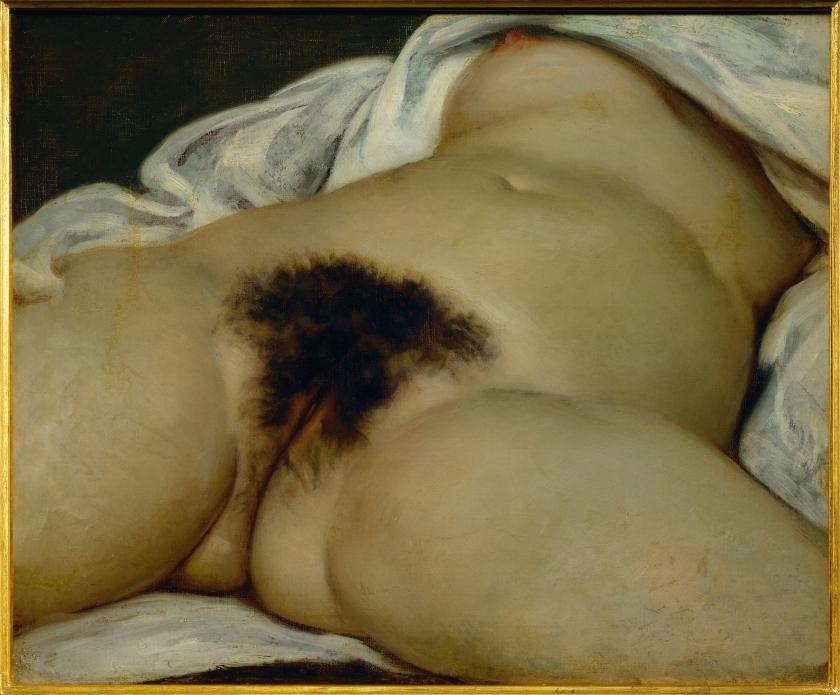
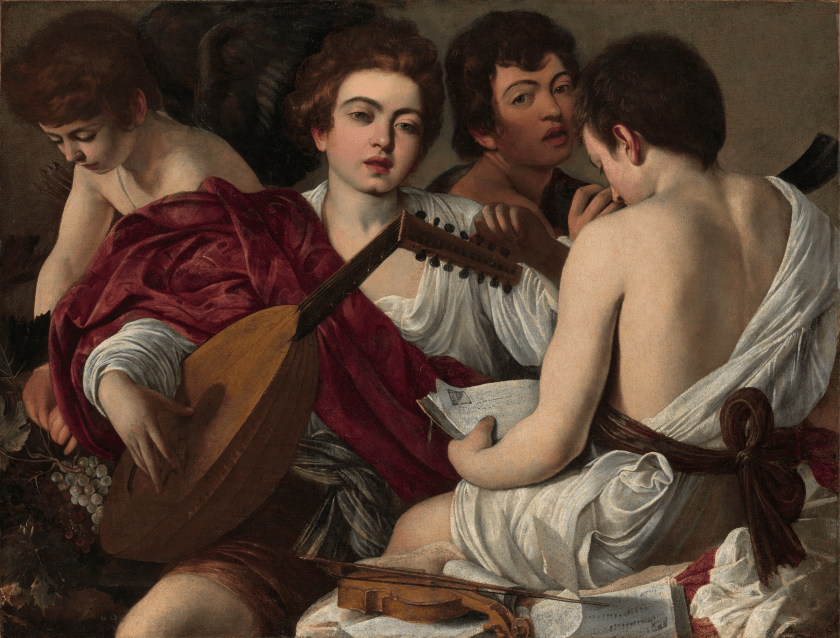
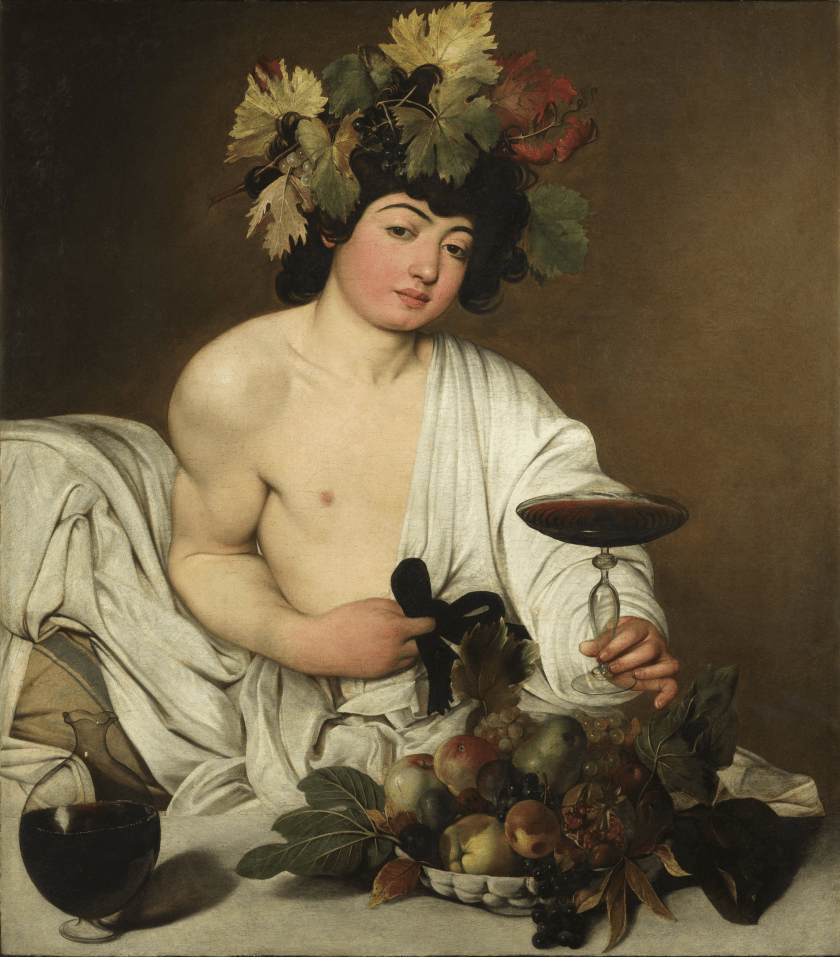
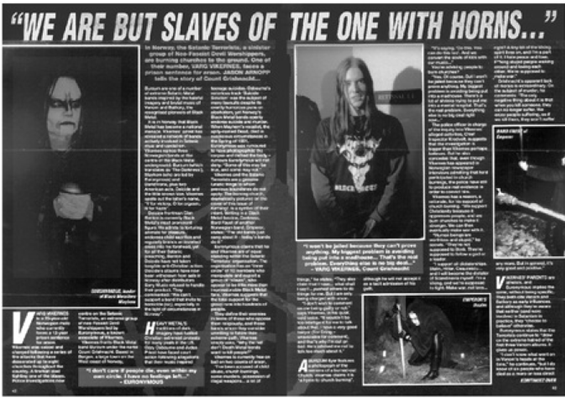

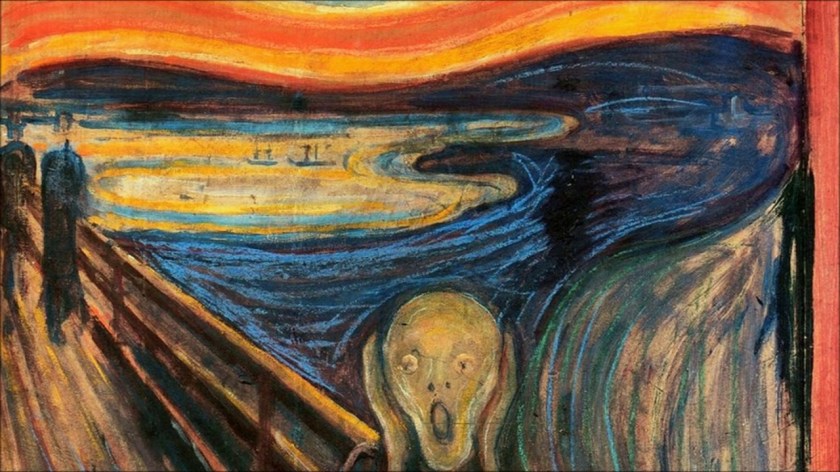
 Seclusão Anagógica